2027 Self-Paced Online Interior Design Bachelor's Degree Programs

Co-Founder and Chief Data Scientist
Many working professionals with unrelated undergraduate degrees struggle to switch careers due to rigid program schedules. A self-paced online interior design bachelor's degree offers flexibility to balance work and study without sacrificing progress. According to recent data, enrollment in self-paced online design programs has increased by 35% in the last five years, reflecting growing demand for adaptable education in creative fields. This article explores various self-paced online interior design bachelor's degree programs, their structure, accreditation, and how they enable career changers to enter the interior design industry efficiently and confidently.
Key Benefits of Self-Paced Online Interior Design Bachelor's Degree Programs
- Self-paced online interior design bachelor's programs offer unparalleled flexibility, allowing working professionals to balance studies with career and family commitments without fixed class schedules.
- These programs enable accelerated skill acquisition through competency-based models, letting students progress by demonstrating mastery rather than seat time, often reducing time-to-degree.
- They provide cost-effective pathways to accredited credentials by minimizing expenses related to commuting, textbooks, and often tuition, while supporting transfer credits and prior learning assessments.
What Are Self-Paced Online Interior Design Bachelor's Degree Programs, and How Do They Differ From Traditional Online Formats?
Self-paced online interior design bachelor's degree programs allow students to complete coursework at their own speed, distinct from cohort-based or asynchronous-but-scheduled models. These programs typically offer open enrollment and milestone-based progression rather than fixed weekly deadlines, accommodating accelerated or extended timelines tailored to individual needs. This approach aligns well with competency-based interior design education models online, emphasizing mastery of skills over time-bound tasks.
Traditional online interior design programs usually follow set start and end dates, often including live sessions or group projects. In contrast, self-paced formats remove these rigid schedules, offering flexibility for those balancing careers, family, or other commitments. However, lower levels of real-time faculty interaction require students to exercise strong accountability and motivation to manage their progress independently.
- Open Enrollment: Programs allow students to start anytime, bypassing semester deadlines. This flexibility supports varying schedules and life events without pressure to conform to a cohort.
- Flexible Timelines: Students advance by completing assignments and courses at their own pace, allowing for customized study loads or accelerated completion depending on individual circumstances.
- Milestone-Based Progression: Advancement is based on competency or project completion rather than weekly schedules, reinforcing practical learning applicable to interior design careers.
- Faculty Interaction: Limited synchronous sessions mean less direct contact with instructors; learners must proactively seek help when necessary.
- Time Management: Success demands strong self-discipline since external pacing is minimal. Structured deadlines in traditional online programs help some students maintain consistent progress.
- Student Accountability: Learners take full responsibility for their pace and completion, which can be difficult without peer or instructor checkpoints.
- Learning Experience: Traditional programs often provide richer collaboration opportunities, while self-paced options maximize flexibility for diverse learner needs.
- Ideal Candidates: Working professionals, non-traditional students, and those with unpredictable schedules benefit most from self-paced interior design bachelor's programs because of their adaptability and reduced time pressures.
For prospective students seeking maximum flexibility and financing options, exploring transfer credit policies, prior learning assessments, and financial aid eligibility is critical. To find comprehensive information on cost-effective online options in related fields, consider reputable resources such as most affordable msw programs online.
Which Accredited Institutions Offer Self-Paced Online Interior Design Bachelor's Degree Programs?
Several regionally accredited institutions provide flexible options for students seeking the best flexible self-paced accredited online interior design bachelor degree programs in the United States. These programs emphasize competency-based education models, allowing learners to advance by demonstrating mastery rather than adhering to fixed schedules. This format is ideal for working professionals, non-traditional students, and those balancing family commitments.
- Western Governors University: Accredited by the Northwest Commission on Colleges and Universities (NWCCU), WGU offers a competency-based online bachelor's degree in interior design. Tuition is charged as a flat rate per six-month term, encouraging motivated students to complete multiple courses quickly. Average completion time is two to three years.
- Southern New Hampshire University: SNHU holds accreditation from the New England Commission of Higher Education (NECHE) and features a self-paced bachelor's program in interior design. Tuition is per credit hour with generous transfer credit policies and prior learning assessments, helping reduce both time and cost. Completion typically takes three to four years depending on credits transferred.
- Capella University: Through its Higher Learning Commission (HLC) accreditation, Capella offers a FlexPath model online bachelor's degree in interior design. Students pay a flat tuition per term and can finish coursework more rapidly-sometimes in as few as 18 months-using credit transfers and competency demonstrations.
- Bellevue University: Accredited by the HLC, Bellevue's Bachelor of Science in interior design allows self-paced study within a competency-based framework. Tuition is per credit hour and flexible scheduling combined with transfer credit acceptance supports varied completion times, generally around three years for full-time students.
- Northern Arizona University: NAU, also accredited by the Higher Learning Commission, offers a personalized learning track for its online interior design bachelor's. Tuition is charged per credit hour with ample transfer and prior learning assessments accepted. Completion times range from two to four years depending on individual pace.
Students exploring these distance options should also consider financial aid eligibility and how prior learning credits might accelerate degree completion. For those interested in affordability and broader graduate studies, exploring the cheapest mlis degree online might provide additional pathways worth investigation.
2026 Update: Portfolio and Technology Readiness for Self-Paced Interior Design Students
This 2026 update adds a practical check on the tools, portfolio expectations, and remote studio requirements students should review before enrolling in a self-paced online interior design bachelor’s program.
- Confirm which design software, drafting tools, or rendering platforms are required in core courses.
- Check whether the program provides software access or expects students to purchase licenses separately.
- Review computer, tablet, camera, and storage requirements for submitting visual design work.
- Ask how online critiques, instructor feedback, and peer reviews are handled in a self-paced format.
- Look for courses that help students build a professional portfolio throughout the degree, not only at the end.
- Confirm whether physical materials, samples, models, or project kits are needed for studio assignments.
Checking these details helps students avoid unexpected barriers and choose a program that matches their workspace, budget, and career goals in interior design.
How Long Does It Take to Complete a Self-Paced Online Interior Design Bachelor's Degree?
Completion times for self-paced online interior design bachelor's degrees can range widely, with some students finishing in as little as 12 to 18 months. Faster completion typically depends on leveraging previously earned credits or demonstrating mastery through prior learning assessments. More often, students take anywhere from three to four years to complete the degree, aligning with traditional undergraduate timelines.
- Transfer Credits: Accepting coursework from accredited schools allows students to skip basic classes, significantly cutting down program duration.
- Prior Learning Assessments: Programs often grant credit for professional experience or certifications, accelerating progress without additional coursework.
- Weekly Time Investment: Time devoted to studies each week greatly affects pace; those balancing work or family obligations usually take longer than peers who can focus intensively.
- Program Structure: Competency-based models enable advancement by proving skills rather than completing set semesters, allowing motivated learners to move faster.
Data from the National Center for Education Statistics shows that traditional bachelor's degrees in design fields typically take about four years for full-time students. Yet, self-paced programs offer flexibility that can shorten or extend this timeline depending on individual circumstances and commitment.
Setting achievable, personalized study schedules is vital. Seeking programs with strong support-such as academic advising, tutoring, and time-management resources-can help learners stay motivated and avoid burnout in a self-directed setting.
A professional who enrolled in a self-paced online interior design bachelor's program shared that juggling coursework with a full-time job was initially overwhelming. He mentioned, "It was challenging to find consistent study time, but the ability to accelerate when I had free weeks made the flexibility invaluable." He also highlighted that credit for prior certifications reduced his workload substantially, though he had to stay disciplined and use academic support services to maintain progress without feeling lost or frustrated.
What Are the Admission Requirements for Self-Paced Online Interior Design Bachelor's Degree Programs?
Admission requirements for self-paced online interior design bachelor's degree programs include:
- High School Diploma or GED: Nearly all self-paced online interior design bachelor's degree programs require a high school diploma or GED, establishing a baseline for college-readiness. This requirement ensures applicants possess foundational skills as they begin their studies.
- GPA Expectations: Some programs request a minimum GPA-typically between 2.5 and 3.0 on a 4.0 scale-to verify academic capability. However, many self-paced programs emphasize accessibility, offering rolling admission or open-enrollment policies that accommodate a broad range of learners, especially non-traditional students.
- Prerequisite Courses: Prior coursework related to art, drawing, or basic design principles may be recommended or required in certain programs. These prerequisites provide helpful exposure but are often flexible to support diverse educational backgrounds.
- Enrollment Flexibility: Open-access or rolling admissions reduce barriers for those returning to education or balancing work commitments. This enrollment flexibility is a key feature that defines many self-paced online interior design bachelor's degree programs.
- Selective vs. Open-Access Programs: More selective degree tracks typically offer structured academic support such as tutoring, mentorship, or dedicated advising. Conversely, open-access options usually expect stronger student self-motivation, with fewer institutional resources for direct assistance.
- Strengthening Your Application: Applicants not fully meeting minimum requirements can improve prospects through portfolios demonstrating design skills, related work experience, or certificates in design-related fields. Personal statements outlining career goals also help bolster admissibility.
- Transfer Credits and Prior Learning Assessments: Many programs recognize transfer credits and prior learning assessments, providing pathways that accelerate degree completion. Prospective students should explore these options to maximize their existing academic and professional experience.
For a comprehensive comparison of institutions offering flexible and accredited programs, including critical admissions information, visit what are the best online universities.
How Much Does a Self-Paced Online Interior Design Bachelor's Degree Cost, and What Affects Tuition?
Self-paced online interior design bachelor's programs often charge tuition per credit hour, typically between $300 and $700. Since completing a degree usually requires about 120 credits, total tuition may range from $36,000 to $84,000. Alternatively, some institutions offer flat-rate subscription pricing, allowing unlimited courses within a set timeframe, which benefits those who accelerate their studies. Bundled fees may combine tuition with essential materials and software, potentially lowering extra costs.
- Per-Credit Tuition: Tuition is charged for each credit enrolled, making budgeting straightforward. However, the longer it takes to finish, the higher the cumulative expense.
- Flat-Rate Subscription: Students pay a fixed fee for unlimited access during a period-quarterly or yearly-enabling faster completion to reduce overall spending.
- Hidden Fees: Additional charges such as technology fees, exam proctoring, required course materials, and software subscriptions can add significant extra costs beyond listed tuition.
- Pacing Impact: Faster completion under subscription plans minimizes costs, while slower progress in per-credit models increases total expenses.
- Transfer Credits & Assessments: Utilizing prior learning assessments or transfer credits can reduce needed coursework, lowering overall tuition.
A professional who established a career after completing a self-paced interior design bachelor's program shared that managing unexpected fees was a notable challenge early on. She found that carefully planning her pace and confirming transfer credit policies helped control costs and avoid delays. Reflecting on her experience, she emphasized how the program's flexibility allowed balancing work and study, saying, "It wasn't just about tuition-it was learning how to budget time and expenses together." This approach ultimately made her education more affordable and aligned with her personal schedule.
What Financial Aid Options Are Available for Self-Paced Online Interior Design Bachelor's Programs?
Federal, state, and institutional aid are available to students in self-paced online interior design bachelor's programs, though eligibility-especially for competency-based education (CBE) models-can vary. Federal assistance often depends on whether a program's credit-hour equivalencies align with FAFSA requirements, which affects how and when funds are granted. According to College Board data, online learners frequently receive Pell Grants and Direct Loans, but unique program structures may alter disbursement timing compared to traditional formats.
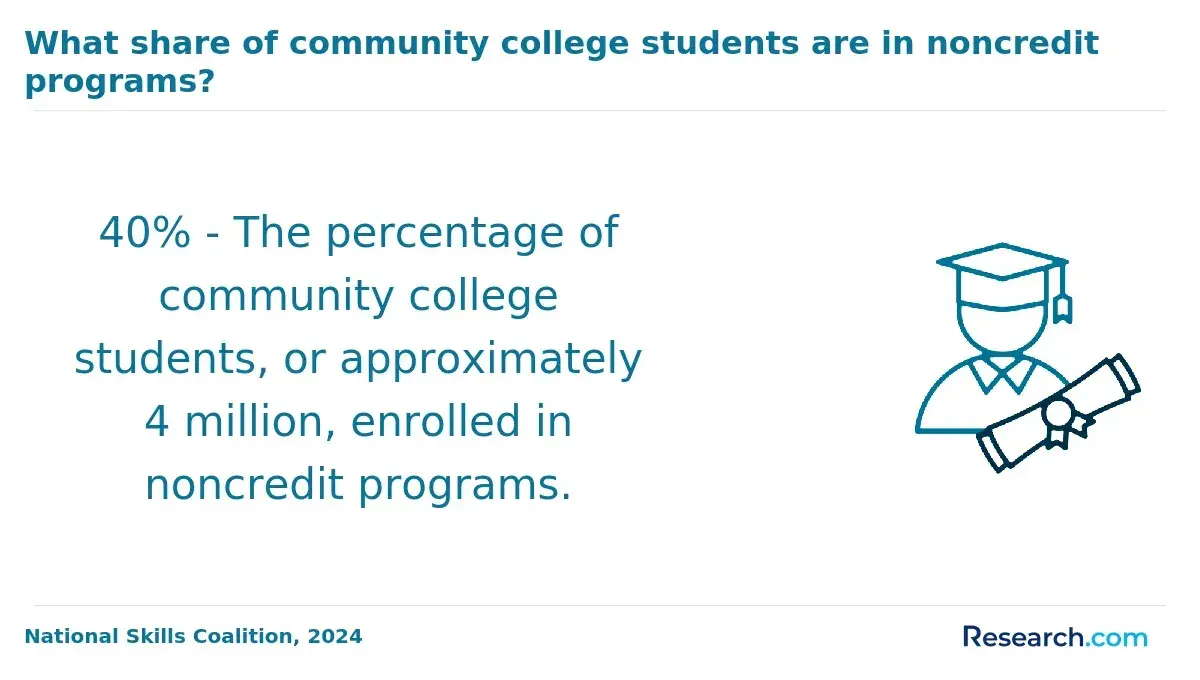
Recent trends from the National Center for Education Statistics show that nearly one-third of undergraduates have enrolled in at least one online course, emphasizing the growing need for adaptable financial support for non-traditional learners.
- Federal Aid Eligibility: Many self-paced interior design degrees qualify for federal Pell Grants and loans if they meet Department of Education guidelines. However, students should verify how their CBE programs report progress, as this can impact financial aid access and timing.
- State and Institutional Grants: Various states fund residents pursuing online degrees, and colleges may have targeted aid for distance or self-paced students. Checking with state education departments and school financial offices is crucial for uncovering all available resources.
- Discipline-Specific Scholarships: Organizations such as the American Society of Interior Designers (ASID) and International Interior Design Association (IIDA) provide scholarships specifically for interior design students, benefiting those enrolled in online or competency-based programs.
- Prior Learning Credits: Some programs offer credit for professional experience or previous education, which can lower tuition costs and affect aid eligibility. Understanding these policies helps with accurate financial planning.
- Verification and Timing: The flexible nature of self-paced programs may influence when aid funds are disbursed. Early communication with financial aid advisors is essential to confirm eligibility and avoid delays during enrollment.
How Do Competency-Based Education (CBE) Models Work in Self-Paced Online Interior Design Programs?
Competency-based education (CBE) models in self-paced online interior design programs require students to demonstrate mastery of targeted skills through assessments rather than accumulating traditional seat time. Learners advance by completing projects, exams, or portfolios aligned with program goals, allowing them to progress at a personalized pace. This approach enables students to move quickly through familiar content or spend extra time on challenging topics.
For financial aid eligibility, CBE programs translate demonstrated competencies into credit hours using either direct assessment or credit-hour-equivalent methods. Direct assessment programs award credit purely based on mastery without relying on clock hours, while credit-hour-equivalent programs convert competencies into standardized credit hours to meet federal aid requirements.
Notable programs using CBE models include Western Governors University, which employs a rigorous assessment system featuring performance tasks and knowledge checks, supported by dedicated faculty mentors. Southern New Hampshire University also offers self-paced, competency-based interior design courses utilizing project-based evaluations with consistent instructor feedback. These institutions are well-regarded by employers for equipping graduates with practical, job-ready skills.
Succeeding in a CBE environment demands strong self-discipline, motivation, and effective time management. Prospective students should carefully consider whether this independent learning model aligns with their personal study habits and preferences.
According to the National Center for Education Statistics, enrollment in competency-based education programs has grown by nearly 20% over five years, reflecting heightened demand for flexible, mastery-based learning paths.
- Mastery Through Assessments: Students demonstrate real-world skills by completing projects, exams, and portfolios instead of attending fixed class hours.
- Financial Aid Compliance: CBE programs either directly assess competencies or translate achievements into credit hours to satisfy federal aid standards.
- Leading Programs: Western Governors University and Southern New Hampshire University offer self-paced interior design degrees with strong faculty support and recognized industry value.
- Self-Discipline Needed: Success in CBE requires motivation and time management, making it ideal for highly independent learners.
- Growing Popularity: Competency-based education enrollment has increased by approximately 20% recently, indicating rising acceptance and demand.
What Accreditation Should a Self-Paced Online Interior Design Bachelor's Program Hold?
Accreditation plays a vital role when choosing a self-paced online interior design bachelor's degree program. Regional accreditation is generally considered the gold standard, as employers and graduate schools tend to give it more weight than national accreditation. The U.S. Department of Education recognizes six regional accrediting bodies: the Middle States Commission on Higher Education (MSCHE), New England Commission of Higher Education (NECHE), Higher Learning Commission (HLC), Northwest Commission on Colleges and Universities (NWCCU), Southern Association of Colleges and Schools Commission on Colleges (SACSCOC), and Western Association of Schools and Colleges (WASC).
Some self-paced online interior design programs also hold programmatic accreditation through organizations like the Council for Interior Design Accreditation (CIDA), which ensures that curriculum standards meet industry requirements-enhancing the degree's credibility. Including the focus on bachelor's degree accreditation for online interior design programs can help students understand how specific credentials affect career advancement opportunities.
However, enrolling in programs with only national accreditation or no accreditation carries risks. Credits earned at nationally accredited or non-accredited schools often do not transfer to regionally accredited institutions, limiting options for further education. Employers and licensing boards also tend to prefer candidates with degrees from regionally accredited programs, influencing hiring and licensure decisions.
Before committing to a program, prospective students should verify accreditation status via the U.S. Department of Education's database and the Council for Higher Education Accreditation (CHEA) directory. These resources help ensure educational quality and protect against fraudulent or low-quality schools.
Working professionals and non-traditional students should also carefully evaluate transfer credit policies, prior learning assessments, and financial aid eligibility-key features that make flexible learning feasible. For those considering other flexible degree paths, see this list of real estate degree programs.
- Regional Accreditation: Considered the gold standard, it ensures institutions meet high academic and administrative standards recognized widely by employers and graduate schools.
- National Accreditation: Often applies to vocational or career-focused schools; credits may not transfer, potentially restricting future educational options.
- Programmatic Accreditation: Specific to interior design, bodies like CIDA validate curriculum quality and industry relevance beyond institutional accreditation.
- Accreditation Risks: Enrolling in non- or nationally accredited programs can limit credit transfer, affect licensure, and reduce employment prospects in interior design careers.
- Verification Resources: The U.S. Department of Education and CHEA provide reliable directories for confirming accreditation status before enrollment.
How Many Transfer Credits Can Be Applied Toward a Self-Paced Online Interior Design Bachelor's Degree?
Self-paced online interior design bachelor's degree programs often feature flexible transfer credit policies designed to accommodate diverse student backgrounds and prior learning. Transfer credits are typically evaluated based on their relevance to the curriculum, the accreditation status of the originating institution, and the grade earned-commonly requiring a minimum of a C grade. Programs with the most generous policies can accept up to 90 transfer credits, significantly shortening the time and expense needed for degree completion. This flexible approach helps non-traditional students and working professionals leverage prior college coursework efficiently.
Many accredited programs also recognize military training credits by following the American Council on Education (ACE) recommendations, allowing servicemembers to apply experiential learning toward general education or elective requirements in their interior design bachelor's programs. Furthermore, articulation agreements between community colleges and online universities streamline the transfer process, ensuring foundational coursework is fully credited and minimize duplicated efforts.
Prospective students should always request a detailed transfer credit evaluation before enrollment to clarify how many credits will transfer and what remains to be completed. This evaluation is essential for an accurate estimate of tuition costs and helps avoid unexpected coursework during the program. For those interested in broader academic options, it's worth exploring pathways such as online mathematics degree programs, which may offer complementary skill development alongside design curricula.
- Transfer Credit Limits: Policies vary, but certain self-paced online interior design programs accept up to 90 transfer credits, enabling students to leverage extensive prior coursework toward degree requirements.
- Military Credit Acceptance: Many programs award credit for military training evaluated through ACE recommendations, acknowledging experiential learning from servicemembers.
- Community College Articulation: Established agreements with community colleges facilitate seamless transfer of foundational and general education credits, reducing redundant coursework.
- Accreditation Importance: Transfer approval generally depends on the accreditation status of the original institution, with regionally accredited credits preferred for smooth transfer.
- Pre-Enrollment Evaluation: Securing a comprehensive transfer credit evaluation before enrolling helps students plan degree pathways accurately and budget accordingly.
Can Students Earn Credit Through Prior Learning Assessment in Self-Paced Online Interior Design Programs?
Prior Learning Assessment (PLA) enables students in self-paced online interior design bachelor's degree programs to earn academic credit for knowledge acquired outside the classroom. This includes professional experience, military service, industry certifications, and self-directed study. Credit can be granted through portfolio reviews, challenge exams, or standardized tests such as CLEP and DSST. The American Council on Education (ACE) supports this process by evaluating military and corporate training, providing credit recommendations widely accepted by many institutions. Southern New Hampshire University and Liberty University stand out among affordable programs for their flexible PLA policies, often allowing up to 30 credits through prior learning. Submission usually requires detailed portfolios, official documents, and reflective assessments, with early advisor consultation strongly recommended to maximize credit awards and prevent redundant coursework.
Nearly 70% of non-traditional students currently use PLA or transfer credits to shorten their degree timeline and reduce costs. Thorough documentation-including work samples, transcripts, resumes, and letters of recommendation-is essential to successfully demonstrate competence and secure credit.
- Portfolio Review Process: Students submit collections of work demonstrating competencies aligned with program outcomes to earn credit for practical skills.
- Standardized and Challenge Exams: CLEP and DSST exams assess knowledge from outside formal education, allowing credit for foundational or specialized courses.
- Military and Professional Training: The ACE system translates service and industry training into academic credits, benefiting veterans and working professionals alike.
- Institutional Credit Limits: Programs cap PLA credits, typically between 20 and 30 semester hours, shaping degree planning.
- Documentation Best Practices: Comprehensive portfolios, official transcripts, and consultant guidance optimize credit acceptance and alignment with degree requirements.
What Concentrations or Specializations Are Available in Self-Paced Online Interior Design Bachelor's Programs?
Self-paced online interior design bachelor's programs commonly offer a variety of specialized tracks, each aligning with distinct career paths and earning potential reported by the BLS. Concentration choices impact practical requirements, such as internships or certifications, and can influence how long the program takes to complete based on course workload intensity.
- Residential Interior Design: Focused on private living spaces, this path prepares students for roles like residential designers or home staging professionals. Median salaries hover around $57,000, with certification optional but beneficial. Licensure typically isn't required.
- Commercial Interior Design: Targeting corporate, hospitality, and retail environments, graduates may pursue positions in offices, hotels, or stores. Average pay is near $62,000, and certifications such as NCIDQ might be necessary for advanced roles.
- Sustainable Design: Emphasizing eco-conscious materials and energy efficiency, this track suits those aiming to become sustainability consultants or LEED-certified designers. It often demands additional coursework in environmental science, making the program more rigorous.
- Kitchen and Bath Design: This specialty stresses technical skill and functional aesthetics, requiring internships and product knowledge. Median earnings exceed $59,000, and many professionals seek NKBA certification for career advancement.
- Historic Preservation and Restoration: Centered on maintaining architectural heritage, this niche involves understanding local regulations and completing internships. Salaries align with general interior design roles but vary by project complexity and location.
Selecting the appropriate concentration allows learners to balance personal interest with market demands while tailoring program length and intensity to their goals. Those prioritizing swift completion may prefer less demanding tracks, whereas others might invest extra time to meet certification or experiential prerequisites, ensuring alignment with their intended career path.
What Graduates Say About Self-Paced Online Interior Design Bachelor's Degree Programs
- Augustus: "Choosing a self-paced online interior design bachelor's degree was a strategic move for me, balancing my existing job and family commitments. The affordability of the program made pursuing my passion without financial strain possible, which is crucial when investing in your future. Since completing the degree, I've seen a remarkable growth in my confidence and opportunities within the industry, allowing me to build a solid professional foundation."
- Antonio: "Reflecting on my journey through the self-paced online interior design degree, the flexibility it provided was key-it gave me control over when and how I learned. The cost-effectiveness compared to traditional programs helped me avoid overwhelming debt. Professionally, the degree opened doors to networking and project management roles I never anticipated, truly elevating my career path in interior design."
- Julian: "Enrolling in a self-paced online interior design bachelor's program was the perfect choice for me as a working professional seeking career advancement. The program's pricing was transparent and reasonable, which made planning my finances straightforward. Ultimately, the knowledge and credentials I gained have significantly enhanced my portfolio and credibility, allowing me to attract higher-profile clients and projects."
Other Things You Should Know About Interior Design Degrees
Admission generally requires a high school diploma or equivalent, submission of transcripts, and sometimes a personal statement. Specific requirements may vary by institution, and some programs may ask for a portfolio or letters of recommendation.
Most programs require a laptop or desktop computer, current design software, and a stable broadband connection. Common tools include AutoCAD, SketchUp, Revit, and Adobe Creative Cloud. Some schools also require a webcam, microphone, and cloud storage for file submission and live critiques.
References
- Accreditations and Recognition — IDI USA https://www.theinteriordesigninstitute.com/us/en/accreditations
- Interior Designers Institute https://www.mymajors.com/college/interior-designers-institute/tuition/
- Online Bachelor of Arts Honours in Interior Design https://www.emeris.ac.za/qualifications/online/bachelor-of-arts-honours-in-interior-design
- What You Need to Know About Studying Interior Design Online - HomeByMe https://home.by.me/en/decor-magazine/professionals/becoming-pro/what-need-to-know-studying-interior-design-online/
- Apprenticeships: initial assessment to recognise prior learning https://www.gov.uk/government/publications/apprenticeships-recognition-of-prior-learning/apprenticeships-initial-assessment-to-recognise-prior-learning
- BA Hons Interior Design Enrolment Form https://www.oca.ac.uk/courses/ba-interior-design/
- Online Interior Design Degree | Penn Foster https://www.pennfoster.edu/programs/creative/interior-design-associate-degree
- How many years it will take to complete interior designing course? - Answers https://www.answers.com/jobs/How_many_years_it_will_take_to_complete_interior_designing_course
- How long does an interior design degree take https://www.coohom.com/article/how-long-does-an-interior-design-degree-take
- PLA Programme https://online-degrees.org/uni/prior-learning-assessment/programme