2027 Hybrid vs Fully Online Interior Design Bachelor's Degree Programs

Co-Founder and Chief Data Scientist
Picture a working parent living in a suburban area, juggling family responsibilities and a part-time job while wanting to earn a bachelor's degree in interior design. The choice is stark: attend a hybrid program with scheduled campus visits that offer hands-on workshops and face-to-face critiques, or pursue a fully online degree capable of fitting seamlessly around daily commitments but lacking direct studio interaction.
This tension between flexibility and in-person engagement is central for many. Industry data shows that 62% of online interior design graduates emphasize the value of real-world collaboration in securing employment. This article examines hybrid and fully online interior design bachelor's programs to help readers decide which format aligns best with their goals and lifestyle.
Key Benefits of Hybrid vs Fully Online Interior Design Bachelor's Degree Programs
- Hybrid programs offer increased learning flexibility by combining scheduled in-person labs with online coursework, accommodating students who benefit from hands-on experience alongside digital study.
- Fully online programs provide minimal in-person interaction, relying on virtual collaboration tools, which suits students seeking convenience but limits tactile design skill development.
- Hybrid formats better support balancing education with professional responsibilities by offering structured in-person sessions, while fully online programs maximize scheduling autonomy for diverse personal commitments.
What is a hybrid vs. a fully online interior design bachelor's degree?
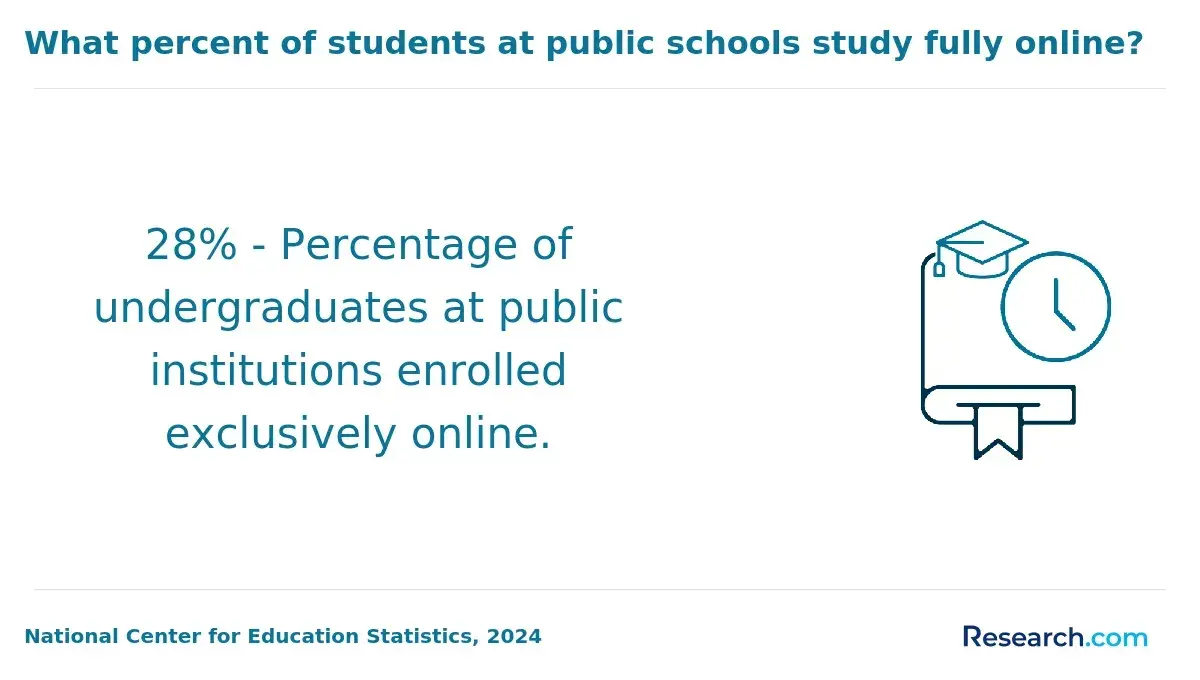
Hybrid and fully online interior design bachelor's degree programs differ mainly in their delivery methods, levels of in-person interaction, and overall learning structures. Nearly 35% of undergraduate students in the U.S. have taken at least one online course, showing a clear trend toward incorporating remote learning in higher education. These formats each offer distinct approaches that may appeal to different student preferences and lifestyles.
Below is a comparison of hybrid interior design bachelor programs advantages versus fully online options, highlighting key features of each format.
Hybrid Programs
- Courses combine online learning with scheduled in-person classes, workshops, or studio sessions for hands-on experience.
- Students must manage both on-campus attendance and remote coursework, requiring strong time management skills.
- Structured scheduling typically involves fixed class times on campus, promoting regular face-to-face interaction.
- This format supports direct mentorship and collaborative projects essential for practical design skills.
- Greater opportunities exist for immediate feedback and building a learning community through personal engagement.
Fully Online Programs
- The entire curriculum is delivered through virtual platforms, with no required campus visits, offering flexibility in where and when students study.
- Students access video lectures, digital portfolios, and online critiques, which simulate in-person experiences through technology.
- Scheduling is often asynchronous, allowing learners to balance studies with work or family commitments efficiently.
- Communication relies on discussion boards, video calls, and email, facilitating effective but less spontaneous interaction.
- This format explains the fully online interior design degree structure explained by its emphasis on independent learning and digital communication tools.
Students interested in exploring programs related to design or similar fields may also find value in researching online speech pathology programs as examples of evolving online higher education options.
How does a hybrid vs. a fully online interior design bachelor's degree program work?
Both hybrid and fully online interior design bachelor's degree programs follow structured academic pathways, ensuring students complete required coursework and skill development on schedule. The key difference lies in how course material is delivered and how students engage with instructors and classmates.
According to the National Center for Education Statistics, enrollment in distance education courses at degree-granting postsecondary institutions increased by over 30% between 2018 and 2021, highlighting the growing popularity of these formats. This comparison outlines how a hybrid interior design bachelor program structure contrasts with fully online delivery methods.
Hybrid Programs
- Course delivery includes a mix of asynchronous online lessons and scheduled on-campus classes or labs.
- Class participation involves both virtual discussions and in-person collaboration, allowing direct interaction with instructors and peers.
- Scheduling is usually fixed for the on-campus components, requiring students to plan for travel and attendance on specific days.
- Communication occurs through learning management systems, video conferencing for online parts, and face-to-face meetings during on-campus sessions.
Fully Online Programs
- Course materials include video lectures, digital readings, and virtual design software accessible anytime.
- Participation is through discussion boards, video calls, and peer reviews conducted entirely online.
- Scheduling is often more flexible with asynchronous content, though some courses may have live sessions at set times.
- Communication with instructors and classmates happens via email, chat, forums, and live web meetings.
Students interested in combining the convenience of online studies with some on-campus experience may consider hybrid options, while those seeking full flexibility might explore fully online degrees, including programs similar to the online business degree paths discussed by experts. For further information about affordable online degree options, prospective students can visit online business degree resources.
Are admission requirements different for hybrid and fully online interior design bachelor's degrees?
Admission requirements for hybrid and fully online interior design bachelor's programs are generally quite comparable, though subtle variations arise due to differences in delivery methods and institutional preferences. These distinctions typically pertain to academic credentials, technical expectations, and submission materials. The following points highlight key contrasts prospective students might encounter.
- Academic Qualifications: Both formats usually mandate a high school diploma or its equivalent and may ask for standardized test scores or a minimum GPA. Yet, hybrid programs can sometimes be more selective, especially if on-campus space is limited or if face-to-face sessions require managing smaller cohorts.
- Technical Requirements: Fully online students often need strong internet connectivity, a reliable computer with design software compatibility, and occasionally hardware like drawing tablets. Hybrid students might have an advantage here, as they can access campus resources for certain coursework components, reducing personal tech demands.
- Application Materials: Hybrid programs sometimes request in-person portfolio reviews or interviews, emphasizing direct evaluation. In contrast, fully online programs usually accept digital portfolios and conduct interviews virtually, accommodating geographic flexibility.
- Program-Specific Prerequisites: Hybrid programs may enforce on-campus completion of foundational art or design prerequisites before shifting to online courses, while fully online programs generally integrate these prerequisites within their remote curriculum for easier access.
- Health and Vaccination Documentation: Some hybrid programs require proof of vaccinations or health clearances due to on-site attendance, a condition fully online students do not face.
A student enrolled in a fully online interior design bachelor's program shared that navigating the technical requirements was initially daunting, especially ensuring her laptop met the software demands. She appreciated the streamlined process for submitting her digital portfolio and found virtual interviews less stressful than traditional in-person meetings.
Reflecting on this, she noted, "It felt reassuring to know requirements were designed around remote learning realities, which helped me focus more on preparing creatively rather than worrying about logistics." Despite occasional challenges with technology, the flexibility and alignment of admission steps with an online environment made the path smoother than expected.
Is the learning experience better in hybrid vs online interior design bachelor's degrees?
Hybrid interior design bachelor's degree programs offer a rich learning experience by combining both in-person and online elements. Students benefit from direct interaction with instructors and classmates during face-to-face sessions, which encourages immediate feedback and lively discussions.
This setup supports practical work such as studio projects and hands-on activities, essential for mastering design skills. Access to campus facilities like design labs and materials further enhances the educational experience. The blend of on-site collaboration with online flexibility creates a balanced environment for skill development and peer engagement.
Fully online interior design programs prioritize convenience and flexibility, ideal for students managing busy schedules or remote locations. However, virtual learning can sometimes limit spontaneous interaction with instructors and peers, which may affect immediate clarification and mentorship opportunities.
Many online programs counterbalance this by offering digital tools, interactive assignments, and virtual labs that simulate in-person studio work. Still, some students might find the sense of community and direct guidance less pronounced compared to hybrid formats. Ultimately, the effectiveness of online programs depends on their design and how well they match a student's personal learning style and needs.
Which is more flexible: a hybrid or fully online interior design bachelor's degree?
Hybrid interior design degree flexibility advantages lie in their blend of online coursework and mandatory in-person components, which create a structured yet adaptable schedule. Students participate in on-campus studios, workshops, or critiques that usually take place at set times, offering valuable hands-on experiences and real-time collaboration.
This model balances remote learning benefits with essential face-to-face interaction, though it requires periodic campus visits that may limit full location freedom. The combination ensures a steady pace but with less control over daily study hours compared to fully online programs. For those who appreciate a mix of flexibility and direct engagement, hybrid programs present a viable option.
Fully online interior design bachelor's program schedule options maximize flexibility by granting students full remote access to course materials and activities. Many of these programs utilize asynchronous learning formats, enabling learners to complete work at any time that suits their personal and professional commitments. This freedom is especially advantageous for those managing jobs, family, or other responsibilities, allowing study from any location.
According to a 2023 National Survey of Student Engagement, 68% of online learners cited flexibility in scheduling as a primary reason for choosing fully online studies. Prospective students may also explore related fields like a cyber security degree online to compare flexible learning options across disciplines.
What is the workload for hybrid vs fully online interior design bachelor's degrees?
Though hybrid and fully online interior design bachelor's degree programs generally uphold similar academic expectations, they differ notably in pacing, structure, and the time demands placed on students. An online learning consortium report found that online students spend approximately 25% more time interacting with course content compared to those in traditional settings. These differences shape how students manage their study routines in each format.
Hybrid interior design programs split the workload between face-to-face sessions and online tasks. Scheduled in-person classes often include studio labs, group critiques, and hands-on workshops, offering direct engagement with instructors and peers.
Outside these fixed meetings, students complete readings, projects, and assignments through online platforms. This blend requires balancing set class times with flexible study hours, making careful weekly planning essential to stay on track.
Fully online interior design programs rely largely on asynchronous learning, allowing students to access lectures, discussions, and coursework at their convenience within set deadlines. Without regular live meetings, learners must exhibit self-discipline and strong time management to maintain progress. Digital submissions and virtual critiques replace face-to-face evaluations, and students often devote extra time independently mastering design software, conducting research, and preparing projects.
How does tuition compare for hybrid vs online interior design bachelor's degrees?
Tuition costs for hybrid and fully online interior design bachelor's degree programs can vary widely due to factors like delivery format, institutional policies, credit requirements, and additional fees. A notable trend shows fully online programs often have 10-20% lower per-credit tuition rates compared to hybrid formats, primarily because online courses avoid expenses related to campus facilities and in-person instruction.
- Per-Credit Costs: Online interior design programs usually charge less per credit as they do not require physical classroom maintenance. Hybrid programs factor in the costs of both online and occasional on-campus sessions, raising per-credit prices.
- Technology and Campus Fees: Students in hybrid programs often pay campus facility or lab fees for studio space, whereas online students generally only encounter technology fees without additional campus-related expenses.
- Residency or Facility Charges: Hybrid degrees may require mandatory fees tied to campus access or resources, increasing overall tuition, while fully online options tend to minimize these additional costs.
- Payment Flexibility: Some online programs offer subscription-based or more flexible payment schedules, making budgeting easier compared to the traditional semester-based billing common in hybrid programs.
- Credit Requirements: Hybrid programs sometimes require more total credits due to in-person coursework, which can elevate the overall expense relative to fully online degrees.
When discussing how tuition compares for hybrid versus online interior design bachelor's degrees, a graduate of a hybrid program shared his experience, noting the financial juggling act involved. "I had to carefully plan because the campus fees added up, and sometimes I wasn't sure if those were included in my tuition or billed separately," he recalled.
He also mentioned that balancing the extra costs alongside commuting expenses sometimes felt overwhelming. Despite the challenges, he valued the hands-on studio time, but emphasized how thoroughly understanding the varied fees beforehand could have eased the unpredictability of his budget.
Do employers prefer hybrid or fully online interior design bachelor's degrees?
Employer perceptions of hybrid and fully online interior design bachelor's degrees have evolved significantly as online education gains wider acceptance. A notable trend shows more than 70% of employers now view online degrees as equivalent or nearly equivalent to traditional ones. This shift reflects a growing acceptance of diverse educational formats within the job market.
When comparing employers' preferences for hybrid versus fully online interior design bachelor's degrees, several factors come into play:
- Hands-On Experience: Hybrid programs combine online courses with in-person studio work, offering practical experience that employers value highly. Fully online degrees may lack direct tactile interaction, though virtual simulations increasingly bridge that gap.
- Flexibility and Accessibility: Fully online degrees provide unmatched flexibility, appealing to students balancing other commitments. However, some employers still question whether fully online graduates have enough exposure to real-world client interactions.
- Self-Motivation and Technical Skills: Both formats require strong self-discipline and technical proficiency, qualities prized by employers in creative fields like interior design. This skill set often outweighs concerns about the learning format itself.
- Institution Reputation and Accreditation: Degrees-whether hybrid or fully online-are best regarded when earned from well-known schools accredited by respected bodies such as the Council for Interior Design Accreditation.
- Networking Opportunities: Hybrid programs may offer superior networking chances via face-to-face faculty and peer interactions, which can slightly advantage graduates entering the job market.
Students evaluating employers' preference for hybrid interior design bachelor's degree programs or considering the value of fully online interior design degrees in the job market should weigh these elements carefully. For those interested in business-oriented education, exploring options like the cheapest online MBA no GMAT AACSB programs can also provide flexible pathways for career advancement.
Who should choose a hybrid vs. a fully online interior design bachelor's degree?
The decision to pursue a hybrid versus fully online interior design bachelor's degree depends on individual learning preferences, schedule flexibility, and lifestyle needs. Each format offers distinct advantages that cater to different student profiles. Below is a comparison of who benefits from hybrid interior design bachelor's programs and the ideal candidates for fully online interior design degrees.
- Hands-On Learners: Students who benefit from hybrid interior design bachelor's programs often prefer in-person studio work and face-to-face feedback. This format supports those who thrive on direct interaction and practical experiences that are difficult to replicate fully online.
- Working Professionals: Hybrid programs suit learners balancing part-time jobs or other commitments. They appreciate the blend of structured campus visits and flexible online coursework, helping them stay engaged without sacrificing work responsibilities.
- Remote Students: Ideal candidates for fully online interior design degrees include those living in rural or remote areas. These students can earn their degrees without relocating, enjoying the convenience of completing coursework entirely online.
- Self-Motivated Individuals: Students who excel in independent study and manage their time well are prime candidates for fully online programs. The format demands discipline but offers unmatched flexibility for those with unpredictable schedules, such as parents or full-time workers.
- Socially Engaged Learners: Students living near campuses who want partial social interaction without full-time attendance benefit from hybrid options. This setup allows them to maintain connections while enjoying online convenience.
For students exploring various options in higher education, combining this perspective with resources about other fields can be valuable. For example, those interested in a broader range of degrees might find insights into the online degree mathematics programs helpful when considering flexible online study patterns.
How can I succeed in a hybrid vs. a fully online interior design bachelor's degree program?
Success in hybrid and fully online interior design bachelor's degree programs depends on adapting study techniques to different formats. Hybrid learning mixes in-person and digital components, while fully online programs requires students to manage all work remotely. The following strategies help students thrive in either environment by addressing time management, engagement, and technology use.
- Time Management: Hybrid students should prioritize attendance at hands-on studio classes while scheduling dedicated periods for online coursework. Fully online learners benefit from setting daily routines to stay organized without the structure of physical classes.
- Active Participation: In hybrid programs, engaging during in-person critiques enhances learning. Online students must contribute actively to forums and virtual collaborations to build connections and improve skills.
- Utilizing Resources: Hybrid learners should take advantage of campus labs and face-to-face feedback. Fully online students must master digital tools and access tutorials to support independent study.
- Communication Skills: Both formats require strong communication-hybrid students for in-person discussions and online students for clear virtual interactions through video calls and messaging platforms.
- Goal Setting: Setting clear, achievable goals helps maintain focus regardless of program type. This creates motivation and clarity in balancing academic tasks with other responsibilities.
- Study Environment: Creating a dedicated study space encourages concentration. Hybrid students split focus between campus and home, while online learners rely entirely on their remote setup.
What Graduates Say About Hybrid vs Fully Online Interior Design Bachelor's Degree Programs
- Augustus: "Choosing a fully online interior design bachelor's program was the ideal decision for me due to my demanding work schedule and family commitments. The flexibility to access coursework at any time allowed me to balance professional duties and school effectively. This experience sharpened my self-discipline, and now as a practicing designer, I feel confident managing multiple client projects with the same focus and organization."
- Antonio: "Enrolling in a hybrid interior design degree gave me the perfect mix of hands-on learning and remote study. Navigating design software and in-person studio sessions deepened my practical skills while online lectures offered convenience. This blend prepared me well for the creative and technical challenges in my career, enabling me to collaborate smoothly with both clients and contractors."
- Julian: "What stood out most in my fully online interior design bachelor's experience was the supportive virtual community and access to diverse resources. Initially hesitant about remote learning, I found that the interactive platforms and timely feedback kept me engaged and motivated. Earning this degree has expanded my professional network and opened doors to innovative projects I hadn't imagined possible."
Other Things You Should Know About Interior Design Degrees
Most accredited interior design programs, whether hybrid or fully online, require students to complete internships or fieldwork as part of their degree. These internships help students gain real-world professional experience and build industry connections. Hybrid programs may facilitate local internships more easily due to their in-person presence, but fully online students can arrange internships independently within their communities.
In 2027, hybrid interior design bachelor's programs typically combine online lectures with in-person studio sessions. Students may attend campus workshops every few weeks, complemented by virtual classes. This format allows hands-on practice while leveraging digital learning tools for flexibility and comprehensive understanding.
Students must have a reliable computer with a minimum of 16GB RAM, high-speed internet, and software like AutoCAD or SketchUp. These are essential for accessing coursework, attending virtual classes, and completing design projects effectively in 2027.
References
- Online vs. On-Campus Interior Design Course Which is Right for You? - IWP Academy https://iwpacademy.com/blog/online-vs-on-campus-interior-design-course-which-is-right-for-you/
- Hybrid Flexible Learning studies at VIZJA - VIZJA University in Warsaw https://vizja.pl/en/studia-hfl-w-vizja/
- Enrol https://www.baid.co.uk/enrol/interior_design_degree_live_online
- Difference between Hybrid, Online & In-Class Degree Programmes | BSBI https://www.berlinsbi.com/blog/what-is-the-difference-between-hybrid-online-and-in-class-degree-programmes
- What are the advantages of taking an online interior design course? https://www.rathoreuniversity.com/what-are-the-advantages-of-taking-an-online-interior-design-course/
- Online vs Offline Interior Design Courses in 2025 | Which is the Ultimate Choice? https://ivsschoolofartanddesign.com/career/online-vs-offline-interior-design-courses/
- Distance and online learning Interior Design Degrees | Emagister https://www.emagister.co.uk/degrees/distance_learning_interior_design_degrees-tdist-395.htm
- How to Learn Interior Design Online https://vdci.edu/learn/interior-design/how-to-learn-interior-design-online
- Bachelor of Interior Design | CIDA Accredited Online Degree |Yorkville University https://www.yorkvilleu.ca/programs/bachelor-of-interior-design-online/
- Can You Really Study Interior Design Online? - National Design Academy https://www.nda.ac.uk/blog/study-interior-design-online/