2027 ABSN Certificates Worth Considering After Graduation

Co-Founder and Chief Data Scientist
Graduates completing accelerated baccalaureate nursing programs face urgent pressure to differentiate themselves in a saturated job market where 68% of registered nurses pursue additional certifications, according to the National Council of State Boards of Nursing's 2024 workforce survey.
Limited clinical experience during condensed ABSN curricula drives many employers to prefer candidates who demonstrate specialized expertise or validated competencies beyond initial licensure. Meanwhile, the growing availability of stackable certificates and flexible online options complicates decision-making by requiring candidates to weigh immediate employability against long-term career mobility.
This article evaluates current certificates worth pursuing post-graduation to navigate these tradeoffs effectively and maximize professional opportunities.
Key Things You Should Know
- ABSN graduates face a cost-density tradeoff. Programs average $45,000 with completion in 12-18 months, accelerating entry but limiting financial aid eligible, per National Center for Education Statistics 2024 data.
- Employers prioritize ABSN candidates' clinical experience over GPA, with 68% of surveyed hospitals (American Nurses Association 2024) favoring programs offering integrated high-volume patient care rotations.
- Workforce demand projections from the U.S. Bureau of Labor Statistics 2024 indicate accelerated nursing degrees reduce time-to-license bottlenecks, yet regional licensure variations delay cross-state employment by up to 6 months.
What are the most valuable post-ABSN nursing certificates to pursue?
High-value post-ABSN nursing certificates pivot on how distinctly they position candidates in competitive job markets shaped by employer demand and patient needs. For example, CCRN certification provides a crucial edge for nurses targeting intensive care units, where expertise affects both patient survival and promotion timelines.
Meanwhile, the family nurse practitioner (FNP) certificate serves nurses seeking roles that require broad clinical autonomy, aligning with shifts toward outpatient and preventative care. Choosing certificates without recognizing regional labor variations or employer recognition, for instance, some mental health certificates face tougher clinical prerequisites and limited institutional uptake, can stall career progress.
Those evaluating top specialized nursing certificates to pursue after ABSN graduation must consider the workforce imbalances driving demand. Psychiatric-mental health certifications meet a widening shortage in behavioral care but come with rigorous exams and fewer entry points.
Certificates like wound care or geriatrics offer specialized niches but may not translate to broader job opportunities. Thoughtful choices also consider renewal costs and practical clinical experience requirements, as these factors often determine the actual return on investment.
Competitive numbers, 27,706 enrollments versus 17,629 graduates in accelerated baccalaureate nursing programs, reflect the intense filtering process toward employment. Students should strategically assess local healthcare trends and credentials offering sustainable career pathways rather than defaults. For those seeking flexible educational options, exploring the cheapest RN to BSN programs can be a complementary step toward licensure enhancement and market mobility.
Which advanced practice and specialty nursing certificates build on an ABSN?
Advanced practice nursing certificates for ABSN graduates substantially shift employability dynamics by enhancing clinical autonomy and addressing niche workforce shortages in high-demand specialties.
Certificates such as Family Nurse Practitioner (FNP), Acute Care NP, and Psychiatric-Mental Health NP not only enable prescriptive authority but also open paths to independent practice, presenting tangible wage and responsibility increases compared to general RN roles. For example, an ABSN graduate pursuing an FNP certificate can enter primary care settings with stronger job security and closer alignment to evolving healthcare needs.
Specialty nursing certificates building on an ABSN degree further include roles like Certified Nurse Midwife (CNM) and Clinical Nurse Specialist (CNS), which emphasize population-specific interventions and outcome-based care, key criteria for hospital and community health employers balancing patient complexity with institutional quality mandates.
Other certificates in wound care, critical care nursing (CCRN), and nurse education offer strategic options for lateral or vertical shifts. Nurse educators holding clinical certifications address the critical faculty shortage in nursing schools, directly influencing workforce capacity expansion.
Prospective candidates must balance certificate pursuit against time, clinical hour commitments, and potential licensing exam challenges. According to Leland's 2025 accelerated nursing programs overview grounded in BLS data, BSNs report a median annual salary of $86,070 with nearly 193,100 job openings projected annually through 2032.
For those comparing efficient educational advancements, resources such as Capella vs Chamberlain RN to BSN offer insight into program efficiencies that can complement certificate strategies.
How do post-ABSN certificates impact RN career advancement and earning potential?
Post-ABSN certificates distinctly position nurses for roles demanding targeted clinical expertise by meeting employer requirements for validated procedural skills rather than advanced academic titles.
AACN's data reveal a disproportionate number of accelerated entry-level baccalaureate programs (330) versus entry-level master's programs (only 10), signaling that certification in specialties such as ICU, emergency, or perioperative care has become the primary vehicle for RN career advancement over graduate degrees. This dynamic shapes the market by favoring practical credentialing that aligns with acute care needs.
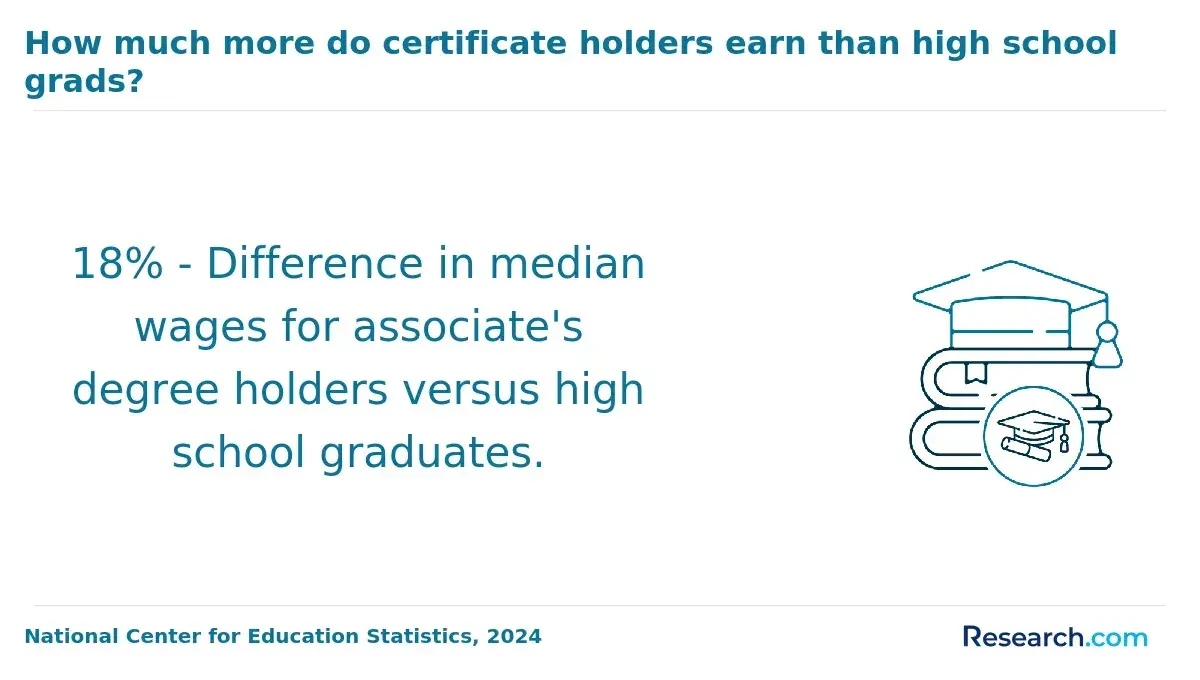
From an employment standpoint, possession of a post-ABSN clinical specialty certificate correlates with significant salary growth, often 12-18% above the national RN median, because it confirms readiness for high-acuity responsibilities.
Nurses lacking these certificates typically find themselves confined to generalized floor nursing positions with slower salary progression and promotion probabilities. This salary differential illustrates the direct impact of advanced nursing certificates on RN salary growth and underscores their value in competitive labor pools.
Planning for credential acquisition involves weighing the relatively modest investment of 6 to 12 months for post-ABSN certificates against the longer, costlier trajectory of entry-level master's pathways, which remain uncommon. Nurses must consider this tradeoff in light of their career objectives and urgency for workforce reentry. Post-ABSN certificates provide a focused, affordable alternative that yields faster employability and practical advantage in specialized clinical settings.
Aspiring nurses should also recognize that choosing certification over graduate programs can mitigate market saturation effects by distinguishing themselves within applicant pools. For those beginning their nursing journey, exploring the easiest nursing schools to get into may provide a practical starting point before pursuing targeted certifications aligned with workplace demand.
What accreditation and programmatic approvals should post-ABSN nursing certificates have?
Accreditation and programmatic approvals critically shape the practical value of post-ABSN nursing certificates in the United States. To ensure alignment with licensure portability and employer expectations, certificates must hold accreditation from nationally recognized bodies such as the Commission on Collegiate Nursing Education (CCNE) or the Accreditation Commission for Education in Nursing (ACEN).
Additionally, state board of nursing authorization confirms that curricula meet evolving legal and professional standards, an essential consideration for students evaluating ABSN certificate accreditation requirements in the United States.
Leadership and management certificates require additional validation through endorsements by organizations like the American Organization for Nursing Leadership (AONL) to address workforce competency demands.
This is reflected in employment outcomes, as demonstrated by a 100% job placement rate reported by Emory University's Distance Accelerated BSN program for graduates pursuing leadership credentials. Such metrics underscore how employer preference favors verified credentials connected directly to healthcare administration skills and data-driven decision-making.
Failure to confirm recognized programmatic approvals for post-ABSN nursing certificates can cause misalignment with market needs, resulting in wasted tuition and challenges advancing into supervisory roles. For nurse executives transitioning from direct care, employers typically require combined programmatic accreditation and board approval to validate transferable competencies and reduce skepticism.
Prospective students should critically assess certification programs in light of both accreditation status and practical workforce impact. Evaluating pathways against such standards supports a strategic outlook informed by realities like varied state licensure frameworks and the nuanced doctor of nursing practice salary landscape.
How do online post-ABSN certificate programs compare with campus-based options?
Online post-ABSN certificate programs offer unmatched flexibility for working professionals or those relocating, enabling credential advancement without interrupting employment. However, this convenience comes with tradeoffs. Asynchronous coursework demands strong self-discipline, and many online programs lack consistent access to in-person clinical experiences favored by certain employers, especially in community and public health sectors.
A nurse pursuing a community health role in a rural setting might prefer an online post-ABSN certificate to maintain local employment while upskilling. Nationwide availability widens practical access. In contrast, those targeting leadership roles in urban hospitals often prioritize campus-based programs for their hands-on labs, direct faculty interaction, and embedded clinical practicums, which align closely with employer expectations regarding applied skills.
Clinical placement is a critical differentiator. Online students generally must secure local partnerships or travel for practicums, adding logistical complexity. Campus students, while benefiting from structured clinical access, face rigid schedules that can complicate work-life balance. Employers evaluate post-ABSN credentials not in isolation but alongside demonstrated clinical competence, making documented hands-on experience essential regardless of pathway chosen.
Key considerations include the geographic and schedule flexibility versus access to supervised and on-site clinical training. Program accessibility across regions as reflected in AACN's survey dataAlignment between program format and targeted workforce demands, particularly in specialized practice settings
What admission requirements do schools set for post-ABSN nursing certificate programs?
Post-ABSN nursing certificate programs function as targeted interventions in a nurse's career, requiring an active RN license and proof of graduation from an accredited accelerated BSN program with a solid academic record, commonly a GPA near 3.0. The demand for applied clinical experience before entry ensures candidates bring practical insight to specialized certificates like informatics or leadership, aligning skillsets with current healthcare technology and administrative needs.
Admission criteria extend beyond transcripts. Schools may require applicants to demonstrate foundational competencies through prerequisite courses or entrance exams, particularly for digital health-related certificates, where proficiency in health information systems and data analytics can determine employability in tech-driven nursing roles.
This pathway also necessitates compliance with immunizations, background checks, and up-to-date CPR/BLS certification, reflecting employer standards for patient safety and organizational liability. With accelerated BSN program costs sometimes topping $87,569 at institutions such as Northeastern University, obtaining post-ABSN certificates can strategically improve salary prospects and return on investment.
Application timing and cohort limits add additional barriers, reinforcing the importance of thorough preparation and alignment with labor market demands in specialties showing robust growth. Prospective nurses should weigh these operational constraints alongside real-world job requirements when evaluating certificate programs.
How long do common post-ABSN nursing certificates take and what do they cost?
Post-ABSN nursing certificates vary notably in duration and cost, with programs roughly spanning 6 to 18 months and fees from $1,500 to $5,000. Selecting between education and preceptorship certificates hinges on defined career objectives and employer expectations around competency.
Education certificates, typically requiring 12-15 credit hours over 9 to 12 months and costing $3,000 to $5,000, focus on clinical teaching skills and adult learning theory, ideal for those aiming to pivot toward academic or formal educator roles.
In contrast, preceptorship certificates last 6 to 9 months with lower costs between $1,500 and $3,000, emphasizing hands-on mentorship of new nurses in clinical settings. This path offers quicker entry into clinical mentorship but confines advancement within bedside teaching rather than academic instruction.
Given that 17,629 accelerated baccalaureate graduates were reported by the AACN in 2024, demand for nurse educators and clinical mentors is increasing. Employer hiring decisions often weigh demonstrated competence against the investment in time and money, requiring candidates to carefully assess alignment with job roles.
Key considerations include:
- Choosing education certificates supports longer-term growth into instructional and graduate-level roles but demands greater resources.
- Preceptorship certificates enable faster workforce integration with practical mentoring skills, albeit with limited upward mobility toward academic positions.
- Budget planning should factor in potential lost wages during study and explore employer tuition assistance.
What coursework and clinical hours are included in typical post-ABSN certificates?
Post-ABSN certificate programs hinge on how effectively a candidate's prior clinical hours and coursework align with specialized training requirements. Unlike standard certificates demanding 200-300 clinical hours, many ABSN graduates enter with 660-720+ clinical hours, enabling faster assimilation into advanced roles.
This distinction is critical when programs focus on cutting-edge fields like telehealth, which require practical skills in remote patient monitoring and digital health technologies integrated throughout clinical experiences.
Employers assess these certificates less as standalone credentials and more as indicators of immediate workplace competence. For example, outpatient clinics transitioning to virtual care models rely on graduates who can minimize orientation time due to extensive prior clinical exposure. Without this foundation, new certificate holders often face steep learning curves or require extended supervised practice, delaying full productivity.
Prospective students need to weigh the intensity of coursework and clinical rotations alongside existing commitments. Verification of clinical hours and curricular relevance to target specialties is essential to avoid duplicative qualifications that do not enhance employability.
Flexibility in scheduling between clinical placements and work obligations may require negotiation with current employers, signaling a significant operational consideration for working professionals pursuing certificates.
How do post-ABSN certificates align with licensing, board certification, and state requirements?
Post-ABSN certificates serve as strategic supplements rather than replacements for RN licensure, directly impacting nurses' eligibility for advanced roles and certifications. Such certificates are tailored to clinical specialties or institutional demands that exceed baseline licensure requirements.
For example, states mandate a current RN license as a prerequisite before awarding certificates in areas like quality improvement or specialty care, often tying these credentials to board certification pathways.
Consider a nurse specializing in infection control. Acquiring a targeted post-ABSN certificate not only fulfills state continuing education regulations but also strengthens candidacy for infection prevention board certification. Employers, particularly within hospitals and public health agencies, regularly require these credentials to verify competence beyond entry-level licensure, influencing hiring and promotion decisions.
Key factors to evaluate include the certificate's alignment with the Nurse Practice Act of the relevant state and the recognition from accredited certifying bodies. Rigid adherence to these frameworks avoids credential redundancies or invalid certifications that offer little workforce value.
AACN data highlights that accelerated baccalaureate programs generally admit students with strong academic preparation, enabling successful completion of certificates focused on quality and safety that meet elevated credentialing standards.
How can ABSN graduates evaluate and choose a reputable post-ABSN certificate program?
Post-ABSN certificate programs must be assessed with a focus on tangible career impact rather than surface factors like brand or program length. With fast-track baccalaureate programs now numbering 330 and requiring 11-18 months to finish, selecting a certificate demands attention to accreditation status, clinical placement success, and direct relevance to workforce needs.
For example, a working nurse aiming for clinical leadership should prioritize certificates that provide ample, relevant clinical hours recognized by hospital credentialing systems. Conversely, those targeting outpatient or community roles will find greater value in management-centered certificates that employers in these settings respect.
Key evaluation points include:
- Accreditation by recognized nursing or healthcare education bodies to ensure employer-recognized credibility
- Graduate employment outcomes with attention to specialization in high-demand sectors such as gerontology or informatics
- Program format compatibility with work-life balance considerations, including online versus in-person delivery
- Alignment of certificate content with local labor market demands and promotion potential
Trade-offs are significant. Shorter programs may speed workforce entry but often sacrifice clinical depth and hands-on experience, which employers prioritize for long-term career flexibility. Stacking multiple brief certificates usually offers less advantage than investing in a comprehensive credential that resonates with targeted job requirements.
Candidates should also be cautious of programs lacking transparent employment data or meaningful clinical referral integration, which undermine real-world employability despite appealing marketing.
Other Things You Should Know About ABSN
Balancing post-ABSN certificate programs with full-time nursing jobs in 2027 can be challenging due to rigorous course loads, fluctuating work schedules, and the need for clinical hours. Prospective students should prepare for time management demands and seek flexible programs accommodating their work commitments.
Employers' valuation of post-ABSN certificates varies widely depending on the setting and certificate type. Acute care hospitals prioritize certificates linked to direct patient care skills, like critical care or emergency nursing, over broader or administrative-focused credentials. Conversely, outpatient clinics or community health centers may place more weight on certificates in population health or case management. Job seekers should align certificate choices with target employer expectations to maximize return on investment.
Choosing a specialized certificate immediately after ABSN graduation can limit early career flexibility because it channels nurses into niche roles before acquiring broad hands-on experience. Employers often prefer nurses with a stable foundation in general medical-surgical nursing before specialization. A recommended approach is to work 1 to 2 years as a registered nurse before pursuing specialized certificates to gain practical insights and improve long-term career adaptability.
Post-ABSN certificates differ in recognition across state nursing boards, which impacts registered nurse mobility. Some states require additional approvals or have restrictions on clinical roles linked to certain certificates, especially in specialty or advanced practice domains. Nurses targeting licensure in multiple states or relocating should prioritize certificates with nationwide acceptance or consult state boards beforehand to avoid credentialing barriers that limit employment options.
References
- Accelerated BSN vs BSN: What’s the Difference? https://stmary.edu/nursing-accelerated/acclerated-bsn-vs-bsn.html
- CCNE Accreditation https://www.aacnnursing.org/ccne-accreditation
- Nursing License Map https://nursinglicensemap.com/
- ABSN Admission Requirements - Bushnell University https://www.bushnell.edu/absn-admission-requirements/
- Are ABSN programs worth it? | University of Bridgeport https://www.bridgeport.edu/news/accelerated-bsn-programs-worth-it/
- 10 Nursing Career Advancement Ideas https://credenzahealth.com/career-advice/10-nursing-career-advancement-ideas
- Accelerated Nursing Programs https://www.allnursingschools.com/articles/accelerated-nursing-programs/
- Getting Your BSN: Between Online, On-Campus and Hybrid Programs, What Is the Right Option For You? https://nightingale.edu/blog/online-or-on-campus-bsn.html
- Accelerated Bachelor of Science in Nursing (ABSN) https://www.assumption.edu/undergraduate/post-bachelors-accelerated-nursing-track