2027 Best Value ABSN Programs

Co-Founder and Chief Data Scientist
Navigating an accelerated BSN program often means balancing tight admission windows with the urgent demand for licensure and stable employment. Nearly 40% of ABSN applicants in 2024 reported deferring enrollment due to scheduling conflicts or program availability, illustrating widening access gaps in the profession, according to the National League for Nursing.
These constraints force candidates to choose between slower traditional pathways or high-intensity programs with limited flexibility, directly influencing career momentum and financial stability. This article examines the best-value accelerated BSN programs with a focus on admission flexibility, program structure, and workforce alignment to guide decisions that maximize return on investment and minimize transition delays.
Key Things You Should Know
- ABSN program costs vary widely, with median tuition rising 12% nationally since 2022, pressuring candidates to weigh accelerated completion against higher debt burdens from institutions lacking broad financial aid.
- Employer preference increasingly favors ABSN graduates from programs with direct clinical partnerships; 68% of surveyed hospitals reported prioritizing hires with hands-on acute care experience within 6 months post-graduation.
- Accelerated timelines average 12-18 months, but compressing clinical hours to shorten duration risks insufficient competency development, potentially delaying licensure and increasing remediation rates, as shown in 2024 NCLEX pass data.
What is an ABSN program and how does it differ from a traditional BSN?
An accelerated baccalaureate nursing (ABSN) program compresses the traditional BSN curriculum into 12 to 18 months, designed specifically for students holding a bachelor's degree in a non-nursing field. This intensive approach eliminates general education courses, focusing exclusively on nursing theory and clinical practice, which requires a sustained commitment of 40 or more hours weekly.
Working professionals must navigate the challenge of balancing demanding clinical rotations with other responsibilities, a crucial factor that affects completion and performance.
Employers generally regard ABSN graduates as meeting the same accreditation standards as traditional BSN programs, but often expect heightened clinical adaptability due to the accelerated format. In practice, this places pressure on students to rapidly demonstrate practical proficiency.
In 2024, there were 330 accelerated entry-level baccalaureate nursing programs nationwide, an indicator of how these accelerated nursing programs in the United States address urgent workforce shortages, alongside 10 entry-level master's programs.
Compared to traditional BSN paths, ABSN demands faster acquisition of nursing competencies, requiring students to maintain mental stamina and financial readiness as income interruptions are common. This tradeoff expedites licensure yet intensifies competition for clinical placements and employment, particularly in high-demand healthcare markets. Prospective students must weigh these factors carefully against their career goals.
For those considering continued education, options to bridge directly into graduate-level training are available. A practical resource to explore funding and program structures is the BSN to MSN programs.
Who should pursue an ABSN and what are the typical eligibility requirements?
The accelerated bachelor of science in nursing (ABSN) path offers a streamlined option for individuals holding a non-nursing bachelor's degree but entails significant challenges, particularly due to its compressed schedule and intensive clinical requirements.
Eligibility criteria stipulate a prior bachelor's degree, prerequisite coursework in sciences like anatomy and microbiology, a competitive GPA (commonly around 3.0), and often standardized tests like the TEAS or HESI to assess readiness. These prerequisites filter for candidates who can absorb a demanding curriculum rapidly.
Typical eligibility requirements for accelerated nursing programs in the United States restrict part-time study, making it difficult for working professionals to maintain employment during the 12 to 18 months of full-time study. For example, a teacher pursuing ABSN must strategically plan financially for potential income loss and balance clinical rotations with coursework.
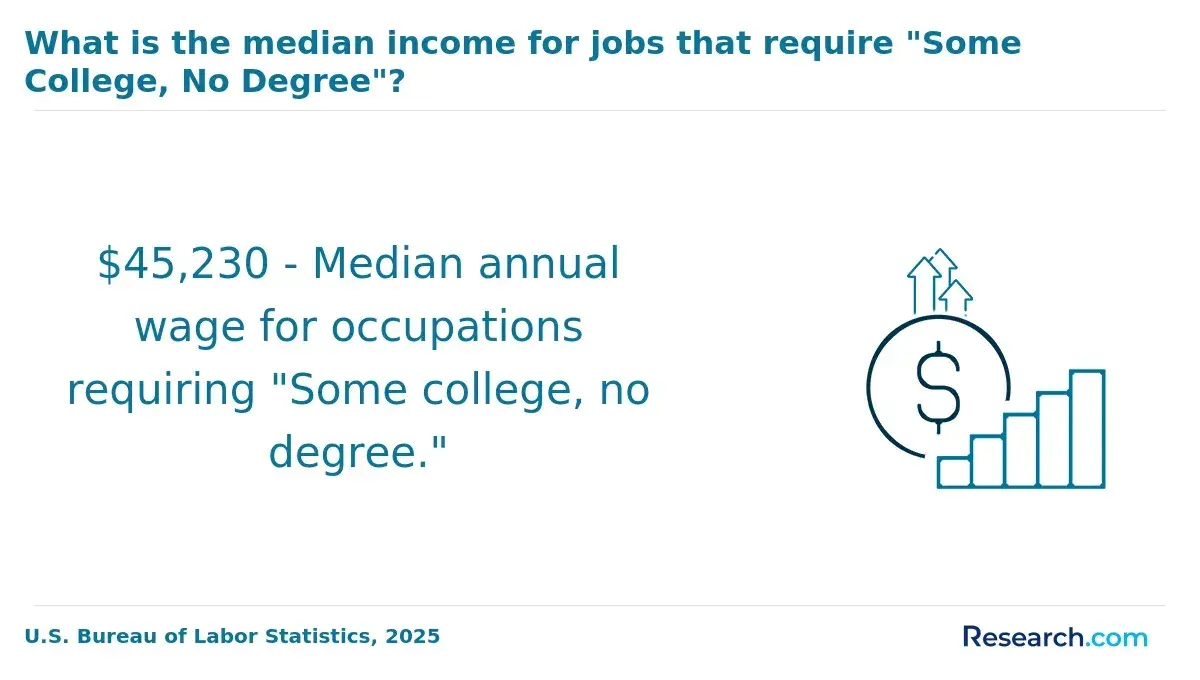
Costs vary widely; among the 25 cheapest ABSN programs, tuition remains under $20,000, with some as low as $3,449 total. This low threshold can offset financial strain, but reputation and NCLEX pass rates remain vital for employability in competitive healthcare environments.
Applicants must also clear background checks and immunization requirements to meet employer and clinical site policies. For those seeking less clinical time, an RN to BSN with no clinical hours is an alternative pathway to consider, though it requires prior RN licensure.
How can you identify the best value ABSN programs based on cost and outcomes?
High tuition fees in accelerated nursing programs do not guarantee swift employment or superior return on investment. Total costs for accelerated BSN routes range widely-from $24,000 to over $80,000-yet outcomes like NCLEX pass rates and graduate employment within six months critically influence financial efficiency. For instance, a program costing $75,000 with a 98% pass rate but only 70% employment at graduation can delay workforce entry, increasing opportunity cost and diminishing value.
By contrast, cost effective accelerated nursing programs with high graduation rates-such as those priced around $30,000 with NCLEX pass rates above 90% and employment exceeding 85%-demonstrate greater alignment with rapid labor market absorption. Employer reputation and quality clinical placements profoundly affect these employment outcomes, especially in competitive metropolitan healthcare markets where added expenses from relocation or extended job searches erode financial gains.
Students should factor in embedded program elements like simulation labs and career support services, which bolster timely employment and alumni networking, beyond tuition alone. Balancing moderate costs with top-tier licensure and job placement metrics minimizes financial risk and maximizes practical return.
A strategic approach to selecting accelerated nursing programs intersects NCLEX success, documented employment rates, and regional demand. Exploring pathways such as online PhD nursing can also extend career prospects beyond initial licensure.
What accreditation and approval should ABSN programs have for RN licensure?
National accreditation by the Commission on Collegiate Nursing Education (CCNE) or the Accreditation Commission for Education in Nursing (ACEN) is a non-negotiable criterion for accelerated nursing (ABSN) programs that lead to RN licensure. Without these accreditations, graduates encounter significant obstacles obtaining licensure or employment in many U.S. states.
Apart from national recognition, state board approval for ABSN programs leading to RN licensure is mandatory to ensure eligibility for the NCLEX-RN exam, a requirement many candidates overlook until it delays their entry into the workforce. For instance, candidates in California will be barred from taking the NCLEX-RN if their program lacks State Board approval, regardless of institutional prestige, impacting their employment timeline and income trajectory.
This matters because employers consistently prioritize nurses trained in fully approved programs, which act as proxies for meeting rigorous clinical and academic standards. The U.S. Bureau of Labor Statistics projects a 6% growth in RN jobs from 2022 to 2032, adding roughly 177,400 positions, intensifying competition for licensure-ready candidates. Failure to verify accreditation and approval upfront can lead to costly setbacks and retraining.
Prospective students should approach their selection with a checklist approach:
- Confirm both national accreditation from CCNE or ACEN and state board approval.
- Assess clinical placement networks required by state approval for meaningful hands-on training.
- Review recent NCLEX-RN pass rates as a tangible metric linked to program quality.
- Consider how these factors influence job market readiness and long-term employability.
Students exploring pathways may also examine universities with dual degree programs that integrate complementary credentials, potentially enhancing workforce versatility and career pivot options.
How long do ABSN programs take and how intensive is the course load?
Accelerated BSN programs demand an extraordinary time commitment, typically requiring 40 to 60 hours weekly over 12 to 18 months. This intensity creates a rigid schedule combining classroom instruction, clinical rotations, and lab work, which often leave little opportunity for part-time employment or personal flexibility. For working professionals or caregivers, maintaining productivity outside the program becomes a significant challenge.
Students face overlapping deadlines and mandatory weekday clinical hours that limit their control over scheduling. The academic structure varies, with some programs following trimester or quarter models and others offering abbreviated breaks. Despite these differences, the accelerated pace compresses the acquisition of nursing competencies into a tightly packed timeline.
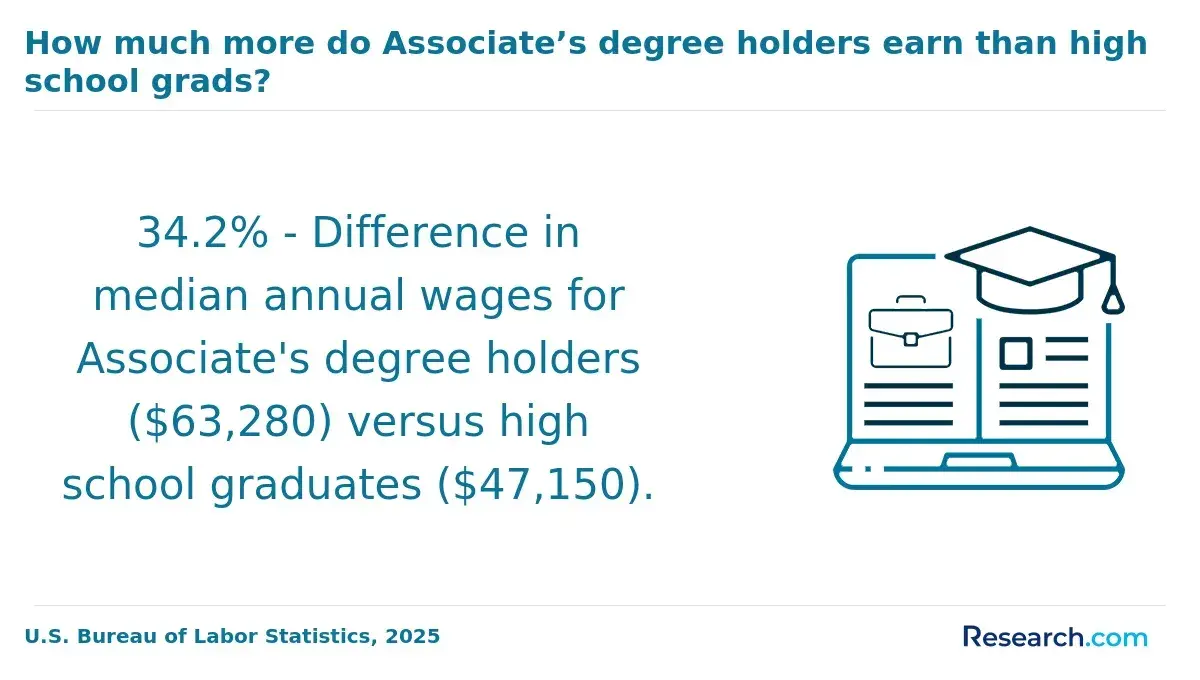
Consider a non-clinical worker transitioning from a typical 40-hour job: managing early mornings, evenings, and weekend studies amplifies cognitive strain and stress, demanding advanced time management and resilience. The payoff is reflected in labor market data-registered nurses earn a median annual wage of $86,070, with the top 10% exceeding $110,000. This financial return showcases the value proposition against the high personal and temporal costs.
Prospective students aiming for an accelerated track should critically evaluate clinical hour requirements, program scheduling, and their capacity for sustained intensive study to avoid attrition. Understanding these operational realities aids in aligning educational investment with long-term employment goals.
What is the typical ABSN curriculum and how are clinical rotations structured?
Accelerated nursing programs condense critical content-nursing theory, pathophysiology, pharmacology, and clinical practice-into 12 to 18 months, demanding rigorous time management alongside 600 to 800 clinical hours dispersed weekly. Unlike traditional four-year tracks, these clinical hours often require daytime, evening, or weekend shifts, complicating schedules for working adults balancing employment or family commitments.
Clinical rotations are intentionally broad to include acute care, pediatrics, maternity, mental health, and community settings, aligning with employer demands for versatile graduates. However, program-assigned sites frequently span multiple healthcare systems within a metro area rather than centralized hospitals, which may increase logistical complexity but enhance adaptability to varied clinical environments.
The expansion of online and hybrid formats has democratized didactic access nationwide, yet clinical placements remain strictly in-person and locally coordinated. Students must proactively negotiate placements and accommodate geographically dispersed rotations, which can introduce transportation challenges and schedule conflicts.
Those targeting specialized high-acuity areas like ICU or emergency nursing need to assess whether their accelerated nursing rotations guarantee sufficient exposure, as this can critically influence hiring prospects. Programs with established partnerships offering focused clinical tracks provide a measurable advantage by aligning education with targeted workforce needs.
How do online, hybrid, and campus-based ABSN formats compare for students?
Choosing between online, hybrid, and campus-based accelerated baccalaureate nursing (ABSN) programs requires weighing distinct tradeoffs linked to clinical skill acquisition and workforce readiness. Fully online programs maximize schedule flexibility yet lack the intensive, supervised clinical exposure that employers in acute care settings value most.
Hybrid models partially address this by combining online coursework with scheduled, on-site labs, which enhances hands-on training while minimizing time constraints for working students.
Campus-based ABSN programs remain the gold standard for direct faculty access, peer collaboration, and continuous clinical immersion-elements that correlate strongly with employer confidence and licensing success. However, these programs generally demand full physical attendance and rigid schedules, potentially excluding nontraditional learners needing flexibility.
Capacity constraints in ABSN programs intensify competition; with approximately 330 accelerated programs nationwide, selection processes are highly selective.
For example, students aiming for critical care nursing should prioritize formats offering sustained simulation and lab exposure due to the specialty's technical demands. Conversely, mid-career professionals shifting into community health might find online or hybrid tracks better suited to balancing professional and educational responsibilities.
What are the total costs of ABSN programs, and what financial aid is available?
Cost variation among accelerated BSN programs in California alone can exceed fivefold, with tuition ranging from about $18,023 to $98,020. This disparity significantly impacts student debt levels and necessitates careful financial scrutiny beyond name recognition or location.
Students frequently underestimate additional expenses such as fees, textbooks, and living costs that typically add $10,000 to $25,000 depending on program duration and setting. A working professional balancing healthcare roles must weigh whether the opportunity cost of enrolling in a high-tuition program compensates for potential earnings lost during study.
Financial aid options narrow for accelerated pathways due to condensed timelines, shortening federal Pell Grant and work-study eligibility. Still, institutional scholarships aimed at high performers or underrepresented groups can reduce costs by 20-50%. Employer tuition reimbursement often outweighs sticker price in decision-making for employed candidates.
Effective budgeting should also account for licensing exam fees, background checks, and simulation labs, which can total $2,000-$5,000. Beginning FAFSA early is essential to maximize federal aid access, followed by prompt applications for competitive institutional awards.
What nursing careers can you pursue after an ABSN and initial RN experience?
Accelerated baccalaureate nursing programs (ABSN) offer a streamlined path to RN licensure but the transition beyond initial certification requires strategic planning. Graduates typically enter settings demanding acute clinical decision-making-emergency, telemetry, or medical-surgical units-where rapid assessment skills learned during ABSN clinical rotations are immediately tested. However, these roles represent entry points rather than career destinations.
Within one to two years as a registered nurse, practitioners often pivot to specialized tracks such as oncology or psychiatric nursing, which mandate additional certifications. Alternative pathways involve care coordination in community health or public health nursing, though regulatory requirements can vary by state and may necessitate extra credentials.
- Employers in larger health systems increasingly expect at least 1,000 hours of direct patient care before nurses pursue master's or doctoral studies aimed at advanced practice roles including nurse practitioner or clinical nurse specialist.
- Balancing full-time work with prerequisites for advanced degrees is a persistent challenge that can delay progression.
- Nurses targeting administration, education, or research fields often need further academic qualifications beyond an ABSN and RN experience.
ABSN completion coupled with hands-on RN experience opens multiple distinct nursing pathways, but decision-makers should weigh workforce demand against the logistical realities of specialty licensure and degree requirements. This approach avoids overestimating immediate career flexibility while recognizing the program's strength in accelerating entry into practice.
What salaries and job outlook can ABSN graduates expect as registered nurses?
Salary outcomes for ABSN graduates entering nursing in 2026 vary considerably based on geography, specialization, and experience, with median earnings near $77,600 annually. Entry-level RNs typically start between $65,000 and $75,000, but those who develop competencies in critical care or perioperative nursing can surpass $90,000. Regional disparities are pronounced: states like California, Massachusetts, and Hawaii offer premium wages reflecting the high costs of living and sustained demand.
Projected job growth for registered nurses stands at 9% from 2024 to 2034, outpacing overall occupational expansion. While hospitals and outpatient centers remain primary employers, growth in long-term and home health care is reshaping workforce opportunities. This diversification means skill flexibility and clinical experience gained during the ABSN program can significantly influence employability and salary negotiation.
Financial investment decisions also affect long-term return. For example, the University of Southern Florida charges in-state students between $11,527 and $13,094 tuition for 62 credits, but out-of-state tuition exceeds $34,000. That tuition gap of over $20,000 before aid can erode net earnings if graduates relocate to regions with lower wage scales.
Prospective students must balance institutional costs against local labor market realities and employer expectations, which prioritize proven clinical capability and adaptability across care settings.
Other Things You Should Know About ABSN
In 2027, several ABSN programs stand out for their value, combining affordability with excellent outcomes. Top-ranked programs include those at the University of Florida, which offers comprehensive clinical experiences, and the University of North Carolina, known for its robust faculty support. These programs ensure a high-quality education without excessive costs.
Employers generally recognize that ABSN graduates have accelerated training and often demonstrate strong motivation and adaptability. However, some hospitals may prefer traditional BSN grads for specialty roles due to longer clinical experience during schooling. When choosing a program, consider its hospital partnerships and graduate employment rates to gauge employer acceptance in your target job market.
The compressed timeline of ABSN programs means class size can heavily impact the quality of instruction and clinical supervision. Smaller cohorts typically allow more interaction with faculty and personalized feedback, which can improve clinical skills mastery and job-readiness. Choose programs with manageable class sizes over simply the shortest durations to avoid sacrificing hands-on learning.
Due to its accelerated pace, ABSN programs demand a significant time commitment that leaves minimal room for employment or personal obligations. Students often need to pause or reduce work hours entirely, which can create financial strain without supplemental income. Planning a clear budget and support system before enrollment is essential to avoid incomplete programs or burnout.
References
- Financing Your Accelerated Bachelor of Science in Nursing (ABSN) https://www.assumption.edu/admissions-financial-aid/financing-post-bacc-nursing-program
- Accelerated Bachelor of Science in Nursing (ABSN) Costs https://www.creighton.edu/cost-aid/find-costs/nursing-absn-costs
- How to Switch to Nursing as a Second Career | All Nursing Schools https://www.allnursingschools.com/articles/second-career-nursing/
- What is an ABSN program? | WCU Nursing Glossary https://westcoastuniversity.edu/glossary/absn-program
- Accelerated BSN Programs: Who Qualifies | Betternurse.org https://betternurse.org/accelerated-bsn-program-guide/
- How Many Credits Do Online Accelerated BSN Programs Require? https://www.nursingcolleges.com/faq/rn-bsn-program-credit-requirements
- Accelerated Nursing Program Curriculum - UMSV's ABSN https://absn.mountsaintvincent.edu/accelerated-nursing/curriculum/
- How to Get Into an Accelerated Nursing Program | University of Bridgeport https://www.bridgeport.edu/news/how-to-get-into-an-accelerated-nursing-program/
- ABSN vs. BSN: Is an Accelerated Nursing Program Worth It? https://onlinedegrees.elmhurst.edu/blog/absn-vs-bsn-is-an-accelerated-nursing-program-worth-it
- What Is a Hybrid BSN Program? How Online and Clinical Nursing Education Work https://stmary.edu/nursing-accelerated/what-is-a-hybrid-bsn-program.html