2027 ABSN Salary Guide

Co-Founder and Chief Data Scientist
Mid-career professionals weighing accelerated bachelor of science in nursing programs often confront a critical financial and temporal dilemma: navigating significant tuition costs alongside uncertain salary prospects post-graduation. The U. S. Bureau of Labor Statistics projects a 15% nursing job growth rate through 2032, driven by aging populations and healthcare demand, yet starting salaries vary widely depending on region, facility type, and prior experience. This variability complicates budgeting and career planning for students levering ABSN pathways later in life.
This article provides a detailed salary guide to help prospective ABSN candidates assess realistic income expectations and align educational choices with sustainable career outcomes.
Key Things You Should Know
- Average ABSN graduate salaries vary 15% regionally, with highest median RN starting pay at $78K in California per 2024 Bureau of Labor Statistics data; this gap pressures candidates to weigh relocation versus local job markets.
- Employers increasingly prefer ABSN graduates with clinical hours exceeding 750, linking higher experiential thresholds to 12% better retention rates, shaping candidate competitiveness beyond mere credential possession.
- Accelerated program tuition averaging $45K pushes some candidates to defer or finance longer, delaying workforce entry by 6-9 months and impacting lifetime earnings compared to traditional BSN timelines.
What is an ABSN program and how does it differ from a traditional BSN?
Choosing accelerated nursing programs vs traditional BSN tracks hinges on the willingness to accept an intensive schedule and upfront financial investment for faster workforce entry. Unlike the conventional nursing degrees that spread coursework over four years including general education, ABSN condenses nursing-specific classes into 12 to 24 months, demanding full-time commitment and leaving minimal flexibility for part-time work or breaks.
The compressed timeline integrates clinical practice with theory more tightly, often limiting employment options during study. This pace can challenge those with family or financial obligations but offers career changers a swift transition supported by employers who value the maturity and prior academic experience ABSN candidates bring. That said, some healthcare systems may still favor traditional graduates for nurse residency programs, affecting early career placement.
Financially, the cost per term in an accelerated nursing program is typically higher, requiring careful planning. However, the earning trajectory post-graduation reflects a significant advantage: ABSN holders earn an average of $82,750 per year, approximately 40% higher than their initial salary of $59,450. This rapid growth illustrates the practical benefit of the degree for those prioritizing swift advancement.
For students eyeing online options, resources highlighting the cheapest RN to BSN online Texas may provide cost-effective pathways. Overall, weighing the differences between ABSN and conventional nursing degrees requires balancing demanding study conditions against market preference and long-term income potential.
What starting and mid-career salaries can ABSN graduates expect by role and setting?
Starting salaries for ABSN graduates as registered nurses vary significantly by clinical setting and geography, with hospital roles in metropolitan areas typically offering the highest entry wages. For instance, new nurses in intensive care units or emergency departments can earn up to $75,000, due to the demanding nature and specialized skills required. In contrast, outpatient clinics and long-term care facilities offer starting salaries closer to $65,000, balancing lower acuity with more predictable schedules. This distribution reflects how employment setting shapes the practical earning potential at the outset of an ABSN nurse's career.
Mid-career ABSN nurses with 5 to 10 years of experience often surpass the national registered nurse average salary of $98,430, as reported by the U.S. Bureau of Labor Statistics. Within hospitals, salaries commonly range from $95,000 to $115,000, especially when including charge nurse duties or specialty certifications. Conversely, community health or outpatient roles tend to fall between $85,000 and $95,000, constrained by fewer opportunities for overtime or shift differentials.
Prospective students must consider that large urban medical centers frequently offer higher pay along with structured mentorship programs, whereas rural clinics provide lower wages but may compensate with loan repayment or sign-on bonuses. Without advanced degrees or certifications, mid-career earnings often plateau, making professional development crucial. For those evaluating accelerated direct entry MSN programs online, supplementing the ABSN credential can broaden both scope and salary potential.
These dynamics illustrate how starting and mid-career salaries for ABSN graduates by role and setting influence long-term workforce trajectories and highlight the operational tradeoffs in choosing a practice environment.
How do ABSN salaries compare to other nursing pathways and bridge programs?
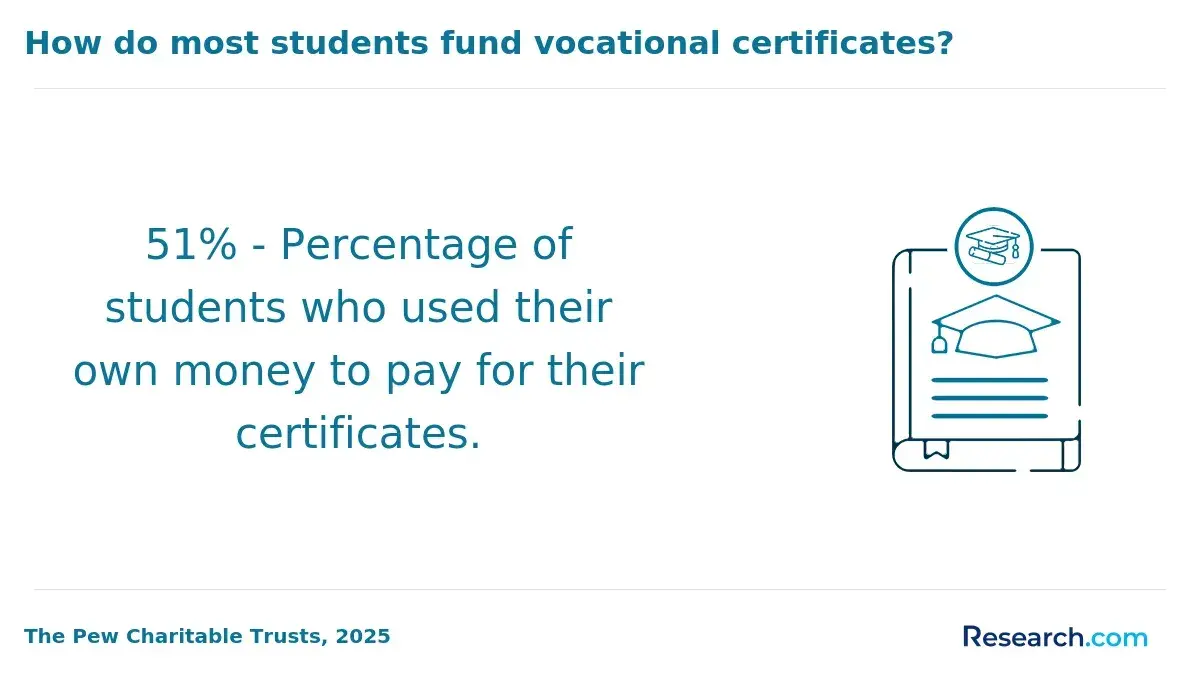
Starting salaries for accelerated bsn graduates typically trail slightly behind those of traditional nursing routes, with reported averages near $59,450 annually or about $28.58 per hour. This contrasts with traditional bsn graduates who often begin around $62,000 to $65,000 depending on geographic location and employer standards. The absn salary comparison to traditional nursing programs reveals a strategic tradeoff: faster market entry versus initial compensation gaps linked to condensed clinical hours.
Bridge nursing program salaries versus absn earnings also reflect different career inflection points. Rn-to-bsn or Lpn-to-rn pathways generally yield salary increases after accrued clinical experience rather than offering immediate high entry pay. In practice, employers often value absn graduates for their academic rigor and cost-effectiveness as early-career hires, while traditional bsn hires may command steeper initial compensation aligned with more extensive practical training.
Graduates pursuing absn pathways should anticipate the following operational realities:
- Accelerated coursework intensity requiring stress and time management
- Potential need for post-hire certification to bridge initial pay differentials in tiered hospital systems
- Faster transition to employment but with ongoing skill development demands
Working professionals evaluating options might benefit from resources such as Chamberlain university to identify accessible nursing schools and align their career pivot with realistic earning expectations and educational investment.
What factors most influence ABSN nurse salary, such as location and employer type?
Location and employer type heavily shape absn nurse salary differences by state and city, often outweighing individual experience alone. Nurses in metropolitan hubs like San Francisco or New York City frequently earn 15-25% above the national average due to intense regional demand and higher living costs. In contrast, rural areas or underserved regions may offer lower base pay but balance this with incentives such as sign-on bonuses or loan forgiveness. Employer types also impact compensation; academic medical centers and specialized hospitals tend to pay 10-20% more than community hospitals because of care complexity and expertise needed. Outpatient clinics and long-term care settings generally offer lower wages compared to inpatient acute care.
Mid-career ABSN nurses average around $99,000 annually, per NurseJournal's 2024 data, but this figure varies notably by specialty. Surgical and critical care roles command higher salaries due to technical skill demands. Public sector employers often have fixed pay scales limiting rapid growth, whereas private employers may offer performance-based raises and shift differentials. Understanding employer types affecting absn nurse compensation is crucial when strategizing career moves or geographic transitions.
For those balancing family or lifestyle with career objectives, selecting regions with multiple large healthcare employers enhances negotiation leverage for salary and professional development. Prospective nurses should also explore related educational pathways, including online DNP programs, which may further influence long-term compensation trajectories.
What are the admission requirements and prerequisites for accredited ABSN programs?
Accelerated bachelor of science in nursing (ABSN) programs universally require a completed non-nursing bachelor's degree from a regionally accredited institution, typically with a minimum GPA of 3.0. Applicants must fulfill prerequisite science coursework-such as anatomy, physiology, microbiology, chemistry, and statistics-usually earning grades of B or higher. Programs often mandate 30-45 credit hours in these foundational subjects, with some requiring completion within the last decade to ensure current competency.
Admission involves submitting official transcripts, recommendation letters, and a personal essay demonstrating commitment and analytical thinking relevant to nursing. Standardized exams like the TEAS or HESI evaluate readiness and critical reasoning in healthcare contexts. Background checks and immunization verification are prerequisites before clinical rotations, aligning with professional safety standards.
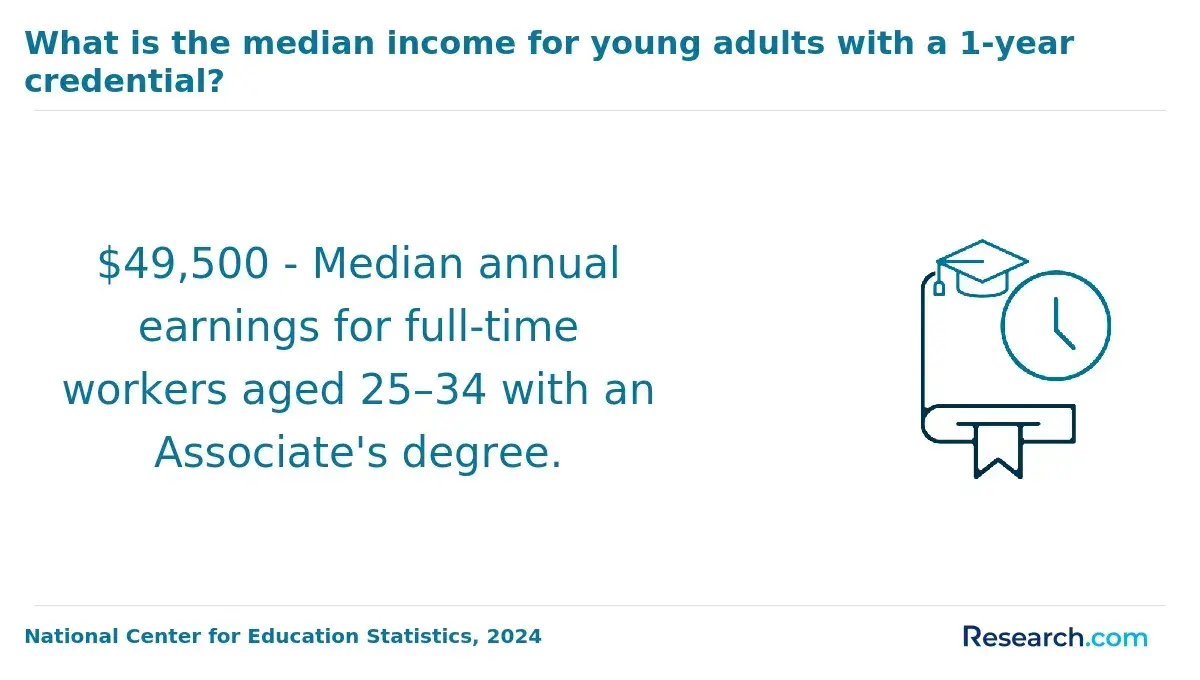
For working adults or non-traditional students, additional time spent on prerequisites through community colleges or online courses can delay program entry, impacting earnings potential. The ABSN salary range-from the low $40,000s to above $70,000 depending on geography-makes timely program completion vital to maximize return on investment.
Applicants should verify alignment of prerequisite courses with program specifics to avoid costly retakes. Labor markets in higher-wage states often demand updated credentials and documented clinical hours, directly influencing licensure success and employability.
- Minimum 3.0 GPA and non-nursing bachelor's degree required
- 30-45 credit hours of foundational science courses with B or better
- Standardized exams and background checks mandatory
- Prerequisite timing can extend total program length and delay earnings
How long do ABSN programs take, and what do students typically study?
Accelerated bachelor of science in nursing programs demand an intensive, full-time commitment that typically spans 12 to 18 months, suited for students with non-nursing bachelor's degrees aiming for swift licensure. This condensed schedule restricts outside employment, requiring careful financial planning and realistic evaluation of personal circumstances.
The curriculum balances core nursing sciences such as anatomy, physiology, microbiology, and pharmacology with applied nursing subjects like health assessment and evidence-based practice. Clinical rotations are substantially more demanding than traditional nursing tracks, with placements across acute care, community health, mental health, and maternal-child settings to rapidly fulfill state licensure hours.
Graduates must convert this rapid exposure into practical skills, particularly in high-pressure environments like hospital emergency departments, where effective triage and decisive patient management are expected from day one. The steep clinical load accelerates readiness but leaves little margin for error or delay in skill acquisition.
Returning to work faster can improve return on investment, given the Occupational Outlook Handbook's median registered nurse wage of $93,600 and 75th percentile wage of $107,960. However, candidates need to strategically navigate the logistical complexities of clinical placements and financial constraints during study, as these factors strongly influence their eventual employability and career trajectory.
What is the difference between online, hybrid, and campus-based ABSN programs?
Choosing between online, hybrid, and campus-based accelerated bachelor of science in nursing (ABSN) programs requires evaluating distinct operational trade-offs that directly affect clinical skill development, employer perception, and personal logistics. Online ABSN options maximize scheduling freedom, leveraging virtual lectures and simulated labs to accommodate students managing full-time jobs or caregiving. However, hospital employers frequently require verifiable in-person clinical experience, which online-only programs may insufficiently provide, potentially complicating licensure and job placement.
Hybrid programs integrate virtual coursework with mandatory on-campus labs and local clinical rotations, imposing geographic and time constraints. This format often yields stronger clinical competencies and direct faculty supervision, improving licensure exam success rates and employer confidence. Tuition typically falls in the mid-to-high ABSN cost range, reflecting the blended instructional model's resource demands.
Campus-based ABSN programs maintain traditional, immersive schedules with continuous face-to-face instruction and on-site clinical practice. Students must commit to relocation or daily commuting and absorb higher cumulative expenses-up to $156,285 for programs like the University of Pennsylvania's 15-month plan. This environment best suits those aiming for rapid skills acquisition valued by acute care employers.
Decisions must weigh these factors:
- Flexibility versus direct clinical supervision and employer readiness
- Cost spectrum from approximately $40,000 online to over $130,000 campus-based
- Employer demands for documented clinical hours aligned with acute care competencies
The practical realities of each pathway affect not just educational experience but long-term employability within demanding healthcare settings.
How do accreditation and NCLEX-RN licensure affect ABSN graduates' earning potential?
Employers systematically prioritize licensure and program accreditation when assessing absn graduates, directly impacting job eligibility and salary levels. Graduates lacking accreditation credentials frequently encounter restricted job markets, often confined to entry-level or lower-paying roles without prospects for rapid earning growth. Meanwhile, passing the NCLEX-RN exam is non-negotiable for accessing registered nurse positions that offer higher compensation and specialized clinical duties.
For example, a hospital hiring manager will typically require graduation from a Commission on Collegiate Nursing Education (CCNE) or Accreditation Commission for Education in Nursing (ACEN) accredited program alongside active NCLEX-RN licensure before considering candidates for acute care units. Without these, candidates may be limited to long-term care or administrative roles that suppress income potential. Data from AllNursingSchools reflects this divide: the national median salary for RNs stands at $93,600, with BSN-prepared nurses earning premiums linked to broader role eligibility.
Key factors to weigh when selecting an absn program include:
- Verification of accreditation status to avoid subsequent credentialing barriers
- Preparation resources and support available for NCLEX-RN exam success
- Employer preferences in target healthcare markets, which heavily favor licensed BSN graduates
Ignoring these elements can funnel graduates into slower, less remunerative career tracks, limiting advancement within hospitals and specialist settings. Strategic program choice and licensure readiness form the foundation for maximizing both employability and income trajectory.
What is the job outlook for ABSN-prepared registered nurses in the United States?
The demand for accelerated bachelor of science in nursing (ABSN) graduates is shaped by more than steady job growth-it reflects nuanced regional and institutional hiring priorities that affect employment outcomes. Nationally, registered nurse employment is expected to grow about 5% over the next decade, creating roughly 189,100 openings annually. This expansion is driven by retirements, aging populations, and broader healthcare access, positioning ABSN graduates well due to their condensed, clinically intensive preparation.
However, hiring dynamics differ considerably depending on practice settings. Urban hospitals consistently seek ABSN nurses capable of quickly adapting to acute care and specialty units, valuing candidates who complete clinical rotations with hands-on experience in technologies like electronic health records. In contrast, rural providers often emphasize versatile generalist nurses, presenting opportunities with less competition but also fewer formal onboarding resources.
Applicant challenges include competition for clinical placements during the ABSN program and delayed job starts at preferred employers. To offset this, candidates should focus on certifications relevant to employer demand, such as acute care, and build networks within clinical rotations. Targeting high-demand states like California and Texas can further improve outcomes.
Long-term upward mobility often requires further credentials beyond the ABSN degree, including advanced certifications or graduate education. Graduates must weigh the benefits of accelerated training against the intensity of the program and the ongoing need for professional development to maintain competitive wages and leadership prospects in varied healthcare environments.
How much do ABSN programs cost, and what financial aid options are available?
The financial challenge of accelerated Bachelor of Science in Nursing programs often extends beyond sticker tuition, particularly for students balancing full-time work or family obligations. While tuition ranges from approximately $40,000 to $90,000-with public universities generally offering lower rates-hidden costs such as clinical fees and materials frequently increase total expenses. Prospective students must weigh these upfront costs against realistic post-graduation wage prospects, which ZipRecruiter data from June 2025 places at an average hourly rate of $26.34, ranging from $15.14 at the 25th percentile to $30.77 at the 75th percentile.
Graduates securing positions near or above median wages recoup tuition faster than those starting at lower pay bands; for example, an entry-level nurse earning near the 25th percentile faces a prolonged period to break even. Additional financial complexity arises for those leaving or reducing current employment, as full-time ABSN programs typically require 12 to 24 months without steady income. Evaluating institutional scholarships, federal loans such as Stafford and PLUS through FAFSA, and employer tuition aid is essential to minimize unsustainable debt.
Budgeting must incorporate loan interest accrual, living costs, and potential delays if students opt for part-time or hybrid courses, which can ease financial pressure but postpone workforce re-entry. Realistic assessment of cost versus wage trajectory is critical to aligning ABSN investment with long-term career and income expectations.
Other Things You Should Know About ABSN
In 2027, ABSN programs condense nursing education into a shorter period, allowing graduates to enter the workforce faster. This acceleration can enhance salary outcomes as graduates begin earning sooner compared to traditional pathways, ultimately benefiting overall earning potential.
The quality and consistency of clinical rotations vary substantially across accelerated bsN programs, affecting hands-on experience and exposure to diverse patient populations. Programs with strong clinical partnerships in high-acuity or specialized settings better prepare graduates for demanding roles and improve immediate employability. Prospective students should research clinical site reputations and seek programs offering multiple diverse placements, as this significantly influences skill competency and employer preference at hire.
Most accelerated bsN paths require full-time commitment, leaving little room for paid employment during study due to intense coursework and clinical hours. Attempting to work concurrently increases stress and risks underperformance or delayed progression. Prioritizing full dedication to the bsN coursework is essential to meet rigorous academic and clinical standards and to prevent compromised learning outcomes, which employers expect for safe, competent practice.
Graduates' NCLEX pass rates reflect program quality but don't guarantee clinical preparedness in specialized fields. For those targeting niche roles like ICU or pediatrics early in their career, selecting an accelerated bsN with tailored clinical tracks provides practical advantages despite marginally lower pass statistics. Prioritizing alignment with career goals and clinical experience often yields better long-term employment outcomes than focusing solely on statewide or national pass percentages.
References
- Online vs Hybrid vs Campus Learning in Healthcare: Which Is Right for You? https://www.edumed.org/articles/online-vs-hybrid-vs-campus/
- Poland Salary Guide 2025: IT, Finance & Engineering Pay Benchmarks https://veritahr.com/poland-salary-guide-2025-what-you-need-to-know/
- Accelerated Nursing Program | Financial Aid | Bushnell University https://www.bushnell.edu/financial-aid/absn/
- Hybrid-Online Accelerated Bachelor of Science in Nursing (ABSN) Program - Roseman University https://www.roseman.edu/academic-programs/college-of-nursing/accelerated-bachelor-of-science-in-nursing/online-absn/
- What Is a Hybrid BSN Program? How Online and Clinical Nursing Education Work https://stmary.edu/nursing-accelerated/what-is-a-hybrid-bsn-program.html
- Exploring ABSN Programs | BAYADA Education https://bayadaeducation.org/absn
- A Guide to Salaries & Trends – discover the average salary in Poland! | Michael Page Poland https://www.michaelpage.pl/en/news-and-research-centre/studies/our-salary-factsheets
- How Much Can I Earn With a BSN? https://www.allnursingschools.com/bsn/salary/
- The Impact of Education on Nursing Practice https://www.aacnnursing.org/news-data/fact-sheets/impact-of-education-on-nursing-practice
- ABSN vs Traditional BSN - Which Is Right for You? https://absn.madonna.edu/blog/absn-vs-traditional-bsn-right/