2027 Can You Get Into an ABSN Program With a Low GPA?

Co-Founder and Chief Data Scientist
Facing a low GPA when applying to an ABSN program can block access to accelerated nursing tracks that fuel timely workforce entry during severe registered nurse shortages. While traditional admissions often emphasize academic rigor, recent data from the National Center for Education Statistics reveals a 35% increase in alternative admission pathways since 2023, reflecting shifting institutional priorities to balance quality with broader access. This trend acknowledges diverse learner profiles, including career changers and adult students whose non-academic strengths may better predict clinical success.
This article evaluates the practical avenues and limitations for low GPA applicants, focusing on admission flexibility, competitive positioning, and actionable strategies to improve acceptance odds.
Key Things You Should Know
- Applicants with GPAs below 3.0 face heightened admission barriers since 62% of accelerated nursing programs reported minimum GPA cutoffs for science prerequisites in 2024 National League for Nursing data, elongating enrollment timelines.
- Employers in high-demand regions prefer graduates from ABSN programs with cumulative GPAs above 3.3, correlating with 15% higher initial retention rates post-hire according to a 2024 Health Resources & Services Administration workforce report.
- Lower GPA candidates accepted into ABSN programs often incur 20%-35% higher opportunity costs through extended prerequisite course requirements, delaying workforce entry and affecting lifetime earnings compared to traditional admits, per recent Urban Institute labor market analyses.
Can you get into an ABSN program with a low GPA?
Securing admission into an accelerated bachelor of science in nursing (ABSN) program with a low GPA confronts candidates with concrete trade-offs that extend beyond academic thresholds. Only about 10.9% of U.S. ABSN programs accept applicants with a minimum GPA of 2.5, compared to nearly half demanding a 3.0 or higher. Such admission requirements for ABSN programs with low GPA significantly restrict options, often translating to more stringent compensatory demands like clinical experience, rigorous standardized test performance, or extensive prerequisite retakes.
Applicants with sub-3.0 GPAs must navigate an education pathway where the cohort is typically more competitive, and institutional support may be limited. Employers and licensure boards frequently scrutinize graduates from these programs more intensely, reflecting concerns over readiness for complex clinical responsibilities. This reality requires candidates to bolster their applications strategically and realistically assess potential employment challenges.
Strategies to improve acceptance into ABSN programs despite low GPA include:
- Targeting programs that explicitly admit students with GPAs as low as 2.5.
- Enhancing supplementary materials such as healthcare work experience and recommendation letters.
- Completing postbaccalaureate coursework to elevate academic standing before applying.
For those contemplating progression beyond nursing credentials, evaluating options like a BSN to MSN program can influence long-term career trajectory and differentiation within the workforce.
What GPA do ABSN programs usually require?
Programs with minimum GPA standards below 3.0 present a nuanced challenge for applicants targeting accelerated nursing tracks. Approximately one-third of accelerated nursing programs nationwide accept students with GPAs under 3.0, with 20.8% setting a threshold at 2.75 and 10.9% allowing as low as 2.5, based on ABSN program GPA requirements in the United States.
Applicants holding GPAs near these lower limits face increased competition and must often compensate through enhanced healthcare experience, superior standardized test results, or persuasive personal statements. Employers hiring graduates from these programs frequently scrutinize academic records to assess foundational competence, expecting additional clinical aptitude to mitigate academic concerns.
For working professionals evaluating accelerated nursing pathways, strategic targeting of programs aligned with one's GPA is essential. Those with GPAs below competitive thresholds should consider strengthening their candidacy by supplementing with post-baccalaureate coursework or relevant practical experience.
Comparing program variables, including accreditation like Capella university nursing accreditation, adds another layer of decision-making complexity. Applicants must weigh tradeoffs between GPA flexibility and subsequent employer expectations when defining their educational route.
How can you strengthen an ABSN application with a low GPA?
Applicants with a low GPA must leverage other performance indicators to improve their chances in an accelerated Bachelor of Science in Nursing (ABSN) admission process. High scores on standardized exams like the TEAS can offset academic shortcomings; data from California State University San Marcos indicates admitted students averaged 87-89% on the TEAS composite, well above basic GPA cutoffs. This highlights the importance of demonstrating mastery of foundational nursing concepts and critical reasoning, critical for licensure readiness.
Practical experience also plays a pivotal role. Holding positions such as certified nursing assistant or medical scribe provides direct exposure to clinical environments, which can mitigate concerns over academic records. Recommendations from supervisors confirming resilience and professionalism bolster applications further.
Strategies for improving ABSN admission chances with low GPA include:
- Completing supplementary science coursework with strong grades to evidence academic growth
- Participating in clinical skills preparatory programs tailored to nursing demands
- Writing a personal statement that contextualizes GPA issues with concrete corrective steps
- Preparing thoroughly for interviews to demonstrate motivation, communication, and clinical understanding
Absent these compensatory elements, applicants frequently encounter higher rejection rates, leading to delayed licensure and increased financial and emotional strain. Prioritizing TEAS mastery and documented healthcare experience aligns closely with employer expectations and workforce readiness. For those evaluating pathways, understanding how to strengthen ABSN application with low GPA is crucial. Students may also consider exploring easy nursing programs to get into as part of a pragmatic strategy.
Do ABSN programs require nursing prerequisites and a bachelor's degree?
Nursing prerequisites are a decisive filter in accelerated BSN programs, often outweighing the need for a prior bachelor's degree. These requirements-covering anatomy, physiology, microbiology, chemistry, and statistics-function as targeted competency thresholds rather than generic academic hurdles. For applicants questioning, "Do ABSN programs require nursing prerequisites?" the answer is yes, and excelling in these courses directly influences admission chances and workforce readiness.
Consider the scenario of career changers who lack a traditional bachelor's credential but bring associate degrees or partial college credits covering these prerequisites. At Valdosta State University's ABSN program, for example, admitted students with GPAs ranging from 3.23 to 3.46 achieved a 100% acceptance rate. Such data indicates that focused performance in prerequisite coursework and standardized tests like the TEAS or HESI can substitute for broad undergraduate metrics, catering to those strategically optimizing their entry by mastering pre-nursing fundamentals.
From a workforce perspective, hiring managers prioritize this prerequisite-based mastery because it aligns closely with clinical competencies, rather than degree titles. This practical focus expands access for candidates without a bachelor's while emphasizing preparation over pedigree. Applicants should therefore emphasize:
- Completing all nursing prerequisites with a competitive GPA-typically above 3.2 in recent cohorts
- Preparing rigorously for entrance exams as key readiness indicators
- Selecting ABSN programs that clearly focus on prerequisite performance rather than blanket degree barriers
For those assessing ABSN programs bachelor's degree requirements against their educational background, this prerequisite-centric approach offers a viable pathway. Additionally, individuals exploring nursing advancement might find value in the shortest post master's FNP program as a subsequent option to extend clinical authority and career trajectory.
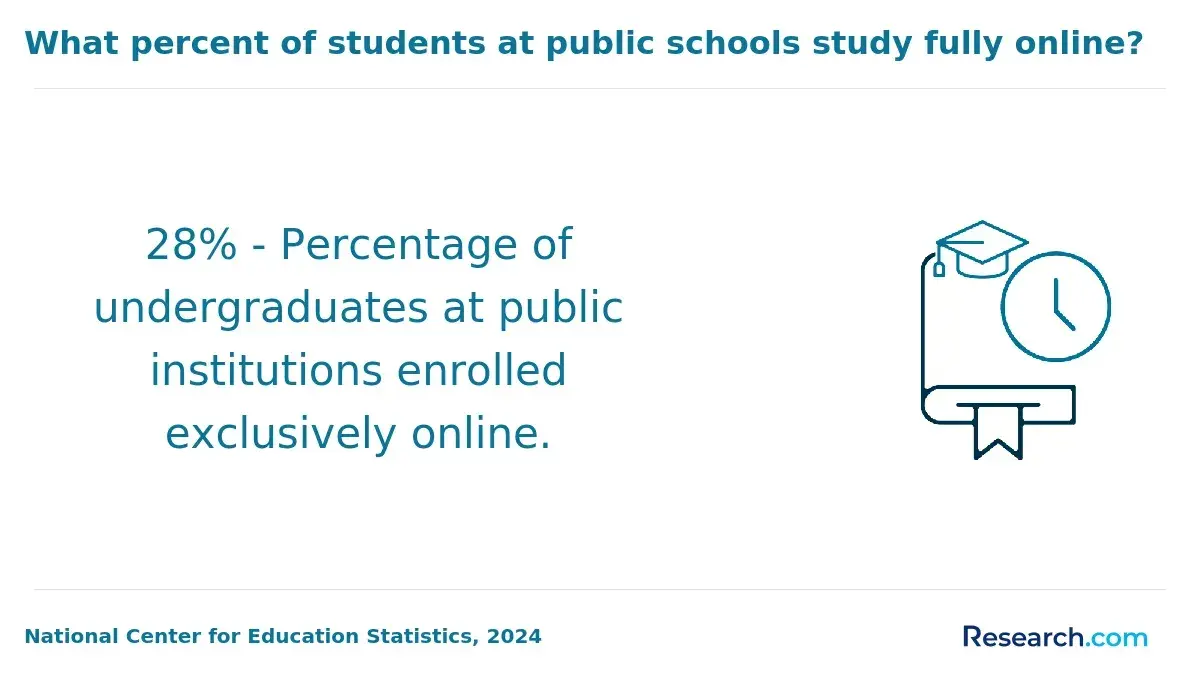
How do online and campus ABSN programs differ?
Choosing between online and campus ABSN programs involves tradeoffs that directly impact clinical competence, time investment, and career entry timing. Campus-based tracks deliver tightly scheduled, immersive clinical training with direct faculty oversight, which aligns well with employer preferences for graduates exhibiting hands-on proficiency and consistent patient care experience. However, this comes with higher living and commuting costs, often reflected in a total program expense of about $60,000-$62,000, as reported by Concordia University Irvine.
In contrast, online ABSN programs allow flexibility for students balancing work or family, offering remote didactic learning but requiring students to independently arrange clinical placements. This hybrid approach introduces logistical hurdles, such as sourcing quality clinical sites and varying supervision standards, which can affect readiness and employability.
Key operational distinctions include:
- Campus programs demand full-time daily attendance with compressed course timelines, accelerating workforce entry but reducing scheduling flexibility.
- Online options extend program duration, offering self-paced learning but requiring high self-discipline and proactive management of clinical experiences.
Employers prioritize practical clinical experience over delivery modality; therefore, prospective students must assess their capacity to secure and navigate local clinical rotations when considering online ABSNs. Financial planning should also incorporate additional costs like uniforms, insurance, and materials, which remain largely unchanged regardless of program format.
Is ABSN accreditation important for licensure and employment?
Accreditation in accelerated bachelor of science in nursing programs directly governs eligibility for the NCLEX-RN licensure exam, a non-negotiable credential for practice in most states. Without licensure, graduates face immediate exclusion from mainstream healthcare employment such as hospitals and clinics, which prioritize candidates from accredited programs to ensure consistent clinical competence. For instance, a trauma center nurse vacancy will rarely consider applicants lacking accreditation-backed credentials due to the high-risk environment requiring verified skills.
Employers use accreditation status as a proxy for program rigor and graduate readiness. Graduates from accredited ABSN programs hold clear advantages for competitive residencies and specialized certifications that can influence both work environment and compensation. Conversely, attending a non-accredited program risks longer-term limitations, even if initial entry to some facilities is possible.
Admission into accredited ABSN pathways is competitive, frequently requiring stronger GPAs, which can deter some candidates. However, selecting non-accredited training risks nullifying licensure eligibility, effectively negating access to the projected employment growth of 5% through 2034 and the creation of approximately 163,000 new RN jobs noted by the U.S. Bureau of Labor Statistics.
Applicants should:
- Confirm accreditation via recognized agencies such as CCNE or ACEN before enrolling.
- Request licensure pass rates to evaluate program success and employer confidence.
- Select programs with integrated clinical experiences aligned to employer expectations.
Opting out of accredited programs based on GPA challenges may delay licensure and shrink access to the most stable, well-compensated roles, posing significant tradeoffs for sustained professional growth within nursing.
What courses are included in an ABSN curriculum?
An accelerated bachelor of science in nursing (ABSN) compresses essential nursing education into a timeline as short as 12 to 18 months, demanding an intense commitment that can challenge even highly motivated students. Employers consistently prioritize clinical proficiency over theoretical knowledge, making the program's requirement that practicum hours constitute roughly 40% of the curriculum a critical factor for graduate employability.
ABSN programs integrate core sciences-such as anatomy, physiology, microbiology, and chemistry-with nursing-specific courses including pharmacology, mental health, and community health nursing. This blend supports accelerated competency but leaves limited room for remediation or exploration, raising the stakes for students balancing personal responsibilities or prior academic performance.
Admission prerequisites-usually general chemistry with lab, statistics, psychology, and nutrition-act as gatekeepers ensuring candidates possess foundational readiness. A notable wide range exists in minimum GPA standards: under 9% require a 3.25 GPA or higher, while most allow a 3.0 or less. This reflects institutional tolerance for varied academic backgrounds but implies candidates below higher thresholds must prioritize excelling in science prerequisites and clinical rotations to offset employer concerns.
Prospective students should weigh these academic and experiential demands against their workforce re-entry timelines. For some, fast-tracking licensure via an ABSN can offer a strategic pivot, but the compressed format inherently increases attrition risk and stresses practical readiness above theoretical breadth.
How long does an ABSN program take and what does it cost?
Accelerated baccalaureate nursing (ABSN) programs condense nursing education into 12 to 18 months, demanding a rigorous full-time commitment that eliminates typical academic breaks. This intensive format suits students who can sustain a fast pace without remediation and withstand elevated stress, but it poses significant barriers for those with marginal recent academic performance. For example, admissions data from CSUSM show admitted students maintaining pre-nursing core GPAs between 3.73 and 3.86, with last-60-unit GPAs from 3.67 to 3.80, underscoring the competitive academic expectations.
The financial outlay for ABSN programs generally ranges from $40,000 to $90,000, including tuition, fees, clinical costs, and exam preparation, often concentrated in a short timeframe. Applicants must prepare for the loss of income due to full-time study and potential additional expenses. Unlike traditional BSN pathways that spread costs and time over years, ABSN compresses both, demanding careful financial planning.
Working professionals pivoting into nursing benefit from accelerated re-entry into the workforce but must align their applications with employer expectations for recent academic performance. Those with weaker GPAs often need to improve credentials through post-baccalaureate coursework or consider longer, less compressed RN routes, which may offer better academic sustainability and job market competitiveness.
What nursing jobs can you get after an ABSN?
Graduates of an accelerated bachelor's in nursing (ABSN) typically enter healthcare systems facing high clinical expectations and variable employer preferences. While hospitals remain the principal employers-especially for roles in medical-surgical, telemetry, emergency rooms, or labor and delivery units-candidates must demonstrate strong hands-on skills beyond academic metrics. For example, an ABSN graduate with limited experience but solid clinical evaluations may secure an entry-level RN position in a hospital critical care unit, laying the groundwork for advancement toward clinical nurse specialist roles after 2 to 3 years of practice and certification.
Unlike traditional BSN tracks, the clinical intensity of ABSN programs accelerates readiness, but practical experience remains a significant factor in career trajectory. Specialized nursing positions such as nurse educators or public health nurses require targeted certifications and are often contingent on accumulated clinical hours and real-world decision-making skills.
The Bureau of Labor Statistics reported a median RN wage of $86,070, highlighting the financial viability of accelerated pathways compared to ADN-to-BSN or other routes. Candidates must also navigate regional job market dynamics and healthcare system needs that influence placement success more than GPA, which employers weigh lightly once NCLEX-RN licensure is earned.
Strategically targeting facilities with nurse shortages and emphasizing clinical adaptability can offset a lower academic record, enabling ABSN graduates to secure competitive nursing roles and build upward mobility in the nursing workforce.
What salary and job outlook can ABSN graduates expect?
Accelerated Bachelor of Science in Nursing (ABSN) graduates face a job market shaped by both promising demand and competitive realities. While average entry-level nurse salaries hover around $77,600 annually, geographic and specialty factors create notable disparities. For instance, metropolitan hospital positions typically command 10-15% higher pay than rural clinics, and critical care or emergency nursing roles start near $80,000 to $95,000, contrasting with outpatient settings closer to $70,000. These differences can influence whether the financial investment in an ABSN program yields a proportionate return.
The projected 9% growth rate for registered nurses from 2022 to 2032 signals stable demand fueled by population aging and complex healthcare needs. However, job placement is not automatic. Employers often weigh clinical hours, prior healthcare experience, and program rigor alongside GPA. With roughly 10.1% of ABSN programs incorporating entrance exams or supplemental criteria, candidates with lower GPAs may benefit from targeting schools valuing demonstrated skills over strict academic thresholds.
New graduates should anticipate additional costs, such as licensure fees, and the potential for underemployment during initial job searches, especially in saturated urban markets. Early-career progress often depends on deliberate networking and strategically chosen clinical rotations that enhance practical skills and employer visibility. Without these efforts, the transition from program completion to full workforce integration may be prolonged, impacting the expected financial and professional rewards of the ABSN pathway.
Other Things You Should Know About ABSN
While most ABSN programs do not have a formal requirement for prior healthcare experience, having clinical or patient-care exposure strengthens your application and readiness. Programs are accelerated and intensive; students with healthcare backgrounds often adapt faster to clinical settings and complex coursework. If you lack experience, prioritize gaining at least some direct patient interaction or volunteer roles before applying to improve both admission chances and success in the program.
In 2027, having a low GPA can challenge your ABSN application, as many programs have minimum GPA requirements. However, strong healthcare experience, compelling personal statements, or high standardized test scores can help offset a low GPA and improve your admissions chances.
Yes. Many ABSN programs screen both the cumulative GPA and the prerequisite GPA, and science courses such as anatomy, physiology, microbiology, and chemistry are often weighted heavily. Some schools require at least a 3.0 prerequisite GPA, even when they consider a lower overall GPA.
Yes. Access to diverse clinical sites impacts both the quality of hands-on experience and future job prospects. Programs with extensive clinical networks offer exposure to varied patient populations and specialties, enhancing skill versatility. When selecting an ABSN, prioritize those with strong affiliations to hospitals and clinics that align with your career goals, as this also facilitates hiring connections post-graduation.
References
- ABSN Curriculum - Mercer University Accelerated Nursing https://absn.mercer.edu/accelerated-nursing/curriculum/
- The Role of Accreditation in RN to BSN Programs https://everynurse.org/role-accreditation-rn-to-bsn-programs/
- How to Get into Nurse Practitioner School with a Low GPA - BoardVitals Blog https://www.boardvitals.com/blog/improve-your-chances-applying-to-np-school/
- What is an ABSN program? | WCU Nursing Glossary https://westcoastuniversity.edu/glossary/absn-program
- Top Non-Bedside Nursing Jobs: 20 to Consider - UMSV ABSN https://absn.mountsaintvincent.edu/blog/alternative-nursing-careers/
- Accelerated Nursing School Checklist| University of Bridgeport https://www.bridgeport.edu/news/what-to-look-for-in-accelerated-nursing-program/
- Accelerated B.S. in Nursing: 12 Month https://www.une.edu/wchp/nursing/accelerated-bs-nursing-12-month
- ABSN vs Traditional BSN - Which Is Right for You? https://absn.madonna.edu/blog/absn-vs-traditional-bsn-right/
- All About ABSN https://onlinedegrees.rockhurst.edu/blog/all-about-absn-infographic
- Accelerated BSN vs BSN: What’s the Difference? https://stmary.edu/nursing-accelerated/acclerated-bsn-vs-bsn.html