
2027 Best Shortest Online Post-Master's FNP Certificate Programs

Co-Founder and Chief Data Scientist
Finding the right program to advance your nursing career can be challenging, especially when balancing work, family, and studies. This article will help you by presenting the best, shortest online post-master's FNP programs available.
These programs offer flexible options and high-quality education to quickly boost your career as a Family Nurse Practitioner. With average salaries around $128,490 per year and a projected job growth of 45% from 2022 to 2032, investing in one of these programs is a smart choice for your future.
What are the benefits of getting a FNP degree?
- Family Nurse Practitioners (FNPs) have a broad scope of practice, allowing them to provide primary care to patients of all ages. This versatility can lead to diverse job opportunities in various healthcare settings.
- Earning an FNP degree can increase your job stability and security. As the demand for primary care providers grows, FNPs are becoming essential in filling this gap.
- FNPs often enjoy a high level of autonomy in their practice. This means they can make independent decisions regarding patient care, which can be professionally rewarding.
What can I expect from online post-master's FNP programs?
Much like a one-year MBA program, online post-master's FNP programs offer flexibility and convenience for working nurses. You can expect a combination of online coursework and hands-on clinical practice. These programs typically cover advanced nursing topics such as pathophysiology, pharmacology, and health assessment, alongside specialized training in family practice. The goal is to prepare you to provide comprehensive primary care to patients of all ages. You’ll gain the skills needed to diagnose and treat acute and chronic conditions, promoting overall health and wellness. These programs are designed to fit into your busy schedule while offering a thorough education.
Where can I work with an online post-master's FNP program?
With an online post-master's FNP program, you can work in various healthcare settings. Most family nurse practitioners (FNPs) work in physicians' offices, hospitals, and outpatient care centers, according to the BLS.
Common workplaces for FNPs include
- Physicians' Offices: 47% of FNPs
- Hospitals: 25%
- Outpatient Care Centers: 9%
States with high concentrations of FNPs are
- Tennessee: 14,040 FNPs, with the highest concentration
- Mississippi: 4,020 FNPs
- New Hampshire: 1,870 FNPs
States with high employment are
- Florida: 22,270 FNPs
- California: 21,740 FNPs
- Texas: 20,170 FNPs
How much can I make with an online post-master's FNP program?
You can make a significant income with an online post-master's FNP program. According to the BLS, nurse practitioners (NPs) earn about $128,490 annually. According to ZipRecruiter, FNPs, in particular, earn an average of $130,295 yearly. The top-paying industry for NPs are:
- Business support services: $180,570 per year.
- Residential intellectual and developmental disability, mental health, and substance abuse facilities: $158,140
- Business, professional, labor, political, and similar organizations: $153,580
The top-paying states like are
- California: $161,540 per year
- Nevada: $148,670 per year
- Washington: $145,400 per year
The top-paying cities are
- San Jose-Sunnyvale-Santa Clara, CA: $191,250 per year
- Napa, CA: $187,640 per year
- San Francisco-Oakland-Hayward, CA: $186,730 per year
- 2027 Best Shortest Online Post-Master's FNP Certificate Programs Best Programs
- How long does it take to complete an online post-master's FNP program? How long does it take to complete an online post-master's FNP program?
- How does an online post-master's FNP program compare to an on-campus program? How does an online post-master's FNP program compare to an on-campus program?
- What is the average cost of an online post-master's FNP program? Degree Cost
- What are the financial aid options for students enrolling in an online post-master's FNP program? Financial Aid
- What are the prerequisites for enrolling in online post-master's FNP programs? Requirements
- What courses are typically in an online post-master's FNP program? Typical Courses
- What types of specializations are available in online post-master's FNP programs? What types of specializations are available in online post-master's FNP programs?
- How to Choose the Best Online Post-Master's FNP Programs? How to Choose the Best Online Post-Master's FNP Programs?
- What career paths are available for graduates of online post-master's FNP programs? What career paths are available for graduates of online post-master's FNP programs?
- What is the job market for graduates with an online post-master's FNP program certificate? Job Market
- What are the challenges of pursuing a post-master's FNP certificate online? What are the challenges of pursuing a post-master's FNP certificate online?
- What can I expect for the clinical experience in post-master's FNP programs? What can I expect for the clinical experience in post-master's FNP programs?
- Should I explore direct-entry MSN programs online as an alternative pathway? Should I explore direct-entry MSN programs online as an alternative pathway?
- How can I maximize my success in an online post-master's FNP program? How can I maximize my success in an online post-master's FNP program?
- How can a fast-track RN to BSN program complement an online post-master's FNP certificate? How can a fast-track RN to BSN program complement an online post-master's FNP certificate?
- What is the earning potential for graduates of online post-master's FNP programs? What is the earning potential for graduates of online post-master's FNP programs?
- What accreditation and licensure requirements should be considered for online post-master's FNP programs? What accreditation and licensure requirements should be considered for online post-master's FNP programs?
- What are the outcomes for graduates of online post-master's FNP programs? What are the outcomes for graduates of online post-master's FNP programs?
- Is the Return on Investment for Online Post-Master's FNP Programs Justifiable? Is the Return on Investment for Online Post-Master's FNP Programs Justifiable?
- How Does Integrating Public Health Principles Enhance Career Prospects in an Online Post-Master's FNP Program? How Does Integrating Public Health Principles Enhance Career Prospects in an Online Post-Master's FNP Program?
- How Does Evidence-Based Curriculum Enhance Online Post-Master's FNP Programs? How Does Evidence-Based Curriculum Enhance Online Post-Master's FNP Programs?
- What Complementary Disciplines Can Enhance Your Online Post-Master's FNP Program Experience? What Complementary Disciplines Can Enhance Your Online Post-Master's FNP Program Experience?
2027 Best Shortest Online Post-Master's FNP Certificate Programs
Choosing a short online post-master’s Family Nurse Practitioner certificate is a high-stakes decision for MSN-prepared nurses who want to expand into primary care without completing another full graduate degree. The right program can help you qualify for FNP certification, meet clinical training requirements, and move into advanced practice more efficiently. The wrong program can delay licensure, create clinical placement problems, or cost more than expected.
This guide explains how the shortest online post-master’s FNP certificate programs compare, what they cost, how long they take, what admissions requirements to expect, and how to evaluate whether a program fits your state licensure goals. You will also find decision-focused guidance on online versus campus formats, clinical requirements, accreditation, financial aid, career outcomes, and common mistakes to avoid before enrolling.
Quick Answer: What Is the Shortest Online Post-Master’s FNP Certificate?
The shortest online post-master’s FNP certificate programs can often be completed in about one year or three semesters by full-time students. Part-time options commonly take two years or six semesters. Program length depends on your prior MSN coursework, the school’s gap analysis, required clinical hours, and whether you already completed graduate-level advanced pathophysiology, pharmacology, and health assessment.
These certificates are generally designed for registered nurses who already hold a master’s degree in nursing and want to add FNP preparation. They are not the same as entry-level nursing programs, and they usually include advanced primary care coursework plus supervised clinical practicum experiences.
How We Ranked These Programs
Our rankings are based on research and data analysis using institutional information and education datasets. For a fuller explanation of how Research.com evaluates schools and programs, review our ranking methodology. Data sources used in the ranking process include:
- IPEDS database
- Peterson’s database
- Distance Learning Licensed Data Set, College Scorecard database
- National Center for Education Statistics
Use this ranking as a starting point, not as your only selection tool. Before applying, confirm accreditation, state authorization, clinical placement expectations, certification exam preparation, and whether the program meets APRN licensure requirements in the state where you plan to practice.
Best Shortest Online Post-Master’s FNP Certificate Programs
| Rank | School | Fastest Completion Time | Tuition | Credits or Units | Accreditation Listed |
| 1 | Vanderbilt University | 1 year for full-time, 2 years for part-time | $1,997 per credit hour | Determined after a gap analysis | Commission on Collegiate Nursing Education |
| 2 | University of Miami | 3 semesters | $45,288 total program cost | 23 to 37 credits | Commission on Collegiate Nursing Education |
| 3 | Ohio University | 3 semesters | $674 per credit | 20 credits | Commission on Collegiate Nursing Education |
| 4 | University of San Diego | 3 semesters | $1,750 per unit | 15 units | Commission on Collegiate Nursing Education |
| 5 | University of Missouri-Kansas City | 1 year | $5,902 per semester | At least 18 credits | Council on Accreditation of Nurse Anesthesia Educational Programs |
1. Vanderbilt University
Vanderbilt University offers a post-master’s FNP certificate pathway with an accelerated structure for nurses who can study full time. The program uses a gap analysis to determine which courses an applicant must complete, making the final credit load dependent on prior graduate coursework. Students complete advanced didactic preparation and clinical training for family-focused primary care across the lifespan.
- Program length: 1 year for full-time, 2 years for part-time
- Tuition: $1,997 per credit hour
- Required credits to graduate: Determined after a gap analysis
- Accreditation: Commission on Collegiate Nursing Education
2. University of Miami
The University of Miami provides an FNP route that can be completed in three semesters for full-time students. A six-semester part-time plan is available for nurses who need a slower pace while continuing employment. The curriculum prepares students for family primary care, including work with diverse, underserved, and vulnerable populations.
- Program length: 3 semesters
- Tuition: $45,288 total program cost
- Required credits to graduate: 23 to 37 credits
- Accreditation: Commission on Collegiate Nursing Education
3. Ohio University
Ohio University offers a fast post-master’s FNP certificate designed for nurses who want to expand their advanced practice scope. Full-time students may complete the program in three semesters, while the part-time plan extends to six semesters. Its lower per-credit tuition may make it a more cost-conscious option compared with many private university programs.
- Program length: 3 semesters
- Tuition: $674 per credit
- Required credits to graduate: 20 credits
- Accreditation: Commission on Collegiate Nursing Education
4. University of San Diego
The University of San Diego offers a short post-master’s FNP certificate that may be finished in three semesters by full-time students. A six-semester part-time option is available for nurses who need more scheduling flexibility. The certificate is intended to help MSN-prepared nurses enter advanced practice family care roles more quickly.
- Program length: 3 semesters
- Tuition: $1,750 per unit
- Required credits to graduate: 15 units
- Accreditation: Commission on Collegiate Nursing Education
5. University of Missouri-Kansas City
The University of Missouri-Kansas City offers a post-master’s FNP certificate option that can be completed in one year. The program is built for MSN-prepared registered nurses who want a shorter pathway into family nurse practitioner practice. Because accreditation details are essential for certification and licensure, applicants should verify current program accreditation directly with the university before enrolling.
- Program length: 1 year
- Tuition: $5,902 per semester
- Required credits to graduate: At least 18 credits
- Accreditation: Council on Accreditation of Nurse Anesthesia Educational Programs
How Long Does It Take to Complete an Online Post-Master’s FNP Program?
Most online post-master’s FNP certificates take about one to two years. The fastest options in this list include one-year programs at Vanderbilt University and the University of Missouri-Kansas City, as well as three-semester options at the University of Miami, Ohio University, and the University of San Diego.
Part-time plans are better for nurses who need to keep working while completing coursework and clinical hours. Vanderbilt University lists a two-year part-time option, while the University of Miami and Ohio University offer part-time plans that take six semesters. A longer plan may reduce weekly workload, but it can also delay certification, licensure, and potential income growth.
If you are not yet MSN-prepared, a post-master’s certificate is usually not the correct next step. Nurses moving from associate-degree preparation may need bridge options such as ADN to FNP bridge programs. Nurses comparing advanced practice routes may also want to review accelerated FNP programs or the shortest DNP program options.
After finishing FNP preparation, you will also need to choose the certification exam that matches your career goals. Many candidates compare FNP-BC and FNP-C credentials before applying for testing; this guide on which is better FNP C or FNP BC explains the distinction.
Online vs. On-Campus Post-Master’s FNP Programs: Which Format Is Better?
An online post-master’s FNP program is often the better fit for working nurses who need flexible coursework, while an on-campus program may be better for students who prefer in-person instruction, local faculty access, and a more structured weekly schedule. Both formats can be academically rigorous if the program is properly accredited and approved for your state.
Online does not mean fully remote. FNP students still complete supervised clinical experiences in approved healthcare settings. The main difference is that lectures, assignments, discussions, and some simulations may be delivered through a learning platform, while clinical training happens in person.
| Factor | Online Post-Master’s FNP Certificate | On-Campus Post-Master’s FNP Certificate |
| Best for | Working nurses who need flexible coursework | Students who want regular in-person instruction |
| Clinical requirements | Completed in approved in-person clinical sites | Completed in approved in-person clinical sites |
| Scheduling | Often more adaptable, especially for asynchronous courses | Usually tied to campus class times |
| Networking | Virtual peer, faculty, and preceptor connections | Face-to-face contact with classmates and faculty |
| Quality signal | Accreditation and licensure alignment matter most | Accreditation and licensure alignment matter most |
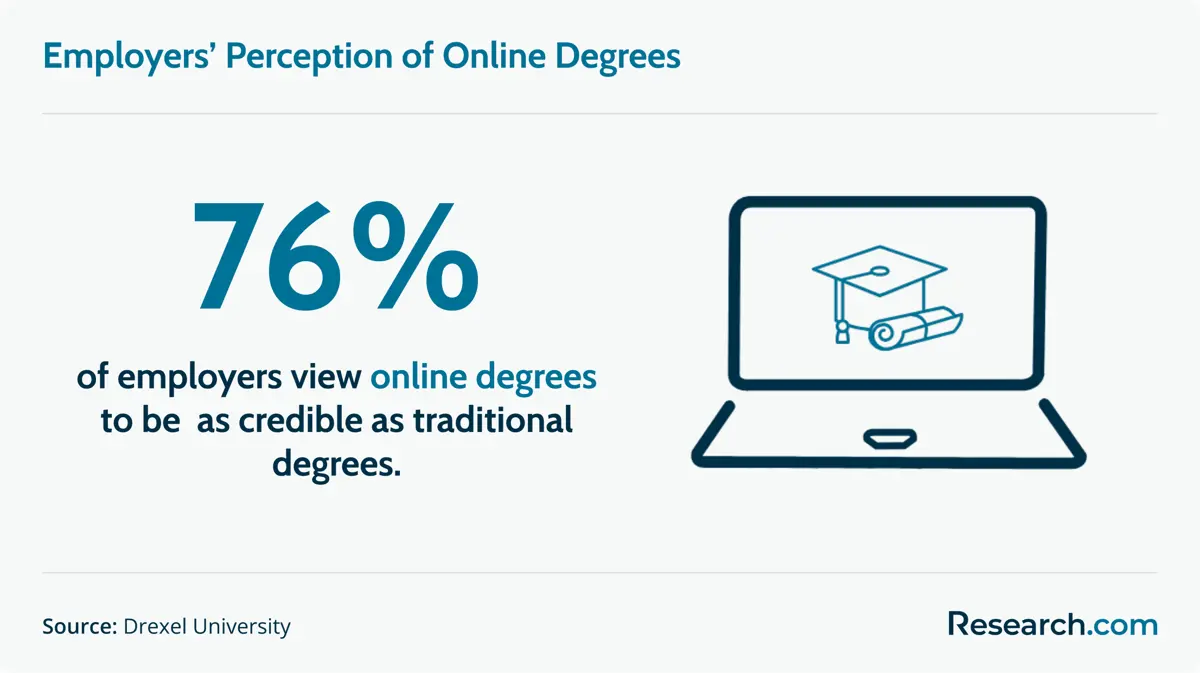
Perceptions of online education have changed significantly, and many employers focus more on accreditation, clinical preparation, certification eligibility, and licensure than on whether didactic courses were delivered online. Drexel University notes that employers and academic leaders increasingly view online education as equal to traditional education. Still, you should ask each school how clinical placements are arranged and whether the program is authorized in your state.
What Is the Average Cost of an Online Post-Master’s FNP Program?
The cost of an online post-master’s FNP certificate varies widely by school, residency status, credit load, fees, and whether your previous graduate coursework reduces the number of required classes. Published costs in this guide range from $18,933 for in-state students to $42,853 for out-of-state students. Individual examples include Vanderbilt University at $1,997 per credit hour, the University of Miami at $45,288 total program cost, and Ohio University at $674 per credit.
Tuition is only one part of the total price. Students should also budget for university fees, textbooks, clinical onboarding expenses, background checks, immunization documentation, travel to clinical sites, certification exam fees, and possible reductions in work hours. If cost is your main concern, compare affordable online FNP programs and ask each school for a written estimate based on your gap analysis.
Financial Aid Options for Online Post-Master’s FNP Students
Students in online nursing programs, including post-master’s FNP certificates, may be able to use several funding sources. Availability depends on the school, enrollment status, certificate eligibility, employer policies, and federal aid rules.
- FAFSA: Completing the Free Application for Federal Student Aid is often the first step. It may help determine eligibility for federal loans, scholarships, grants, and work-study opportunities. Nursing students can also review scholarship and grant options from organizations that help students qualify for loans, scholarships, grants, and other aid.
- Scholarships and grants: These awards may be based on academic performance, financial need, specialty interest, service commitment, or professional affiliation. They generally do not require repayment.
- Student loans: Federal subsidized and unsubsidized loans and private loans may be available, but loans must be repaid with interest.
- Loan forgiveness programs: Programs such as those through the Health Resources and Services Administration may forgive part of a borrower’s loan balance in exchange for service in underserved areas.
- Employer tuition reimbursement: Hospitals, clinics, and health systems may help pay for tuition if the employee meets grade requirements or agrees to continue working for the organization for a set period.
Prerequisites for Online Post-Master’s FNP Certificate Programs
Admissions requirements vary, but most post-master’s FNP certificates are built for registered nurses who already have graduate nursing preparation. If you are comparing online nursing programs at different levels, pay close attention to whether the program is for current RNs, MSN-prepared nurses, or non-nurses.
- Master’s degree in nursing: Applicants are typically expected to hold an accredited MSN degree or equivalent graduate nursing preparation.
- Active RN license: Schools commonly require a current, unrestricted RN license.
- GPA requirement: Many programs expect a minimum cumulative GPA of 3.0 on a 4.0 scale.
- Clinical nursing experience: Some schools prefer or require relevant professional nursing experience before admission.
- Completed graduate coursework: Advanced pathophysiology, pharmacology, and health assessment are often reviewed during the admissions or gap-analysis process.
- Letters of recommendation: Programs commonly request three letters from academic, clinical, or professional references.
- Statement of purpose: Applicants usually explain why they want FNP preparation and how the certificate fits their goals.
- Current resume or CV: Schools use this to evaluate nursing experience, education, certifications, leadership, and professional achievements.
Courses Commonly Included in an Online Post-Master’s FNP Program
Course requirements depend on prior graduate work. If a student already completed advanced “three Ps” coursework, the school may waive or accept those credits after review. If not, the student may need to complete additional classes before starting specialty FNP courses.
- Advanced pathophysiology: Students study disease processes and physiologic changes that support assessment, diagnosis, and treatment planning.
- Advanced pharmacology: This course focuses on medication selection, therapeutic use, drug actions, interactions, and prescribing considerations across the lifespan.
- Advanced health assessment: Students develop comprehensive assessment skills, diagnostic reasoning, and clinical decision-making techniques.
- Primary care management: Coursework covers common acute and chronic conditions seen in family and primary care settings.
- Family nurse practitioner clinical practicum: Students apply FNP knowledge in supervised patient care experiences.
- Diagnostic reasoning: Case-based learning helps students strengthen clinical problem-solving and differential diagnosis skills.
Specialization Choices Related to Post-Master’s NP Certificates
FNP is itself a nurse practitioner population focus. It prepares nurses to provide primary care for individuals and families across the lifespan. However, nurses who are not certain that family primary care is the best fit should compare FNP with other post-master’s NP pathways before enrolling.
| Specialization | Primary Focus | When It May Fit |
| Family Nurse Practitioner (FNP) | Primary care for patients across the lifespan | You want broad family practice, community clinic, urgent care, or primary care options |
| Adult-Gerontology Nurse Practitioner | Care for adults and older adults | You prefer adult primary care, chronic disease management, or gerontology |
| Pediatric Nurse Practitioner | Care for infants, children, and adolescents | You want to specialize in pediatric preventive and acute care |
| Psychiatric-Mental Health Nurse Practitioner | Mental health assessment, therapy, and medication management | You want a behavioral health or psychiatric prescribing role |
| Emergency Nurse Practitioner | Urgent and emergency care | You want to work with acute illnesses and injuries in fast-paced settings |
How to Choose the Best Online Post-Master’s FNP Program
Nurses comparing online post-master’s FNP certificates should look beyond speed. The shortest program is not always the best program if it lacks clinical support, does not meet your state’s APRN requirements, or creates a schedule that is unrealistic while working. Students exploring broader nurse majors should also compare degree level, licensure impact, and long-term career goals.
- Confirm accreditation: Look for recognized nursing accreditation, such as the Commission on Collegiate Nursing Education or the Accreditation Commission for Education in Nursing.
- Verify state authorization: Ask whether the program accepts students from your state and whether it meets your state board’s APRN education requirements.
- Ask about clinical placement support: Determine whether the school finds placements, assists with placement, or requires you to secure your own preceptors.
- Review the gap analysis process: A school should explain how prior MSN coursework affects your credit load, cost, and completion timeline.
- Compare total program cost: Include tuition, fees, clinical costs, travel, certification exams, and possible lost wages.
- Evaluate certification preparation: Ask about board exam pass rates, review resources, and faculty support.
- Check faculty experience: Strong programs use instructors with relevant advanced practice, primary care, and clinical teaching expertise.
- Assess student support: Online learners should have access to advising, technical help, library resources, clinical coordination, and career support.
Career Paths After an Online Post-Master’s FNP Certificate
Graduates may pursue advanced practice roles in primary care, urgent care, telehealth, pediatrics, behavioral health, or other nurse practitioner settings, depending on their certification, state licensure, experience, and employer requirements. Reported average salaries vary by source, role, location, and specialty.
| Role | Typical Work | Average Salary Listed |
| Family Nurse Practitioner | Provides primary care, manages acute and chronic conditions, and supports preventive care for individuals and families | $127,976 per year |
| Emergency Nurse Practitioner | Works in emergency departments or urgent care settings treating acute illnesses and injuries | $130,295 per year |
| Psychiatric-Mental Health Nurse Practitioner | Provides mental health assessment, therapy, and medication management | $141,112 per year |
| Pediatric Nurse Practitioner | Focuses on preventive and acute care for infants, children, and adolescents | $135,161 annually |
| Telehealth Nurse Practitioner | Delivers remote healthcare services using telecommunication technology | $130,295 per year |
Nurses interested in behavioral health may compare FNP preparation with the fastest PMHNP certificate programs. Those evaluating the highest-paid advanced nursing roles may also want to understand certified registered nurse anesthetist pathways; certified registered nurse practitioners are listed at $239,911 per year, and this guide explains how hard to get into CRNA school.
Salary comparisons should be interpreted carefully. The Bureau of Labor Statistics page cited for Nurse Practitioners lists $128,490 annually, while role-specific averages from other sources may differ. Your earnings will depend on certification, state practice authority, region, employer, clinical setting, and experience.
Job Market Outlook for Post-Master’s FNP Certificate Graduates
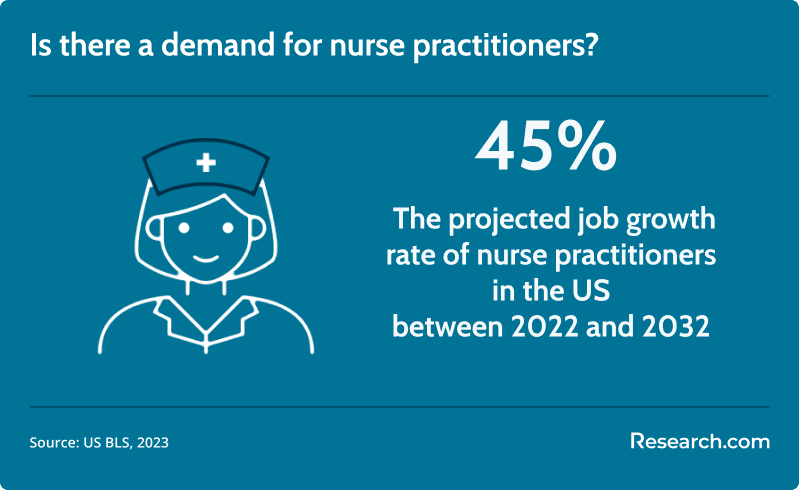
The job market for nurse practitioners is strong. Employment of nurse practitioners is projected to grow 45% from 2022 to 2032, which is much faster than the average for all occupations. Demand is tied to preventive care, expanded use of advanced practice registered nurses, team-based care models, and healthcare needs related to an aging population.
About 29,200 job openings for nurse practitioners, nurse anesthetists, and nurse midwives are expected each year. Many openings are projected to come from workers changing occupations or retiring. Graduates of online FNP programs may be competitive when they complete an accredited program, pass national certification, meet state licensure requirements, and gain strong clinical experience.
Challenges of Pursuing a Post-Master’s FNP Certificate Online
Online FNP certificates can be convenient, but they require planning and self-management. The most successful students understand the workload before enrolling and confirm how the program handles clinical training.
- Clinical placement pressure: Finding preceptors can be difficult in some regions. Ask whether the school secures placements, provides leads, or expects students to arrange sites independently.
- Time management: Online flexibility can become a problem if you do not set a weekly schedule for lectures, readings, assignments, and exam preparation.
- Limited in-person contact: Students who learn best through face-to-face interaction may need to use office hours, live sessions, discussion boards, and peer groups more intentionally.
- Faculty access: Communication may happen through email, learning platforms, or scheduled virtual meetings. Establish contact with advisors and faculty early.
- Technology barriers: Reliable internet, updated software, and a backup study location can prevent missed deadlines when technical issues arise.
What to Expect From Clinical Experiences in Post-Master’s FNP Programs
Clinical training is one of the most important parts of an FNP certificate. Students comparing 12-month FNP program online options should not focus only on course speed; they should also confirm whether clinical timelines are realistic in their area.
- Clinical placement structure: Some schools help students locate local placements, while others require students to identify preceptors and sites.
- Required hours: Programs may require anywhere from 500 to 700 clinical hours to meet certification requirements.
- Site approval: Clinical practicum locations usually must meet program standards before hours can count.
- Preceptor qualifications: Schools typically specify who can supervise FNP students, so confirm requirements before approaching potential preceptors.
- Scheduling impact: Clinical hours may conflict with work shifts, childcare, or travel, so plan early.
Should Non-Nurses Consider Direct-Entry MSN Programs Instead?
A post-master’s FNP certificate is not designed for people without nursing credentials. Candidates who do not yet have an RN license or prior nursing education should consider entry routes that combine foundational nursing education with graduate-level preparation. Some programs are structured for students from non-nursing backgrounds and may provide a more appropriate pathway into advanced nursing than trying to enter a post-master’s certificate too early. To compare this route, review direct-entry MSN programs online.
How to Succeed in an Online Post-Master’s FNP Program
Success in an online FNP certificate depends on more than clinical knowledge. Students must manage graduate coursework, patient-care learning, documentation, technology, and certification preparation at the same time.
- Create a fixed weekly study plan: Block time for lectures, assignments, readings, case studies, and test preparation before the semester starts.
- Engage with faculty and classmates: Use discussion boards, office hours, live sessions, and group work to avoid isolation and clarify difficult material.
- Track clinical requirements carefully: Keep records of hours, patient populations, site approvals, evaluations, and preceptor documentation.
- Start clinical planning early: Waiting until the term begins can create delays, especially in competitive regions.
- Use financial resources strategically: Some of the cheapest online nurse practitioner programs may offer scholarships, grants, or employer reimbursement opportunities that reduce out-of-pocket costs.
How a Fast-Track RN to BSN Program Fits Into the FNP Pathway
A fast-track RN to BSN program is not a substitute for a post-master’s FNP certificate, but it can be an earlier step for nurses who do not yet have a bachelor’s degree. Completing the fastest RN to BSN program can help registered nurses build academic foundations, meet future graduate admissions requirements, and prepare for advanced nursing study. From there, nurses may pursue MSN, bridge, or nurse practitioner pathways depending on their goals.
Earning Potential for Online Post-Master’s FNP Graduates
FNP earning potential is generally strong because the role requires graduate education, national certification, and state APRN licensure. However, no program can guarantee a specific salary. Pay varies by state, employer, years of experience, practice setting, patient population, and whether the NP works in primary care, urgent care, telehealth, specialty care, or leadership.
For a deeper compensation breakdown, the family nurse practitioner salary guide explains salary expectations, industries, and ways nurses may improve their earning potential. When evaluating ROI, compare salary possibilities with tuition, fees, clinical costs, loan interest, and the time it will take to complete certification and licensure.
Accreditation, Certification, and Licensure Requirements to Check
Accreditation and licensure alignment should be non-negotiable when choosing an online post-master’s FNP certificate. A program may be convenient and affordable, but it is not a good choice if it does not support eligibility for national certification or state APRN licensure.
- Program accreditation: Confirm current nursing accreditation through the school and the accrediting organization.
- State authorization: Ask whether the school is authorized to enroll students from your state.
- Certification eligibility: Verify that the curriculum prepares graduates for the FNP certification exam you plan to take.
- State board requirements: Contact your state board of nursing to confirm education, clinical, certification, and license application rules.
- Clinical site approval: Make sure clinical placements are acceptable to both the school and your state’s licensing standards.
Students comparing nursing education quality across levels can also review how accreditation and outcomes are evaluated in online BSN programs.
Graduate Outcomes to Review Before Enrolling
Strong post-master’s FNP programs should be able to share meaningful outcome indicators. Ask for first-attempt certification pass rates, completion rates, clinical placement support information, graduate employment data, and student support resources. If the school cannot provide clear answers, proceed cautiously.
Outcomes matter because a shorter program is only valuable if it leads to certification eligibility, licensure progress, and employable clinical skills. To compare affordability and related performance factors in another pathway, review online FNP programs.
Is the ROI of an Online Post-Master’s FNP Certificate Worth It?
An online post-master’s FNP certificate may be worth it for MSN-prepared nurses who want to move into family primary care, can complete clinical requirements, and have confirmed that the program meets certification and state licensure expectations. The ROI is weaker if you must take many extra credits, struggle to secure clinical placements, or plan to practice in a state where the program does not meet requirements.
To estimate ROI, compare tuition, fees, books, clinical expenses, travel, exam costs, loan interest, and reduced work hours against realistic salary expectations and career advancement. It can also help to compare the investment with earlier nursing education costs, such as the LPN schooling cost, to see how each credential fits into your overall career plan.
| Choose an Online Post-Master’s FNP Certificate If... | Consider Another Path If... |
| You already hold an MSN and want FNP preparation | You do not yet have an RN license or graduate nursing degree |
| You can complete 500 to 700 clinical hours | You cannot find approved clinical sites in your area |
| Your state board recognizes the program | The school cannot confirm state licensure alignment |
| You want a faster route than another full degree | You need a doctoral credential for your target role |
| Your employer or scholarships can reduce cost | The total cost would create unsustainable debt |
How Public Health Knowledge Can Strengthen an FNP Career
Family nurse practitioners often work at the intersection of individual care and community health. Public health knowledge can strengthen skills in prevention, population health, screening, health education, and care coordination. It may also support roles in community clinics, program development, quality improvement, or health policy. Nurses interested in broader community-focused work can compare FNP outcomes with benchmarks discussed in the master of science in nursing public health salary guide.
Common Mistakes to Avoid When Choosing a Short Online FNP Certificate
- Choosing only by speed: A one-year program is not helpful if the course load is unrealistic or clinical placements are hard to secure.
- Ignoring accreditation: Accreditation affects certification eligibility, licensure, employer recognition, and financial aid access.
- Assuming online means no campus or in-person work: Some programs may require intensives, assessments, or other in-person activities in addition to clinical hours.
- Overlooking state licensure rules: State boards may have specific education, clinical, and certification requirements.
- Comparing tuition without fees: Always calculate the full cost, including clinical compliance expenses, technology fees, books, travel, and exams.
- Waiting too long to plan clinicals: Preceptor shortages can delay graduation if you begin searching late.
- Relying only on rankings: Rankings are useful, but your state, budget, schedule, and clinical access should drive the final decision.
Questions to Ask Before Applying
- Is the program currently accredited, and by which accreditor?
- Does the program meet FNP certification requirements?
- Does it meet APRN licensure requirements in my state?
- How does the school conduct the gap analysis?
- How many credits or units will I personally need to complete?
- Who is responsible for finding clinical placements?
- How many clinical hours are required, and where can they be completed?
- Are there campus visits, intensives, or synchronous class sessions?
- What are the first-attempt certification pass rates?
- What is the full estimated cost after tuition, fees, and clinical expenses?
Graduate Perspectives on Online Post-Master’s FNP Programs
- : "Earning my post-master’s FNP certificate online helped me keep working while preparing for a broader primary care role. The format was flexible, but the clinical expectations were serious and required planning. — Henry"
- : "The online structure gave me access to advanced nursing coursework without leaving my job. Faculty interaction, discussion boards, and clinical practice helped connect the material to patient care. — Chris"
- : "The program was demanding, but manageable with a clear schedule. I valued being able to learn with nurses from different regions while still completing clinical work close to home. — Jean"
Why Evidence-Based Curriculum Matters in Online FNP Programs
Evidence-based curriculum helps FNP students connect current clinical research with patient care decisions. In a strong program, coursework should teach students how to evaluate guidelines, apply research findings, use diagnostic reasoning, and adapt care plans to individual and population needs. Digital simulations, case-based learning, and faculty-led clinical analysis can support this process when they are tied to clear outcomes and supervised practice.
This emphasis is valuable across nursing pathways, from advanced practice certificates to flexible completion options such as the easiest RN to BSN program. The goal is not just to finish quickly, but to graduate prepared for safe, current, and accountable practice.
Complementary Disciplines That Can Support FNP Preparation
FNP students may benefit from knowledge in public health, healthcare informatics, leadership, quality improvement, pharmacology, and biological sciences. These areas can strengthen clinical reasoning, population health awareness, data-informed practice, and understanding of disease mechanisms. Nurses who want deeper scientific preparation may also explore biology degree programs as a complementary academic interest, though a biology degree is not a substitute for FNP education or licensure requirements.
References
- Bureau of Labor Statistics. (2023, April 25). Nurse Practitioners.
- Bureau of Labor Statistics. (2024, April 17). Nurse Anesthetists, Nurse Midwives, and Nurse Practitioners: Occupational Outlook Handbook.
- ZipRecruiter. (2024). Emergency Nurse Practitioner.
- ZipRecruiter. (2024). Family Nurse Practitioner.
- ZipRecruiter. (2024). Pediatric Nurse Practitioner.
- ZipRecruiter. (2024). Psychiatric Nurse Practitioner.
- ZipRecruiter. (2024). Telemedicine Nurse Practitioner.
Key Insights
- The shortest online post-master’s FNP certificates can take about one year or three semesters, but your actual timeline depends on prior MSN coursework, gap analysis results, clinical hours, and enrollment pace.
- Online FNP programs still require in-person clinical training. Before enrolling, confirm who secures placements and whether approved sites are available near you.
- Accreditation, state authorization, certification eligibility, and APRN licensure alignment matter more than speed or ranking position.
- Costs vary widely, from examples such as $674 per credit to $45,288 total program cost, so compare full program expenses rather than tuition alone.
- The job outlook for nurse practitioners is strong, with 45% projected employment growth from 2022 to 2032 and about 29,200 openings expected each year for nurse practitioners, nurse anesthetists, and nurse midwives.
- A post-master’s FNP certificate is best for MSN-prepared RNs who want family primary care practice. Non-nurses, ADN-prepared nurses, and BSN-prepared nurses usually need a different pathway first.
Other Things You Should Know About Online Post-Master's FNP Certificate Programs
Yes. These programs require supervised clinical practice, often totaling about 500 clinical hours or more, completed in approved primary care settings. Students must document preceptor arrangements and meet state board and school requirements before starting rotations.
Enrolling in 2027's shortest online Post-Master's FNP certificate programs typically requires a master's degree in nursing, an active RN license, and clinical experience. Some programs may also require letters of recommendation or specific coursework in advanced practice nursing.


