2027 Best Nurse Practitioner Programs in Idaho – Accredited Schools Online & Campus

Co-Founder and Chief Data Scientist
Choosing a nurse practitioner program in Idaho is not just about finding the nearest school. You need a program that fits your schedule, prepares you for national certification, supports clinical placement, and meets Idaho licensure expectations. This matters because Idaho continues to feel the effects of a strained nursing workforce, with approximately 700 unfilled registered nurse (RN) positions as of 2024 and strong demand for advanced practice nurses in primary care, rural care, geriatrics, and family health.
This guide is for registered nurses planning to become nurse practitioners, BSN students mapping out graduate school options, and career changers who want to understand the full nursing pathway before committing to a program. You will learn how NP programs in Idaho compare, what they cost, how online and campus formats differ, what licensing steps are required, and how to evaluate whether an MSN, DNP, bridge program, or online FNP pathway makes sense for your goals. A nursing degree can lead to strong career options, but the best choice depends on accreditation, clinical training, affordability, flexibility, and your intended specialty.
Best Nurse Practitioner Programs in Idaho Table of Contents
- Quick answer: What are the best nurse practitioner programs in Idaho?
- Working as a nurse practitioner in Idaho
- How to become a nurse practitioner in Idaho
- Cost of nurse practitioner programs in Idaho
- Online vs. on-campus nurse practitioner programs
- Best nurse practitioner programs in Idaho for 2027
- Should you enroll in an Idaho nurse practitioner program?
- What factors should I consider when choosing a nursing school in Idaho?
- What challenges do nurse practitioners face in Idaho?
- How can I verify accreditation and program quality?
- What are the first licensing steps for Idaho nurses?
- What continuing education requirements apply to Idaho nurse practitioners?
- What online nursing programs are available for non-nurses in Idaho?
- Which accelerated pathways can shorten the nursing timeline?
- How can pharmacy licensure support an NP career?
- What regulatory and legal issues should Idaho NPs understand?
- Which additional healthcare certifications may help Idaho nurses?
- How can nurse midwifery expand a nursing career in Idaho?
- How can complementary healthcare certifications strengthen a nursing career?
- How can LPNs move toward RN or NP roles in Idaho?
- Future outlook for nurse practitioners in Idaho
Quick Answer: What Are the Best Nurse Practitioner Programs in Idaho?
The strongest nurse practitioner options for Idaho students include in-state programs at Boise State University, Idaho State University, and Northwest Nazarene University, along with online FNP programs from the University of Southern California and Georgetown University that are open to Idaho residents. The right program depends on your specialty, whether you want an MSN or DNP, how much campus attendance you can manage, and whether the program can support clinical training where you live.
| Program | Best Fit | Learning Format | Accreditation Listed |
| Boise State University | Idaho nurses seeking MSN or DNP options with flexible delivery | Online or on-campus | Commission on Collegiate Nursing Education (CCNE) |
| Idaho State University | Students looking for MSN or DNP preparation through an Idaho public institution | Online or on-campus | Commission on Collegiate Nursing Education (CCNE) |
| Northwest Nazarene University | RNs interested in an online MSN-FNP with periodic campus residencies | Online with on-campus residencies and clinicals | Commission on Collegiate Nursing Education (CCNE) |
| University of Southern California | Idaho residents who want a national online FNP program with campus intensives | Online with two On-Campus Intensives | Commission on Collegiate Nursing Education (CCNE) |
| Georgetown University | RNs seeking a full-time or part-time online MSN-FNP pathway | Online with in-person Objective Clinical Intensives (OCIs) | Commission on Collegiate Nursing Education (CCNE) |
Working as a Nurse Practitioner in Idaho
Idaho’s healthcare market gives nurse practitioners a practical reason to consider advanced practice. Hospitals account for a major share of the state’s healthcare economy, with revenue at $8.4 billion in 2025. St. Luke’s Health, a not-for-profit healthcare system, is the state’s largest employer, with 16,000 workers in the same year. Healthcare and social assistance is also the second-largest contributor to Idaho’s GDP at $9.4 billion and the top employment sector with 148,831 workers.
For nurses considering graduate education, those figures point to a broad employment base across hospitals, clinics, community health settings, specialty practices, and rural care sites. Nurse practitioners in Idaho earn an average annual salary of $131,380, or $63.16 per hour. Salary alone should not determine your program choice, but it is an important part of evaluating whether the cost and time required for graduate nursing education may be worthwhile.
Idaho vs. National Nursing Pay
Students often compare Idaho salaries with national nursing pay before committing to graduate school. If you are asking, “How many nurses are in the US, and what do they earn?" the national estimate is about 5.2 million nurses, with registered nurses earning an average annual salary of $98,430. That is well above the median annual wage for all occupations, which is $49,500.
Idaho shows a similar pattern. Registered nurses in the state earn an average salary of $89,770, compared with the average mean wage of all occupations in Idaho at $58,440. Advanced practice can raise the earning ceiling further. Nationally, nurse practitioners earn an estimated average annual wage of $132,000, while Idaho nurse practitioners earn an average annual salary of $131,380.
| Occupation or Category | Average Annual Wage Listed | What It Means for Students |
| All occupations, United States | $49,500 | Useful baseline for comparing nursing wages with the broader labor market |
| Registered nurses, United States | $98,430 | Shows the financial value of RN licensure before graduate study |
| All occupations, Idaho | $58,440 | State benchmark for evaluating Idaho healthcare wages |
| Registered nurses, Idaho | $89,770 | Indicates that RN work can already outpace many state occupations |
| Nurse practitioners, United States | $132,000 | National comparison point for advanced practice roles |
| Nurse practitioners, Idaho | $131,380 | Shows Idaho NP pay is nearly the same as the listed national NP average |
How to Become a Nurse Practitioner in Idaho
Becoming a nurse practitioner in Idaho requires a sequence of nursing education, RN licensure, graduate-level advanced practice preparation, national certification, and state authorization. The exact route depends on your current education level, but most future NPs follow the same general progression.
- Earn an accredited nursing degree. Most NP candidates begin with a Bachelor of Science in Nursing (BSN). A BSN builds the clinical, scientific, and patient-care foundation needed for RN practice and graduate nursing admission.
- Pass the NCLEX-RN. After completing the required nursing education, candidates must pass the National Council Licensure Examination for Registered Nurses to qualify for RN licensure.
- Apply for Idaho RN licensure. RN licensure is required before a nurse can practice independently and before most graduate NP programs will consider the applicant fully prepared for advanced study.
- Gain clinical experience as an RN. Work experience helps future NPs understand patient assessment, care coordination, documentation, interprofessional teamwork, and the realities of healthcare delivery.
- Choose an NP specialty. Common options include family nurse practitioner, adult-gerontology nurse practitioner, pediatric nurse practitioner, psychiatric-mental health nurse practitioner, and other population-focused tracks.
- Complete an accredited MSN or DNP program. Nurse practitioner education is typically offered through a Master of Science in Nursing or Doctor of Nursing Practice program with supervised clinical training.
- Finish required clinical hours. Clinical placements connect classroom learning with patient care and are essential for certification readiness and advanced practice competence.
- Earn national certification. Graduates generally seek certification through a recognized organization such as the American Nurses Credentialing Center (ANCC) or the American Association of Nurse Practitioners (AANP).
- Apply through the Idaho Board of Nursing. Candidates must submit documentation of graduate education, clinical preparation, certification, and other state requirements.
- Maintain licensure through renewal and continuing education. Idaho nurse practitioners renew their licenses every two years and must document ongoing professional development.
| Current Starting Point | Likely Next Step | Best Program Type to Research |
| No nursing background | Complete an RN-entry pathway first | Online RN programs for non-nurses or accelerated nursing programs |
| LPN | Move into an RN bridge pathway | LPN-to-RN or related bridge programs |
| ADN-prepared RN | Earn a BSN or find an eligible RN-to-MSN route | RN-to-BSN, RN-to-MSN, or BSN completion options |
| BSN-prepared RN | Apply to graduate NP programs | MSN-FNP, MSN specialty tracks, or DNP programs |
| MSN-prepared nurse | Add a specialty or doctoral preparation | Post-master’s certificate or DNP |
Cost of Taking Up a Nurse Practitioner Program in Idaho
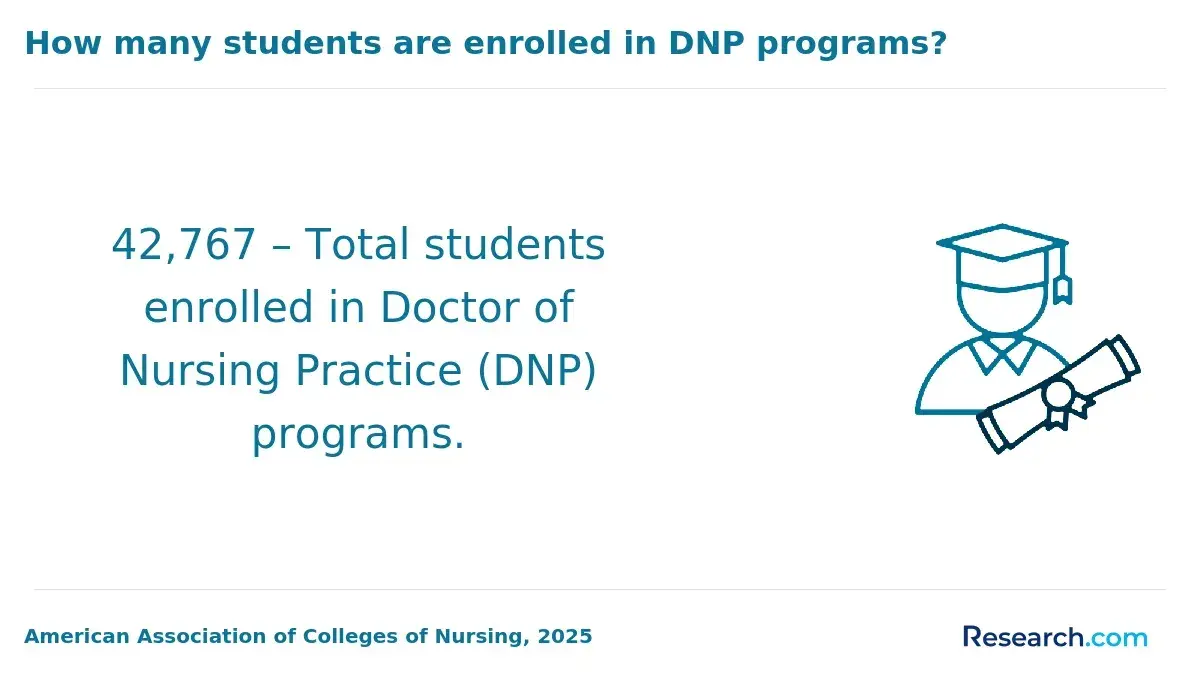
Nurse practitioner programs generally cost around $35,000 to $85,000, with an average expense of around $60,000. Your actual cost depends on degree level, residency status, institution type, program length, technology fees, clinical travel, books, and whether you reduce work hours while studying. DNP programs are usually more expensive than MSN programs because they require more advanced coursework and, often, a longer timeline.
Location can also affect affordability. Idaho’s cost of living is 6% lower than the national average, with housing and utilities also below the national average at 11% and 8%, respectively. That can help students who attend campus-based programs or complete clinicals near home, but online students still need to budget for travel, residencies, background checks, immunizations, and clinical site requirements.
| Program Type | In-State Tuition Range | Out-of-State Tuition Range | When It May Make Sense |
| MSN programs | $30,000 to $50,000 | $40,000 to $60,000 | Best for RNs who want to enter NP practice without pursuing a doctoral degree first |
| DNP programs | $40,000 to $60,000 | $50,000 to $70,000 | Best for nurses seeking advanced leadership, systems improvement, or doctoral-level preparation |
Cost Factors Students Often Miss
- Clinical placement expenses: You may need to travel to approved sites, pay for onboarding requirements, or adjust work schedules around clinical hours.
- Residency travel: Hybrid and online programs may require campus visits, intensives, or skills assessments.
- Lost income: Full-time graduate study can reduce available work hours, especially during intensive clinical terms.
- Certification and licensing fees: National certification, state applications, renewals, and continuing education add costs after graduation.
- Out-of-state tuition: Online availability does not always mean in-state pricing, so students should confirm the full tuition policy before enrolling.
How to Reduce the Cost of an Idaho NP Program
Future NPs should compare scholarships, grants, employer tuition assistance, loan repayment options, and federal student aid before choosing a program. Next Steps Idaho lists career and education resources for students exploring nurse practitioner pathways, including options relevant to high school students planning ahead.
Students should also complete the Free Application for Federal Student Aid early. FAFSA eligibility can affect access to federal loans, grants, and work-study opportunities. Nurses already employed in healthcare should ask their HR department whether tuition reimbursement, clinical schedule flexibility, or service-based repayment programs are available.
| Question to Ask | Why It Matters |
| Is tuition charged per credit, per term, or as a flat program cost? | Pricing models can change the total amount you pay, especially if you study part time. |
| Are campus intensives required? | Travel, lodging, meals, and missed work can add meaningful expense. |
| Does the school help arrange clinical placements in Idaho? | Limited placement support can delay graduation or create unexpected travel costs. |
| Are scholarships available specifically for graduate nursing students? | Some aid is restricted by degree level, specialty, employer, or residency. |
| What are the certification exam and licensure application costs after graduation? | Budgeting should include the transition from student to licensed practitioner. |
Difference Between Online and On-Campus Nurse Practitioner Programs
Online and campus-based NP programs can both prepare students for advanced practice, but they create different learning experiences. The better choice depends on your work schedule, learning style, location, access to clinical sites, and need for direct faculty interaction.
| Factor | Online NP Programs | On-Campus NP Programs |
| Schedule flexibility | Often better for working RNs who need asynchronous coursework or fewer weekly campus requirements | Usually better for students who can attend scheduled classes and labs in person |
| Faculty and peer interaction | Relies on video meetings, discussion boards, office hours, and virtual collaboration | Offers more frequent face-to-face engagement and informal networking |
| Clinical learning | May combine local clinical placements with virtual simulations; research has examined the use of virtual simulations in healthcare education | May offer easier access to campus-affiliated labs, faculty-supervised practice, and local clinical partners |
| Student responsibility | Requires strong time management, technology comfort, and self-direction | Provides more external structure through scheduled classroom and lab attendance |
| Best fit | RNs balancing employment, family obligations, or distance from campus | Students who learn best through in-person instruction and direct campus support |
How to Choose Between Online and Campus Study
Do not treat online and campus programs as opposites. Many strong programs use hybrid designs that combine online coursework with in-person labs, clinicals, residencies, or intensives. Idaho students can also supplement formal education with free online nursing courses with certificates, although free courses do not replace accredited graduate NP preparation or state licensure requirements.
- Choose online if you need flexibility, live far from campus, or plan to keep working while enrolled.
- Choose on-campus if you want more in-person faculty access, structured weekly meetings, and campus-based lab resources.
- Choose hybrid if you want online convenience but still value hands-on intensives and periodic in-person training.
Best Nurse Practitioner Programs in Idaho for 2027
Research.com reviewed available nurse practitioner options for Idaho students by considering factors such as faculty expertise, specialization availability, student services, learning format, accreditation, and student outcomes. Idaho has only three in-state nurse practitioner programs listed here, so this guide also includes two online programs that accept students from Idaho.
1. Boise State University
Boise State University offers nurse practitioner preparation through Master of Science in Nursing (MSN) and Doctor of Nursing Practice (DNP) pathways. Its advanced nursing options are designed to develop clinical judgment, population-focused care skills, and leadership capacity for students pursuing specialties such as family nurse practitioner and adult-gerontology nurse practitioner (AGNP). Those tracks are also among the nursing specialty career choices many nurses consider when looking for long-term advancement. Boise State may be a strong fit for Idaho nurses who want a public university option with online or campus-based access.
- Learning Format: Online or on-campus
- Accreditation: Commission on Collegiate Nursing Education (CCNE)
2. Idaho State University
Idaho State University offers NP education within MSN and DNP curricula, including preparation for family nurse practitioner roles. The program is relevant for students who want advanced clinical training tied to evidence-based practice, health policy, and leadership. Idaho State University GPA requirements for both MSN and DNP are posted at 3.0. Because ISU offers both online and on-campus options, it can serve working nurses as well as students who prefer more direct campus engagement.
- Learning Format: Online or on-campus
- Accreditation: Commission on Collegiate Nursing Education (CCNE)
3. Northwest Nazarene University
The MSN family nurse practitioner program at Northwest Nazarene University prepares registered nurses for advanced practice in family healthcare. The FNP program is delivered online with four one-week campus residencies and clinicals completed in students’ home states. Its curriculum emphasizes Christian values, professional practice, lifelong learning, and evidence-based care. Graduates are eligible for national licensure as family nurse practitioners.
- Learning Format: Online with on-campus residencies and clinicals
- Accreditation: Commission on Collegiate Nursing Education (CCNE)
4. University of Southern California
The Department of Nursing at the University of Southern California offers an online FNP program available to students across the country, including Idaho residents. The program is intended for RNs with at least one year of clinical experience and prepares students to care for infants, children, adolescents, adults, and families. Students can complete the program in 21 months full time or 33 months part time. The format blends online coursework with in-person learning through two On-Campus Intensives, along with online discussions, regular office hours, and peer collaboration.
- Learning Format: Online with two On-Campus Intensives
- Accreditation: Commission on Collegiate Nursing Education (CCNE)
5. Georgetown University
Georgetown University offers a Master of Science in Nursing program with a family nurse practitioner track. The curriculum includes advanced health assessment, pharmacology, pathophysiology, and primary care clinical experiences. Students may enroll full time or part time, and the program can be completed in two to three years. Graduates are eligible to sit for the national certification exam to become a family nurse practitioner, but Idaho residents must also meet Idaho-specific requirements before practicing in the state.
- Learning Format: Online with in-person Objective Clinical Intensives (OCIs)
- Accreditation: Commission on Collegiate Nursing Education (CCNE)
Should You Enroll in One of the Best Nurse Practitioner Programs in Idaho?
An Idaho NP program can be a good investment for RNs who want greater clinical responsibility, broader patient-care authority, stronger earning potential, and opportunities in family care, adult-gerontology care, rural health, telehealth, or specialty settings. The benefits of a nursing career often include meaningful patient relationships, stable demand, and the chance to work in many healthcare environments. NP education builds on that foundation by preparing nurses to assess, diagnose, manage treatment plans, prescribe where authorized, and coordinate care at an advanced level.
However, graduate nursing school is demanding. Students should not enroll only because a program is highly ranked or because NP salaries look attractive. The right program must match your specialty goal, budget, clinical placement needs, learning format, and state licensure pathway.
| Choose an NP Program If... | Consider Another Path If... |
| You already know which patient population you want to serve. | You are unsure whether you want advanced practice, nursing leadership, education, or administration. |
| You can commit to graduate coursework and clinical hours. | Your current work or family schedule cannot support clinical rotations. |
| You have verified accreditation and certification eligibility. | The program cannot clearly explain certification or Idaho licensure alignment. |
| You want direct patient-care authority beyond the RN scope. | You prefer bedside RN practice or nonclinical healthcare roles. |
| You have compared total cost, not just tuition. | You would need to borrow heavily without a clear repayment plan. |
Comprehensive Pathways for Aspiring Nurse Practitioners
The pathway to becoming a nurse practitioner in Idaho is not identical for every student. A high school student, an LPN, an ADN-prepared RN, and a BSN-prepared RN all need different academic steps before reaching graduate NP preparation. Understanding these routes early can prevent wasted credits, licensing delays, and unnecessary debt.
If you are still mapping out the profession, a detailed state-specific guide on how to become a nurse practitioner in Idaho can help you compare education requirements, specialty decisions, certification, and licensure milestones. Prospective students should also ask each school how clinical placement works, whether Idaho sites are available, and what support is provided if a placement falls through.
A strong pathway plan should include three decisions: the fastest realistic route to RN licensure, the right specialty for your intended patient population, and the most affordable accredited graduate program that can support your clinical training needs.
What Factors Should I Consider When Choosing a Nursing School in Idaho?
When comparing nursing schools in Idaho, start with accreditation, program level, NCLEX or certification preparation, faculty qualifications, clinical partnerships, graduation outcomes, and student support. Do not rely on reputation alone. A school may be well known but still not fit your timeline, budget, learning style, or intended specialty.
Students comparing RN programs before graduate study can review Research.com’s guide to the best nursing schools in Idaho for a broader look at institutions and program options. NP applicants should go further by confirming that the graduate program’s specialty track matches the national certification exam they plan to take.
| Selection Factor | What to Check | Why It Matters |
| Accreditation | Confirm recognized nursing accreditation and state authorization | Accreditation can affect certification, licensure, financial aid, and employer recognition |
| Specialty track | Verify whether the program offers FNP, AGNP, pediatric, psychiatric, or another focus | Your specialty determines your patient population and certification route |
| Clinical placement support | Ask whether the school helps secure Idaho placements | Weak placement support can delay completion |
| Format | Compare online, campus, and hybrid requirements | Residencies and intensives affect schedule and cost |
| Total price | Include tuition, fees, travel, books, exams, and lost income | The lowest advertised tuition is not always the lowest total cost |
What Challenges Do Nurse Practitioners Face in Idaho?
Nurse practitioners in Idaho may face challenges related to rural access, clinical placement availability, changing telehealth expectations, employer policies, and the practical interpretation of scope-of-practice rules. Rural communities may offer strong need for advanced practice providers, but they can also have fewer preceptors and longer travel distances for clinical training or employment.
Technology is also changing NP preparation and practice. Telehealth, electronic health records, remote monitoring, and online education require nurses to become comfortable with digital tools. Flexible options such as online nursing programs in Idaho may help working nurses continue their education, but students should confirm that online coursework is paired with adequate in-person clinical preparation.
How Can I Assess the Accreditation and Quality of Nurse Practitioner Programs in Idaho?
To evaluate program quality, confirm accreditation first, then examine outcomes and support. A program should clearly state its accrediting body, specialty tracks, clinical hour expectations, certification exam eligibility, faculty credentials, and whether it is authorized to enroll students from Idaho. If these details are difficult to find, ask admissions for written confirmation before applying.
Students exploring nursing education more broadly can compare institutions through Research.com’s list of the best colleges for registered nurses. For NP programs specifically, prioritize certification alignment and clinical placement transparency over marketing claims.
- Confirm accreditation: Look for recognized nursing accreditation such as CCNE when listed by the program.
- Ask about certification eligibility: The program should prepare graduates for the appropriate national NP certification exam.
- Review clinical partnerships: Strong relationships with healthcare facilities can improve placement reliability.
- Check student outcomes: Ask about graduation rates, certification pass rates, and employment support when available.
- Verify Idaho authorization: Online programs should be able to explain whether Idaho residents can enroll and complete requirements.
What Are the Initial Licensing Steps to Enter Idaho’s Nursing Field?
Before becoming a nurse practitioner, students must first qualify as nurses. Most candidates complete an accredited nursing program, pass the NCLEX-RN, and apply for Idaho RN licensure. RN licensure establishes the professional foundation needed for graduate NP education and advanced practice certification.
Students who are still at the RN-entry stage can review how to become a registered nurse in Idaho for a step-by-step look at education, examination, and state licensure. Getting this first stage right matters because NP programs typically expect applicants to hold an active RN license and have a solid clinical background.
What Are the Continuing Education Requirements for Nurse Practitioners in Idaho?
Idaho nurse practitioners must complete continuing education to keep their licenses active and maintain current clinical knowledge. The Idaho Board of Nursing requires renewal every two years, and NPs must be prepared to document their completed professional development if audited.
- CE Hours: Nurse practitioners in Idaho must complete at least 30 contact hours of continuing education during each two-year licensure renewal period. These hours should include general nursing content and topics relevant to the NP’s specialty.
- Pharmacology Requirement: At least 10 of the 30 required CE hours must focus on pharmacology, helping NPs remain current in medication management, prescribing practices, and emerging treatments.
- Accredited Programs: Continuing education should come from accredited institutions or be approved by national nursing organizations such as the American Nurses Credentialing Center (ANCC) or the American Association of Nurse Practitioners (AANP).
- Documentation: NPs are responsible for keeping records of completed CE activities because the Idaho Board of Nursing may request evidence during audits.
- Additional Certifications: Specialty certifications in areas such as geriatrics or mental health may contribute to CE requirements while also strengthening career options.
How Can Complementary Healthcare Certifications Boost My Nursing Career in Idaho?
Complementary healthcare credentials can help nurses broaden their practical skills, understand interdisciplinary workflows, and become more versatile in clinics, hospitals, and community settings. For example, medical assistant training in Idaho can strengthen knowledge of front-office processes, basic clinical support, patient flow, and team-based care. These credentials do not replace RN or NP licensure, but they can be useful for nurses who want a broader view of healthcare operations.
How Can LPNs Advance Their Careers in Idaho?
Licensed Practical Nurses in Idaho can advance by moving into RN bridge programs and, later, BSN or graduate nursing pathways. The most efficient route depends on previous credits, clinical experience, transfer policies, and whether the student wants to continue working while enrolled. LPNs who ultimately want NP roles should plan several steps ahead so they do not choose a program that limits future transfer or graduate admission options.
For state-specific licensing and education guidance, review Research.com’s article on how to get a LPN license in Idaho. From there, LPNs can compare LPN-to-RN, RN-to-BSN, and eventual MSN or DNP options.
Future Outlook for Nurse Practitioners in Idaho
Idaho’s need for nurse practitioners is tied to several durable healthcare pressures: primary care access, an aging population, rural service gaps, mental health needs, and continued demand for nurses across the care continuum. Family care, mental health, and geriatrics are especially relevant areas for advanced practice nurses because they align with common community health needs.
Telemedicine and community-based care are also changing how NPs work. In rural areas, telehealth can extend access, but it also requires practitioners to understand technology, documentation, privacy rules, and when in-person evaluation is clinically necessary. Future NPs should choose programs that address both traditional hands-on assessment and modern digital care delivery.
For BSN-prepared RNs who want to focus on family practice, an online BSN to FNP program may be a practical route if it is accredited, supports Idaho clinical placements, and prepares graduates for certification. Research.com’s guide to online BSN to FNP programs can help students compare flexible options before deciding whether an FNP track fits their goals.
What Are the Best Online Nursing Programs for Non-Nurses in Idaho?
Non-nurses cannot move directly into nurse practitioner practice. They must first complete a nursing pathway that leads to RN eligibility, pass the NCLEX-RN, and gain the clinical foundation needed for graduate study. Online nursing programs for non-nurses can make that first step more accessible, especially when they combine online coursework with required in-person clinical training at approved healthcare sites.
Students changing careers should compare prerequisites, clinical requirements, total program length, transfer credit policies, and whether the program leads to RN eligibility. Research.com’s guide to online RN programs for non-nurses can help career changers understand available routes into the profession before planning for future NP education.
What Accelerated Pathways Can Expedite a Nursing Career in Idaho?
Accelerated nursing pathways can shorten the timeline for students who already have college credits, a non-nursing bachelor’s degree, or healthcare experience. These programs often compress coursework and clinical requirements into a more intensive schedule, which can help students enter practice sooner but may also limit the ability to work full time.
Before choosing an accelerated route, compare admission prerequisites, clinical intensity, tuition, transfer credit rules, and licensure outcomes. Students who want a faster entry point can explore Research.com’s overview of accelerated nursing programs to understand which options may reduce time to RN licensure and eventually support NP preparation.
How Can Pursuing Pharmacy Licensure Enhance My Nursing Career in Idaho?
Medication knowledge is central to advanced nursing practice, especially for nurse practitioners who manage treatment plans and prescribe within their authorized scope. Some nurses may explore pharmacy education or licensure to deepen their understanding of pharmacotherapeutics, medication safety, drug interactions, and interdisciplinary care.
This is not a shortcut to NP practice, and pharmacy licensure requires its own separate education and regulatory pathway. However, nurses interested in medication-focused careers can review how to become a licensed pharmacist in Idaho to understand how pharmacy credentials differ from nursing credentials and where the two fields can complement each other.
What Are the Regulatory and Legal Considerations for Nurse Practitioners in Idaho?
Nurse practitioners must stay current with Idaho rules governing licensure, scope of practice, prescribing, telehealth, documentation, collaboration expectations, and professional liability. Regulations can change, and employers may also set policies that shape how NPs practice in specific settings.
Prospective and current nurses should review official state guidance and understand how to get a nursing license in Idaho before enrolling in a program or changing roles. Online students should be especially careful: a program based outside Idaho must still align with Idaho requirements if the student plans to practice in the state.
What Additional Healthcare Certifications Can Enhance My Nursing Career in Idaho?
Additional credentials can help nurses move into specialized, administrative, or hybrid roles. For example, medical billing and coding certification in in Idaho can build knowledge of revenue cycle processes, documentation accuracy, coding systems, and payer requirements. This can be useful for nurses who want leadership, case management, compliance, quality improvement, or clinic operations responsibilities.
When considering extra certifications, ask whether the credential directly supports your target role. A certification is most valuable when it improves a skill employers actually need, supports licensure or certification renewal, or helps you move into a defined specialty.
How Can Nurse Midwifery Opportunities Complement My Nursing Career in Idaho?
Nurse midwifery can be a strong advanced practice option for nurses interested in maternal, reproductive, prenatal, birth, and postpartum care. This pathway may be especially meaningful in communities where access to women’s health and maternity services is limited. It also requires specialized graduate education, supervised clinical training, certification, and state authorization.
Nurses considering this route should review the nurse midwife qualifications in Idaho before selecting a program. The key question is whether you want a broad family practice role, a women’s health focus, or a midwifery-specific scope of practice.
Common Mistakes to Avoid When Choosing an Idaho NP Program
| Mistake | Why It Can Hurt You | Better Approach |
| Choosing based only on rankings | A highly ranked program may not fit your specialty, schedule, or licensure needs | Use rankings as a starting point, then verify accreditation, clinical support, and cost |
| Ignoring clinical placement details | Clinical delays can postpone graduation and certification | Ask who secures placements, where Idaho students train, and what happens if a site cancels |
| Comparing tuition but not total cost | Fees, travel, residencies, and lost income can change affordability | Build a full budget before accepting admission |
| Assuming online means fully remote | Many online NP programs require campus intensives or in-person clinicals | Review all residency, lab, and clinical requirements before enrolling |
| Overlooking certification alignment | The wrong track may not prepare you for your intended NP credential | Match the program specialty to the national certification exam and Idaho practice goal |
| Waiting to ask about licensure | State authorization issues can create problems after graduation | Confirm Idaho eligibility in writing before committing to an out-of-state online program |
Key Insights
- Idaho has real nursing demand: The state reported approximately 700 unfilled registered nurse positions as of 2024, and advanced practice nurses are positioned to help address access needs in primary care, rural care, and specialty services.
- NP pay is competitive: Nurse practitioners in Idaho earn an average annual salary of $131,380, close to the listed national average of $132,000 for nurse practitioners.
- Accreditation is nonnegotiable: Before applying, verify that the program is accredited, prepares students for national certification, and supports Idaho licensure requirements.
- Program format affects more than convenience: Online programs may still require campus intensives, local clinicals, travel, and strong self-management skills.
- Cost should be evaluated broadly: NP programs generally cost around $35,000 to $85,000, with an average expense of around $60,000, but total cost also includes fees, travel, clinical requirements, and potential lost income.
- MSN and DNP pathways serve different goals: MSN programs are often the direct route into NP practice, while DNP programs may fit nurses seeking doctoral preparation, leadership, and systems-level impact.
- Clinical placement support can make or break the experience: Idaho students should ask every program how placements are arranged, especially if they live in rural areas.
- The best choice is personal, not universal: A strong NP program should match your specialty, budget, schedule, certification plan, and intended Idaho practice setting.
Related Articles for Nearby States
- 2027 Best Nurse Practitioner Programs in Montana – Accredited Schools Online & Campus
- 2027 Best Nurse Practitioner Programs in Washington – Accredited Schools Online & Campus
- 2027 Best Nurse Practitioner Programs in Oregon – Accredited Schools Online & Campus
- 2027 Best Nurse Practitioner Programs in Nevada – Accredited Schools Online & Campus
- 2027 Best Nurse Practitioner Programs in Utah – Accredited Schools Online & Campus
- 2027 Best Nurse Practitioner Programs in Wyoming – Accredited Schools Online & Campus
- 2027 Best Nurse Practitioner Programs in California – Accredited Schools Online & Campus
- 2027 Best Nurse Practitioner Programs in Colorado – Accredited Schools Online & Campus
- 2027 Best Nurse Practitioner Programs in Arizona – Accredited Schools Online & Campus
- 2027 Best Nurse Practitioner Programs in New Mexico – Accredited Schools Online & Campus
References:
- American Association of Colleges of Nursing. (2024, April). Nursing workforce fact sheet. AACN.
- Indeed. (2026). Registered nurse salary in the United States. Indeed.
- Indeed. (2026). Registered nurse salary in Idaho. Indeed.
- Indeed. (2026). Nurse practitioner salary in the United States. Indeed.
- Indeed. (2026). Nurse practitioner salary in Idaho. Indeed.
- U.S. Bureau of Labor Statistics. (2025, August 28). Nurse Anesthetists, nurse midwives, and nurse practitioners. BLS.
- U.S. Bureau of Labor Statistics. (2024, May). Occupational Employment and Wage Statistics. Area: Idaho. BLS.
Other Things You Should Know About Nurse Practitioner Programs in Idaho
In 2027, nurse practitioner students in Idaho benefit from diverse clinical placement opportunities across renowned healthcare settings such as St. Luke's Health System and Saint Alphonsus Regional Medical Center. These placements offer hands-on experiences in rural and urban healthcare environments, providing both broad-based and specialized medical training.
After completing a nurse practitioner program in Idaho, graduates must obtain national certification from recognized bodies such as the American Nurses Credentialing Center (ANCC) or the American Academy of Nurse Practitioners (AANP) to practice legally in the state.
The duration of a nurse practitioner program in Idaho depends on the degree pursued and the student’s enrollment status. MSN programs typically take two to three years to complete, while DNP programs may take three to four years. Some programs offer accelerated options that can shorten the time to completion.
Prospective nurse practitioner students in Idaho can explore various financial aid options, including federal grants, loans, and scholarships. Programs like the Free Application for Federal Student Aid (FAFSA) offer specific work-study opportunities for nursing students. Local organizations and institutions may also provide scholarships and grants to help cover educational expenses.
An Idaho nurse practitioner program should hold national nursing accreditation from CCNE or ACEN, and the graduate curriculum should prepare you for Idaho licensure through the Idaho Board of Nursing. Accreditation affects federal aid eligibility, clinical placement quality, and whether your degree is recognized for certification.