
2027 Best Adult-Gerontology Acute Care Nurse Practitioner (AGNP) Programs

Co-Founder and Chief Data Scientist
Choosing an Adult-Gerontology Acute Care Nurse Practitioner degree is a major career decision for registered nurses who want to move into advanced acute care practice. AG-ACNPs care for adults and older adults with complex, unstable, or rapidly changing conditions, often in hospitals, ICUs, emergency departments, specialty units, and other high-acuity environments.
This guide is designed for RNs comparing AG-ACNP programs, deciding between online and campus formats, estimating costs, and weighing whether the credential fits their long-term career goals. You will learn what AG-ACNP programs cover, how long they take, what prerequisites usually apply, how clinical placements work, what graduates can earn, and how to evaluate program quality before enrolling.
Quick Answer: Is an Adult-Gerontology Acute Care Nurse Practitioner Degree Worth It?
An Adult-Gerontology Acute Care Nurse Practitioner degree can be worth it for experienced RNs who want advanced clinical responsibility in acute, critical, emergency, hospital, or specialty care settings. The path usually requires graduate-level nursing education, supervised clinical practice, national certification, and state APRN licensure. It is not the easiest nurse practitioner route, but it can lead to strong career mobility, specialized practice authority, and competitive compensation.
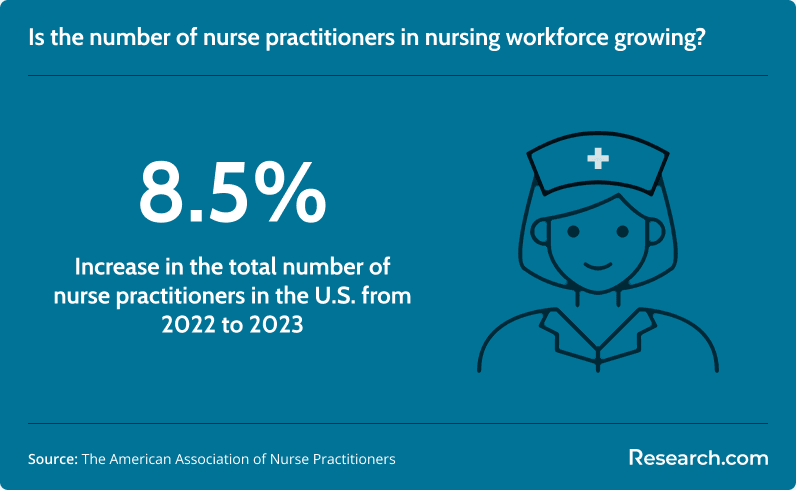
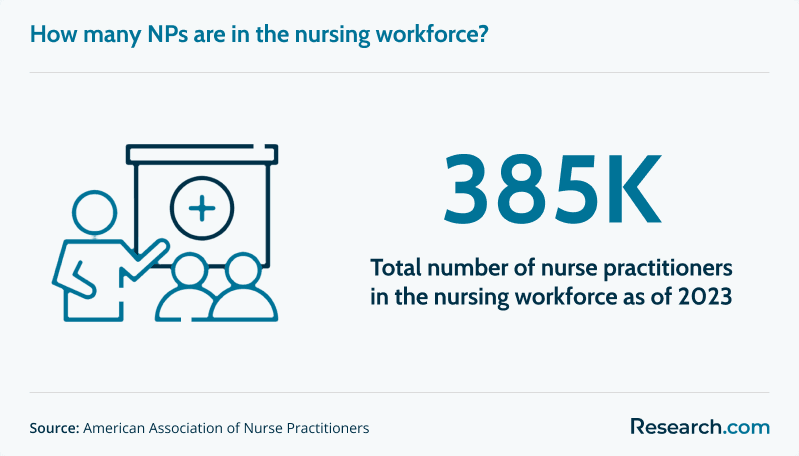
The U.S. nurse practitioner workforce continues to expand. The number of nurse practitioners in the U.S. grew by 8.5% from 2022 to 2023, and there were 385,000 licensed nurse practitioners in 2023. The Bureau of Labor Statistics projects nurse practitioner demand to grow by 45% through 2033, making this one of the stronger healthcare career markets for advanced practice nurses.
What are the benefits of getting an Adult-Gerontology Acute Care Nurse Practitioner degree?
- Access to advanced acute care roles: AG-ACNP preparation can qualify nurses for higher-level responsibilities in ICUs, emergency departments, acute care units, cardiology, pulmonology, oncology, critical care, urgent care, rehabilitation, and selected long-term care settings.
- Strong earning potential: Nurse practitioners are compensated for advanced clinical training and expanded responsibility. The median annual wage for nurse practitioners was $126,260 in 2023, while the BLS also reported a median annual salary of $121,610 for nurse practitioners as of May 2022.
- Relevance to an aging population: AG-ACNPs are trained to care for adults and older adults with acute illness, chronic disease exacerbations, polypharmacy concerns, frailty, and complex care transitions. This matters because 95% of adults aged 60 and older have at least one chronic condition, and 80% have two or more.
- Flexible program formats: Online and hybrid AG-ACNP programs can help working RNs continue employment while completing graduate coursework, although students still need approved in-person clinical experiences.
- Clearer specialization than generalist nursing roles: The degree builds advanced skills in diagnosis, treatment planning, procedures, pharmacology, health assessment, and interprofessional acute care collaboration.
What can I expect from an Adult-Gerontology Acute Care Nurse Practitioner degree?
An Adult-Gerontology Acute Care Nurse Practitioner program prepares licensed nurses to assess, diagnose, treat, and manage adults and older adults with acute, critical, and complex health problems. Unlike primary care programs that emphasize long-term wellness and routine outpatient management, AG-ACNP programs focus on unstable illness, hospital-based care, urgent clinical decisions, and advanced management of chronic conditions when they become severe or acute.
Students usually study advanced physiology, pathophysiology, pharmacology, diagnostic reasoning, health assessment, acute care management, geriatric syndromes, and evidence-based practice. Clinical training is a central part of the degree because AG-ACNPs must be able to apply classroom knowledge in high-pressure patient care settings.
Graduates are prepared to work as part of interprofessional teams with physicians, nurses, pharmacists, respiratory therapists, case managers, social workers, and other specialists. Depending on state law, employer policy, and certification status, AG-ACNPs may order and interpret diagnostic tests, prescribe medication, develop treatment plans, perform selected procedures, and manage patient transitions across levels of care.
Where can I work with an Adult-Gerontology Acute Care Nurse Practitioner degree?
AG-ACNP graduates most often work in settings where adult and older adult patients need advanced assessment and rapid clinical management. Hospitals are the most common employment environment, especially intensive care units, emergency departments, acute care units, step-down units, telemetry units, and specialty services.
AG-ACNPs may also work in specialty clinics that manage complex acute or advanced chronic disease, including cardiology, pulmonology, oncology, critical care, and hospital medicine. Some graduates pursue roles in urgent care centers, rehabilitation facilities, long-term care facilities, home healthcare, and telehealth-supported acute care programs.
| Setting | Typical AG-ACNP responsibilities | Best fit for nurses who want |
| Intensive care units | Manage critically ill adults, interpret diagnostics, support treatment plans, and collaborate with critical care teams | High-acuity work, complex physiology, and fast clinical decision-making |
| Emergency departments | Evaluate urgent conditions, order tests, begin treatment, and coordinate admissions or follow-up care | Variety, rapid assessment, and unpredictable patient presentations |
| Acute care or step-down units | Monitor unstable patients, adjust care plans, manage complications, and support discharge planning | Hospital-based care with continuity across patient stays |
| Specialty clinics | Provide acute and complex care within areas such as cardiology, pulmonology, or oncology | Focused expertise in a disease area or specialty population |
| Long-term care or rehabilitation | Manage acute changes in chronic illness and support recovery after hospitalization | Working with older adults and care transitions |
How much can I make with an Adult-Gerontology Acute Care Nurse Practitioner degree?
AG-ACNP salaries vary by region, employer, specialty, experience level, shift structure, and leadership responsibility. The BLS does not separate AG-ACNPs from all nurse practitioners in its broad wage category, but nurse practitioner salary data provides a useful benchmark.
According to the U.S. Bureau of Labor Statistics, the median annual salary for nurse practitioners, a group that includes AG-ACNPs, was $121,610 as of May 2022. The median annual wage for nurse practitioners in 2023 was $126,260.
AG-ACNPs may earn more when they work in high-demand hospitals, critical care units, specialty services, leadership roles, or areas with provider shortages. However, salary is never guaranteed. Before enrolling, compare total program cost, loan repayment options, expected local wages, clinical placement support, and how quickly you can realistically move from RN employment into an advanced practice position.
- Best Adult-Gerontology Acute Care Nurse Practitioner Programs for 2027
- How long does it take to complete an Adult-Gerontology Acute Care Nurse Practitioner program?
- Online vs. on-campus AG-ACNP programs: which format fits you?
- What is the average cost of an Adult-Gerontology Acute Care Nurse Practitioner program?
- What financial aid options can AG-ACNP students use?
- What prerequisites do AG-ACNP programs usually require?
- What courses are typically included in an AG-ACNP curriculum?
- What specializations or practice focus areas are available?
- How do accreditation and certification standards affect program quality?
- How should you choose the best AG-ACNP program?
- What career paths are available after graduation?
- What is the job market for AG-ACNP graduates?
- What emerging trends are reshaping AG-ACNP education?
- How do AG-ACNP programs support better patient outcomes?
- What challenges do AG-ACNP students face?
- What makes a strong clinical placement?
- Can non-nurses become AG-ACNPs through accelerated pathways?
- What certification and licensure steps come after graduation?
- What is the return on investment for an AG-ACNP degree?
- How can accelerated doctoral programs advance AG-ACNP practice?
List of Best Adult-Gerontology Acute Care Nurse Practitioner Programs for 2027
How do we rank schools?
Choosing an AG-ACNP program affects your finances, clinical preparation, certification readiness, and career mobility. Research.com evaluates programs using a data-informed process intended to help prospective students compare options more clearly rather than rely on name recognition alone.
The ranking process follows a transparent methodology and draws from established education data sources, including the Integrated Postsecondary Education Data System database, Peterson's databases and their Distance Learning Licensed Data Set, plus the College Scorecard database from the National Center for Education Statistics. These sources help compare institutional and program characteristics that matter to students evaluating graduate nursing education.
| Rank | School | Format | Program duration | Cost per credit | Credits | Accreditation |
| 1 | Spring Arbor University | Online | 24 months | $550 | 48 credits | CCNE |
| 2 | Maryville University | Primarily online | 12 to 40 months, depending on the chosen pathway | $1,000 | 35 credits | CCNE |
| 3 | Georgetown University | Hybrid | 277 months | $1,818 | 49 credits | CCNE |
| 4 | Oregon Health and Science University | Hybrid | 36 months | $874 | 106 credits | CCNE |
| 5 | University of Virginia | On-campus and online options | 2 to 3 years | $888 (in-state) | 51 credits | CCNE |
1. Spring Arbor University
Spring Arbor University offers an online MSN-AGACNP option for registered nurses seeking advancement into acute care practice. The program includes a faith-based healthcare perspective and emphasizes holistic care for adults and older adults. Its fully online delivery can be useful for working nurses who need scheduling flexibility.
- Program Duration: 24 months
- Tracks/Concentrations: Adult-Gerontology Primary Care Nurse Practitioner
- Cost per Credit: $550
- Required Credits to Graduate: 48 credits.
- Accreditation: Accredited by the Commission on Collegiate Nursing Education (CCNE).
2. Maryville University
Maryville University provides an online MSN-AGACNP program for RNs preparing to become advanced practice providers in acute care settings. The curriculum centers on evidence-based care and the management of complex conditions in adult and geriatric patients. Its primarily online structure is built for nurses balancing school with employment.
- Program Duration: 12 to 40 months, depending on the chosen pathway
- Tracks/Concentrations: Adult-Gerontology Acute Care Nurse Practitioner
- Cost per Credit: $1,000
- Required Credits to Graduate: 35 credits
- Accreditation: Accredited by the Commission on Collegiate Nursing Education (CCNE).
3. Georgetown University
Georgetown University offers a hybrid MSN-AGACNP pathway that combines online coursework with required campus-based intensives. The program prepares nurses to deliver advanced person-centered care to acutely ill adults and older adults while reflecting Jesuit values.
- Program Duration: 277 months
- Tracks/Concentrations: Adult-Gerontology Acute Care Nurse Practitioner
- Cost per Credit: $1,818
- Required Credits to Graduate: 49 credits
- Accreditation: Accredited by the Commission on Collegiate Nursing Education (CCNE).
4. Oregon Health and Science University (OHSU)
Oregon Health and Science University offers a hybrid MSN-AGACNP program that blends online learning with in-person clinical training. The program is designed to prepare registered nurses for advanced care of acutely ill adults and older adults.
- Program Duration: 36 months
- Tracks/Concentrations: Adult Gerontology Acute Care Nurse Practitioner
- Cost per Credit: $874
- Required Credits to Graduate: 106 credits
- Accreditation: Accredited by the Commission on Collegiate Nursing Education (CCNE).
5. University of Virginia
The University of Virginia provides both campus-based and online options for its MSN-AGACNP program. The program trains registered nurses to deliver advanced care to adults and older adults in acute care environments.
- Program Duration: 2 to 3 years
- Tracks/Concentrations: Adult Gerontology-Acute Care Nurse Practitioner.
- Cost per Credit: $888 (in-state)
- Required Credits to Graduate: 51 credits
- Accreditation: Accredited by the Commission on Collegiate Nursing Education (CCNE).
How long does it take to complete an Adult-Gerontology Acute Care Nurse Practitioner program?
Most full-time AG-ACNP programs take about two to three years, while part-time plans commonly require three to five years. Some programs may take at least three years depending on credit load, clinical sequencing, degree level, and whether the student enters with a BSN, MSN, or another nursing credential.
Program length matters because AG-ACNP education is not only classroom-based. Students must complete advanced coursework and supervised clinical hours, and clinical scheduling can affect the overall pace. Working RNs should be realistic about how many courses and rotations they can manage while maintaining employment and personal commitments.
| Factor | How it can affect completion time |
| Full-time versus part-time enrollment | Full-time study can shorten the timeline, while part-time enrollment may be more manageable for working nurses. |
| Clinical hour scheduling | Rotations must match preceptor availability, site approval, and program requirements. |
| Prerequisite courses | Missing courses such as statistics, pharmacology, pathophysiology, or health assessment can add time before or during the program. |
| Degree pathway | MSN, post-master's certificate, BSN-to-DNP, and direct-entry pathways can differ substantially in length. |
| Course load | Taking fewer credits per term may reduce stress but extend graduation time. |
How does an online Adult-Gerontology Acute Care Nurse Practitioner compare to an on-campus program?
Online and on-campus AG-ACNP programs can both prepare students for advanced practice, but they differ in structure, support, flexibility, and clinical logistics. Online programs are often attractive to working RNs because didactic coursework may be completed remotely. However, online does not mean fully remote. Students still complete in-person clinical rotations and may need to attend campus intensives, simulations, skills assessments, or orientation sessions.
Campus programs provide more scheduled face-to-face interaction, which may help students who prefer structured learning, direct access to faculty, and built-in peer relationships. The trade-off is less scheduling flexibility and, often, greater commuting or relocation burden.
| Comparison point | Online AG-ACNP program | On-campus AG-ACNP program |
| Best for | Working RNs who need flexibility and can stay organized independently | Students who prefer fixed schedules and in-person learning |
| Course delivery | Online lectures, discussion boards, digital assignments, and virtual learning tools | Classroom instruction, labs, in-person discussions, and campus-based activities |
| Clinical training | Usually completed in approved local or regional clinical sites | Often arranged through established local healthcare partnerships |
| Main advantage | Flexibility for nurses balancing employment, family, and school | Direct faculty access, peer engagement, and structured academic routine |
| Main risk | Clinical placement responsibility may fall partly on the student, depending on the program | Less flexibility for students who cannot relocate or attend at set times |
Before choosing an online option, ask exactly how clinical placements are secured. A flexible online format is only useful if the program can support appropriate acute care placements in your area.
What is the average cost of an Adult-Gerontology Acute Care Nurse Practitioner program?
AG-ACNP program costs vary widely by school type, residency status, credit requirements, degree level, and format. Tuition per credit hour can range from $500 to $2,000 or more, and total program cost can range from $17,500 to $120,000 or more.
Cost should be evaluated beyond advertised tuition. Students may also pay technology fees, simulation fees, clinical placement fees, campus travel costs, background checks, immunization costs, certification exam fees, books, and lost income if they reduce work hours.
As of 2023, there were 385,000 licensed nurse practitioners in the nursing workforce, and demand through 2033 is expected to reach 45%. This strong labor market is one reason many RNs compare AG-ACNP education with related fields such as gerontology careers and salary pathways.
| Cost driver | Why it matters |
| Public versus private institution | Public universities often charge lower tuition, especially for in-state students. |
| Residency status | Out-of-state tuition can make a public program much more expensive. |
| Online, hybrid, or campus format | Online programs may reduce commuting costs but can include technology or residency fees. |
| MSN versus DNP pathway | DNP pathways typically require more coursework and may cost more than MSN programs. |
| Clinical placement requirements | Travel, site onboarding, and unpaid clinical time can affect the real cost of attendance. |
What are the financial aid options for students enrolling in an Adult-Gerontology Acute Care Nurse Practitioner program?
AG-ACNP education is a significant investment, but students may be able to reduce out-of-pocket costs through scholarships, grants, employer support, federal loans, and loan repayment programs. Nurses comparing AG-ACNP options with broader aging-related education can also review affordable online gerontology master's degree programs to understand different cost structures.
Scholarships and grants
- Merit-based scholarships: These awards may consider academic performance, GPA, professional experience, leadership, or other qualifications.
- Need-based grants: Eligibility is often determined through the Free Application for Federal Student Aid (FAFSA).
- Program-specific scholarships: Some nursing schools set aside funding for students in advanced practice nursing tracks.
- Nursing-specific scholarships: Organizations such as the National League for Nursing (NLN) and the American Association of Colleges of Nursing (AACN) offer scholarship opportunities for nursing students.
- Specialty scholarships: Acute care, gerontology, critical care, and underserved-population scholarships may be available through professional organizations or foundations.
- Government grants: Federal options such as the Pell Grant and Federal Supplemental Educational Opportunity Grant (FSEOG) may be available depending on eligibility rules.
Federal student loans
- Direct Unsubsidized Loans: Graduate students may use these loans, but interest accrues while the student is enrolled.
- Direct PLUS Loans: Graduate students may use PLUS loans for remaining education costs, with interest accruing during school.
Other ways to reduce cost
- Ask your employer about tuition assistance: Hospitals may offer reimbursement for nurses preparing for high-need advanced practice roles.
- Compare total program cost, not just tuition: Fees, clinical expenses, travel, and lost work hours can change affordability.
- Look for loan repayment options: Some public service, rural health, and underserved-area roles may support loan repayment, depending on eligibility.
- Use transfer or prior graduate credits carefully: Some schools allow limited transfer credits, but policies differ widely.
What are the prerequisites for enrolling in an Adult-Gerontology Acute Care Nurse Practitioner program?
AG-ACNP programs are usually designed for licensed registered nurses with strong clinical backgrounds. Even nurses considering the shortest nurse practitioner programs should expect AG-ACNP admissions requirements to be selective because acute care practice requires advanced clinical judgment.
The median annual wage of nurse practitioners as of 2023 was $126,260, but prospective students should not choose a program based on salary alone. Admissions standards, clinical intensity, certification eligibility, and state licensure alignment are equally important.
- Bachelor of Science in Nursing (BSN): Many programs require a BSN from a regionally accredited institution.
- Master's Degree in Nursing (MSN): Some post-master's or certificate pathways require applicants to already hold an MSN.
- Minimum GPA: Many schools expect a minimum GPA of about 3.0 on a 4.0 scale.
- Prerequisite coursework: Programs may require statistics, pathophysiology, pharmacology, and health assessment.
- Active RN license: Applicants generally need a current, unencumbered U.S. registered nurse license.
- Acute care RN experience: Many programs prefer or require one to two years of recent RN experience in acute care, such as ICU, emergency department, telemetry, or related settings.
What courses are typically in an Adult-Gerontology Acute Care Nurse Practitioner program?
AG-ACNP curricula are clinically intensive because graduates must manage adults and older adults with serious and often unstable conditions. Data shows that 34.1% of patients seen by ACNPs were between ages 66 and 85, and 11.2% were 85 or older, which underscores why programs include both acute care and gerontology content.
Students comparing traditional tracks with accelerated NP programs online should confirm that faster formats still provide enough preparation in advanced assessment, diagnostics, pharmacology, and supervised acute care practice.
- Advanced Physiology and Pathophysiology: Students study normal body systems and how disease processes alter function across adulthood and older age.
- Advanced Pharmacology: Coursework covers drug mechanisms, therapeutic decision-making, pharmacokinetics, pharmacodynamics, and medication use in acute care environments.
- Advanced Health Assessment: Students build advanced physical assessment skills and learn to interpret clinical findings for acutely ill adults.
- Acute and Critical Care of the Adult-Gerontology Client: Core content often includes respiratory failure, cardiac emergencies, sepsis, trauma, and other serious adult conditions.
- Geriatric Syndromes: Students learn to manage frailty, falls, delirium, polypharmacy, functional decline, and other complex older-adult concerns.
- Clinical Concentration Courses and Seminars: These courses connect advanced theory with supervised practice in areas such as critical care, cardiology, pulmonary medicine, or emergency medicine.
| Course area | Why it matters in AG-ACNP practice |
| Pathophysiology | Supports accurate interpretation of acute disease progression and complications. |
| Pharmacology | Prepares students for safe prescribing and medication management in complex patients. |
| Health assessment | Builds the diagnostic reasoning needed for unstable and high-acuity cases. |
| Geriatric care | Addresses older-adult complexity, including frailty and multiple chronic conditions. |
| Clinical practicum | Develops hands-on competence under supervision in acute care environments. |
What types of specializations are available in Adult-Gerontology Acute Care Nurse Practitioner programs?
AG-ACNP programs usually do not operate like undergraduate majors with many formal concentrations. Instead, students and graduates often build expertise through clinical placements, electives, work experience, fellowships, specialty units, and continuing education. Approximately 141,200 nurse practitioners are expected to enter the workforce from 2023 to 2033, but AG-ACNP remains a demanding specialty and is not typically grouped with the easiest nurse practitioner specialties.
Practice focus by patient population
- Geriatrics: Some AG-ACNPs focus heavily on older adults with frailty, polypharmacy, cognitive changes, multiple chronic illnesses, or repeated hospitalizations.
- Adult age bands: Although AG-ACNPs are prepared for adults across the lifespan, clinical interests may align with young adults, middle-aged adults, or older adult populations depending on setting and community need.
Practice focus by clinical setting
- Critical Care: ICU-based AG-ACNPs manage critically ill patients with complex, life-threatening conditions.
- Emergency Medicine: ED-based AG-ACNPs evaluate and manage urgent illnesses and injuries.
- Hospital Medicine: Hospitalist-style AG-ACNP roles involve broad management of hospitalized adults across many conditions.
- Specialty Clinics: Some AG-ACNPs provide high-level care in cardiology, pulmonology, oncology, and other specialty practices.
Practice focus by disease area
- Cardiology: AG-ACNPs may treat acute cardiac conditions such as heart failure, myocardial infarction, and arrhythmias.
- Pulmonology: Acute respiratory illness, pneumonia, asthma exacerbation, and respiratory failure are common focus areas.
- Oncology: Oncology AG-ACNPs help manage cancer-related complications and acute effects of cancer treatment.
How do accreditation and certification standards influence program quality and outcomes?
Accreditation is one of the first quality checks prospective students should complete. Programs accredited by recognized nursing education bodies are expected to meet standards for curriculum design, faculty qualifications, clinical learning, assessment, and continuous improvement. Accreditation can also affect eligibility for certification, licensure, employer recognition, transfer credit, and financial aid.
For AG-ACNP students, accreditation and certification alignment are especially important because advanced practice authority is regulated. A program should prepare graduates to meet national certification expectations and state APRN licensure requirements. Students planning to continue beyond the master's level can also compare options through a list of online DNP programs.
| Quality checkpoint | Question to ask before enrolling |
| Accreditation | Is the program accredited by CCNE or ACEN? |
| Certification alignment | Does the curriculum prepare graduates for the appropriate AG-ACNP certification exam? |
| State licensure fit | Does the program meet APRN requirements in the state where you plan to practice? |
| Clinical placement support | Who finds clinical sites, the student or the school? |
| Outcome transparency | Does the school publish certification pass rates, completion rates, and placement information? |
How do you choose the best Adult-Gerontology Acute Care Nurse Practitioner program?
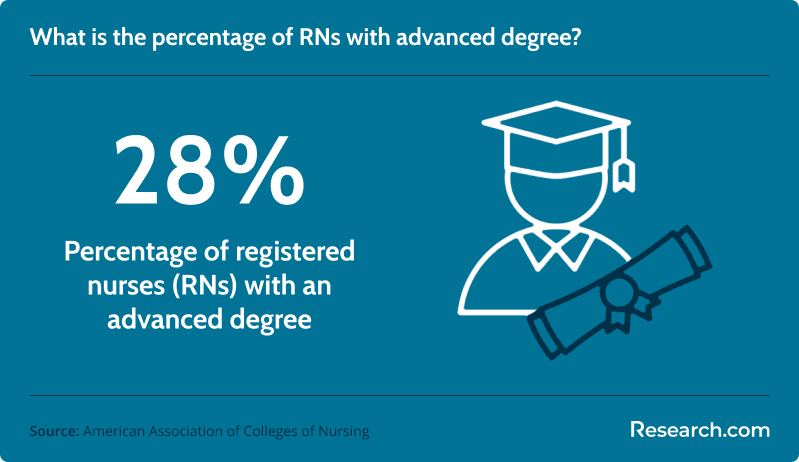
The best AG-ACNP program is not automatically the cheapest, fastest, or highest ranked. It is the program that is accredited, financially realistic, clinically strong, aligned with your state licensure needs, and compatible with your work schedule and learning style. A 2022 Nursing Workforce Survey showed that 21% of RNs held a master's degree or higher, up from 19% in 2017, so applicants should expect a competitive and increasingly educated nursing workforce.
- Confirm accreditation first: Look for CCNE or ACEN accreditation before comparing other features.
- Check certification and licensure alignment: Verify that graduates are eligible for national AG-ACNP certification and state APRN licensure where you intend to work.
- Evaluate clinical placement quality: Ask whether placements are in true acute care settings and whether the school secures sites or expects students to locate preceptors.
- Compare total cost: Include tuition, fees, travel, campus intensives, clinical onboarding, books, certification exams, and reduced work hours.
- Review faculty experience: Faculty should have relevant acute care, gerontology, research, or advanced practice backgrounds.
- Ask about certification pass rates: Strong programs should be able to discuss graduate outcomes and exam preparation.
- Match format to your life: Online flexibility helps only if you have time management skills and reliable clinical access.
- Review curriculum depth: Strong programs should cover advanced physiology, pharmacology, diagnostic reasoning, geriatric syndromes, acute care management, and evidence-based practice.
Common mistakes to avoid when choosing an AG-ACNP program
| Mistake | Why it can hurt you | Better approach |
| Choosing only by tuition | A low-cost program may still create travel, placement, or licensure problems. | Compare full cost and clinical support. |
| Assuming all online programs meet your state requirements | State APRN rules differ, and online programs may not serve every state. | Ask the school and your state board before applying. |
| Ignoring clinical placement details | Poor placement support can delay graduation. | Get written information on placement responsibilities. |
| Relying only on rankings | A ranked program may not fit your schedule, budget, or licensure location. | Use rankings as one tool, not the final decision. |
| Assuming salary outcomes are guaranteed | Pay varies by region, specialty, employer, and experience. | Research local AG-ACNP and NP openings before enrolling. |
What career paths are available for graduates of Adult-Gerontology Acute Care Nurse Practitioner programs?
AG-ACNP graduates may pursue a wide range of career paths in hospital, specialty, urgent, rehabilitative, and leadership settings. The right path depends on clinical experience, certification, state scope of practice, employer needs, and the type of patients the graduate wants to serve.
Hospital-based roles
- Acute Care Units: AG-ACNPs manage adults with acute illnesses, coordinate treatment plans, interpret diagnostic information, and collaborate with physicians and other clinicians.
- Intensive Care Units: Critical care AG-ACNPs work with severely ill patients and use advanced assessment and treatment skills in high-risk situations.
- Emergency Departments: ED-based AG-ACNPs assess urgent conditions, order diagnostic tests, start treatment, and help determine the appropriate level of care.
Outpatient and specialty roles
- Specialty Clinics: AG-ACNPs may work in cardiology, pulmonology, oncology, and other specialties where adults have complex or acute care needs.
- Urgent Care Centers: These roles focus on timely assessment and treatment of non-life-threatening illnesses and injuries.
Other practice settings
- Long-Term Care Facilities: AG-ACNPs can manage acute changes in chronic illness among older adults and support quality care planning.
- Rehabilitation Centers: These positions involve caring for adults recovering from acute illness, surgery, injury, or hospitalization.
- Home Healthcare: Some AG-ACNPs help manage medically complex patients at home and coordinate with broader care teams.
Leadership and education
- Clinical Leadership: Experienced AG-ACNPs may become clinical leads, managers, service-line coordinators, or quality improvement contributors.
- Nurse Educator: Graduates of online nurse practitioner programs may move into teaching, precepting, simulation education, or continuing education roles after gaining appropriate experience.
What is the job market for graduates with an Adult-Gerontology Acute Care Nurse Practitioner?
The job market for AG-ACNP graduates is supported by several forces: an aging population, high rates of chronic disease among older adults, ongoing demand for advanced practice nurses, and provider shortages in many communities. A National Council on Aging study found that 95% of adults aged 60 and older have at least one chronic condition, while 80% have two or more.
Older adults often require more complex care during hospitalizations, acute episodes, and transitions between care settings. AG-ACNPs are trained for these scenarios, making their skills relevant in hospitals, specialty units, emergency departments, and post-acute environments.
The U.S. Bureau of Labor Statistics projects 45% growth for nurse practitioners, including AG-ACNPs, through 2033. While this indicates a strong overall outlook, local hiring conditions still vary. Graduates should research employer demand in their region, state scope of practice rules, hospital credentialing requirements, and specialty-specific expectations.
What emerging trends are reshaping AG-ACNP education?
AG-ACNP education is changing as acute care becomes more technology-enabled and team-based. Programs increasingly use simulation, virtual case studies, interprofessional learning, telehealth exposure, and digital clinical decision tools to prepare students for complex practice environments.
Simulation-based training is especially useful because it allows students to practice high-risk scenarios before encountering them in real patient care. Telehealth and remote monitoring are also becoming more relevant as healthcare systems manage patients across hospitals, homes, clinics, and post-acute settings. Students comparing innovative programs with affordability concerns can review the cheapest AGNP programs to evaluate cost and flexibility together.
How do AG-ACNP programs contribute to improved patient outcomes?
Strong AG-ACNP programs can support better patient care by training nurses in advanced clinical reasoning, evidence-based practice, diagnostic interpretation, interprofessional collaboration, and timely management of acute conditions. The goal is to prepare graduates who can recognize deterioration, support appropriate treatment, reduce avoidable complications, and coordinate care transitions effectively.
Curricula often use case-based learning, clinical simulation, quality improvement concepts, and supervised practice to build decision-making under pressure. Students evaluating nursing pathways and admissions options can also review guidance on the easiest nursing schools to get into, while remembering that ease of admission should never replace accreditation, clinical quality, and certification readiness.
What challenges do AG-ACNP students typically face and how can they overcome them?
AG-ACNP students often struggle with workload intensity, clinical scheduling, advanced science content, exam preparation, and balancing school with RN employment. The transition from bedside nursing to advanced diagnostic and prescribing responsibility can also be challenging because students must think differently about accountability, evidence, and patient management.
| Challenge | Practical strategy |
| Heavy coursework | Build a weekly study schedule before classes start and protect dedicated review time. |
| Clinical placement pressure | Ask early about site availability, preceptor requirements, onboarding deadlines, and backup options. |
| Working while enrolled | Consider reducing shifts during clinical-heavy terms if financially possible. |
| Advanced pharmacology and pathophysiology | Use active recall, case application, and faculty office hours rather than passive rereading. |
| Technology and simulation demands | Practice with learning platforms early and ask for support before major assessments. |
Students comparing AG-ACNP with other advanced practice routes may also examine affordable online FNP programs to understand differences in cost, scope, and practice focus.
What factors ensure quality clinical placements in AG-ACNP programs?
Clinical placement quality can determine how well an AG-ACNP program prepares students for practice. Strong placements expose students to acutely ill adults and older adults, experienced preceptors, interprofessional teams, diagnostic reasoning, treatment planning, and real decision-making in appropriate settings.
Before enrolling, ask whether the program has formal agreements with hospitals, specialty units, ICUs, emergency departments, or acute care services. Ask who secures preceptors, what happens if a placement falls through, and whether students can complete rotations near their residence. Students may also compare clinical structures across adjacent advanced nursing options, including accelerated online MSN women’s health NP programs, to understand how different specialties organize experiential learning.
What do graduates have to say about their Adult-Gerontology Acute Care Nurse Practitioner programs?
-
: "
Online learning helped me manage work, family, and a demanding AGNP curriculum. The ability to study on a flexible schedule made the program possible, and that flexibility helped me reach my next role. Maria
"
-
: "
I was unsure about learning online at first, but the virtual discussions and faculty support were stronger than I expected. I built real connections with classmates and instructors even though we were not always in the same room. James
"
-
: "
The digital resources, recorded lectures, and interactive tools helped me revisit difficult material until I understood it. That made advanced clinical concepts feel more manageable. Ashley
"
Can non-nurses pursue an accelerated pathway to become an AG-ACNP?
Non-nurses may be able to pursue accelerated nursing pathways, but becoming an AG-ACNP is not a single-step transition. Career changers generally need foundational nursing education, RN licensure, clinical experience, graduate-level acute care preparation, certification, and state APRN licensure. Some institutions offer integrated or direct-entry pathways that help students without a traditional nursing background complete nursing foundations and graduate study in a structured sequence.
Prospective career changers can explore entry-level MSN programs online, but they should confirm whether those pathways lead to RN eligibility, whether AG-ACNP specialization is available, and whether acute care RN experience is required before advanced practice coursework or certification.
What are the certification and licensure steps after completing an AG-ACNP program?
After completing an AG-ACNP program, graduates typically need to pass a national certification exam, apply for state APRN licensure, submit education and clinical documentation, and meet any state-specific requirements for prescriptive authority, collaborative practice, or continuing education.
- Graduate from an accredited AG-ACNP program: Confirm that your program meets education standards for certification and state licensure.
- Apply for national certification: Certification verifies advanced clinical competence in adult-gerontology acute care practice.
- Submit state APRN licensure materials: State boards usually require transcripts, certification results, RN license verification, and application fees.
- Meet prescriptive authority requirements: Requirements vary by state and may include pharmacology coursework or additional documentation.
- Maintain certification and licensure: AG-ACNPs must complete renewal requirements, continuing education, and practice documentation as required.
Some professionals also review other accelerated advanced practice options, such as accelerated FNP programs, when comparing timelines and certification routes.
What is the return on investment for an AG-ACNP degree?
The return on investment for an AG-ACNP degree depends on total program cost, debt, salary increase, local job demand, time to graduation, work schedule changes, and whether the credential leads to the role you actually want. The degree may provide long-term value through advanced clinical scope, higher earning potential, specialty practice, leadership opportunities, and stronger career mobility in acute care.
ROI should be calculated conservatively. Compare the full cost of attendance with realistic local compensation, not national wage figures alone. Also consider opportunity cost if you reduce employment during school. Students thinking through nursing education cost at earlier stages can compare examples such as the cost of RN to BSN programs to see how tuition and career return vary by credential level.
What role do accelerated doctoral programs play in advancing AG-ACNP practice?
Accelerated doctoral pathways can help experienced advanced practice nurses move toward higher-level clinical leadership, systems improvement, evidence translation, and administrative roles. A DNP pathway may be useful for AG-ACNPs who want to influence care models, lead quality initiatives, teach, manage teams, or expand expertise beyond direct patient care.
Programs such as accelerated doctor of nursing practice online programs can appeal to nurses seeking doctoral preparation on a shorter timeline, but students should compare workload, clinical requirements, accreditation, project expectations, and employer recognition before enrolling.
Key Insights
- AG-ACNP programs are best suited for experienced RNs who want advanced practice roles in acute, critical, emergency, hospital, specialty, or complex adult-gerontology care.
- Program quality depends heavily on accreditation, certification alignment, state licensure fit, and access to strong acute care clinical placements.
- Most full-time AG-ACNP programs take about two to three years, while part-time options often take three to five years.
- Tuition per credit can range from $500 to $2,000 or more, and total program cost can range from $17,500 to $120,000 or more, so students should compare full cost rather than tuition alone.
- The nurse practitioner workforce is growing: there were 385,000 licensed NPs in 2023, and demand is projected to increase by 45% through 2033.
- The median annual wage for nurse practitioners was $126,260 in 2023, but AG-ACNP salary outcomes vary by employer, location, experience, specialty, and role.
- Clinical placement support is a make-or-break factor. Ask who finds placements, what settings are available, and what happens if a preceptor becomes unavailable.
- Online AG-ACNP programs can be flexible, but students still need in-person clinical training and may have campus intensives or simulation requirements.
- Older-adult care needs make the AG-ACNP role especially relevant: 95% of adults aged 60 and over have at least one chronic condition, and 80% have two or more.
- A strong ROI comes from choosing a program that is affordable, accredited, clinically rigorous, and aligned with the acute care role you plan to pursue.
References:
- American Association of Nurse Practitioners. (2023). Nurse practitioner profession grows to 385,000 strong.
- Bureau of Labor Statistics. (2023). Nurse anesthetists, nurse midwives, and nurse practitioners. U.S. Department of Labor.
- Bureau of Labor Statistics. (2023). Occupational Employment and Wage Statistics: Nurse Practitioners. U.S. Department of Labor.
- National Council on Aging. (n.d.). The top 10 most common chronic conditions in older adults.
- NurseJournal. (2023). Nurse practitioners: Fastest growing profession in nursing for the second year.
Other Things You Should Know About Adult-Gerontology Acute Care Nurse Practitioner Programs
In 2027, top AGNP programs such as Johns Hopkins University and the University of Pennsylvania emphasize extensive clinical training. Students typically engage in over 500 clinical hours in diverse settings like hospitals and specialty clinics, ensuring hands-on experience in real-world acute care environments.
While most AGNP programs provide a broad foundation in acute care, some institutions offer specialized tracks or concentrations within their AGNP curriculum. These specialized areas might include focuses on cardiology, critical care, oncology, or other subspecialties.
However, it's more common for AGNP graduates to gain specialized experience after completing their general AGNP program through fellowships, residencies, or on-the-job training in their chosen area of focus. Therefore, while a program might not explicitly advertise a "cardiology AGNP program," graduates can still specialize in cardiology post-graduation. It's important to research specific programs and their offerings to determine if they align with your desired specialization.
Top AGNP programs in 2027 distinguish themselves with comprehensive curriculum, advanced simulation labs, access to diverse clinical settings, and faculty expertise. Additionally, strong career support, resources for specialization, and high certification exam pass rates contribute to their excellence.


