
2027 Best Online MSN in Psychiatric Mental Health NP Programs

Co-Founder and Chief Data Scientist
You’re on the front lines, watching patients with complex mental health needs struggle. You know you can do more, but feel limited, caught between providing supportive care and wishing you had the medical authority to truly direct their treatment. This feeling is valid. With only about 26.4% of the nation’s mental health needs being met, the gap is real.
For many experienced nurses, earning an online MSN in psychiatric mental health NP is the most direct path to bridging that divide—gaining the skills and authority to integrate therapy with medicine. Our career planning experts, with over a decade of experience, created this guide to provide the clear, strategic answers you need.
What are the benefits of getting an online MSN in psychiatric mental health NP?
- Gain the clinical authority to provide comprehensive mental health care, offering a sustainable career alternative to high-stress roles with a 22.8% turnover rate.
- Increase your earning potential with an average psychiatric nurse practitioner salary of around $105,403 per year.
- Achieve your career goals with the flexibility and accessibility that online programs offer to working nurses.
What can I expect from an online MSN in psychiatric mental health NP?
You can expect a demanding graduate-level curriculum that combines advanced theory with mandatory, intensive, in-person clinical practice.
The coursework for an online MSN in psychiatric mental health NP will challenge you academically. You'll dive deep into advanced psychopharmacology, diagnostic reasoning, and multiple therapeutic modalities. This is where you build the strong theoretical foundation for your new role.
However, the heart of your training happens in a clinical setting. You will be required to complete hundreds of hours of supervised practice with a preceptor. This is the non-negotiable cornerstone of your education. It's where you'll translate knowledge into the real-world competence and confidence needed to treat patients effectively.
Where can I work with an online MSN in psychiatric mental health NP?
This degree opens doors to a wide range of settings, giving you significant control over your work environment. PMHNPs work in private practices, community mental health centers, outpatient clinics, and hospitals.
Here are the critical strategic factors you need to understand. Your ability to achieve full professional independence is directly tied to practice authority laws, which are the policy key to unlocking your autonomy. Separately, the rise of telehealth has become a critical tool for closing care gaps in “mental health deserts,” offering you powerful new ways to deliver care with greater flexibility.
How much can I make with an online MSN in psychiatric mental health NP?
The average annual salary for a psychiatric nurse practitioner is approximately $105,403. This figure gives you a strong, realistic baseline for your earning potential.
Of course, that's not a fixed number. Your actual income will be influenced by several key factors. Geography plays a significant role, as does your specific work setting—whether you're in a private practice, an extensive hospital system, or an outpatient clinic.
Your years of experience will also shape your salary over time. However, this high earning potential is a primary reason why the degree is considered a solid financial investment, offering a clear return on your commitment.
- List of the Best Online MSN in Psychiatric Mental Health NP Programs for 2027 List of Programs
- How long does it take to complete an online MSN in psychiatric mental health NP program? Completion Time
- How does an online MSN in psychiatric mental health NP program compare to an on-campus program? How does an online MSN in psychiatric mental health NP program compare to an on-campus program?
- What is the average cost of an online MSN in psychiatric mental health NP program? Program Cost
- What are the financial aid options for students enrolling in an online MSN in psychiatric mental health NP program? Financial Aid
- What are the prerequisites for enrolling in an online MSN in psychiatric mental health NP program? What are the prerequisites for enrolling in an online MSN in psychiatric mental health NP program?
- What courses are typically in an online MSN in psychiatric mental health NP program? What courses are typically in an online MSN in psychiatric mental health NP program?
- What types of specializations are available in an online MSN in psychiatric mental health NP program? What types of specializations are available in an online MSN in psychiatric mental health NP program?
- How to choose the best online MSN in psychiatric mental health NP program? How to choose the best online MSN in psychiatric mental health NP program?
- What career paths are available for graduates of an online MSN in psychiatric mental health NP program? Career Paths
- What is the job market for graduates of an online MSN in psychiatric mental health NP program? Job Market
- What challenges might you encounter during an online MSN in psychiatric mental health NP program? What challenges might you encounter during an online MSN in psychiatric mental health NP program?
- Is my current RN background enough to start an online MSN in psychiatric mental health NP program? Is my current RN background enough to start an online MSN in psychiatric mental health NP program?
Best Online MSN in Psychiatric Mental Health NP Programs for 2027
An online MSN in psychiatric mental health nurse practitioner program is designed for licensed nurses who want advanced authority in mental healthcare: assessing patients, diagnosing psychiatric conditions, providing psychotherapy-informed care, and managing medications where state practice laws allow. For working RNs, the main decision is not simply whether to earn the degree. It is whether a specific program is accredited, clinically strong, affordable enough to justify the cost, flexible enough to complete while working, and supportive enough to help you secure quality clinical placements.
This guide compares online MSN psychiatric mental health NP programs, explains how long they take, what they cost, how admissions and clinical requirements work, and what career outcomes graduates can pursue. It also shows what to ask before enrolling so you do not choose a program based only on tuition, school reputation, or convenience.
Quick answer: Is an online MSN PMHNP program worth considering?
For BSN-prepared RNs who want to move into advanced psychiatric practice, an accredited online MSN in psychiatric mental health NP program can be a strong career investment. Most programs take 2 to 4 years, require clinical training in addition to online coursework, and prepare graduates for national certification and advanced practice licensure. The best fit is usually a CCNE-accredited program with transparent tuition, strong certification outcomes, and clear clinical placement support in your state.
How do we rank schools?
Because graduate nursing education is a major financial and professional commitment, the ranking process should be transparent. Our review of online MSN psychiatric mental health NP programs uses independent education data sources rather than marketing claims from schools alone.
Research.com evaluates information from the U.S. Department of Education’s IPEDS and College Scorecard databases, along with the Peterson's database and the National Center for Education Statistics. To understand how programs are assessed across cost, academic quality, and student outcomes, review our complete methodology.
Online MSN PMHNP program comparison
| School and program | Program length | Credits | Cost per credit | Accreditation |
| Seton Hall University - MSN, Psychiatric-Mental Health Nurse Practitioner | 3-4 years | 49 | $1,570 | Commission on Collegiate Nursing Education (CCNE) |
| University of South Carolina - MSN, Psychiatric Mental Health Nurse Practitioner | 3-4 years | 47 | $572.25 | Commission on Collegiate Nursing Education (CCNE) |
| Case Western Reserve University - MSN, Family Psychiatric Mental Health Nurse Practitioner | 2 years | 46 | $2,377 | Commission on Collegiate Nursing Education (CCNE) |
| Tennessee Tech University - MSN, Psychiatric-Mental Health Nurse Practitioner | 2-2.5 years | 45 | $730 | Commission on Collegiate Nursing Education (CCNE) |
| Eastern Kentucky University - MSN, Psychiatric Mental Health Nurse Practitioner | 3-4 years | 49 | $703 | Commission on Collegiate Nursing Education (CCNE) |
| University of New Hampshire - MSN, Psychiatric Mental Health Nurse Practitioner | 30 months | 50 | $800 | Commission on Collegiate Nursing Education (CCNE) |
| The University of Texas at Tyler - MSN, Psychiatric Mental Health Nurse Practitioner | 2-3 years | 49 | $1,062 | Commission on Collegiate Nursing Education (CCNE) |
| Vanderbilt University - MSN, Psychiatric-Mental Health Nurse Practitioner (Lifespan) | 2 years | 47 | $2,057 | Commission on Collegiate Nursing Education (CCNE) |
| Duke University School of Nursing - MSN, Psychiatric-Mental Health Nurse Practitioner | 2-3 years | 49 | $2,250 | Commission on Collegiate Nursing Education (CCNE) |
| Spring Arbor University - MSN, Psychiatric Mental Health Nurse Practitioner | 2 years | 50 | $797 | Commission on Collegiate Nursing Education (CCNE) |
1. Seton Hall University - MSN, Psychiatric-Mental Health Nurse Practitioner
Seton Hall University prepares nurses to evaluate, diagnose, and treat psychiatric conditions in individuals and families across the lifespan. The program emphasizes more than clinical procedures; students also build communication skills, therapeutic relationship strategies, and patient-centered approaches for complex behavioral health needs.
- Program Length: 3-4 years
- Required Credits to Graduate: 49
- Cost per Credit: $1,570
- Accreditation: Commission on Collegiate Nursing Education (CCNE)
2. University of South Carolina - MSN, Psychiatric Mental Health Nurse Practitioner
The University of South Carolina builds its PMHNP curriculum around mental healthcare, neuroscience, psychotherapy, and trauma-informed practice. Online coursework is paired with clinical training, including experience with telehealth delivery for patients in rural communities.
- Program Length: 3-4 years
- Required Credits to Graduate: 47
- Cost per Credit: $572.25
- Accreditation: Commission on Collegiate Nursing Education (CCNE)
3. Case Western Reserve University - MSN, Family Psychiatric Mental Health Nurse Practitioner
Case Western Reserve University’s program trains students to address psychiatric and substance use needs among patients of all ages. Nurses who want scheduling options may appreciate the ability to study part-time or full-time, while those with broader academic goals can explore dual-degree possibilities.
- Program Length: 2 years
- Required Credits to Graduate: 46
- Cost per Credit: $2,377
- Accreditation: Commission on Collegiate Nursing Education (CCNE)
4. Tennessee Tech University - MSN, Psychiatric-Mental Health Nurse Practitioner
Tennessee Tech University offers a fully online PMHNP option for nurses preparing to provide psychiatric care across the lifespan. The program is structured for working professionals, with many students taking two courses per semester and finishing in 2-2.5 years.
- Program Length: 2-2.5 years
- Required Credits to Graduate: 45
- Cost per Credit: $730
- Accreditation: Commission on Collegiate Nursing Education (CCNE)
5. Eastern Kentucky University - MSN, Psychiatric Mental Health Nurse Practitioner
Eastern Kentucky University’s program focuses on preparing nurses for population mental health needs through evidence-based practice and professional readiness. The format includes no required campus visits, accelerated 7-week core courses, and a reported high pass rate on certification exams.
- Program Length: 3-4 years
- Required Credits to Graduate: 49
- Cost per Credit: $703
- Accreditation: Commission on Collegiate Nursing Education (CCNE)
6. University of New Hampshire - MSN, Psychiatric Mental Health Nurse Practitioner
The University of New Hampshire combines online learning with simulation-based preparation for advanced psychiatric practice. Students complete 750 clinical hours and participate in three intensive sessions, including one virtual session and two on-campus experiences.
- Program Length: 30 months
- Required Credits to Graduate: 50
- Cost per Credit: $800
- Accreditation: Commission on Collegiate Nursing Education (CCNE)
7. The University of Texas at Tyler - MSN, Psychiatric Mental Health Nurse Practitioner
The University of Texas at Tyler offers a primarily online program for nurses pursuing advanced practice in psychiatric mental health. The curriculum includes 500 hours of clinical experience and ends with a capstone project focused on organizational challenges in real healthcare settings.
- Program Length: 2-3 years
- Required Credits to Graduate: 49
- Cost per Credit: $1,062
- Accreditation: Commission on Collegiate Nursing Education (CCNE)
8. Vanderbilt University - MSN, Psychiatric-Mental Health Nurse Practitioner (Lifespan)
Vanderbilt University teaches psychiatric care through biological, psychological, social, and spiritual perspectives. Its hybrid structure blends online coursework with in-person clinical work, labs, and on-campus block sessions.
- Program Length: 2 years
- Required Credits to Graduate: 47
- Cost per Credit: $2,057
- Accreditation: Commission on Collegiate Nursing Education (CCNE)
9. Duke University School of Nursing - MSN, Psychiatric-Mental Health Nurse Practitioner
Duke University School of Nursing uses a hybrid model that combines scheduled and self-paced learning. The program highlights trauma-informed education, experiential learning, and access to experienced clinicians who support advanced psychiatric practice development.
- Program Length: 2-3 years
- Required Credits to Graduate: 49
- Cost per Credit: $2,250
- Accreditation: Commission on Collegiate Nursing Education (CCNE)
10. Spring Arbor University - MSN, Psychiatric Mental Health Nurse Practitioner
Spring Arbor University provides a faith-based online PMHNP program that incorporates a Christian perspective into patient care. The format is built for employed nurses, with asynchronous classes, six yearly start dates, and a one-course-at-a-time structure.
- Program Length: 2 years
- Required Credits to Graduate: 50
- Cost per Credit: $797
- Accreditation: Commission on Collegiate Nursing Education (CCNE)
How long does it take to complete an online MSN in psychiatric mental health NP program?
Most online MSN psychiatric mental health NP programs take two to three years for full-time students. Part-time formats are usually closer to three to four years, which may be more realistic for nurses managing shifts, family responsibilities, or employer tuition requirements.
The PMHNP timeline is longer than some counseling-focused graduate programs because it prepares nurses for advanced clinical responsibilities, including diagnosis and medication management. If your priority is the shortest route into counseling roles rather than advanced nursing practice, comparing this path with the shortest clinical mental health counseling master's programs online can help clarify the difference.
Is this the right point in your nursing career?
For experienced RNs, a 2- to 4-year graduate program is usually a career advancement move, not a restart. Many nurses pursue graduate education after years in practice. Over 30% of the nursing workforce is between 40 and 54 years old, and another 13.2% are over 65.
Your clinical background can strengthen your application and help you succeed in advanced practice coursework. The chart below shows that nurses move into higher education and specialization at many career stages.
Typical completion timeline
| Enrollment pace | Typical timeline | Best for | Trade-off |
| Full-time | Two to three years | Nurses who can reduce work hours or handle an intensive schedule | Faster completion but heavier weekly workload |
| Part-time | Three to four years | Working nurses who need flexibility | Longer path and extended tuition planning |
| Accelerated or intensive formats | Varies by program | Students with strong time management and reliable clinical access | Less room for work disruption, placement delays, or course repeats |
How does an online MSN in psychiatric mental health NP program compare to an on-campus program?
An accredited online MSN PMHNP program should lead to the same degree as its campus-based equivalent. The curriculum, faculty expectations, clinical competencies, and graduation requirements should meet the same professional standards. If you are comparing online graduate nursing formats across specialties, reviewing the best online MSN in nursing education programs can also help you evaluate support services and flexibility.
The biggest difference is not the credential. It is how you learn, interact with faculty, complete simulations or intensives, and arrange clinical training. Online programs can be ideal for working nurses, but they require strong self-direction and careful planning.
Online vs. campus PMHNP programs
| Factor | Online MSN PMHNP | On-campus MSN PMHNP | Decision tip |
| Course delivery | Primarily online, often with asynchronous or hybrid components | In-person classes at scheduled times | Choose online if you need geographic or work flexibility. |
| Clinical training | Completed in approved clinical settings, often near the student | Completed through school-connected or regional clinical sites | Ask exactly how placements are secured before enrolling. |
| Campus requirements | May include virtual or in-person intensives | Regular campus attendance | Check travel costs and required visit dates. |
| Peer and faculty access | Depends on online advising, live sessions, and faculty availability | More face-to-face interaction | Look for programs with responsive advising and clear communication channels. |
The make-or-break issue: clinical placement support
For online PMHNP students, clinical placement support is often the most important operational difference between programs. Some schools help identify, approve, and coordinate local preceptors. Others expect students to find their own sites with limited assistance.
Do not treat this as a minor administrative detail. Psychiatric clinical placements can take time to secure, and delays may affect graduation. A strong online program should explain who helps with placement, what happens if a site falls through, and whether the school has clinical relationships in your region.
What is the average cost of an online MSN in psychiatric mental health NP program?
Based on our research, total tuition for an online MSN in psychiatric mental health NP program can range from around $33,000 to over $110,000. Costs vary by institution type, tuition model, reputation, required credits, and whether additional fees apply. If you are still comparing advanced nursing specialties, looking at MSN public health nursing online programs can give you another point of comparison for cost and career direction.
The lowest tuition is not automatically the best value, and the highest tuition is not a guarantee of better outcomes. A strong ROI analysis should consider accreditation, certification preparation, clinical support, graduation timeline, student services, employer benefits, and post-graduation opportunities.
How to evaluate return on investment
Think beyond the posted cost per credit. Estimate the full price of attendance, including fees, books, travel for intensives, lost work hours, background checks, immunization documentation, clinical onboarding expenses, and certification-related costs after graduation.
The earning potential can be substantial. PMHNPs command high salaries, with median wages in top industries, such as hospitals and outpatient care centers, reaching over $137,000 annually. The chart below helps frame the initial investment required for this graduate nursing path.
Cost questions to ask before applying
- What is the total tuition, not just the cost per credit? Required credits vary, so compare full program cost.
- Are there additional online, clinical, technology, simulation, or residency fees? These can affect affordability.
- Will I need to travel for campus intensives? If yes, include transportation, lodging, meals, and time away from work.
- Can I use employer tuition reimbursement? Confirm annual limits and whether you must remain employed after graduation.
- Does the school help with clinical placement? Paying less may not be worth it if you spend months trying to locate preceptors alone.
What are the financial aid options for students enrolling in an online MSN in psychiatric mental health NP program?
Graduate nursing students may use several funding sources. Financial aid is not limited to first-time college students; many PMHNP students are working adults who combine loans, employer benefits, scholarships, and service-based repayment programs.
Common funding options include:
- Federal and private loans. Graduate students often use loans to cover tuition and education-related expenses.
- Employer tuition reimbursement. Hospitals and healthcare systems may help nurses pay for advanced education when the degree supports workforce needs.
- Scholarships. Nursing schools, professional associations, foundations, and healthcare organizations may offer awards for graduate nursing students.
Some forgiveness and repayment options are tied to service in nonprofit or shortage-area settings. Nurses interested in leadership outside direct clinical practice may also compare this path with a fast-track master's in nonprofit management online, especially if their long-term goal is program administration or community mental health leadership.
Using service commitments to reduce debt
Loan repayment programs can materially change the cost equation for PMHNP students who are willing to work in high-need communities. Federal and state programs often prioritize providers serving areas with limited access to care.
For example, the NURSE Corps Loan Repayment Program can repay a significant portion of qualifying nursing education debt in exchange for a two-year service commitment in a designated Health Professional Shortage Area. Before relying on this strategy, confirm eligibility rules, service requirements, application timelines, and whether your intended employer or site qualifies.
What are the prerequisites for enrolling in an online MSN in psychiatric mental health NP program?
Most online MSN PMHNP programs require an active RN license and a Bachelor of Science in Nursing (BSN) from an accredited school. Many also expect a minimum GPA, typically around a 3.0, plus at least one to two years of direct patient care experience. This route is built on clinical nursing preparation, which differs from the research and psychology-focused expectations often associated with PsyD in clinical psychology qualifications.
Common admissions requirements
| Requirement | What it usually means | Why it matters |
| Active RN license | You must hold current registered nurse licensure | PMHNP programs build on professional nursing practice |
| BSN from an accredited institution | A completed Bachelor of Science in Nursing | Graduate nursing coursework assumes BSN-level preparation |
| Minimum GPA | Often around a 3.0 | Programs use GPA as one measure of academic readiness |
| Clinical experience | Usually at least one to two years of direct patient care experience | Experience helps students connect psychiatric theory to real patient care |
| Behavioral health exposure | Preferred or required by some programs | Psychiatric settings demonstrate commitment to the specialty |
Why psychiatric experience can strengthen your application
General nursing experience may satisfy minimum requirements, but psychiatric, behavioral health, emergency, community health, or substance use experience can make your application more compelling. Schools want evidence that you understand the demands of mental healthcare and are not choosing the specialty only because of salary or remote-work assumptions.
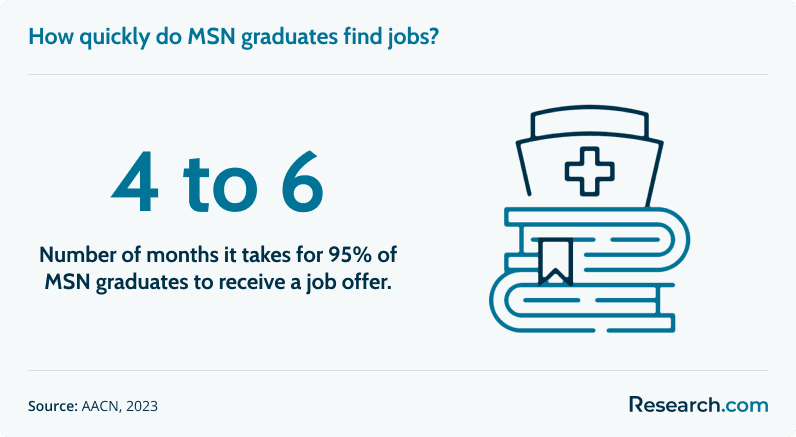
The full path from undergraduate preparation through the MSN represents at least six years of education. Still, demand for graduate-prepared nurses is strong: 95% of MSN graduates receive a job offer within four to six months of completing their program.
What courses are typically in an online MSN in psychiatric mental health NP program?
An online MSN PMHNP curriculum combines advanced nursing science with psychiatric assessment, therapy-informed intervention, and medication management preparation. Students learn to evaluate mental health symptoms across the lifespan, create treatment plans, collaborate with other providers, and apply evidence-based practice in clinical settings. Nurses interested in child-focused advanced practice can compare this curriculum with online MSN pediatric nurse practitioner programs to see how population-specific training differs.
Core advanced practice courses
- Advanced Pharmacology. Students study medication principles, including psychopharmacology, to prepare for prescriptive responsibilities where permitted.
- Advanced Pathophysiology. This course examines disease processes and biological mechanisms across the lifespan.
- Advanced Physical Assessment. Students develop higher-level assessment and diagnostic reasoning skills.
Psychiatric mental health courses
- Psychotherapeutic Modalities. Coursework may cover evidence-based approaches such as Cognitive Behavioral Therapy (CBT), motivational interviewing, and other therapeutic strategies.
- Differential Diagnosis. Students learn to distinguish among psychiatric disorders and co-occurring conditions so they can develop appropriate care plans.
- Clinical Practicum. Supervised clinical hours allow students to apply psychiatric assessment, treatment planning, and patient management skills in approved practice settings.
Where coursework connects to employment settings
PMHNP coursework is designed to translate directly into practice environments such as offices of physicians, general and surgical hospitals, and outpatient care centers. These settings need clinicians who can evaluate symptoms, coordinate care, manage medication treatment plans, and support patients with complex mental health needs.
What types of specializations are available in an online MSN in psychiatric mental health NP program?
PMHNP is already a specialized advanced nursing track, but some programs allow students to shape their training around a population, condition, or care setting. This can help you align clinical placements, electives, and career goals.
Common focus areas include:
- Child and adolescent mental health. This focus prepares nurses to work with younger patients and families facing developmental, behavioral, and psychiatric concerns.
- Geriatric mental health. Older adults may face depression, anxiety, dementia-related symptoms, grief, isolation, and complex medication issues. This focus can overlap with many careers for gerontology majors, while adding advanced nursing authority.
- Substance abuse and addiction. Students who choose this focus prepare for work with patients affected by substance use and co-occurring psychiatric conditions.
- Trauma and crisis intervention. This area supports work with patients affected by acute crisis, chronic trauma, or high-stress clinical situations.
Choosing a focus based on public need
A specialization should reflect both your interests and community demand. For example, an estimated 25.8% of children have a reported behavioral or developmental problem, which underscores the need for clinicians prepared to serve children and adolescents.
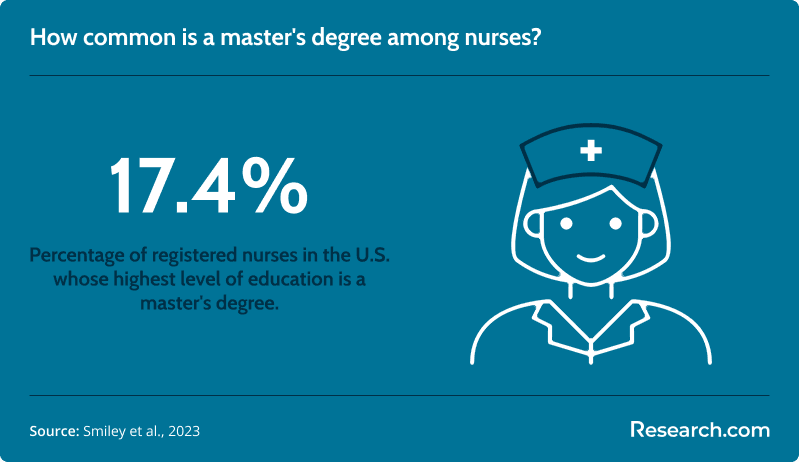
Specialized graduate preparation also distinguishes you within nursing. Only 17.4% of all RNs hold a master's degree, so an MSN PMHNP can position you for advanced roles in a field with substantial need.
How to choose the best online MSN in psychiatric mental health NP program?
The best online MSN psychiatric mental health NP program is the one that fits your licensure goals, clinical needs, schedule, budget, and preferred patient population. Brand recognition may matter, but it should not outweigh accreditation, outcomes, placement support, and state authorization.
Start with accreditation. The program should be accredited by the Commission on Collegiate Nursing Education (CCNE), which signals that the program meets recognized nursing education standards and supports eligibility for the next steps in certification and licensure.
Next, ask for PMHNP certification pass rates, graduation rates, clinical placement policies, and faculty expertise. A program should be able to explain how it prepares students for certification, how it supports online learners, and how it handles clinical placements in your location.
Decision checklist for online PMHNP applicants
| What to check | Why it matters | Question to ask the school |
| Accreditation | Accreditation affects quality assurance, certification eligibility, and employer confidence | Is the PMHNP program accredited by CCNE? |
| State authorization and licensure alignment | Online programs may not be approved for every state | Will this program meet requirements for my state of residence and intended practice? |
| Clinical placement support | Placement delays can extend your time to graduation | Does the school locate placements, approve student-found sites, or require students to manage the process? |
| Certification pass rate | Pass rates indicate how well the curriculum prepares graduates | What is the most recent PMHNP certification pass rate? |
| Total cost | Tuition alone may understate the real expense | What is the full estimated cost, including fees and required visits? |
| Faculty and clinical focus | Faculty expertise can shape mentoring and specialty development | Do faculty members have experience in my area of interest? |
The online program factor you cannot ignore
Clinical placement support deserves more scrutiny than almost any other feature. A polished online platform is useful, but it will not help if you cannot secure approved psychiatric preceptors on time.
Ask for specific answers: Is there a placement coordinator? Does the school maintain relationships with clinical sites near you? How early does placement planning begin? What happens if a preceptor cancels? A program that can answer these questions clearly is usually better prepared to support online students.
Common mistakes when choosing an online MSN PMHNP program
| Mistake | Why it can hurt you | Better approach |
| Choosing only by tuition | A low-cost program may offer limited placement help or student support | Compare total cost, outcomes, clinical support, and licensure fit together |
| Assuming online means no in-person requirements | Some programs require campus intensives, labs, or simulations | Ask for all required travel dates before enrolling |
| Ignoring state licensure rules | A program may not meet requirements in your intended practice state | Confirm state authorization and licensure alignment in writing |
| Waiting to think about clinical sites | Late planning can delay progression | Ask about placement timelines before accepting admission |
| Relying only on rankings | A highly ranked program may not fit your schedule, budget, or location | Use rankings as a starting point, then evaluate fit and outcomes |
What career paths are available for graduates of an online MSN in psychiatric mental health NP program?
Graduates of online MSN PMHNP programs can pursue direct patient care roles in private practices, hospitals, outpatient clinics, community mental health centers, telehealth settings, and integrated care environments. Some also move into academic teaching, healthcare consulting, policy work, research support, program leadership, or clinical administration.
How the PMHNP role differs from other mental health careers
The PMHNP role is distinct because it combines nursing, psychiatric assessment, medication management, and therapy-informed care. This differs from counseling, psychology, and general RN roles. For readers comparing mental health credentials, the question “Can you be a clinical psychologist with a masters?” highlights how different licensure paths lead to different scopes of practice.
- Compared with counselors and psychologists: These professionals often provide therapy and psychological services, but they generally do not prescribe medication.
- Compared with psychiatrists: Psychiatrists are physicians with medication authority, but access shortages can limit availability for ongoing therapy-oriented care.
- Compared with BSN-RNs: Registered nurses provide essential patient care, but they do not have the same advanced practice authority to diagnose and prescribe independently.
PMHNPs can occupy a valuable middle ground in the mental health system by combining psychiatric assessment, therapeutic care planning, and medication management within the limits of their state practice authority.
Possible PMHNP career settings
| Setting | Typical work | Best fit for nurses who want |
| Outpatient psychiatric clinics | Assessment, medication management, follow-up care, therapy-informed support | Continuity with patients over time |
| Hospitals and inpatient units | Acute psychiatric evaluation, crisis stabilization, interdisciplinary care | Fast-paced clinical environments |
| Primary care or integrated care | Behavioral health support within broader medical care | Collaboration across physical and mental health needs |
| Telehealth organizations | Remote assessment and follow-up care where permitted | Technology-enabled mental healthcare delivery |
| Academic or leadership roles | Teaching, policy, research, program design, or clinical supervision | Influence beyond individual patient visits |
What is the job market for graduates of an online MSN in psychiatric mental health NP program?
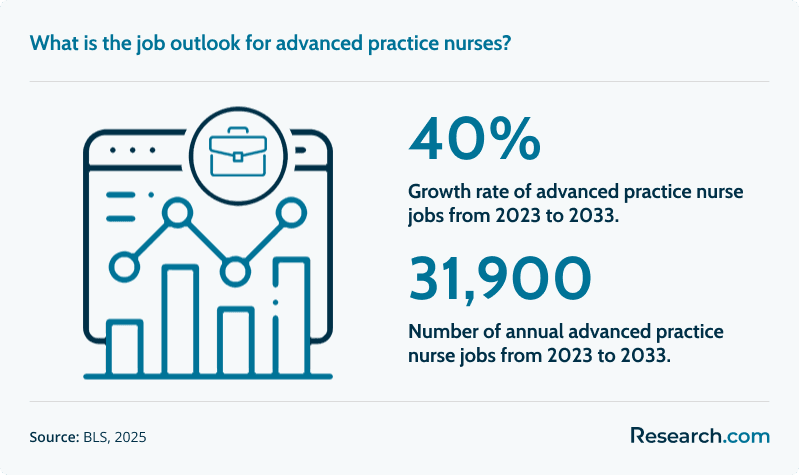
The job outlook for nurse practitioners is very strong. The U.S. Bureau of Labor Statistics projects that employment for nurse practitioners will grow by 46% between 2023 and 2033. For PMHNP graduates, this broad NP demand intersects with ongoing mental health access needs across hospitals, outpatient care, community settings, and telehealth. Nurses who want to move from clinical practice into research or higher education may also consider MSN to PhD nursing online pathways after completing advanced practice preparation.
This growth reflects more than a short-term hiring cycle. Mental health needs, provider shortages, expanded care models, and demand for advanced nursing clinicians all contribute to opportunity for PMHNPs.
Current trends shaping PMHNP demand
- Expanded access to mental healthcare: Many communities need more psychiatric providers, especially for medication management and ongoing care.
- Integrated care models: Healthcare systems increasingly connect behavioral health with primary care and chronic disease management.
- Telehealth normalization: Remote psychiatric care has become more common, although licensure and prescribing rules still vary by state.
- Greater employer attention to behavioral health: Hospitals, clinics, schools, and community organizations are responding to increased demand for mental health services.
- Credential-based advancement: Advanced practice nursing roles generally require graduate education, certification, and state licensure rather than experience alone.
A field shaped by sustained workforce need
Demand for PMHNPs is tied to a structural gap in the healthcare system: mental health needs are high, while the available supply of psychiatric providers is limited in many areas. PMHNPs are positioned to help fill that gap by providing advanced psychiatric nursing care in clinical and community settings.
Job prospects still depend on state scope-of-practice rules, local employer demand, clinical experience, certification, and willingness to serve high-need areas. No degree guarantees a specific salary or job, but the labor market indicators for nurse practitioners remain highly favorable.
What challenges might you encounter during an online MSN in psychiatric mental health NP program?
Online PMHNP programs are flexible, but they are not easy. Students must manage graduate-level coursework, psychiatric clinical hours, work schedules, family responsibilities, and licensure-related documentation at the same time. The online format also requires self-discipline because no one is physically reminding you to attend class, complete readings, or prepare for clinical evaluations.
The clinical portion is often the hardest part to coordinate. Even motivated students can struggle if preceptors are scarce in their region or if a program provides limited placement support. Technical issues, limited peer interaction, and delayed faculty communication can also become obstacles if the school does not have strong online student services. RNs who are still building their academic foundation may want to review options such as the best accelerated BSN programs before planning a graduate nursing route.
How to prepare before classes begin
- Confirm your state eligibility. Make sure the program accepts students from your state and aligns with your intended licensure path.
- Ask about placement timelines early. Do not wait until the clinical semester to learn how preceptors are secured.
- Build a weekly study schedule. Treat online coursework like a fixed work commitment.
- Talk to your employer. Ask whether your schedule can be adjusted during intensive clinical periods.
- Create a financing plan. Combine tuition, fees, travel, books, and certification-related costs into one estimate.
- Strengthen psychiatric exposure. If possible, gain experience in behavioral health, emergency psychiatry, substance use, or community mental health settings.
What graduates say about online MSN psychiatric mental health NP programs
- : "Years in the ER showed me how often patients returned because their mental health needs were never fully addressed. My online PMHNP program helped me move from short-term crisis care to long-term treatment planning. Being able to provide therapy-informed support and medication management has made my work feel more complete. — Amara"
- : "I questioned whether an online program could prepare me for real psychiatric practice. The clinical expectations changed my mind. My preceptors pushed me hard, the standards were clear, and I finished the program feeling ready to care for patients with confidence. — Livia"
- : "Geriatric mental health was the reason I chose this specialty. Older adults in my area were not getting the attention they deserved, and the program gave me space to study their needs in depth. I now work in an outpatient clinic where that focus matters every day. — Kenan"
Is my current RN background enough to start an online MSN in psychiatric mental health NP program?
An RN license alone is usually not enough for a traditional MSN PMHNP program. Most programs expect applicants to hold a BSN from an accredited institution before beginning graduate-level psychiatric NP coursework. If you are an RN without a BSN, a bridge or completion program can help you become eligible for MSN admission.
For ADN-prepared nurses, an RN-to-BSN route may be the practical next step. Comparing options such as the easiest RN to BSN degree can help you identify programs that fit your schedule while strengthening your academic preparation for graduate nursing.
Who should choose an online MSN PMHNP program?
- BSN-prepared RNs who want advanced psychiatric nursing authority.
- Nurses with interest or experience in behavioral health, emergency care, substance use, pediatrics, geriatrics, or community health.
- Working professionals who need online coursework but can still complete supervised clinical hours.
- Students who are comfortable managing deadlines, remote communication, and clinical documentation independently.
Who may need a different path?
- RNs without a BSN may need an RN-to-BSN or bridge program first.
- Students who want a counseling-only role may prefer a counseling or psychology route.
- Applicants who cannot travel for required intensives should avoid hybrid programs with mandatory campus visits.
- Students in states not served by a program should not enroll unless the school confirms eligibility and licensure alignment.
Key Insights
- Accreditation comes first. Choose a CCNE-accredited program that supports certification and licensure preparation.
- Clinical placement support is critical. For online PMHNP students, placement logistics can determine whether you progress on time.
- Most programs require a BSN, active RN license, and clinical experience. Many prefer psychiatric or behavioral health exposure.
- Expect a 2- to 4-year commitment. Full-time students often finish sooner, while part-time students gain flexibility at the cost of a longer timeline.
- Costs vary widely. Total tuition can range from around $33,000 to over $110,000, so compare total program cost rather than cost per credit alone.
- The labor market is favorable. Nurse practitioner employment is projected to grow by 46% between 2023 and 2033, and mental health access needs continue to support demand for PMHNPs.
- The best program is the one that fits your state, schedule, budget, and clinical goals. Rankings are useful, but final decisions should be based on licensure alignment, outcomes, placement support, and ROI.
References:
- American Association of Colleges of Nursing. (2023). Employment of new nurse graduates and employer preferences for baccalaureate-prepared nurses. Retrieved August 5, 2025, from AACN.
- American Association of Nurse Practitioners. (2022). NP fact sheet. Retrieved August 5, 2025, from AANP.
- Data Resource Center for Child and Adolescent Health. (2024). National Survey of Children’s Health (NSCH) 2022/2023. NSCH Data. Retrieved August 5, 2025, from Data Resource Center for Child and Adolescent Health.
- KFF. (2024). Mental health care health professional shortage areas (HPSAs). Retrieved August 5, 2025, from KFF.
- NSI Nursing Solutions, Inc. (2023). 2023 NSI national health care retention & RN staffing report. Retrieved August 5, 2025, from NSI Nursing Solutions, Inc.
- Smiley, R. A., Allgeyer, R. L., Shobo, Y., Lyons, K. C., Letourneau, R., & Zhong, E. (2023). The 2022 national nursing workforce survey. Journal of Nursing Regulation, 14(1), S1-S96. Retrieved August 5, 2025, from the Journal of Nursing Regulation.
- U.S. Bureau of Labor Statistics. (2025a). Occupational employment and wage statistics, 29-1171 nurse practitioners. Retrieved August 5, 2025, from BLS.
- U.S. Bureau of Labor Statistics. (2025). Occupational outlook handbook, nurse anesthetists, nurse midwives, and nurse practitioners. Retrieved August 5, 2025, from BLS.
- Zippia. (2025, July). Psychiatric nurse practitioner salary. Retrieved August 5, 2025, from Zippia.
Other Things You Should Know About Online MSN in Psychiatric Mental Health NP Programs
Most programs require a criminal background check, immunization records, CPR certification, a drug screen, and proof of liability coverage before clinical placement. Some also require a TB test, a physical exam, and current RN licensure. These documents must usually be completed before students begin supervised psychiatric clinical hours.
To enroll in an online MSN in Psychiatric Mental Health NP program in 2027, applicants typically need a Bachelor of Science in Nursing (BSN), a valid RN license, and relevant clinical experience. Some programs may also require GRE scores, a statement of purpose, and letters of recommendation.
Online MSN in Psychiatric Mental Health NP programs in 2027 typically require a reliable internet connection, a computer with updated operating systems, video conferencing software, and secure platforms for accessing coursework and exams, ensuring effective participation in virtual learning environments.


