
2027 Best Nurse Practitioner Programs in Hawaii – Accredited Schools Online & Campus

Co-Founder and Chief Data Scientist
Nurse practitioner programs in Hawaii are designed for registered nurses who want to move into advanced clinical practice, prescribe treatments, lead care teams, and serve patients across Hawaii’s island-based healthcare system. The decision matters because the field is growing quickly: in 2025, the total number of nurse practitioners surpassed 461,000, a 7% increase from two years prior.
This guide explains how to compare accredited nurse practitioner pathways in Hawaii, what the programs cost, how online and campus formats differ, which specializations are available, and what licensing steps you should understand before enrolling. It is written for RNs planning an advanced practice career, BSN-prepared nurses evaluating DNP or MSN options, and career changers researching accredited nursing degree programs that can lead to nurse practitioner practice in Hawaii.
Best Nurse Practitioner Programs in Hawaii Table of Contents
- Working as a Nurse Practitioner in Hawaii
- How to Become a Nurse Practitioner in Hawaii
- Cost of Taking Up a Nurse Practitioner Program in Hawaii
- Difference Between Online and On-Campus Nurse Practitioner Programs
- Best Nurse Practitioner Programs in Hawaii for 2027
- What Opportunities Exist for Advancing My Nursing Education in Hawaii?
- What are the program outcomes and success rates for nurse practitioner graduates in Hawaii?
- Can online RN to BSN programs without clinicals enhance my nursing career in Hawaii?
- How Can Nurse Practitioners in Hawaii Stay Updated on Regulatory Changes and Continuing Education?
- What Factors Should I Consider When Selecting a Nurse Practitioner Program in Hawaii?
- How Can Nurse Practitioners Benefit from Interdisciplinary Training in Hawaii?
- How Can an LPN License Propel My Nursing Career in Hawaii?
- How Can I Renew and Maintain My Nurse Practitioner License in Hawaii?
- How Can Understanding Medical Billing and Coding Enhance My NP Practice in Hawaii?
- What distinguishes nurse practitioner roles from nurse midwife roles in Hawaii?
- How Can Nurse Practitioners Effectively Collaborate with Pharmacists in Hawaii?
- What are the licensing requirements for nurse practitioners practicing in Hawaii?
- Addressing Hawaii's Unique Healthcare Challenges for Nurse Practitioners
- Supporting Career Transitions for Aspiring and Current Nurse Practitioners in Hawaii
- Professional and Personal Growth as a Nurse Practitioner in Hawaii
Quick Answer: What Should You Know About Nurse Practitioner Programs in Hawaii?
The best nurse practitioner program in Hawaii is the one that matches your RN background, desired specialty, clinical placement needs, budget, and licensing goals. Hawaii offers accredited NP pathways through institutions such as Hawaii Pacific University, the University of Hawaii at Manoa, the University of Hawaii at Hilo, and Chaminade University. Available tracks include family practice, psychiatric-mental health, adult-gerontology primary care, adult-gerontology acute care, and pediatric care.
Prospective students should verify accreditation, confirm whether the program prepares graduates for national certification in their specialty, ask how clinical placements are arranged across the islands, and compare total costs rather than tuition alone. Hawaii’s high cost of living can make affordability especially important, but the state’s NP salary of $128,310, or $61.69 per hour, makes advanced practice nursing a potentially strong career option for qualified nurses.
Working as a Nurse Practitioner in Hawaii
Practicing as a nurse practitioner in Hawaii can be professionally rewarding, but it comes with trade-offs. The state’s housing and everyday living expenses are known to be high, so salary should be evaluated against realistic costs for rent, transportation, childcare, relocation, and interisland travel. With a nurse practitioner salary in Hawaii of $128,310, or $61.69 per hour, the role offers above-average earning potential, but financial comfort will vary by island, employer, schedule, and family situation.
Nurse practitioners in Hawaii may work in primary care clinics, hospitals, community health centers, telehealth settings, long-term care, behavioral health practices, and specialty care. The work can include patient assessment, diagnosis, medication management, chronic disease care, prevention counseling, lab and imaging review, referral coordination, and follow-up care.
The lifestyle appeal of Hawaii is real, but healthcare jobs are still demanding. NPs may face long shifts, high patient volume, limited local specialty access, and staffing constraints, particularly in rural or underserved communities. At the same time, Hawaii’s cultural diversity and emphasis on whole-person care can create meaningful opportunities for advanced practice nurses who value relationship-based care.
The national labor market also supports the career path. Overall employment of nurse practitioners is projected to grow 40% from 2024 to 2034, much faster than the average for all occupations. The Bureau of Labor Statistics (BLS) projects 32,700 annual job openings in the given period.
| Factor | What it means for NP students in Hawaii |
| Salary potential | Hawaii NPs earn $128,310 annually, or $61.69 per hour, but living costs should be part of any ROI calculation. |
| Work settings | Primary care, behavioral health, acute care, pediatrics, gerontology, telehealth, and community-based care may all be relevant depending on specialization. |
| Patient needs | NPs should be prepared to work with culturally diverse communities and patients who may face geographic barriers to care. |
| Career outlook | Projected national growth of 40% from 2024 to 2034 points to strong long-term demand for nurse practitioners. |
| Work-life considerations | Island living can support personal well-being, but healthcare staffing pressures can still create demanding schedules. |
How to Become a Nurse Practitioner in Hawaii
To become a nurse practitioner in Hawaii, you generally need to progress from registered nursing into graduate-level advanced practice preparation, earn national certification in a specialty, and obtain state authorization to practice as an APRN. Before entering advanced practice, you must be a licensed registered nurse in Hawaii, which requires passing the National Council Licensure Examination for Registered Nurses (NCLEX-RN).
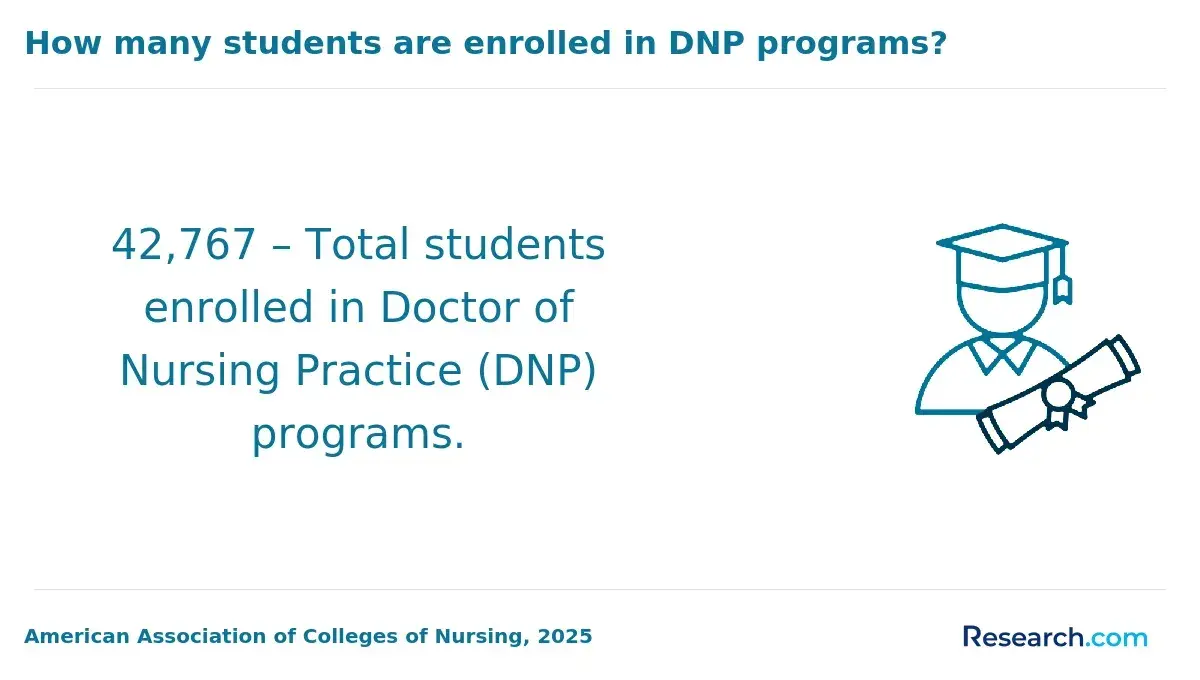
The National Organization of Nurse Practitioner Faculties (NONPF) made the commitment to move all entry-level NP education to the doctor of nursing practice (DNP) degree by 2025. In practical terms, nurses planning for long-term advanced practice should pay close attention to whether a program awards an MSN, a DNP, or a post-graduate certificate, and whether it aligns with current certification and employer expectations.
NPs are one type of advanced practice registered nurse (APRN), alongside certified registered nurse anesthetists (CRNAs), certified nurse-midwives (CNMs), and clinical nurse specialists (CNSs). Among 3,407 licensed APRNs as part of Hawaii RN jobs, 79% are nurse practitioners, 5% are clinical nurse specialists, and 3% are certified nurse midwives.
Graduate nurse practitioner training builds on BSN-level registered nursing education. Students complete advanced coursework in assessment, pathophysiology, pharmacology, evidence-based practice, population health, and specialty care. They also complete supervised clinical experiences that prepare them to diagnose conditions, manage treatment plans, and prescribe medications and other therapies within their scope of practice.
| Step | What to do | Why it matters |
| 1. Earn RN preparation | Complete the nursing education required for RN licensure. | You cannot move into APRN practice without the registered nurse foundation. |
| 2. Pass the NCLEX-RN | Obtain RN licensure before applying for advanced practice pathways. | RN licensure is a baseline requirement for NP preparation and APRN licensure. |
| 3. Complete BSN-level education | Hold a bachelor of science in nursing or qualify through an approved bridge pathway. | Graduate NP programs usually expect BSN-level preparation or equivalent progression. |
| 4. Choose an NP specialty | Select family, psychiatric-mental health, adult-gerontology, pediatric, or another approved focus. | Your specialty determines certification eligibility and the type of patients you will be trained to serve. |
| 5. Finish an accredited graduate NP program | Complete required coursework and clinical rotations, often through DNP programs in Hawaii. | Accreditation and specialty preparation are central to licensure and certification readiness. |
| 6. Pass national certification | Take the board exam tied to your NP specialty. | Certification is commonly required for APRN licensure and employer credentialing. |
| 7. Apply for APRN authorization | Submit required documents to the Hawaii Board of Nursing. | You must meet state requirements before practicing as a nurse practitioner in Hawaii. |
Cost of Taking Up a Nurse Practitioner Program in Hawaii
Among the specialty career choices for nurses classified as advanced practice, nurse practitioner programs in Hawaii can cost approximately $39,000 to $49,000 or more for the full program. That estimate may include tuition and mandatory fees, but students should separately check textbooks, clinical lab fees, equipment, background checks, health documentation, travel, technology fees, and certification exam expenses.
At the University of Hawaii at Manoa, the cost per credit for the on-campus nursing practitioner program is $1,001. The nursing practitioner program requires at least 45 credits. Students should calculate the full degree price by multiplying per-credit tuition by required credits, then adding university fees and personal costs.
Public universities often charge different rates for Hawaii residents and US mainland residents. Private universities may list higher tuition but can offer scholarships, assistantships, institutional aid, or flexible enrollment options that change the net cost. In Hawaii’s NP workforce, the top primary practice specializations are 17% for family health, 13% for adult gerontology, and 9% for psychiatric-mental/behavioral health, so students should also consider whether the specialization they choose aligns with local care needs.
Schools offering nurse practitioner programs in Hawaii may also provide scholarships intended to strengthen the nursing workforce and respond to the nursing shortage by state. The University of Hawaii Manoa offers nursing scholarships through its various foundations, and typical scholarship support may cover tuition, fees, and other expenses. Hawaii Pacific University also offers graduate scholarships for full-time or part-time students with a minimum GPA of 3.0.
| Cost category | Questions to ask before enrolling |
| Tuition | Is tuition charged per credit, per term, or by program? Are rates different for residents and nonresidents? |
| University fees | Are graduate, technology, simulation, clinical, or distance learning fees added? |
| Clinical expenses | Will you pay for immunizations, background checks, drug screening, liability coverage, uniforms, or travel? |
| Books and supplies | Are textbooks, software, diagnostic tools, and clinical equipment included in the estimate? |
| Certification and licensing | How much should you budget for national certification, APRN application fees, and renewal costs? |
| Lost income | Can you keep working while enrolled, or will clinical schedules reduce your hours? |
| Financial aid | Are scholarships, grants, employer tuition assistance, or loans available for graduate nursing students? |
Difference Between Online and On-Campus Nurse Practitioner Programs
The total number of nurse practitioners is projected to increase from 320,400 as of 2024 to 448,800 by 2034. As demand for advanced practice nurses grows, more students are comparing online, hybrid, and campus-based nurse practitioner programs in Hawaii.
Online nurse practitioner programs can be a strong fit for working RNs who need schedule flexibility. Students may complete lectures, discussions, assignments, and some exams remotely, and many of the best online MSN programs use asynchronous coursework to support nurses with changing shifts. However, online does not mean fully remote: NP programs still require in-person clinical practicum hours.
Campus-based programs may be better for students who want face-to-face faculty access, structured class schedules, simulation labs, and in-person peer interaction. They may also provide more direct access to local clinical partners, although clinical placement availability can still vary by site, specialty, preceptor capacity, and island.
Cost differences are not always straightforward. Some online programs reduce commuting and relocation costs, but may charge technology or distance education fees. Campus programs may have higher facility-related costs, but can offer local networking, simulation resources, and easier access to faculty advising.
| Program format | Best for | Potential drawbacks |
| Online | Working RNs who need flexible coursework and cannot relocate easily. | Students must be disciplined, confirm clinical placement support, and budget for any required campus visits. |
| Hybrid | Nurses who want online convenience with periodic in-person labs, intensives, or simulations. | Travel for immersions can add cost and scheduling complexity. |
| On-campus | Students who prefer structured schedules, regular faculty contact, and in-person learning environments. | Commuting, relocation, and fixed class times may be difficult for working nurses. |
Before choosing any format, ask whether the school assists with clinical placements or requires students to secure their own preceptors. This is especially important in Hawaii, where geography can affect access to clinical sites.
Best Nurse Practitioner Programs in Hawaii for 2027
Based on program exploration conducted by the Research.com team, Hawaii Pacific University, the University of Hawaii at Manoa, the University of Hawaii at Hilo, and Chaminade University offer accredited nurse practitioner programs in Hawaii through the American Association of Colleges of Nursing (AACN). These programs prepare DNP or graduate nursing students for advanced practice through specialty coursework, clinical hours, and certification-focused preparation. As of 2025, there 1,706 in-state APRN licenses in Hawaii.
| School | NP pathway highlighted | Format or notable feature |
| Chaminade University of Honolulu | DNP Pediatric Nurse Practitioner | Hybrid structure with online 15-week terms and annual multi-day immersions. |
| Hawaii Pacific University | DNP Adult-Gerontology Acute Care Nurse Practitioner | Clinical practice emphasis in inpatient, specialty, and acute care environments. |
| University of Hawaii at Manoa | DNP Psychiatric Mental Health Nurse Practitioner | Online, full-time cohort model designed for completion in three years. |
| University of Hawaii at Manoa | DNP Adult-Gerontology Primary Care Nurse Practitioner | Full-time cohort pathway designed for eight semesters or three years. |
| University of Hawaii at Hilo | DNP Family Nurse Practitioner | Practice-oriented doctoral program culminating in a practice inquiry project. |
1. DNP Pediatric Nurse Practitioner Chaminade University of Honolulu
The pediatric nurse practitioner pathway at Chaminade University of Honolulu trains registered nurses for APRN practice with children and adolescents. The program focuses on care from birth through adolescence and emphasizes family-centered, culturally responsive practice.
Students study well-child visits, growth and development, health promotion, disease prevention, and the primary care management of common acute and chronic pediatric conditions. The hybrid format uses online courses in 15-week terms, while annual multi-day immersions support leadership development, relationship building, clinical learning, and practice innovation.
2. DNP Adult-Gerontology Acute Care Nurse Practitioner (AGACNP) Hawaii Pacific University
Students in the adult-gerontology acute care nurse practitioner program at Hawaii Pacific University prepare for advanced practice with adults who need complex acute and specialty care. The program highlights experiential clinical learning and service to vulnerable and at-risk populations.
Clinical exposure may include inpatient and specialty care environments such as medical and reconstructive surgery, operating room care, surgical intensive care, internal medicine, and ambulatory care. HPU’s MSN curriculum follows AACN nationally accepted MSN standards and integrates advanced clinical practice, evidence-based care, transformational leadership, and healthcare informatics. Graduates are prepared to sit for the national certification exam.
3. DNP Psychiatric Mental Health Nurse Practitioner University of Hawaii at Manoa
The online psychiatric mental health nurse practitioner program at the University of Hawaii at Manoa uses a full-time cohort model designed for completion in three years. The program prepares nurses to care for individuals, families, and groups experiencing common, acute, or chronic mental health conditions.
Psychiatric-mental health nurse practitioners develop advanced clinical judgment for assessment, diagnosis, planning, intervention, treatment management, and evaluation. Their preparation may include psychotropic medication treatment, individual therapy, group and family psychotherapy, crisis intervention, case management, and consultation.
The program gives particular attention to vulnerable populations within a changing healthcare system. Students complete advanced practice registered nurse core courses and family health specialty courses. The specialty route includes 810 hours of clinical supervision, and the final semester includes preparation for the PMHNP national certification exam.
4. DNP Adult-Gerontology Primary Care Nurse Practitioner University of Hawaii at Manoa
The adult-gerontology primary care nurse practitioner program at the University of Hawaii at Manoa is intended for registered nurses who hold a bachelor’s degree or higher. The full-time cohort pathway is structured for eight semesters, or three years.
Students prepare to deliver comprehensive primary care to young adults, older adults, and geriatric adults in community, outpatient, and long-term care settings. The curriculum combines foundational advanced practice nursing coursework with adult-gerontology primary care specialty courses. The specialty track provides 765 hours of clinical supervision, and students complete an intensive national certification review in the final semester.
5. DNP Family Nurse Practitioner (FNP) University of Hawaii at Hilo
The DNP family nurse practitioner program at the University of Hawaii at Hilo is a practice-focused doctoral degree aligned with the AACN position recognizing the DNP as the credential for advanced nursing practice. The program is comparable in purpose to entry-level professional doctorates in other healthcare fields, such as the Doctor of Medicine (MD) and Doctor of Dental Surgery (DDS), and ends with a practice inquiry project.
The curriculum follows AACN doctoral education expectations for advanced practice nurses. By graduation, students are expected to demonstrate competence in the eight essentials of doctoral education, prepare for specialty practice as individual healthcare providers, and develop leadership capacity for broader healthcare system roles.
What Opportunities Exist for Advancing My Nursing Education in Hawaii?
Nurses in Hawaii can advance through several educational routes, including RN-to-BSN completion, MSN-level graduate study, DNP preparation, post-graduate certificates, and specialty certification. The right option depends on where you are starting. An LPN, ADN-prepared RN, BSN-prepared RN, and already licensed NP will each need a different pathway.
If you are comparing schools for the first time, start with accreditation, clinical placement support, transfer credit rules, and specialty availability. Reviewing the best nursing schools in Hawaii can help you identify programs that match your academic background, career goals, and preferred learning format.
What are the program outcomes and success rates for nurse practitioner graduates in Hawaii?
Program outcomes should be a major part of your decision, but students should rely on school-reported data rather than assumptions. Ask each program for current national certification pass rates, graduation rates, clinical placement support, employment outcomes, student retention, and average time to completion.
Programs that include flexible options, such as online nursing programs in Hawaii, can be strong choices when they provide rigorous clinical training, responsive faculty support, and clear preparation for licensure and national certification. Do not choose a program based only on format; verify outcomes in your intended NP specialty.
Can online RN to BSN programs without clinicals enhance my nursing career in Hawaii?
For registered nurses who do not yet hold a bachelor’s degree, an RN-to-BSN pathway can be an important step toward graduate nursing education. Many working nurses consider online RN to BSN programs without clinicals because they can strengthen academic preparation while allowing students to remain employed.
These programs typically emphasize leadership, evidence-based practice, community health, healthcare systems, and professional nursing concepts rather than new bedside clinical rotations. They do not make a nurse practitioner eligible by themselves, but they can help meet the bachelor’s-level preparation commonly needed before entering an MSN, DNP, or bridge pathway.
How Can Nurse Practitioners in Hawaii Stay Updated on Regulatory Changes and Continuing Education?
Nurse practitioners must keep up with licensure rules, scope-of-practice updates, continuing education requirements, prescribing standards, and clinical guidelines. In Hawaii, this means regularly checking state nursing board communications, employer credentialing updates, professional association resources, and continuing education offerings tied to your specialty.
Nurses who are still at the RN stage should also understand the state’s nursing licensure process. Researching how to become a registered nurse in Hawaii can clarify the earlier steps that lead to advanced practice.
What Factors Should I Consider When Selecting a Nurse Practitioner Program in Hawaii?
The strongest nurse practitioner program for you is not always the most familiar name or the lowest advertised tuition. Compare programs by accreditation, specialty match, certification preparation, clinical placement process, faculty experience, graduate outcomes, schedule flexibility, technology support, and total cost.
Students should also consider how selective a program is and whether their academic record, RN experience, prerequisites, and references are competitive. If admissions accessibility is a concern, resources on the easiest nursing schools to get into can help you understand how program requirements may vary, though NP programs should still be evaluated for quality and licensure alignment.
| Selection factor | Why it matters | What to ask |
| Accreditation | Accreditation affects licensure, certification eligibility, transferability, and employer confidence. | Which agency accredits the program, and is the NP specialty included? |
| Specialty fit | Your track determines your patient population and certification exam. | Does the program offer the exact NP population focus you want? |
| Clinical placements | Clinical access can be challenging in island-based healthcare systems. | Does the school place students, assist students, or require students to find preceptors independently? |
| Format | Online, hybrid, and campus formats affect schedule, travel, and support. | Are there required immersions, labs, or campus visits? |
| Total cost | Tuition alone may understate the real price. | What fees, travel costs, books, equipment, and exam costs should be budgeted? |
| Certification preparation | Graduates need to be ready for national board certification. | What certification pass-rate data is available for the specialty? |
| Student support | Graduate nursing programs are intensive. | Are tutoring, advising, faculty mentoring, and technical support available? |
How Can Nurse Practitioners Benefit from Interdisciplinary Training in Hawaii?
Patient care in Hawaii often depends on coordination across professions, especially when patients need primary care, behavioral health, pharmacy support, social services, and specialty referrals. Interdisciplinary training helps nurse practitioners communicate clearly with other team members, understand workflow outside their own role, and improve continuity of care.
Supplemental training can also help NPs supervise or collaborate more effectively with allied health workers. For example, learning about medical assistant training in Hawaii can help advanced practice nurses understand front-office flow, basic clinical support duties, patient intake, and care coordination in ambulatory settings.
How Can an LPN License Propel My Nursing Career in Hawaii?
An LPN license can be an early entry point into nursing, but it is not the final credential needed for nurse practitioner practice. LPNs who want to become NPs must typically progress to RN licensure, complete BSN-level preparation or an approved bridge route, and then enter graduate advanced practice education.
The value of the LPN pathway is that it can provide patient-care experience, exposure to Hawaii’s healthcare settings, and a clearer understanding of nursing responsibilities. If this is your starting point, review the steps for how to get a LPN license in Hawaii before mapping the longer route to RN and NP credentials.
How Can I Renew and Maintain My Nurse Practitioner License in Hawaii?
Maintaining nurse practitioner authorization requires more than graduating from an NP program. Licensed NPs must track renewal deadlines, continuing education expectations, national certification status, and any documentation required by the Hawaii Board of Nursing or employers.
Because renewal rules can change, NPs should use official state sources and keep copies of CE completion, national certification records, and practice documentation. For a broader overview of state nursing licensure procedures, see how to get a nursing license in Hawaii.
How Can Understanding Medical Billing and Coding Enhance My NP Practice in Hawaii?
Clinical skill is central to NP practice, but billing knowledge also matters. Nurse practitioners who understand documentation, coding, claim submission, and reimbursement rules can help reduce denials, support compliance, and improve the financial sustainability of a clinic or independent practice setting.
This is especially useful for NPs in primary care, telehealth, rural clinics, and small practices where administrative efficiency affects access to care. Nurses who want a stronger foundation in this area can explore medical billing and coding certification in in Hawaii.
What distinguishes nurse practitioner roles from nurse midwife roles in Hawaii?
Nurse practitioners and nurse midwives are both advanced practice roles, but they serve different clinical purposes. Nurse practitioners may provide primary, acute, behavioral health, pediatric, adult-gerontology, or family care depending on their certification. Nurse midwives focus on reproductive health, prenatal care, birth, postpartum care, and related women’s health services.
If you are drawn to childbirth, reproductive health, and maternity care, the nurse midwife route may be more appropriate than a general NP pathway. Reviewing nurse midwife qualifications in Hawaii can help you compare the education, clinical preparation, and scope of practice for that specialty.
How Can Nurse Practitioners Effectively Collaborate with Pharmacists in Hawaii?
Medication management is a major part of advanced practice nursing. Collaboration with pharmacists can help NPs review complex medication lists, identify drug interactions, improve adherence, support chronic disease management, and strengthen patient education.
Clear communication is especially important when patients see multiple providers or live in areas where specialty access is limited. NPs who understand pharmacy training and licensure can build more effective interprofessional relationships. For related context, see how to become a licensed pharmacist in Hawaii.
What are the licensing requirements for nurse practitioners practicing in Hawaii?
To practice as a nurse practitioner in Hawaii, candidates must meet education, RN licensure, certification, and APRN application requirements. The core steps include the following:
- Graduate from an accredited NP program: Complete an approved nurse practitioner program, usually at the master’s or doctoral level, with preparation in a defined specialty such as family practice, adult-gerontology, pediatric care, or psychiatric-mental health.
- Maintain an active RN license: Before applying for Hawaii APRN licensure, candidates must hold a current, unencumbered registered nurse license.
- Earn national specialty certification: Candidates must pass a recognized national certification exam in their NP population focus. Common certifying bodies include the American Nurses Credentialing Center (ANCC) and the American Association of Nurse Practitioners (AANP).
- Submit an APRN licensure application: Applicants provide the Hawaii Board of Nursing with required documentation, including proof of education, RN licensure, national certification, and the required application fee.
- Complete continuing education: After licensure, NPs must meet continuing education expectations to keep their credentials current. Pharmacology education may be especially important because NPs in Hawaii have prescriptive authority.
- Renew on schedule: APRN licenses in Hawaii must be renewed biennially. Renewal helps confirm that the NP remains compliant with state practice standards and continuing education requirements.
Addressing Hawaii's Unique Healthcare Challenges for Nurse Practitioners
Hawaii’s healthcare environment is shaped by geography, culture, cost, and provider distribution. Nurse practitioner students should understand these conditions before choosing a program or accepting a role.
- Geographic isolation and care access. Hawaii’s island geography can make it difficult for patients to reach specialists or large medical centers. NPs may play an important role in primary care, telehealth, follow-up visits, and chronic disease management.
- Cultural responsiveness. Hawaii’s population includes Native Hawaiian, Asian, Pacific Islander, and other communities. Effective NPs need communication skills, humility, and cultural awareness, not just clinical knowledge.
- High cost of living and workforce retention. Housing and living expenses can affect recruitment and retention. Students should compare salary offers with real local costs and ask employers about benefits, loan support, scheduling, and relocation assistance.
Prospective NPs who want a complete overview of the national pathway can review how to become a nurse practitioner, including common education, certification, and career steps.
Supporting Career Transitions for Aspiring and Current Nurse Practitioners in Hawaii
Career transitions in nursing require planning. Moving from RN to NP, shifting into a new population focus, or preparing for leadership involves different education, certification, and practice requirements.
For aspiring NPs, the first decision is whether your current credential qualifies you for direct graduate admission or whether you need another step, such as BSN completion. You should also confirm that your preferred program is accredited, prepares you for the correct national certification exam, and offers clinical experiences that match your intended practice setting.
For current nurse practitioners, further growth may involve post-graduate certificates, additional specialty certification, doctoral study, academic roles, administration, quality improvement, or telehealth-focused practice. Hawaii’s need for care across different islands may create opportunities for NPs who can combine clinical expertise with flexibility and strong interprofessional communication.
Mentorship can make these transitions easier. Build relationships with faculty, preceptors, local NP groups, health system leaders, and experienced clinicians who understand Hawaii’s practice environment. To explore the state-specific pathway more closely, see how to become a nurse practitioner in Hawaii.
Professional and Personal Growth as a Nurse Practitioner in Hawaii
Working as an NP in Hawaii can offer a distinctive mix of professional responsibility and personal lifestyle benefits. The setting is appealing, but the role should be evaluated realistically. High patient need, geographic barriers, and workforce constraints can make the work intense, while community connection and cultural diversity can make it deeply meaningful.
Building Relationships with Diverse Populations
Nurse practitioners in Hawaii often care for patients across a wide range of cultural, ethnic, age, and socioeconomic backgrounds. This makes cultural competence a daily practice skill, not an optional résumé item. NPs who listen carefully, adapt communication, and respect local community contexts are better positioned to build trust.
Continuity of care can be especially valuable in smaller island communities and underserved areas. Family practice, mental health, gerontology, and primary care NPs may follow patients over long periods, helping manage chronic conditions, preventive care, medication changes, and referrals.
Work-Life Balance in Hawaii’s Relaxed Environment
Hawaii’s natural environment can support personal wellness outside of work, including outdoor recreation, time near the ocean, and strong community ties. For some NPs, that improves long-term job satisfaction.
However, healthcare work remains demanding. Rural practice, emergency needs, seasonal illness, and natural disasters such as hurricanes or wildfires can increase workload and stress. Nurses interested in behavioral health can also consider psychiatric-mental health pathways, including some of the cheapest pmhnp programs online, when affordability is a priority.
Unique Challenges of Island Healthcare Systems
Hawaii’s remote location affects staffing, specialty access, supply chains, and patient transportation. Nurse practitioners may need to be adaptable, resourceful, and comfortable coordinating care across systems. Telehealth can help expand access, but it does not replace the need for strong clinical judgment and local partnerships.
Common Mistakes to Avoid When Choosing a Nurse Practitioner Program in Hawaii
- Choosing without confirming accreditation. Accreditation can affect certification eligibility, licensure, financial aid, and employer acceptance.
- Looking only at tuition. Total cost includes fees, books, equipment, clinical travel, certification exams, and possible lost work hours.
- Assuming online means no in-person requirements. NP students still complete clinical hours, and some programs require campus intensives or immersion experiences.
- Ignoring clinical placement policies. Ask whether the school finds placements, helps students secure preceptors, or leaves placement responsibility mostly to the student.
- Selecting a specialty too casually. Your NP population focus shapes certification, licensure, job options, and patient population.
- Assuming salary outcomes are guaranteed. Pay varies by employer, island, specialty, experience, schedule, and benefits.
- Relying only on rankings. Rankings can help you build a shortlist, but your final choice should depend on accreditation, fit, outcomes, cost, and licensing alignment.
For Your DNP Goals: Choose the Best Nurse Practitioner Programs in Hawaii
The best nurse practitioner program in Hawaii should prepare you for the patients you want to serve, the certification you need, and the practice environment you expect to enter. Online flexibility, hybrid immersions, campus-based support, specialty focus, and clinical placement access all matter.
Hawaii’s healthcare system gives nurse practitioners a chance to contribute in primary care, behavioral health, pediatrics, gerontology, acute care, and community health. The right program can strengthen your nursing career paths while preparing you to care for communities with distinct cultural, geographic, and access needs.
Key Insights
- NP demand remains strong: The number of nurse practitioners has continued to rise, with 320,400 reported and growth projected from 2024 to 2034.
- Hawaii offers strong NP pay, but costs matter: Nurse practitioners in Hawaii earn $128,310 per year, or $61.69 per hour, but students should compare expected earnings with the state’s high cost of living.
- DNP preparation is increasingly important: The NONPF commitment to move entry-level NP education to the DNP by 2025 means students should pay close attention to degree level, specialty preparation, and certification eligibility.
- Program costs require careful planning: Hawaii NP programs can cost about $39,000 to $49,000 or more, and students should budget for fees, clinical expenses, textbooks, equipment, and certification exams.
- Online and campus formats both require clinical training: Online programs may offer flexibility, while campus programs may provide more structure and in-person support. Neither format eliminates practicum requirements.
- Accreditation and specialty fit are nonnegotiable: Programs at Hawaii Pacific University, University of Hawaii at Manoa, University of Hawaii at Hilo, and Chaminade University offer accredited NP options, but students should choose based on their intended population focus and licensing goals.
- Clinical placement support can make or break the experience: Because Hawaii’s geography can affect access to preceptors and sites, applicants should ask detailed questions before enrolling.
Related Articles for Nearby States
- 2027 Best Nurse Practitioner Programs in California – Accredited Schools Online & Campus
- 2027 Best Nurse Practitioner Programs in Oregon – Accredited Schools Online & Campus
- 2027 Best Nurse Practitioner Programs in Washington – Accredited Schools Online & Campus
- 2027 Best Nurse Practitioner Programs in Nevada – Accredited Schools Online & Campus
- 2027 Best Nurse Practitioner Programs in Arizona – Accredited Schools Online & Campus
- 2027 Best Nurse Practitioner Programs in Idaho – Accredited Schools Online & Campus
- 2027 Best Nurse Practitioner Programs in Utah – Accredited Schools Online & Campus
- 2027 Best Nurse Practitioner Programs in Montana – Accredited Schools Online & Campus
- 2027 Best Nurse Practitioner Programs in Wyoming – Accredited Schools Online & Campus
- 2027 Best Nurse Practitioner Programs in Colorado – Accredited Schools Online & Campus
References:
- American Association of Nurse Practitioners (2025). 2025 nurse practitioner count overview.
- Hawaii State Center for Nursing (2025). 2025 Hawaiʻi nursing workforce supply report.
- Hawaii State Center for Nursing (2025). Nursing workforce data and reports.
- US Bureau of Labor Statistics (2025). Occupational outlook for nurse practitioners.
- US Bureau of Labor Statistics (2024). Hawaii occupational employment and wage data
Other Things You Should Know About Nurse Practitioner Programs in Hawaii
Yes, there are financial aid options for nurse practitioner programs in Hawaii. Students can apply for federal financial aid, state-specific scholarships, and grants. Additionally, individual schools often provide their own scholarships and financial aid packages to help offset costs for qualifying students.
The cost of completing a nurse practitioner program in Hawaii ranges from $39,000 to $49,000 for the entire program, including tuition, fees, textbooks, clinical lab fees, and other expenses. Financial aid, scholarships, and grants are available to help offset these costs.
Yes, online nurse practitioner programs in Hawaii are accredited by recognized accrediting bodies such as the American Association of Colleges of Nursing (AACN) or the Commission on Collegiate Nursing Education (CCNE). Accreditation ensures that the program meets high standards of quality and prepares students for professional practice.
Yes, you can work as a nurse practitioner in Hawaii with an out-of-state degree. However, you must ensure your degree is from an accredited program and obtain licensure from the Hawaii Board of Nursing, which may require meeting specific educational and examination criteria.
In 2027, the cost of completing a nurse practitioner program in Hawaii varies significantly based on the institution. On average, tuition can range from $20,000 to $50,000. It's important for prospective students to verify the tuition fees with individual schools, as prices can change, and additional costs such as books and lab fees might apply.
The duration of a nurse practitioner program in Hawaii varies. Master's programs typically take two to three years to complete, while Doctor of Nursing Practice (DNP) programs can take three to four years, depending on whether the student is enrolled full-time or part-time.
Specializations available in nurse practitioner programs in Hawaii include pediatric nurse practitioner, adult-gerontology acute care nurse practitioner, psychiatric mental health nurse practitioner, adult-gerontology primary care nurse practitioner, and family nurse practitioner. These specializations prepare NPs to provide specialized care to different patient populations.


