2027 Online vs On-Campus Human Resource Management Degree Programs: Pros & Cons

Co-Founder and Chief Data Scientist
Choosing between an online and an on-campus human resource management degree is not just a question of convenience. It affects how you learn, how much you may pay, how easily you can keep working, how you build a professional network, and how employers may interpret your credential.
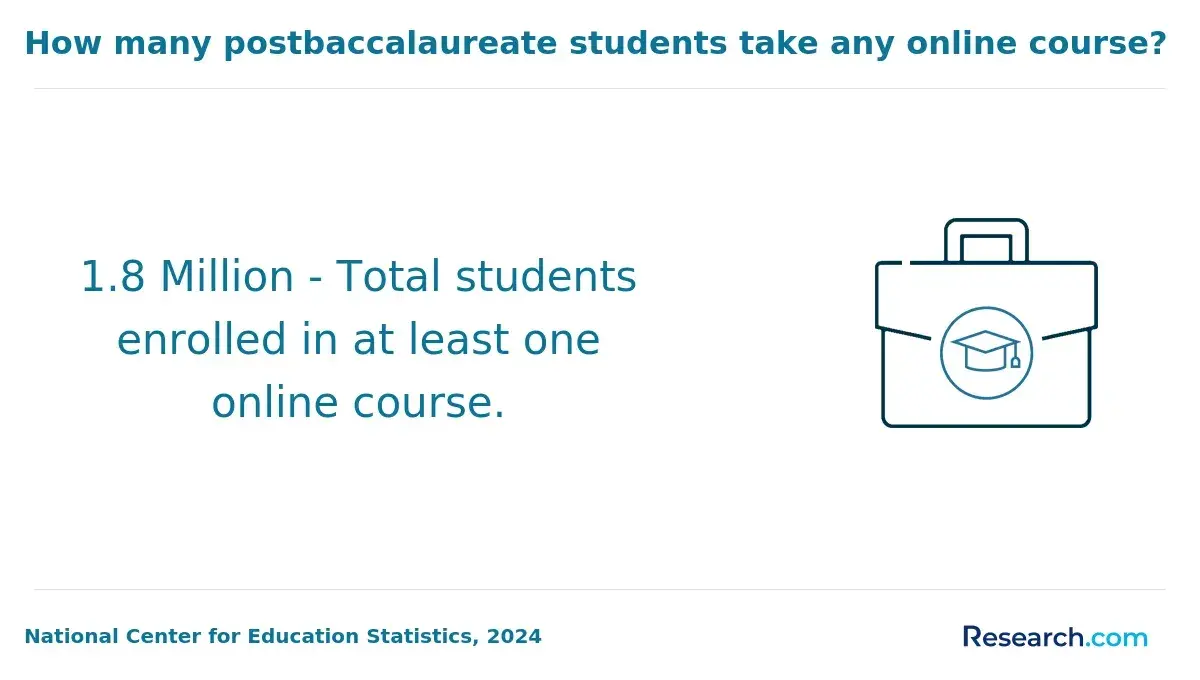
Online HR programs have become more common as flexible learning expands, with recent data showing that over 40% of college students in the US now enroll in at least one online course. For working adults, career changers, military students, caregivers, and students far from campus, online study can make a degree possible. For students who want structure, in-person discussion, campus recruiting, and frequent face-to-face contact, an on-campus program may still be the better fit.
This guide compares online and on-campus human resource management programs across structure, admissions, support, completion time, cost, financial aid, credibility, employer preferences, salaries, and decision factors. The goal is to help you choose the format that fits your schedule, budget, learning style, and career plans without overstating what either option can guarantee.
Key Benefits of Online vs On-Campus Human Resource Management Degrees
- Online human resource management programs offer flexible scheduling options that accommodate working professionals, with studies showing that 60% of students enrolled online also maintain full-time employment.
- These programs often provide access to a broader range of courses and specializations through virtual platforms, allowing students from across the US to benefit from diverse faculty expertise without relocating.
- On-campus programs foster direct networking opportunities with peers and local industry professionals, which has been linked to a 25% higher rate of internship placements compared to online-only students.
Are Online vs. On-Campus Human Resource Management Programs Structured the Same Way?
Online and on-campus human resource management programs usually cover similar academic content, but they are not structured the same way day to day. The main differences involve course delivery, scheduling, interaction, access to campus services, and how much independence students need to stay on track.
In both formats, students typically study core HR topics such as recruitment, compensation, employee relations, labor law, training and development, organizational behavior, diversity and inclusion, and strategic HR management. The difference is how students engage with that material.
- Course delivery: On-campus programs usually meet in classrooms at scheduled times. Students hear lectures live, ask questions immediately, and participate in in-person discussions. Online programs deliver lectures, readings, assignments, and assessments through a learning management system. Many are asynchronous, meaning students can log in when their schedule allows, while some include live video sessions.
- Class schedules: On-campus programs tend to follow a fixed weekly schedule and a traditional academic calendar. This structure can help students who need routine, but it leaves less room for work shifts, caregiving, or travel. Online programs often provide more flexible deadlines, though they still require consistent weekly participation.
- Interaction and collaboration: On-campus students benefit from informal conversations before and after class, in-person group work, and campus events. Online students interact through discussion boards, video meetings, collaborative documents, and virtual group projects. The online format can work well, but students must be more intentional about participating and following up.
- Access to resources: On-campus learners can visit physical libraries, advising offices, career centers, faculty offices, and student events. Online learners usually receive digital library access, remote advising, virtual tutoring, online career coaching, and technical support. Before enrolling, students should confirm which services are fully available to online students.
- Community building: Campus programs often create a stronger built-in cohort experience because students see each other regularly. Online programs can also create community, especially when they use live sessions, cohort models, and group projects, but students often need to take the first step in building relationships.
The better structure depends on how you learn best. If you want predictable class meetings and frequent face-to-face contact, an on-campus program may be more effective. If you need flexibility and can manage deadlines independently, an online HR program may fit your life better.
Are Admission Requirements the Same for Online vs On-Campus Human Resource Management Degree Programs?
Admission requirements are often similar for online and on-campus human resource management programs, especially when both formats are offered by the same accredited institution. Schools usually apply the same academic standards because the degree credential must represent comparable learning outcomes.
The differences usually appear in how programs evaluate readiness. Online programs may pay closer attention to whether applicants can succeed in a self-directed, technology-based environment. On-campus programs may place more emphasis on campus engagement, interview performance, or traditional academic indicators, depending on the school.
- Academic qualifications: Undergraduate programs typically require a high school diploma or GED. Graduate programs typically require a bachelor's degree from an accredited institution. GPA expectations are usually similar across formats, although some online programs may weigh professional experience more heavily when reviewing applicants.
- Work experience: Master's programs in both formats often prefer or require 1-3 years of relevant professional experience. This is especially common for programs designed for HR specialists, managers, or business professionals seeking advancement. Online programs often attract mid-career students, so an applicant's resume may carry substantial weight.
- Application materials: Both online and on-campus applicants commonly submit transcripts, letters of recommendation, a resume or CV, and a personal statement. Online programs may ask applicants to explain how they will manage remote coursework, while on-campus programs may ask about leadership, community involvement, or fit with the campus learning environment.
- Technology readiness: Online applicants may need reliable internet access, a current computer, webcam capability, and basic comfort with learning platforms, video meetings, file uploads, and digital communication. Some schools use a readiness checklist or orientation module before classes begin.
- Standardized tests: The majority of programs have moved away from requiring GRE or GMAT scores regardless of format, but some highly selective on-campus programs may still require them. Applicants should verify test policies directly because requirements can vary by institution and degree level.
The safest approach is to compare the admissions page for each specific program rather than assuming all online or all campus programs follow the same rules. Confirm accreditation, minimum GPA, transfer-credit policy, test requirements, work-experience expectations, and whether the degree title differs by format.
If you are still comparing HR with other business or management fields, a broader college majors list can help you evaluate related academic paths before committing.
Do Online Human Resource Management Students Receive the Same Academic Support as On-Campus Students?
Online human resource management students can receive academic support comparable to on-campus students, but the experience is different. The key question is not whether support exists, but how accessible, responsive, and useful it is for students who are not physically on campus.
Strong online HR programs now provide remote advising, tutoring, library access, faculty office hours, writing help, career coaching, and technical support. However, students should confirm availability before enrolling because support quality can vary widely by institution.
- Tutoring services: Online students may access tutoring through video appointments, chat tools, writing centers, recorded workshops, and digital study resources. On-campus students usually have the option of in-person tutoring centers and scheduled academic labs. Both can be effective when response times are reasonable and tutors understand HR or business coursework.
- Career counseling: Both formats commonly offer resume reviews, interview preparation, job-search guidance, and career planning. Online students may use video calls, email feedback, webinars, and virtual employer events. On-campus students may have easier access to in-person career fairs, employer information sessions, and drop-in advising.
- Library access: Online and on-campus students generally receive access to digital databases, e-books, journals, and research guides. On-campus students can also use physical collections and study spaces. Online students should look for live librarian chat, remote research consultations, and database access that supports HR topics such as employment law, compensation, and workforce analytics.
- Faculty interaction: Online students typically contact professors through email, discussion boards, video office hours, and course messaging tools. On-campus students can often speak with faculty before or after class or visit physical offices. In either format, strong faculty access matters because HR coursework often involves applied judgment, case analysis, and policy interpretation.
- Peer networking: On-campus students may form study groups through class meetings, student organizations, and campus events. Online students build peer relationships through discussion forums, group assignments, virtual meetups, and professional networking platforms. Online networking requires more initiative, but it can connect students across regions and industries.
Before choosing a program, ask specific support questions: Are advisors assigned to online students? Are tutoring and writing services included in tuition? Are career fairs open to remote learners? Can online students join HR clubs or SHRM-affiliated student chapters? How quickly do faculty and support staff respond?
How Long Does It Take to Complete an Online vs an On-Campus Human Resource Management Degree?
Completion time depends on degree level, transfer credits, enrollment status, term length, and whether the program allows accelerated or part-time study. Online programs often provide more pacing options, while on-campus programs usually follow a more predictable academic calendar.
- Online human resource management degree: Online programs may allow students to study full time, part time, or in accelerated terms. Many online courses are offered in eight- or sixteen-week terms, which can help motivated full-time students move more quickly. Some students may complete a degree in as little as 18 months, depending on the program design, degree level, transfer credits, and course load. Part-time students may take several years, especially if they are working full time or balancing family responsibilities.
- On-campus human resource management degree: On-campus bachelor's programs commonly take about four years of full-time enrollment and follow a semester schedule. Students often complete 120 credit hours through a sequence of general education, business core, HR major, and elective courses. The timeline is more structured, which can support steady progress but may offer fewer opportunities to speed up or slow down.
Online programs can be faster, but they are not automatically easier or shorter. Accelerated courses compress the workload into shorter sessions, so students may need to manage readings, discussions, exams, and projects at a demanding pace. Students working full time should be cautious about taking too many credits at once.
A practical way to estimate your timeline is to ask the program for a degree plan based on your transfer credits and expected weekly availability. If you can only study evenings and weekends, a slower online path may be more realistic than an aggressive accelerated schedule.
One HR graduate who completed his degree online found that flexibility mattered more than speed. He initially hoped to finish within two years, but work demands extended his timeline to nearly three years. The advantage was that he could continue progressing without leaving his job or relocating. That kind of pacing flexibility is one of the strongest reasons working adults choose online HR programs.
Are Online Human Resource Management Programs Cheaper Than On-Campus Ones?
Online human resource management programs are often cheaper overall, but not always. Tuition, fees, residency rules, course load, transfer credits, housing, commuting, and lost income all affect the total cost. Students should compare the full cost of attendance, not just the advertised tuition rate.
- Tuition and fees: Online HR programs may charge lower tuition than campus programs, especially when public institutions use flat online rates. The average online HR bachelor's degree costs about $22,676, compared to $30,792 for the on-campus equivalent. Some online programs also avoid higher out-of-state tuition charges by offering one rate to all distance learners.
- Housing and commuting: Online students often save money by avoiding campus housing, meal plans, parking, fuel, and relocation. On-campus students may gain more access to campus life, but those benefits can come with higher living costs, especially if attendance requires moving to a more expensive area.
- Technology costs: Online students need reliable internet access, a suitable computer, and sometimes a webcam, headset, or specific software. These costs matter, but they are usually smaller than housing and transportation expenses. Students should still budget for equipment upgrades before classes begin.
- Financial aid access: Accredited online programs generally offer access to many of the same federal and institutional aid options as campus programs. However, some campus-based scholarships, activity grants, or residential awards may not apply to online students.
- Opportunity costs: Online study can allow students to keep working full time, which may reduce lost income and make the degree more affordable in practice. On-campus students may have less scheduling flexibility, although they may gain easier access to internships, campus jobs, and in-person recruiting.
The lowest-priced program is not always the best value. A program with strong accreditation, transfer-credit acceptance, career services, and employer recognition may be worth more than a cheaper option with weak student support. Students comparing an easy bachelor's degree online should still evaluate academic quality, completion support, and career relevance.
What Are the Financial Aid Options for Online vs On-Campus Human Resource Management Programs?
Online and on-campus human resource management students may qualify for many of the same financial aid options when they attend an eligible accredited institution. The most important step is to confirm that the school and program qualify for the type of aid you plan to use.
- Federal financial aid: Federal aid, including Pell Grants and Direct Loans, may be available to both online and on-campus students if the institution is accredited and the program meets federal eligibility criteria. Students in either format must complete the FAFSA. Online students should be especially careful with online-only or non-accredited institutions because some may not qualify for federal funds.
- State financial aid: State grants and scholarships may be available to residents attending eligible in-state institutions, whether online or on campus. However, some states limit aid based on physical attendance, residency, degree type, or institutional eligibility. Online students should check state rules before assuming they qualify.
- Scholarships and grants: Both formats may offer institutional, private, merit-based, need-based, and field-specific scholarships. Some scholarships and grants for on-campus human resource management students may require campus participation, while online programs accredited by SHRM may provide targeted scholarship opportunities for remote learners.
- Employer tuition reimbursement: Many working adults use employer tuition assistance to fund HR degrees. Online programs can be especially compatible with reimbursement policies because students can keep working while studying. Employees should ask whether the employer requires minimum grades, manager approval, continued employment, or repayment if they leave the company.
- Private student loans: Private loans may be available for both online and campus students, but lender approval often depends on the school and program. Students should confirm that the program is recognized by the lender before relying on private financing.
Online human resource management programs can also reduce the amount students need to borrow. Many public institutions offer annual tuition between $4,000 and $10,000, excluding on-campus costs like housing. Still, students should compare total cost, repayment obligations, and expected career benefits before taking on debt.
Students looking for lower-cost graduate options can also review most affordable online master's programs to understand how price varies across fields and institutions.
Are Online Human Resource Management Programs as Credible as On-Campus Ones?
Online human resource management programs can be as credible as on-campus programs when they are offered by accredited institutions, taught by qualified faculty, and built around rigorous HR and business learning outcomes. The delivery format matters less than the quality controls behind the degree.
Credibility starts with accreditation. Regionally accredited institutions, whether online or in person, must meet quality benchmarks set by recognized bodies like the Higher Learning Commission or the Accreditation Council for Business Schools and Programs. Students should verify accreditation directly through the institution and recognized accreditation sources before enrolling.
Program-level relevance also matters. Many reputable universities use the same faculty, curriculum standards, assignments, and learning outcomes across online and campus formats. HR programs may also align coursework with industry expectations from organizations such as the Society for Human Resource Management (SHRM), which can help students build knowledge in employment law, talent acquisition, compensation, employee development, and workforce strategy.
Employer perceptions have changed as online education has become more common. Surveys reveal that 83% of business leaders now regard an online degree from a respected institution as equally valuable as a traditional on-campus degree. That distinction is important: a degree from a known, accredited university usually carries more credibility than a degree from a poorly recognized or non-accredited provider, regardless of format.
Students should evaluate credibility using concrete evidence, not marketing language. Check accreditation, faculty credentials, curriculum alignment, graduation support, career outcomes, employer partnerships, internship or applied project options, and whether the diploma or transcript identifies the delivery mode. A credible online HR degree should withstand the same scrutiny as a campus degree.
Do Employers Prefer Online vs On-Campus Human Resource Management Degrees?
Employers do not judge HR degrees by format alone. They usually care more about the institution, accreditation, relevant experience, communication skills, HR knowledge, and the candidate's ability to solve workplace problems. That said, some employer preferences still differ by industry, company culture, and the reputation of the school.
Survey data show that perceptions are improving but not identical. Only 54% of employers in a 2025 Corporate Recruiters Survey view online and in-person business graduates as equally valuable, with U.S. companies the least likely to hold this view. Some hiring managers still associate on-campus programs with stronger in-person leadership, communication, and networking development.
However, school reputation and accreditation often outweigh delivery format. Research from the Society for Human Resource Management highlights that 92% of employers respect online degrees awarded by traditional, accredited schools, whereas only 42% recognize degrees from online-only institutions with similar regard. This suggests that students should be especially careful about choosing an accredited, reputable institution rather than focusing only on whether the program is online.
Online graduates can also present strengths that matter in modern HR roles. Completing an online degree while working can demonstrate time management, self-direction, digital communication, remote collaboration, and comfort with technology. These skills are increasingly relevant as HR teams support remote, hybrid, and distributed workforces.
To reduce concerns about an online credential, students should build evidence of competence: internships, HR projects, work experience, certifications, portfolio examples, strong references, and clear interview stories. Employers are more likely to focus on what a candidate can do when the candidate can connect coursework to real HR scenarios.
One online HR graduate described the issue plainly: employers asked less about the delivery mode and more about her experience, judgment, and ability to communicate. Her online program's flexibility helped her keep working while completing the degree, and that work experience strengthened her interviews. For many students, that combination can be more valuable than format alone.
Do Online vs On-Campus Human Resource Management Program Graduates Earn the Same Salaries?
Online and on-campus human resource management graduates can earn similar salaries when the degree comes from an accredited, respected program and the graduate has comparable skills and experience. Salary differences are usually driven more by job title, location, industry, degree level, certifications, employer size, and work history than by whether the program was online or campus-based.
- Degree level and accreditation: Higher degree levels can support advancement in HR, but the credential must be credible. Accredited bachelor's or master's programs generally carry stronger value with employers in either format.
- Employer perception: The stigma around online degrees has declined, especially for degrees from traditional accredited institutions. Employers increasingly evaluate candidates based on competencies, experience, and institutional reputation rather than delivery mode alone.
- Cost and schedule flexibility: Online programs often offer lower tuition, ranging roughly between $8,300 and $16,997. Lower debt does not automatically raise salary, but it can improve the financial return on the degree. Online students may also continue gaining work experience while studying, which can strengthen long-term earning potential.
- Professional certification and experience: Certifications such as SHRM-CP or HRCI PHR can substantially boost salaries, with certified professionals earning between $78,000 and $120,000 annually. Experience remains one of the strongest salary drivers in HR, regardless of degree format.
- Career advancement opportunities: Median salaries for human resource management professionals range from $136,350 to $140,030. These outcomes are influenced more by role level, leadership responsibility, professional development, networking, and industry than by online versus on-campus delivery.
Students should avoid choosing a program based on salary claims alone. A stronger approach is to review the curriculum, career services, alumni outcomes, internship options, certification preparation, and employer connections. For those comparing a quick degree for high pay job, the degree format matters less than whether the program helps build marketable HR skills and recognized credentials.
How Do You Decide Whether an Online vs On-Campus Human Resource Management Program Is Right for You?
The right format is the one you are most likely to complete successfully while building the HR skills, network, and credentials your career goals require. Online programs are usually better for flexibility. On-campus programs are usually better for structure and in-person engagement. Hybrid programs may work for students who want both.
- Choose online if you need flexibility: Online HR programs may be a strong fit if you work full time, have caregiving responsibilities, live far from campus, travel often, or need part-time pacing. You should be comfortable managing deadlines, communicating in writing, and solving minor technology issues.
- Choose on campus if you want structure: On-campus programs may be better if you learn best through live discussion, immediate feedback, scheduled routines, and regular face-to-face contact with professors and classmates. They may also offer easier access to campus recruiting and student organizations.
- Compare total cost, not tuition alone: Online students may save on housing, commuting, and relocation. On-campus students may pay more overall but gain access to campus facilities, events, and in-person networks. Include fees, technology, books, transportation, housing, and potential lost income in your comparison.
- Evaluate networking realistically: On-campus networking happens more naturally, but online students can still build strong connections through virtual cohorts, LinkedIn, alumni groups, HR associations, and group projects. If you choose online, plan your networking intentionally from the first term.
- Check support services before enrolling: Ask whether online students receive academic advising, career coaching, library access, tutoring, writing support, technical support, and employer-event access. Do not assume all student services are equal across formats.
- Confirm accreditation and employer recognition: Accreditation is essential for credibility, financial aid eligibility, and transfer or graduate-school options. If you are unsure about a program's reputation, ask employers, alumni, and HR professionals how they view the institution.
A simple decision test can help: if you need control over your schedule and can stay disciplined without weekly in-person classes, online may be the better fit. If you want a campus experience, frequent live interaction, and built-in structure, on-campus study may serve you better. Students who want added job readiness can also explore high paying job certifications alongside their degree.
Here's What Graduates of Online vs On-Campus Human Resource Management Programs Have to Say About Their Degree
- Janelle: "Completing my human resource management degree online gave me the flexibility I needed to keep working while studying. I had to be disciplined with deadlines, but the format helped me build time-management and remote collaboration skills that I now use every day. The program also connected me with classmates in different industries, which gave me a broader view of HR challenges beyond my local market. When I started as an HR coordinator, I felt prepared because the coursework focused on practical workplace issues, not just theory."
- Tyler: "The on-campus HR program was the right choice for me because I wanted face-to-face discussion, direct access to professors, and a strong campus network. Presenting in class, working on group projects, and attending career events helped me build confidence in communication and leadership. The career center also played an important role in helping me prepare for interviews and connect with employers. Looking back, the in-person environment pushed me to grow professionally and personally."
- Amina: "A hybrid human resource management program gave me the balance I needed. I could complete much of the academic work online, but the in-person sessions helped me practice discussion, collaboration, and applied HR problem-solving. That mix worked well with my job because I could connect theory to workplace situations almost immediately. The experience strengthened my adaptability and helped me move toward more advanced responsibilities in my company."
Other Things You Should Know About Online & On-Campus Human Resource Management Degree Programs
Online programs in 2027 often offer flexible schedules, requiring around 10-15 hours weekly depending on the course load. In contrast, on-campus programs typically follow a structured schedule with mandatory attendance for lectures and seminars, totaling around 15-20 hours weekly.
Many Human Resource Management programs accept up to 60 transfer credits from accredited community colleges or four-year schools, especially for general education courses. Upper-division HR major requirements are usually completed at the degree-granting institution, and an official transcript evaluation is required before enrollment.
References
- Online degree costs vs traditional degrees: which is more affordable? https://collegeonline.io/blogs/online-degree-costs-vs-traditional-degrees
- Online and on-campus colleges | University of Phoenix https://www.phoenix.edu/blog/cost-of-online-vs-traditional-college.html
- 10 Reasons to Pursue UJ's Online Bachelor of Human Resource Management https://online.uj.ac.za/updates/10-reasons-to-pursue-uj-onlines-bachelor-of-human-resource-management
- The Surprising Cost of Online Education: Why 83% of Online Degrees Aren’t More Affordable https://www.nexford.edu/insights/the-surprising-cost-of-online-education-why-83-of-online-degrees-arent-more-affordable
- 25 Great Scholarships for Human Resource Management Majors https://www.topdegreesonline.org/scholarships/human-resource-management/
- Are online degrees respected by employers? https://onlineprograms.uic.edu/news-stories/are-online-degrees-respected-by-employers/
- What's the value of an Online Degree? https://www.shrm.org/topics-tools/news/hr-magazine/whats-value-online-degree
- Career Opportunities: Online HR Management Programs vs On-Campus Programs https://www.mywestford.com/blog/career-opportunities-online-hr-management-programs-vs-on-campus-programs/
- Human Resource Management (Management, B.S.B.A.) https://www.odu.edu/academics/programs/undergraduate/human-resource-management
- Online Human Resource Management Degree | B.S. in HR Management | CSP Global https://online.csp.edu/programs/ba-bachelors-human-resource-management/