2027 Fire Science Salary Trends Report: Are Wages Keeping Up With Tuition and Inflation?

Co-Founder and Chief Data Scientist
A prospective fire science student weighs the decision to invest time and money into a degree amid climbing tuition fees and a fluctuating economy. Understanding whether the financial return justifies these upfront costs requires more than comparing starting salaries alone. Inflation and rising education expenses complicate the evaluation, as they influence the actual purchasing power of earnings over time. A clear picture emerges only by examining how wages, tuition, and inflation interact to affect long-term financial stability.
Salary increases in fire science careers often do not keep pace with the rising costs of higher education and inflation, challenging assumptions about the degree's value. Prospective and recent graduates must consider these disparities when assessing their investment. This article explores salary trends, tuition costs, inflation impacts, and the broader return on investment to provide a comprehensive view of affordability and long-term earnings in fire science. The analysis aims to equip readers with nuanced insights for making informed career and education decisions.
Key Things to Know About Fire Science Salary Trends
- Graduate wages in fire science have risen about 3.2% annually since 2022, trailing inflation which averaged 4.1%, indicating real income declines affecting ROI calculations for many students.
- Increased tuition growth averaging 5% yearly outpaces starting salaries, meaning early-career graduates often face extended debt-servicing periods before profitability in this sector.
- Long-term earning potential correlates strongly with certifications and specialization within fire science, suggesting that investment in niche credentials can mitigate stagnant base salary trends.
- Key Things to Know About Fire Science Salary Trends Key Things to Know About Fire Science Salary Trends
- What Is the Current Salary Outlook for Fire Science Graduates? Salary Outlook
- Are Fire Science Salaries Keeping Up With Inflation? Inflation Impact
- How Do Tuition Costs Compare With Fire Science Salary Growth? Tuition vs Salary
- Does a Fire Science Degree Deliver a Positive Return on Investment? Degree ROI
- Which Industries Offer the Highest Salaries for Fire Science Graduates? Which Industries Offer the Highest Salaries for Fire Science Graduates?
- Which States and Cities Offer the Highest Pay for Fire Science Professionals? Which States and Cities Offer the Highest Pay for Fire Science Professionals?
- How Do Fire Science Salaries Grow Throughout a Career? Career Growth
- How Do Fire Science Salaries Compare With Similar Degrees? Salary Comparison
- How Is Employer Demand Affecting Fire Science Salary Trends? Employer Demand
- How Can Students Maximize Their Lifetime Earnings With a Fire Science Degree? Maximizing Earnings
What Is the Current Salary Outlook for Fire Science Graduates?
The current salary outlook for fire science graduates reveals a nuanced picture influenced by factors such as geographic location, chosen career path, and industry demand. According to recent 2024 data from the U.S. Bureau of Labor Statistics, firefighters typically earn a median annual wage of about $50,700. While this reflects slight nominal gains over previous years, wage growth has not consistently outpaced rising tuition costs and inflation, which have increased approximately 3 to 5 percent annually. Graduates pursuing alternative roles within fire science, such as fire prevention, investigation, or emergency management, often see median salaries ranging from $60,000 to $75,000, demonstrating how career specialization can significantly affect earnings.
Consider two fire science graduates entering the workforce simultaneously: one becomes a frontline firefighter in a midsize rural department, while the other takes a position as a fire prevention specialist in a large metropolitan area. Despite holding the same degree, the prevention specialist may earn a substantially higher salary due to regional cost-of-living adjustments and the specialized nature of the role. Industry research from organizations like the National Fire Protection Association highlights steady demand for these specialized skills, suggesting stronger long-term job security and advancement opportunities. However, unionized departments and metropolitan locations generally offer more competitive pay scales aligned with inflation, an important consideration for graduates weighing immediate salary against career longevity.
When evaluating fire science graduate salary trends, it is essential to look beyond entry-level pay and consider the broader trajectory shaped by certifications, continuing education, and mobility. While rising education costs challenge immediate return on investment, steady demand for skilled professionals in fire science-related fields indicates potential for salary growth over time. For prospective students, understanding this balance can inform decisions about education expenses and future earnings, particularly when juxtaposing programs like fire science with other certifications such as medical billing and coding certification cost, which may offer different cost-to-earnings dynamics.
Are Fire Science Salaries Keeping Up With Inflation?
Nominal wage increases in fire science-related occupations have not kept pace with inflation, resulting in decreased real purchasing power for many in the field. According to the U.S. Bureau of Labor Statistics, median annual wages for firefighters rose about 3.2% from 2021 to 2023, while inflation, measured by the Consumer Price Index, averaged roughly 7.5% during the same period. This gap means that even though salaries appear to increase, the actual value of those earnings declines when adjusted for cost-of-living changes, raising critical concerns for prospective and current students evaluating fire science salary trends versus inflation.
Consider a recent graduate who took on student loans to complete a fire science program while living in an urban area experiencing rapid cost-of-living increases. Despite a modest salary bump, the rising expenses for housing, transportation, and essentials like healthcare erode their financial stability. This example highlights the importance of factoring in how tuition hikes, which outpace wage growth, as reported by the National Center for Education Statistics, influence the net benefit of a fire science degree. For those frustrated by traditional entrance requirements, exploring options like nursing schools without TEAS shows how alternative paths in related public safety fields may offer different financial dynamics.
The disconnect between wage growth and inflation is further complicated when assessing whether fire science wages are keeping pace with tuition increases, which often rise faster than both inflation and salary gains. Although advanced certifications and specialized roles can improve earning potential, their limited availability means most professionals face stagnant real wages amid rising education costs. This growing financial imbalance forces graduates to weigh passion against practicality, as escalating tuition and lagging wages challenge the long-term economic viability of fire science careers in many regions.
How Do Tuition Costs Compare With Fire Science Salary Growth?
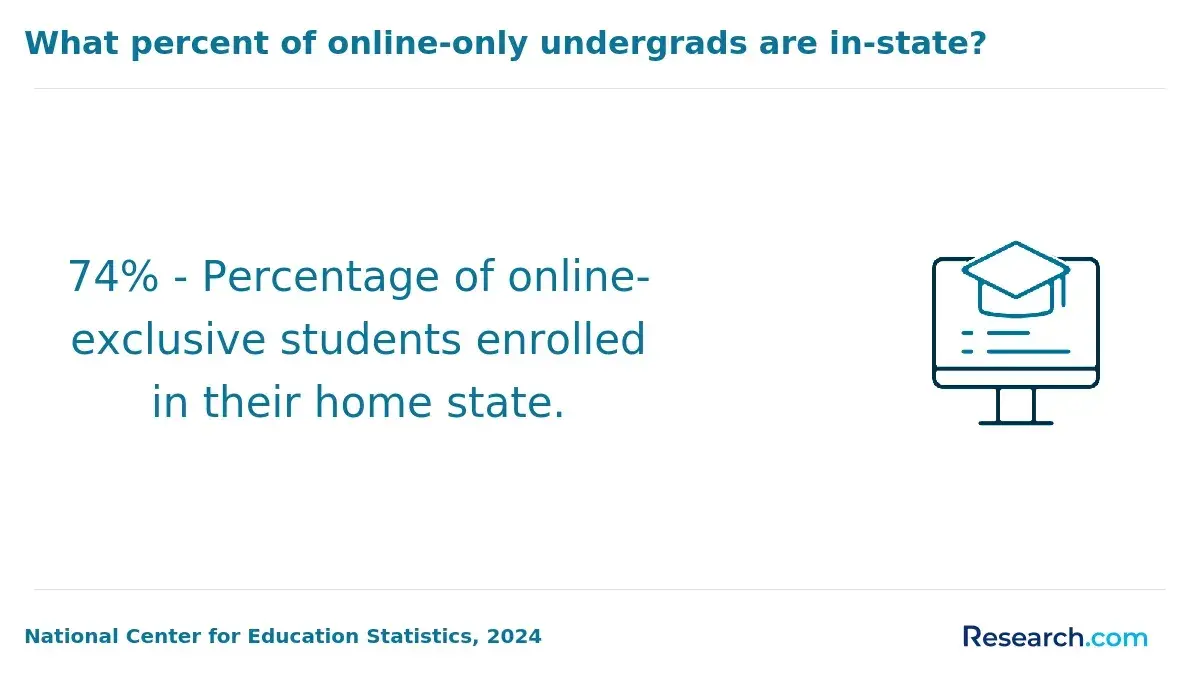
Analyzing tuition costs alongside salary growth reveals a nuanced financial balance for fire science students that single metrics overlook. In 2024, tuition for fire science degrees ranges from $8,000 to $15,000 annually, with public institutions generally at the lower end and private schools at the higher end, according to data from the National Center for Education Statistics. Meanwhile, starting salaries for graduates average between $45,000 and $50,000, with mid-career wages topping out near $60,000 to $65,000 as reported by the U.S. Bureau of Labor Statistics. However, while tuition inflation averages about 3.5% yearly, salary growth rarely surpasses 2%, suggesting that the cost of education is rising faster than the financial returns it yields. This disparity means that over time, the ratio of debt to income may stretch, making long-term financial planning more complex and pressing for students who must balance rising educational expenses with modest salary increases.
Consider two students: one attending a public college with more affordable tuition and another opting for a private program with double the annual cost. With similar starting salaries, the higher tuition student faces a heavier debt burden, with repayments that grow heavier relative to limited salary increases. Geographic factors and local public sector wage constraints further compound this - salary potential varies by region and municipality, affecting how quickly graduates can recoup their educational investment. This dynamic indicates that the question isn't just tuition cost or salary growth alone but their evolving interplay, which varies by individual circumstances such as choice of institution, location, and career trajectory, underscoring the value of comprehensive financial assessments rather than isolated figures.
One fire science graduate recounted hesitating before enrolling in a private university because the steep tuition felt daunting compared to entry-level firefighting salaries. Ultimately, she chose a public program with lower costs to minimize debt, knowing her salary progression would be gradual. After five years on the job, she reflected that while her early paychecks weren't large, avoiding excessive student loans allowed her to invest in additional certifications and training, which she believes positioned her better for promotions. Her experience highlights how upfront tuition decisions weighed against realistic salary growth directly affect career flexibility and financial stability over time.
Does a Fire Science Degree Deliver a Positive Return on Investment?
Return on investment (ROI) in higher education means weighing the total cost of obtaining a Fire Science degree against the financial benefits it can bring throughout a career. This calculation goes beyond initial salaries, focusing instead on long-term earnings, job stability, and opportunities for advancement. For example, a graduate starting as a firefighter with an average salary between $35,000 and $45,000 may find the degree's upfront costs steep. However, moving into specialized roles like fire inspector or fire protection engineer, where salaries rise to $70,000 to $90,000, can justify that early investment over time.
Several factors influence whether the ROI in Fire Science is favorable, including rising tuition and inflationary pressures. The College Board reports an increase of roughly 4% in tuition fees at public institutions offering Fire Science programs in 2023, outpacing general inflation. Despite this, demand for trained professionals remains steady due to needs in public safety and industrial sectors, which can provide a buffer against economic fluctuations. Moreover, benefits tied to public sector employment, such as pensions and job security, often enhance the long-term value of holding a Fire Science degree.
According to data from the National Center for Education Statistics and the U.S. Bureau of Labor Statistics in 2024, the financial payoff varies based on the role and region, underscoring that ROI is not uniform. Those leveraging their degree toward advanced specialties or leadership positions tend to realize the best returns, while others may see more modest gains. Ultimately, assessing a Fire Science degree's ROI requires careful evaluation of personal career goals, regional job markets, and willingness to pursue ongoing professional development amid increasing education costs.
Which Industries Offer the Highest Salaries for Fire Science Graduates?
Data from 2024 reveals notable disparities in salary potential among industries employing fire science graduates. While traditional firefighting roles provide essential services, the highest-paying positions often emerge where specialized expertise aligns with complex risk management and strict regulatory compliance. Real-world demand increasingly rewards professionals who can navigate industrial hazards, safety engineering, and emergency planning for high-stakes environments. This creates a strategic imperative for graduates to target sectors with advanced technical roles and organizational commitment to safety. Below is a concise overview of industries leading in compensation for fire science-related careers.
- Petroleum and Natural Gas: This sector consistently ranks among the highest paying due to the elevated risks and regulatory scrutiny involved in managing fire hazards at oil refineries, drilling sites, and chemical plants. Roles such as fire protection engineers and safety specialists require deep knowledge of hazardous materials and federal safety standards, which translates to substantial salary premiums.
- Aerospace and Manufacturing: Fire science professionals in these industries focus on workplace safety programs and risk mitigation, often developing emergency preparedness plans. The significant financial impact of accidents drives companies to offer premium salaries for experts skilled in industrial fire prevention and regulatory compliance.
- Engineering Services: Firms specializing in fire protection consulting and design demand a blend of technical expertise and credentials, rewarding fire science graduates with strong analytical and engineering capabilities through competitive compensation packages.
- Federal Government Agencies: Agencies such as the Department of Homeland Security and FEMA employ fire science professionals for national safety planning and disaster response. These roles typically offer robust benefits and wages reflective of the advanced skills required for managing large-scale emergency scenarios.
- Industrial Facility Safety: Large manufacturing plants and distribution centers also provide high salaries by hiring fire science experts to oversee fire prevention programs and compliance audits, particularly where protecting critical infrastructure is a priority.
- Insurance and Risk Assessment: Fire science graduates working in insurance use specialized knowledge to evaluate fire risks and guide underwriting decisions. This niche requires a combination of technical insight and risk management skills, often resulting in competitive earnings.
- Emergency Management Consulting: Consulting firms advising on disaster preparedness and response strategies reward fire science professionals with advanced problem-solving abilities, especially when clients operate in high-risk sectors, yielding strong income opportunities.
According to the U.S. Bureau of Labor Statistics and industry surveys, sectors such as petroleum and aerospace dominate fire science salary trends by industry, generally exceeding compensation for municipal firefighting roles. Prospective students should weigh the technical demands and credentialing paths in these fields to maximize long-term earnings. For those considering further specialization, exploring programs like the FNP post master's certificate may also provide complementary skills beneficial in related emergency management contexts.
Which States and Cities Offer the Highest Pay for Fire Science Professionals?
The earning potential for fire science professionals varies significantly across different states and cities, shaped by factors like regional risk profiles, economic demand, and cost of living. High salaries typically correlate with areas facing greater emergency response challenges or higher urban density, yet these financial gains often come with steeper living and education expenses. Understanding these tradeoffs is crucial for students and graduates weighing salary prospects against tuition inflation and lifestyle costs. Below are the top locations offering the most competitive compensation for fire science roles, based on 2024 data from the U.S. Bureau of Labor Statistics and the National Fire Protection Association.
- California: Driven by a combination of the state's large population, extensive wildfire exposure, and sophisticated emergency services, California offers median fire science wages near $75,000. However, high housing and tuition costs can diminish net financial benefits, so assessing local expenses is essential for candidates considering this market.
- Alaska: With remote, rugged terrain and challenging weather conditions, Alaska demands specialized skills and readiness, pushing some wages above $77,000. Prospective professionals must balance these generous salaries against the high cost and logistical complexities of living in less accessible areas.
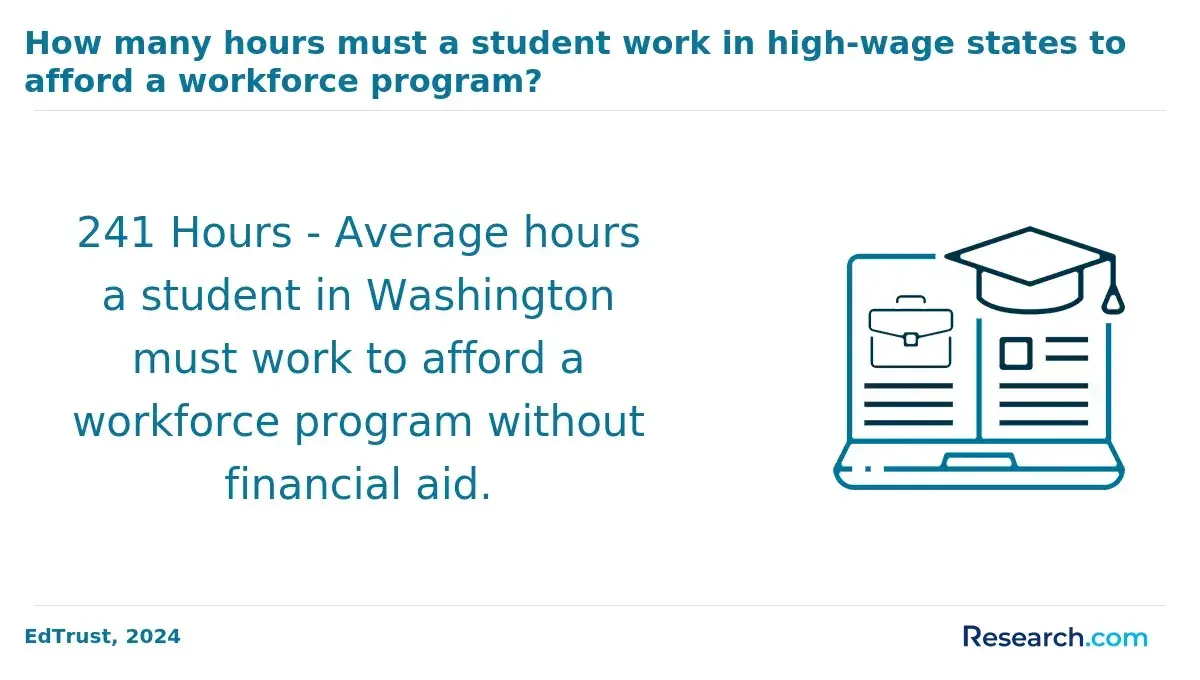
- Washington: Washington State's metropolitan areas emphasize cutting-edge training and technology integration, resulting in competitive wages approaching $73,000. Candidates should consider Seattle's growing urban fire risks alongside a relatively high cost of living and local education expenses.
- San Francisco Metro Area: Fire science professionals here earn 20 to 30 percent more than national averages due to housing cost premiums and dense urban infrastructure. This area's salary advantages may be offset by some of the highest living and tuition costs nationally, challenging graduates to carefully evaluate long-term financial viability.
- Seattle Metro Area: Sustained investment in technology and emergency preparedness keeps wages high in Seattle. Though pay is strong, students should weigh this against the region's rising housing prices and moderate tuition increases.
- Anchorage Metro Area: Anchorage benefits from logistical and geographic complexities requiring versatile emergency responses, supporting elevated salaries. Yet, the isolated market and living costs can limit savings potential despite competitive pay.
How Do Fire Science Salaries Grow Throughout a Career?
Starting salaries for fire science graduates often reflect the demanding and entry-level nature of many early roles, with positions like firefighter trainees typically earning around $36,000 to $40,000 annually. The U.S. Bureau of Labor Statistics data from 2024 indicates that the median firefighter wage sits near $50,000, but meaningful growth usually requires stepping into supervisory or specialized roles. By mid-career, those advancing to lieutenant, captain, or inspector roles generally see salaries rise to between $65,000 and $80,000. Salary increases beyond this point tend to rely on additional qualifications, leadership responsibilities, or transitions into niche areas like fire protection engineering or emergency management, where earnings can surpass six figures but demand further education or certification.
Consider two fire science graduates with identical degrees: one continues as a firefighter and pursues paramedic certification, gradually earning raises and hitting mid-range salaries, while the other moves quickly into fire protection engineering, leveraging advanced training to exceed $100,000 within a decade. This contrast underscores that credential acquisition, specialization, and career path decisions crucially shape earning trajectories. Factors such as local agency budgets, geographic region, and expanding roles also influence wage growth. However, salary increases often moderate in later years, with gains more likely to come from pension plans or benefits rather than base pay boosts, raising questions about whether financial returns fully compensate for rising educational costs and inflation.
One fire science graduate recalls hesitation early on when offered a promotion requiring a specialist certification overseas. Although the extra training delayed immediate pay increases, the long-term impact was transformative; within five years, the individual moved from a modest salary to a management role exceeding $90,000 annually. This decision involved weighing the upfront costs and time away from active duty against the potential for sustained income growth, illustrating the nuanced choices professionals face when trying to maximize earnings across a fire science career.
How Do Fire Science Salaries Compare With Similar Degrees?
Graduates with a fire science degree generally see median salaries ranging from $50,000 to $60,000 annually, according to data from the U.S. Bureau of Labor Statistics and the National Fire Protection Association. This is modestly lower compared to closely related degrees in emergency services fields, where salaries often top out higher due to more administrative and strategic responsibilities. Prospective students should weigh these financial factors alongside their personal career goals and community service motivations. The following comparisons highlight how fire science salaries match up against related fields and what drives key differences in earning potential.
- Emergency Management: Median salaries for emergency management graduates typically range from $60,000 to $70,000, reflecting roles that include organizational leadership, policy development, and federal agency work. These positions often require advanced strategic skills, which contribute to higher pay compared to fire science's more operational roles.
- Homeland Security: Careers in homeland security tend to offer starting salaries similar to emergency management but with a broader focus on national safety and intelligence analysis. The blend of tactical and administrative responsibilities often leads to greater earning potential over time than what fire science professionals usually encounter.
- Occupational Safety: Graduates working in occupational safety also earn in the $60,000 to $70,000 range, often holding positions that combine regulatory compliance and risk management for corporations. The higher salary stems from increased demand in private sectors willing to pay premiums for expertise that prevents costly workplace incidents.
- Fire Science: Fire science roles generally focus on fieldwork such as firefighting and inspection. While important for community safety, the salary growth in this field tends to align with inflation and has not kept pace with rapidly rising tuition costs, which average over 4% annually nationwide. This dynamic requires careful planning for those considering this path.
For those exploring options, pursuing professional development or additional certifications can improve wage outcomes within fire science. Additionally, exploring accelerated educational pathways like an RN to BSN in 3 months program might serve as a model for efficient credential advancement in allied emergency fields, helping some students manage the cost-to-earnings balance more effectively.
How Is Employer Demand Affecting Fire Science Salary Trends?
Employer demand impact on Fire Science salaries is a critical factor shaping current salary trends and their future trajectory. Rising population densities and climate-related fire hazards have created a moderately growing need for firefighters and emergency responders, prompting more competitive hiring practices. For example, a metropolitan fire department facing frequent wildfire threats may offer salary premiums to attract candidates with specialized expertise in hazardous materials management or fire investigation. This heightened competition often leads to stronger wage growth in urban areas compared to rural regions, where demand and budgets are more limited. However, according to the 2024 Occupational Outlook Handbook from the U.S. Bureau of Labor Statistics, while starting salaries have increased by about 2% to 3% annually, these gains typically lag behind inflation and the rising cost of education.
Fire Science salary trends influenced by job market dynamics reflect not only employer demand but also other variables such as experience, certifications, and local economic conditions. In many departments, the pressure to meet certification requirements and provide advanced technical skills has led to incremental salary enhancements. Yet, these improvements often fail to fully offset escalating tuition fees, which increasingly burden recent graduates and career changers weighing long-term financial returns. For individuals exploring alternatives or supplemental education, programs like an addiction counseling online degree may offer viable options due to differing market demands and educational costs. Ultimately, employer demand stimulates wage growth, but its influence can be uneven and mitigated by broader economic realities that affect Fire Science professionals' earning potential.
How Can Students Maximize Their Lifetime Earnings With a Fire Science Degree?
Maximizing lifetime earnings with a fire science degree requires targeted strategies beyond simply obtaining a diploma. Data from the U.S. Bureau of Labor Statistics (2024) indicates higher salaries correlate strongly with leadership roles, specialization, and geographic location. For example, a graduate who combines advanced education with certifications and gains field experience in metropolitan areas can expect significantly better compensation over time. Practical steps during and after study can facilitate steady income growth and improved career stability. The following strategies encapsulate effective approaches based on recent labor market research and professional standards:
- Advanced Education: Earning a bachelor's or master's degree enhances eligibility for management and specialized roles, which typically offer higher wages and career longevity. Graduate study also signals commitment to employers, improving promotion prospects.
- Relevant Certifications: Obtaining credentials like Certified Fire Protection Specialist (CFPS) or Fire Investigator demonstrates professional competence, boosting employment opportunities and salary potential as emphasized by the National Fire Protection Association.
- Practical Experience: Internships and entry-level positions in government agencies or private firms build in-demand skills and professional networks critical for career advancement.
- Geographic Mobility: Working in urban or industrial regions with greater demand for fire science expertise can substantially increase earnings due to competitive market forces.
- Leadership Development: Targeting supervisory or managerial roles elevates income over the long term, often requiring continuous learning and strategic career moves.
- Interdisciplinary Skills: Combining fire science knowledge with occupational safety, environmental compliance, or hazardous materials management opens access to diversified, higher-paying roles.
- Continuous Learning: Staying current with industry trends, new technologies, and regulations helps maintain relevance and leverage for salary growth amid inflation and evolving standards.
References
- Career Journeys - NFCC https://nfcc.org.uk/working-in-the-fire-sector/career-pathways/career-journeys/
- Fire Science Degree Programs With Huge Returns https://www.firescience.org/college-degree-rankings-online/fire-science-degree-high-return-investment/
- Fire Service Technology - Understanding Costs & Financial Aid Options - Cincinnati State https://www.cincinnatistate.edu/fire-service-technology-degree-understanding-costs-and-how-to-make-it-affordable/
- 5 Key Trends in Fire Service for Instructors https://www.psglearning.com/blog/psg/2022/07/07/5-key-trends-in-fire-service-for-instructors
- How wages compare with inflation since 2020: 'It feels likes stagnation because it is,' analyst says https://www.cnbc.com/2026/01/13/how-wages-compare-with-inflation-since-2020.html
- How Much Do Firefighters Make? A Comprehensive Guide to Firefighter Salaries https://www.remitly.com/blog/jobs-and-careers/firefighter-salary/
- What Can You Do with a Fire Science Degree? Salary & Career Info https://www.degreesforgood.org/what-can-you-do/fire-science-degree/
- Has pay kept up with inflation? - The Hamilton Project https://www.hamiltonproject.org/data/has-pay-kept-up-with-inflation/
- Online Bachelor's Degree in Fire Science - Best of 2026 | UniversityHQ https://universityhq.org/degrees/online-bachelors-fire-science-programs/
- Do increases in public sector wages affect inflation? :: Public Sector Economics https://www.pse-journal.hr/en/archive/do-increases-in-public-sector-wages-affect-inflation_13377/
Other Things You Should Know About Fire Science
Program length and curriculum focus can significantly impact salary prospects. Intensive programs that combine practical experience with leadership training often lead to higher entry-level wages, as employers value hands-on skills alongside management potential. Prospective students should prioritize programs with strong fieldwork components and industry connections to enhance employability and salary growth rather than shorter or purely academic programs that may lack applied training.
Jumping into the workforce quickly may provide short-term income but can limit long-term salary advancement, especially in specialized roles requiring certifications or degrees. Conversely, pursuing advanced credentials often delays earnings but positions graduates for supervisory and technical specialist roles with better compensation. Students must assess their financial situation and career ambitions, as investing time in further education tends to yield higher salaries despite initial income sacrifices.
Employers increasingly expect fire science professionals to manage complex workloads and maintain multiple certifications, which directly influence salary offers. Workers who secure relevant and current certifications gain negotiating leverage for higher compensation, while those lacking them may face wage stagnation. Candidates should prioritize continuous certification updates and demonstrate their capacity to handle diverse responsibilities to improve salary outcomes.
Public sector employment, a major employer of fire science professionals, is sensitive to budget cycles, which can stall wage increases despite rising tuition and living costs. During economic downturns, salary growth often freezes even as job demands rise. For career stability and incremental wage gains, candidates might favor jurisdictions or agencies known for consistent funding or diversify skills to access private sector roles where pay scales may better reflect inflation and educational investment.