2027 Fire Science Degree Program Availability Report: Which States and Schools Offer the Most Options

Co-Founder and Chief Data Scientist
The concentration of fire science degree programs often reflects regional needs and workforce demands within emergency management and public safety sectors. Recent data from the U. S. Bureau of Labor Statistics indicates a 7% projected growth in firefighting and fire prevention roles through 2032, suggesting an evolving labor market that influences academic offerings.
States with diverse industrial bases or higher urban density tend to support a broader range of specialized programs, aligning educational access with practical skill requirements. Examining which states and schools offer the most fire science degree options reveals patterns in institutional focus, resource allocation, and responsiveness to local employment trends within this critical discipline.
Key Benefits of States and Schools That Offer the Most Fire Science Degree Program Options
- States with more fire science degree options often require varied specialization tracks, forcing students to weigh broader choices against depth, which can impact readiness for specific fire service roles.
- Employers increasingly prefer graduates from states with diverse fire science curricula, signaling a workforce shift toward multi-disciplinary skills rather than purely technical competencies.
- Greater program availability correlates with regional competition driving reduced tuition and flexible scheduling, but this can extend time-to-completion due to part-time enrollment trends in 2024 data.
- Key Benefits of States and Schools That Offer the Most Fire Science Degree Program Options Key Benefits
- Which States Offer the Most Fire Science Degree Programs? Top States
- Why Do Some States Have More Fire Science Programs Than Others? Program Availability
- Which Colleges Offer the Largest Number of Fire Science Degree Options? Top Schools
- How Do Online Programs Improve Access in States With Limited Options? Online Program Access
- How Much Does Fire Science Program Tuition Vary by State? Tuition by State
- How Does Fire Science Program Demand Affect Admissions Decisions? Program Demand
- How Do Fire Science Specialization Options Vary by Region? Specialization Options
- How Does Regional Employer Demand Affect Career Outcomes? Employer Demand
- What Factors Matter Most When Comparing Fire Science Programs Across States? Key Comparison Factors
- Which Regions May See the Fastest Growth in Fire Science Education? Fastest Growing Region
Which States Offer the Most Fire Science Degree Programs?
The geographic distribution of fire science degree programs in the United States closely aligns with population density, regional risk profiles, and the scale of educational infrastructure supporting emergency services employment. States with large urban centers and diversified economies typically maintain a broader inventory of programs to address specialized workforce demands, including fire management, hazardous materials response, and wildfire control.
Data from 2024 sources such as the National Fire Academy and IPEDS shows this clustering reflects not just supply but also the integration of these programs with local fire service employers and training agencies.
The top U.S. states for fire science education options tend to combine institutional variety, from community colleges to research universities, with strong cooperation from fire agencies to provide practical training. These factors expand specialization opportunities for students and strengthen career alignment through certifications and applied experience, making these regions more attractive for those seeking comprehensive fire science education.
- California: With its extensive urban and suburban areas facing significant wildfire and structural fire risks, California offers a wide array of associate, bachelor's, and certificate programs across public universities, community colleges, and technical schools. The state's commitment to advanced emergency response education, coupled with its diverse industrial and environmental challenges, supports one of the country's most multifaceted fire science education ecosystems. This concentration grants students increased flexibility in selecting specialized tracks and access to a broad network of fire agencies.
- Texas: Texas's large size and industrial diversity foster numerous fire science programs that emphasize specialized skills such as hazardous materials handling and fire prevention strategies. The state's decentralized network of educational institutions meets the wide-ranging employment needs of urban centers and energy sector hubs. These programs benefit from strong regional employer engagement, offering students practical pathways to workforce integration.
- Florida: Florida's long coastline and frequent wildfire exposure drive demand for fire science offerings focused on wildland and structural firefighting. The state's collaboration between community colleges and state universities with regional fire departments enhances hands-on learning, addressing complex firefighting challenges unique to its geography. This close educational and operational alignment bolsters employability for graduates across diverse emergency response roles.
Regions with expansive program availability tend to provide meaningful pathways not only in degree variety but also in career readiness, a critical consideration given the evolving demands of fire science disciplines. For prospective students prioritizing program accessibility and specialization, understanding these state-level educational ecosystems clarifies where practical value and workforce connections are strongest.
Those balancing academic options with employability outcomes might also consider emerging research on complementary fields, such as healthcare, illustrated by the growing interest in easy DNP programs, reflecting broader trends in emergency response education integration.
Why Do Some States Have More Fire Science Programs Than Others?
The availability of fire science programs by state is closely linked to variations in higher education infrastructure and regional labor market demands. States with well-established networks of community colleges, technical schools, and public universities tend to offer a wider range of fire science education options, reflecting both institutional capacity and geographic accessibility.
Population density and urban-industrial concentrations create localized demand for qualified fire service professionals, encouraging institutions in those areas to expand program offerings. Understanding these systemic differences clarifies why program availability is not uniform but shaped by the interplay between educational resources and workforce needs.
Key drivers of geographic disparities include state funding priorities, research capacity of universities, and proximity to industry clusters such as manufacturing plants, emergency response centers, and wildfire-prone regions. States that allocate more resources to vocational and technical education support a broader spectrum of fire science programs, often aligning curricula with the certification standards and skills employers require.
According to the National Fire Academy, states facing climate change-exacerbated fire risks have increased investment in fire science education by an average of 12% over three years, underscoring how external economic and environmental pressures influence program growth. This strategic alignment between institutional development and employer demand is a critical factor shaping where these academic offerings concentrate.
These disparities have important implications for student access and regional workforce development. Areas lacking sufficient on-campus options increasingly rely on online learning modalities, including self paced degrees, to bridge educational gaps. However, uneven program distribution can affect practical training availability and employer relationships, which are essential for workforce readiness in fire science careers.
This structural variance calls for coordinated policy efforts to balance geographic education supply with localized emergency service needs, ensuring future fire science professionals can meet rising workforce demands across diverse regions.
Which Colleges Offer the Largest Number of Fire Science Degree Options?
The scope of fire science degree programs offered by colleges depends more heavily on institutional capacity, programmatic infrastructure, and academic mission than solely on geographic location. Larger public universities and research-intensive institutions generally provide the most extensive arrays of fire science educational pathways.
They tend to structure offerings through multiple specialization tracks, interdisciplinary departments, and flexible delivery formats, meeting diverse employer needs and evolving public safety challenges.
- Major Public Research Universities: These institutions leverage state funding, extensive faculty expertise, and research facilities to develop comprehensive fire science curricula. For example, large state university systems like those in California or Texas often offer degrees spanning from basic firefighting skills to advanced certificates in hazardous materials management and fire investigation. Their ability to integrate fire science with related disciplines such as emergency management or environmental science expands both the curriculum and research opportunities.
- Technical Colleges and Workforce-Focused Community Colleges: Typically concentrated on practical training and certification preparation, these schools deliver applied fire science programs tailored to immediate employment requirements. Although their curricula are narrower, institutions like regional technical colleges cultivate strong relationships with local fire departments to ensure relevance and support entry-level workforce readiness.
- Multi-Campus State Systems in High-Risk Regions: States prone to wildfire or possessing large urban populations-such as Colorado or Florida-often maintain coordinated academic frameworks across multiple campuses. This structure facilitates a broader portfolio of fire science degrees and certificates, enabling students to access specialized subfields such as fire prevention technology or fire administration that respond to regional hazard profiles.
- Universities with Dedicated Fire Science Research Centers: Schools hosting established research labs and fire science institutes can incorporate cutting-edge developments into their academic offerings. This integration improves program diversity by allowing students to engage with emerging topics like fire ecology, fire behavior modeling, and policy analysis, thus aligning educational content with future sector advancements.
Data from the National Fire Academy in 2024 highlights that comprehensive public universities offer a significantly broader range of fire science credentials compared to smaller or less research-active institutions. This diversity is critical as many employers now expect fire science graduates to possess specialized knowledge beyond foundational skills, addressing complex operational and administrative demands within fire services and public safety.
How Do Online Programs Improve Access in States With Limited Options?
In states with few or no traditional fire science programs, online degree offerings fundamentally alter who can access specialized education by dismantling geographic barriers. Instead of students having to relocate or commute long distances, digital delivery enables participation from anywhere, effectively expanding the pool of potential learners beyond local institutional footprints.
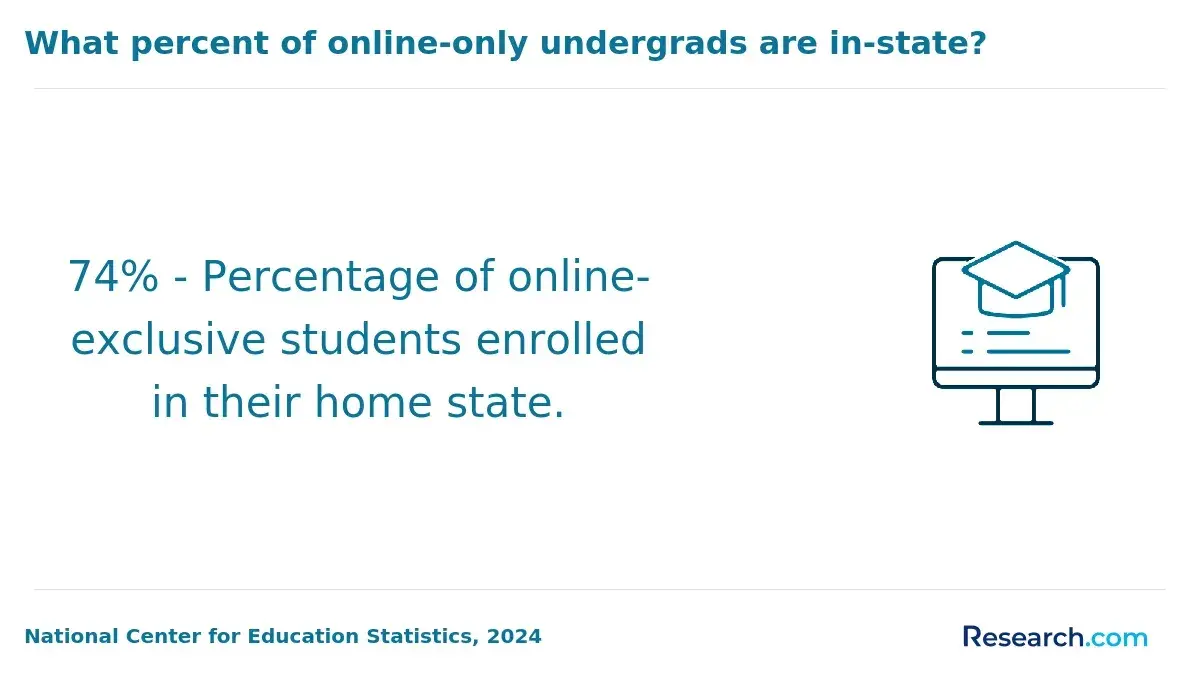
A 2024 report from the U.S. Department of Education confirms that over 65% of learners in rural or remote locations now leverage online platforms for fields like fire science, reflecting how virtual formats respond to uneven in-person availability. This shift addresses longstanding inequities in program distribution, widening educational opportunity for those in underserved regions without requiring physical proximity to campus resources.
The mechanisms supporting this transformation include asynchronous coursework and other flexible learning modalities that allow working professionals, such as firefighters and emergency responders, to balance education with job demands. Cross-state enrollment increases institutional reach, as universities can admit students beyond traditional state borders without the constraints of physical infrastructure. This scalability reduces dependence on the density of local accredited providers and mitigates regional shortages in fire science curricula.
Data from the National Fire Protection Association's 2024 Education Trends Survey showed a 40% rise in out-of-state enrollments for programs offering online fire science courses compared to those that remain onsite-only, underscoring how digital formats broaden academic availability and institutional competition simultaneously.
Beyond access, these developments influence regional workforce dynamics by helping to align educational resources with state and local emergency response needs more effectively. The increased student mobility provided by online programs may gradually drive institutions to diversify offerings and certifications to capture a wider market across state lines.
With an expanding set of online options, learners are better positioned to pursue credentials that fit their professional contexts without geographic compromise, which can affect hiring patterns and career pipelines within fire science-related agencies.
How Much Does Fire Science Program Tuition Vary by State?
Tuition for fire science degree programs exhibits significant variation across states due to differing models of public funding, institutional types, and residency pricing systems. Public universities and community colleges, which frequently host these programs, benefit from state appropriations that lower in-state tuition, creating stark cost differences for residents versus non-residents.
Private institutions lack such subsidies and rely primarily on tuition revenue, often resulting in consistently higher fees regardless of student residency. Understanding these structural nuances in education financing reveals why tuition is not arbitrary but closely tied to state budget priorities, institutional missions, and regional economic conditions affecting institutional expense bases.
Currently, in-state tuition for fire science programs at public colleges typically ranges between $3,000 and $8,000 annually, with states like Florida, Texas, and California offering more affordable rates, often below $4,000 due to robust community college systems and higher state subsidies. Northeastern states such as New York and Massachusetts frequently exceed $7,000 annually, reflecting higher living costs and different funding commitments.
Out-of-state fees often double or more compared to in-state prices, influencing the decision of students to stay local or seek out-of-state options. Private fire science programs generally exceed $15,000 per year, reflecting their reliance on tuition revenue and specialized program delivery formats. These factors underscore the complex economic landscape of fire science degree tuition costs by state, shaped by policy as much as market dynamics.
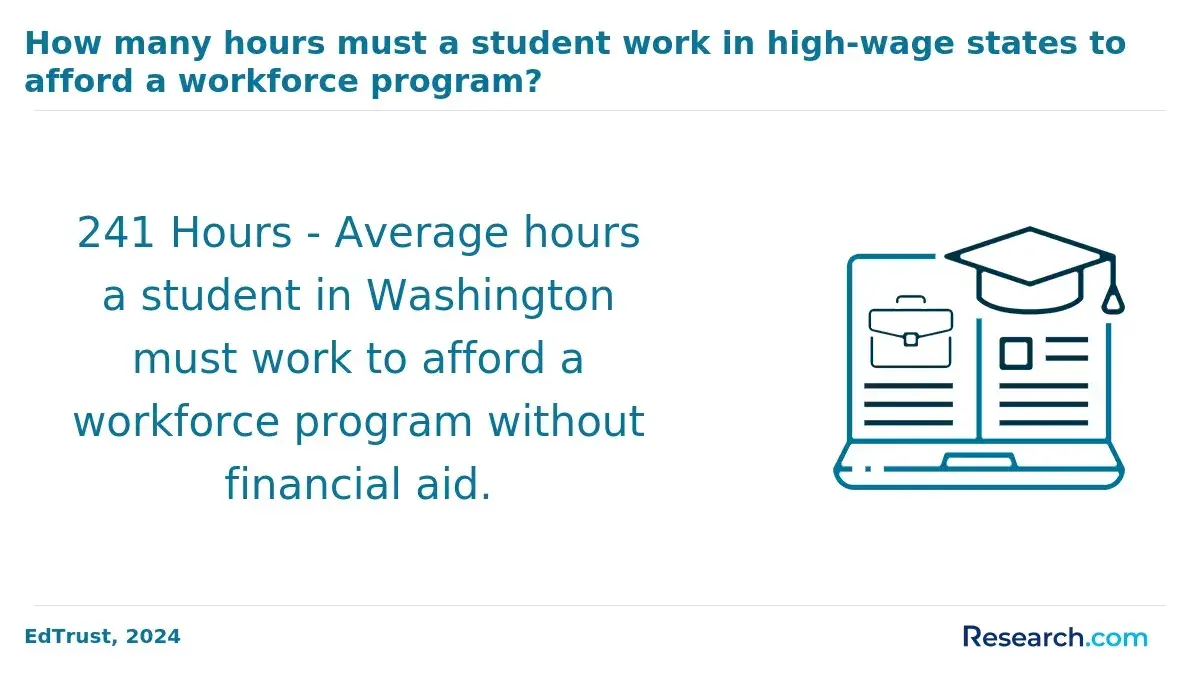
These regional variations affect affordability and access, compelling students to weigh not only price but also quality indicators such as program accreditation, local fire department recognition, and practical training availability. This is especially critical as employers value credentials linked to recognized agencies or state fire marshal offices rather than tuition cost alone. Consequently, tuition disparities have tangible implications for student mobility and program selection, where balancing cost with long-term workforce alignment is essential.
Prospective students and researchers analyzing regional variation in fire science program fees should also consider broader higher education funding trends and the limited competition in states with fewer offerings, as these shape both the diversity of academic options and financial accessibility. For those exploring related health administration pathways, resources on cahme accredited MHA programs offer a benchmark for evaluating program accreditation and cost structures in parallel fields.
How Does Fire Science Program Demand Affect Admissions Decisions?
Rising demand for fire science programs typically results in more stringent admissions criteria as institutions contend with growing interest and finite resources. When applicant pools expand, schools often raise GPA thresholds, require additional prerequisite courses, or implement competitive entrance exams to limit enrollment to candidates who best meet program standards. This selectivity serves not only to manage class size but also to align student preparedness with the operational demands and technical rigors expected in fire service careers.
Consequently, acceptance rates can drop significantly at institutions facing high demand, especially in states with robust fire science ecosystems.
The interaction between demand and admissions is tightly linked to institutional capacity factors such as faculty availability, classroom and lab space, and accreditation mandates that govern cohort sizes to ensure quality education. Labor market signals also influence enrollment strategies; regions with acute workforce needs in fire safety and emergency response may see programs adjust intake timing and standards to balance rapid credentialing with long-term graduate competence. This dynamic means that admissions decisions are not simple filters but complex, adaptive responses to fluctuating applicant quantity, quality, and regional employment priorities.
For prospective students, increasing demand shapes not only how they must prepare academically but also when and where they apply. Programs with high selectivity often gain reputational prestige, attracting even stronger applicants and perpetuating competitive cycles that can limit access for some candidates. Those outside peak demand areas may find more flexible admissions but potentially fewer experiential learning opportunities tied to cohort size and funding.
Understanding these patterns offers critical context for navigating fire science admissions beyond a mere acceptance or rejection outcome.
How Do Fire Science Specialization Options Vary by Region?
The variety of Fire Science specialization options available in the United States closely mirrors regional economic priorities and the structure of local industries. Urbanized states with dense industrial bases, such as California and New York, tend to offer specializations in fire prevention engineering, hazardous materials management, and emergency medical services, reflecting the complex risk environments these areas face. Conversely, Western states with extensive wildlands prioritize specializations like wildland fire management and prescribed burning, aligning their curricula with federal land management partnerships and wildfire mitigation needs.
Southeast and Gulf Coast programs integrate disaster preparedness and multi-hazard emergency management, shaped by the frequency of hurricanes and floods, while Midwestern states emphasize fire investigation and forensic applications consistent with their industrial and technological sectors.
Key factors driving these regional disparities include the concentration of dominant industries, state-level workforce demands, and university research strengths supported by employer engagement. For instance, institutions in the West frequently collaborate with agencies such as the U.S. Forest Service, enhancing the practical relevance of wildland fire management programs. In urban centers, academic programs often respond to the demands of large-scale industrial and healthcare employers requiring expertise in hazardous materials and emergency medical response.
A 2024 report from the National Fire Protection Association highlights that 68% of fire science programs in Western states feature wildland-focused specializations, a stark contrast to less than 20% in the Midwest and Northeast, underscoring how regional ecosystems shape academic offerings to match local labor markets.
These regional differences in specialization have tangible implications for students and workforce analysts considering cross-state mobility or niche career goals. Choosing a program outside a region's core focus can limit access to specialized training and employer networks aligned with local hazards and industry demands. Therefore, understanding the geographic distribution of Fire Science specializations is critical for aligning educational investments with long-term employability and for anticipating how shifting economic and environmental challenges might reshape future program priorities.
How Does Regional Employer Demand Affect Career Outcomes?
Regional employer demand for fire science careers critically shapes job availability and initial career outcomes for graduates. Areas characterized by dense populations or recurrent wildfire activity-such as California, Texas, and Florida-demonstrate employment rates up to 15% above national averages according to U.S. Bureau of Labor Statistics data. This elevated demand translates into more immediate hiring opportunities, higher entry-level salaries, and access to frontline roles that accelerate skill development. Conversely, graduates in regions with lower demand may encounter lengthier job searches and a narrower scope of entry positions, affecting immediate employability and compensation potential.
The mechanisms behind this regional variability include concentrated industry clusters, employer-university partnerships, and localized wage competition. Urban centers and states with well-established municipal fire departments, emergency services, and private fire protection firms foster specialized hiring ecosystems that prioritize technical certifications and applied experience beyond degree credentials alone.
These environments sustain collaborative pipelines, including internships and networking channels, which directly influence early career trajectories. Moreover, regional wage structures reflect the intensity of labor demand, incentivizing graduates to pursue opportunities where compensation aligns with required expertise and risk exposure, thereby affecting geographic workforce distribution.
Regional patterns in fire science job opportunities by state also implicate long-term career decisions such as mobility and specialization. Graduates may weigh relocation against local market constraints, balancing the benefits of established regional demand against personal and economic considerations of migration. While remote work expansion is limited in this field due to its operational nature, understanding these labor market nuances is vital for aligning educational choices with practical employment prospects.
Prospective students and researchers can also draw parallels with other fields featuring complex labor geographies, including healthcare pathways like accelerated RN to NP programs, where regional employer demand similarly shapes career outcomes.
What Factors Matter Most When Comparing Fire Science Programs Across States?
Comparing fire science degree programs across states requires analysis beyond mere program availability. State-level variations in tuition rates, specialization tracks, employer demand, and educational partnerships can profoundly influence both access to education and post-graduation outcomes. Understanding these differences is essential for prospective students aiming to balance cost, program quality, and long-term career prospects effectively within varied regional contexts.
- Curriculum Comprehensiveness and Hands-on Training: States that mandate a higher percentage of practical training within fire science programs tend to produce graduates better prepared for operational roles. According to the National Fire Protection Association's 2024 report, programs offering at least 30% hands-on experience achieve a 20% higher employment rate in fire service careers. This factor directly impacts employability and readiness for field demands.
- State and National Certification Alignment: Alignment with certifications such as those from the National Board on Fire Service Professional Qualifications ensures graduates meet employer licensing requirements without delay. Variability among states in recognized certifications can create disparities in graduates' readiness to enter the workforce promptly, affecting their competitive advantage.
- Industry and Fire Department Partnerships: Programs in states with extensive collaboration agreements facilitate stronger pipelines to employment and internships. A 2024 workforce study found a 35% higher job placement rate within six months among graduates from schools with formal fire service partnerships. Such networks critically influence career entry and advancement opportunities.
- Availability of Specialized Tracks: Regional fire risks shape the presence of specialized tracks like wildland fire management or industrial fire protection. States with tailored specialization offerings better match local job market demands, which can enhance both educational relevance and employment prospects.
- Tuition Costs and Financial Aid Accessibility: Differences in in-state tuition rates and financial support options across states impact affordability. Balancing cost against program outcomes is vital, especially for students weighing long-term return on investment in a field with varied regional demand.
These factors collectively shape the landscape of fire science degree program availability by state and highlight important regional differences in fire science program options. For students navigating these complex variables, understanding how state-level ecosystems affect quality, access, and workforce alignment is key to making informed educational decisions.
For those considering related educational or career options, resources like how to become an athletic director also illustrate the importance of regional differences and certification pathways in public service professions.
Which Regions May See the Fastest Growth in Fire Science Education?
Growth in fire science education tends to concentrate in regions where employer demand, demographic expansion, and investments in higher education intersect. These regional expansions are closely tied to broader economic and workforce developments, reflecting local needs for advanced emergency management and public safety expertise.
Understanding which areas are positioned for growth requires analyzing population trends, institutional capacity, and workforce shortages that sustainably drive academic program development.
- Southeast: This region, including Florida and Texas, shows strong growth potential due to rapid urban population increases and rising public safety funding priorities. Expanding metropolitan areas create urgent demand for personnel with advanced fire science skills, encouraging universities to broaden program offerings and practical training options.
- West Coast: California and neighboring states face growing wildfire risks coupled with progressive investments in wildfire management education. The emphasis on technology-based training and crisis response strategies aligns with a labor market seeking specialists capable of addressing evolving local challenges.
- Mountain West: States in this region experience moderate growth driven by wildfire interface zones and increasing community resilience efforts. Educational institutions are gradually expanding fire science curricula to address these specialized needs, although overall program breadth remains more limited than coastal areas.
- Midwest: Industrial and municipal fire safety needs maintain steady but slower growth. Here, fire science education often integrates with broader industrial safety and emergency preparedness programming, reflecting regional economic structures and employer demand patterns.
- Northeast: Growth is more measured, with program development focusing on urban fire safety and emergency management. Institutional expansions are present but more constrained, linked to slower population growth and existing saturation of fire science offerings.
References:
- Why California is the best-equipped state to deal with wildfires https://abcnews.com/US/california-best-equipped-state-deal-wildfires/story
- Online Bachelor's Degrees in Fire Science: Compare Programs https://www.degreesforgood.org/online-degrees/fire-science-programs/bachelors/
- About the Fire University - APoż https://apoz.edu.pl/en/about-the-fire-university/
- Fire Science and Emergency Services - Lakes Region Community College https://www.lrcc.edu/program/fire-science-program/
- 3 Key Factors for Firefighters to Consider When Selecting a Bachelor’s Degree https://www.firefighternation.com/fire-leadership/career-development/3-key-factors-for-firefighters-to-consider-when-selecting-a-bachelor-s-degree/
- Earn Your Fire Science Degree Online https://waldorf.edu/lp/online-fire-science-degree/
- Fire Science Technology - Human Services | Ozarks Technical Community College https://ozarkstech.edu/programs/human-services/fire-science-technology/
- Pikes Peak State College, PPSC https://www.pikespeak.edu/programs/fire-science-technology/index.php
- A Complete Guide for Fire Science Degrees https://www.columbiasouthern.edu/blog/blog-articles/2025/january/fire-science-degree-guide/
- Professional Status: The Future of Fire Service Training and Education http://coloradofirecamp.com/usfs_doctrine/professional-status-part-3.htm
Other Things You Should Know About Fire Science
States with multiple fire science programs often offer a broad range of specializations, but this diversity can come with uneven quality or depth across schools. Students must evaluate whether the available options provide true expertise or merely superficial variants of the core curriculum. Prioritizing schools with focused tracks aligned to specific career goals-such as fire investigation, emergency management, or wildfire science-will better prepare students than choosing a state based solely on the number of programs.
Having many programs in one state doesn't guarantee equal emphasis on practical skills or field experience. Some schools emphasize classroom theory, while others integrate extensive lab work, simulations, or partnerships with local fire departments. Students should prioritize programs where hands-on training matches industry expectations, as this correlates strongly with employability and readiness for real-life firefighting challenges.
Not necessarily. High-profile programs may have larger class sizes and less personalized mentorship, potentially limiting meaningful instructor engagement and network building. Students may do better by selecting smaller programs within those states that demonstrate strong faculty involvement and alumni connections, as these factors significantly impact professional growth and job referrals over time.