2027 Fire Science Degree Completion Time Report: How Long Students Actually Take to Graduate

Co-Founder and Chief Data Scientist
Many students pursuing a fire science degree face unpredictable timelines shaped by work obligations, transfer credits, and part-time enrollment. Unlike rigid catalog estimates, real completion times reflect complex balancing acts between employment, family responsibilities, and academic pacing. Data from the National Student Clearinghouse Research Center in 2024 highlight widening gaps between initial enrollment and graduation dates nationally, emphasizing delayed progress often linked to nontraditional student profiles common in fire science fields.
Employer expectations for practical experience further complicate timelines, as internships or field training may extend degree duration. This report examines how long students actually take to finish fire science degrees, uncovering critical factors shaping these outcomes.
Key Things You Should Know About Fire Science Degree Completion Time
- Most fire science degree programs take two to four years to complete. Associate degrees are typically completed in two to three years, while bachelor's programs generally require about four years. Part-time enrollment, field training, and work or family responsibilities can extend completion to five years or longer.
- Graduation speed depends on both program structure and personal circumstances. Enrollment status, transfer credits, certification or field training requirements, course sequencing, and online versus campus-based study all influence how quickly students complete their degree.
- Graduating faster isn't always the best path to career success. Although accelerated and online programs may shorten completion time, employers generally place greater value on practical firefighting experience, professional certifications, and job-ready competencies than on how quickly a degree was earned.
- What Is the Average Graduation Time for Fire Science Students? Average Graduation Timeline
- What Factors Have the Biggest Impact on Graduation Speed? Graduation Timeline Factors
- How Does Full-Time Versus Part-Time Enrollment Affect Graduation Timelines? Full-Time vs. Part-Time Graduation Timeline
- Do Online Fire Science Students Graduate Faster Than Campus-Based Students? Do Online Fire Science Students Graduate Faster Than Campus-Based Students?
- How Many Months or Years Can Transfer Credits Save? How Many Months or Years Can Transfer Credits Save?
- Do Accelerated Fire Science Programs Significantly Reduce Completion Time? Accelerated Program Timeline
- Which Fire Science Program Requirements Most Often Extend Graduation Timelines? Factors Extending Graduation Timeline
- Does Taking Longer to Graduate Increase the Cost of a Fire Science Degree? Impact on Program Cost
- Does Graduating Faster Improve Career Prospects? Impact on Career Prospects
- Which Scheduling Mistakes Commonly Delay Graduation? Mistakes to Avoid
What Is the Average Graduation Time for Fire Science Students?
The average graduation time for fire science students typically spans about two to three years for an associate degree when pursued full-time, while bachelor's degree programs generally require close to four years of dedicated study. These typical degree completion times for fire science programs reflect standard academic pacing but do not account for the growing number of students who balance coursework with active professional responsibilities, such as firefighting or emergency medical roles. Part-time enrollment and flexible online formats, increasingly common across fire science education, tend to extend graduation timelines beyond the traditional benchmarks, often stretching completion to five years or more. National Center for Education Statistics data from early 2024 emphasize that the interaction between enrollment status and program design strongly shapes these projected durations.
Variations in graduation time derive from multiple factors, including credit load per term, the presence of practicum or internship requirements, and the availability of transfer credits from related fields such as emergency medical services. Students entering with prior applicable coursework often shorten their path, while those needing remedial classes or managing work schedules may require extra semesters. The choice between on-campus and online or hybrid program formats further complicates timelines, since paced progression models prioritize flexibility but can delay graduation. Additionally, preparatory steps like certification exams embedded within the curriculum influence how long candidates remain in their programs, as employers increasingly seek well-rounded candidates demonstrating both academic achievement and practical skills.
Given these dynamics, prospective students and education planners should consider how graduation timing affects not only academic planning but also financial investment and entry into the fire service workforce. Delayed completion can increase overall educational costs and postpone career advancement opportunities, underscoring the importance of aligning program selection with individual circumstances and responsibilities. For those exploring flexible pathways, reviewing alternatives such as the best online RN to BSN programs might provide insight into how other fields manage flexible, competency-based progression alongside rigorous career demands.
What Factors Have the Biggest Impact on Graduation Speed?
Graduation speed in fire science degree programs is shaped by a complex interplay of academic planning, institutional policies, and individual circumstances rather than any single factor. Students' decisions on enrollment status, course load, and program format interact with institutional structures and external obligations, creating widely varying timelines even within similar curricula. Grasping these dynamics enables prospective students, particularly working adults and transfer candidates, to set realistic expectations and choose academic paths aligned with their professional and personal constraints.
- Enrollment Status and Course Load: Full-time enrollment accelerates degree completion by allowing students to progress through fire science program requirements consecutively without extended breaks. Part-time students, who often juggle work or family commitments, extend their timelines, a trend reflected in a 2024 National Center for Education Statistics report finding that 60% of public safety degree completers were part-time. The balance between workload intensity and outside responsibilities fundamentally shapes how quickly credits accumulate.
- Transfer Credits and Institutional Policies: Transfer students who enter with previously earned credits can shorten their time to degree if those credits are fully recognized. However, variability in credit acceptance and prerequisite alignment can compel some students to retake courses, delaying progress. This factor is critical in fire science because many transfer applicants arrive from related technical fields or certificate programs, underscoring the importance of clear articulation agreements and advising support.
- Program Delivery Format: Traditional in-person fire science programs often adhere to fixed semester schedules limiting accelerated pacing, while online or hybrid formats offer flexibility through self-paced or intensified course loads. Although these models can enable faster completion for disciplined students, they may also introduce risks of delay due to the self-management demands and reduced immediate academic support. Institutional capacity to provide cohort structures or mentorship can mitigate these challenges.
- Work and External Responsibilities: Many fire science students work in emergency services or related roles during their studies, creating schedule conflicts and fatigue that slow academic progress. Balancing shift work with coursework often pushes students toward part-time enrollment and extends the graduation timeline. This reality influences decisions around program format and enrollment, highlighting the need for flexible academic policies that accommodate professional demands.
- Academic Readiness and Support Systems: Foundational competencies in science and math influence how quickly students assimilate fire science content. Those requiring remediation or supplemental tutoring take longer to graduate, especially if programs lack robust advising and mentoring frameworks. Cohort-based learning models and targeted academic support can improve persistence and reduce time-to-degree by fostering steady progression.
Understanding these factors illuminates why timelines vary so widely and how enrollment strategy, program design, and personal circumstances coalesce to shape outcomes. For working adults and transfer students navigating these variables, informed decision-making around course load and format-sometimes informed by resources like the cheapest RN to BSN online-can critically influence completion speed and career trajectory.
How Does Full-Time Versus Part-Time Enrollment Affect Graduation Timelines?
Enrollment status markedly affects how long it takes to complete a fire science degree, with full-time students generally finishing within the standard two to four-year timeframe and part-time students extending their studies by one to three additional years. Full-time learners benefit from sustained academic engagement and consistent credit loads, enabling them to progress steadily without interruption. In contrast, part-time students often experience slower advancement due to fewer credits per term, which lengthens the time needed to meet degree requirements. Data from the 2024 National Center for Education Statistics (NCES) reveal that this divergence is prevalent across institutions, reflecting a systemic impact of enrollment choices on graduation timelines.
Key factors shaping these timelines include the required course load each term, the sequencing and availability of prerequisite classes, and the format in which programs are delivered. Full-time students typically adhere to a coordinated course schedule, facilitating consistent progression, while part-time students must navigate scheduling conflicts, limited course offerings, and institutional policies that may restrict enrollment options. Additional external responsibilities-such as full-time employment, shift work, or caregiving duties-frequently influence part-time students' capacity to maintain momentum, causing further delays. Transfer students also face potential extensions due to credit evaluations and fulfillment of specific program prerequisites.
These enrollment-driven differences have tangible implications beyond graduation dates. Full-time status often aligns with accelerated entry into the workforce, which many employers in fire service sectors value for both hiring competitiveness and eligibility for advancement. Conversely, part-time students gain flexibility to accumulate relevant field experience alongside education but incur opportunity costs through deferred completion and prolonged educational expenses. Such tradeoffs influence financial planning, academic workload management, and readiness to meet employer expectations in emergency response roles, underscoring the necessity for students to carefully assess their circumstances when selecting an enrollment path.
Do Online Fire Science Students Graduate Faster Than Campus-Based Students?
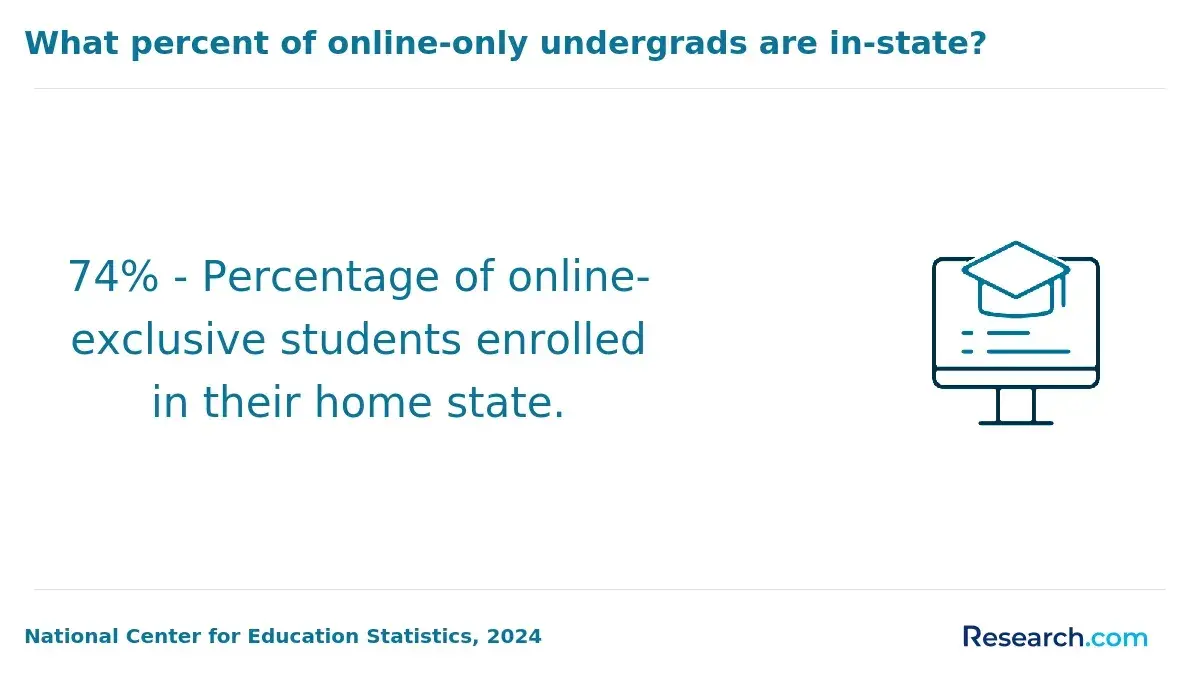
There is a common assumption that online fire science students complete their degrees more rapidly than their campus-based counterparts due to perceived scheduling flexibility and lack of commuting. However, data from the National Center for Education Statistics in 2024 indicates this is often not the case. In fact, less than 40% of online students graduate within four years compared to nearly half of on-campus cohorts, with median completion times extending beyond five years online versus under five years on campus. These findings highlight that the modality alone does not guarantee faster progression, as student circumstances and program design heavily influence outcomes.
Graduation speed in fire science programs is shaped by several intertwined factors. Online formats offer self-paced learning paths, enabling enrolled individuals-often working adults-to juggle education alongside employment and family responsibilities, which can delay completion despite flexible course scheduling and year-round enrollment options. Conversely, on-campus students more frequently maintain full-time status and benefit from structured timelines, on-site labs, and direct access to internships, all of which may streamline degree attainment. The balance between part-time versus full-time enrollment, the necessity of practical experience, and institutional policies on course loads are critical determinants that transcend the delivery method itself.
Choosing between online and campus-based fire science modalities involves weighing these complexities alongside personal time management capabilities and career entry timelines. While online learners might extend their studies to accommodate life demands, this flexibility also enables continuation without interruption, which some students leverage to finish efficiently. Employers familiar with the field recognize these differences and often value demonstrated competence and certifications over speed of graduation. The decision should thus consider how educational pacing aligns with professional goals and realistic availability rather than a presumed advantage in one format.
A fire science graduate recalled applying through a rolling admissions process for an online program while working full time and caring for family. The admission notifications arrived unpredictably, prompting hesitation about when to commit and how soon to start courses. This uncertainty delayed initial enrollment by several months, lengthening the total time to degree. Ultimately, the candidate appreciated the ability to adapt the start and pacing around job shifts but recognized that the flexible timeline required proactive planning to avoid unintended postponement in graduating.
How Many Months or Years Can Transfer Credits Save?
Transfer credits can substantially reduce the time needed to complete a fire science degree, with savings typically ranging from several months to more than a year depending on the volume and relevance of credits accepted. The actual months saved with transfer credits in fire science programs vary widely because credit recognition often hinges on how closely prior coursework aligns with program requirements. Recent data from the National Center for Education Statistics indicates that students who bring substantial, well-matched transfer credits can cut their degree duration by 6 to 18 months compared to those starting without prior credits. This variability underscores how individual academic histories and course content compatibility critically shape degree completion timelines.
The key determinants of how many months or years transfer credits save revolve around institutional policies and course equivalency standards. Accreditation compatibility influences whether previously earned credits are accepted as fulfilling core or elective requirements, while residency rules set minimum credit hours students must complete directly through the institution offering the fire science degree. Programs often place limits on maximum transferable credits, commonly accepting around 30 credit hours-roughly a full academic year-but this cap varies and affects how much time is truly shaved off the degree path. Consequently, students face different outcomes depending on articulation agreements, credit evaluation rigor, and curricular overlap between sending and receiving institutions.
Beyond accelerating academic progress, transfer credits influence broader structuring of a student's plan, financial costs, and the sequencing of remaining coursework. Effective academic advising becomes essential to optimize the use of transfer credits, helping students avoid redundancy or content misalignment that could extend time due to remedial courses or certification gaps. While transfer credits can be a strategic asset, navigating these factors demands careful consideration to balance shortened timelines against program integrity and workforce readiness. For those exploring cross-disciplinary options or returning to education later in life, reviewing resources like the best online biology degree programs may offer insights into credit transfer processes in related fields.
Do Accelerated Fire Science Programs Significantly Reduce Completion Time?
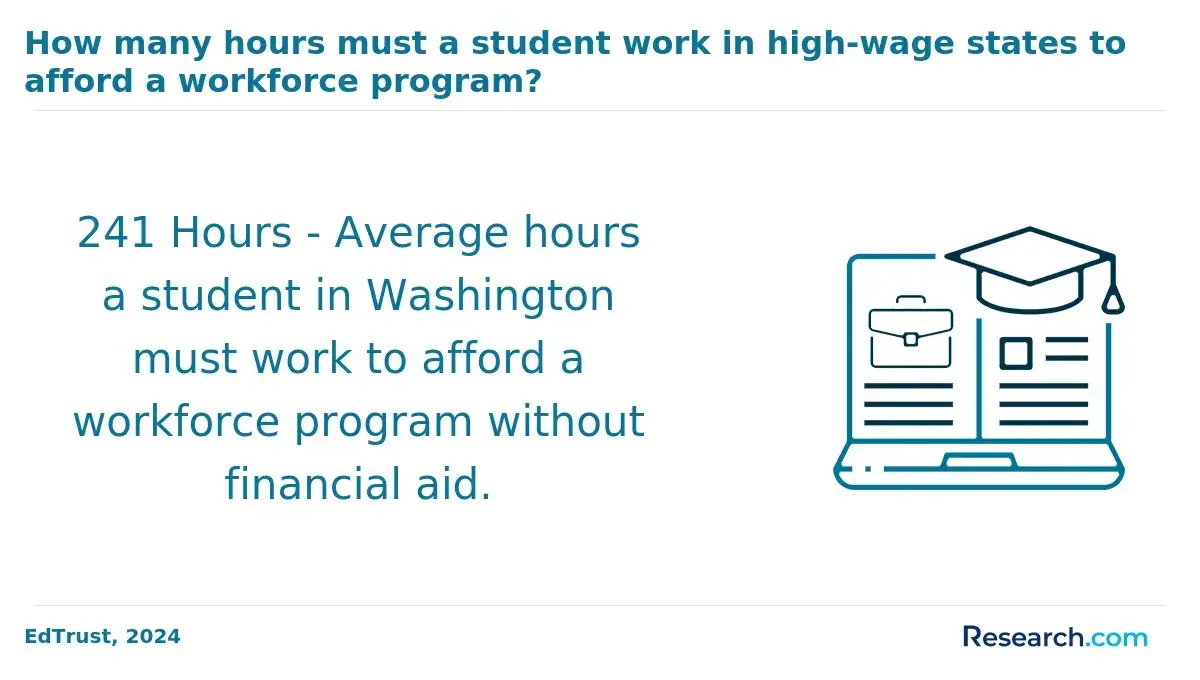
Accelerated fire science programs aim to compress the traditional timeline for degree completion by increasing course density and reducing downtime between terms. These formats often rely on year-round enrollment, more frequent course offerings, and the option to test out of certain general education requirements. The structure is intended to enable students to finish faster than the typical four- to five-year trajectory seen in conventional programs. However, this acceleration depends heavily on the institution's curriculum design and how effectively it manages prerequisites and sequential courses without bottlenecks.
Actual time savings hinge on multiple factors, including the intensity of the course load each term and whether program requirements such as internships, capstones, or field experiences remain fixed in length. Even if coursework is condensed, limits on the maximum credits per semester or necessary pacing for mastery can extend the graduation timeline. Additionally, accelerated formats sometimes reduce elective options to streamline content, which influences the breadth but not always the depth of training. The ability to transfer relevant credits or professional experience also plays a critical role in shortening completion time within these compressed schedules.
The trade-offs connected with accelerated fire science paths are significant. Students must sustain a heavier workload with less flexibility, which can stress time management especially for those balancing employment or family commitments. This intensity may impact learning retention and the opportunity for hands-on experiences critical to employability. For many, the compressed pace may create fatigue or the need to pause their studies, partially offsetting the intended speed advantage of accelerated delivery.
One recent graduate recalled weighing her options amid the rolling admissions timeline for an accelerated fire science degree. Early in the process, she hesitated because she wasn't certain she could maintain a full accelerated course load alongside her job. When her acceptance arrived later than expected, she debated beginning immediately or taking a semester off to prepare. Ultimately, she chose to start on schedule but reduced her initial credit load, which meant she did not finish significantly earlier than traditional students, highlighting how preparation and personal pacing can reshape anticipated completion time even in accelerated programs.
Which Fire Science Program Requirements Most Often Extend Graduation Timelines?
Extended graduation timelines in Fire Science programs often stem less from total credit requirements and more from specific curricular components that integrate practical training and professional standards. These mandatory elements are designed to ensure graduates possess essential skills but inherently introduce constraints related to scheduling, pacing, and institutional delivery. Understanding how these factors interact clarifies why many students encounter delays despite steady academic progress.
- Hands-On Practical Certifications and Emergency Response Training: Fire Science curricula commonly require students to complete specialized certifications and supervised fieldwork. These elements demand fixed scheduling around limited class cohorts, seasonal availability, and instructor-led sessions, which can create bottlenecks, especially for working adults balancing external commitments.
- Prerequisite Coursework in Core Sciences: Foundational classes in anatomy, fire chemistry, or hazardous materials management frequently have limited offerings each term. Missing these prerequisites blocks access to advanced courses, pushing students beyond the typical program timeframe. This structural sequencing delays progression more than the credit load itself.
- General Education Requirements and Transfer Credit Complexities: While general education aims to bolster communication and analytical skills, transfer students often confront issues with credit recognition, necessitating course repetition. This can extend timelines unpredictably based on differing institutional policies and articulation agreements.
- Capstone Projects or Thesis Requirements: When included, these research-intensive components depend heavily on faculty availability and resource access. They pose challenges for timely completion since coordination delays can stall degree conferral without proportionate employment benefits relative to practical certifications.
National labor market analyses from 2024 reveal that approximately 35% of fire science students exceed typical two-year associate degree completion timelines, with prerequisite course access and certification scheduling among the primary factors cited. These delays highlight how curriculum design's emphasis on professional readiness interacts with student circumstances to influence overall completion speed.
Does Taking Longer to Graduate Increase the Cost of a Fire Science Degree?
Taking longer to graduate with a fire science degree generally increases the total tuition and associated expenses, since many institutions charge per credit or per term. Extended enrollment often results in paying additional tuition, fees, and sometimes losing eligibility for financial aid geared toward standard completion timelines. For example, as noted by the National Center for Education Statistics, students who exceed typical graduation periods can face roughly 20% higher expenses, driven by prolonged tuition payments and incremental costs like textbooks or lab fees. This dynamic is especially relevant given that many fire science degree completion cost impact considerations include lost income potential, with salary ranges for related emergency service roles varying widely but often reflecting incremental financial setbacks for delayed workforce entry, according to labor market reports from Lightcast and the U.S. Bureau of Labor Statistics. Such realities mean that extended academic timelines compound both direct educational costs and indirect economic implications, challenging students who must balance pacing with affordability.
However, the effect of longer graduation timelines on overall expenses depends heavily on enrollment status and institutional pricing models. Programs with flat-rate tuition or flexible part-time enrollment pricing can mitigate cost increases by allowing students to spread coursework without additional per-credit charges. Employer tuition assistance and scholarships that accommodate extended study also play a role in offsetting incremental costs. Enrollment decisions, including whether to take lighter course loads during certain terms, impact how fees accumulate and influence eligibility for financial aid, shaping the total financial burden over time. Students weighing how graduation timeline affects fire science degree expenses should also explore alternative pathways, such as accelerated or flexible scheduling akin to those found in accelerated FNP programs, which may reduce overall time and cost without sacrificing educational quality.
Does Graduating Faster Improve Career Prospects?
Graduating faster from a fire science degree program can accelerate early entry into the workforce and position graduates to begin their job search sooner, which might seem advantageous in competitive labor markets. However, employers generally do not assess graduation speed in isolation. Instead, they focus on a candidate's overall readiness, including practical skills and relevant experience. Consequently, simply completing the degree in a shorter time frame does not guarantee improved employment outcomes or a stronger initial hiring position.
The impact of accelerated fire science degree completion on job opportunities depends heavily on factors such as internship experience, demonstrated skill mastery, and networking within the fire service community. Candidates who graduate quickly but lack field exposure or certifications may be viewed less favorably compared to those who balanced their studies with meaningful professional development. Workforce timing must also align with industry demand, since graduating early without a solid portfolio and relevant credentials often limits upward mobility despite a faster degree completion.
Trade-offs between completing the degree rapidly and gaining in-depth applied experience carry long-term career implications. Students should weigh how expedited timelines affect their opportunities for internships, volunteering, and certifications like EMT or HazMat that enhance employability. For many seeking career benefits in the United States, a well-paced fire science degree paired with hands-on experience consistently offers a more reliable foundation than speed alone. Those planning their education might also consider how programs designed for working adults interact with practical constraints-a perspective applicable across educational paths including those exploring roles such as athletic director salary trajectories.
Which Scheduling Mistakes Commonly Delay Graduation?
Graduation delays in fire science programs are frequently rooted not just in academic difficulty but in avoidable scheduling and enrollment mistakes. These errors affect students across degree levels and formats by disrupting the logical sequencing and credit accumulation essential for steady degree progress. Recognizing how planning missteps interfere with institutional policies and prerequisite chains clarifies why many students exceed standard program timelines.
- Underestimating Credit Load Requirements: Students often enroll in fewer credits per term than needed to stay on track, balancing work or personal demands. This prolongs the program beyond the typical two to four years as credit accumulation slows and semester availability limits acceleration.
- Late or Inconsistent Course Registration: Gaps between semesters caused by delayed enrollments or erratic patterns break learning continuity. Since fire science curricula require sequential completion, interruptions delay prerequisite fulfillment and impede momentum toward graduation.
- Transfer Credit Misalignment: Transfer students frequently encounter incomplete credit recognition or misaligned equivalencies within fire science programs. This forces retaking courses or adding prerequisites, significantly extending the time to degree due to institutional articulation gaps.
- Poor Sequencing of Prerequisites: Taking courses out of order-often due to inadequate advising-disrupts progression since many fire science programs mandate strict prerequisite chains. This results in wait times for offered courses and prevents enrollment in advanced classes necessary for timely completion.
- Insufficient Academic Advising: Lack of proactive guidance leads to unnecessary or repeated coursework and inefficient term planning. Academic advisors play a crucial role in navigating credit requirements and course availability to optimize student trajectories.
Data from the 2024 National Center for Education Statistics shows nearly 40% of applied science students, including fire science cohorts, extend study beyond four years primarily due to part-time enrollment and course bottlenecks. Employers in public safety fields emphasize timely graduation, underscoring that overcoming these planning pitfalls is critical for aligning education with workforce demands.
Other Things You Should Know About Fire Science
For many fire science students, especially those already employed in emergency services, maintaining a work-study balance is critical but challenging. Programs that require hands-on training or fieldwork alongside academic coursework can extend completion times if employers cannot offer flexible schedules. Realistically, students should assess their ability to commit to practical components without sacrificing job performance, as workplaces may expect reliable availability, which can slow academic progress if not managed carefully.
Employers often value relevant certifications and hands-on experience over completing a degree rapidly. This means some students may prioritize gaining field experience while progressing more slowly through coursework. Students should weigh whether employers in their region prefer specific certifications or online education speed; pursuing the degree at a pace that supports both practical skill development and academic milestones usually yields better long-term employability.
Cohort-based programs tend to have fixed schedules and sequential courses, which can prevent students from accelerating graduation but also reduce scheduling conflicts. Open enrollment programs offer more flexibility but may require greater self-discipline to avoid delays caused by course availability or personal scheduling issues. Prospective students should consider whether they prefer the predictability of cohort systems or the adaptable pacing of open enrollment, depending on their external time constraints and learning preferences.
For working adults in fire science programs, balancing degree completion with job responsibilities often requires prioritizing time management and utilizing flexible study options. The 2027 report indicates that part-time enrollment or online courses offer a practical solution for many, allowing them to extend program completion time without overwhelming their professional commitments.