2027 Cheapest and Shortest Online Real Estate Degree Programs That Pay Well: Cost, Duration, and Salary Outlook

Co-Founder and Chief Data Scientist
Choosing an online real estate degree usually comes down to three questions: How much will it cost, how quickly can you finish, and will the credential help you earn more or move into a better role? The cheapest and shortest programs can be useful for working adults, career changers, and students who want a real estate-focused credential without committing to a long, expensive campus-based degree.
The trade-off is that speed and low tuition do not automatically equal value. A program should still be accredited, aligned with your career goals, transparent about total cost, and realistic about licensure and job outcomes. This guide explains what affordable online real estate degrees typically cost, how accelerated formats work, what skills students build, which careers may pay more, and how to compare programs before enrolling.
Key Benefits of the Cheapest and Shortest Online Real Estate Degree Programs That Pay Well
- Lower tuition rates for online real estate degree programs reduce student debt, with average costs around 40% less than traditional on-campus options, making education more accessible.
- Accelerated online real estate degrees can be completed in as little as 12 months, enabling quicker entry into the workforce and faster career advancement.
- Graduates of affordable, short programs report median salaries exceeding $60,000 annually, highlighting a strong return on investment in a growing real estate job market.
How Much Does an Affordable Online Real Estate Degree Typically Cost?
An affordable online real estate degree commonly costs less than a traditional campus-based option, but the total price depends on the school, credential level, transfer credits, fees, and how quickly you complete the program. According to the National Center for Education Statistics, the average online tuition rate per credit hour is about $421, often lower than traditional in-person rates.
Most students should compare programs by total cost, not tuition alone. A low per-credit rate can still become expensive if the program requires more credits, charges high technology fees, or does not accept transfer coursework.
- Tuition range: Full program costs typically fall between $10,000 and $25,000 depending on the institution and credit requirements. Programs at the lower end may be associate degrees, transfer-friendly bachelor’s completion programs, or public college options.
- Cost per credit: Most online real estate programs charge tuition on a per-credit basis, with rates commonly between $300 and $600 per credit hour. If you already have general education credits, the per-credit price matters less than the number of credits you still need.
- Online versus on-campus costs: Online tuition tends to be more affordable than on-campus offerings due to reduced facility and campus maintenance costs. Online students may also save on commuting, parking, relocation, and some campus-based fees.
- Additional expenses: Beyond tuition, students should budget for mandatory fees, technology requirements, textbooks, digital platforms, exam preparation, and course materials, which can add several hundred dollars to total costs.
- Program length and cost efficiency: Accelerated real estate programs may reduce total tuition and opportunity cost by helping students finish faster. However, a shorter schedule can be more demanding, especially for students working full time.
Before applying, ask each school for a written cost estimate that includes tuition, fees, books, transfer-credit assumptions, and the expected number of terms to graduation. Students comparing affordability across fields can also review resources such as bcba online masters programs to see how program structure affects total cost and career planning.
Can You Get Financial Aid in the Cheapest Online Real Estate Programs?
Yes, students in the cheapest online real estate degree programs may qualify for financial aid, but eligibility depends on the school, credential type, accreditation, enrollment status, and the student’s financial profile. Nearly 70% of undergraduate online students receive some form of financial aid, making aid a major factor in whether a low-cost program is truly affordable. Some accelerated real estate programs have tuition costs ranging from $200 to $400 per credit.
The most important step is confirming that the school participates in federal student aid programs. Some short certificate or non-degree real estate training options may be useful for licensing preparation, but they may not qualify for the same aid as an accredited degree program.
- Federal grants: Pell Grants provide significant funding for students demonstrating financial need. These grants do not require repayment, so eligible students should prioritize them before borrowing.
- Scholarships: Schools, foundations, business groups, and real estate organizations may offer scholarships for real estate, finance, business, or career-transition students. Scholarship deadlines can come earlier than admission deadlines, so apply early.
- Loans: Loans can help cover remaining costs, but students should borrow cautiously. Real estate income can vary by role, market, commission structure, and experience, so debt should be weighed against realistic early-career earnings.
- Employer tuition assistance: Students already working in brokerage, property management, mortgage, insurance, banking, construction, or development may be able to use employer tuition benefits. Ask whether the employer requires a minimum grade or a post-completion work commitment.
- Eligibility and application: Aid eligibility often depends on enrollment status, income, citizenship, satisfactory academic progress, and whether the program is aid-eligible. Students should complete the FAFSA early and compare aid offers from multiple schools.
When reviewing financial aid packages, separate grants and scholarships from loans. A program with a higher sticker price may cost less out of pocket if it offers stronger institutional aid, while a very cheap program may be harder to finance if it is not eligible for federal aid. Comparing engineering degrees online cost structures and financial aid opportunities can also give students perspective on how different online programs package tuition, fees, and aid.
What Are the Shortest Online Real Estate Degree Programs?
The shortest online real estate degree programs are usually accelerated associate degrees, bachelor’s completion programs, or focused certificates connected to real estate, business, finance, or property management. Data from the National Center for Education Statistics shows that fast-track online degrees can reduce completion times by up to 30%, which is why these programs appeal to working adults and career changers who want to enter the field sooner.
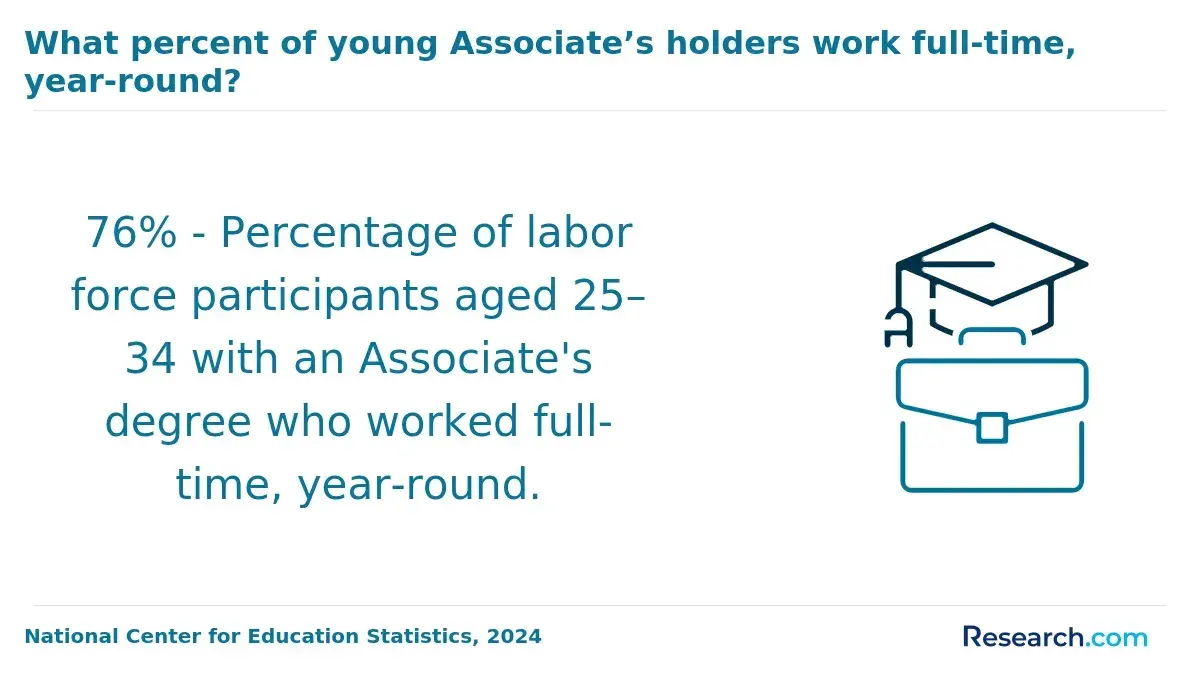
- Associate degrees: These programs typically focus on real estate or business with a real estate concentration and can be completed in 12 to 18 months. They may be a good fit for students who want a practical credential, plan to transfer later, or need a faster route into entry-level real estate-related work.
- Bachelor's degrees: Accelerated bachelor’s options are often designed for students with prior college credit. Some can be completed in around two years if the student transfers enough credits and stays continuously enrolled. Eight-week courses, year-round scheduling, and prior learning assessments can shorten the timeline.
- Certificate programs: Certificates are not always degrees, but they can add targeted skills in real estate law, finance, appraisal, property management, or brokerage fundamentals. They are useful for students who already have a degree or need focused preparation rather than a full academic program.
Students looking for fastest affordable online real estate degrees should consider tuition rates that average $200 to $400 per credit. Shorter timelines can reduce education costs and help students begin earning sooner, but the pace may require more discipline and fewer breaks between courses.
Career outcomes also depend on the role. Graduates can expect median salaries ranging from $50,000 to $60,000 in real estate sales and brokerage fields, but actual earnings vary widely by market, licensure, commission volume, employer, and experience. Students comparing efficient degree pathways can review options such as the most affordable accredited online psychology degrees to understand how cost-conscious online programs are structured across disciplines.
What Is the Typical Format of the Shortest Online Real Estate Degree Programs?
The shortest online real estate degree programs usually use accelerated terms, online learning platforms, frequent assignment deadlines, and year-round course availability. Nearly 40% of U.S. postsecondary students enrolled in at least one online class, reflecting demand for flexible formats that can fit around work and family responsibilities.
- Term Length: Courses typically last between 5 and 8 weeks, significantly shorter than the traditional 15-week semester. This lets students complete more courses per year, but it also compresses reading, projects, exams, and discussions into a tighter schedule.
- Delivery Method: Most courses are asynchronous, which means students can watch lectures, review materials, and complete assignments on their own schedule within weekly deadlines. Some programs include live sessions for instructor interaction, case discussions, or group presentations.
- Weekly Commitment: Students spend about 12 to 15 hours per week on coursework. That estimate may increase during exam weeks, group projects, or quantitative courses such as finance and valuation.
- Student Interaction: Online real estate programs often use discussion boards, group projects, recorded feedback, video meetings, and virtual office hours. Strong participation matters because real estate is relationship-driven and communication-heavy.
The format works best for students who can plan ahead, study consistently, and meet short deadlines. A recent graduate of an accelerated online real estate degree described the experience as intense but manageable: “Juggling work and family made the fast-paced courses challenging, but being able to learn on my schedule was crucial.” The main benefit was speed; the main challenge was that falling behind by even a few days could affect the entire course.
How Do Online Classes Work for Accelerated Real Estate Degrees?
Accelerated online real estate classes cover the same core academic topics as standard-length courses, but they move faster and rely heavily on weekly structure. With about 77% of degree-granting institutions offering online courses by 2021, students now have more options for earning real estate-related credentials without attending campus full time.
- Learning Formats: Programs blend asynchronous and synchronous classes. Asynchronous lessons let students access lectures, readings, quizzes, and assignments during the week. Synchronous sessions provide scheduled live discussions, guest speakers, group work, or exam reviews.
- Course Pacing: Accelerated tracks cover content faster than traditional programs, often halving the time required to graduate. Students should expect steady weekly deadlines rather than long gaps between major assignments.
- Instructor Interaction: Students usually communicate with faculty through email, learning management systems, virtual office hours, video calls, and feedback on assignments. Before enrolling, check whether instructors are full-time faculty, adjunct professionals, or industry practitioners.
- Peer Engagement: Discussion boards, team case studies, market analysis projects, and simulated negotiations can help students practice the communication skills used in real estate work. These activities also reduce the isolation that some online learners experience.
- Time Efficiency: Flexible access, condensed courses, and structured deadlines can help students finish sooner. The trade-off is workload intensity; accelerated courses are not easier, just shorter.
Students should also ask how exams are administered, whether proctoring is required, how group projects are scheduled across time zones, and whether course materials are mobile-friendly. These details can make a major difference for learners balancing school with work, caregiving, or irregular hours.
What Skills Do Students Gain from a Shortest-Track Online Real Estate Degree?
A shortest-track online real estate degree is designed to build practical knowledge quickly. Data from the National Association of Realtors (2023) indicates that graduates with strong communication and time-management skills have a 15% higher chance of securing employment within six months. The strongest programs combine real estate fundamentals with business, finance, legal, and client-facing skills.
- Technical knowledge: Students study property valuation, real estate finance, property law, contracts, market analysis, and transaction processes. This foundation helps graduates understand how deals are structured and where risk can appear.
- Critical thinking: Coursework trains students to compare properties, interpret market trends, evaluate investment assumptions, and assess risk. These skills are useful in brokerage, development, property management, and investment analysis.
- Communication: Real estate work depends on clear communication with buyers, sellers, tenants, lenders, attorneys, inspectors, and public agencies. Programs often emphasize negotiation, client presentations, professional writing, and ethical communication.
- Problem-solving: Students may work through case studies involving financing obstacles, inspection issues, zoning questions, lease disputes, or changing market conditions. These exercises prepare students to respond when transactions do not go as planned.
- Time-management: Accelerated coursework requires students to manage short deadlines, multiple assignments, and steady progress. That discipline can transfer directly to real estate roles where follow-up, documentation, and responsiveness affect income and client trust.
One graduate of the fastest online real estate degree said the condensed schedule forced him to build strict routines while working full-time: “I had to develop strict routines to stay on top of assignments while working full-time.” He described the format as demanding, but useful because real estate work often requires quick judgment, organization, and adaptability.
Are Cheap and Fast Online Real Estate Degree Programs Considered Legitimate?
Cheap and fast online real estate degree programs can be legitimate, but students need to verify quality carefully. A low price or accelerated timeline is not a warning sign by itself. The real concern is whether the program is accredited, academically sound, transparent about outcomes, and appropriate for your state’s licensing or career requirements.
- Accreditation: Legitimate programs are accredited by recognized agencies, such as regional accrediting bodies or specialized organizations like the Accreditation Council for Business Schools and Programs (ACBSP). Accreditation supports academic quality, financial aid eligibility, employer recognition, and credit transfer.
- Faculty Credentials: Quality programs employ instructors with advanced degrees, real estate experience, finance expertise, legal knowledge, or relevant professional credentials. Faculty biographies should be easy to find.
- Curriculum Depth: A credible program covers real estate finance, property law, management, market analysis, ethics, contracts, and business fundamentals. Be cautious of programs that promise a degree with minimal coursework or vague course descriptions.
- Licensing Exam Eligibility: Real estate licensing rules are set by states, and a degree does not automatically replace prelicensing education. Programs that qualify graduates to sit for state licensing exams demonstrate alignment with regulatory requirements, but students should confirm details with the appropriate state licensing board.
- Industry Recognition: Partnerships with real estate firms, internship options, local board relationships, career services, and positive graduate employment outcomes can indicate that employers understand and value the program.
Red flags include unclear accreditation, no physical or administrative contact information, pressure-based enrollment tactics, unrealistic salary promises, guaranteed jobs, and refusal to provide total cost details. A legitimate program should welcome questions about accreditation, licensure alignment, faculty, transfer credit, and graduate outcomes.
What Are the Highest-Paying Roles for Online Real Estate Degree Graduates?
The highest-paying roles for online real estate degree graduates are usually those that combine property knowledge with finance, management, sales performance, or development expertise. Earnings can vary significantly because many real estate careers are affected by commissions, market cycles, location, deal volume, licensure, and experience.
- Real Estate Development Manager: These professionals manage property development projects from start to finish, overseeing budgets, negotiating contracts, and coordinating with architects and city officials. According to the U.S. Bureau of Labor Statistics, the median annual wage exceeds $95,000, with top earners making over $130,000.
- Real Estate Investment Analyst: Analysts evaluate market trends, risks, and property values to guide investment decisions. Typically employed by commercial real estate firms or financial institutions, they earn median salaries around $80,000, with experienced analysts earning upwards of $120,000. This role requires strong analytical skills and financial literacy.
- Real Estate Broker: Brokers facilitate property sales and purchases, earning commissions based on transaction volume. Salary can vary widely depending on market activity and sales performance, but many brokers in competitive markets earn six-figure incomes. The National Association of Realtors reports a median gross income of $70,000 for brokers.
Several factors affect earning potential in these roles, including geographic location, licensure, specialization, networking ability, sales volume, and years of experience. Online real estate degrees often feature accelerated programs that range from $200 to $400 per credit, helping students enter the workforce more quickly and with less debt. These fast-track programs typically take 12 to 18 months to complete.
Students comparing career paths should look beyond the top salary figures and evaluate income stability, licensing requirements, commission risk, and advancement options. A recent list of majors that make the most money can also help students compare real estate against other high-earning fields.
What Is the Job Placement Rate for Online Real Estate Graduates?
The job placement rate for online real estate graduates often ranges from 70% to 85% within six months of graduation, but that figure depends heavily on the program, region, economy, and how “placement” is defined. The National Association of Realtors (NAR) projects a 7% job increase from 2021 to 2031, but real estate employment remains sensitive to interest rates, housing supply, commercial activity, and local market conditions.
- Industry demand: Residential sales, commercial brokerage, property management, development, mortgage services, and investment analysis can all create opportunities. Demand may be stronger in growing metro areas and weaker in slower markets.
- Program reputation: Graduates from accredited programs with established connections to local real estate boards, brokerages, property firms, or employers generally have better access to interviews, internships, and referrals.
- Internships/practicums: Practical experience is one of the clearest ways to improve employability. Internships, applied projects, field assignments, and brokerage partnerships help students build a network before graduation.
- Alumni networks: Active alumni communities can provide mentorship, market insight, client referrals, and job leads. This is especially valuable for online students who may not have regular campus-based networking opportunities.
For students looking for fast, affordable programs, tuition generally ranges from $300 to $600 per credit, with program lengths around 18 to 24 months. Employment success improves when programs include career coaching, resume support, interview preparation, internship help, licensing guidance, and employer connections. With a median annual wage of $48,000 reported by the U.S. Bureau of Labor Statistics in 2023 for real estate agents, placement quality and earning potential should be evaluated together.
Students who want a shorter academic pathway may also consider an easiest associate degree that fits their schedule and budget while still supporting real estate-related career goals.
How Do You Choose the Best Cheap Online Real Estate Degree Program?
To choose the best cheap online real estate degree program, compare total cost, accreditation, speed, curriculum, student support, and career outcomes together. Tuition typically runs from $200 to $500 per credit, with overall costs between $10,000 and $25,000, but the lowest-priced option is not always the best value.
- Accreditation: Ensure the program holds regional accreditation or recognized business accreditation like ACBSP. This helps protect credit transfer, financial aid eligibility, and employer acceptance.
- Curriculum quality: Look for coursework in property law, real estate finance, contracts, valuation, market analysis, ethics, property management, and business communication. If your goal is brokerage, confirm whether the coursework aligns with state licensing requirements.
- Program length: Look for accelerated tracks that allow completion in about a year if speed is a priority. Ask whether the timeline assumes transfer credits, full-time enrollment, summer terms, or a specific course sequence.
- Student support: Career counseling, internship assistance, academic advising, tutoring, licensing exam preparation, and technology support can make a major difference in an accelerated online program.
- Career outcomes: Graduation rates above 70% and strong job placement signals program effectiveness. Median earnings for real estate agents hover around $50,000 annually, with brokers often earning over $100,000, so students should choose programs that support realistic employment and advancement goals.
Before enrolling, ask each program these questions: What is the total estimated cost through graduation? How many credits will transfer? Is the program eligible for financial aid? Does it meet any state licensing education requirements? What career services are available to online students? What percentage of graduates work in real estate-related roles? Clear answers are a good sign; vague promises are not.
What Graduates Say About Their Cheapest and Shortest Online Real Estate Degree
- : "I stumbled upon an affordable and fast online real estate degree while searching for career-boosting options that wouldn't break the bank. With costs averaging under $5,000, it was a practical choice that fit my budget perfectly. This program accelerated my path to becoming a licensed agent, and now I'm confidently closing deals and expanding my client base. Valerie"
- : "Choosing an online real estate degree was a deliberate decision for me, driven by the need for flexibility and cost-efficiency. At just a fraction of traditional tuition fees, the program provided everything I needed without overwhelming financial stress. It's incredible how this affordable education opened doors to new opportunities in property management and investment analysis. Russ"
- : "After some research, I enrolled in a fast online real estate degree that promised both affordability and comprehensive coverage. Spending less than $6,000 on the program was a relief, considering the quality of content and instructor support. Professionally, this degree laid a solid foundation that's helped me rise quickly within my brokerage. Grayson"
Other Things You Should Know About Real Estate Degrees
To enroll in the cheapest and shortest online real estate degree programs in 2027, you typically need a high school diploma or GED. Some programs may also require completion of specific coursework or placement tests before admission.
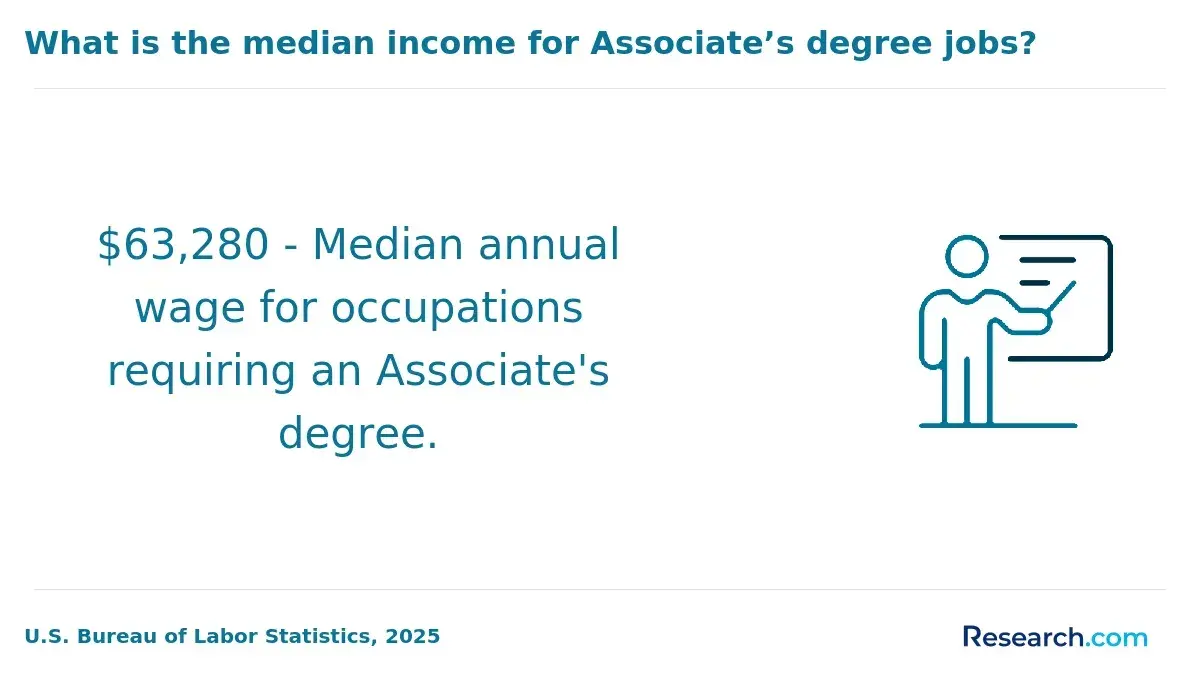
Graduates of the cheapest and shortest online real estate degree programs in 2027 can expect an entry-level salary ranging from $45,000 to $60,000 annually, depending on location, additional certifications, and the specific real estate sector they enter, such as residential, commercial, or property management.
References
- Affordable Real Estate Degrees https://www.affordablecollegesonline.org/degrees/best-online-bachelors-in-real-estate-programs/
- Top Online School Options for Real Estate https://www.cesrealestateschool.com/post/how-to-choose-the-best-online-school-for-real-estate-studies
- How Much Is Real Estate School? Comprehensive Cost Breakdown & Financial Planning https://www.colibrirealestate.com/career-hub/blog/how-much-is-real-estate-school/
- Pathways to Property - Online Course https://www.futurelearn.com/courses/pathways-to-property
- Fast Track Course in Commercial Real Estate | CRE Analyst https://www.creanalyst.com/fast-track
- Affordable Online Master's in Real Estate Programs https://www.bestcollegesonline.org/most-affordable/masters-real-estate-online/
- Benefits of Taking Online Real Estate Classes https://leap4re.com/blog/benefits-of-taking-online-real-estate-classes/
- Real Estate Education: The Online Option https://urbanland.uli.org/development-business/real-estate-education-the-online-option
- MSc Real Estate (Flexible) | Henley Business School https://www.henley.ac.uk/study/masters/msc-real-estate-part-time
- Most Affordable Real Estate Degree Programs of 2025 - Intelligent https://www.intelligent.com/best-real-estate-degree-programs/cheapest/