2027 Fastest Online Real Estate Degree Programs You Can Finish in Under 2 Years

Co-Founder and Chief Data Scientist
The main question for many real estate students is not simply whether an online degree is convenient. It is whether the program can be completed quickly enough to support a career move, licensing plan, promotion, or business goal without sacrificing credibility. Accelerated online real estate degree programs are built for that decision: they compress the academic calendar, accept eligible transfer credits, and often support year-round study so motivated learners can finish in under two years.
Speed matters, but it should not be the only factor. A fast program still needs appropriate accreditation, a realistic workload, relevant coursework in property law and finance, transparent costs, and enough support to help students finish. According to the National Center for Education Statistics, over 30% of online learners seek programs that can be completed rapidly to enter the workforce sooner, which helps explain the growing interest in accelerated online real estate pathways.
This guide explains how fast online real estate degrees work, what admission and transfer policies to review, how employers may view accelerated credentials, what technology you need, and how to choose a program that fits your timeline, budget, and career goals.
Key Benefits of Online Real Estate Degree Programs You Can Finish in Under 2 Years
- Accelerated online real estate degrees enable students to enter the workforce swiftly, with 60% of programs completed in under two years, meeting rising demand for licensed professionals.
- Completing programs faster reduces tuition and living costs by up to 30%, making education more affordable while maintaining quality through accredited online platforms.
- Flexible online formats accommodate working adults, expanding access; real estate online enrollment grew 25% annually, reflecting increased demand for adaptable learning models.
What Features Make an Online Real Estate Program Accelerated?
An online real estate program is considered accelerated when its calendar, course delivery, and credit policies are designed to shorten time to completion without removing essential academic requirements. The best accelerated programs do not simply rush students through coursework. They use shorter terms, continuous enrollment, transfer credit, and focused advising to help students make steady progress.
According to the National Center for Education Statistics (NCES), students in accelerated online programs often finish their degrees about 30% faster than those in traditional, onsite formats. For real estate students, that speed can matter if the goal is to qualify for advancement, prepare for licensing-related requirements, or enter property management, sales, brokerage support, investment analysis, or related business roles sooner.
- Compressed course terms: Instead of a traditional 15-week semester, accelerated programs may use 8- or 10-week sessions. This lets students complete more courses across the year while focusing on fewer subjects at one time.
- Higher course loads per term: Some students take 15 to 18 credit hours instead of the standard 12. This can reduce the number of terms needed, but it requires strong time management and a realistic weekly study schedule.
- Flexible scheduling: Asynchronous courses let students review lectures, complete assignments, and participate in discussions around work or family commitments. Flexibility is especially important in accelerated programs because missed deadlines can quickly slow progress.
- Year-round availability: Programs that offer summer, intersession, or multiple start dates help students avoid long gaps between courses.
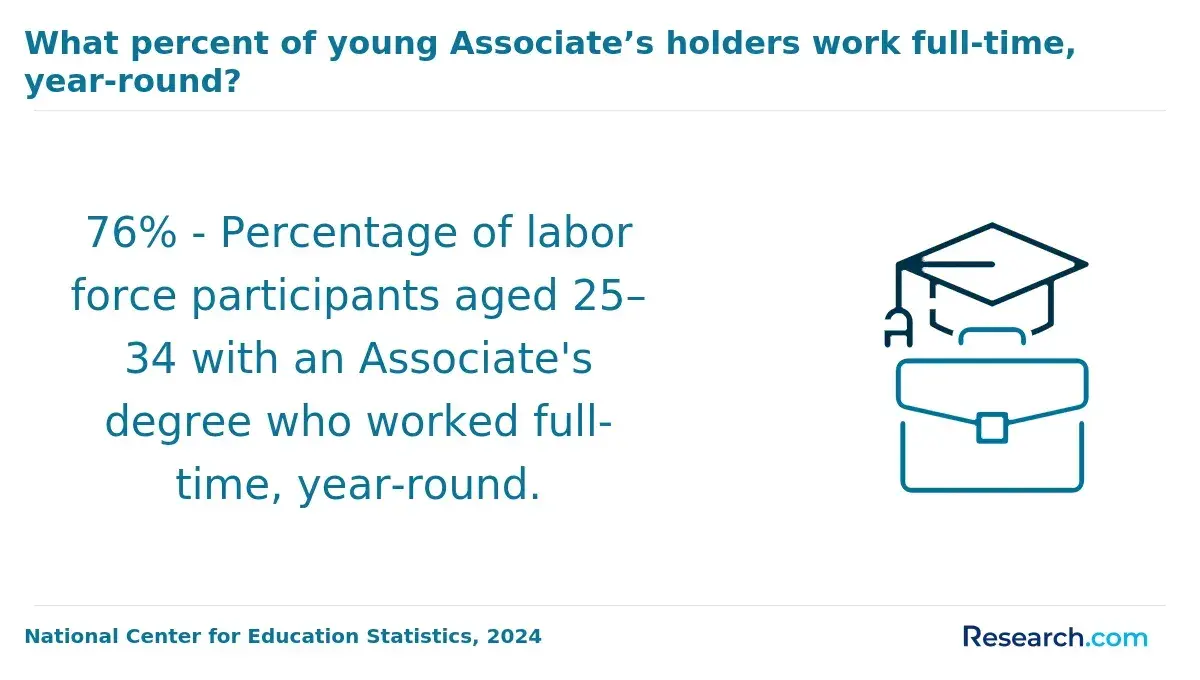
- Transfer-friendly policies: The fastest path is often available to students who already have college credits, an associate degree, or relevant coursework in business, finance, economics, law, or management.
Students comparing fast-track online real estate courses should look beyond the advertised completion time. Ask whether the timeline assumes full-time enrollment, transfer credits, summer study, or a specific course sequence. For a broader view of fast-track online degree structures, the online edd resource explains how accelerated scheduling can shorten graduate-level pathways as well.
What Are the Online Real Estate Degree Formats You Can Finish in Under 2 Years?
Online real estate degrees that can be completed in under two years usually rely on one of several accelerated formats. The right format depends on how much time you can commit each week, how many credits you bring in, and whether you prefer a fixed schedule or more control over pacing.
- Accelerated term-based programs: These programs use shorter sessions, typically 5 to 8 weeks instead of a full 15-week semester. Students complete courses quickly and may take multiple sessions per year. This format works well for learners who want structure and clear weekly deadlines.
- Competency-based education: In this model, students advance by proving mastery of course material rather than sitting through a fixed number of class weeks. It can be efficient for students with prior real estate, business, sales, finance, or property management experience.
- Full-time intensive tracks: These tracks are designed for students who can commit substantial weekly hours. They usually involve heavier course loads and limited breaks. The trade-off is clear: faster completion, but less flexibility for unpredictable work or family schedules.
- Year-round enrollment models: Programs with summer, intersession, or rolling start dates help students maintain momentum. This format is useful for learners trying to finish in under two years because it reduces downtime between courses.
How to match the format to your schedule
- If you work full time: Look for asynchronous courses, predictable deadlines, and part-time accelerated options that still allow year-round progress.
- If you already have credits: Prioritize programs with generous transfer policies and quick transcript evaluations before enrollment.
- If you learn independently: Competency-based education may help you move faster, especially in subjects where you already have experience.
- If you need accountability: A term-based program with set due dates may be a better fit than a self-paced model.
Similar accelerated structures are used in other fields, including accelerated psychology programs. When reviewing accelerated online real estate degree programs, confirm whether “under two years” applies to all students or only to those who enroll full time, transfer credits, and study year-round.
What Are the Admission Requirements for Accelerated Online Real Estate Degrees?
Admission requirements for accelerated online real estate degrees are meant to identify students who can handle a faster academic pace. Requirements vary by school and degree level, but fast track real estate degree program entry criteria often focus on academic readiness, prior college work, and the applicant’s ability to manage an intensive schedule.
- Minimum GPA around 2.5 to 3.0: Many programs expect a cumulative GPA in this range to show that applicants are prepared for college-level coursework delivered on a compressed timeline.
- Completion of relevant prerequisite coursework: Some programs require or prefer prior classes in business, economics, accounting, finance, management, or related fields. These courses help students move more quickly into real estate-specific topics.
- Preferred or required work experience in real estate or related sectors: Programs may value experience in sales, property management, finance, construction, insurance, appraisal support, or business operations because applied context can make accelerated coursework easier to manage.
- Placement tests or assessments of college readiness: Schools may use assessments to confirm readiness in writing, math, or business fundamentals, especially for students returning to college after time away.
- Demonstrated ability to manage intensive study schedules: Some admissions processes include essays, advising calls, interviews, or questionnaires that help determine whether the applicant understands the workload.
Documents to prepare before applying
- Official transcripts from all previously attended colleges
- High school transcript or GED documentation if required
- Resume showing real estate, business, sales, or management experience if applicable
- Personal statement or goal statement, if requested
- Course descriptions or syllabi for transfer credit review
- Financial aid documents, employer reimbursement forms, or scholarship materials if available
A common mistake is applying before confirming how many credits will transfer. For an accelerated program, that can change the timeline significantly. Ask for a preliminary transfer review, the exact number of remaining credits, and the course sequence needed to finish in under two years.
Applicants comparing programs with demanding timelines may also look at affordable online mft programs because they often require similar planning around prerequisites, transfer credit, and intensive enrollment. For accelerated online real estate degree admission requirements, the strongest applications show both academic readiness and a realistic plan for completing fast-paced coursework.
Transfer credit can be the difference between a program that is realistically finished in under two years and one that takes much longer. Many fast online real estate programs allow students to apply prior college coursework toward degree requirements, but each school sets its own limits, residency rules, and course equivalency standards. On average, these programs allow students to transfer between 50% and 75% of their total credits.
- Maximum transferable credits: Many programs cap transfer credits at about half or more of the required coursework. This protects academic standards while still giving students credit for prior learning.
- Evaluation process: Schools typically review official transcripts and may request course descriptions or syllabi to decide whether previous classes match current degree requirements.
- Accreditation requirements: Transfer credits usually must come from accredited colleges. Courses in finance, business, economics, accounting, management, law, or related fields may be especially useful for a real estate curriculum.
- Program duration impact: Approved transfer credits can substantially reduce time to completion. Students with an associate degree or substantial prior coursework may be better positioned to finish in under two years.
Questions to ask before enrolling
- What is the maximum number of transfer credits accepted?
- How many credits must be completed at your institution?
- Will business, finance, law, or economics courses count toward major requirements or only electives?
- How long does the transfer evaluation take?
- Can I receive a written degree plan before I commit?
- Do transfer credits affect financial aid eligibility or enrollment status?
One recent graduate described the transfer credit process as “both exciting and challenging.” He explained, “Gathering all necessary transcripts and detailed course information required patience, but having prior relevant coursework recognized cut my study time significantly.” Once the credits were approved, he could focus on advanced real estate topics instead of repeating material, which made the accelerated schedule more manageable.
The number of classes you take at once depends on the program calendar, credit requirements, your transfer credits, and the amount of time you can study each week. Nearly 65% of students in fast-paced programs enroll in three or more courses per term to graduate within two years. That does not mean every student should do the same. In accelerated programs, taking too many courses at once can lead to missed deadlines, lower grades, and burnout.
- Term length: Accelerated programs often shorten terms to 5-8 weeks compared to traditional 15-week semesters. A student may take fewer courses at one time but complete more courses across the year.
- Course sequencing: Some programs carefully sequence difficult classes so students are not taking multiple demanding courses together. Others require core courses to be completed in a fixed order, which can affect how quickly you progress.
- Pacing models: Self-paced options may let students adjust the number of active courses based on their schedule. Fixed schedules require consistent weekly participation and may be harder to pause if work or family demands change.
- Work-life balance considerations: Students working full time may need a lighter course load, even in an accelerated program. A sustainable pace is usually better than overloading and withdrawing later.
How to decide on a manageable course load
- Start with your available study time: Be honest about weekly hours after work, commuting, caregiving, and other obligations.
- Ask which courses are writing-heavy or quantitative: Real estate finance, law, appraisal-related coursework, and market analysis may require more focused study time.
- Use advising early: An academic advisor can help you avoid pairing multiple demanding courses in the same short term.
- Plan for peak weeks: Accelerated courses often include overlapping exams, projects, and discussion deadlines.
- Reassess after the first term: If your first accelerated term is difficult, adjust before grades or financial aid standing are affected.
Employers are most likely to respect an accelerated online real estate degree when it comes from an accredited institution, includes rigorous coursework, and helps the graduate demonstrate practical skills. A 2023 National Association of Realtors survey found that almost 60% of hiring managers consider online degrees equally credible to traditional ones if they come from accredited and demanding programs.
- Accreditation: Accreditation from recognized organizations helps employers verify that the school meets established academic standards. It can also matter for transfer credit, graduate study, and federal financial aid eligibility.
- Skills relevance: Employers value coursework tied to real estate practice, including property law, financial analysis, market evaluation, contracts, investment principles, and client communication.
- Demonstrated experience: Internships, capstone projects, case studies, portfolio work, and current employment in real estate-related roles can make the degree more persuasive.
- Program rigor: A shorter timeline should not mean weaker coursework. Employers may look for evidence that students completed meaningful assignments, worked with real data, and learned industry-relevant tools.
How to make an accelerated degree stronger in the job market
- List relevant projects on your resume, especially market analyses, valuation exercises, finance models, or property management plans.
- Pair the degree with applicable licenses or professional certifications when required or useful for your role.
- Highlight time management and discipline developed through accelerated study, but do not make speed the main selling point.
- Choose internships, part-time roles, or networking opportunities that connect the degree to actual real estate work.
- Be prepared to explain why the program was accelerated and how academic quality was maintained.
Graduates who combine an accelerated degree with licensing preparation, relevant experience, and strong references are better positioned to address any skepticism about online or fast-track education.
The cost of a fast online real estate degree depends on tuition, fees, transfer credits, enrollment pace, and whether the student can continue working while enrolled. Accelerated programs may reduce total time in school, but they can create short-term cash flow pressure because more credits may be taken in a shorter period.
- Per-credit tuition: Tuition usually makes up the largest share of cost. Some accelerated programs may have higher per-credit rates because of intensive course design, advising, or faculty support.
- Total program cost: The final cost depends on the number of credits required, the tuition rate, mandatory fees, and how many credits transfer in. A shorter calendar does not automatically mean a cheaper degree if the credit requirement is the same.
- Additional fees: Students may pay for technology access, online course platforms, textbooks, digital materials, graduation fees, transcript fees, or administrative services.
- Cost-saving opportunities: Transfer credits, scholarships, grants, employer tuition reimbursement, military education benefits, and careful course planning can reduce the amount paid out of pocket.
Cost questions to ask the school
- What is the tuition per credit?
- How many total credits will I need after transfer evaluation?
- Are online students charged separate technology or course fees?
- Are textbooks and digital materials included?
- Can I use federal financial aid if I enroll in an accelerated format?
- Will taking more or fewer courses affect financial aid eligibility?
- Does the school offer payment plans or employer billing options?
One graduate of a fast online real estate degree program said strategic planning helped keep costs manageable. She transferred prior college coursework before enrolling, which reduced both time and tuition. She also combined a scholarship with limited part-time work. “Cutting down on the total credit requirements by transferring before enrolling gave me a real financial edge,” she noted. Her experience shows why students should request a credit evaluation and a full cost estimate before starting an accelerated program.
A fast online real estate degree can support entry-level and intermediate roles in real estate sales, property operations, leasing, investment support, and market research. Career outcomes depend on location, licensing rules, experience, professional network, and the specific degree completed. The real estate sector has an expected 4% increase in employment from 2022 to 2032 according to the U.S. Bureau of Labor Statistics, so students should understand which roles match their skills and credentials.
- Real estate agent: Real estate agents help clients buy, sell, or rent properties. Common duties include marketing listings, arranging showings, negotiating offers, and guiding clients through contracts. Strong communication and sales skills are important. Typical earnings range between $50,000 and over $80,000 depending on experience and location. State licensing requirements apply.
- Property manager: Property managers oversee residential or commercial properties. They may handle tenant communication, maintenance coordination, budgets, vendor relationships, lease compliance, and owner reporting. Salaries commonly range from $45,000 to $75,000 annually.
- Leasing consultant: Leasing consultants help fill vacancies, screen prospects, explain lease terms, and support tenant move-ins. The role requires customer service, organization, and attention to detail. Salary averages are between $40,000 and $55,000.
- Real estate analyst: Real estate analysts study market trends, comparable properties, financial data, and investment assumptions. This role requires analytical ability, spreadsheet skills, and familiarity with financial modeling, often earning more than $60,000 per year.
How to connect the degree to a career path
- For sales careers: Confirm state licensing requirements early and choose electives that strengthen contracts, negotiation, marketing, and client communication.
- For property management: Look for coursework in landlord-tenant law, budgeting, maintenance planning, and asset operations.
- For investment or analyst roles: Prioritize finance, market analysis, valuation, data interpretation, and spreadsheet-based projects.
- For brokerage or entrepreneurship goals: Build business planning, compliance, accounting, and leadership skills alongside real estate coursework.
Students comparing careers with accelerated real estate degree options may also want to review broader accelerated online bachelor degree programs to see how fast degree pathways differ by field. For fast online real estate degree jobs, the most competitive graduates usually combine coursework with licensing, practical experience, and a clear specialization.
Technology is not a minor detail in an accelerated online real estate program. Short terms and frequent deadlines mean students need reliable access to course materials, live sessions when required, digital assignments, and communication tools. According to the National Center for Education Statistics, about 85% of online learners rank internet reliability as a key factor to their success in accelerated real estate programs.
- Reliable high-speed internet: A stable connection is essential for live lectures, recorded content, assignment uploads, exams, and communication with instructors.
- Learning management systems (LMS): Platforms such as an LMS organize lectures, readings, quizzes, grades, discussion boards, and deadlines. In a compressed course, checking the LMS frequently is critical.
- Video conferencing tools: Some programs use live sessions, group meetings, virtual office hours, or presentations. Students should have a working webcam, microphone, and quiet space when synchronous participation is required.
- Productivity software: Word processing, spreadsheet, and presentation tools are commonly needed for business plans, market research, financial analysis, reports, and group projects.
- Mobile device compatibility: A phone or tablet can help students review materials, respond to messages, and track deadlines, but it should not be the only device if the program requires lengthy writing, spreadsheets, or proctored exams.
Before classes start, confirm these requirements
- Minimum computer specifications
- Browser and software requirements
- Whether exams require online proctoring
- Whether live attendance is required
- Access to spreadsheet software for finance or analysis courses
- Technical support hours for online students
- Backup plans for internet outages or device failure
Students searching for affordable online colleges should also compare technology expectations. A lower tuition price may still require a dependable laptop, paid software, or upgraded internet access, so include those costs in your budget.
To choose the fastest online real estate degree program, start with the outcome you want and work backward. A program that is fast but poorly matched to your schedule, state requirements, budget, or career goal may cost more time in the long run. The best choice is usually the program that offers the shortest realistic path while maintaining accreditation, academic quality, and useful career support.
- Program Length and Curriculum: Review the actual degree plan, not just the advertised timeline. Confirm whether the under-two-year path assumes full-time enrollment, transfer credits, summer study, or a specific sequence of courses.
- Accreditation: Ensure the program holds regional accreditation to support employer recognition and eligibility for federal financial aid. Accreditation can also affect transfer credit and future graduate study.
- Cost: Compare tuition, fees, materials, technology requirements, and the number of credits you still need after transfer review. A program with a lower posted tuition may not be the least expensive if it accepts fewer transfer credits.
- Career Outcomes: Look for programs with industry connections, internship options, project-based coursework, career advising, and alumni outcomes that match your goals.
Use this decision checklist
- Can the school provide a written completion plan?
- How many transfer credits will be accepted?
- Are courses available every term, including summer or intersession?
- Is the program asynchronous, synchronous, or a mix of both?
- Does the curriculum include real estate law, finance, market analysis, property management, and contracts?
- Does the program support licensing preparation where relevant?
- Are faculty or advisors experienced in real estate, business, finance, or property operations?
- What happens if you need to slow down for one term?
A smart strategy is to compare at least three programs using the same criteria: remaining credits, total estimated cost, realistic completion date, accreditation, course format, and career support. The fastest option on paper is not always the fastest option for your life.
What Graduates Say About Their Fastest Online Real Estate Degree Programs
- : "I discovered the accelerated online real estate degree program when I needed a flexible yet fast way to switch careers. The total cost was surprisingly affordable, around $15,000, which made it easier to commit without financial stress. Completing the degree in under two years opened doors quickly, allowing me to start my own brokerage much sooner than expected, and I feel energized by how fast I advanced. — Eva"
- : "After researching various options, I enrolled in a fast online real estate degree program that cost roughly $13,000 for the entire course. The ability to complete it in less than two years helped me balance work and study effectively. Reflecting on the experience, the accelerated path provided me with industry knowledge swiftly, and it has significantly boosted my professional confidence and network. — Arianne"
- : "I chose an accelerated online real estate degree because the standard timeline didn't fit my career goals. At about $14,500 total tuition, it was a cost-effective investment for me. Professionally, finishing in under two years allowed me to qualify for certifications sooner and move into senior advisory roles faster, giving me a clear competitive edge in the market. — Lewis"
Other Things You Should Know About Real Estate Degrees
In 2027, the fastest online real estate degree programs typically include courses such as Real Estate Principles, Property Management, Real Estate Finance, and Real Estate Law. These courses provide foundational knowledge necessary for a career in real estate and are designed to be completed efficiently to accommodate two-year schedules.
In 2027, fast-track online real estate degree programs incorporate virtual simulations, case studies, and industry projects to offer practical experience. Many programs partner with real estate firms, enabling students to intern or shadow professionals remotely, enhancing real-world knowledge and skills.
Programs typically assess transfer credits from accredited institutions against their curriculum requirements. Some offer up to 30 credits for previous coursework, significantly reducing completion time. Evaluation is usually done during admission, ensuring alignment with program objectives and accreditation standards.
- A.CRE Home https://www.adventuresincre.com/home/
- System Requirements https://www.kapre.com/about/system-requirements
- Real Estate Credit Courses https://www.ccac.edu/academics/programs/business-and-accounting/real-estate-credit-courses.php
- Top Online School Options for Real Estate https://www.cesrealestateschool.com/post/how-to-choose-the-best-online-school-for-real-estate-studies
- Online Real Estate Courses That Actually Fit Your Schedule https://realestateu.com/online-real-estate-courses-busy-schedule/
- Benefits of Face-to-face vs Online Real Estate Courses https://reinsw.com.au/Web/News/Latest_News/2023/07-July/benefits-of-face-to-face-vs-online-courses
- 3 Week Real Estate Course | Chicago Real Estate Institute https://chicagorealestateinstitute.com/product/hybrid-3-week-real-estate-broker-class/
- Real Estate https://icieducation.com/courses/business/real-estate/
- 15 Real Estate Jobs Without a License https://theclose.com/real-estate-career-paths/
- Certificates: A Fast Track to a Real Estate Career https://www.collegexpress.com/articles-and-advice/majors-and-academics/blog/real-estate-certificates-fast-track-your-way-to-a-smart-career/