
2027 Most Affordable Online Colleges for Counseling Degrees

Co-Founder and Chief Data Scientist
Many counseling degrees on the market provide the ideal training but come with shocking price tags, putting them out of reach for a lot of students. Fortunately, there are more affordable options available that do not skimp on education quality, which could potentially increase the workforce's numbers to meet the rising demand for counseling services. According to the National Center for Health Statistics (NCHS), the share of US adults who received any mental health treatment in the past 12 months rose significantly to 23.3% by 2024.
With this in mind, I tapped into my over-a-decade-long experience as a career planner to find 10 of the most affordable online colleges for counseling degrees that offer quality education. I also worked with our research team to provide information about the costs, requirements, specializations, and courses typically associated with these programs.
What are the benefits of getting an online counseling degree?
- Earning an online counseling degree enables graduates to become licensed professional counselors, school counselors, mental health counselors, career counselors, or marriage and family therapists, among many others.
- With an online counseling degree, you can make around $68,118 as a licensed professional counselor and about $49,710 as a mental health counselor.
- Online counseling degrees have better accessibility and flexibility than traditional programs, enabling students to more conveniently manage their schedules.
What can I expect from an online counseling degree?
In an online counseling degree program, students can expect a mix of coursework, practical experience, and interactive learning activities. They will study topics like counseling theories, human development, and ethical considerations in therapy.
In addition, they can expect to engage in virtual discussions, complete assignments, and participate in simulated counseling sessions to develop their skills. Moreover, learners will likely have opportunities for internships or practicum experiences to gain real-world experience in the field.
Where can I work with an online counseling degree?
Counseling is a diverse profession, which is why counselors typically work in various settings. The common settings include the following:
- Community mental health centers
- Hospitals and clinics
- Schools
- Substance abuse treatment centers
- Worker assistance programs'
- Telehealth companies
- Correctional facilities
- Nonprofit organizations
- Private practice
The setting a counselor works in is largely based on the type of counseling provided. For instance, 18% of mental health counselors work in outpatient mental health and substance abuse centers, while 46% of school and career counselors find employment in elementary and secondary schools.
How much can I make with an online counseling degree?
Generally, a licensed professional counselor in the United States makes around $68,118 each year, which is considerably higher than the collective median pay of all US jobs ($46,310). Those who want to provide counseling based on psychological principles can pursue becoming a counseling psychologist. This profession earns a median annual salary of $102,740, according to data from the United States Bureau of Labor Statistics (BLS).
Meanwhile, aspirants who want to help students perform better at school and find suitable careers can become school and career counselors, who earn a median annual salary of $60,140. They can also opt to help people with substance abuse and behavioral disorders by pursuing a career as a mental health counselor. This profession takes home a median annual salary of $49,710.
- Most Affordable Online Counseling Degrees for 2027 Best Programs
- How long does it take to complete an online counseling degree? Completion Time
- How does an online counseling degree compare to an on-campus program? Online vs On-Campus
- What is the average cost of an online counseling degree? Average Cost
- What are the financial aid options for students enrolling in an online counseling degree? Financial Aid
- What are the prerequisites for enrolling in an online counseling degree? Requirements
- What courses are typically included in an online counseling degree? What courses are typically included in an online counseling degree?
- What types of specializations are available in an online counseling degree? What types of specializations are available in an online counseling degree?
- How do I choose the best online counseling degree? How do I choose the best online counseling degree?
- What are strategies for balancing work, life, and online counseling studies? What are strategies for balancing work, life, and online counseling studies?
- What advanced certifications can boost my counseling career? What advanced certifications can boost my counseling career?
- What career paths are available for graduates with an online counseling degree? What career paths are available for graduates with an online counseling degree?
- What is the job market for graduates with an online counseling degree? Job Market
- How can I effectively market myself as a counselor after earning my online counseling degree? How can I effectively market myself as a counselor after earning my online counseling degree?
- How do faith-based online counseling programs differ from secular programs? How do faith-based online counseling programs differ from secular programs?
- Is my online counseling degree accredited for licensure success? Is my online counseling degree accredited for licensure success?
- Emerging Trends in Online Counseling Education and Practice Emerging Trends in Online Counseling Education and Practice
- What is the return on investment of an online counseling degree? What is the return on investment of an online counseling degree?
- What challenges do online counseling students typically face and how can they overcome them? What challenges do online counseling students typically face and how can they overcome them?
- Can an online counseling degree equip me for a spiritual counseling career? Can an online counseling degree equip me for a spiritual counseling career?
- How can you gain practical experience while pursuing an online counseling degree? How can you gain practical experience while pursuing an online counseling degree?
- What is the difference between an LPC and an LCSW? What is the difference between an LPC and an LCSW?
Most Affordable Online Counseling Degrees for 2027
Choosing an online counseling degree is not just a tuition decision. For many counseling careers, your program must also support practicum placement, meet state education requirements, and prepare you for supervised post-graduate experience and licensure. A low-cost program can be a strong value, but only if it fits your intended counseling role, your state’s rules, and your schedule.
This guide is designed for prospective students comparing affordable online counseling, psychology, school counseling, substance abuse counseling, rehabilitation counseling, and marriage and family therapy options. You will find ranked program options, cost and completion-time comparisons, licensure considerations, admissions requirements, financial aid choices, online versus campus trade-offs, and practical steps for choosing a program with fewer surprises.
Quick Answer: What Is the Most Affordable Online Counseling Degree Path?
The most affordable online counseling degree depends on the career you want. Undergraduate psychology or addiction studies programs can be less expensive per credit, but many licensed counseling roles require a master’s degree. In this ranking, listed per-credit tuition ranges from $207 to $1,011 depending on institution, degree level, residency status, and program type. Students seeking licensure should prioritize accreditation, state licensure alignment, supervised fieldwork support, and total program cost rather than tuition alone.
How do we rank our schools?
Because counseling education can take years and may affect licensure eligibility, affordability must be evaluated with reliable data. Research.com developed this ranking using sources such as the IPEDS database, Peterson’s Database, the College Scorecard database, and the National Center for Education Statistics. The goal is to give students and families a clearer basis for comparing programs by cost, format, accreditation, and degree outcomes. For more detail on how Research.com evaluates schools and programs, review our methodology page.
Affordable Online Counseling Degree Programs at a Glance
| Rank | School and program | Degree level | Credits | Cost per credit | Best fit |
| 1 | Fort Hays State University Master of Science in Counseling-Clinical Mental Health Counseling | Master’s | 60 | $330 | Students comparing clinical mental health and school counseling routes |
| 2 | Aspen University Bachelor of Arts in Psychology and Addiction Studies | Bachelor’s | 120 | $207 | Students seeking an affordable undergraduate foundation in addiction studies |
| 3 | Capella University MS in School Counseling | Master’s and doctoral options | varies | $497 (MS); $703 (PhD) | Learners who want multiple counseling degree and certificate pathways |
| 4 | Saint Leo University Bachelor's Degree in Psychology - Clinical/Counseling | Bachelor’s and master’s options | varies | $410 (BA); $630 (MS) | Undergraduate students interested in psychology with a clinical/counseling focus |
| 5 | Union College Master of Arts in Psychology | Master’s | 36 to 60 | $370 | Students considering psychology or substance abuse counseling graduate study |
| 6 | University of West Alabama MEd School Counseling | Master’s | 60 | $429 | Educators pursuing school counseling preparation tied to Alabama teaching certification |
| 7 | University of the Cumberlands Online Master's in Clinical Mental Health Counseling | Master’s | 60 | $449 | Students preparing for clinical mental health counseling practice |
| 8 | Buffalo University Rehabilitation Counseling, MS | Master’s | 60 | $471 (in-state); $1,011 (out-of-state) | Students interested in rehabilitation counseling and disability-related services |
| 9 | Amberton University Master of Arts in Professional Counseling | Master’s | 60 | $300 | Students seeking professional counseling preparation connected to Texas LPC education requirements |
| 10 | Winston-Salem State University Master of Science in Rehabilitation Counseling | Master’s | 63 | $284.12 (in-state); $793.36 (out-of-state) | Students looking for rehabilitation counseling with concentration choices |
1. Fort Hays State University Master of Science in Counseling-Clinical Mental Health Counseling
Fort Hays State University offers two graduate counseling routes: the MS in Clinical Mental Health Counseling and the MS in School Counseling. The clinical mental health option is delivered 50% online, while the school counseling program is available 100% online. Coursework emphasizes counseling ethics, professional standards, human development, career counseling, diversity awareness, observation, and counseling skills. Students should expect applied training through practicum and internship experiences, which are essential for developing professional judgment and client-facing skills.
- Program Length: ~2 to 3 years
- Programs Available: MS in Clinical Mental Health Counseling; MS in School Counseling
- Credits Required to Graduate: 60
- Cost per Credit: $330
- Accreditation: Council for Accreditation of Counseling and Related Educational Programs, Council for the Accreditation of Educator Preparation
2. Aspen University Bachelor of Arts in Psychology and Addiction Studies
Aspen University provides a 100% online BA in Psychology and Addiction Studies that can be completed in less than three years. The program includes 40 courses and start dates every two weeks, making it a flexible undergraduate option for students who want a lower-cost entry point into addiction studies. The curriculum covers addiction-related concepts, healthcare ethics, substance abuse assessment, treatment, and prevention. Students should note that a bachelor’s degree may support entry-level or assistant roles, while many independent counseling roles require graduate education and licensure.
- Program Length: Less than 3 years
- Specializations: Addiction Studies
- Credits Required to Graduate: 120
- Cost per Credit: $207
- Accreditation: Higher Learning Commission, Distance Education Accrediting Commission
3. Capella University MS in School Counseling
Capella University offers several online counseling-related graduate options, including the MS in School Counseling, MS in Marriage and Family Therapy, MS in Clinical Mental Health Counseling, and PhD in Counselor Education and Supervision. Students can also explore certificates in systematic couple and family therapy, play therapy, and contemporary theory in addictive behavior. This breadth may appeal to learners who want to begin with one credential and later specialize or pursue doctoral-level preparation.
- Program Length: varies
- Programs Available: MS in School Counseling; Marriage and Family Therapy; Clinical Mental Health Counseling; and PhD in Counselor Education and Supervision
- Credits Required to Graduate: varies
- Cost per Credit:$497 (MS); $703 (PhD)
- Accreditation: Higher Learning Commission
4. Saint Leo University Bachelor's Degree in Psychology - Clinical/Counseling
Saint Leo University offers a BA in Psychology with a specialization in Clinical/Counseling, along with general psychology and a psychology minor. The bachelor’s program is available online and on campus and follows the traditional four-year undergraduate timeline. Saint Leo also offers an online MS in Psychology. These programs are broader than a professional counseling master’s degree, so students planning to become licensed counselors should confirm what additional graduate study and supervised experience their state requires.
- Program Length: 4 years (BA); ~2 years (MS)
- Programs Available: BA in Psychology with a specialization in Clinical/Counseling; BA in General Psychology, MS in Psychology
- Credits Required to Graduate: varies
- Cost per Credit:$410 (BA); $630 (MS)
- Accreditation: Southern Association of Colleges and Schools Commission on Colleges
5. Union College Master of Arts in Psychology
Union College offers multiple graduate programs through its Department of Psychology, including the MA in Psychology in Clinical Psychology (hybrid), MA in General Psychology (100% online), and MS in Substance Abuse Counseling (100% online). Students focused on counseling practice may find the MS in Substance Abuse Counseling especially relevant because it includes coursework in recovery, relapse, chemical dependency, and addiction psychology. Although classes are online, students complete a supervised practicum internship across two consecutive semesters. The college also offers an online chemical dependency certificate for graduate students.
- Program Length: ~2 to 3 years
- Programs Available: MA in Clinical Psychology; MA in General Psychology; MS in Substance Abuse
- Credits Required to Graduate: MA in Clinical Psychology (60); MA in General Psychology (36); MS in Substance Abuse (60)
- Cost per Credit: $370
- Accreditation: Southern Association of Colleges and Schools Commission on Colleges
6. University of West Alabama MEd School Counseling
The University of West Alabama offers an MEd School Counseling program built around the counseling services used in school environments. The three-year program is intended for educators who want to move into school counseling and includes mentor support, skill development, and networking opportunities. Completion leads to an Alabama teaching certification, so students outside Alabama should verify how the program aligns with their own state’s certification or licensure rules before enrolling.
- Program Length: 3 years
- Credits Required to Graduate: 60
- Cost per Credit: $429
- Accreditation: Council for Accreditation of Counseling and Related Educational Programs
7. University of the Cumberlands Online Master's in Clinical Mental Health Counseling
The University of the Cumberlands offers an Online Master's in Clinical Mental Health Counseling that focuses on assessment, diagnosis, treatment, and applied counseling skills. The program is designed to prepare students for licensed professional counselor pathways and combines foundational coursework with practical activities, internships, and practicums. Core courses include Psychological Assessment Clinic Practice, Advanced Clinical Assessment, Theory and Practice of Multicultural Counseling, and Group Counseling.
- Program Length: 2 to 3 years
- Credits Required to Graduate: 60
- Cost per Credit: $449
- Accreditation: Council for Accreditation of Counseling & Related Educational Programs
8. Buffalo University Rehabilitation Counseling, MS
The Buffalo University MS Rehabilitation Counseling program prepares students to work with clients experiencing mental, sensory, and cognitive disabilities. The curriculum combines counseling theory, rehabilitation methods, research opportunities with instructors, and three semesters of field placement training. Students interested in becoming certified rehabilitation counselors should review how the program supports exam preparation, fieldwork expectations, and state-specific credential requirements.
- Program Length: 2 to 3 years
- Credits Required to Graduate: 60
- Cost per Credit: $471 (in-state); $1,011 (out-of-state)
- Accreditation: Council for Accreditation of Counseling & Related Educational Programs
9. Amberton University Master of Arts in Professional Counseling
Amberton University offers a Master of Arts in Professional Counseling for students preparing to provide counseling services in community agencies, private practice settings, and religious environments. The program includes at least 300 hours of practicum activity so students can apply classroom learning in supervised settings. Completion of the degree meets the education requirement for becoming a licensed professional counselor in Texas, but students planning to practice elsewhere should compare the curriculum with their state board’s requirements.
- Program Length: 2 to 3 years
- Credits Required to Graduate: 60
- Cost per Credit: $300
- Accreditation: Southern Association of Colleges and Schools Commission on Colleges
10. Winston-Salem State University Master of Science in Rehabilitation Counseling
The Winston-Salem State University Master of Science in Rehabilitation Counseling offers five concentrations: Rehabilitation Counseling, Clinical Mental Health Counseling, Deaf and Hard of Hearing, Transition, and Vocational Evaluation. The program develops rehabilitation counseling skills along with job development, placement counseling, case management, and vocational services. Students who want to work in disability services, vocational rehabilitation, or clinical mental health settings should compare each concentration carefully.
- Program Length: 2.5 to 3 years
- Specializations: Rehabilitation Counseling, Clinical Mental Health Counseling, Deaf and Hard of Hearing, Transition, and Vocational Evaluation
- Credits Required to Graduate: 63
- Cost per Credit: $284.12 (in-state); $793.36 (out-of-state)
- Accreditation: Council for Accreditation of Counseling & Related Educational Programs
What Graduates Say About Online Counseling Programs
- Daniel: "I had spent years in nonprofit work and wanted to help people in a more focused, therapeutic way. The online counseling program gave me enough flexibility to keep working while still challenging me academically. Faculty members were responsive and made the virtual format feel personal. Completing the degree online helped me move toward the helping profession I had wanted for a long time."
- Jessica: "Studying counseling online changed my expectations of remote education. The practicum components helped me build real skills, and the virtual format still created meaningful collaboration with classmates."
- David: "The online counseling format gave me access to case studies, simulations, and group projects that felt practical rather than detached. The peer support was stronger than I expected, and I finished the program with more confidence about beginning my counseling career."
Key Findings
- Many professional counseling careers require a master’s degree, supervised field experience, and state licensure, so students should not choose a program based on sticker price alone.
- Affordable online counseling programs can reduce commuting and relocation costs, but practicum and internship requirements usually still require local, supervised placement.
- CACREP accreditation, regional accreditation, state board approval, field placement support, and specialization fit are among the most important factors for students pursuing licensure.
- Per-credit costs among the listed programs range from $207 to $1,011, but total cost depends on credits, fees, residency status, transfer credits, and time to completion.
How long does it take to complete an counseling degree?
Most online counseling master’s programs take about two to three years to complete. Some accelerated online master’s programs can be finished in about 18 months, but the faster pace usually means heavier course loads and less scheduling flexibility. Students considering accelerated study should be realistic about work hours, family obligations, practicum schedules, and the emotional demands of counseling coursework.
The full path to becoming a licensed professional counselor often takes about six to seven years of education before licensure exams and post-degree supervised practice. A common route includes a bachelor’s degree in counseling, psychology, or a related field (4 years), followed by a master’s degree in counseling (2 to 3 years). State licensure requirements vary, so students should check their state board before choosing a program.
| Goal | Typical education route | Approximate study time stated | Important note |
| Entry-level human services or support roles | Bachelor’s degree in psychology, counseling, addiction studies, or related field | 4 years, or less than 3 years in some accelerated formats | May not qualify graduates for independent counseling licensure |
| Licensed professional counselor pathway | Bachelor’s degree plus master’s degree in counseling | About six to seven years of education | Licensure also involves state exams and supervised post-graduate requirements |
| School counseling | Master’s degree in school counseling or education-related counseling field | 2 to 3 years, or 3 years for some programs | Certification rules can differ by state |
| Advanced academic or supervisory roles | Doctorate in counseling, counselor education, psychology, or related area | varies | Often pursued after graduate-level counseling preparation |
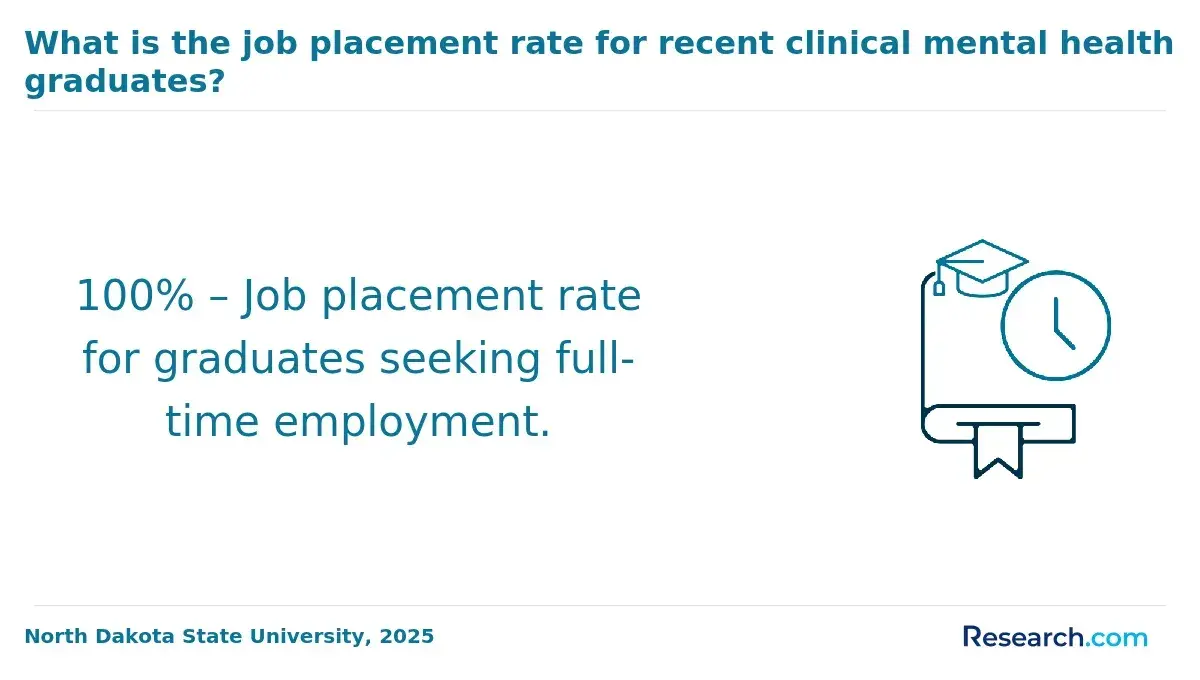
How does an online counseling degree compare to an on-campus program?
Online and campus-based counseling degrees can lead to similar academic outcomes when they are properly accredited and include required clinical training. The better option depends on your schedule, location, learning style, networking needs, and access to approved practicum sites.
| Factor | Online counseling degree | On-campus counseling degree |
| Schedule | May include asynchronous coursework and flexible weekly pacing | Usually follows fixed class meeting times |
| Location | Coursework can often be completed from any location with reliable internet | Requires regular campus attendance and may require relocation |
| Cost considerations | Can reduce commuting, housing, and food costs, though fees still apply | May involve campus fees, transportation, housing, and daily living costs |
| Networking | Depends heavily on virtual engagement, cohort structure, faculty access, and local placements | Offers more frequent face-to-face contact with classmates, faculty, and campus partners |
| Clinical training | Usually completed through approved local practicum and internship sites | Often coordinated through campus relationships or nearby partner sites |
| Best for | Working adults, parents, military students, and learners far from campus | Students who prefer in-person classes and structured campus routines |
On-campus Programs
Campus counseling programs generally operate on set schedules and require students to attend classes in person. This format can work well for learners who want daily structure, easier access to faculty offices, and in-person peer relationships. The trade-off is cost and logistics: students who live far from campus may need to pay for housing, commuting, meals, and other expenses tied to physical attendance.
Online Programs
Online counseling programs may use asynchronous courses, live virtual meetings, or a mix of both. They can be more convenient for students balancing work, caregiving, or military responsibilities. However, online does not mean “hands-off.” Counseling students still need strong communication skills, active participation, disciplined time management, and approved practicum or internship placements.
What is the average cost of an online counseling degree?
According to Data USA, the median annual tuition fee for mental health counseling degrees at public institutions for in-state students is $7,070. Private institutions charge out-of-state students around $32,900 annually. Current-year costs may be higher when schools increase tuition and fees. Students focused on affordability can also compare the cheapest online LPC programs, especially if they are preparing for professional counselor licensure.
Online counseling degree costs can vary widely, from a few thousand dollars to more than $30,000 per year, depending on school type, degree level, residency status, and specialization. This same variation appears across the different types of psychology degrees. For example, an online substance abuse counseling degree may have a different cost structure than a general mental health counseling program. Among affordable online counseling degrees, per-credit tuition can range from $207 to $730, depending on degree level, while annual tuition may range from $5,900 to $10,500 or more.
| Cost factor | Why it matters | Question to ask before enrolling |
| Per-credit tuition | It is the easiest figure to compare, but it does not show total cost by itself | How many credits are required to graduate? |
| Program fees | Technology, practicum, graduation, and student service fees can increase total cost | What fees are charged each term or each year? |
| Residency status | Public universities may charge different rates for in-state and out-of-state students | Will I pay in-state, out-of-state, or online tuition? |
| Transfer credits | Accepted transfer credits can reduce both time and tuition | How many previous credits can I apply toward the degree? |
| Field placement costs | Practicum and internship work may involve transportation, background checks, or liability insurance | What expenses should I expect before starting clinical placement? |
| Time to completion | Taking longer can increase fees and delay earnings from career advancement | Can I attend part time without losing financial aid eligibility? |
What are the financial aid options for students enrolling in an online counseling degree?
Online counseling students can use several types of financial aid, but the best strategy is to compare options by repayment obligation, eligibility rules, and long-term affordability. Grants and scholarships should usually be prioritized because they do not have to be repaid.
- Federal Aid. Federal aid may include loans, grants, and scholarships. Students should complete the Free Application for Federal Student Aid (FAFSA) to learn what federal aid they may qualify for.
- State Aid. State and local agencies may offer grants, scholarships, or loan programs. Eligibility can depend on residency, financial need, program type, or career plans.
- Employer Assistance. Some employers help pay for graduate study, especially when the degree supports advancement in behavioral health, education, social services, healthcare, or employee support roles.
- Assistantships and Fellowships. Some colleges provide tuition support or stipends in exchange for teaching, research, advising, or administrative work.
- Private Aid. Nonprofits, professional associations, businesses, and private lenders may offer scholarships or loans, but loan terms should be reviewed carefully.
Before borrowing, students and families should examine interest rates, repayment timelines, deferment rules, and total debt at graduation. Students with limited budgets may also compare the cheapest online psychology degree pathways or the lowest-cost counseling program that still aligns with their licensure and career goals.
What are the prerequisites for enrolling in an online counseling degree?
Online counseling programs usually set similar admissions requirements to campus-based programs. Requirements vary by degree level, just as they do for the cheapest masters in special education and other graduate routes. Counseling-specific programs may also differ from broader types of psychology degrees because they often screen for interpersonal readiness, ethics, and fieldwork suitability.
- Completed Application Form. Applicants submit personal, academic, and contact information through the school’s admissions system.
- Official Transcripts. Schools require official records from previously attended colleges or universities.
- Letters of Recommendation. Programs may ask academic or professional references to comment on the applicant’s readiness for counseling study.
- Personal Statement. Applicants often explain their motivation, professional goals, relevant experience, and reason for choosing the specialization.
- Standardized Test Scores. Some programs require scores such as the GRE, though requirements vary by institution.
- Resume or Curriculum Vitae. A resume can show related employment, volunteer work, human services experience, or research involvement.
- Admissions Interview. Some programs use virtual or in-person interviews to evaluate communication, maturity, and fit for the counseling profession.
- Application Fee. Applicants may need to pay a fee when submitting materials.
- Prerequisites. Some graduate programs require prior psychology or human development coursework.
- International Student Requirements. International applicants may need to document English proficiency through TOEFL or IELTS scores when required.
What courses are typically included in an online counseling degree?
Online counseling programs are built to help students develop theory knowledge, ethical judgment, assessment skills, cultural competence, and supervised practice experience for different careers in counseling. Some foundational topics also appear in the best and most affordable cheapest online psychology degree programs, but professional counseling degrees typically go deeper into clinical practice and field training.
- Introduction to Counseling. Students study the history of counseling, professional roles, ethical foundations, and basic helping skills.
- Counseling Theories and Techniques. This course compares major counseling approaches, including person-centered therapy, cognitive-behavioral therapy, and family therapy, with attention to practical use.
- Human Growth and Development. Students examine cognitive, emotional, social, and psychological development across the lifespan.
- Social and Cultural Diversity in Counseling. This subject focuses on culturally responsive practice and the ways identity, community, and social conditions shape client experience.
- Counseling Ethics and Professionalism. Students learn about confidentiality, boundaries, ethical decision-making, documentation, and professional standards.
Many programs also include courses in addiction counseling, career counseling, school counseling, marriage and family counseling, mental health counseling, trauma counseling, group counseling, assessment, diagnosis, crisis intervention, practicum, and internship.
What types of specializations are available in an online counseling degree?
Specialization matters because counseling roles are not interchangeable. A school counseling program, for example, may not meet the same professional goals as a clinical mental health counseling or marriage and family therapy program. Students should choose a concentration that matches the population, work setting, and licensure pathway they want.
| Specialization | Primary focus | Common settings |
| Mental Health Counseling | Assessment, treatment planning, and counseling for clients with mental health concerns such as anxiety, depression, and trauma | Community agencies, clinics, hospitals, private practice settings |
| Addiction Counseling | Substance use, addiction theory, treatment approaches, relapse prevention, and recovery support | Treatment centers, outpatient programs, community health organizations |
| School Counseling | Academic, social, emotional, and career support for students | Elementary schools, middle schools, high schools, education systems |
| Career Counseling | Career exploration, labor market awareness, job search skills, and professional decision-making | Colleges, workforce agencies, private career services, corporate settings |
| Marriage and Family Therapy | Relationship patterns, family dynamics, communication, and conflict resolution | Family service agencies, clinics, private practice settings |
| Rehabilitation Counseling | Support for individuals with disabilities, vocational rehabilitation, assistive technology, and disability advocacy | Rehabilitation agencies, workforce programs, healthcare and community organizations |
- Mental Health Counseling. This option prepares students to work with clients facing a range of mental health concerns and typically includes assessment, diagnosis, and treatment planning.
- Addiction Counseling. This specialization focuses on substance use disorders, recovery, relapse prevention, and treatment approaches. Graduates may pursue different addiction counseling careers.
- School Counseling. This route prepares students to support K-12 learners with academic, emotional, social, and career-related concerns.
- Career Counseling. This specialization helps clients clarify career goals, understand labor market options, and prepare for job searches.
- Marriage and Family Therapy. This area focuses on couples, families, communication patterns, and relationship systems.
- Rehabilitation Counseling. This specialization prepares students to help individuals with disabilities pursue independence, employment, and quality-of-life goals.
The chart below shows the median annual salaries of substance abuse, mental health, and behavioral disorder counselors in various industries.
How do I choose the best online counseling degree?
The best online counseling degree is the one that matches your career goal, state licensing requirements, budget, and learning needs. A program that is affordable but does not support your intended credential can become expensive in the long run.
- Accreditation. Confirm institutional accreditation and programmatic accreditation where relevant. For counseling programs, the Council for Accreditation of Counseling and Related Educational Programs (CACREP) is an important accreditor to understand. Students can also compare counseling degrees online accredited by recognized bodies.
- State Licensure Alignment. Contact your state licensing board and ask whether the program’s curriculum, credits, practicum, and internship hours meet education requirements.
- Faculty Credentials. Look for instructors with counseling experience, appropriate credentials, research activity, and field expertise in your specialization.
- Specializations and Concentrations. Choose a program that aligns with the population you want to serve, such as students, families, clients with addiction concerns, or people needing rehabilitation support.
- Technology and Support Services. A strong learning platform, digital library access, technical support, tutoring, and advising can make online study more manageable.
- Internship and Practicum Opportunities. Ask whether the school helps identify approved sites or expects students to arrange placements independently.
- Alumni Outcomes. Review available information on placement, licensure exam preparation, graduate satisfaction, and career outcomes, while remembering that individual results are not guaranteed.
- Flexibility and Accessibility. Compare synchronous class times, asynchronous options, part-time pacing, residency requirements, and clinical schedule expectations.
- Cost and Financial Aid. Calculate total cost, not just tuition. Include fees, books, travel for residencies, placement expenses, and loan interest.
- Student Support Services. Strong advising, career services, mental health resources, and faculty access are especially important in online counseling education.
- Reputation and Reviews. Student reviews can be useful, but they should not replace accreditation checks, licensure verification, and direct questions to admissions staff.
Questions to Ask Before Enrolling
| Question | Why it matters |
| Does this program meet education requirements in my state? | Licensure rules vary, and online programs may not automatically qualify graduates in every state. |
| Who helps me secure practicum and internship placements? | Field placement is required for many counseling degrees and can be difficult without school support. |
| Is the program CACREP-accredited or otherwise accepted by my licensing board? | Accreditation can affect licensure review, employer acceptance, and transferability. |
| What is the total estimated cost through graduation? | Fees, books, technology, and clinical placement costs can change the real price. |
| Can I complete the program while working full time? | Online coursework may be flexible, but practicum hours may require daytime availability. |
| Are there required campus visits or synchronous classes? | These requirements can affect travel, childcare, work schedules, and total cost. |
What are strategies for balancing work, life, and online counseling studies?
Many online counseling students are employed, raising families, caregiving, or transitioning careers. Counseling coursework also involves self-reflection, group participation, and clinical skill development, so time management must go beyond simply meeting deadlines.
- Build a weekly study calendar. Block time for readings, discussion posts, assignments, live sessions, and practicum preparation. Treat these blocks as appointments.
- Use realistic goals. Instead of planning vague study sessions, assign specific tasks, such as finishing one chapter, drafting one case reflection, or reviewing one counseling theory.
- Organize deadlines digitally. Tools such as Google Calendar, Trello, or Todoist can help track assignments, exams, fieldwork documents, and advising appointments.
- Communicate early with instructors. If work schedules, emergencies, or practicum conflicts arise, contact faculty before deadlines become crises.
- Stay connected with classmates. Online discussion groups, peer study sessions, and cohort chats can reduce isolation and improve accountability.
- Protect recovery time. Counseling study can be emotionally demanding. Sleep, exercise, nutrition, and breaks are not optional extras; they support professional readiness.
- Use school resources. Tutoring, writing centers, academic advising, library support, and career services can save time and reduce stress.
- Think carefully before choosing accelerated study. Faster programs can shorten completion time, but they also compress reading, assignments, clinical preparation, and exams into a tighter schedule.
- Stay flexible. Online education helps students adapt, but unexpected events still require planning, communication, and sometimes a slower course load.
Students who want to counsel couples and families can compare affordable online MFT programs. Lower-cost MFT options can be worthwhile when they combine affordability with appropriate accreditation, clinical training, and state licensure alignment.
What advanced certifications can boost my counseling career?
Advanced certifications can help counselors document specialized preparation after completing the degree and meeting professional requirements. These credentials may be useful in areas such as trauma-informed care, addiction treatment, grief support, play therapy, family systems, telehealth, or rehabilitation. Certifications should be chosen strategically: prioritize credentials recognized by employers, state boards, insurers, or professional associations in your intended practice area.
Counselors interested in bereavement-focused work can review guidance on how to become a grief counselor. Continuing education and focused credentials can strengthen professional credibility, but they do not replace degree, licensure, or supervised practice requirements.
What career paths are available for graduates with an online counseling degree?
Career options depend heavily on degree level, specialization, supervised experience, and state licensure. Online counseling degrees can support both careers in psychology and counseling-related roles, but students should distinguish between support roles, licensed counseling roles, and advanced academic or supervisory positions.
| Degree level | Possible roles | Licensure note |
| Bachelor's Degree in Psychology or Counseling | Mental health technician, substance abuse counselor assistant, case manager, community outreach worker, youth counselor | Often supports entry-level or support work rather than independent counseling practice |
| Master's Degree in Counseling | Licensed professional counselor, clinical mental health counselor, school counselor, career counselor, substance abuse counselor, rehabilitation counselor, marriage and family therapist | Many licensed roles require a master’s degree plus supervised experience and exams |
| Doctorate Degree in Counseling | Clinical supervisor, licensed counseling psychologist, counseling professor, private practice counselor, director of counseling, counseling researcher | Requirements depend on discipline, state, and role |
Bachelor's Degree in Psychology or Counseling
- Mental health technician
- Substance abuse counselor assistant
- Case manager
- Community outreach worker
- Youth counselor
Master's Degree in Counseling
- Licensed professional counselor
- Clinical mental health counselor
- School counselor
- Career counselor
- Substance abuse counselor
- Rehabilitation counselor
- Marriage and family therapist
Doctorate Degree in Counseling
- Clinical supervisor
- Licensed counseling psychologist
- Counseling professor
- Private practice counselor
- Director of counseling
- Counseling researcher
What is the job market for graduates with an online counseling degree?
Several counseling occupations are projected to grow from 2024 to 2034. According to the BLS, employment of substance abuse, behavioral disorder, and mental health counselors is projected to grow by 17%; marriage and family therapists by 15%; psychologists by 6%; school and career counselors by 4%; and rehabilitation counselors by 2%. These figures compare with 3% growth for all US jobs collectively.
Job prospects still depend on licensure, specialization, geography, work setting, experience, and professional networks. The BLS projects 42,000 annual openings for substance abuse and mental health counselors during the period, but students should treat job outlook data as a labor market indicator rather than a guarantee of employment.
The chart below shows the job outlooks for various counseling jobs.
How can I effectively market myself as a counselor after earning my online counseling degree?
After graduation, counseling career growth depends on credentials, ethical practice, networking, specialization, and visibility. Marketing should always comply with licensure rules, confidentiality requirements, advertising standards, and professional ethics.
- Create a professional website. Include your credentials, services, specialization, population served, contact process, and clear disclaimers. A blog can demonstrate expertise when maintained responsibly.
- Use social media carefully. LinkedIn, Facebook, and Instagram can support professional visibility, but counselors must avoid sharing client details or making unsupported claims.
- Improve search visibility. Use accurate terms such as “licensed professional counselor” or “online mental health counselor” only when they truthfully describe your credentials and services.
- Build referral relationships. Connect with physicians, schools, community organizations, treatment centers, social workers, and other mental health professionals.
- Offer workshops or webinars. Educational sessions on stress management, coping skills, wellness, or family communication can introduce your expertise to the community.
- Use testimonials only when allowed. Client testimonials are regulated in some contexts. Obtain permission when appropriate and follow professional ethics and state rules.
- Keep learning. Workshops, supervision, continuing education, and specialized certifications show commitment to competent practice.
How do faith-based online counseling programs differ from secular programs?
Faith-based counseling programs often integrate spiritual formation, religious ethics, pastoral care, and theological perspectives with counseling coursework. Secular programs generally emphasize evidence-based clinical frameworks without grounding the curriculum in a specific faith tradition. Both types can include counseling theories, ethics, assessment, diversity, and supervised practice, but their assumptions, course examples, mentorship models, and intended communities may differ.
Students who want a program combining counseling preparation with Christian perspectives can review an online Christian counseling master's degree. Before enrolling, verify whether a faith-based program meets the same state licensure requirements as secular counseling programs in your intended state of practice.
Is my online counseling degree accredited for licensure success?
Accreditation is one of the first issues students should verify. Institutional accreditation confirms that the college or university meets broader academic standards. Programmatic accreditation, such as CACREP, can be important for counseling programs because licensing boards and employers may use it when evaluating graduate preparation. Accreditation can also influence access to federal financial aid, transfer credit, and practicum quality.
Students interested in addiction-focused graduate study can compare accredited and cost-conscious options such as masters in addiction counseling. No degree can guarantee licensure, so students should confirm requirements directly with the licensing board in the state where they intend to work.
Emerging Trends in Online Counseling Education and Practice
Counseling education is changing as service delivery, student expectations, and employer needs evolve. Online programs now place greater emphasis on telehealth readiness, digital professionalism, cultural responsiveness, and specialization. Students choosing programs today should look for evidence that the curriculum reflects modern counseling practice while still meeting traditional licensure and fieldwork standards.
Telehealth and Online Counseling Services
Telehealth has become a major part of mental health service delivery. Counselors may now work with clients through secure video platforms, remote documentation systems, and virtual care models. Students should learn how programs teach confidentiality, informed consent, crisis planning, documentation, and boundaries in remote counseling environments.
Technology in Counseling Education
Online counseling programs may use simulations, case-based assignments, digital collaboration tools, and virtual skills practice to help students prepare for supervised client work. Some programs also discuss artificial intelligence and machine learning in relation to assessment, documentation, and treatment planning. Students should view these tools as supports, not replacements for clinical judgment, ethics, supervision, and human counseling skills.
Specialized Counseling Tracks
More students are looking for programs focused on areas such as marriage and family therapy, addiction counseling, school counseling, trauma-informed care, and rehabilitation counseling. Specialization can help align training with a specific client population or work setting.
Students seeking a cost-conscious family therapy route can compare the cheapest MFT programs. The right program should provide relevant coursework, clinical experiences, and licensure alignment, not just a low tuition rate.
Cultural Competency and Diversity in Counseling
Online counseling programs increasingly emphasize cultural humility, identity, systemic barriers, and client-centered practice. Counselors must be prepared to work with clients from varied racial, cultural, religious, socioeconomic, gender, and LGBTQ+ communities. Strong programs help students understand how culture affects trust, diagnosis, access to care, and treatment planning.
Wellness and Preventative Counseling
Counseling is not limited to crisis response. Many programs now include content on wellness, resilience, stress management, life skills, and prevention. These skills can be valuable in schools, workplaces, community programs, and private practice settings.
What is the return on investment of an online counseling degree?
The return on investment of an online counseling degree depends on total cost, licensure fit, completion time, debt, local job opportunities, and the salary range in your chosen specialization. Online study can reduce relocation and commuting expenses, but students still need to factor in tuition, fees, books, technology, practicum costs, and time away from paid work.
Students interested in niche counseling roles can compare pathways such as a substance abuse counselor online degree. A specialization may strengthen career focus, but it should be evaluated against state requirements, employer expectations, and long-term professional goals.
What challenges do online counseling students typically face and how can they overcome them?
Online counseling study can be rewarding, but students often face challenges that are different from traditional campus learning. Common issues include isolation, self-paced procrastination, technology problems, difficulty practicing interpersonal skills online, and confusion about field placement requirements.
| Common mistake or challenge | Why it creates problems | Better approach |
| Choosing only by lowest tuition | The cheapest program may not meet licensure, accreditation, or fieldwork needs | Compare total cost, accreditation, state alignment, and placement support |
| Assuming online means fully flexible | Live classes, group work, and practicum hours may have fixed schedules | Ask for a sample course schedule and fieldwork timeline |
| Ignoring accreditation | Licensing boards and employers may reject or question the degree | Verify institutional and programmatic accreditation before applying |
| Waiting too long to plan practicum | Placements can take time to approve and may require background checks | Ask about placement support during admissions conversations |
| Relying only on rankings | A highly ranked or affordable program may not fit your state or career goal | Use rankings as a starting point, then verify details directly |
| Assuming salary outcomes are guaranteed | Earnings vary by location, license, employer, and experience | Review labor market data and talk to professionals in your intended setting |
Programs such as CACREP accredited online masters counseling programs may offer clearer licensure pathways, structured clinical expectations, and stronger advising support. Students should still verify state-specific requirements before enrolling.
Can an online counseling degree equip me for a spiritual counseling career?
An online counseling degree can provide a foundation in human behavior, ethics, helping skills, assessment, and professional communication. Students who want to practice spiritual counseling may need additional coursework, workshops, supervised experience, ministry training, or faith-specific credentials depending on their setting and intended role.
Those interested in spiritual care can explore a spiritual counselor certification to understand how complementary training may support this career direction. Students should distinguish between pastoral or spiritual counseling and state-regulated mental health counseling, because titles and scopes of practice may differ.
How can you gain practical experience while pursuing an online counseling degree?
Practical experience is central to counseling education. Even when coursework is online, students typically complete supervised practicum and internship experiences at approved sites such as schools, community mental health centers, treatment programs, hospitals, rehabilitation agencies, or private practices.
Before enrolling, ask whether the school identifies placements, provides a placement coordinator, requires students to find their own sites, or limits placements by state. Also ask about background checks, liability insurance, site supervisor credentials, hour requirements, and whether placements can be completed near your home.
Students looking for the quickest way to become a therapist should still prioritize programs with strong clinical training. A faster timeline is only helpful if the degree meets licensure requirements and prepares students for supervised practice.
What is the difference between an LPC and an LCSW?
Licensed Professional Counselors (LPCs) and Licensed Clinical Social Workers (LCSWs) both provide mental health services, but their training emphases differ. LPC preparation typically centers on counseling theory, psychotherapy methods, diagnosis, treatment planning, and direct client counseling. LCSW preparation includes clinical social work practice along with broader attention to social systems, advocacy, resources, case management, and community context.
The better path depends on whether you want your professional identity to focus primarily on counseling practice or clinical social work. For a deeper comparison, see What is the difference between an LPC and an LCSW?.
Key Insights
- An affordable online counseling degree is worthwhile only if it fits your intended license, state requirements, specialization, and fieldwork needs.
- Most independent counseling careers require a master’s degree, while bachelor’s programs are more likely to support entry-level behavioral health, addiction support, case management, or human services roles.
- Online programs can reduce commuting and relocation costs, but practicum and internship placements remain essential and may require local daytime availability.
- Accreditation is not optional for licensure-focused students. Verify institutional accreditation, CACREP or relevant programmatic accreditation, and state board acceptance before enrolling.
- Do not compare schools by cost per credit alone. Total credits, fees, transfer policies, residency rates, placement expenses, and time to completion determine real affordability.
- The strongest program choice is the one that balances price, quality, licensure alignment, student support, clinical training, and your preferred counseling population.
References:
- Arizona State University. (2025). Master of Counseling Clinical Mental Health Counseling Program Evaluation Outcomes Report 2024-2025. https://cisa.asu.edu/sites/g/files/litvpz691/files/2026-02/MC%20Annual%20Program%20Outcome%20Report%202024-2025.pdf
- North Dakota State University. (2025). Counselor Education Program/Student Outcomes Report. https://www.ndsu.edu/ceduc/about_us/program-quality/counselor-ed-outcomes Additional program outcome reference
- Texas State University. (2025). CACREP Student Outcome Data Summary for AY 2024-2025. https://docs.gato.txst.edu/769109/CACREP%20Student%20Outcome%20Data%20Summary%20AY%202024-2025.pdf
- U.S. Bureau of Labor Statistics. (2025). Employment Projections: Summary. https://www.bls.gov/emp/ CACREP student outcome reference
- U.S. Bureau of Labor Statistics. (2025). Occupational Outlook Handbook: Substance Abuse, Behavioral Disorder, and Mental Health Counselors. https://www.bls.gov/ooh/community-and-social-service/substance-abuse-behavioral-disorder-and-mental-health-counselors.htm
Other Things You Should Know About Online Counseling Degrees
Yes. Most CACREP-accredited online counseling programs require a practicum of at least 100 clock hours and an internship of at least 600 clock hours. Students complete these placements in approved settings, often near their home, under supervision from a licensed counselor.
In 2027, students pursuing affordable online counseling degrees can access federal Pell Grants, state-specific scholarships, and work-study programs. Many colleges also offer institution-specific grants. It's crucial to fill out the FAFSA to explore eligibility for these financial aid options.




