2027 How to Become a Spiritual Counselor

Co-Founder and Chief Data Scientist
Becoming a spiritual counselor is not as simple as choosing a short course and opening a practice. The real decision is whether you want to offer spiritual guidance, pastoral care, holistic wellness support, or services that may overlap with mental health counseling. Each path has different training expectations, ethical limits, business considerations, and possible legal requirements.
This guide explains how to become a spiritual counselor in a practical, decision-focused way. You will learn what spiritual counselors do, whether you need a degree, how certification works, how licensing boundaries can affect your services, what skills matter most, how to manage costs, and how to build credibility with clients. It is designed for students, career changers, wellness practitioners, clergy members, and helping professionals who want to add spiritual care to their work responsibly.
Quick Answer: How Do You Become a Spiritual Counselor?
To become a spiritual counselor, you typically study counseling methods and spiritual traditions, complete relevant training or certification, gain supervised or practical experience, understand your state’s rules on counseling and mental health services, and build a clear ethical practice. A formal degree is not always required, but coursework in psychology, theology, counseling, or the social sciences can strengthen your credibility. Certification programs commonly cost between $1,000 and $3,000 and may take six months to a year to complete.
The most important distinction is this: certification can show training, but it does not automatically give you legal authority to provide licensed mental health therapy. If your services involve diagnosis, treatment of mental health disorders, trauma therapy, or clinical counseling, you may need a state-issued license or additional supervised education.
Key Things You Should Know About Spiritual Counselors
- Training routes are flexible, but credibility matters. A degree is not always mandatory, yet many spiritual counselors build stronger foundations through psychology, theology, counseling, or social sciences coursework. The American Institute of Health Care Professionals requires 320 hours of study for its spiritual counseling certification, and certification programs often cost between $1,000 and $3,000.
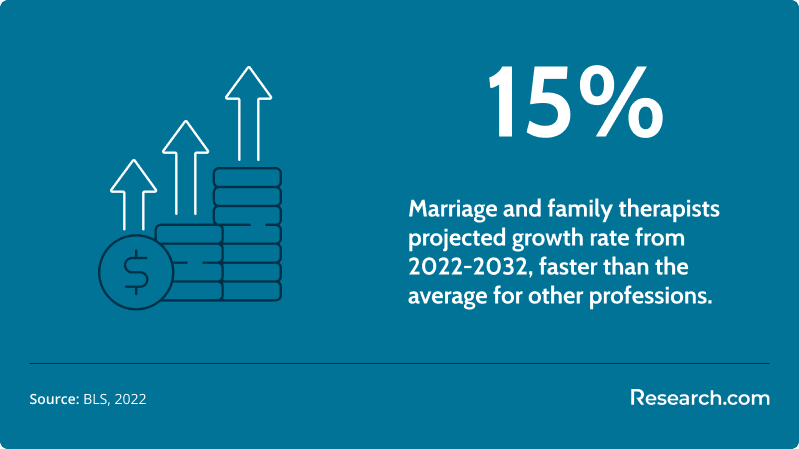
- Demand is connected to broader interest in holistic support. More people are exploring faith-based, mindfulness, and alternative healing practices as part of emotional wellness. Related counseling occupations also show demand; marriage and family therapists are projected to grow by 15% in the U.S., which is faster than the average for other occupations.
- Legal rules depend on your services and location. Some states may require licensure when spiritual counseling overlaps with mental health therapy. Before seeing clients, you should clarify whether you are offering spiritual guidance, coaching, pastoral care, or clinical counseling.
- Core skills are as important as credentials. Effective spiritual counselors need active listening, empathy, cultural humility, ethical judgment, confidentiality practices, and strong boundaries. Clear and compassionate communication is central to positive counseling and coaching outcomes.
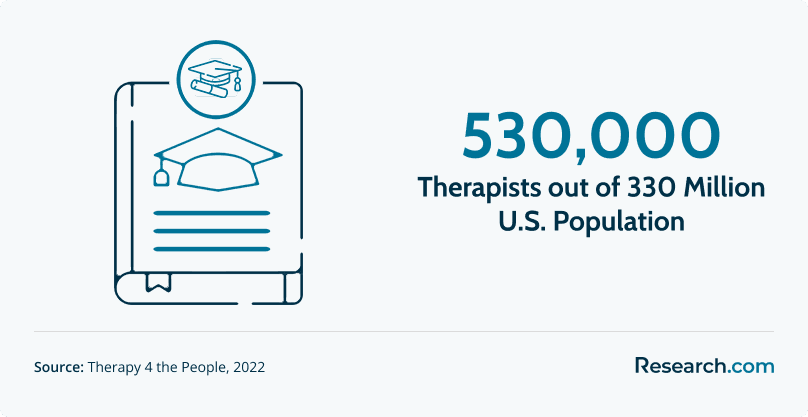
- Online work has expanded access and competition. Virtual spiritual counseling can help practitioners reach clients beyond their local area. However, it also requires secure communication tools, clear consent policies, ethical marketing, and careful attention to scope of practice. With approximately 530,000 therapists serving a population of 330 million in the U.S., demand for counseling-related support remains significant.
- How to become a spiritual counselor for 2027
- Why become a spiritual counselor?
- What does a spiritual counselor do?
- Do you need a degree to be a spiritual counselor?
- What skills do you need to be a spiritual counselor?
- How to get certified as a spiritual counselor
- How to start a spiritual counseling business
- What are the different types of spiritual counseling?
- How can I manage the costs of spiritual counseling education and practice?
- How can I ensure compliance with ethical and confidential practices?
- How can advanced behavioral analysis enhance spiritual counseling?
- How can evidence-based research enhance spiritual counseling?
- What are the emerging trends in spiritual counseling?
- How to build credibility as a spiritual counselor
- How can spiritual counselors prevent burnout and enhance self-care?
- What challenges do spiritual counselors face?
- How do the earnings of spiritual counselors compare to mental health counselors?
- What are the benefits of continuous professional development for spiritual counselors?
- How can mentorship and peer networking enhance spiritual counseling careers?
How to become a spiritual counselor for 2027?
Spiritual counseling sits within the broader helping professions, but it is different from clinical therapy, social work, and life coaching. Among the different counseling career paths, spiritual counselors focus on meaning, values, faith, inner growth, grief, life transitions, forgiveness, purpose, and connection to something larger than the self.
The safest way to enter the field is to build your practice in layers: learn the methods, clarify your scope, get training, gain experience, understand legal boundaries, and then market your services honestly.
- Clarify the type of spiritual counseling you want to provide. Decide whether your work will be faith-based, interfaith, mindfulness-centered, transpersonal, pastoral, grief-focused, or connected to a holistic wellness practice. This decision affects the training, clients, and ethical standards you will need.
- Study counseling foundations and spiritual traditions. Learn active listening, helping skills, crisis referral procedures, cultural humility, grief support, mindfulness practices, and the spiritual frameworks you plan to use. Avoid relying only on personal experience or intuition.
- Consider formal education if you want broader career options. A degree is optional for many spiritual counseling roles, but coursework in psychology, theology, counseling, or social sciences can improve your ability to understand human behavior and communicate professionally.
- Gain practical experience before charging clients. Volunteer with community organizations, assist in spiritual groups, support pastoral care teams, participate in supervised practice, or apprentice with an experienced counselor. Practical experience helps you learn when to help, when to refer, and how to hold boundaries.
- Choose a credible certification program. Certification from an organization aligned with your practice model can help clients understand your training. Programs typically cost between $1,000 and $3,000 and take six months to a year to complete.
- Check state and local rules before advertising services. Do not describe yourself as a therapist, mental health counselor, psychotherapist, psychologist, or clinical provider unless you are legally qualified to do so. If your clients need mental health diagnosis or treatment, refer them to licensed professionals.
- Build a professional practice structure. Create informed consent forms, confidentiality policies, intake procedures, referral lists, scheduling systems, and boundaries for online communication.
- Keep learning after certification. Spiritual care involves complex human concerns. Ongoing training in ethics, trauma awareness, grief, cultural competence, communication, and referral practices can protect both you and your clients.
| Step | What to Do | Why It Matters |
| Define your scope | Choose faith-based, interfaith, mindfulness, pastoral, transpersonal, or holistic counseling focus | Prevents confusion about what services you provide and what you should refer out |
| Build foundational knowledge | Study counseling skills, ethics, spiritual traditions, and communication | Helps you support clients safely instead of relying only on personal beliefs |
| Get experience | Volunteer, apprentice, co-facilitate groups, or practice under supervision | Develops judgment, confidence, and client-facing skills |
| Complete certification | Select a recognized program that fits your model | Signals structured preparation and can support credibility |
| Check legal boundaries | Review state rules and avoid protected clinical titles if you are not licensed | Reduces legal and ethical risk |
| Launch responsibly | Use consent forms, confidentiality policies, referral processes, and honest marketing | Creates a more trustworthy and sustainable practice |
Why become a spiritual counselor?
People usually enter spiritual counseling because they want to help others work through meaning, loss, identity, faith questions, emotional pain, and life direction. The career can be deeply meaningful, but it is not a shortcut to becoming a therapist. It is best suited for people who can combine compassion with discipline, ethical boundaries, and continuing education.
Career fulfillment
Spiritual counselors often work with clients during difficult or reflective life stages: grief, major transitions, spiritual doubt, burnout, relational conflict, or a search for purpose. The work can be rewarding because it allows practitioners to help clients connect values with daily choices.
Job demand
Interest in holistic wellness and alternative healing methods has increased consumer awareness of spiritual support services. A related occupation, marriage and family therapy, is projected to grow by 15%, faster than the average for other occupations. This does not guarantee demand for every spiritual counselor, but it shows that counseling-related support remains a meaningful labor-market area.
Salary data
Income varies widely by location, niche, experience, client base, business model, and credentials. In 2023, the median salary for spiritual counselors in the U.S. is $46,130 annually. Practitioners in private practice may increase earnings through workshops, group sessions, retreats, online sessions, or partnerships, but results depend on reputation, marketing, referral networks, and service quality.
| This Path May Fit You If... | You May Need a Different Path If... |
| You want to help clients explore meaning, values, spirituality, grief, and personal growth | You want to diagnose or treat mental health disorders independently |
| You are comfortable working within a defined non-clinical scope | You want a protected clinical title such as licensed counselor, psychologist, or therapist |
| You are willing to study ethics, communication, and referral practices | You prefer work that does not involve emotional conversations or personal boundaries |
| You can market services honestly without promising healing outcomes | You want a guaranteed salary or a predictable client pipeline immediately after training |
What does a spiritual counselor do?
A spiritual counselor helps clients explore personal meaning, spiritual identity, values, emotional struggles, and life direction. Sessions may include reflective conversation, prayer, meditation, mindfulness, ritual, journaling, forgiveness work, grief support, or discussion of faith and purpose.
Compared with social work and counseling, spiritual counseling is usually less focused on case management, diagnosis, and formal clinical treatment. It is more focused on inner growth, spiritual interpretation, and values-based decision-making. However, the boundaries can become complex when clients bring trauma, depression, anxiety, addiction, or family conflict into sessions.
For readers interested in religious or ministry-based spiritual care, the pathway overlaps with pastoral counseling preparation. Pastoral counselors may work in churches, hospitals, chaplaincy settings, community organizations, or private practice, depending on training and legal qualifications.
Common responsibilities
- Conduct intake conversations and clarify client goals
- Help clients explore spiritual questions, values, purpose, and identity
- Use practices such as meditation, prayer, mindfulness, scripture reflection, ritual, or guided contemplation when appropriate
- Support clients facing grief, stress, life transitions, or existential concerns
- Maintain confidentiality and informed consent policies
- Recognize issues that require referral to a licensed mental health, medical, or crisis professional
- Document sessions according to the needs of the practice and applicable standards
Studies have shown that involvement in religious and spiritual practices is associated with lower levels of depression and anxiety. That does not mean spiritual counseling replaces clinical care, but it does help explain why many clients value spiritual support as part of overall well-being.
Do you need a degree to be a spiritual counselor?
You do not always need a formal degree to become a spiritual counselor, but the answer depends on what you plan to do. If you provide non-clinical spiritual guidance, coaching, pastoral support, or wellness-focused counseling, certification and relevant training may be enough for your practice model. If you intend to diagnose, treat mental health conditions, provide psychotherapy, or bill as a licensed counselor, you will likely need state-approved education, supervised clinical hours, exams, and licensure.
Some students explore related professional tracks, such as spiritual psychology careers, when they want to combine spiritual care with more formal study of human behavior. Others compare counseling education options, including accredited online counseling degree programs, when they want a pathway that may support future licensure or broader employment.
| Path | Typical Preparation | Best For | Important Limitation |
| Spiritual counseling certification | Specialized coursework, spiritual care training, and sometimes supervised practice | Wellness practitioners, clergy, coaches, and career changers | Certification is not the same as a state counseling license |
| Theology or ministry education | Religious studies, pastoral care, ethics, scripture, ministry practice | Faith-based counselors, chaplains, and religious leaders | May not qualify you for clinical mental health practice |
| Psychology or social sciences degree | Human development, behavior, research, culture, and social systems | Students who want stronger academic grounding | Usually does not create licensure by itself |
| Counseling or clinical mental health degree | Graduate coursework, supervised clinical training, and licensing preparation | Those who want to become licensed mental health counselors or therapists | Longer, more expensive, and regulated more strictly |
State requirements can vary. Some jurisdictions may restrict the use of counseling-related titles or regulate services that resemble mental health therapy. Before enrolling in a program, ask whether it prepares you for certification only, professional ministry, coaching practice, or licensure eligibility.
What skills do you need to be a spiritual counselor?
Spiritual counseling requires more than compassion. You need disciplined listening, ethical awareness, self-control, cultural sensitivity, and the humility to refer clients when their needs are outside your competence. Strong ethical judgment is especially important because clients may discuss deeply personal beliefs, trauma, guilt, shame, family conflict, or spiritual distress.
Essential skills
- Active listening: Give full attention, reflect meaning accurately, and avoid rushing clients toward advice.
- Empathy: Understand the client’s emotional and spiritual experience without imposing your own beliefs.
- Clear communication: Explain your scope, methods, fees, confidentiality limits, and referral policies in plain language.
- Boundary setting: Maintain professional limits around availability, emotional dependency, dual relationships, and spiritual authority.
- Cultural and religious humility: Work respectfully with clients whose beliefs, backgrounds, or spiritual practices differ from yours.
- Self-awareness: Notice your own biases, emotional triggers, and desire to “fix” clients.
- Referral judgment: Recognize when a client needs crisis support, medical care, licensed therapy, addiction treatment, or legal assistance.
- Business professionalism: Manage scheduling, documentation, informed consent, client communication, and ethical marketing.
Research on counseling and coaching consistently emphasizes the value of clear, compassionate communication. In spiritual counseling, communication also protects the client’s autonomy: the goal is to guide reflection, not pressure someone into your worldview.
How to get certified as a spiritual counselor
Certification can help demonstrate that you completed organized training, but programs differ in rigor, cost, philosophy, and recognition. Before choosing one, compare curriculum, supervision, ethics training, faculty background, refund policies, and whether the credential is widely understood by clients or employers.
Examples of certification options
- American Institute of Health Care Professionals (AIHCP): Requires 320 hours of study and allows up to two years for completion.
- Loyola University Chicago Pastoral Counseling Certificate: A university-based certificate totaling 15 credit hours.
Cost considerations
- AIHCP courses cost around $240 per course, with five courses required.
- University-based certificates, including Loyola’s, can cost over $13,000.
- Many certification programs cost between $1,000 and $3,000 and take six months to a year to complete.
| Factor to Compare | What to Look For | Red Flag |
| Curriculum | Ethics, counseling skills, spiritual care, boundaries, referral practices, and client communication | Only inspirational content with little practical training |
| Practice component | Supervised exercises, case discussions, role play, or mentorship | No feedback before working with clients |
| Credential language | Clear explanation of what the certificate does and does not authorize | Claims that certification equals licensure |
| Cost transparency | Tuition, materials, exam fees, renewal fees, and refund policies listed clearly | Hidden fees or pressure to enroll quickly |
| Ethics training | Confidentiality, informed consent, scope of practice, and referral standards | No discussion of client safety or legal boundaries |
The key distinction is certification versus licensure. Certification confirms completion of specialized training. Licensure is a legal status granted by a state or licensing board and is usually required for regulated clinical counseling services. If you want to provide mental health therapy, certification alone is not enough.
How to start a spiritual counseling business
Starting a spiritual counseling business requires both helping skills and operating discipline. Many new practitioners focus on branding first, but the foundation should be scope, ethics, legal structure, client safety, and sustainable marketing.
- Define your services clearly. Decide whether you offer individual sessions, group circles, grief support, meditation guidance, faith-based counseling, interfaith spiritual direction, workshops, retreats, or online sessions.
- Check legal requirements. Determine whether your state or local area restricts the use of counseling titles, requires a business license, regulates telehealth-like services, or has rules that apply when spiritual guidance overlaps with mental health care.
- Create client documents. Prepare informed consent, confidentiality policies, cancellation rules, fee agreements, referral procedures, and emergency disclaimers.
- Choose a business structure. Decide whether to operate independently, join an existing wellness center, affiliate with a religious organization, or work through an online directory.
- Set up secure systems. Use reliable scheduling, payment, record-keeping, and video platforms. If you work online, privacy and professionalism matter.
- Build a marketing plan. Use a website, local partnerships, workshops, search visibility, social media, email lists, and professional networking. Avoid exaggerated healing claims.
- Track finances carefully. Budget for training, insurance, software, marketing, office or platform costs, taxes, supervision, and continuing education.
How to find clients as a new spiritual counselor
- Build referral relationships. Connect with clergy, wellness practitioners, grief groups, community centers, coaches, and licensed clinicians who may refer clients when appropriate.
- Offer educational workshops. Introductory sessions on mindfulness, grief, spiritual resilience, or values-based decision-making can help people understand your approach.
- Develop a professional website. Explain your services, training, boundaries, fees, and booking process. Make it clear what you do not provide.
- Use directories selectively. Platforms such as Heallist may help improve visibility, but do not rely on directories alone.
- Ask for testimonials ethically. Testimonials can support trust, but protect confidentiality and avoid pressuring clients.
Can you do spiritual counseling online?
Yes. Online spiritual counseling can expand access for clients and give practitioners more scheduling flexibility. However, virtual work requires secure platforms, clear consent, privacy safeguards, crisis referral plans, and careful attention to the laws that apply where you and the client are located.
If you plan to expand into more specialized helping roles, compare the training expectations with other counseling-related careers, such as domestic violence counseling. Different client populations may require additional trauma-informed training, supervised experience, and legal knowledge.
| Business Decision | Independent Practice | Organization or Center |
| Control | More freedom over niche, schedule, fees, and marketing | Less independence but more structure |
| Client flow | You must build your own referral pipeline | May benefit from existing visibility or referrals |
| Costs | You pay for systems, marketing, insurance, space, and operations | Some costs may be shared or handled by the organization |
| Credibility | Depends heavily on your credentials, reviews, and reputation | Association with an established organization may help |
| Best for | Entrepreneurial practitioners with clear positioning | New counselors who want structure, mentorship, or built-in support |

What are the different types of spiritual counseling?
Spiritual counseling is not one uniform method. Practitioners may work from a religious, interfaith, mindfulness-based, transpersonal, or holistic framework. The right approach depends on your training, beliefs, client population, and ethical scope.
Faith-based counseling
Faith-based counseling integrates a client’s religious beliefs into supportive conversations. Depending on the client’s tradition and consent, sessions may involve prayer, scripture, spiritual teachings, religious community concerns, confession, forgiveness, discernment, or moral decision-making.
Transpersonal counseling
Transpersonal counseling explores experiences that go beyond ordinary identity, including meaning, consciousness, spiritual awakening, mystical experience, and self-transcendence. It often draws from Western psychology as well as contemplative practices such as meditation and mindfulness.
Energy healing integration
Some practitioners combine spiritual counseling with energy-based methods such as Reiki. This approach is usually positioned as relaxation, balance, or holistic wellness support rather than medical or clinical treatment. Clear consent and honest marketing are essential.
Meditation and mindfulness practices
Meditation is commonly used to support self-awareness, emotional regulation, stress reduction, and reflection. Mindfulness strategies also appear in other helping fields, including approaches used for communication disorders treated by speech language pathologists, where emotional regulation and client-centered communication can be relevant.
Spiritual grief and life-transition support
Many clients seek spiritual counseling after bereavement, divorce, illness, career loss, faith change, or major identity shifts. The counselor helps the client process meaning and values while referring to licensed care when symptoms or risk levels require clinical support.
If you are still deciding whether to pursue spiritual counseling or a broader counseling credential, reviewing the easiest counseling degree options can help you understand how academic routes compare with specialized certificates.
How can I manage the costs of spiritual counseling education and practice?
Cost planning should include more than tuition. New spiritual counselors may pay for certification, books, supervision or mentorship, professional memberships, insurance, business registration, website development, booking software, secure video tools, marketing, office space, and continuing education. Comparing these expenses with other professional training routes, such as affordable online BCBA programs, can help you evaluate whether the investment fits your goals.
| Cost Category | What to Ask Before Paying | How to Reduce Risk |
| Training or certification | What is included in tuition, and are there separate exam or renewal fees? | Compare several programs and avoid rushed enrollment decisions |
| Books and materials | Are required texts included or purchased separately? | Ask for a complete materials list before enrolling |
| Supervision or mentorship | Is feedback included, optional, or unavailable? | Prioritize programs with practice-based learning |
| Business setup | Will you need registration, insurance, contracts, software, or office space? | Start lean with online systems or shared space when appropriate |
| Marketing | How will clients find you? | Use low-cost channels first: referrals, workshops, content, and local networking |
To control costs, ask whether a program offers installment plans, scholarships, employer sponsorship, ministry support, or community-based funding. Also calculate the time required to recover your investment. A lower-cost certificate may be sensible for non-clinical spiritual guidance, while a degree may be worth considering if you want broader counseling career options.
How can I ensure compliance with ethical and confidential practices?
Ethics are central to spiritual counseling because clients often disclose vulnerable personal, religious, family, and emotional concerns. Your practice should define confidentiality, its limits, informed consent, record handling, session boundaries, referral procedures, and online communication expectations.
Spiritual counselors who want stronger grounding in professional ethics may study adjacent fields. For example, an addiction counseling degree can expose students to structured confidentiality standards, documentation practices, referral processes, and client safety principles used in regulated settings.
Ethical practices every spiritual counselor should build
- Use written informed consent before starting services
- Explain your qualifications and the limits of your scope
- Protect client records and communications
- Clarify when confidentiality may be limited by safety or legal concerns
- Avoid diagnosing or treating mental health disorders unless properly licensed
- Refer clients to licensed professionals when clinical care is needed
- Avoid spiritual coercion, manipulation, or promises of guaranteed healing
- Seek supervision or consultation when facing complex cases
How can advanced behavioral analysis enhance spiritual counseling?
Behavioral analysis can add structure to spiritual counseling by helping practitioners notice patterns, goals, habits, triggers, and progress over time. Used carefully, it can complement spiritual reflection without reducing the client’s experience to data alone.
Practitioners who want deeper behavioral training may explore programs such as the best online master's in applied behavior analysis. This type of study can help counselors think more clearly about observable change, client progress, and intervention design. Still, spiritual counselors should avoid presenting behavioral tools as clinical treatment unless they are qualified to provide that level of care.
How can evidence-based research enhance spiritual counseling?
Evidence-based thinking can make spiritual counseling more credible and safer. It encourages practitioners to ask: What does the client need? What outcomes are we tracking? When should I refer? Which practices have support, and which claims should I avoid?
Research does not replace intuition, compassion, or spiritual wisdom. Instead, it helps counselors use those qualities responsibly. If you are comparing related helping professions, resources that explain the difference between social work and psychology careers can help you understand how evidence, training, licensure, and scope vary across roles.
What are the emerging trends in spiritual counseling?
Spiritual counseling is being shaped by online access, interdisciplinary training, greater attention to ethics, and increased client interest in holistic well-being. Practitioners are also seeing clients who want support that respects spirituality without ignoring mental health, culture, trauma, and identity.
Trends to watch
- Virtual spiritual counseling: Online sessions make services more accessible but require stronger privacy and consent procedures.
- Integration with psychology and behavioral science: Some counselors are adding academic training to understand human development, trauma, and behavior more deeply.
- Greater scrutiny of claims: Clients and regulators are more alert to exaggerated wellness promises, so ethical marketing matters.
- Interfaith and spiritually inclusive services: Many clients want support that respects their beliefs without assuming a single religious framework.
- Professional specialization: Counselors may focus on grief, life transitions, burnout, spiritual trauma, mindfulness, or faith-based relationship support.
For practitioners who want advanced academic grounding, the cheapest online master's degrees in psychology may be worth comparing with certificate-only routes. The best choice depends on career goals, budget, and whether licensure is part of the plan.
How to build credibility as a spiritual counselor
Credibility comes from more than a certificate. Clients need to know what you are trained to do, how you protect them, what your boundaries are, and whether your approach fits their needs. In a field where titles can be confusing, transparency is a competitive advantage.
- Earn appropriate credentials. Certification from organizations such as the American Institute of Health Care Professionals can help show structured training, especially when paired with ethics and practical experience.
- Be clear about your scope. State whether you provide spiritual guidance, coaching, pastoral care, or counseling support. Do not imply clinical licensure if you do not have it.
- Collect testimonials carefully. Over 90% of people trust online reviews, but confidentiality and consent must come first. Never reveal sensitive client details.
- Create educational content. Over 80% of wellness professionals use content marketing to grow their audience. Articles, talks, workshops, and videos can help potential clients understand your philosophy and boundaries.
- Offer workshops and public education. Teaching on grief, mindfulness, spiritual resilience, or values-based living can build trust before clients book individual sessions.
- Use ethical promotion. Avoid claims that your services cure depression, anxiety, trauma, illness, or relationship problems. Focus on support, reflection, meaning, and personal growth.
- Develop referral relationships. Build connections with licensed therapists, clergy, coaches, physicians, and community organizations so clients can receive the right level of support.
How can spiritual counselors prevent burnout and enhance self-care?
Spiritual counselors can experience emotional fatigue when they repeatedly hold space for grief, crisis, doubt, conflict, and pain. Burnout prevention should be built into the practice from the beginning, not added after exhaustion appears.
- Set clear session hours and response-time expectations
- Limit emotionally intense cases if you do not have enough support or supervision
- Use peer consultation or mentorship for difficult situations
- Maintain your own spiritual, emotional, and physical care routines
- Take breaks between sessions instead of stacking emotionally heavy appointments
- Refer clients whose needs exceed your training
- Review fees, workload, and marketing pressure regularly to avoid financial stress
Some practitioners also study organizational behavior and workplace well-being to improve how they run their practice. Programs such as the cheapest online organizational psychology master's options may offer useful perspectives on stress, leadership, productivity, and sustainable professional systems.
What challenges do spiritual counselors face?
Spiritual counseling can be meaningful, but it also brings real challenges. New practitioners often underestimate legal boundaries, emotional intensity, business development, and the difficulty of explaining a non-clinical service to the public.
| Challenge | Why It Happens | Better Approach |
| Client skepticism | Some people are unsure whether spiritual counseling is credible or useful | Explain your training, methods, scope, and expected process clearly |
| Emotional burnout | Clients may bring grief, trauma, spiritual distress, or major life pain | Use supervision, boundaries, referral lists, and regular self-care |
| Legal confusion | Spiritual counseling may be mistaken for licensed therapy | Avoid protected titles and check state rules before advertising |
| Unstable income | Private practice depends on reputation, referrals, and marketing | Build multiple client channels, including workshops, groups, and partnerships |
| Weak differentiation | Clients may not understand how you differ from clergy, coaches, or therapists | Create a clear niche and describe who you help and how |
If cost is one of your concerns, reviewing the most affordable online counseling degrees can help you compare certificate-only preparation with degree-based options that may support broader career mobility.
How do the earnings of spiritual counselors compare to mental health counselors?
Spiritual counselor earnings are often less standardized than salaries in licensed mental health professions. Income may come from private sessions, group programs, workshops, retreats, online offerings, clergy roles, wellness centers, or integrated holistic practices. Location, credentials, specialization, reviews, referral relationships, and marketing all affect earnings.
For comparison, reviewing mental health counselor salary data can help you understand how regulated counseling careers differ financially from spiritual counseling. Life coaches in the United States earn about $62,500 annually, while spiritual counselors’ income varies by market and practice model. In 2023, the median salary for spiritual counselors in the U.S. is $46,130 annually.
The practical takeaway: do not choose spiritual counseling based only on salary claims. Build a realistic business plan, understand your local market, and consider whether additional education could expand your income options.
What are the benefits of continuous professional development for spiritual counselors?
Continuous professional development helps spiritual counselors stay ethical, current, and effective. It is especially important because clients may bring complex issues that combine spirituality with grief, family systems, addiction, trauma, identity, or mental health concerns.
- Improves ethical decision-making and referral judgment
- Strengthens communication and listening skills
- Helps counselors work respectfully across religious and cultural differences
- Supports specialization in areas such as grief, mindfulness, pastoral care, or spiritual trauma
- Reduces professional isolation through workshops, supervision, and peer learning
- Can expand career options when combined with academic study
For counselors interested in relationship and family dynamics, an online marriage and family therapy degree can provide a more structured look at systems-based approaches that may complement spiritual care.
How can mentorship and peer networking enhance spiritual counseling careers?
Mentorship helps new spiritual counselors translate training into real-world practice. A mentor can help you handle ethical dilemmas, refine your intake process, avoid overstepping your scope, improve client communication, and make better referral decisions. Peer networks can reduce isolation and expose you to different approaches, populations, and business models.
Some practitioners also use networking to explore related education, including online MSW programs, when they want stronger grounding in social systems, community support, and regulated helping roles. The right peer group should challenge your assumptions, support ethical practice, and encourage realistic professional growth.
How can advanced academic training complement spiritual counseling practice?
Advanced academic training can help spiritual counselors understand human development, research, assessment, ethics, trauma, family systems, and behavior more deeply. It can also improve credibility with referral partners. However, advanced study should match your goals. A certificate may be enough for spiritual guidance, while a graduate degree may be more appropriate if you want clinical licensure, university-level study, or broader employment options.
Counselors considering doctoral-level psychology education may review accredited online PsyD programs to understand how clinical psychology training differs from spiritual counseling preparation. This is a major educational commitment and should be evaluated carefully against licensure goals, cost, and career plans.
Common mistakes to avoid when becoming a spiritual counselor
| Mistake | Why It Can Hurt You | What to Do Instead |
| Assuming certification equals licensure | You may unintentionally offer regulated services without legal authority | Check state rules and describe your services accurately |
| Choosing a program based only on price | Cheap training may lack ethics, supervision, or practical skill development | Compare curriculum, outcomes, supervision, and credential recognition |
| Ignoring scope of practice | Clients may bring issues that require clinical or crisis care | Maintain a referral list and use clear informed consent |
| Making exaggerated claims | Promises of healing can damage trust and create ethical risk | Use honest language about support, growth, reflection, and spiritual exploration |
| Launching without business systems | Poor scheduling, payment, records, or policies can create confusion | Set up consent forms, confidentiality procedures, fees, and communication rules before taking clients |
| Neglecting self-care | Emotional overload can lead to burnout and poor judgment | Use supervision, boundaries, rest, and ongoing support |
Questions to ask before choosing a spiritual counseling program
- Does the program teach ethics, confidentiality, scope of practice, and referral procedures?
- How much does the program cost in total, including courses, materials, exams, and renewal fees?
- Does the program include supervised practice, mentorship, role play, or feedback?
- Who teaches the courses, and what are their credentials?
- Does the credential fit the kind of clients and settings you want to serve?
- Does the program clearly explain that certification is different from licensure?
- Will the training help you work with diverse spiritual and religious backgrounds?
- Are there alumni, reviews, or graduate outcomes you can evaluate?
- What continuing education is required after completion?
- If you want clinical work later, will credits transfer or support future degree plans?
Here’s what graduates have to say about spiritual counseling
My spiritual counseling training helped me learn how to support people with more structure and care. I now work with clients who want help finding clarity, purpose, and emotional balance during challenging seasons. — Astrid
The program strengthened my listening and communication skills. I learned how to guide clients without judgment and how to respect different spiritual backgrounds while helping people build mindfulness and self-awareness. — Laura
Moving from a corporate role into spiritual counseling took patience, study, and practice. The work has allowed me to build an independent practice while offering meaningful support to people who are looking for direction. — Nikolai
Key Insights
- Spiritual counseling is best understood as spiritual guidance and personal-growth support unless you also hold the credentials required for clinical mental health practice.
- A degree is not always required, but education in psychology, theology, counseling, or social sciences can improve credibility and judgment.
- Certification programs often cost between $1,000 and $3,000 and may take six months to a year; the American Institute of Health Care Professionals requires 320 hours of study.
- Certification and licensure are not the same. Licensure is controlled by states and may be required if your services overlap with mental health therapy.
- Strong spiritual counselors combine empathy with boundaries, confidentiality, cultural humility, referral awareness, and ethical marketing.
- Online spiritual counseling can expand access, but it requires secure systems, informed consent, and careful attention to laws and privacy.
- Income varies by niche, location, credentials, and business model. In 2023, the median salary for spiritual counselors in the U.S. is $46,130 annually, but private-practice results are not guaranteed.
- The most sustainable path is to start with a clear scope, choose reputable training, gain practical experience, build referral relationships, and keep learning throughout your career.
References:
- The Role of Spirituality in Mental Well-Being. (n.d.). https://www.grandrisingbehavioralhealth.com/blog/the-role-of-spirituality-in-mental-well-being
- Vieten, C., Oxhandler, H. K., Pearce, M., Fry, N., Tanega, C., & Pargament, K. (2023). Mental health professionals’ perspectives on the relevance of religion and spirituality to mental health care. BMC Psychology, 11(1). https://doi.org/10.1186/s40359-023-01466-y
- The American Institute of Health Care Professionals Inc. (2025, February 11). Spiritual Counseling Certification - AIHCP. AIHCP. https://aihcp.net/spiritual-counseling-certification/
- Miller, A. (2024, February 12). Core Counseling Skills for Ministers - ACCFS. ACCFS. https://accounseling.org/ministers/core-counseling-skills-for-ministers/
- Self-Assessment Questions - Course #71611: Integrating Religion and Spirituality into Counseling - NetCE. (n.d.). NetCE. https://www.netce.com/studypoints.php?courseid=2633&page=printquestions&printable=yes
- The American Institute of Health Care Professionals Inc. (2025b, February 11). Spiritual Counseling Certification - AIHCP. AIHCP. https://aihcp.net/spiritual-counseling-certification/
- Pastoral Counseling Certificate | Loyola University Chicago. (n.d.). https://gpem.luc.edu/portal/program?name=pastoralcounselingcertificate
- Aguirre, V. (2022, September 12). Digital marketing for small businesses. Distinct - Local Website Experts. https://becomedistinct.com/blog/the-state-of-digital-marketing-in-small-businesses/
- Zhou, L. (2025, February 8). The ultimate list of life coaching statistics in 2025. Luisa Zhou. https://luisazhou.com/blog/life-coaching-statistics/
- Nazish, N. (2024, September 3). What to know about Reiki Healing for Self-Care. Verywell Mind. https://www.verywellmind.com/what-to-know-about-reiki-healing-for-self-care-8665540
- Nash Ph.D., J. (2023, June 13). What Is Transpersonal Psychology? 9 Examples and Theories. PositivePsychology.com. https://positivepsychology.com/transpersonal-psychology/
- ZipRecruiter (n.d.). Salary: Spiritual Counselor (Feb, 2025). https://www.ziprecruiter.com/Salaries/Spiritual-Counselor-Salary
- Lmhc, C. F. (2019, March 4). Spiritual therapy for the non-religious | Zencare Blog. The Couch: A Therapy & Mental Wellness Blog. https://blog.zencare.co/spiritual-therapy-for-the-non-religious/
- Justinkhughes, & Justinkhughes. (2023, March 25). How to Ethically Integrate Faith and Spirituality into Therapy - Justin K. Hughes, MA, LPC. Justin K. Hughes, MA, LPC - Get Unstuck From Fear. https://www.justinkhughes.com/jog/how-to-ethically-integrate-faith-and-spirituality-into-therapy/
Other Things You Should Know About Spiritual Counselors
No U.S. states license “spiritual counselor” as a standalone profession in 2027. Practitioners usually work under general counseling, ministry, or coaching rules, but they must follow state consumer-protection, privacy, and scope-of-practice laws if they offer mental health services.
To start a career as a spiritual counselor in 2027, typically a bachelor's degree in psychology or religious studies is needed, along with certification from a recognized body like the American Institute of Health Care Professionals after completing a 150-hour program.