
2027 How to Become a Pastoral Counselor

Co-Founder and Chief Data Scientist
Pastoral counseling is a career path for people who want to support mental health while also taking a client’s faith, spiritual identity, religious community, and moral questions seriously. It can appeal to clergy, chaplains, theology graduates, counseling students, social workers, and helping professionals who want a practice that is more spiritually integrated than conventional therapy.
The decision is not simple. Pastoral counseling can involve ministry, chaplaincy, psychotherapy, crisis care, addiction support, end-of-life counseling, family work, and community leadership. Requirements also vary by role and state. Some pastoral counselors primarily provide spiritual care under a ministry or chaplaincy model, while others need a state counseling license because they provide clinical mental health services.
This guide explains what pastoral counselors do, how to become one for 2027, what degrees and certifications may be required, how much programs cost, whether online degrees are accepted, what jobs are available, and how to decide whether this path is financially and professionally worth pursuing.
Quick answer: Is becoming a pastoral counselor a good path?
Becoming a pastoral counselor can be a worthwhile path if you want to combine spiritual care with counseling skills and are comfortable navigating both religious and clinical expectations. The average salary is $44,254, with entry-level roles starting at $33,000 and experienced professionals earning up to $58,000 annually. The field has a projected job growth rate of 10% from 2018 to 2028. However, the right route depends heavily on whether you want to provide pastoral support, clinical therapy, chaplaincy services, or licensed mental health counseling.
What are the main benefits of becoming a pastoral counselor?
- Meaningful client impact: Pastoral counselors help people work through grief, trauma, family conflict, moral distress, addiction, illness, spiritual doubt, and major life transitions.
- A blended professional identity: The role allows trained professionals to combine theology, counseling theory, ethics, and spiritual care rather than choosing only one discipline.
- Multiple work settings: Pastoral counselors may work in churches, hospitals, hospices, schools, nonprofits, correctional settings, community agencies, or private practice.
- Steady employment outlook: A projected job growth rate of 10% from 2018 to 2028 suggests continuing demand for professionals who can address emotional and spiritual needs together.
- Room to specialize: Professionals can build expertise in addiction counseling, grief care, marriage and family support, chaplaincy, trauma-informed ministry, or clinical counseling.
- What does a pastoral counselor do?
- How do you become a pastoral counselor for 2027?
- What licenses or certifications do pastoral counselors need?
- How much does pastoral counseling education cost?
- Are online pastoral counseling degrees respected by employers?
- What career paths are available for pastoral counselors for 2027?
- How much do pastoral counselors earn?
- How should you compare pastoral counseling programs?
- How can pastoral counselors move into higher-level roles?
- Can you find affordable online pastoral counseling education?
- Can pastoral counseling include addiction counseling?
- Can applied behavior analysis strengthen pastoral counseling?
- What challenges should pastoral counselors expect?
- How can you reduce the cost of pastoral counseling education?
- What advanced degrees can support pastoral counseling careers?
- How does organizational psychology connect with pastoral counseling?
- How can further education expand pastoral counseling opportunities?
- Where do pastoral counselors work?
- What is the job outlook for pastoral counselors?
- Is pastoral counseling worth it?
What does a pastoral counselor do?
A pastoral counselor helps individuals, couples, families, groups, and communities address emotional, relational, ethical, and spiritual concerns. The role sits at the intersection of counseling and faith-based care. Depending on training and legal authority, a pastoral counselor may provide spiritual guidance, crisis support, grief counseling, premarital or marital counseling, hospital-based spiritual care, or clinical mental health services.
The most important distinction is scope of practice. A pastoral counselor who works as clergy or a chaplain may provide spiritual care without functioning as a licensed therapist. A pastoral counselor who diagnoses mental health conditions, treats clinical disorders, bills insurance as a therapist, or advertises psychotherapy usually needs the appropriate state license. This is why students should decide early whether they want a ministry-centered path, a chaplaincy path, or a licensed counseling path.
| Pastoral counseling focus | Typical work | When this path makes sense |
| Spiritual care and guidance | Helping people process grief, faith questions, moral conflict, family stress, and personal crisis through a religious or spiritual framework | Best for clergy, ministers, lay leaders, and faith-based advisors who do not plan to provide clinical therapy |
| Chaplaincy | Providing care in hospitals, hospices, correctional facilities, military settings, or community organizations | Best for people drawn to crisis care, end-of-life support, healthcare teams, or institutional ministry |
| Clinical pastoral counseling | Combining counseling methods with theological training in a therapeutic context | Best for professionals pursuing licensure, supervised clinical practice, and formal mental health services |
| Faith-informed psychotherapy | Using evidence-based counseling while respecting a client’s faith, values, culture, and spiritual goals | Best for those who want to work as licensed professional counselors, therapists, psychologists, or clinical social workers |
For clergy members considering clinical work, it is useful to understand how counseling and psychology degrees differ. A graduate psychology route may raise the question, what can you do with a master's degree in psychology? For pastoral counseling, the answer depends on state law, accreditation, supervised experience, and whether the program leads to licensure. A psychology degree can strengthen assessment and research skills, but it may not automatically qualify a graduate for counseling licensure unless it meets state requirements.
How do you become a pastoral counselor for 2027?
The route to becoming a pastoral counselor depends on the type of services you plan to provide. A clergy-based counselor, a hospital chaplain, and a licensed professional counselor with pastoral training may follow different educational and certification paths. The safest approach is to define your intended role first, then choose the degree, supervised experience, and credentialing route that matches it.
- Clarify your career goal. Decide whether you want to work in ministry counseling, chaplaincy, clinical therapy, addiction counseling, marriage and family support, social services, or private practice. This choice determines whether you need a theology degree, a counseling degree, Clinical Pastoral Education, state licensure, or a combination of credentials.
- Earn a relevant bachelor’s degree. Common undergraduate majors include psychology, theology, social work, pastoral studies, human services, or counseling-related fields. Students who want a stronger faith-based graduate foundation can compare programs such as a master's in Christian counseling.
- Choose the right graduate program. Many clinical counseling roles require a master’s degree. If you want state licensure, confirm that the curriculum includes required counseling coursework, supervised practicum or internship hours, ethics, assessment, human development, and any state-specific content.
- Complete supervised practical training. Many pastoral care professionals complete Clinical Pastoral Education, often called CPE. This training is commonly completed in healthcare or other institutional settings and helps students develop real-world spiritual care, crisis response, and reflective practice skills.
- Meet licensing or certification requirements. Some roles require state licensure, while others rely on ministry credentials, board certification, chaplaincy credentials, or professional certification. Requirements differ by state, employer, denomination, and role.
- Build core counseling skills. Pastoral counselors need active listening, ethical judgment, cultural humility, crisis response, referral skills, confidentiality practices, grief support, trauma awareness, and the ability to work across diverse religious and nonreligious perspectives.
- Continue professional development. Effective pastoral counselors keep learning through supervision, continuing education, peer consultation, theological study, clinical training, and professional associations.
Typical pastoral counseling preparation timeline
| Stage | What you do | Decision point |
| Bachelor’s preparation | Study psychology, theology, social work, pastoral studies, or a related field | Decide whether you are more interested in ministry, chaplaincy, or clinical counseling |
| Graduate education | Complete theology, counseling, psychology, divinity, social work, or Christian counseling coursework | Verify whether the program supports licensure, ordination, chaplaincy, or certification goals |
| Field training | Complete supervised counseling, practicum, internship, or Clinical Pastoral Education | Choose settings that match your target role, such as hospitals, churches, schools, or agencies |
| Credentialing | Apply for certification, licensure, ministry endorsement, or employer-required credentials | Confirm state and employer requirements before advertising services |
| Career growth | Specialize, pursue advanced education, publish, supervise, teach, or move into leadership | Choose whether to deepen clinical practice, pastoral care, administration, or academia |
What licenses or certifications do pastoral counselors need?
Licensing and certification are not interchangeable. Licensure is a legal authorization granted by a state. Certification is usually a professional credential granted by an organization. Pastoral counselors may need one, both, or neither, depending on what they do and where they work.
Licensure is generally required when a pastoral counselor provides services that fall under clinical mental health practice. States such as Tennessee and North Carolina specifically require licensing for individuals who practice as clinical pastoral therapists or counselors. These credentials are typically handled through a state board of health professions or a similar regulatory body and may require a state examination and supervised clinical hours.
Certification can demonstrate specialized preparation in pastoral care, spiritual counseling, or clinical pastoral practice. Organizations associated with certification include:
- the Association for Clinical Pastoral Education, also known as ACPE;
- the National Board for Certified Pastoral Counselors, also known as NBCPC.
Certification can be helpful for credibility, especially when a counselor wants to show formal preparation in both spiritual care and mental health-informed support. However, certification does not replace a required state license. If your work resembles clinical therapy, diagnosis, or treatment, check your state board before enrolling in a program or opening a practice. Students comparing pastoral counseling with psychology careers may also want to review the role of an educational psychologist to understand how credentialing differs across helping professions.
| Credential type | Who grants it | Why it matters |
| State license | State counseling, therapy, psychology, social work, or health professions board | May be legally required to provide clinical counseling, psychotherapy, diagnosis, or treatment |
| Pastoral certification | Professional pastoral care or pastoral counseling organizations | Shows specialized training in spiritual care and pastoral counseling practice |
| Clinical Pastoral Education | CPE programs, often connected to healthcare or institutional settings | Provides supervised spiritual care experience and is often important for chaplaincy roles |
| Ordination or religious endorsement | Denomination, faith community, or religious body | May be required for clergy, chaplaincy, or faith-based institutional roles |
How much does pastoral counseling education cost?
Pastoral counseling program costs vary by institution, degree level, residency status, delivery format, and whether the program is housed in a seminary, university, or professional school. Existing tuition data shows that undergraduate programs in pastoral studies/counseling average approximately $22,467. Graduate programs average around $15,520. A specialized Clinical Pastoral Counseling/Patient Counseling graduate program is about $15,754 for in-state students and $16,238 for out-of-state students.
Tuition is only one part of the budget. Students should also plan for fees, books, technology, transportation, background checks, liability insurance, supervised fieldwork expenses, professional memberships, exam fees, and possible lost income if internships or CPE units require significant time. Online programs may reduce commuting or relocation costs, but they can still require in-person practicums, internships, intensives, or local supervision.
Students comparing pastoral counseling with adjacent clinical or social service routes may also want to examine Master of Social Work specializations, especially if they want broader eligibility for social service, clinical, hospital, or community agency work.
| Cost category | Why it matters | Question to ask before enrolling |
| Tuition | Program price can differ significantly by school, degree level, and residency status | Is tuition charged per credit, per term, or per program? |
| Clinical or CPE expenses | Supervised training may involve fees, travel, unpaid hours, or site requirements | Does the school help students secure approved placements? |
| Licensure preparation | Licensure-track programs may require exams, supervision, and additional coursework | Does the curriculum meet requirements in the state where I plan to practice? |
| Online learning costs | Online programs can still include technology fees, residencies, or local fieldwork | Are there mandatory campus visits or synchronous class times? |
| Financial aid | Scholarships, grants, employer benefits, and payment plans can reduce out-of-pocket cost | What aid is available specifically for graduate, seminary, or counseling students? |
The chart below highlights in-state tuition fees for pastoral and clinical pastoral counseling programs to help students compare costs before choosing a degree route.
Are online pastoral counseling degrees respected by employers?
Employers can recognize an online pastoral counseling degree when the program is properly accredited, academically credible, and aligned with the job’s requirements. The word “online” is usually less important than whether the school is legitimate, whether the curriculum includes the required training, and whether graduates qualify for the credential or license they need.
- Accreditation matters first. A degree from an accredited institution is more likely to be treated as comparable to an on-campus degree. Accreditation is especially important for financial aid, transfer credits, graduate admission, employer screening, and licensure eligibility.
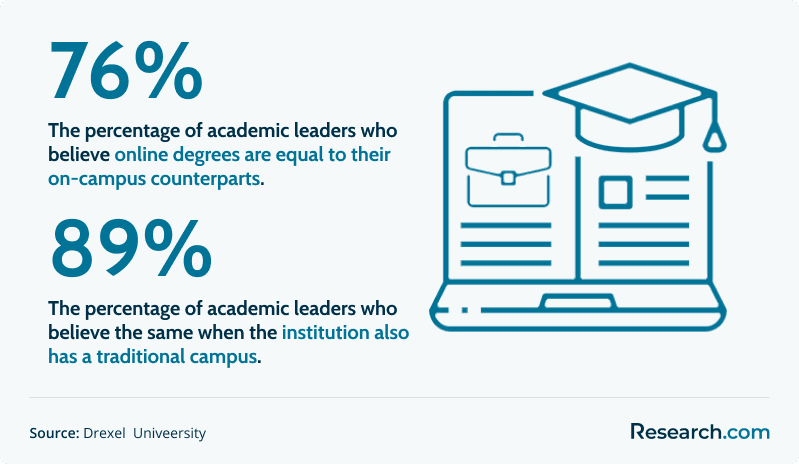
- Institutional reputation affects perception. Online programs connected to established colleges or universities with a physical campus may be viewed more favorably. The original employer-perception data cited in this article reports that 89% of academic leaders believe online degrees from institutions with a traditional campus are equal to on-campus degrees, compared with 70% for online-only schools.
- Program fit is essential. A respected online degree still may not be the right choice if it does not include required supervised practice, CPE access, licensure coursework, or denomination-specific expectations.
Online education can be especially useful for working clergy, chaplains, ministry staff, parents, and adult learners who cannot relocate. It is also relevant for adjacent faith-based helping roles. For example, students interested in spiritual growth, coaching, and personal development may compare pastoral counseling with a transformational coach career path.
| Online degree factor | Green flag | Warning sign |
| Accreditation | The institution is accredited by a recognized accreditor | The school uses vague claims or cannot clearly identify its accrediting body |
| Licensure alignment | The program publishes state licensure information or directs students to verify requirements | The program implies that graduation alone guarantees licensure |
| Fieldwork support | The school explains how internships, practica, or CPE placements work | Students must find all placements without guidance or approval criteria |
| Faculty background | Faculty have relevant counseling, theology, chaplaincy, or clinical experience | Faculty credentials are unclear or unrelated to the field |
| Employer recognition | Graduates work in churches, agencies, hospitals, schools, or counseling settings | The school provides little information about outcomes or career paths |
The image below summarizes how academic leaders perceive online degrees.
What career paths are available for pastoral counselors for 2027?
Pastoral counseling training can support several careers, but not all of them have the same education, licensure, salary, or advancement requirements. Some roles emphasize ministry and spiritual care. Others require clinical mental health credentials. Before choosing a degree, compare your target job title with the minimum education and credential expectations in your state or employer setting.
| Career option | Typical responsibilities | Average salary | Minimum education requirement | Job growth |
| Senior Case Manager | Coordinates services, assesses client needs, creates care plans, works with providers, advocates for clients, supervises junior staff, and monitors compliance | $40,691 | Bachelor's Degree in Social Work or related field | 12% |
| Minister | Leads worship, provides pastoral care, teaches religious texts, performs ceremonies, supports congregants, and participates in community outreach | $42,866 | Bachelor's Degree in Theology or Divinity | 0.01% |
| Substance Abuse Counselor | Assesses addiction-related needs, develops treatment plans, leads counseling sessions, supports relapse prevention, and works with care teams | $43,069 | Bachelor's Degree in Counseling, Psychology, or Social Work; additional certification required | 22% |
| Hospice Chaplain | Provides spiritual support to terminally ill patients and families, participates in interdisciplinary care, offers rituals, and supports grief processing | $52,027 | Bachelor's Degree in Divinity or related field; clinical pastoral education required | 4% |
| Therapist | Supports individuals, couples, and groups through mental health concerns, life transitions, depression, anxiety, and relational stress while incorporating spiritual context when appropriate | $55,943 | Master’s Degree in Counseling or Psychology; pastoral training needed | 15% |
| Clinician | Assesses and treats emotional and mental health concerns, develops treatment plans, and provides therapeutic interventions across care settings | $60,150 | Master’s degree in Psychology, Social Work, or related field. | 9% |
| Clinical Social Worker | Provides therapy, case support, group work, intervention planning, and client advocacy while respecting spiritual, cultural, and family contexts | $63,056 | Master’s Degree in Social Work (MSW) with state licensure | 12% |
| Education Consultant | Advises schools or faith-based education organizations on curriculum, teaching strategy, policy, administration, and student support | $79,608 | Master’s Degree in Education or Theology | 8% |
| Licensed Professional Counselor | Provides professional counseling services, develops treatment plans, and may integrate client spirituality and cultural values into care when appropriate | $94,675 | Master’s Degree in Counseling; state licensure and pastoral certification needed | 10% |
| Adjunct Professor | Teaches courses in pastoral care, theology, counseling, spiritual formation, or related disciplines and may contribute to academic research | $98,821 | Doctorate or Master’s Degree in Theology, Counseling, or related field | 12% |
Students who want to work with substance use concerns should investigate addiction-specific coursework and credentials. Flexible options such as online addiction counseling degree programs can be relevant if they meet certification or licensure requirements for the student’s state and career goal.
How much do pastoral counselors earn?
The average pastoral counselor salary in the United States is around $44,254 per year. Entry-level positions start at $33,000, while more experienced professionals can earn up to $58,000 annually. Actual pay depends on role, employer, credentials, state, denomination or institution, supervision responsibilities, and whether the counselor works in ministry, healthcare, private practice, education, or social services.
Salary comparisons should be handled carefully. A pastoral counselor working in a church may have a different compensation structure than a licensed professional counselor, clinical social worker, professor, or healthcare chaplain. Some roles may include housing allowances, benefits, part-time schedules, or ministry responsibilities that do not show up cleanly in salary data.
Advanced education can improve access to specialized roles, supervision opportunities, teaching positions, leadership tracks, or clinical credentials. Students considering doctoral study can compare counseling psychology careers and outcomes through resources that discuss PhD in counseling salary considerations.
The chart below compares pastoral counselor earning potential with related careers and shows how salaries can differ by role and education level.
How should you compare pastoral counseling programs?
The best pastoral counseling program is not simply the cheapest or the most convenient. It is the program that matches your intended role, state requirements, religious context, budget, and learning needs. A student seeking hospital chaplaincy should evaluate programs differently from a student seeking licensed professional counselor status or church-based pastoral care.
| Program factor | Why it matters | What to ask |
| Accreditation | Accreditation affects employer recognition, financial aid eligibility, transferability, and potential licensure pathways | Is the institution accredited by a recognized accreditor? |
| Licensure fit | Some counseling roles require state-approved coursework and supervised experience | Does this program meet requirements in the state where I plan to practice? |
| Theological approach | Faith tradition, doctrine, and spiritual care philosophy can shape the curriculum | Does the program align with my faith commitments and the clients I hope to serve? |
| Clinical training | Practicum, internship, supervision, and CPE experience influence readiness for practice | How are placements approved, supervised, and evaluated? |
| Faculty expertise | Faculty background affects mentorship, academic quality, and professional networking | Do instructors have relevant pastoral, counseling, chaplaincy, or clinical experience? |
| Cost transparency | Total cost includes more than tuition | What fees, residency costs, books, insurance, and fieldwork expenses should I expect? |
| Career support | Career services can help with internships, chaplaincy placements, licensing steps, and employer connections | Where do graduates work, and what support does the program provide? |
Students who want to combine pastoral care with family systems, couples work, or therapy may also compare related options such as affordable online marriage and family therapy master's programs. These programs may offer a stronger clinical family therapy foundation, but students must still verify licensure alignment.
How can pastoral counselors move into higher-level roles?
Career advancement in pastoral counseling usually comes from one or more of four strategies: earning stronger credentials, developing a specialty, gaining supervised experience, and building professional visibility. The best route depends on whether the counselor wants to become a senior clinician, chaplain supervisor, private practitioner, ministry leader, educator, consultant, or researcher.
- Pursue advanced certification or licensure. Higher-level clinical roles usually require graduate education, supervised experience, and state licensure.
- Specialize in a defined area. Grief, trauma, addiction, marriage and family counseling, hospice care, crisis response, and spiritual direction can all support a clearer professional niche.
- Seek supervision and consultation. Regular supervision helps protect ethical practice, reduce isolation, and strengthen clinical judgment.
- Join professional networks. Associations, conferences, peer groups, and denominational networks can lead to referrals, jobs, and mentorship.
- Track compensation benchmarks. Understanding how much counselors make each year can help professionals evaluate offers, negotiate pay, and compare related career paths.
- Teach, publish, or present. Academic and public-facing work can build credibility, especially for counselors who want to supervise, train clergy, or teach pastoral care.
Can you find affordable online pastoral counseling education?
Yes, but affordability should be evaluated together with quality, accreditation, and career fit. A low-cost program is not a good investment if it does not support licensure, chaplaincy, ministry endorsement, or the supervised experience you need. Online programs can reduce travel and relocation costs, but they may still require field placements, clinical supervision, synchronous courses, or short residencies.
When comparing online options, look for clear accreditation information, transparent tuition, accessible faculty, approved fieldwork processes, and student support. Learners comparing counseling-related pathways may find useful benchmarks through lists of the most affordable online colleges for counseling degrees.
Can pastoral counseling include addiction counseling?
Pastoral counselors often encounter addiction-related concerns because substance use can affect family systems, faith communities, grief, trauma, finances, employment, and health. However, supporting someone spiritually through recovery is not the same as being qualified to provide addiction treatment. Professionals who want to treat substance use disorders should pursue the education, supervised experience, and certification or licensure required in their state.
Integrating addiction counseling can be valuable when done ethically. A pastoral counselor may provide spiritual support, coordinate referrals, participate in recovery ministries, or work alongside licensed addiction professionals. Those who want a more formal treatment role can review guidance on how to become an addiction counselor.
Can applied behavior analysis strengthen pastoral counseling?
Applied behavior analysis can help pastoral counselors think more precisely about behavior patterns, triggers, reinforcement, environmental factors, and measurable change. This can be useful in parent coaching, disability support, habit change, behavioral planning, and structured interventions. It is not a replacement for pastoral care or counseling training, but it can add practical tools when used within ethical boundaries.
Professionals who want deeper behavioral training may consider an online master's degree in applied behavior analysis. Before enrolling, they should confirm whether the degree fits their career goal, credentialing plans, and client population.
What challenges should pastoral counselors expect?
Pastoral counseling can be rewarding, but it carries serious professional pressures. The work often involves grief, trauma, abuse disclosures, spiritual crisis, marital distress, addiction, terminal illness, and conflict inside families or congregations. Counselors must know when to provide care, when to refer, and when a client needs a licensed mental health provider, physician, emergency support, or protective services.
| Common challenge | Why it matters | Better practice |
| Unclear role boundaries | Clients may expect a counselor to serve as therapist, pastor, spiritual director, mediator, and crisis responder at the same time | Explain scope of services, confidentiality, fees, crisis policies, and referral limits at the beginning |
| Licensure confusion | Practicing clinical therapy without the right license can create legal and ethical risk | Check state rules and avoid clinical claims unless properly licensed |
| Emotional burnout | Repeated exposure to suffering, grief, and crisis can affect mental and spiritual health | Use supervision, consultation, rest, peer support, and sustainable caseload boundaries |
| Dual relationships | Faith communities can blur the line between counselor, pastor, friend, supervisor, and congregational leader | Create clear boundaries and avoid conflicts of interest where possible |
| Compensation differences | Pastoral counseling pay may differ from related clinical roles | Compare salaries, benefits, and advancement routes, including resources on psychologist and social worker salary differences |
How can you reduce the cost of pastoral counseling education?
Students can manage costs by comparing total program price, applying for aid early, using employer or church support when available, transferring eligible credits, and choosing a program that directly supports their career objective. The cheapest option is not always the best option; a degree that does not meet credentialing requirements can become more expensive if you later need extra coursework.
- Ask about scholarships and grants. Seminaries, universities, denominations, and community organizations may offer targeted aid.
- Compare total cost, not just tuition. Include fees, books, residencies, fieldwork, supervision, insurance, and travel.
- Consider online or hybrid formats. These may reduce relocation and commuting expenses, though they can still require placements.
- Use transfer credits carefully. Confirm transfer policies before enrolling and ask how many credits can apply to the degree.
- Choose a credential-aligned program. Paying less for a program that does not meet licensure or chaplaincy needs can delay your career.
Students considering a psychology-based route may compare affordable options such as the most affordable online master's degrees in psychology, while remembering that psychology programs and counseling licensure programs are not always interchangeable.
What advanced degrees can support pastoral counseling careers?
Advanced education can help pastoral counselors move into clinical work, supervision, teaching, research, healthcare leadership, or specialized practice. The right academic path depends on the desired role. A Master of Divinity may support ministry and chaplaincy. A counseling master’s may support licensure. An MSW may support clinical social work. A psychology doctorate may support advanced assessment, research, and clinical practice where state requirements are met.
Some professionals explore doctoral clinical psychology routes, including options such as an online PsyD in clinical psychology. Before choosing this path, students should verify accreditation, internship expectations, state licensure requirements, residency components, and whether the program’s cost aligns with realistic career outcomes.
How does organizational psychology connect with pastoral counseling?
Organizational psychology can be useful for pastoral counselors who work with congregations, nonprofits, schools, healthcare teams, or ministry staff. Many pastoral counseling challenges are not only individual; they also involve leadership conflict, burnout, communication breakdowns, role confusion, organizational change, and group dynamics.
Training in organizational psychology can help professionals design healthier systems, support leaders, mediate conflict, improve team communication, and guide communities through transition. Students interested in this complementary skill set can compare options such as the most affordable online master's in organizational psychology.
How can further education expand pastoral counseling opportunities?
Further education can deepen clinical judgment, strengthen ethical practice, broaden referral networks, and open roles in hospitals, agencies, private practice, academia, or leadership. It can also help pastoral counselors serve complex client needs more responsibly, especially when clients present with trauma, addiction, serious mental illness, family violence, or social service needs.
An MSW can be a strong option for students who want training in social systems, advocacy, clinical practice, and community-based care. Flexible options such as online MSW programs may be worth comparing, but students should confirm accreditation, field placement support, and state licensure alignment before enrolling.
Where do pastoral counselors work?
Pastoral counselors can work across several industries and community settings. The best setting depends on the counselor’s credentials, faith background, clinical training, and comfort with crisis work, institutional systems, or congregational life.
- Healthcare settings: Hospitals, hospices, long-term care facilities, and palliative care programs may employ chaplains or pastoral care professionals who support patients, families, and care teams.
- Faith communities: Churches, synagogues, mosques, ministries, and religious nonprofits may use pastoral counselors for premarital counseling, grief support, family care, spiritual direction, or crisis response.
- Schools and universities: Educational institutions may need counseling, chaplaincy, student support, or faith-based wellness services.
- Nonprofit and community organizations: Pastoral counselors can serve populations affected by poverty, trauma, addiction, family instability, incarceration, or displacement.
- Private practice: Properly credentialed professionals may offer individual, couples, family, or group services. Some also explore related spiritual psychology career options.
Opportunities exist throughout the United States, but some areas may offer more roles because of healthcare systems, universities, nonprofits, or large faith communities. District of Columbia has a high concentration of pastoral counselor jobs offering competitive salaries. Connecticut and Delaware also show a higher percentage of pastoral counselor employment relative to their populations. Large urban centers often provide more job openings because they have more hospitals, schools, agencies, and faith-based organizations.
What is the job outlook for pastoral counselors?
The projected job growth rate for pastoral counselors is 10% from 2018 to 2028. This suggests steady demand for professionals who can integrate spiritual care with emotional support. The outlook is shaped by several factors: continued need for grief and crisis care, aging populations requiring hospice and hospital support, demand for addiction and mental health services, and interest in counseling that respects faith and cultural identity.
Related roles show different growth patterns. Substance Abuse Counselors have a 22% growth rate, while Hospice Chaplains have a 4% growth rate. These differences matter when choosing a specialization. Students who want the strongest labor-market flexibility may consider training that qualifies them for broader counseling, social work, addiction, or healthcare roles while also maintaining a pastoral identity.
For students within Christian contexts, a path as a Christian counselor may offer a more specific faith-based focus. However, the same caution applies: understand the difference between ministry counseling, biblical counseling, pastoral counseling, and licensed clinical counseling before choosing a program.
Is pastoral counseling worth it?
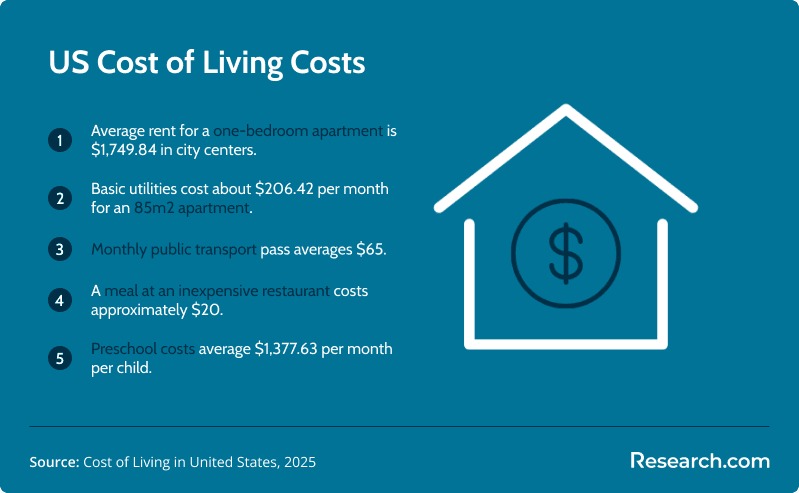
Pastoral counseling can be worth it for people who value spiritually integrated care and are realistic about education, income, licensure, and emotional demands. The average salary is approximately $44,254 per year, while the cost of living for a single person without rent is around $1,166.5 per month in the United States. The field’s projected 10% growth rate indicates continued demand, but earnings may be lower than some licensed clinical or specialized counseling roles.
This career is most worth considering if you want to serve clients whose emotional struggles are closely connected to faith, grief, meaning, family, community, illness, or moral decision-making. It may be less ideal if your primary goal is high income, fast entry into independent practice, or a purely clinical role without religious or spiritual integration.
| Choose pastoral counseling if... | Consider another path if... |
| You want counseling work that respects spiritual identity and religious context | You prefer strictly secular clinical practice |
| You are comfortable with ministry, chaplaincy, grief care, or faith-based community work | You want a role focused mainly on diagnosis, assessment, or medical-model treatment |
| You are willing to verify licensure and certification requirements before practicing | You want a degree that automatically guarantees clinical authority in every state |
| You value meaningful service and community impact | Your top priority is maximizing salary as quickly as possible |
| You can maintain strong boundaries in emotionally intense settings | You are uncomfortable navigating dual relationships in faith communities |
Students who are thinking, “I want to be a clinical psychologist,” should compare that route carefully. Clinical psychology usually involves a different education path, different licensure expectations, and a longer training timeline than pastoral counseling.
Common mistakes to avoid before becoming a pastoral counselor
- Choosing a program without checking accreditation. Accreditation can affect financial aid, transfer credits, employer recognition, and licensure eligibility.
- Assuming pastoral certification equals state licensure. Certification can support credibility, but it does not replace a required state license for clinical practice.
- Focusing only on tuition. Fieldwork, supervision, fees, books, travel, residencies, and exam costs can change the true price of a program.
- Ignoring state rules. Counseling laws vary. A program that works for one state may not satisfy another state’s requirements.
- Overpromising spiritual or clinical outcomes. Ethical pastoral counselors avoid guarantees and refer clients when needs exceed their training.
- Underestimating emotional strain. Grief, trauma, crisis work, and congregational conflict require supervision, boundaries, and self-care.
- Relying only on rankings or school reputation. A well-known school is not automatically the best fit for your licensure, theology, budget, or career goal.
Questions to ask before enrolling in a pastoral counseling program
- Is the institution accredited by a recognized accreditor?
- Does the program meet requirements for the state where I want to practice?
- Is the degree designed for ministry, chaplaincy, clinical counseling, or spiritual formation?
- Does the curriculum include supervised practicum, internship, or Clinical Pastoral Education?
- Will the program help me find approved field placements?
- What credentials do faculty members hold?
- What is the total cost, including fees, books, travel, supervision, and residencies?
- What financial aid, scholarships, grants, or payment plans are available?
- Where do graduates work after completing the program?
- What support does the school provide for certification, licensure, or career placement?
Key Insights
- Pastoral counseling is not one single job. It can mean ministry-based counseling, chaplaincy, clinical pastoral therapy, or licensed counseling with spiritual integration.
- Licensure depends on your services and state. Tennessee and North Carolina specifically require licensing for individuals practicing as clinical pastoral therapists or counselors.
- Certification from organizations such as ACPE or NBCPC can strengthen credibility, but it does not replace state licensure when clinical practice is regulated.
- Tuition data shows undergraduate pastoral studies/counseling programs average $22,467, while graduate programs average around $15,520. Specialized Clinical Pastoral Counseling/Patient Counseling graduate tuition is about $15,754 for in-state students and $16,238 for out-of-state students.
- Online pastoral counseling degrees can be respected when they are accredited, connected to a credible institution, and aligned with fieldwork, licensure, or chaplaincy requirements.
- The average pastoral counselor salary is $44,254, with entry-level roles starting at $33,000 and experienced professionals earning up to $58,000 annually.
- Projected job growth for pastoral counselors is 10% from 2018 to 2028, but related fields such as substance abuse counseling may have different growth and credentialing expectations.
- The career is most worthwhile for people who want spiritually integrated helping work and are willing to manage boundaries, supervision, credentialing, and emotional demands carefully.
References
- ACPE. Certification updates.
- ACPE. Certification updates detail.
- Christian Post. Churches and counseling care.
- College Tuition Compare. Pastoral Studies/Counseling tuition data.
- College Tuition Compare. Clinical Pastoral Counseling/Patient Counseling graduate tuition data.
- National Board for Certified Pastoral Counselors. NBCPC certification information.
- Numbeo. United States cost of living data.
- Pastoral Care Inc. Pastoral care statistics.
- Prism Counseling. American Association of Pastoral Counselors overview.
- Zippia. Adjunct Professor jobs.
- Zippia. Clinician jobs.
- Zippia. Clinical Social Worker jobs.
- Zippia. Education Consultant jobs.
- Zippia. Hospice Chaplain jobs.
- Zippia. Licensed Professional Counselor jobs.
- Zippia. Minister jobs.
- Zippia. Pastoral Counselor salary.
- Zippia. Senior Case Manager jobs.
- Zippia. Substance Abuse Counselor jobs.
- Zippia. Therapist jobs.
Other Things You Should Know About Becoming a Pastoral Counselor
In 2027, aspiring pastoral counselors typically need a master's degree in pastoral counseling or a related field like divinity, theology, or counseling. Accreditation by a recognized body and supervised clinical experience are often required for credentialing and employment.
Yes. Many churches, ministries, and faith-based employers require a criminal background check before hiring a pastoral counselor. If the role involves working with minors or vulnerable adults, some states also require fingerprinting and child-abuse registry screening before placement.


