2027 Spiritual Psychology Careers: Guide to Career Paths, Options & Salary

Co-Founder and Chief Data Scientist
Spiritual psychology careers appeal to people who want to support mental health while also making room for meaning, values, mindfulness, faith, purpose, and inner growth. The challenge is that “spiritual psychology” is not always a single licensed job title. Depending on your education and credentials, it can lead to counseling, coaching, wellness consulting, research, ministry-adjacent support, corporate wellness, or holistic mental health roles.
This guide explains what spiritual psychology careers can look like, which roles require licensure, how much professionals may earn, what skills matter most, and how to choose an education path that fits your goals. It is designed for students, career changers, psychology graduates, coaches, counselors, and wellness professionals who want a realistic view of the field before investing in a degree, certificate, or doctoral program.
Quick Answer: Is Spiritual Psychology a Good Career Path?
Spiritual psychology can be a strong career direction for people who want to combine psychological knowledge with mindfulness, holistic wellness, spiritual reflection, or values-based personal development. The best opportunities usually come from pairing spiritual psychology interests with a recognized credential, such as a counseling license, psychology degree, coaching certification, or wellness specialization.
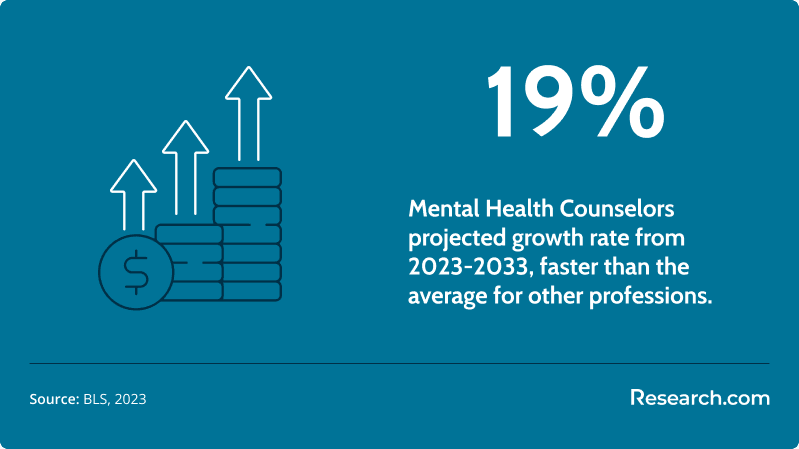
The field is helped by broader demand for mental health support. U.S. mental health counseling jobs are projected to grow by 19% over the next decade. However, career outcomes depend heavily on education level, state licensing rules, specialization, and whether you work in clinical care, coaching, corporate wellness, education, or private practice.
Key Things You Should Know About Spiritual Psychology Careers
- Demand is tied to the broader mental health field. Mental health counseling jobs in the U.S. are projected to grow by 19% over the next decade, which may benefit professionals who combine evidence-based care with holistic or spiritual approaches.
- Career paths vary widely. Spiritual psychology interests can lead to work as a therapist, counselor, life coach, mindfulness trainer, wellness consultant, grief support provider, educator, or organizational wellness professional.
- Licensure matters. If you want to diagnose or treat mental health conditions, you generally need the appropriate graduate degree, supervised experience, and state license. Coaching and wellness roles may not require clinical licensure, but they also have different legal limits.
- Earnings depend on role and business model. Spiritual counselors and therapists typically earn between $48,500 and $80,000 per year, while specialists in trauma healing or corporate wellness can earn upwards of $91,000. Life coaches and consultants may earn more through workshops, online programs, or private clients, but income can be less predictable.
- The strongest professionals combine compassion with boundaries. Empathy, active listening, cultural humility, ethical judgment, referral awareness, and knowledge of spiritual and religious diversity are essential.
- Why choose a spiritual psychology career in 2027?
- What is the job outlook for spiritual psychology careers in 2027?
- How should I choose a spiritual psychology academic program?
- Are accelerated PsyD programs useful for spiritual psychology careers?
- What skills do spiritual psychology professionals need?
- What financial factors should I consider before advanced study?
- Does academic research matter in spiritual psychology practice? Review financial planning factors
- How can mentorship and networking help?
- Where can I find affordable online psychology options?
- What accreditation and licensing rules apply?
- How can accredited online PsyD programs affect career options?
- How do I start a spiritual psychology career?
- How can I move into advanced spiritual psychology roles?
- Can related certifications improve my career prospects?
- What alternative careers fit spiritual psychology training? Compare related nonclinical paths
Why choose a spiritual psychology career in 2027?
A spiritual psychology career may be worth pursuing if you want your work to address more than symptoms alone. Many clients seek help with anxiety, grief, stress, trauma, relationship pain, identity questions, loss of meaning, or major life transitions. Spiritual psychology-oriented professionals may help clients explore values, purpose, self-awareness, compassion, forgiveness, mindfulness, and emotional healing alongside psychological tools.
The path is especially relevant for people who already have, or plan to earn, a psychology-related credential. For example, someone with a behavioral psychology degree may use their understanding of motivation, habit formation, and behavior change to support mindfulness-based or values-driven interventions.
Spiritual psychology careers can appear in several settings:
- Clinical settings: licensed counselors, therapists, psychologists, or social workers who ethically integrate spirituality when appropriate for the client.
- Coaching and wellness settings: life coaches, mindfulness facilitators, spiritual wellness consultants, retreat leaders, or stress-reduction trainers.
- Healthcare and community settings: grief support, hospice-related emotional support, patient wellness programs, and nonprofit services.
- Corporate settings: mindfulness training, workplace well-being programs, burnout prevention, and leadership development.
- Education and research: teaching, curriculum design, student support, or research on religion, spirituality, and mental health.
The appeal is clear: the work can be meaningful, flexible, and personally aligned. Still, it is important to understand the boundaries. A coach or wellness consultant should not present themselves as a licensed mental health provider unless they hold the proper license. A licensed clinician, meanwhile, must integrate spiritual topics in a way that is client-centered, ethical, culturally respectful, and evidence-informed.
| Career Direction | Best Fit For | Usually Requires | Main Caution |
| Licensed counseling or therapy | People who want to treat mental health concerns and provide formal therapy | Graduate education, supervised clinical hours, and state licensure | Spiritual integration must follow ethical and legal standards |
| Life coaching or spiritual coaching | People focused on goals, meaning, personal growth, and mindset support | Coaching training or certification may help, though rules vary | Coaches should not diagnose or treat mental illness |
| Mindfulness or wellness training | People interested in stress reduction, meditation, workplace wellness, or retreats | Relevant training, facilitation experience, and credibility in the practice area | Quality and rigor of certifications differ widely |
| Academic or research work | People who want to study spirituality, mental health, religion, or human development | Often a doctoral degree or research-focused graduate training | Career paths may be competitive and publication-dependent |
Compensation varies. Spiritual counselors and therapists typically earn between $48,500 and $80,000 per year. Professionals who specialize in trauma healing or corporate wellness can earn upwards of $91,000. Life coaches and mindfulness trainers may build higher incomes through private sessions, workshops, retreats, online courses, or consulting packages, but those paths often require marketing, business development, and a steady client pipeline.
What is the job outlook for spiritual psychology careers in 2027?
The outlook for spiritual psychology careers is best understood through the broader mental health, counseling, wellness, and coaching markets. As more people seek emotional support, stress management, grief guidance, mindfulness training, and values-based care, professionals with both psychological knowledge and spiritual competence may find opportunities in multiple sectors.
In the U.S., mental health counseling jobs are projected to grow by 19% over the next decade. For readers researching how to become a mental health counselor, adding training in spirituality, mindfulness, grief, trauma-informed care, or holistic wellness may create a more distinctive professional focus.
Salary expectations should be realistic. Mental health counselors earn a median salary of around $75,386 per year. Life coaches and consultants can make between $30,000 and $100,000, particularly when they operate in private practice or combine one-on-one services with workshops and digital offerings. These figures are not guarantees; location, credentials, licensure, reputation, specialization, and client volume all affect income.
Current trends shaping spiritual psychology careers
- Greater interest in whole-person care: Clients increasingly look for support that acknowledges mental, emotional, social, cultural, and spiritual dimensions of well-being.
- More attention to ethical spiritual integration: Clinicians need training in spiritual and religious diversity so they do not impose beliefs or overlook a client’s worldview.
- Growth in workplace wellness: Employers continue to use wellness, mindfulness, and stress-reduction programs to address burnout and retention concerns.
- More online education and telehealth exposure: Students can access more flexible psychology programs, but they must verify whether online coursework meets licensing rules in their state.
- Rising expectations for evidence-informed practice: Employers and clients are more likely to value professionals who can connect holistic methods with research, ethics, and measurable outcomes.
How should I choose a spiritual psychology academic program?
The right program depends on whether your goal is clinical practice, coaching, wellness consulting, research, or personal enrichment. Start by identifying the role you want, then work backward to the credential required for that role. A person who wants to become a licensed counselor needs a very different pathway from someone who wants to lead mindfulness workshops or work in corporate wellness.
When comparing programs, look for a curriculum that combines psychological foundations with practical training in ethics, human development, counseling skills, cultural awareness, and spirituality. If you are considering graduate study, comparing where to get a masters in psychology can help you evaluate cost, flexibility, and academic fit.
| Program Feature | Why It Matters | Questions to Ask |
| Accreditation | Accreditation affects credibility, transferability, financial aid eligibility, and licensure preparation. | Is the institution accredited by a recognized agency? Does the program meet state licensure requirements? |
| Clinical preparation | Therapy and counseling careers require supervised practice and specific coursework. | Does the program include practicum or internship experiences? Where do students complete supervised hours? |
| Spiritual integration | The program should teach ethical, client-centered use of spirituality rather than vague inspirational concepts. | How does the curriculum address religious diversity, spiritual assessment, boundaries, and client autonomy? |
| Faculty expertise | Faculty background can affect mentorship, research opportunities, and professional guidance. | Do faculty publish, practice, or supervise in areas related to spirituality, counseling, mindfulness, trauma, or wellness? |
| Career outcomes | Graduate outcomes help you judge whether the program supports your target role. | What roles do graduates enter? What licensure exam or employment support is available? |
Are accelerated PsyD programs useful for spiritual psychology careers?
Accelerated doctoral study can appeal to students who want a shorter route into advanced psychology training, but speed should not be the only factor. PsyD programs are intensive, practice-oriented doctoral pathways. If you want to provide clinical services, you must confirm that the program supports licensure requirements, supervised training, and ethical clinical preparation.
Some PsyD accelerated programs may help students move through doctoral education more quickly, but applicants should examine accreditation, practicum structure, internship expectations, faculty support, and whether the condensed timeline is manageable. A faster program is only useful if it still prepares you for the work you plan to do.
What skills do spiritual psychology professionals need?
Spiritual psychology careers require more than personal interest in spirituality. Professionals must understand human behavior, communicate clearly, respect belief differences, and know when a client needs a licensed mental health provider. Research on spiritual and religious competencies is especially relevant because spiritual issues can be deeply personal and culturally specific.
Core professional skills
- Psychological knowledge: Understanding behavior, emotion, development, trauma, stress, relationships, and mental health conditions helps professionals offer grounded support.
- Counseling and helping skills: Active listening, open-ended questioning, reflection, goal-setting, and rapport-building are central to client work.
- Mindfulness and holistic practice knowledge: Meditation, breathwork, reflective journaling, compassion practices, and body-based awareness may support client well-being when used appropriately.
- Spiritual and religious literacy: Professionals should understand that clients may come from different faith traditions, spiritual identities, or secular worldviews.
- Ethical judgment: Confidentiality, informed consent, boundaries, referral practices, and scope of practice are non-negotiable.
Many of these competencies overlap with the work described in what does a licensed marriage and family therapist do, especially when client care involves relationships, family systems, emotional distress, and ethical decision-making.
Interpersonal and business skills
- Empathy with boundaries: Clients need warmth and compassion, but professionals must avoid over-identification or dependency.
- Cultural humility: Spirituality intersects with culture, family, trauma, identity, and community. Assumptions can damage trust.
- Communication: Professionals must explain concepts clearly without jargon or pressure.
- Adaptability: Different clients need different approaches. A mindfulness exercise that helps one person may not fit another.
- Practice-building skills: Private practitioners, coaches, and consultants need marketing, pricing, documentation, scheduling, and referral systems.
Readers exploring spiritual counseling career opportunities should pay close attention to the difference between pastoral, coaching, wellness, and licensed clinical roles. The skills overlap, but the legal authority and responsibilities are not the same.
| Skill Area | Why It Matters | How to Build It |
| Clinical ethics | Protects clients and keeps professionals within legal scope | Take ethics courses, seek supervision, review state board rules |
| Spiritual diversity | Prevents belief imposition and improves cultural responsiveness | Study religious traditions, secular spirituality, and multicultural counseling |
| Mindfulness facilitation | Supports stress reduction and self-awareness | Complete supervised training and practice facilitation with feedback |
| Referral awareness | Ensures clients receive clinical care when needs exceed your scope | Build a network of licensed clinicians, crisis resources, and community agencies |
What financial factors should I consider before advanced study?
Advanced study in psychology can be a major financial commitment, especially at the master’s or doctoral level. Before enrolling, compare tuition, fees, books, technology costs, travel requirements, residency requirements, internship costs, supervision costs, and the income you may lose if you reduce work hours while studying.
Students considering doctoral education can use resources on how much do PsyD programs cost to create a realistic budget. Do not judge affordability by tuition alone. A program with lower tuition may still be expensive if it requires relocation, unpaid fieldwork, or limited transfer credit acceptance.
Cost questions to ask before enrolling
- Is the program accredited and eligible for federal financial aid?
- How many credits are required, and what is the total estimated program cost?
- Are practicum, internship, or residency expenses included in the published cost?
- Can I transfer previous graduate credits?
- Will this program qualify me for licensure in the state where I plan to practice?
- What scholarships, assistantships, payment plans, or employer benefits are available?
- What salary range is realistic for the role I want after graduation?
Does academic research matter in spiritual psychology practice?
Academic research is not required for every spiritual psychology career, but it becomes more important if you want to teach, publish, work in higher education, design interventions, contribute to evidence-informed practice, or pursue doctoral-level expertise. Research can also help practitioners evaluate whether a method is appropriate, ethical, and effective for a specific client population.
An online PhD in psychology may fit students who are more interested in research, theory, teaching, and scholarship than direct clinical practice. A research-focused path can strengthen credibility in interdisciplinary settings where spirituality, religion, mental health, and human development are studied together.
How can mentorship and networking help?
Mentorship can shorten the learning curve in spiritual psychology because the field sits at the intersection of mental health, wellness, culture, ethics, and belief systems. A strong mentor can help you understand scope of practice, choose training, avoid ethical mistakes, build referral relationships, and identify sustainable career options.
Networking also matters. Conferences, professional associations, supervised practice sites, alumni groups, online forums, and local wellness communities can lead to referrals, speaking invitations, supervision opportunities, and collaborative programs. Professionals who want to specialize further may also study related areas, such as a child psychology degree, if they plan to support children, families, or youth-focused organizations.
Where can I find affordable online psychology options?
Online study can make psychology education more accessible, especially for working adults. The key is to separate flexible programs from programs that actually support your career goal. If you want licensure, ask whether the program’s online format, practicum support, and curriculum satisfy the requirements of your state licensing board.
Students comparing budget-conscious options can review affordable online psychology degree programs. When evaluating affordability, consider total cost, accreditation, credit transfer rules, field placement support, student services, graduation requirements, and whether the credential will be recognized by employers or licensing boards.
What accreditation and licensing rules apply?
Accreditation and licensure are two of the most important issues in spiritual psychology careers. Accreditation speaks to the quality and recognition of an institution or program. Licensure determines whether you can legally provide certain mental health services, such as diagnosis and therapy.
If your goal is clinical practice, contact your state licensing board before enrolling. Requirements vary by state and profession. A program that works for one state or license type may not satisfy another. Students interested in behavior-focused credentials may also compare related pathways such as ABA masters programs online, especially if they want to add structured behavioral expertise to their training.
| If You Want To... | Check This First | Why It Matters |
| Become a licensed counselor or therapist | State board education, supervised hour, and exam requirements | Spiritual psychology coursework alone may not qualify you for licensure |
| Open a coaching practice | Scope of practice, business rules, and truthful marketing language | You must avoid implying clinical authority you do not have |
| Work in healthcare or hospitals | Employer credential requirements and supervised experience expectations | Healthcare roles often require recognized clinical, chaplaincy, or counseling credentials |
| Teach at a college or university | Degree level, research record, and institutional hiring standards | Academic roles often require doctoral preparation or specialized expertise |
How can accredited online PsyD programs affect career options?
Accredited online PsyD programs may support advanced clinical training when they include rigorous coursework, supervised practice, ethical preparation, and licensure-oriented requirements. For spiritual psychology careers, a PsyD can be useful if your goal is to become a highly trained clinician who can responsibly integrate spiritual concerns into psychological assessment and treatment.
Prospective students should review online PsyD programs APA accredited carefully and confirm program status, internship expectations, residency requirements, supervision structure, and state licensure alignment. A doctoral credential can expand professional options, but it also requires a major investment of time, money, and sustained clinical training.
How do I start a spiritual psychology career?
Most people begin with education in psychology, counseling, human services, social work, religion, wellness, or a related area. From there, the path depends on whether you want entry-level support work, coaching, counseling, clinical practice, research, or consulting. Specialized training in spiritual or holistic practices can add focus, but it should complement—not replace—the credential required for your target role.
Entry-level roles with an associate degree in psychology
| Role | What You May Do | Reported Median Pay |
| Mental Health Technician | Assist clients and support clinicians in mental health facilities, treatment programs, or wellness-related settings. | $40,920 / year |
| Life Coach Assistant | Support a coach with scheduling, client communication, program logistics, and basic administrative tasks. | $49,281 / year |
Roles with a bachelor’s degree in psychology
| Role | What You May Do | Reported Median Pay |
| Behavioral Health Counselor | Provide guidance, support, and structured help to clients managing stress, anxiety, or personal difficulties, depending on employer and state rules. | $57,425 / year |
| Case Manager | Assess client needs, coordinate services, and connect people with mental health, social service, or wellness resources. | $21.06 / hour |
Can I enter spiritual psychology with only a certificate?
Yes, but certificate-only options are usually limited to nonclinical roles. A certificate in life coaching, mindfulness, holistic wellness, or spiritual direction may help you offer personal development or wellness support. It usually does not qualify you to diagnose, treat mental disorders, or practice psychotherapy.
If you are comparing certificate-based or behavior-focused options, reviewing types of applied behavior analysis certification online can help you understand how credential requirements differ across psychology-adjacent fields.
Step-by-step path to entering the field
- Choose your target role. Decide whether you want clinical practice, coaching, wellness, research, education, or consulting.
- Confirm credential requirements. Check state rules for counseling, psychology, social work, or therapy roles before choosing a degree.
- Build a psychology foundation. Study human development, abnormal psychology, ethics, counseling skills, behavior, and research methods.
- Add spiritual and holistic training. Choose training in mindfulness, grief, trauma-informed care, spiritual assessment, or religious diversity.
- Get supervised experience. Seek internships, practicums, volunteer roles, or supervised coaching practice.
- Develop referral relationships. Know when to refer clients to licensed clinicians, physicians, crisis services, or community organizations.
- Keep learning. Continue education in ethics, cultural humility, evidence-informed practice, and your specialty area.
How can I move into advanced spiritual psychology roles?
Career advancement often requires graduate education, licensure, supervised experience, specialization, and a stronger professional network. Some students choose accelerated psychology programs to move more quickly through required coursework, but they should still verify accreditation and licensure alignment.
Advanced roles with a master’s in psychology
A master’s degree can support counseling, consulting, program development, and specialized wellness roles, depending on the degree type and state rules. For clinical counseling, the program must meet licensure requirements.
| Role | Typical Focus | Reported Median Salary |
| Licensed Professional Counselor (LPC) | Provide therapy and structured mental health support to individuals facing emotional, behavioral, or psychological challenges. | $73,261 / year |
| Spiritual Wellness Consultant | Help healthcare, corporate, or wellness organizations incorporate spiritual well-being, mindfulness, and meaning-centered practices into programs. | $119,376 / year |
A spiritual wellness consultant role may fit readers learning how to start a career in spiritual counseling, especially if they want to combine holistic support with formal mental health or wellness training.
Advanced roles with a doctorate in psychology
| Role | Typical Focus | Reported Median Salary |
| Clinical Psychologist | Assess, diagnose, and treat complex mental health concerns in settings such as hospitals, clinics, private practice, or research environments. | $115,255 / year |
| University Professor | Teach psychology, conduct research, advise students, and contribute to academic programs. | $59076 / year |
Many academic and advanced clinical professionals complete psychology doctoral programs to build the depth of expertise needed for research, teaching, supervision, or independent practice.
Specialized credentials in mindfulness, trauma support, grief care, coaching, or holistic wellness can also strengthen a professional profile. The value of a certification depends on its rigor, recognition, supervision, and relevance to your target clients.
Can related certifications improve my career prospects?
Complementary certifications can help if they add a clearly useful skill, support ethical practice, or improve your ability to serve a specific population. They are most valuable when paired with a strong foundation in psychology, counseling, wellness, or behavioral science.
For example, behavior analysis training can add a structured, evidence-informed framework for understanding behavior change. Professionals comparing options may review best online ABA master's programs if they want a behavior-focused credential that complements spiritual or holistic work.
Certifications that may complement spiritual psychology
- Mindfulness or meditation teacher training: Useful for stress reduction, group facilitation, and wellness programming.
- Trauma-informed care training: Important for professionals working with grief, loss, abuse histories, or high-stress populations.
- Coaching certification: Helpful for nonclinical personal development, leadership, and goal-setting work.
- Grief or end-of-life support training: Relevant for hospice, bereavement, chaplaincy-adjacent, and family support roles.
- Behavior analysis credentials: Useful for professionals who want stronger behavior-change tools and structured intervention knowledge.
What alternative careers fit spiritual psychology training?
Spiritual psychology training can be useful outside traditional therapy, especially in roles that involve communication, reflection, emotional support, motivation, wellness, and personal growth. These paths may be a better fit for people who do not want to pursue clinical licensure or who prefer education, coaching, writing, consulting, or organizational work.
Nonclinical and adjacent career options
- Mindfulness Coach: Teach meditation, stress management, emotional regulation, and self-awareness practices to individuals, groups, or workplaces.
- Human Resources Specialist: Apply psychology and interpersonal skills to employee relations, wellness initiatives, workplace culture, and organizational development.
- Wellness Program Coordinator: Design and manage holistic well-being programs for companies, healthcare organizations, schools, or community groups.
- Author or Speaker: Create books, talks, courses, podcasts, or workshops on personal development, spirituality, mental health, and resilience.
- Grief or End-of-Life Counselor: Provide emotional and spiritual support to people facing loss, often in hospice, hospital, funeral service, or community settings.
Students who want flexible preparation for these paths can compare online psychology programs, but they should match the program to the role they actually want. A general psychology degree may be useful, while licensed counseling, clinical psychology, or specialized wellness careers may require additional credentials.
| Common Mistake | Why It Can Hurt You | Better Approach |
| Choosing a program because it sounds spiritual or holistic | The program may not support employment, licensure, or recognized credentials. | Check accreditation, curriculum, supervised training, and graduate outcomes. |
| Assuming coaching and therapy are the same | Misrepresenting services can create ethical and legal risk. | Learn your scope of practice and use accurate professional language. |
| Ignoring state licensing rules | You may graduate from a program that does not qualify you for your intended license. | Contact the state board before enrolling and keep written documentation of requirements. |
| Focusing only on tuition | Fees, residencies, supervision, unpaid internships, and lost income can raise total cost. | Calculate the full cost of attendance and compare it with realistic earnings. |
| Using spirituality in a one-size-fits-all way | Clients may feel judged, pressured, or misunderstood. | Let the client’s beliefs guide the conversation and seek training in spiritual diversity. |

What graduates say about spiritual psychology careers
-
: "
Working in spiritual psychology has helped me support people through emotional pain while also making space for meaning and inner healing. The work feels purposeful because clients often leave with greater clarity, calm, and self-understanding. – Leocadia
"
-
: "
My practice blends mindfulness, emotional wellness, and personal growth. I have worked in different environments, including retreats and private coaching, and the flexibility has allowed me to shape a career that fits my values. – Cassian
"
-
: "
Studying spiritual psychology gave me language and tools for helping people reconnect with themselves during difficult seasons. It has been meaningful to support others while continuing to grow in my own understanding of psychology and spirituality. – Tobias
"
References
- ZipRecruiter. Spiritual Counselor Salary: United States. (Feb, 2025). Spiritual Counselor Salary
- Careersinpsychology, & Careersinpsychology. (2023a, September 11). How to become a Spiritual Psychologist | Education requirements | CareersinPsychology.org. How to become a Spiritual Psychologist
- Substance abuse, behavioral disorder, and mental health counselors. (2024b, August 29). Bureau of Labor Statistics. BLS occupational outlook
- ZipRecruiter. Licensed Mental Health Counselor Salary. (Feb, 2025). Licensed Mental Health Counselor Salary
- Amatullah, A. (2025, February 2). Life Coach Salary: Average Pay & Income Streams (2025). Universal Coach Institute. Life Coach Salary
- Glassdoor. (2024, June 6). Mental Health Technician Salaries. Mental Health Technician Salaries
- Salary.com. Mental health technician salary, hourly rate (February, 2025) in the United States. Mental health technician salary
- ZipRecruiter. Salary: Behavioral Health Counselor (Feb, 2025). Behavioral Health Counselor Salary
- Case Manager Hourly Pay in 2025 | PayScale. Case Manager Hourly Pay
- Licensed Professional Counselor (LPC) salary (February 2025) | AFCPE. Licensed Professional Counselor salary
- Salary Expert. Wellness Consultant Salary the United States. Wellness Consultant Salary
- Glassdoor. Salary: Clinical Psychologist in United States 2025. Clinical Psychologist Salary
- ZipRecruiter. Salary: College Professor (February, 2025) United States. College Professor Salary; related listing: spiritual psychologist job types; salary reference: College Professor Salary
Key Insights
- Spiritual psychology is best viewed as a career focus, not always a separate licensed profession. Your actual job title will depend on your degree, license, certification, and work setting.
- If you want to provide therapy or diagnose mental health conditions, prioritize accredited education and state licensure requirements before choosing a program.
- Nonclinical paths such as coaching, mindfulness training, wellness consulting, writing, and corporate well-being can be meaningful, but they require clear boundaries and honest marketing.
- The broader mental health field is growing, with U.S. mental health counseling jobs projected to grow by 19% over the next decade, but individual outcomes depend on credentials, specialization, location, and business skills.
- Before investing in graduate study, compare total cost, accreditation, supervised training, licensure alignment, and realistic salary expectations—not just the appeal of a spiritual or holistic curriculum.
Other Things You Should Know about Spiritual Psychology Careers
In 2027, certifications for spiritual psychology careers may include holistic health coaching credentials or mindfulness instructor certification. Specific requirements vary by employer and role but generally emphasize ongoing education and professional development in spiritual psychology and related fields.
A state counseling license is required only if you provide psychotherapy or diagnose mental health conditions. Most states require a master’s degree, 2,000–4,000 supervised clinical hours, and passage of the NCE or NCMHCE. Spiritual coaching and nonclinical support roles usually do not require licensure.