2027 Geography Job Market Report: Open Roles, Salary Bands, and Hiring Momentum

Co-Founder and Chief Data Scientist
Shifts in technology and regulatory frameworks are reshaping the geography job market, influencing the distribution of open roles, salary bands, and hiring momentum. Increasing reliance on geospatial data analytics and environmental compliance requirements is altering employer expectations and skill demands. These evolving priorities affect workforce composition and compensation patterns, often reflecting underlying economic pressures and industry investment cycles. Geographic concentration of specialized roles and demographic trends within the field highlight challenges in talent supply and credential alignment.
Examining job market indicators through this lens reveals deeper insights into how the geography profession is adapting and where future workforce gaps may emerge.
Key Things to Know About the Geography Job Market
- The rising demand for GIS specialists within geography roles reflects a shift toward data-driven environmental and urban planning, but this narrows entry points, requiring candidates to balance technical skills with traditional geography knowledge.
- Salary variance is heavily influenced by sector; public agencies often pay less than private firms, signaling early-career professionals must weigh job stability against compensation in sectors aligned with their expertise and risk tolerance.
- Despite steady hiring momentum post-2023, the scarcity of internships and field opportunities delays workforce entry, emphasizing timely, cost-effective networking and practical experience to overcome initial employment barriers.
- Key Things to Know About the Geography Job Market Key Things to Know About the Geography Job Market
- How Strong Is the Demand for Geography Graduates in Today's Job Market? Demand for Graduates
- Which Geography Careers Have the Most Open Job Opportunities? In-Demand Careers
- What Salary Bands Are Employers Offering Across Geography Careers? Offered Salary Bands
- Which Industries Are Hiring the Most Geography Graduates? Top-Hiring Industries
- How Does Hiring Demand Vary by State, Region, and City? Hiring Demand by Location
- What Skills Are Employers Prioritizing in Geography Job Postings? In-Demand Skills
- Which Certifications Increase Employability and Salary Potential? High-Value Certifications
- How Do Remote and Hybrid Opportunities Affect the Geography Job Market? How Do Remote and Hybrid Opportunities Affect the Geography Job Market?
- Which Geography Careers Show the Strongest Long-Term Hiring Momentum? Strongest Careers
- How Can Students Use Job Market Data to Make Better Career Decisions? How Can Students Use Job Market Data to Make Better Career Decisions?
How Strong Is the Demand for Geography Graduates in Today's Job Market?
Employment projections from the U.S. Bureau of Labor Statistics in 2024 indicate that demand for geography graduates in the U.S. job market remains steady but uneven, heavily shaped by sector-specific growth rather than broad labor expansion. Roles tied to urban and regional planning, GIS technology, and environmental consulting exhibit moderate hiring momentum per LinkedIn Workforce Reports, yet these opportunities vary significantly by region and sub-discipline focus.
Employers prioritize candidates who merge traditional geographical knowledge with technical competencies such as spatial analysis and remote sensing, reflecting a shift from purely academic backgrounds to those demonstrating applied skills. This nuanced demand landscape suggests that geography graduates must align their training with evolving industry needs to navigate intensifying competition for positions in both public and private sectors.
The primary drivers shaping demand include rapid advancements in geospatial technologies and the increasing integration of data analytics within environmental and infrastructure planning. Industries confronting climate change, smart city development, and sustainable resource management elevate the need for professionals skilled in specialized GIS software and data interpretation.
However, automation and standardization of routine tasks exert pressure on lower-skilled roles, sharpening the divide between applicants with hybrid technical expertise and those relying solely on theoretical knowledge. Geographic economic variations further influence employment prospects, with metropolitan areas showing greater absorption capacity for technically proficient geography graduates, underscoring the importance of adaptable skill sets that reflect local market dynamics.
Long-term career viability for geography graduates hinges on continuous upskilling and practical experience, especially given the fluctuating nature of demand tied to policy changes and technological disruption. Emerging roles increasingly blend geographic science with data science, making certifications and hands-on training critical for salary competitiveness and job stability.
Students weighing their options should critically assess how programs prepare them for these realities, focusing less on degree credentials alone and more on acquiring tangible skills that meet employer expectations. For those considering specialized paths, resources like BCBA programs online exemplify the type of targeted credentialing that can complement geographic expertise in building marketable profiles.
Which Geography Careers Have the Most Open Job Opportunities?
Job opportunity distribution among geography careers reflects broader shifts in industry needs, technical skill shortages, and evolving employer expectations. Demand is concentrated in roles that integrate geospatial technologies and environmental management with planning and policy implementation. These open positions are not merely cyclical but indicate structural changes driven by infrastructure development, climate adaptation, and urbanization trends. Understanding which roles dominate open job listings reveals critical insights into workforce priorities and the competencies that employers want in 2024 and beyond.
- Geographic Information Systems (GIS) Specialists: The foremost demand is for GIS specialists due to their central role in analyzing spatial data across sectors like public infrastructure, disaster management, and commercial location analytics. Federal, state, and private organizations increasingly rely on GIS proficiency paired with programming and data visualization skills to support complex projects. The U.S. Bureau of Labor Statistics projects an 11% growth rate for GIS roles, highlighting their expanding footprint in data-driven decision-making.
- Urban and Regional Planners: Urban planners are sought after due to rapid urbanization and mounting pressures for sustainable development. Employers prioritize expertise in smart growth, community resilience, and environmental impact assessments. Local governments and planning agencies especially look for candidates who understand regulatory frameworks and can navigate the balance between development and conservation amid evolving demographic patterns.
- Environmental Scientists and Specialists: Jobs targeting environmental scientists grow in response to heightened focus on climate change mitigation, ecosystem management, and pollution control. Positions are often found within environmental protection agencies and resource management bodies seeking professionals versed in regulatory compliance and scientific analysis to address complex, multidisciplinary environmental challenges.
- Cartographers and Photogrammetrists: The demand here is fueled by advancements in remote sensing technology and unmanned aerial systems, which broaden the applications of geographic data collection. Employers seek candidates skilled in geospatial modeling, accuracy assessment, and data integration, particularly for projects requiring precise mapping for infrastructure and environmental monitoring.
- Transportation Planners: With ongoing investment in infrastructure modernization, transportation planners are integral to designing efficient mobility systems. Demand centers on professionals capable of leveraging geographic data to optimize routes, improve transit accessibility, and incorporate emerging technologies like electric vehicles and smart traffic systems. Employers in metropolitan regions and state departments of transportation show consistent hiring activity for these roles.
- Environmental Consultants: Growth in environmental consulting reflects increased regulatory scrutiny and corporate responsibility initiatives. Consultants with expertise in environmental impact assessments, remediation strategies, and sustainability planning find numerous opportunities across industries, including energy, construction, and manufacturing. Practical skills in both science and policy interfaces are essential to meet complex client needs.
- Geospatial Data Analysts: As the volume of location-based data expands, organizations seek analysts proficient in data mining, spatial statistics, and visualization to generate actionable insights. High demand is noted in sectors ranging from public health to retail site selection, where geospatial intelligence informs operational and strategic decisions.
Job seekers examining geography graduate job openings by region should consider how these roles align with evolving sector demands and the specialized technical competencies that employers require. For those weighing educational pathways, many employers increasingly prefer candidates with advanced GIS proficiency, regulatory understanding, and the ability to manage interdisciplinary data.
Aligning training with these labor market trends improves employability in a competitive landscape. For more detailed guidance on program selection, prospective students may explore targeted resources such as CACREP-accredited programs that illustrate the value of accredited, outcome-focused education models.
What Salary Bands Are Employers Offering Across Geography Careers?
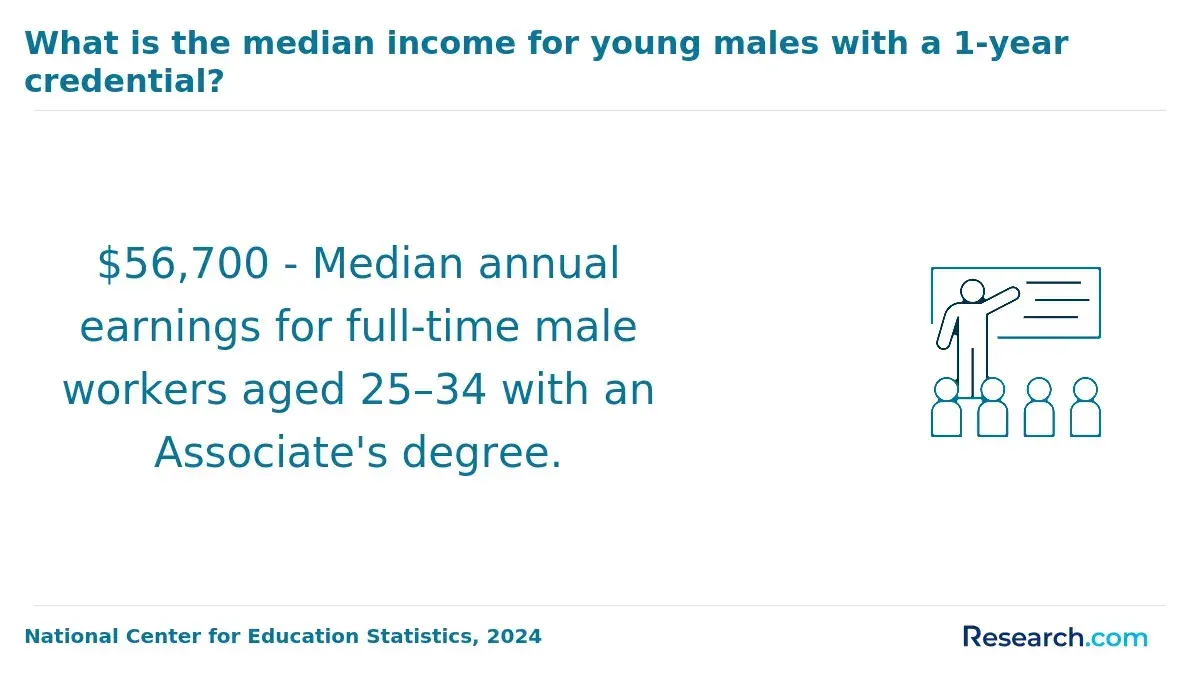
Salary ranges within geography-related professions reflect both the diversity of roles and the progression of experience required by employers. Current 2024 data from the U.S. Bureau of Labor Statistics and LinkedIn Salary Insights indicate entry-level positions, which often include GIS technicians and cartographic assistants, typically start between $45,000 and $60,000 annually.
Mid-career professionals with three to seven years of experience, such as urban planners or environmental analysts, see salaries rise to roughly $65,000 to $85,000, reflecting increased technical skill requirements and project leadership responsibilities. At the senior level, roles like geographic research managers or policy advisors command $90,000 to over $120,000, driven by demands for advanced education, extensive domain expertise, and strategic oversight within both public agencies and larger commercial sectors.
Variations in pay scales across geography careers stem largely from specialization intensity, sectoral demand, and geographic market conditions. Positions requiring niche technical skills, such as proficiency in emerging GIS software or complex spatial data analytics, tend to yield higher compensation within competitive industries like environmental consulting or government research. Geographic location also influences salary, with metropolitan areas or regions rich in natural resources offering premium wages.
Additionally, company size and project scope matter—larger firms and institutions investing heavily in geographic data infrastructure appear better equipped to reward senior roles, while smaller organizations balance pay against broader operational budgets. These factors, combined with persistent skill shortages in data management and environmental planning, shape a tiered salary framework that directly links experience, expertise, and market dynamics to compensation.
One geography graduate recounted a challenging admissions experience marked by uncertainty during the rolling application period. They submitted all materials well before the deadline but faced weeks of delays without feedback, making it difficult to finalize plans or weigh job offers. The prolonged wait pushed them to prioritize applications aligned with stable salary prospects and clear career pathways over more experimental programs. Reflecting later, they noted how timing and strategic preparation during admissions influenced their entry into the workforce and initial earning potential in geography careers.
Which Industries Are Hiring the Most Geography Graduates?
Demand for geography graduates in 2024 is concentrated among industries experiencing significant digital transformation, skill shortages, or strategic workforce growth. These sectors leverage geographic data to optimize operations, meet regulatory requirements, and drive sustainability initiatives. Rather than isolated hiring booms, this demand mirrors deeper shifts in technology adoption, environmental priorities, and infrastructure management.
- Environmental Consulting and Natural Resource Management: Growth in government and private projects addressing climate resilience and resource conservation fuels this sector's need for geography graduates. Employers prioritize expertise in environmental impact assessment, spatial data collection, and policy compliance, with environmental analyst roles expanding by over 12% according to recent U.S. Environmental Protection Agency data.
- Urban Planning and Public Sector Agencies: Increasing urbanization and infrastructure demands drive public planning offices to seek GIS-savvy professionals. Geography graduates contribute critical spatial analysis for zoning, disaster preparedness, and sustainable development. The American Planning Association reports a 15% uptick in GIS-related positions within local governments, reflecting heightened reliance on geospatial competencies.
- Technology and Geospatial Services: Firms developing GIS software, remote sensing technologies, and location-based analytics are rapidly scaling their workforce. Rising demand for high-accuracy mapping and predictive models underpins a projected 20% growth for geography-related roles through 2026. Employers emphasize proficiency in spatial data science, programming, and real-time data integration.
- Transportation and Logistics: Companies in this sector utilize geographic expertise to enhance route optimization and supply chain efficiency. Geography graduates with skills in spatial modeling and geospatial analytics support data-driven decision-making essential to cost reduction and service reliability.
- Insurance and Risk Assessment: As climate-related disasters increase, insurers rely on geography graduates to evaluate geospatial risk factors for underwriting and catastrophe modeling. Competency in hazard mapping and spatial statistics is crucial for addressing evolving risk portfolios in this sector.
How Does Hiring Demand Vary by State, Region, and City?
Hiring demand for geography graduates varies notably across states and regions, shaped by the structure of local economies and the presence of specialized industry clusters. States with significant investment in urban planning, environmental initiatives, and GIS technology—such as California, Texas, and New York—tend to lead in job openings for geography-related roles, reflecting broader infrastructure development and sustainability priorities. According to recent data from workforce analytics platforms, these states benefit from diverse sectors relying on spatial data, accounting for some of the strongest geography job markets nationally.
Regions like the West Coast and Northeast maintain robust opportunities due to concentrations of tech companies, government agencies, and research institutions that emphasize geospatial work. This spatial variation underlines how regional economic compositions and public investment levels directly influence geographic hiring demand, illustrating the real-world dynamics behind higher or lower job availability across states and contributing to broader trends in regional and city-level geography, job market trends, and opportunities.
At the city level, metropolitan hubs often intensify hiring competition and offer premium salaries, driven by clusters of technology, healthcare, and federal agencies requiring advanced geographic data skills. Cities such as San Francisco, Seattle, Washington D.C., and Boston exemplify this pattern, attracting talent with their concentration of employers engaging in urban data analytics, climate modeling, and disaster response. Local infrastructure, including established talent pipelines from universities and professional networks, further amplifies demand in these areas despite higher living costs that may offset wage gains.
Conversely, smaller or rural locations typically provide fewer but steadier openings aligned with local government or resource management roles, demonstrating a different set of tradeoffs regarding wage scales and job stability. For candidates weighing these factors, aligning skills with the nuances of regional economies becomes critical, and for those exploring accelerated credential options, 6 week certification programs online can be a strategic way to enhance employability within these evolving labor markets focused on how hiring demand for geography jobs varies by state and metropolitan region.
What Skills Are Employers Prioritizing in Geography Job Postings?
Employer expectations for geography roles are being reshaped by rapid technological advances, automation trends, and the increasing integration of interdisciplinary expertise. The skills sought now reflect demands not only for technical proficiency but also for adaptability to evolving data sources, analytical frameworks, and communication contexts. As spatial data becomes central to decision-making across environmental, urban, and resource sectors, the required workforce capabilities emphasize more than traditional cartographic knowledge, signaling a transformation in how geography-related roles are defined and fulfilled.
- GIS Software Proficiency: Command of Geographic Information Systems, especially platforms like ArcGIS and QGIS, remains foundational. Over three-quarters of job postings specify GIS experience, reflecting employers' reliance on these tools for mapping, spatial analysis, and project execution. Mastery here is often a threshold skill that influences job eligibility and upward mobility.
- Spatial Data Modeling and Interpretation: Skills in geospatial data analysis have gained prominence as industries leverage satellite imaging and sensor data. This capability aligns with trends toward automated environmental monitoring and precision urban planning, requiring workers to not just gather data but generate actionable insights from complex spatial datasets.
- Programming and Data Science Integration: Familiarity with programming languages like Python and R is increasingly required to handle large datasets and develop predictive models. This fusion of geography and coding underlines a broader sector shift toward data-driven decision-making, demanding hybrid profiles that combine traditional geography expertise with computational proficiency.
- Quantitative and Statistical Analysis: Practical knowledge in statistics and data visualization supports the processing and communication of spatial information. Employers value these skills for their role in enhancing clarity and accuracy in reports, facilitating stakeholder understanding, and supporting evidence-based recommendations.
- Communication and Collaboration: Translating technical findings for non-specialist audiences is a recurring priority, underscoring the importance of soft skills alongside technical ones. Teamwork and project management abilities also significantly influence employability, as collaborative workflows dominate many geography-driven projects.
These prioritized skills collectively highlight a shift from isolated technical tasks toward integrated roles demanding analytical rigor, technological fluency, and interpersonal effectiveness. Candidates who align with these trends position themselves favorably in a market that increasingly values versatility across the spatial sciences and data ecosystems.
Which Certifications Increase Employability and Salary Potential?
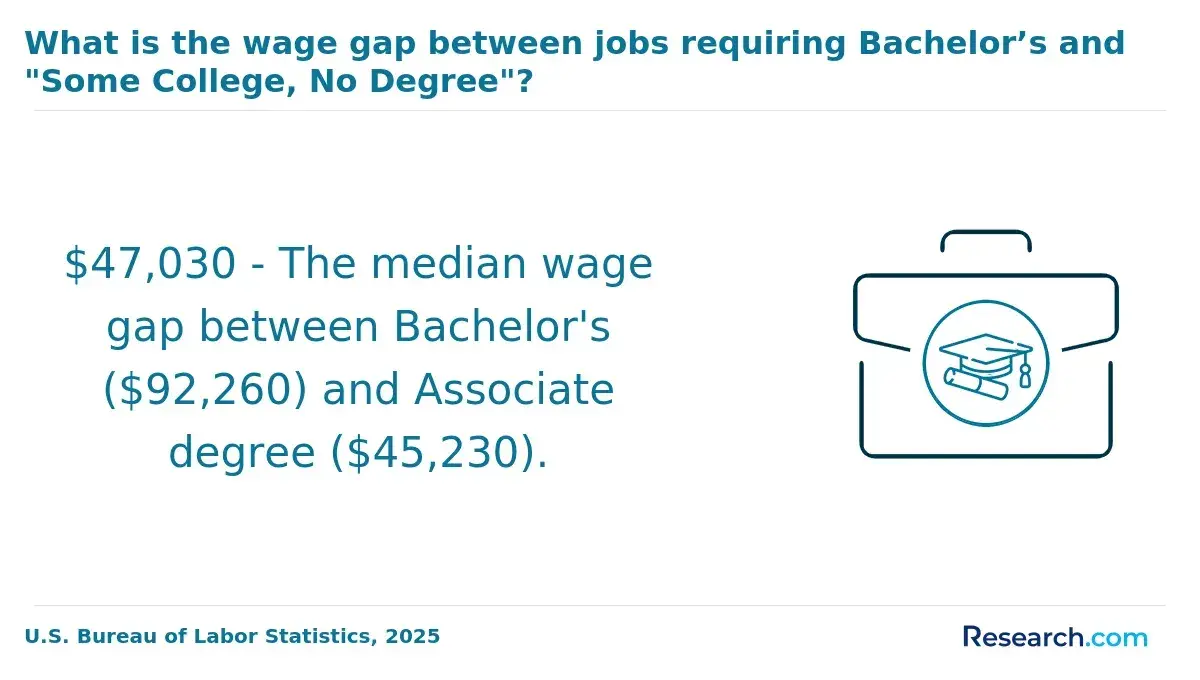
Certifications in the geography field often operate as strategic signals to employers, reflecting specialized technical capabilities, ethical commitment, and practical readiness for complex roles. These credentials provide tangible validation of skills that frequently complement formal education, enhancing candidates' competitiveness in labor markets marked by evolving technical demands. Industry data from 2024 highlights that certified professionals tend to secure higher salaries and improved job placement rates, as employers increasingly prioritize verifiable expertise amid skill shortages.
- Geographic Information Systems Professional (GISP): Widely respected across public and private sectors, the GISP certification confirms proficiency in GIS technologies and adherence to ethical standards—qualities crucial for roles reliant on spatial data analysis. Its recognition aligns with rising demand for professionals adept at leveraging geospatial software, and holders often report salary increments between 10% and 15% relative to uncertified peers.
- Certified Mapping Scientist (CMS): Offered by a leading professional society, the CMS credential underscores competence in remote sensing and advanced image interpretation. This certification meets growing industry needs for specialists capable of handling complex spatial datasets from big data and earth observation technologies, frequently improving hiring prospects in environmental consulting and geospatial analytics.
- American Institute of Certified Planners (AICP): For geographers focused on urban and regional planning, the AICP designation signals mastery of planning law, sustainable development, and ethical practices valued by municipal employers. Data indicates that AICP-certified urban planners benefit from faster career progression and entry into better-compensated positions compared to non-certified candidates.
- Certified Environmental Professional (CEP): This credential reflects interdisciplinary expertise aligned with climate resilience and resource management demands, serving sectors with increasing emphasis on integrated environmental strategies. Its value lies in corroborating an applied knowledge base that crosses traditional geography boundaries, aiding employability in emerging environmental career tracks.
Though the direct correlation between certification and placement varies by employer and role, hiring managers consistently regard these credentials as reliable indicators of specialized training and commitment to professional standards. Candidates weighing certification must consider the associated time and financial investments, aligning choices with targeted job requirements and sector-specific needs to maximize return on investment.
A geography graduate recalled hesitating about applying for the GISP certification during their final semester due to ongoing projects and application deadlines. The rolling admissions process meant waiting several weeks for feedback, causing uncertainty while balancing job interviews. Ultimately, prioritizing preparation for the GISP exam paid off; the credential was a key factor in securing a position at a government agency, validating the tradeoff between delayed entry into the workforce and the longer-term career benefits tied to certification.
How Do Remote and Hybrid Opportunities Affect the Geography Job Market?
The expansion of remote and hybrid opportunities is reshaping hiring trends within geography roles by enabling employers to extend their search beyond traditional urban or regional hubs. According to recent 2024 workforce analytics, organizations increasingly prioritize candidates who combine technical GIS proficiency with flexible communication skills to manage dispersed teams and fieldwork demands.
This broadens labor pools but also intensifies competition, particularly as geography employers adjust salary ranges to reflect the cost-of-living variances associated with remote locations. Hiring managers are adapting recruitment strategies to this reality, seeking professionals who can navigate digital platforms and hybrid workflows while maintaining effective project management and field data collection capabilities, emblematic of evolving remote work trends in the geography job market.
These transformations carry significant implications for geographic mobility and labor market structure in Geography careers. Salary normalization across diverse regions is uneven, with some employers strictly enforcing location-based pay scales, which influences candidate choices and competition levels. Employers now expect candidates to exhibit strong self-direction and virtual collaboration skills alongside traditional in-person capabilities, altering workforce development priorities.
Over time, this hybrid model may consolidate the geographic distribution of skilled workers but simultaneously raise entry barriers due to heightened demand for multifaceted expertise. Prospective professionals are advised to consider both technical training and adaptability within dynamic work arrangements, including leveraging resources like open university free courses for over 60s to strengthen pertinent skills for this shifting landscape, reflecting the broader impact of hybrid work models on geography careers.
Which Geography Careers Show the Strongest Long-Term Hiring Momentum?
Long-term hiring momentum in geography careers is shaped primarily by structural shifts within industries rather than transient job market fluctuations. This momentum reflects enduring economic patterns and technological advancements that drive sustained demand for specialized skills. The growing integration of geospatial data analytics and the increasing complexity of urban and environmental planning embed geography professionals at the intersection of critical societal needs.
Understanding these forces is essential for those targeting high-growth geography careers in North America to align their skills with realistic workforce demands.
- Geographic Information Systems (GIS) Specialists benefit from expanding demand for spatial data analysis across public and private sectors. The reliance on geospatial technology for environmental management, transportation planning, and resource allocation sustains strong hiring momentum, supported by continuous improvements in remote sensing, programming, and data visualization tools.
- Urban and Regional Planners maintain growth due to infrastructure development and sustainability priorities. These roles require balancing economic, social, and environmental factors in designing livable communities, with increasing regulatory complexity driving a stable need for planners skilled in interdisciplinary analysis and project management.
- Environmental Consultants and Natural Resource Managers see steady demand as organizations face mounting environmental regulations and climate-related challenges. Their expertise in navigating policy frameworks and applying fieldwork remains critical, underpinning resilience against automation and rapid industry changes.
- Geospatial Data Scientists represent an emerging growth area where advanced analytics and machine learning intersect with geographic data. Their ability to translate large datasets into actionable insights supports decision-making in sectors like public health, defense, and urban development, reflecting shifts toward data-driven strategies.
According to the U.S. Bureau of Labor Statistics projections updated in 2024, GIS specialist roles are expected to grow by 15% and urban planner roles by 13% over the next decade, rates well above the average for all occupations. This underscores long-term hiring trends in geography jobs favoring professionals who blend traditional geography knowledge with technical proficiency. Demand emphasizes practical skills in spatial analysis software, remote sensing, and relevant programming languages, reinforcing that combining technical know-how with domain expertise creates a competitive advantage.
Similarly, the steady expansion of urban and regional planning roles stems from ongoing demographic shifts and sustainability initiatives, requiring planners to apply interdisciplinary expertise and robust project management. Entry-level jobs may present moderate salaries, but seasoned professionals with leadership abilities often access higher wage tiers and advanced responsibilities.
Emerging roles in environmental consulting and geospatial data science often necessitate advanced degrees or certifications; however, their analytical complexity and integration of fieldwork tasks offer stability against automation. These careers illustrate structural workforce demands reflective of evolving employer needs driven by policy, technology, and sustainability imperatives.
Prospective students and early-career professionals considering these pathways should also explore complementary educational options, including accelerated cyber security degree online programs, which can enhance technical skills relevant to data protection within geospatial technologies, further increasing employability in this evolving landscape.
How Can Students Use Job Market Data to Make Better Career Decisions?
Students can leverage 2024 labor market data from hiring platforms, salary databases, and industry reports to identify areas within geography where demand and compensation intersect meaningfully. By analyzing which specialties—such as GIS analysis, environmental consultancy, or urban planning—are experiencing hiring momentum, students gain insight into where skills are directly sought.
Salary bands contextualize educational investment against potential earnings, while growth indicators reveal sectors offering entry-level access and advancement opportunities. This nuanced use of job market data helps tailor educational focus toward niches with validated employer need rather than generalized trends.
Interpreting this data requires balancing short-term market fluctuations with broader career sustainability, geographic mobility, and personal strengths. Overemphasizing transient spikes risks instability, especially in saturated or regionally limited sectors.
Students must evaluate skill alignment with employer expectations, such as spatial software proficiency and interdisciplinary teamwork, while considering sector-specific stability and regional demand. Integrating labor market signals with individual career goals enables a strategic, evidence-informed approach to education and employment decisions within geography fields.
References
- Jobs you can pursue with a geography degree https://www.openstudycollege.com/blog/jobs-you-can-pursue-geography-degree
- Geography https://www.careerpilot.org.uk/job-sectors/subject/geography
- Geospatial Career Q&A with Undergraduate Part 3 – Hitting the Job Market | Geographical Perspectives https://www.justinholman.com/2012/06/18/geospatial-career-qa-with-undergraduate-part-3-hitting-the-job-market/
- Activity: Job adverts and salary bands | RGS https://www.rgs.org/schools/resources-for-schools/careers-with-geographical-information-systems/activity-job-adverts-and-salary-bands
- GIS Salaries: Skills for Higher Pay | Bootcamp GIS https://bootcampgis.com/gis-salaries-which-skills-get-you-higher-pay/
- How Can Geography Help in Your Career? https://www.halsbury.com/resources/how-can-geography-help-in-your-career
- What can I do with a geography degree? https://targetjobs.co.uk/careers-advice/career-ideas/what-can-i-do-geography-degree
- What Can You Do With A Geography Degree? https://www.immerse.education/career-exploration/geography/careers-in-geography/
- Geography Careers https://www.iag.org.au/geography-careers
- A geography of employment - Office for Students https://www.officeforstudents.org.uk/publications/a-geography-of-employment/
Other Things You Should Know About Geography
In geography-related jobs, employers often balance formal education with demonstrated fieldwork or technical skills. While a strong academic background can open doors, especially for specialized roles like GIS analysis or environmental consulting, hands-on experience tends to have greater weight in entry-level hiring decisions. Prioritizing internships, project-based learning, or certifications that complement degree programs enhances employability more effectively than additional coursework alone. Early-career candidates should focus on building a portfolio that clearly showcases applied skills alongside their academic credentials.
Choosing a generalist geography degree often broadens initial job opportunities but may limit access to higher-salary positions that require niche expertise. Conversely, specializing early can lead to better pay and roles with clearer advancement pathways but at the risk of reduced versatility if market demand shifts. Decision-making around specialization should weigh long-term industry trends and personal career goals: for those uncertain about their niche, a broader program might offer better fallback options, whereas candidates confident in a subfield's growth potential should prioritize targeted skill development.
When hiring momentum slows or fluctuates in specific geography sectors, candidates face tighter negotiating power, often needing to accept salaries at the lower end of expected bands. Those entering fields with waning momentum should adjust expectations and emphasize flexibility, transferable skills, and willingness to take on diverse responsibilities to strengthen their position. Conversely, candidates targeting sectors with sustained or growing demand can leverage momentum to negotiate higher starting wages but must also demonstrate clear value alignment with emergent employer needs.
Permanent roles provide greater long-term career stability, benefits, and clearer progression paths, which suits professionals prioritizing steady growth and institutional experience. However, contract positions often pay premium rates and expose workers to a wider variety of projects, accelerating skill acquisition and networking opportunities. For early-career seekers, prioritizing contract roles can build diverse experience quickly but requires careful financial planning due to income variability. Those valuing predictability should lean toward permanent jobs, especially if they aim for sustained career advancement within governmental or academic settings.