2027 Best User Experience Degrees for Working Adults

Co-Founder and Chief Data Scientist
Balancing full-time work with the pursuit of a user experience degree poses significant challenges for many adults. Nearly 60% of working professionals seeking UX education cite time constraints as their primary barrier. This pressure often results in delayed career advancement or stagnation in the competitive tech industry.
With the user experience field expected to grow by 13% over the next decade, acquiring relevant skills without sacrificing employment is critical. This article explores flexible, accredited UX degree options designed specifically for working adults, aiming to guide readers toward programs that align with their schedules and career goals for sustainable professional growth.
Key Things to Know About User Experience Degrees for Working Adults
- Many user experience degree programs offer flexible scheduling and online or hybrid formats, accommodating working adults' time constraints without sacrificing program quality.
- Accelerated pacing options enable faster completion, ideal for professionals seeking a quick career pivot or advancement in the competitive UX industry.
- Programs frequently emphasize employer relevance by integrating practical projects and mentorship, aligning curriculum with current UX workforce demands and technology trends.
What Are the Best User Experience Degrees for Working Adults?
The best user experience degrees for working adults vary based on factors such as schedule flexibility, career alignment, and return on investment. A growing trend among adult learners is part-time enrollment, especially in technology-related fields, reflecting the need for programs that accommodate diverse pacing while maintaining academic rigor. Many adults seek degrees that combine adaptability with practical skills, enhancing their employment prospects and earnings.
Here are some user experience degree options well suited for working adults:
- User Experience Design: This specialization focuses on core design principles and tools, often delivered through flexible online formats that accommodate part-time study, making it ideal for busy professionals.
- Human-Computer Interaction (HCI): Integrating psychology and technology, this program offers a practical foundation valued by employers and typically includes real-world projects that enhance job readiness.
- Interaction Design: Emphasizing user interface and experience strategies, these programs often feature modular courses for flexible progression, allowing students to balance work and study effectively.
- Information Architecture: Centered on structuring information efficiently, this degree develops skills in demand within digital product development, accessible through online or evening classes.
Programs with online access, evening schedules, or accelerated tracks help working adults juggle job responsibilities while gaining relevant, hands-on skills. For those comparing options, related AI degrees also follow similar flexible formats, supporting career changes and advancement. Seeking top user experience programs with flexible schedules can maximize the benefits of education alongside a full-time career.
What Are the Admission Requirements for Working Adults in User Experience Degree Programs?
Admission requirements for working adults pursuing user experience degree programs often differ from those aimed at traditional full-time students. This difference reflects the challenges adult learners face, such as managing full-time employment and family responsibilities. Notably, nearly 40% of graduate students in the U.S. enroll part-time, highlighting the importance of flexible admission standards.
Admission criteria for user experience degree admissions for professionals typically emphasize practical experience and flexibility. Common considerations include the following:
- Relevant Work Experience: Many programs recognize the significance of hands-on experience in design, technology, or related fields. Applicants with professional backgrounds often have an advantage, as this experience complements academic qualifications.
- GPA Expectations: While some institutions maintain minimum GPA requirements, these can be adjusted for working adults who demonstrate substantial professional achievements or technical skills.
- Standardized Test Waivers: Graduate Record Examinations (GRE) or similar tests are frequently waived for applicants with strong professional portfolios, reducing barriers for those with established careers.
- Professional Recommendations: Letters from supervisors or colleagues provide insight into the applicant's capabilities and work ethic, playing a key role in the evaluation process.
- Flexible Enrollment Options: Programs increasingly accommodate part-time and online learners, enabling adults to balance study with career demands effectively. This flexibility also aligns with trends seen in popular CACREP accredited online counseling programs.
What Coursework Is Required in User Experience Degree Programs for Working Adults?
User experience degree coursework for working adults is carefully designed to balance career relevance, practical skills, and flexible learning schedules. Over 40% of students in these programs are adult learners managing full-time jobs, which encourages programs to adopt modular, online, and hybrid formats to accommodate professional responsibilities.
Common coursework areas in user experience programs for working adults include:
- User Research Methods: This course covers qualitative and quantitative techniques to gather user insights essential for data-driven design decisions. It equips working professionals with skills that directly enhance product usability and align with workplace projects.
- Interaction Design: Focused on crafting intuitive interfaces, this course helps students develop user flows that improve accessibility and overall experience. It supports skill advancement aligned with industry standards.
- Information Architecture: Students learn to efficiently organize and structure digital content, improving navigation and enhancing the user journey. This knowledge is valuable for professionals aiming to optimize digital product strategies.
- Prototyping and Usability Testing: Emphasizing hands-on training, this course prepares learners to build prototypes and conduct iterative usability tests. These practical skills are critical for agile work environments and real-world applications.
Adult learners seeking flexible, accredited user experience degree coursework for working adults can explore various options that fit their schedules and career goals. For those interested in broadening their business and leadership skills alongside technical expertise, executive MBA programs online are also popular among working professionals.
The time required for working adults to earn a user experience degree can differ widely due to their need to balance job duties with academic responsibilities. Research shows that most part-time learners take anywhere from two to four years to graduate, a period longer than full-time students because of the added challenges they face. Nearly 60% of adult students extend their education timeline to better fit their work and life schedules.
Several elements shape the pace at which working professionals complete their user experience degree programs:
- Program flexibility: Online and hybrid learning models allow students to adapt their studies around professional and personal commitments, often permitting a slower, more manageable progression without penalty.
- Enrollment status: Choosing part-time versus full-time study is common among employed students, reducing the number of courses each term but extending overall completion time.
- Transfer credits: Previous academic achievements or related certifications can reduce the number of required courses, helping students finish sooner.
- Work demands: The intensity and schedule of one's job can limit available study hours, necessitating a spread over multiple semesters to maintain balance.
- Accelerated courses: Some programs feature fast-track options that shorten the degree length, though these may be tough to manage alongside full-time work.
When discussing how long it takes to complete a user experience degree while working, a professional who recently graduated from an online program shared that the journey was challenging but rewarding. He mentioned, "Managing deadlines between work projects and coursework was stressful, especially during peak periods at my job." He adopted a strict schedule, dedicating early mornings and weekends to studying.
Despite occasional exhaustion and the temptation to pause, he found that consistent progress and setting small goals kept him motivated. His experience highlights that while the path varies greatly, persistence and time management are critical to success in balancing both worlds.
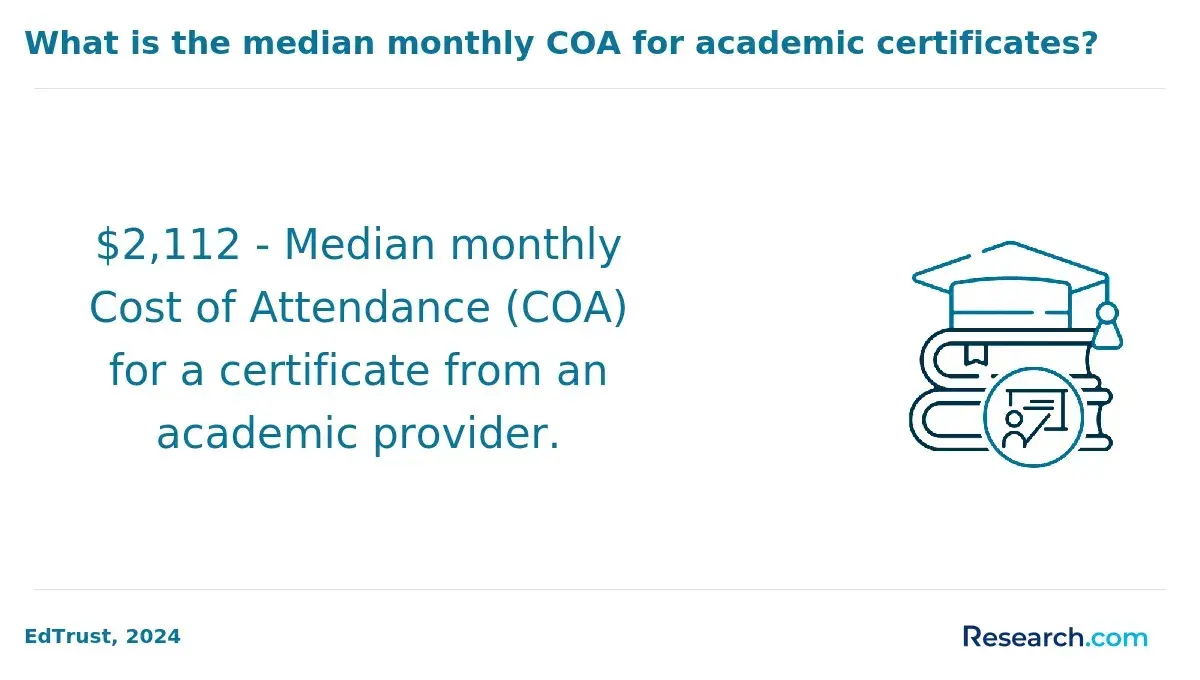
Cost plays a significant role for employed students pursuing a user experience degree, as balancing tuition with work and daily expenses can be difficult. Data shows that part-time adult learners typically pay less per term but extend their studies, which can increase total costs over time.
Several factors affect the overall expense of earning a user experience degree while working:
- Tuition per credit: Rates vary widely depending on the institution and program format, ranging from affordable community colleges to pricier universities. Part-time learners often seek programs with competitive per-credit fees to reduce upfront costs.
- Program length: Longer degree paths spread payments out but may accumulate more fees and living expenses overall. Accelerated courses shorten completion time but demand higher workloads each term.
- Additional fees: Beyond tuition, students may face technology, lab, or service fees that add noticeably to their budgets, especially in online or hybrid programs.
- Textbooks and materials: Digital resources can cut costs, yet many user experience courses require specialized software requiring purchases or subscriptions, which can raise expenses.
- Learning format: Online degrees often reduce commuting and housing costs, offering financial relief that supports employed learners' schedules and budgets.
Balancing work, studies, and personal life makes financial aid an essential resource for adults pursuing a User Experience degree. Access to financial support helps ease the burden of tuition and other expenses, allowing students to concentrate on their academic and career goals.
Several important financial aid options are designed specifically to assist working adults in this field:
- Federal Financial Aid: This includes grants, loans, and work-study programs offered through the U.S. Department of Education. Eligibility depends on financial need and credit hours enrolled, providing valuable resources to reduce out-of-pocket costs.
- Employer Tuition Assistance: Many employers encourage professional development by reimbursing tuition for relevant degree programs. Such assistance typically requires proof of enrollment and sometimes a commitment to continue working with the company afterward.
- Scholarships for Adult Learners: Various foundations and organizations offer scholarships that focus on nontraditional students, including those transitioning careers into fields like User Experience. These scholarships often have criteria tailored to adult learners returning to college.
- Grants: Unlike loans, grants provide funds that do not require repayment and are awarded based on financial need or specific backgrounds or study programs, offering important relief for working students.
- Flexible Payment Plans: Educational institutions often provide monthly installment options to spread tuition payments over time, helping students manage their budgets without large upfront costs.
Talking with a professional who earned her User Experience degree while working full time revealed some personal insights. She shared how initially juggling course fees with daily expenses felt overwhelming. Her employer's tuition assistance was a game changer, but navigating the paperwork and deadlines took persistence. "I had to stay organized and proactive," she said, highlighting the value of clear communication with both her employer and school financial aid office.
Receiving a small scholarship targeted at adult learners boosted her confidence and alleviated some pressure. Overall, she described the experience as "challenging but deeply rewarding," emphasizing that understanding and utilizing various financial aid options made completing her degree possible without sacrificing her job or family life.
Working adults pursuing a user experience degree often juggle coursework alongside full-time jobs and personal obligations, making steady academic progress a challenge. Institutional support services are essential to help these students manage their busy lives and succeed in their studies.
- Academic Advising: Tailored guidance assists students in selecting courses and planning their academic path strategically. This support ensures they meet program requirements efficiently while balancing other commitments.
- Flexible Scheduling: Offering asynchronous classes and adaptable deadlines allows learners to fit coursework around their work and family responsibilities. This flexibility reduces stress and promotes consistent engagement.
- Online Learning Support: Technical help and user-friendly digital resources empower students to participate fully in remote classes. Reliable support minimizes disruptions caused by technology challenges.
- Cohort-Based Learning: Small peer groups create a community atmosphere that encourages accountability and collaboration. This interaction combats the isolation often experienced in part-time or online programs.
- Career Services: Dedicated resources connect students with internships, networking opportunities, and job placements aligned with their user experience career goals. This bridges academic experience with professional advancement.
Accreditation verifies that user experience programs meet established academic standards, ensuring a high-quality curriculum taught by qualified instructors. For working adults, accredited degrees are crucial because employers widely recognize these credentials, enhancing job prospects and career mobility. Additionally, accredited programs often qualify students for federal financial aid, making education more accessible.
Research indicates that over 60% of adult learners prioritize flexibility and accreditation when selecting graduate programs to balance work and study. Accreditation also preserves the long-term worth of a user experience degree by simplifying credit transfers between accredited schools, which benefits adult learners seeking further education. It can increase eligibility for professional certifications connected to user experience roles, boosting credibility in the field.
This enhanced credibility may positively impact salary negotiations and opportunities for promotion, supporting ongoing career growth for working professionals.
Salary growth is a key motivator for working professionals considering a User Experience degree, as it often reflects enhanced skills and specialized knowledge valued by employers. In the U.S., annual salaries for working adults with a user experience degree generally range from $65,000 to $110,000, influenced by factors such as location and experience.
- Industry Demand: The increasing reliance on digital platforms drives strong demand for user experience expertise. Companies actively seek professionals who can improve product usability, which creates more opportunities and higher salary prospects for degree holders.
- Role Advancement: Obtaining a user experience degree often opens doors to senior and managerial positions. Career growth in these roles typically comes with increased compensation, making advancement a significant factor in salary growth.
- Employer Support: Tuition reimbursement programs and internal promotion policies can accelerate income gains. Organizations that support continuous education create a favorable environment for employees to leverage their degree into higher pay.
- Years of Experience: Combining practical work experience with formal education tends to yield the best salary results. Seasoned professionals who hold a user experience degree often command premium compensation due to their well-rounded expertise.
- Specialization: Focused skills within user experience-such as UX research, design, or strategy-can position professionals in niche roles that offer competitive salaries. Specializing enhances marketability and income potential in a growing field.
Working adults interested in boosting their earning potential through a UX degree should consider these factors carefully. For those exploring career paths, reviewing degrees that make the most money can provide additional guidance on where user experience fits in the broader landscape of lucrative fields. Overall, understanding the impact of UX degree on working adults' income is essential for making informed decisions about education and career development.
A User Experience degree enables working adults to qualify for higher-level positions that require specialized knowledge and leadership skills beyond entry-level roles. It equips experienced professionals with the expertise to manage complex projects and lead strategic initiatives in diverse industries.
Such credentials open doors to advanced career opportunities in user experience. Common upward mobility roles include the following:
- User Experience Manager: This role involves overseeing design teams and organizing user research efforts. It requires leadership abilities and a comprehensive understanding of business goals, representing a clear progression from individual contributor positions.
- UX Strategist: Focused on aligning user needs with broader company objectives, a UX strategist develops long-term plans that influence product direction and competitive positioning, leveraging strategic thinking skills gained through the degree.
- Interaction Designer Lead: Leading the development of intuitive user interfaces, this position demands advanced design skills and the capacity to mentor junior designers, enhancing team performance and design consistency.
- Usability Analyst: Specializing in assessing and improving user interactions, this job calls for deep expertise in research methodologies and the ability to interpret data that inform design decisions.
- Product Designer: This hybrid role combines UX with product management, ensuring harmonious design and functionality while playing a significant part in shaping overall product strategy.
Working adults seeking to advance in these high-paying UX jobs can benefit significantly from flexible, accredited programs that accommodate full-time employment. For those balancing careers and education, exploring online schools that accept FAFSA offers accessible pathways to develop new skills and expand career prospects.
By focusing on strategic thinking, project oversight, and cross-sector collaboration, a User Experience degree strengthens an adult learner's capacity to take on leadership and specialized roles. This enhances their influence over product outcomes and opens new avenues for professional growth within the field.
What Graduates Say About Their User Experience Degrees for Working Adults
- Zenny: "Choosing an online user experience degree program while working full-time was challenging, but it was worth every penny. The cost, around $20,000 to $30,000 on average, felt like a big investment, yet the flexibility allowed me to maintain my job without sacrificing progress. Since graduating, I've seen a significant boost in my career opportunities and salary, confirming that this path was the right decision. "
- Ashton: "While considering a part-time user experience degree, I knew balancing work and study would test my limits. The tuition fees, typically mid-twenties in thousands, seemed steep initially, but the real value was the practical skills I developed alongside my job. This degree has reshaped how I approach design challenges and earned me respect among my peers. "
- Robert: "Enrolling in a user experience program offered online allowed me to remain professionally active while acquiring specialized skills. Despite the program's cost being quite an expense for working adults, it was a strategic move that enhanced my portfolio and client trust considerably. The return on investment has been palpable with better projects and leadership roles following the completion. "
Other Things You Should Know About User Experience Degrees
In 2027, working adults can access federal financial aid, employer tuition assistance, and scholarships specifically for part-time students pursuing user experience degrees. Check FAFSA deadlines, as these can impact eligibility, and explore potential scholarships from professional UX organizations.
Many UX degree programs do not require a portfolio for admission, but some ask for design samples, a resume, or a statement of purpose. Applicants with prior project work can strengthen their file by showing wireframes, research summaries, or interface mockups.
For 2027, working adults applying to user experience degree programs may need a high school diploma or equivalent, basic knowledge of design software, and a portfolio demonstrating relevant experience or skills in user interface design. Specific requirements vary by institution.
- Top UX Programs - Best University UX Design School Programs in US https://topuxprogram.com/
- Certification of UX Training Achievement with Nielsen Norman Group - NN/G https://www.nngroup.com/ux-certification/
- Virtual student services are here to stay | EAB https://eab.com/resources/blog/student-success-blog/virtual-student-services-user-experience/
- This is not another training certificate - This is about your professional work! https://ux-accreditation.org/
- Does an Advanced Degree Pay Off? https://measuringu.com/does-an-advanced-degree-pay-off/
- The 11 Best UX Design Certificates (2025) https://designlab.com/blog/best-ux-certificates
- Coursera Help Center https://www.coursera.support/s/question/0D51U00003Bla5KSAR/financial-aid-application
- UI/UX Design Course Online | Web Design Course at Beetroot Academy https://beetrootacademy.com/courses/ui-ux
- Rethinking Student Services to Support Adult Learners - The EvoLLLution https://evolllution.com/attracting-students/retention/rethinking-student-services-to-support-adult-learners
- Coursera Financial Resources https://www.coursera.org/degrees/financial-resources