2027 Best Online Bachelor’s Degree in Forensic Science

Co-Founder and Chief Data Scientist
Choosing an online bachelor’s degree in forensic science is not just a question of convenience. It is a decision about laboratory preparation, accreditation, career fit, cost, and whether the program can realistically prepare you for evidence-based work in law enforcement, laboratories, courts, cybersecurity, fraud investigation, or related fields. Forensic science combines biology, chemistry, criminal justice, evidence handling, documentation, and analytical reasoning, so students should compare programs more carefully than they might for a general online degree.
The field continues to attract students because forensic evidence plays an important role in investigations and legal proceedings. The U.S. Bureau of Labor Statistics projected 11% employment growth for forensic science technicians from 2021 to 2031, compared with the national average of 5% (BLS, 2022). At the same time, recent U.S. college statistics show that employment in the field amounts to around 17,600 jobs, which means students should be realistic: opportunities exist, but the strongest candidates usually combine a relevant degree with practical experience, technical skills, and careful attention to evidence standards.
This guide explains how online forensic science bachelor’s programs work, what they cost, how employers view them, what courses and career paths to expect, and how to compare programs before enrolling. It also highlights online program options, financial aid considerations, technology trends, certifications, and common mistakes to avoid.
Online Bachelor’s Degree in Forensic Science Table of Contents
- Can a forensic science bachelor’s degree be completed online?
- Do employers respect online forensic science degrees?
- Are online forensic science degrees accepted internationally?
- Online vs. campus forensic science degrees
- Online forensic science bachelor’s degree cost
- Admission and program requirements
- Common forensic science courses
- Career options with an online forensic science degree
- How to choose an online forensic science program
- How to evaluate degree ROI
- Financial aid for forensic science students
- Technology trends in forensic science careers
- 2027 online bachelor’s degree programs in forensic science
- How interdisciplinary study supports forensic science
- Factors to consider when choosing a forensic science college
- Whether an advanced interdisciplinary degree is worth it
- Certifications that can support forensic science careers
- Next steps after earning a forensic science bachelor’s degree
- How forensic science salaries compare with related careers
- Soft skills forensic science professionals need
Quick Answer: Is an Online Bachelor’s in Forensic Science a Good Option?
An online bachelor’s degree in forensic science can be a strong option if the program is properly accredited, includes rigorous science and criminal justice coursework, provides practical training through labs, simulations, internships, or hybrid requirements, and aligns with the career path you want. It is especially useful for working adults, transfer students, military students, and learners who need schedule flexibility.
However, students should not assume every online forensic science degree prepares them for the same jobs. A crime scene investigation program, forensic psychology program, digital forensics program, and forensic laboratory science program may lead to different roles. Before enrolling, compare accreditation, lab expectations, internship access, total cost, transfer credit policies, and whether the curriculum supports your intended career or graduate study plans.
| Best fit | When an online forensic science degree makes sense |
| Working adults | You need flexible scheduling while building credentials for law enforcement, lab support, investigations, or related work. |
| Transfer students | You already have eligible college credits and want to shorten the time needed to finish a bachelor’s degree. |
| Career changers | You want an introduction to forensic science, criminal justice, evidence handling, and investigative methods before pursuing entry-level roles or graduate study. |
| Students seeking lab-heavy roles | You should choose carefully and confirm whether the online program includes in-person labs, hybrid components, internships, or other applied training. |
Can You Get a Forensic Science Degree Completely Online?
Yes, many colleges offer forensic science-related bachelor’s programs online. Some are fully online, while others use a hybrid format that combines online coursework with in-person labs, fieldwork, internships, or campus-based experiences. The right format depends on whether you want a science-heavy laboratory role, an investigative role, a psychology-focused path, or a criminal justice-centered career.
Online education became more common after colleges expanded remote learning during the COVID-19 pandemic. According to a 2022 Educause report, the share of students who preferred fully online education rose from 5% in March 2020 to 20% in 2022, while the share preferring face-to-face education declined from 35% to 29% during the same period (Robert, 2022).
Most online forensic science bachelor’s programs require around 120 to 134 credit hours, which is roughly 40 classes, and many take about four to five years to complete. Students who bring approved transfer credits may finish sooner, depending on the school’s transfer policy and major requirements.
Fully online programs usually deliver lectures, assignments, exams, case exercises, and simulations through a learning management system. Hybrid programs may be a better fit when a degree requires hands-on training in evidence collection, laboratory procedures, crime scene processing, or specialized equipment. Before applying, ask whether the degree is fully online, hybrid, or online with required field placements.
Will Employers Take an Online Forensic Science Degree Seriously?
Employers are more likely to respect an online forensic science degree when it comes from an accredited institution and the program’s curriculum matches the job requirements. In most hiring situations, the delivery format matters less than the school’s legitimacy, the rigor of the coursework, the student’s practical experience, and the ability to document, analyze, and communicate evidence correctly.
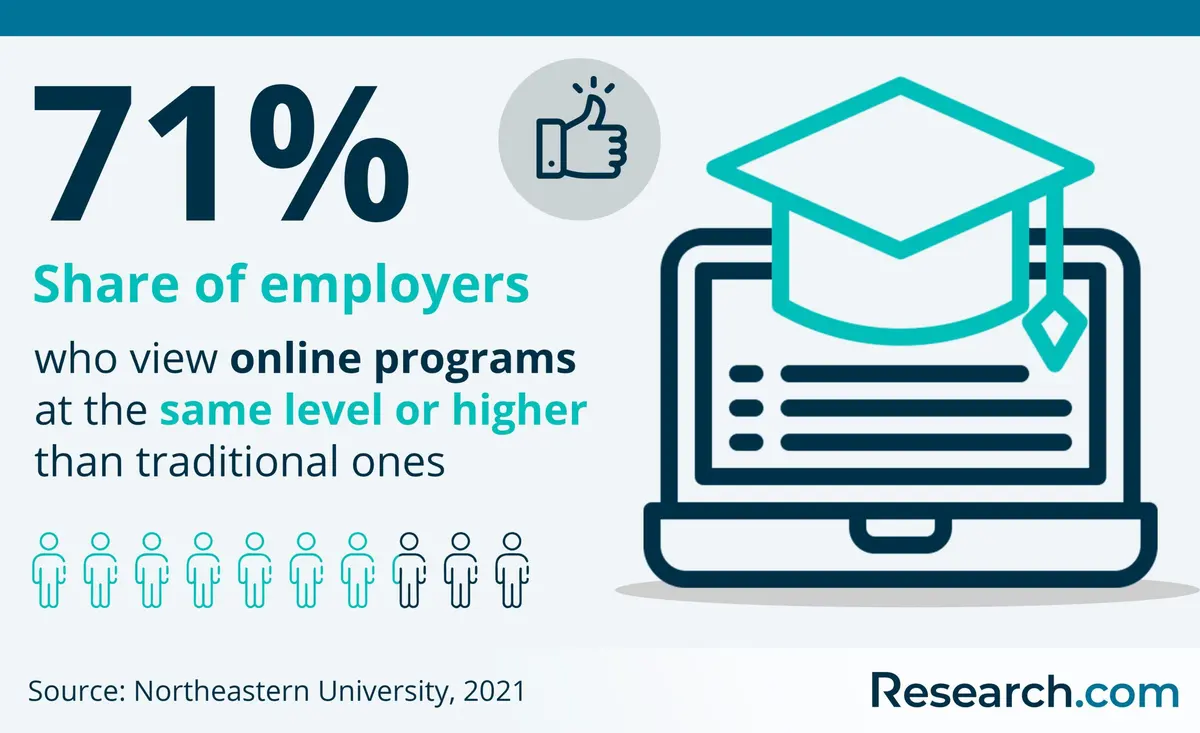
A Northeastern University study reported that 71% of employers viewed online programs as equal to or better than traditional degrees (Northeastern University, 2021). For forensic science careers, students should still be careful: some roles require extensive laboratory preparation, agency-specific training, background checks, or specialized credentials. An online degree can be credible, but it should not be treated as a shortcut around technical preparation.
Are Online Forensic Science Degrees Recognized Internationally?
Online forensic science degrees can be recognized outside the United States, but recognition depends on the school, accreditation, employer expectations, and the country where you plan to work. A program accredited by the Forensic Science Education Programs Accreditation Committee (FEPAC) carries a stronger quality signal because it has been reviewed against forensic science education standards.
Students planning to work internationally should verify whether the degree meets local employment, professional, or government requirements. This is especially important for roles connected to law enforcement, public laboratories, courts, immigration, defense, or regulated technical work.
Online learning is now common across higher education. In the schoolyear 2020-2021, 46% of students were enrolled in fully online programs and 34% were in hybrid programs, meaning 80% had some form of online education (Hill, 2022). That shift helped normalize online study, but it does not remove the need to check accreditation, curriculum, and employer recognition.
Online vs. Traditional Bachelor’s Degree in Forensic Science
Online and campus forensic science degrees often cover similar academic foundations: biology, chemistry, physics, criminal justice, evidence analysis, legal procedures, and forensic methods. The main difference is how students complete lectures, lab work, simulations, group projects, and field experiences.
Forensic science is not a single career track. Some degrees focus broadly on forensic science, while others emphasize crime scene investigation, forensic psychology, criminal justice, digital forensics, or forensic accounting. Students should compare the program title and curriculum carefully because two degrees with “forensic” in the name may prepare graduates for very different roles.
| Factor | Online program | Campus program |
| Schedule | Often more flexible; may be asynchronous, synchronous, or a mix of both. | Usually follows fixed class, lab, and campus schedules. |
| Lab experience | May use simulations, remote demonstrations, home kits, internships, or required in-person sessions. | Often provides direct access to campus laboratories, equipment, and mock crime scenes. |
| Student fit | Works well for self-directed learners, working adults, and students who need location flexibility. | Works well for students who want structured schedules and regular face-to-face instruction. |
| Cost considerations | May reduce commuting, housing, and campus-related expenses, though technology and course fees may apply. | May involve higher living, transportation, and campus costs, especially for nonlocal students. |
| Networking | Requires intentional effort through virtual events, internships, faculty contact, and professional associations. | May offer easier access to in-person labs, student groups, faculty, and local agency partnerships. |
Schedule and Pacing
Campus programs usually operate on fixed semester schedules, with specific class meetings, lab sessions, and deadlines. Online programs may also have live class meetings, but many include asynchronous components that allow students to study at different times while still meeting assignment and exam deadlines.
Some schools combine live instruction with asynchronous learning, giving students both structure and flexibility. This can be useful for learners who work shifts, care for family members, or live far from campus.
Learning Experience
Campus students often move between classrooms, laboratories, mock crime scenes, and field locations. This can be valuable for learning evidence collection, fingerprint processing, photography, bloodstain interpretation, and laboratory protocols.
Online students typically access lessons, digital case files, simulations, videos, discussion boards, and assessments through the school’s platform. Strong online programs explain how practical skills are taught, assessed, and documented. If your goal is laboratory or crime scene work, ask the school how it verifies hands-on competency.
Teaching Methods
Both formats may use lectures, readings, case studies, exams, lab demonstrations, projects, and capstone assignments. Online courses place more responsibility on students to manage time, complete modules, communicate with instructors, and troubleshoot technology. Campus courses may provide more immediate in-person feedback but less scheduling flexibility.
Is an Online Degree Usually Cheaper?
Online programs may cost less overall when students avoid housing, commuting, parking, and some campus expenses. Still, tuition, technology fees, lab fees, software, textbooks, equipment, and travel for internships or in-person requirements can change the total price. Students should compare the full cost of attendance, not just tuition.
Is an Online Forensic Science Degree as Good as a Campus Degree?
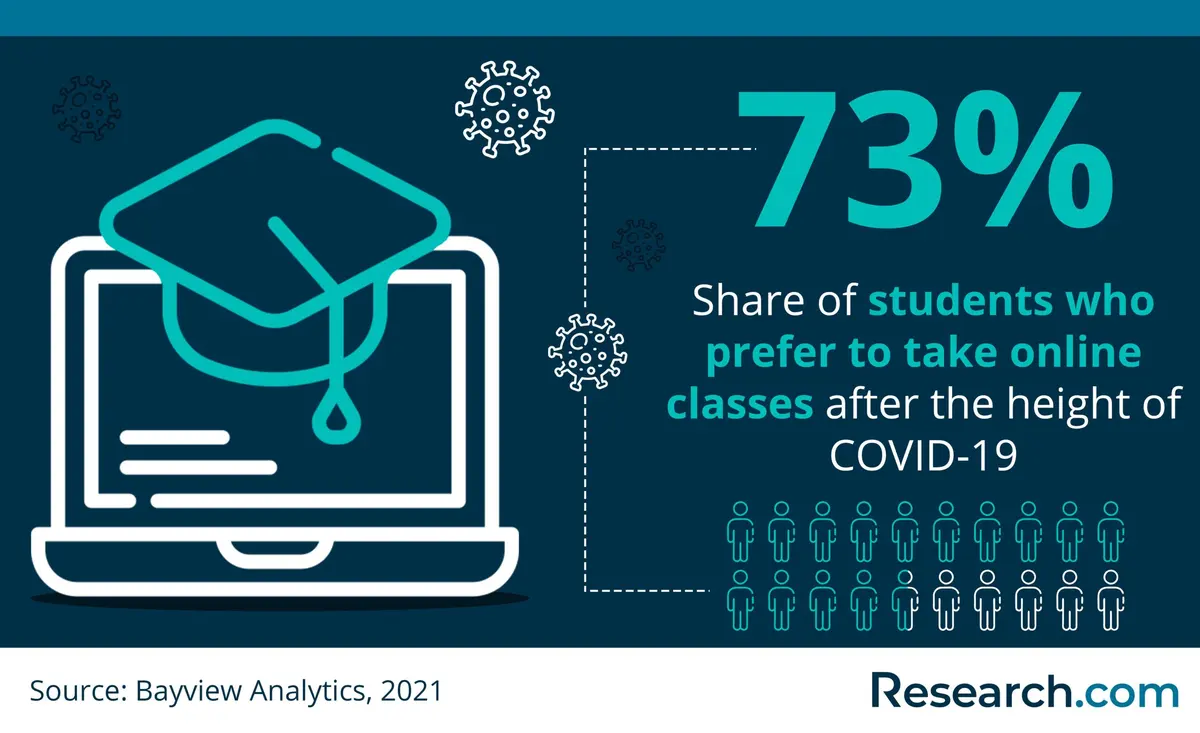
An online degree can be academically strong when it is accredited, well designed, and matched to the student’s goals. A 2021 Bayview Analytics report found that 73% of students expressed interest in taking future online classes and programs after the pandemic period (Seaman & Johnson, 2021). For forensic science, quality depends on whether the program teaches both theory and applied evidence skills effectively.
How Much Does an Online Bachelor’s Degree in Forensic Science Cost?
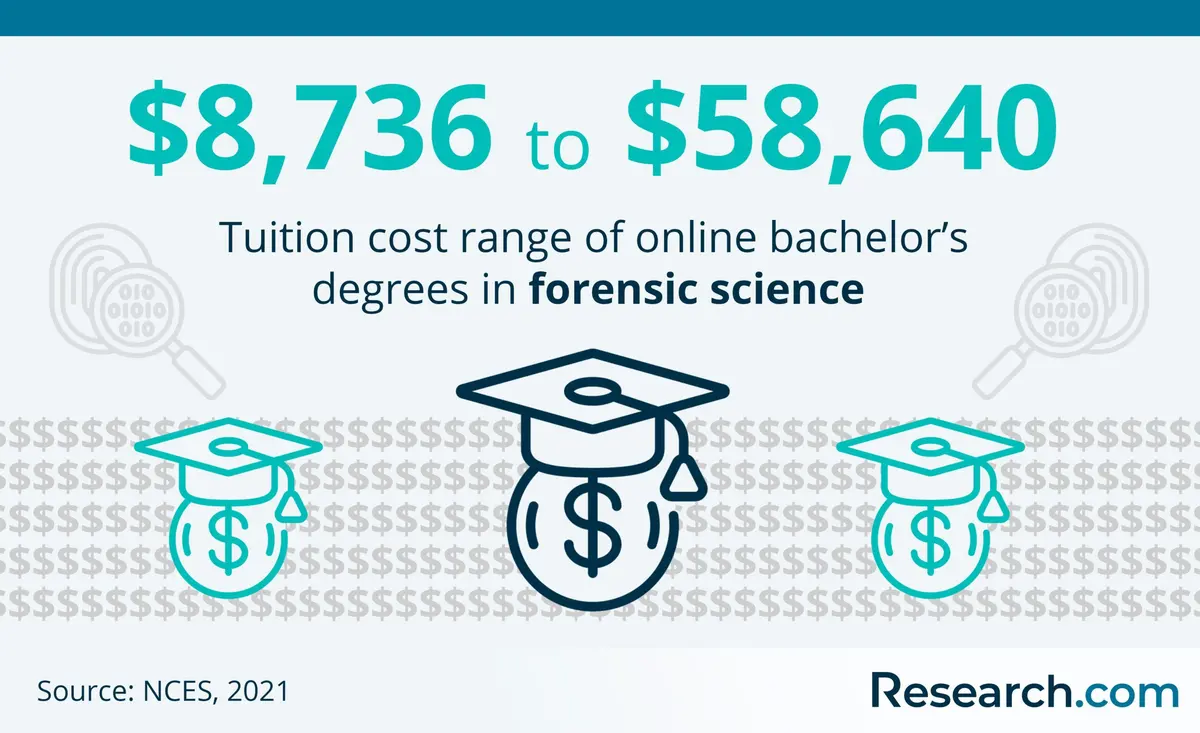
The cost of an online forensic science bachelor’s degree varies by institution type, residency status, credit requirements, fees, and transfer credits. The best online forensic science programs could cost anywhere between $8,736 and $58,640 (NCES, 2021). According to the listed median tuition cost, in-state students at public institutions pay $6,613, while out-of-state students at private institutions face a median cost of $31,350. Cost per credit for leading online forensic science programs commonly falls between $240 and $640.
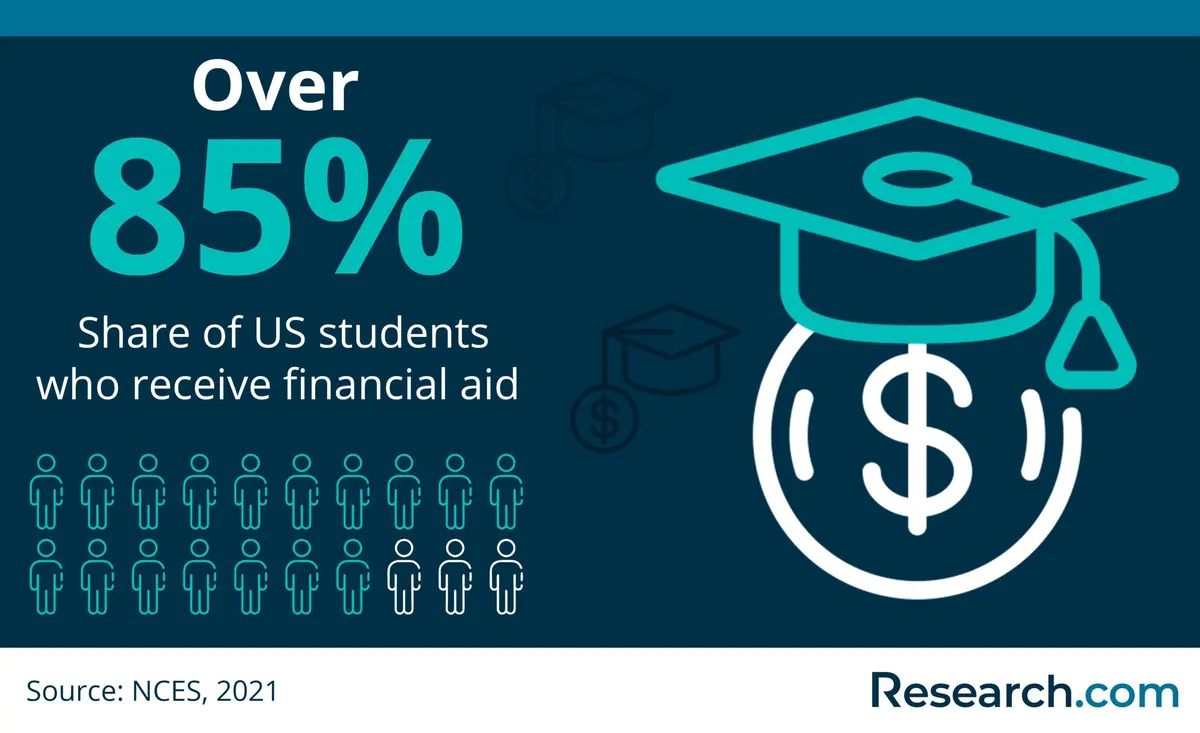
Because pricing varies widely, students should request a written estimate that includes tuition, required fees, textbooks, lab or technology charges, background checks, internship costs, equipment, and any travel connected to hybrid requirements. More than 85% of U.S. students receive student aid (NCES, 2021), so applicants should also compare grants, scholarships, loans, and employer or military benefits before deciding.
| Cost item | Why it matters | Question to ask |
| Tuition per credit | This is the largest visible cost, but it may not include all fees. | Is the tuition rate different for in-state, out-of-state, or international online students? |
| Program fees | Online, technology, lab, assessment, or course fees can raise the total price. | Are all required fees included in the published estimate? |
| Transfer credits | Approved prior credits can reduce both time and cost. | How many credits can transfer into the major and general education requirements? |
| Equipment | Some courses may require cameras, software, lab materials, or other tools. | Will I need to purchase equipment for crime scene, photography, or lab-related courses? |
| Fieldwork or internship expenses | Travel, background checks, and placement requirements may affect affordability. | Does the school help online students secure approved local placements? |
Is an Online Forensic Science Degree Worth It?
The degree may be worth it if it leads to a realistic career path, does not create unmanageable debt, and gives you the scientific, legal, and practical skills required for your target roles. A 2020 Wiley University Services survey found that 79% of students believed online degrees were worth their listed price (Wiley University Services, 2020). Online learning tools have also improved, including some of the best LMS for schools, but technology alone does not guarantee program quality.
Graduates may pursue forensic scientist roles with an average annual salary of $56,186 (Payscale, 2023). The BLS estimate is higher at $61,930. Pay varies by employer, region, experience, job title, and specialization. The BLS also reported average annual wages of $64,250 for state governments, $61,930 for local government units, $49,900 for testing laboratories, and $36,570 for medical laboratories.
What Are the Requirements for an Online Bachelor’s Degree in Forensic Science?
Admission requirements vary by school, but applicants typically need a high school diploma or equivalent, transcripts, an application, and sometimes standardized test scores, essays, or recommendation letters. Students seeking competitive programs or the best forensic science degrees should also be prepared for science, math, writing, and analytical coursework.
Common Admission Requirements
- Official transcripts. Schools usually request high school transcripts and, for transfer students, transcripts from all previous colleges. Transfer credits can shorten the path to graduation if the credits meet program requirements.
- Completed application. Applicants submit the school’s application form, personal information, academic history, and any required application fee.
- Standardized test scores. Some colleges ask for ACT or SAT results, though policies differ by institution. Minimum expectations vary.
- Application essay. A written statement can help schools evaluate motivation, writing ability, and interest in forensic science or criminal justice.
- Recommendation letters. Many schools request two to three letters from teachers, counselors, supervisors, or other people who can speak to the applicant’s readiness.
- Academic standing requirements. Once enrolled, students may need to maintain a minimum GPA of around 2.0 to 3.0 to remain in good standing or progress in the major.
Skills Students Should Bring or Build
- Critical thinking. Forensic work requires separating relevant evidence from misleading details and applying the right analytical methods.
- Attention to detail. Small errors in documentation, collection, or interpretation can affect an investigation or legal proceeding.
- Communication. Forensic professionals must write clear reports and may need to explain technical findings to investigators, attorneys, judges, juries, or agency leaders.
- Problem-solving. Students must learn how to choose methods, test assumptions, and reconstruct events based on available evidence.
- Math and science readiness. Chemistry, biology, physics, statistics, and quantitative reasoning support evidence analysis in many forensic roles.
Technology Requirements
Online students need a reliable computer that can run the school’s learning management system, video tools, testing platforms, and any required software. The device does not need to be the most expensive model, but it should meet the program’s technical specifications, especially for timed exams, digital simulations, and multimedia assignments.
A stable internet connection is also essential. Interruptions can interfere with lectures, quizzes, uploads, proctored exams, and group work. Students may also benefit from a mobile device as a backup connection or reading tool. Some courses, especially those involving photography or crime scene documentation, may require a digital camera or other specific equipment.
Courses to Expect in an Online Bachelor’s Degree in Forensic Science
Forensic science programs combine scientific analysis, evidence procedures, law, ethics, documentation, and investigative reasoning. Because the field includes multiple subdisciplines, students should review whether a program emphasizes laboratory science, crime scene investigation, psychology, digital evidence, criminal justice, or a broader interdisciplinary approach.
Willis (2022), in “The Professionalism of Forensic Science,” published in WIREs Forensic Science, noted that “The tacit knowledge that underpins the application of these subdisciplines to the purposes identified as forensic science would become more explicit and develop to act as a basis for both education and research, and thus assist practice.” In practical terms, strong programs should help students understand not only forensic techniques, but also when, why, and how to apply them responsibly.
| Course area | What students typically learn | Career relevance |
| Criminal investigation | Crime scene procedures, evidence collection, legal compliance, subpoenas, and investigative documentation. | Useful for crime scene investigation, law enforcement support, and case preparation. |
| Crime scene photography | Documentation techniques for scenes, evidence, angles, lighting, and different environments. | Important for preserving visual records that may be used in reports or court. |
| Forensic chemistry | Chemical analysis of substances, specimens, and trace evidence. | Supports laboratory roles involving drugs, toxicology, residues, and material analysis. |
| Forensic biology | Biological evidence, DNA analysis, toxicology, bloodstain interpretation, skeletal evidence, ethics, and courtroom testimony. | Relevant for lab-based forensic science and biological evidence work. |
| Fingerprint analysis | Latent print collection, preservation, processing, comparison, and reporting. | Useful for crime scene units, evidence technicians, and investigative support roles. |
What Career Paths Can You Pursue With an Online Forensic Science Degree?
An online forensic science degree can support several career directions, but the best path depends on the program concentration, internship experience, technical skills, and employer requirements. Some jobs are laboratory-based, while others focus on crime scenes, digital evidence, behavioral analysis, environmental investigations, or financial records.
- Forensic science technician. These professionals help analyze physical evidence, such as DNA, fingerprints, chemical substances, and trace materials. They may work for law enforcement agencies, government offices, or private forensic laboratories.
- Crime scene investigator. CSIs document scenes, photograph evidence, collect materials, maintain chain of custody, and follow legal procedures that support investigations and court processes.
- Digital forensics specialist. These professionals recover, preserve, and examine data from computers, phones, networks, and other digital devices, often in cybercrime or fraud investigations.
- Forensic psychologist or criminal profiler. Psychology-focused forensic roles examine behavior, motivation, risk, and patterns connected to criminal activity. Some advanced roles may require graduate education or licensure depending on responsibilities.
- Environmental forensic scientist. These specialists investigate pollution, environmental violations, contamination events, and regulatory evidence.
- Forensic accountant. Forensic accountants review financial documents to detect fraud, embezzlement, irregular transactions, and evidence for legal matters.
Students who need flexible completion options can also compare bachelor degree programs for working adults, especially if they are balancing school with employment, military service, or family responsibilities.
Things to Look for in an Online Bachelor’s Degree in Forensic Science
The best program for you is the one that matches your target career, budget, schedule, and level of hands-on preparation required. A forensic psychology degree is not the same as a forensic chemistry degree, and a criminal justice program with a forensic track may not provide the same lab preparation as a forensic science program.
Program Format and Access
Confirm whether the degree is fully online or hybrid. Fully online programs may be accessible from many locations, while hybrid programs may require campus visits, lab intensives, or local field placements. If you live far from the school, ask whether any in-person requirements are mandatory before you enroll.
Curriculum Fit
Review the course list carefully. Students who want crime scene roles should look for evidence handling, photography, documentation, and investigation coursework. Students targeting laboratory roles should prioritize biology, chemistry, instrumentation, quality assurance, and lab methods. Students interested in behavior and courts may prefer forensic psychology or criminal justice coursework.
Accreditation
FEPAC accreditation is a major quality indicator for forensic science education. Students should also verify institutional accreditation and make sure the school is recognized by reputable accrediting bodies. Accreditation affects employer trust, graduate school eligibility, and access to certain forms of financial aid.
Student Support and Practical Training
Online forensic science students should look for academic advising, career services, library access, technical support, tutoring, internship assistance, and faculty availability. Practical training is especially important. Ask how the program teaches lab skills, mock crime scene methods, evidence documentation, and professional report writing.
Hidden Costs
Some expenses may not appear in the tuition headline. Students may need textbooks, software, cameras, lab kits, background checks, travel, or equipment for specific courses. A program that appears cheaper at first may cost more after fees and required materials are included.
| Common mistake | Better approach |
| Choosing a program only because it is online | Check whether the curriculum supports your intended role and includes enough applied learning. |
| Ignoring accreditation | Verify institutional accreditation and look for FEPAC accreditation when relevant to your goals. |
| Comparing tuition only | Compare total cost, including fees, equipment, textbooks, travel, and lost transfer credits. |
| Assuming all forensic degrees lead to lab jobs | Match the concentration to the career: laboratory science, CSI, digital forensics, psychology, or criminal justice. |
| Waiting until graduation to gain experience | Seek internships, volunteer roles, research projects, or agency-related experience while enrolled. |
How Do You Assess the Return on Investment of an Online Forensic Science Degree?
To evaluate ROI, compare the total program cost with realistic career outcomes, not best-case salaries. Include tuition, fees, equipment, books, travel, loan interest, and the value of any credits you can transfer. Then compare those costs with likely entry-level roles, salary data, advancement requirements, and whether you may need graduate school or certifications later.
Students should also compare affordability across programs. Researching options such as the cheapest online forensic science degree can help you identify lower-cost pathways, but affordability should be balanced with accreditation, curriculum quality, lab preparation, internship access, and employer recognition.
What Financial Aid Options Are Available for Students Pursuing an Online Bachelor’s Degree in Forensic Science?
Students should begin with the Free Application for Federal Student Aid (FAFSA), which is used to determine eligibility for federal grants, federal loans, and work-study opportunities. Federal Pell Grants are need-based and do not have to be repaid, while Direct Subsidized Loans may offer lower-cost borrowing options and borrower protections compared with many private loans.
State grants and scholarships may also help, especially for students preparing for public safety, law enforcement, science, or high-demand careers. Eligibility varies by state, residency, enrollment status, and program. Many universities also offer institutional scholarships based on academic performance, financial need, transfer status, military affiliation, or major.
Private scholarships can come from professional organizations, community groups, employers, and foundations. The American Academy of Forensic Sciences (AAFS), Scholarships.com, and Fastweb.com are examples of places students may use to search for relevant awards. Some employers provide tuition assistance, and eligible military students and veterans may be able to use GI Bill benefits.
Loans can fill remaining gaps, but they should be used carefully. Federal loans generally deserve consideration before private loans because they may provide more flexible repayment options. Students who later pursue graduate study, including forensic psychology masters programs, should plan undergraduate borrowing with future education costs in mind.
How Are Emerging Technologies Shaping Forensic Science Careers?
Technology is changing how forensic professionals collect, preserve, analyze, and present evidence. AI-supported pattern recognition, digital imaging, virtual simulations, data recovery tools, and advanced laboratory systems are increasingly relevant in education and practice. Online programs may use virtual labs and simulated crime scenes to help students practice decision-making before entering field or laboratory settings.
Students should develop comfort with digital tools, evidence management systems, data interpretation, and technology-supported reporting. Those exploring broader justice and investigation pathways can review criminal justice career options to understand how forensic skills overlap with law enforcement, corrections, legal support, cybersecurity, and public safety work.
2027 Best Online Bachelor’s Degrees in Forensic Science Programs
The programs below represent online forensic science-related bachelor’s options identified by our research team. When using any program list, treat it as a starting point rather than a final decision. Confirm current tuition, admissions requirements, accreditation, transfer rules, internship options, and curriculum details directly with each school before applying.
1. Columbia College Bachelor of Arts in Criminal Justice, Forensic Track
The Criminal Justice program at Columbia College includes interdisciplinary coursework for students interested in forensic science and criminal justice careers. The program covers criminal justice principles, evidence assessment, and constitutional issues. Students choosing the Forensic Track complete Toxicology, DNA, and FBI Fingerprint Recognition and Comparison.
Program Length: 4 years
Tracks/concentrations: General, Forensics
Cost per Credit: $350
Required Credits to Graduate: 120
Accreditation: Higher Learning Commission
2. Maryville University Bachelor’s in Forensic Psychology
Maryville University offers an online forensic psychology degree built around psychology, criminal justice, and social science. The psychology coursework follows American Psychological Association standards, and students may begin in spring, summer, or fall. The program also includes a 135-hour internship and a capstone project.
Program Length: 4 years
Tracks/concentrations: Psychology, Criminal Justice, Social Science
Cost per Credit: $500
Required Credits to Graduate: 128
Accreditation: Higher Learning Commission
3. Purdue University Bachelor’s Degree in Forensic Psychology
Purdue University provides an online forensic psychology pathway that blends professional skill development with criminal justice coursework. The curriculum includes six concentrations, among them crime scene investigation and forensic psychology, and emphasizes critical thinking and forensic concepts.
Program Length: 4 years
Tracks/concentrations: Crime Scene Investigation, Forensic Psychology, Homeland Security, Juvenile Justice, Law Enforcement, Socially Responsible Leadership
Cost per Credit: $371
Required Credits to Graduate: 180
Accreditation: Higher Learning Commission
4. Liberty University Online Bachelor of Science in Criminal Justice Crime Scene Investigation
Liberty University offers a criminal justice degree focused on crime scene investigation. The 120-credit program covers collecting, preserving, analyzing, and preparing evidence, with coursework tied to crime scene processing and evidence gathering through subpoenas.
Program Length: 3.5 to 4 years
Tracks/concentrations: Crime Scene Investigation
Cost per Credit: $390
Required Credits to Graduate: 120
Accreditation: Southern Association of Colleges and Schools Commission on Colleges
5. Arizona State University Online Bachelor of Arts in Psychology Forensic Psychology
Arizona State University offers a forensic psychology major that helps students examine criminal behavior, motivation, and psychological principles. The program combines psychology coursework with law, statistics, and electives such as criminal behavior and juvenile justice.
Program Length: 4 years
Tracks/concentrations: Forensic Psychology
Cost per Credit: $561-$661
Required Credits to Graduate: 120
Accreditation: Higher Learning Commission
How Can Interdisciplinary Studies Complement a Forensic Science Degree?
Forensic work often sits at the intersection of science, law, behavior, technology, and community impact. Interdisciplinary study can help students understand the broader context of crime, victims, institutions, and social systems. Coursework in sociology, psychology, public policy, cybersecurity, accounting, or social work may strengthen communication and case analysis skills.
For example, students interested in victim support, community intervention, or case coordination may benefit from understanding what can you do with MSW. This does not replace forensic science training, but it can add useful perspective for roles that involve multidisciplinary teams.
Top Colleges for Forensic Science: Factors to Consider
The best forensic science college is not always the most famous school. It is the program that fits your career target, gives you enough scientific and applied preparation, supports online learners, and offers a cost structure you can manage. Students comparing colleges should look beyond rankings and examine the details that affect employment and graduate study readiness.
1. Accreditation and Academic Credibility
Look for institutional accreditation and, where applicable, FEPAC accreditation. Accreditation helps signal that a program meets recognized academic standards and can affect financial aid, transferability, graduate admissions, and employer confidence.
2. Specialization Options
Forensic biology, crime scene investigation, digital forensics, forensic psychology, and criminal justice tracks serve different goals. Choose a specialization because it matches your intended work, not because it sounds interesting in isolation.
3. Curriculum and Applied Training
Review whether the program includes laboratory work, simulations, internships, mock crime scenes, capstones, or field experience. Practical training can be especially important for students who want to work with physical evidence or crime scene documentation.
Students comparing schools can also review top 10 forensic science colleges to see examples of institutions known for forensic science education, facilities, and professional connections.
Is an Advanced Interdisciplinary Degree a Worthwhile Investment for Career Growth?
An advanced interdisciplinary degree may be worthwhile if it supports a specific career move, such as leadership, research, policy, victim services, behavioral analysis, teaching, or specialized investigative work. It is less useful if it adds cost without a clear job requirement or advancement goal.
Forensic professionals who want to broaden their case management, community, or victim support expertise may consider related graduate pathways. For example, an accelerated masters in social work may appeal to professionals interested in the human services side of justice work. Before enrolling, compare tuition, time commitment, licensure implications, and whether the credential is valued in your target role.
Which Certifications Can Further Advance a Forensic Science Career?
Certifications can strengthen a forensic science resume when they match a defined specialty and come from reputable professional bodies. Common areas include digital forensics, forensic toxicology, crime scene analysis, latent prints, and evidence handling. Requirements vary, but certifications often involve education, experience, examinations, continuing education, and adherence to professional standards.
Students should not collect credentials randomly. Choose certifications based on the job postings, agencies, or laboratories you want to target. Additional graduate study in related fields may also broaden opportunities; for example, students comparing justice-focused graduate pathways can review the cheapest online master's degree in criminal justice.
What Are the Next Steps After Completing a Bachelor’s Degree in Forensic Science?
After earning a bachelor’s degree, graduates should focus on building job-ready evidence of skill. That may include applying for entry-level roles, completing internships, preparing a portfolio of reports or projects where appropriate, joining professional associations, and pursuing certifications tied to a target specialty.
Some students continue into graduate education, particularly if they want roles in forensic psychology, advanced laboratory science, research, leadership, or teaching. Those considering psychology-focused graduate study can compare forensic psychology masters programs online to evaluate cost and fit. Practical experience remains important, so students should not rely on a degree alone to open every door.
How Does Forensic Science Salary Compare to Related Fields?
Forensic science pay depends on title, employer, location, specialization, and experience. The field includes government agencies, local law enforcement, laboratories, medical settings, environmental work, cybersecurity, and financial investigation. Because job duties vary widely, salary comparisons should consider responsibilities and credential requirements, not just headline pay.
Students comparing forensic science with behavioral or human services fields may also want to review how compensation differs across adjacent professions. For one related comparison, see Social work or psychology what pays more?. The best choice is not always the highest-paying option; it is the path that fits your skills, education plans, risk tolerance, and preferred work environment.
What Soft Skills Are Essential for a Successful Forensic Science Career?
Technical knowledge is only part of forensic science. Professionals also need precision, patience, ethical judgment, clear writing, teamwork, and the ability to explain complex findings to nontechnical audiences. A forensic report can influence investigations and legal decisions, so communication and integrity matter as much as scientific knowledge.
Students should practice documenting assumptions, explaining methods, acknowledging limitations, and working with law enforcement, attorneys, scientists, and community stakeholders. Interdisciplinary education can help develop empathy and communication skills; learners interested in advanced social practice can explore cheap doctor of social work programs as one example of a related pathway.
Forensic Science Career Paths: How to Decide If This Field Fits You
A forensic science bachelor’s degree can lead to multiple professions, but students should enter the field with realistic expectations. Forensic science technicians document, analyze, and reconstruct crime scenes, record observations, collect and evaluate evidence, and help connect evidence to investigations. These professionals typically earn over $56,000 to $61,000 annually based on the salary figures cited earlier.
Other possible paths include forensic psychology, information security analysis, financial examination, private investigation, and postsecondary teaching. Some of these careers may require additional education, certifications, experience, or licensure. Students who prefer theory, social systems, and the study of crime at a societal level may instead consider a degree in sociology or review possible criminology careers.
| If you want to... | Consider focusing on... |
| Work directly with crime scenes | Crime scene investigation, evidence handling, photography, report writing, and chain of custody. |
| Work in a forensic laboratory | Chemistry, biology, toxicology, DNA analysis, quality control, and laboratory methods. |
| Analyze digital evidence | Digital forensics, cybersecurity, data recovery, network investigations, and legal procedures. |
| Understand criminal behavior | Forensic psychology, criminal justice, sociology, statistics, and research methods. |
| Investigate fraud | Accounting, auditing, financial analysis, criminal justice, and data analysis. |
Key Insights
- Online forensic science degrees can be credible. Employers are most likely to value an online degree when the institution is accredited, the curriculum is rigorous, and the student has practical experience.
- Program focus matters. Forensic psychology, crime scene investigation, forensic biology, digital forensics, and criminal justice tracks prepare students for different types of work.
- Cost should be measured beyond tuition. Compare fees, equipment, software, transfer credits, travel, internships, and loan borrowing before deciding whether a program is affordable.
- Hands-on preparation is essential for many roles. Students aiming for crime scene or laboratory jobs should verify how online programs teach and assess applied skills.
- Accreditation is a major decision factor. Institutional accreditation is essential, and FEPAC accreditation can be especially valuable for forensic science programs.
- Technology skills are increasingly important. Digital evidence, AI-supported tools, simulations, imaging, and data analysis are shaping forensic education and practice.
- A bachelor’s degree is a foundation, not a guarantee. Internships, certifications, networking, graduate study, and agency-specific requirements can strongly influence career outcomes.
References
- Hill, P. (2022, August 9). 2020-21 IPEDS Data: Profile of Mid-Pandemic 12-Month Enrollments. Phil on Edtech.
- NCES (2021). Average and percentiles of graduate tuition and required fees in degree-granting postsecondary institutions, by control of institution: 1989-90 through 2018-19. NCES.
- NCES (2021, October). First-time, full-time degree/certificate-seeking undergraduate students enrolled in degree-granting postsecondary institutions, by participation and average amount awarded in financial aid programs, and control and level of institution: 2000-01 through 2019-20. NCES.
- Northeastern University (2021, December). EMPLOYERS’ POSTCOVID BUSINESS STRATEGY AND THE RACE FOR TALENT: A VIEW FROM THE C-SUITE. Northeastern University.
- Payscale (2023, January 31). Average Forensic Scientist Salary. Payscale.
- Robert, J. (2022, October 3). 2022 Students and Technology Report: Rebalancing the Student Experience. Educause.
- Seaman, J. & Johnson, N. (2021). Pandemic-Era Report Card. Bayview Analytics.
- Wiley University Services (2020). Online College Students 2020: Comprehensive Data on Demands and Preferences. Wiley University Services.
- Willis, S. (2022, October 9). The Professionalism of Forensic Science. WIREs Forensic Science, e4178. Wiley
Other Things You Should Know About Online Bachelor’s Degree in Forensic Science
Enrolling in a 2027 online bachelor's degree in forensic science typically requires a reliable computer, high-speed internet, and software like Microsoft Office. Programs may also recommend specific browsers or platforms such as Moodle for coursework and exams, ensuring smooth access to all course materials.
When choosing an online bachelor's degree in forensic science, ensure the program is accredited by a recognized accrediting body, such as the Forensic Science Education Programs Accreditation Commission (FEPAC). This accreditation ensures the program meets professional standards and provides quality education.
The cost of an online bachelor’s degree in forensic science varies depending on the institution and residency status. On average, tuition costs range from $8,736 to $58,640. Financial aid, scholarships, and student loans are available to help manage these expenses.
Yes. Many accredited programs require a supervised lab sequence or practicum, often 3 to 6 credits, to meet laboratory-science standards. Students usually complete these requirements at an approved site, and some programs also require a final capstone or applied research project.