
2027 Top Cop Schools: Degrees in Criminal Justice, Police Science & Law Enforcement

Co-Founder and Chief Data Scientist
Choosing a “top cop school” is really a decision about preparation: the program you pick should help you meet agency hiring standards, understand the criminal justice system, build practical policing skills, and avoid spending money on a credential that does not fit your career goal. For some students, the best route is a criminal justice bachelor’s degree. For others, a police science program, academy training, military-friendly online college, cybersecurity concentration, forensic science pathway, or human services degree may be a better match.
This guide explains how criminal justice, police science, and law enforcement programs differ; what you can expect to study; how much common law enforcement roles pay based on the figures provided; which schools are highlighted for value or specialization; and what to check before enrolling. It is designed for prospective police officers, veterans transitioning into public safety, working adults comparing online options, and students who want a law enforcement-related career but are not sure whether patrol, investigations, corrections, forensics, cybersecurity, or community services is the right direction.
Quick Answer: What Are Top Cop Schools Best For?
Top cop schools are best for students who want structured preparation for law enforcement, criminal justice, investigations, corrections, forensic science, homeland security, or related public safety careers. A strong program should combine accredited coursework, practical training, internship access, career services, and clear alignment with state or agency hiring requirements. A degree alone usually does not make someone a sworn officer; most police careers also require background screening, physical fitness testing, academy training, certification, and agency-specific hiring steps.
Why consider a top cop school?
- Strong programs combine classroom instruction with internships, simulations, field exposure, and applied assignments.
- Graduates may pursue roles such as police officer, detective, private investigator, corrections officer, crime analyst, victim advocate, or forensic specialist depending on their degree, training, and eligibility.
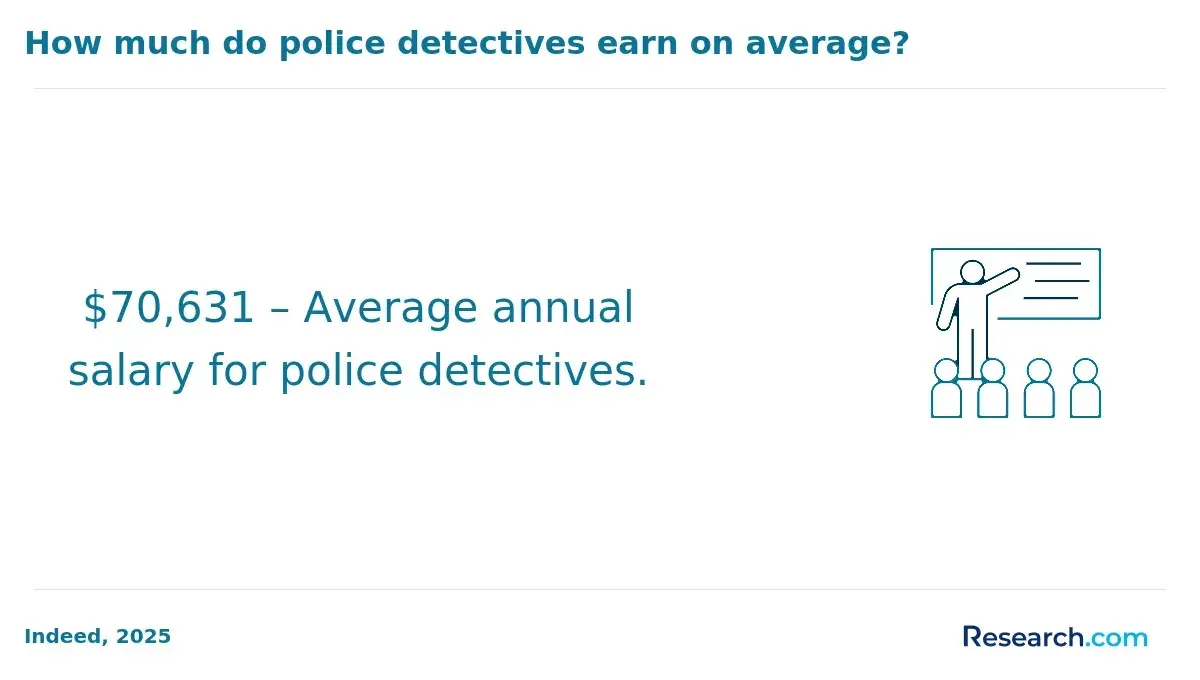
- Police and detectives earn an average annual salary of $69,160.
- Government agencies employ 96% of police officers and detectives, while 4% work in educational services at the state, local, and private levels.
What Can You Expect From Criminal Justice, Police Science, and Law Enforcement Degrees?
Criminal justice, police science, and law enforcement programs all prepare students for public safety careers, but they do not emphasize the same skills. Criminal justice is usually broader and examines policing, courts, corrections, law, policy, ethics, victim services, and crime theory. Police science is more focused on policing practice, patrol operations, investigative procedures, community policing, public safety technology, and agency operations. Law enforcement programs may sit between the two, combining academic study with career-focused training.
Students can expect courses in criminal law, criminology, ethics, police-community relations, corrections, juvenile justice, crime analysis, victimology, forensic methods, research, asset protection, risk management, and public safety technology. Many programs also introduce students to digital tools, including crime analytics software, because law enforcement agencies increasingly rely on data, reporting systems, digital evidence, and analytic platforms.
| Program Type | Best Fit | Typical Emphasis | Important Caution |
| Criminal justice degree | Students who want broad career flexibility across policing, courts, corrections, policy, or graduate study | Crime theory, criminal law, ethics, corrections, courts, research, policy, and community issues | May not include the hands-on academy-style training required for sworn officer roles |
| Police science degree | Students focused on patrol, investigations, agency operations, or police leadership | Police procedures, community policing, patrol functions, law enforcement systems, and operational decision-making | Still may require state academy completion and agency certification after graduation |
| Law enforcement program | Students seeking a career-oriented pathway into public safety agencies | Applied law enforcement skills, legal foundations, report writing, ethics, and public safety operations | Requirements vary widely by state, school, and agency partnership |
| Cybersecurity or forensic science pathway | Students interested in digital investigations, evidence analysis, cybercrime, or lab-related roles | Technical systems, evidence handling, digital security, forensic analysis, and investigative support | Some roles may require additional technical certifications, lab training, or graduate education |
Where Can You Work With a Criminal Justice, Police Science, or Law Enforcement Degree?
A law enforcement-related degree can support careers in police departments, sheriff’s offices, federal agencies, corrections, courts, private security, corporate investigations, forensic units, victim services, intelligence support, compliance, and community-based public safety programs. The work environment depends heavily on the role. Patrol officers may respond to emergencies, conduct traffic stops, write reports, testify in court, and work nights, weekends, holidays, or overtime. Detectives and investigators may spend more time interviewing witnesses, reviewing evidence, coordinating with prosecutors, and preparing case files.
Graduates can also work outside traditional policing. A criminal justice background can be useful in business risk management, judiciary support, legal administration, corrections, probation, rehabilitation programs, campus safety, private investigations, and policy-focused roles. According to the cited US BLS information, government agencies account for 96% of employment for police and detectives, while the remaining 4% work in educational services at the state, local, and private levels.
How Much Can You Make With a Criminal Justice, Police Science, or Law Enforcement Degree?
Salary depends on the role, employer, location, union contract, overtime, rank, education, and years of experience. A degree may help with eligibility, promotion, or specialized assignments, but it does not guarantee a particular salary. Based on the figures provided, common law enforcement-related occupations include:
- Police and Detectives: $69,160
- Police and Sheriff's Patrol Officers: $71,380
- Private Detectives and Investigators: $52,120
| Career Goal | Degree That May Fit | Additional Requirements to Check |
| Police officer or sheriff’s deputy | Police science, law enforcement, or criminal justice | Academy training, physical fitness testing, background investigation, state certification, and agency hiring process |
| Detective or criminal investigator | Criminal justice, criminology, forensic science, or police science | Prior law enforcement experience is often expected for sworn investigative roles |
| Private investigator | Criminal justice, criminology, legal studies, or security studies | State licensing rules, investigative experience, and insurance or bonding requirements may apply |
| Forensic specialist | Forensic science, criminal justice with forensic coursework, biology, chemistry, or digital forensics | Lab skills, evidence handling experience, and role-specific technical qualifications |
| Crime analyst | Criminal justice, criminology, data analytics, cybersecurity, or public policy | Data analysis, mapping, statistics, reporting tools, and agency software experience |
- What are the benefits of attending a top police academy?
- What are the requirements for admission to top cop schools?
- How do I apply to the top cop schools?
- Are there any specific entrance exams or assessments required for admission?
- What subjects are covered in the curriculum of top cop schools?
- How long does it take to complete training at a top cop school?
- Are there specialized tracks or concentrations within the curriculum?
- Do top cop schools have partnerships with law enforcement agencies for resource sharing?
- What career opportunities are available to graduates of top cop schools?
- How does military experience contribute to a career in law enforcement?
- Can an accelerated bachelor's degree fast-track my law enforcement career?
- What career paths can you pursue with a criminology degree?
- What are the long-term career advancement and growth opportunities in law enforcement?
- What alternative career opportunities exist beyond traditional law enforcement roles?
- How does legal education enhance law enforcement effectiveness?
- How does forensic science integrate into law enforcement roles?
- What are the post-graduation certification and licensing requirements for law enforcement careers?
- What innovative teaching methods or tools are used in law enforcement education?
- Do top cop schools offer continuing education or professional development programs for law enforcement professionals?
- What are the affordability and financial aid options for attending top cop schools?
- How do police and human services degrees align in law enforcement careers?
2027 List of Top Cop Schools
How Research.com Approaches This List
Research.com evaluates schools with the goal of helping students compare practical, affordable, and credible pathways into criminal justice, police science, and law enforcement careers. The list below is not a guarantee of admission, licensing, employment, or salary. Instead, it highlights programs and institutions that may be useful starting points when comparing accreditation, cost, graduation rates, program focus, internships, and career alignment.
As part of our research methodology, Research.com uses information from sources such as the IPEDS database, Peterson’s database including its Distance Learning Licensed Data Set, the College Scorecard database, and the National Center for Education Statistics.
Value Colleges for a Degree in Criminal Justice
The schools in this group are presented as value-oriented options for criminal justice and related criminology degrees. When comparing them, look beyond name recognition. Confirm accreditation, total program cost, transfer policies, internship access, graduation rates, online availability, and whether the curriculum supports your intended career path.
| School | Program Notes | Cost or Graduation Information Provided |
| Arizona State University | Offers criminology and criminal justice study focused on the causes and consequences of crime, drawing from sociology, psychology, and biology. Students may access learning opportunities through more than 200 partner institutions. | Graduation rate: 58% |
| University of Michigan-Dearborn | Uses social and behavioral science perspectives to examine crime, law enforcement, policy, ethics, and the criminal justice system in an open democracy. Students may add another year of study to pursue a master’s degree. | Graduation rate: 50% |
| California State University-Long Beach | Regionally accredited by the Western Association of Schools and Colleges and located on a 322-acre campus in the Los Angeles beach district. Its criminology and criminal justice degree supports preparation for law enforcement, social services, policy and government, and forensic sciences, with coursework and placements involving crime analysis, criminal trials, forensic approaches, and advanced crime topics. | Graduation rate: 65% |
| Indiana University-Bloomington | Accredited by the Higher Learning Commission and serving more than 110,000 students. Its criminal justice degree includes topics such as private security, work-related crime, military bases, youth and the law, psychology of criminal justice, crime and gender, and crime and race. | Graduation rate: 78% |
| University of Georgia | Offers a criminal justice degree that blends progressive instruction, research methods, criminology, law and ethics, social control institutions, and elements of crime. The university describes the program as a useful pathway for pre-law preparation. | Graduation rate: 85% |
Schools to Study Police Science and Law Enforcement
Police science programs are especially relevant for students who want coursework closely connected to policing practice. Before enrolling, ask whether the program is academic only, academy-linked, intended for working officers, or designed for students who still need to complete separate certification.
| School | Program Focus | Tuition Information Provided |
| John Jay College | Offers a Bachelor of Science in Police Studies covering criminal justice, police science, patrol functions, community policing, police systems, and labor relations in policing. Founded in 1964, John Jay College of Criminal Justice is known for justice education and public service preparation. | $3,165 for 12 to 18 credits for New Yorker students; $560 per credit hour for out-of-state students |
| George Washington University | Offers police science associate and bachelor’s degrees with preparation in leadership, law enforcement operations, analysis, problem-solving, technology use, and the impact of crime on communities. | $39,000 |
| St. Mary’s University of Minnesota in Winona | Included by US News and World Report in the 2024 top national universities. Offers a Bachelor of Science in Police Science at the Twin Cities and Apple Valley Center locations. | $400 per credit |
| Florida State University | Offers online degrees in criminology and emphasizes critical and independent thinking rather than a rigid response to crime. Students must complete an associate of arts degree before entering the program. | $215 per credit for in-state students; $721 per credit for out-of-state students |
Schools With Diverse Police Science and Criminal Justice Options
The following schools illustrate how different law enforcement-related programs can be. Some are liberal arts degrees, some focus on behavioral analysis, and others provide certificate or academy-style training. The right choice depends on whether you need a degree, a certificate, a transfer pathway, or state-recognized training.
| School | Program Notes | Tuition Information Provided |
| Ohio University | Offers a Criminology Special Curriculum for students who want to study the criminal justice system while earning a liberal arts degree. Graduates receive a sociology degree with an emphasis on criminology. | $5,268 per semester for in-state students; $9,750 for out-of-state students |
| Cedar Crest College | Provides a behavior-focused criminal justice program that examines causes of criminal behavior and prevention. The curriculum includes a 220-hour senior experience intended to connect learning with employment preparation. | $35,000 |
| Hawkeye Community College Police Academy | Offers certificate training for law enforcement institutions that employ police officers, reserve officer certification programs, and firearms training. | $3,150 annually |
| Miami University, Oxford, Ohio | Offers a Bachelor of Science in Criminal Justice with a liberal arts view of crime, justice, punishment, policing, and the legal system. The program emphasizes critical thinking, problem-solving, communication, technology, and analysis. | $25,122 per school year for in-state students; $41,229 for out-of-state students |
| George Mason University | Uses an interdisciplinary approach to criminology, law, and society. Students study research, methods, theories, justice systems, crime, civil justice institutions, and social conditions. | $5,376 per semester for in-state students; $15,699 for out-of-state students |
| Oklahoma Baptist University | Offers a criminal justice degree covering criminal law and policy, police organizations, correctional systems, and the broader justice system. | $21,630 |
Universities That Offer Cybersecurity Courses
Cybersecurity is increasingly relevant to law enforcement because many crimes now involve digital evidence, online fraud, cyber intrusion, or technology-enabled investigations. Students comparing cybercrime-related pathways should ask “How much is a cyber security degree?” and also consider whether the program teaches technical security skills, digital forensics, legal issues, and investigation procedures.
| School | Cybersecurity Program Notes | Cost and Graduation Information Provided |
| Drexel University | Offers a full-time on-campus cybersecurity degree with specializations in computing technology or computing security. A part-time online degree-completion option is available for transfer students with two years of experience. Prerequisites include network administration, IT security, and open servers. | $17,956/on-campus term; $530/online credit; graduation rate: 74% |
| Maryville University of Saint Louis | Offers a cybersecurity degree culminating in business law. Students receive an iPad and work with a coach to personalize the program. Coursework spans general education, business, cybersecurity, and electives. | $24,766 annually for on-campus students; $622 per credit for online students; graduation rate: 74% |
| DePaul University | Recognized by the Department of Homeland Security and the National Security Agency as a National Center of Academic Excellence in Cybersecurity. The cybersecurity degree is offered through the College of Computing and Digital Media and emphasizes information systems security engineering. A Cisco-equipped security facility supports training in VPNs, firewalls, threat detection, and prevention. | $40,551 annually; graduation rate: 71% |
| St. John University | Offers a cybersecurity degree designed to prepare students for roles in Fortune 500 firms and law enforcement institutions, with emphasis on basic math, programming, and computing. | $1,439 per credit; graduation rate: 61% |
What Graduates Say About Criminal Justice, Police Science, and Law Enforcement Degrees
-
: "
“My criminal justice coursework helped me understand legal procedures, crime scene issues, and the importance of problem-solving under pressure. As a police officer, I use that foundation when making decisions and serving the community with integrity.” - Toby
"
-
: "
“Police science gave me a practical view of crime prevention and community safety. Internships and hands-on training helped connect classroom theory with the investigative work I do now as a detective.” - Ethan
"
-
: "
“My degree in police science and law enforcement strengthened my understanding of criminal justice while also improving my communication and leadership skills. The support from instructors and peers helped prepare me for the responsibilities of law enforcement.” - Saige
"
Key Findings
- 262,615 police officers hold a bachelor’s degree.
- There were about 789,900 jobs for police and detectives in 2024.
- There are 832,500 projected employment for police and detectives in 2032.
- There are 116,100 projected employment for detectives and criminal investigators in 2032.
- 49% of full-time federal law enforcement officers work in the Department of Homeland Security.
What Are the Benefits of Attending a Top Police Academy or Law Enforcement Program?
A strong academy or law enforcement program can help students build the discipline, judgment, communication, and technical skills needed in public safety work. The value is highest when the program is accredited, recognized by relevant agencies, connected to internships or field learning, and transparent about whether it satisfies any state or agency training requirements.
- Structured training: High-quality programs organize learning around law, ethics, patrol practice, report writing, community engagement, de-escalation, investigations, and public safety technology.
- Applied learning: Simulations, labs, firearms ranges, tactical spaces, and scenario-based exercises can help students practice decision-making in controlled settings.
- Professional networking: Schools with alumni, instructors, recruiters, and agency partnerships may help students understand hiring processes and connect with mentors.
- Specialized tracks: Some programs offer focused preparation in areas such as counter-terrorism, K9 operations, forensic science, cybercrime, SWAT-related concepts, or police administration.
- Career readiness: A reputable program can strengthen a candidate’s preparation, but students should still expect background checks, interviews, physical assessments, certification, and agency-specific testing.
What Are the Admission Requirements for Top Cop Schools?
Admission requirements vary by school and program level. A bachelor’s program may focus on academic readiness, while a police academy or agency-sponsored program may add physical, medical, psychological, background, and legal eligibility requirements. Before applying to criminal justice, police science, or law enforcement programs, verify accreditation and ask whether the program is designed for pre-service students, working officers, transfer students, or academy recruits.
| Requirement | What It Usually Means | Why It Matters |
| Academic record | Schools may review high school or college grades, especially in English, math, science, and social studies. | Strong academic preparation supports report writing, legal analysis, and evidence-based decision-making. |
| Standardized testing | Some schools may request SAT or ACT scores, and more competitive programs may expect stronger results. | Testing requirements can affect admission and scholarship consideration. |
| Physical fitness | Academy-linked or law enforcement programs may include fitness standards, physical testing, or body mass index expectations. | Sworn roles require physical readiness, though standards vary by jurisdiction and agency. |
| Background check | Programs connected to law enforcement may screen for criminal history, conduct, or character concerns. | Agency hiring often includes extensive background investigation, so early issues should be clarified before investing in a program. |
| Essays and recommendations | Applicants may submit personal statements and letters from teachers, counselors, employers, or law enforcement professionals. | These materials can show maturity, motivation, communication ability, and understanding of public service. |
| Interview or prior service | Some programs interview applicants. Military service may strengthen an application, particularly for security or law enforcement pathways. | Interviews and service history can demonstrate discipline, teamwork, leadership, and readiness for the field. |
What Courses Are Typically Included in a Criminal Justice Degree?
The educational backgrounds of police officer employees vary. Bachelor’s degrees are the most common educational achievement at 262,615 individuals, followed by officers with some college education at 251,424 individuals. A criminal justice bachelor’s degree typically combines academic study with applied topics that prepare students to understand policing, courts, corrections, ethics, and public safety policy.
- Introduction to the Criminal Justice System: A broad overview of police, courts, corrections, case processing, and the structure of justice institutions.
- Criminological Theory: Study of theories that explain criminal behavior, social conditions, and patterns of crime.
- Criminal Justice Ethics: Examination of ethical dilemmas involving policing, discretion, accountability, and justice system decision-making.
- Juvenile Justice System: Review of juvenile courts, delinquency prevention, youth offenders, and intervention strategies.
- Criminal Law: Study of crime elements, defenses, legal procedures, and the foundations of criminal liability.
- Police and Society: Analysis of community policing, legitimacy, trust, use of authority, accountability, and public expectations.
- Prisons and Society: Exploration of correctional facilities, incarceration, rehabilitation, reentry, and the social impact of prisons.
- Race, Class, and Gender in Criminal Justice: Study of disparities, bias, enforcement patterns, and equity issues within justice systems.
- Victimology: Focus on crime victims, trauma, support services, legal rights, and the role of advocates.
- Drugs and Crime: Examination of drug use, trafficking, enforcement policy, and links between substance use and criminal activity.
The chart below shows the primary educational achievements of police officer employees.
How Is Police Science Different From a Traditional Criminal Justice Program?
Police science and criminal justice overlap, but they are not identical. Criminal justice is broader and often works well for students who want options across law enforcement, courts, corrections, policy, legal studies, and graduate school. Police science is more focused on the actual practice and administration of policing.
| Comparison Point | Police Science | Traditional Criminal Justice |
| Main focus | Policing methods, patrol work, investigations, agency procedures, field decision-making, and law enforcement operations | The full justice system, including police, courts, corrections, law, crime theory, policy, and social issues |
| Learning style | Often more practical, career-specific, and operational | Often more academic, interdisciplinary, and policy-oriented |
| Best for | Students strongly focused on policing or law enforcement agency roles | Students who want wider career flexibility or possible graduate, legal, policy, or research pathways |
| Career preparation | Supports police officer, patrol, specialized unit, and agency leadership preparation | Supports policing, corrections, victim services, probation, policy, investigations, legal support, and related careers |
Do Students Get Internships With Local or Federal Law Enforcement Agencies?
Internships can be one of the most valuable parts of a law enforcement-related education because they let students observe real agency operations, practice professional communication, and test whether the field fits their temperament. A good internship should involve meaningful work, supervision, confidentiality expectations, and clear learning goals. Students should ask schools which agencies host interns, how placements are assigned, whether background screening is required, and whether internships are paid or unpaid.
Metropolitan Police Department
The Metropolitan Police Department offers a Collegiate Internship Program for current students enrolled in accredited colleges or universities in the United States. The program gives students exposure to specialized law enforcement functions and places interns in units where they can learn about parts of policing that are not always visible in classroom study.
Bureau of Alcohol, Tobacco, Firearms and Explosives
The Bureau of Alcohol, Tobacco, Firearms and Explosives offers a competitive internship program at a federal law enforcement agency. Students may gain real-world exposure in areas such as forensic science and law while building skills in business writing, critical analysis, problem-solving, and emerging technologies.
What Career Opportunities Are Available to Law Enforcement Degree Graduates?
In 2024, police and detectives held about 707,320 jobs. Graduates of law enforcement-related programs may pursue roles in public agencies, private security, corrections, courts, forensic services, investigative organizations, and community-based justice programs. Eligibility depends on the job, employer, degree level, experience, certification, and background requirements.
- Police Officers: Enforce laws, patrol assigned areas, respond to calls, write reports, and support public safety.
- Detectives: Investigate crimes, interview witnesses, collect evidence, and prepare cases for prosecution.
- FBI Agents: Investigate federal crimes, including terrorism, cybercrime, and white-collar crime.
- DEA Agents: Enforce controlled substances laws and investigate drug trafficking organizations.
- Forensic Scientists: Analyze evidence such as fingerprints, DNA, ballistics, and trace materials in laboratory settings.
- Corrections Officers: Supervise incarcerated individuals and maintain safety in jails or prisons.
- Probation Officers: Monitor individuals released on probation and help ensure compliance with court conditions.
- Private Investigators: Gather information and evidence for legal, corporate, insurance, or individual clients.
- Crime Analysts: Review crime data, identify patterns, and support prevention or deployment strategies.
- Victim Advocates: Help victims understand the justice process and connect with services and support.
Do Top Cop Schools Help With Job Placement?
Many strong criminal justice and police science programs offer career services, but the quality of support varies. Students should not assume that a degree includes job placement. Instead, ask for specific examples: which agencies recruit on campus, whether the school hosts law enforcement career fairs, how often students secure internships, and what support is available for resumes, interviews, testing, and background preparation.
- Career planning: Advisors can help students connect coursework, internships, electives, and certifications to realistic career goals.
- Agency relationships: Programs with law enforcement connections may offer internships, guest speakers, recruiting events, or informational sessions.
- Career fairs and networking: Events can introduce students to police departments, sheriff’s offices, corrections agencies, federal employers, and private security firms.
- Resume and cover letter help: Career staff may help students translate coursework, military experience, internships, and volunteer work into law enforcement-ready application materials.
- Interview preparation: Mock interviews can help students prepare for oral boards, behavioral questions, and scenario-based evaluations.
- Job search guidance: Students may receive help identifying openings, understanding application deadlines, and navigating civil service or agency hiring portals.
- Recruiter connections: Career teams may connect students with recruiters, but final hiring decisions remain with agencies.
How Does the Job Outlook for Law Enforcement Compare With Other Fields?
According to the cited US BLS data, law enforcement employment is expected to remain steady. For the period from 2024 to 2034, the projected job growth figures provided indicate continued demand across selected public safety and investigation roles.
- Police and detectives are expected to see a 3% increase in employment, with a projected total of 832,500 jobs by 2032.
- Private detectives and investigators are projected to grow by 6%, reaching an estimated 40,600 jobs in the same timeframe.
- Transit and railroad police are expected to grow by 3%, resulting in approximately 3,500 jobs by 2032.
Demand for law enforcement professionals is influenced by retirements, public budgets, community needs, crime patterns, technology, and agency staffing priorities. Even when crime rates shift, communities still require trained personnel for emergency response, investigations, traffic safety, public order, corrections, victim support, and specialized enforcement.
The chart below showcases the employment prospects for law enforcement professionals in 2032.
How Does Military Experience Help With a Law Enforcement Career?
Military experience can transfer well into law enforcement because it often develops discipline, chain-of-command awareness, teamwork, situational judgment, physical readiness, and experience working under pressure. Veterans may also bring security, logistics, intelligence, investigation, or emergency response experience depending on their military role.
Students with military backgrounds should compare schools that understand credit evaluation, GI Bill benefits, deployment flexibility, and veteran advising. Researching military friendly online colleges can help active duty personnel and veterans find programs that support flexible scheduling and public safety career goals.
Can an Accelerated Bachelor’s Degree Fast-Track a Law Enforcement Career?
An accelerated bachelor’s degree can shorten the academic timeline for some students, especially working adults with transfer credits, military credits, prior college coursework, or an associate degree. It may be useful for candidates seeking promotion, meeting agency education preferences, or preparing for specialized roles. However, accelerated study does not replace academy training, certification, background screening, or agency experience.
Students considering an accelerated bachelor's degree online accredited option should confirm accreditation, credit transfer rules, weekly workload, internship availability, and whether the program fits their state’s law enforcement or licensing expectations.
Are There Opportunities for Advancement in Law Enforcement?
Law enforcement advancement usually depends on performance, experience, testing, leadership ability, agency need, training, education, and disciplinary record. A degree can support advancement, but promotions are not automatic. Officers and specialists often build careers by combining field experience with specialized training, professional certifications, and strong evaluations.
Common Promotional Paths
- Moving through the ranks: Officers may progress from patrol officer to corporal, sergeant, lieutenant, captain, or police chief depending on the agency structure.
- Specialized units: Experienced officers may move into detective work, K-9, SWAT, crime scene investigation, traffic enforcement, community policing, or other units.
Leadership and Management Options
- Supervisory roles: Supervisors lead officers, review reports, manage field decisions, and support policy compliance.
- Civilian management roles: Some professionals move into administration, planning, compliance, training, budgeting, or public safety leadership.
Other Advancement Routes
- Federal law enforcement: Professionals may pursue opportunities with agencies such as the FBI, DEA, or US Marshals Service.
- Undercover work: Investigative experience and strong judgment may lead to undercover assignments focused on specific offenses or organizations.
- Instruction and training: Experienced professionals may become instructors who train recruits or teach specialized law enforcement skills.
What Career Paths Can You Pursue With a Criminology Degree?
A criminology degree is often more research-focused than a police science degree. It can support careers in policy analysis, crime research, forensic support, risk assessment, regulatory compliance, intelligence support, investigations, corrections, victim services, and community outreach. Students interested in broader options can explore jobs with a criminology degree to compare roles beyond traditional patrol work.
What Specializations Are Available in Criminal Justice Programs?
Specializations help students align a degree with a specific career direction. Not every school offers the same concentrations, so students should verify availability, course sequence, internship options, and whether the specialization is recognized by employers in their target field.
Law Enforcement Specializations
Law enforcement remains a common focus for criminal justice students. One notable federal employment point is that 49% of full-time federal law enforcement officers are employed within the Department of Homeland Security.
- Police Administration: Focuses on supervision, leadership, budgeting, policy, and agency management.
- Criminalistics: Emphasizes crime scene methods, evidence recognition, and forensic analysis concepts.
- Corrections: Covers incarceration, rehabilitation, facility operations, offender reentry, and reintegration strategies.
Security and Forensics Specializations
- Cybersecurity: Prepares students to understand cybercrime, security breaches, digital investigations, and prevention. Students comparing options may also review cybersecurity courses.
- Homeland Security: Focuses on national security, emergency preparedness, terrorism prevention, infrastructure protection, and interagency coordination.
- Forensic Science: Teaches evidence analysis, lab procedures, crime scene support, and scientific methods used in investigations.
Social Science and Legal Specializations
- Criminology: Studies why crime occurs, how it can be measured, and which prevention approaches may reduce harm.
- Victimology: Examines victims’ rights, trauma, support services, advocacy, and the role of victims in the legal process.
- Law and Legal Studies: Builds understanding of criminal law, court systems, procedure, and legal reasoning.
What Are the Long-Term Career Advancement and Growth Opportunities in Law Enforcement?
Long-term growth in law enforcement usually comes from a combination of experience, clean performance history, specialized training, leadership development, education, and strategic career choices. Officers may move into supervision, investigations, training, command staff, internal affairs, emergency management, intelligence, federal service, or administrative leadership. Civilian professionals may advance in crime analysis, forensics, compliance, corrections management, cybersecurity, or policy roles.
Students who want to maximize earning potential should compare local, state, federal, and private-sector paths carefully. Some of the highest paying jobs with a criminal justice degree may require advanced credentials, specialized experience, federal hiring eligibility, technical skills, or years of service.
What Alternative Careers Exist Beyond Traditional Policing?
A law enforcement-related education can lead to careers that do not involve patrol work. Graduates may work in court services, corrections, probation, parole, intelligence analysis, regulatory investigation, security management, fraud prevention, emergency management, victim advocacy, compliance, and community programs. Students interested in courtroom safety and judicial support can learn more about how to be a bailiff.
How Does Legal Education Improve Law Enforcement Effectiveness?
Legal knowledge helps law enforcement professionals make better decisions about search and seizure, evidence handling, constitutional rights, arrests, reports, testimony, and procedural fairness. Officers and investigators who understand legal boundaries are better prepared to protect cases from procedural errors and to maintain community trust.
Students interested in legal systems, compliance, court administration, or law-related public safety work can compare jobs with a legal studies degree as alternatives or complements to criminal justice careers.
How Does Forensic Science Fit Into Law Enforcement?
Forensic science supports investigations by applying scientific methods to physical, biological, chemical, digital, and trace evidence. In law enforcement education, forensic topics may include crime scene documentation, chain of custody, lab procedures, fingerprinting, DNA concepts, ballistics, toxicology, digital evidence, and expert testimony.
Students who want flexible study options can compare programs such as the cheapest online bachelor's in forensic science, but they should verify whether online coursework includes lab requirements, internships, or on-campus components.
What Certification and Licensing Requirements Apply After Graduation?
Most sworn law enforcement careers require more than a degree. Graduates generally must meet agency eligibility standards, complete academy training, pass written and physical assessments, clear background investigations, complete medical or psychological reviews when required, and obtain state or agency certification. Requirements differ by state, agency, role, and jurisdiction.
Students should budget for more than tuition. In addition to the criminal justice degree cost, they may need to account for application fees, uniforms, equipment, testing, transportation, certification fees, and unpaid training periods depending on the pathway.
Are Certificate Programs or Workshops Available for Law Enforcement Professionals?
Certificates and workshops can help law enforcement professionals build specialized skills, qualify for certain assignments, or demonstrate expertise. They are not all interchangeable, and some are intended for sworn officers, security professionals, corrections staff, analysts, or attorneys. Before enrolling, confirm eligibility, recognition by your employer, renewal requirements, and whether the credential supports your career goal.
- Certified Law Enforcement Analyst: Offered by the International Association of Crime Analysts and focused on crime analysis methods.
- Basic Court Security Certification: Provided by the National Sheriffs' Association and Texas A&M Engineering Extension Service Corrections Academy for court security preparation.
- Certified in Security Supervision and Management: Offered by the International Foundation for Protection Officers and focused on risk management, staff training, and crisis management.
- Certified Professional Criminal Investigator: Offered by the McAfee Institute and designed to strengthen investigative knowledge in areas such as terrorism, fraud, and interrogation.
- International Association of Chiefs of Police Drug Recognition Expert: Helps officers identify drug influence in drivers and is offered by the International Association of Chiefs of Police.
- Physical Security Certification: Administered by the Center for Development of Security Excellence and focused on physical security standards and implementation.
- Certified Correctional Officer: Recognized by the American Correctional Association and used to validate advanced correctional knowledge and achievement.
- Board Certification in Criminal Trial Law: Provided by the National Board of Trial Advocacy and used by lawyers to demonstrate criminal law expertise through exams and professional references.
- Certified Jail Officer: Created by the American Jail Association for jail officers seeking to demonstrate advanced knowledge through comprehensive testing.
What Affordability and Financial Aid Options Are Available?
Cost should be evaluated by total price, not tuition alone. Students should compare tuition, fees, books, uniforms, equipment, commuting, housing, online fees, transfer credit policies, time to completion, internship requirements, and certification expenses. A lower tuition rate may not be the best value if few credits transfer or if the program does not support your target career.
Many accredited schools participate in federal financial aid programs, including Pell Grants and federal student loans. Students typically begin by completing the Free Application for Federal Student Aid. State and local law enforcement agencies may also offer scholarships, tuition assistance, or recruitment-related support for students preparing for public safety careers.
Working professionals should ask whether their employer offers tuition reimbursement. Police department partnerships may help recruits or employees continue their education. Veterans and active military personnel should review GI Bill eligibility and school veteran services. Students searching for lower-cost online options can compare the cheapest online college bachelor degree programs while still checking accreditation and career fit.
Questions to Ask Before Enrolling
- Is the school institutionally accredited?
- Does the program meet any state, agency, or academy requirements for my intended role?
- How many credits will transfer, and will transfer credits reduce my total cost?
- Are internships required, optional, paid, or unpaid?
- Does the program include academy training, or will I need to complete that separately?
- What career services are available for oral boards, resumes, physical testing, and background preparation?
- Are online students eligible for the same advising, internships, and career support as campus students?
- What additional costs should I expect for equipment, fees, travel, labs, or certification?
How Do Police and Human Services Degrees Align in Law Enforcement Careers?
Human services and law enforcement increasingly overlap in areas such as crisis response, victim advocacy, community policing, corrections, homelessness outreach, substance abuse response, juvenile services, and mental health-related calls. A human services background can help professionals understand vulnerable populations, coordinate resources, and support prevention or rehabilitation efforts.
Students asking what can I do with a human services degree may find roles that work alongside law enforcement rather than inside a traditional police department. Examples include victim advocate, reentry coordinator, community outreach worker, case manager, correctional program specialist, and crime prevention program staff. This path may fit students who care about public safety but prefer support, prevention, intervention, and rehabilitation over patrol duties.
Common Mistakes to Avoid When Choosing a Top Cop School
| Mistake | Why It Can Hurt You | Better Approach |
| Choosing a school based only on reputation | A well-known name does not guarantee the program fits your state, agency, schedule, or budget. | Compare accreditation, curriculum, career services, internship access, and certification alignment. |
| Assuming a degree makes you a police officer | Most sworn roles require academy training, background checks, physical testing, and agency hiring steps. | Map the full path from degree to academy to certification to employment. |
| Ignoring transfer credit policies | Poor transfer rules can add semesters and increase debt. | Request an official transfer evaluation before committing. |
| Focusing only on tuition | Fees, commuting, equipment, housing, books, and lost work time can change the true cost. | Calculate total cost to completion. |
| Assuming online programs meet every requirement | Some roles require in-person labs, academy training, internships, or state-specific approval. | Ask the school and target agency whether the program supports your intended career. |
| Overlooking background eligibility | Past conduct, criminal history, financial issues, or driving records may affect law enforcement hiring. | Review agency standards early and speak with recruiters before investing heavily. |
Key Insights
- A top cop school should do more than offer a criminal justice major; it should help you build practical skills, understand the justice system, access internships, and prepare for agency hiring requirements.
- Criminal justice is the broadest option, police science is more policing-focused, and cybersecurity, forensic science, criminology, legal studies, and human services can lead to related but different career paths.
- A degree alone usually does not qualify someone to become a sworn officer. Most law enforcement careers also require academy training, background screening, physical testing, certification, and agency-specific selection.
- Police and detectives earn an average annual salary of $69,160, while police and sheriff's patrol officers earn $71,380 and private detectives and investigators earn $52,120 based on the figures provided.
- Cost comparisons should include tuition, fees, equipment, transfer credits, time to completion, financial aid, certification expenses, and whether the program actually supports your target role.
- Students with military experience, transfer credits, or work obligations may benefit from online, accelerated, or military-friendly programs, but they should confirm accreditation and career alignment before enrolling.
- The best program is the one that matches your intended career, location, budget, learning format, and post-graduation licensing or certification requirements.
References:
- College Factual. (2025). 2025 Criminology Degree Guide. https://www.collegefactual.com/majors/social-sciences/criminology/
- Indeed. (2025). 10 Jobs You Can Get With a Criminology Degree. https://www.indeed.com/career-advice/finding-a-job/jobs-you-can-get-with-a-criminology-degree
- National University. (2025). 65 Criminal Justice Statistics for 2026. https://www.nu.edu/blog/criminal-justice-statistics/
- U.S. Bureau of Labor Statistics. (2025). Occupational Outlook Handbook: Forensic Science Technicians. https://www.bls.gov/ooh/life-physical-and-social-science/forensic-science-technicians.htm
- U.S. Bureau of Labor Statistics. (2025). Occupational Outlook Handbook: Police and Detectives. https://www.bls.gov/ooh/protective-service/police-and-detectives.htm
- U.S. Bureau of Labor Statistics. (2025). Occupational Outlook Handbook: Police and Sheriff's Patrol Officers. https://www.bls.gov/oes/current/oes333051.htm
- U.S. News & World Report. (2024). Best National Universities Rankings. Retrieved from https://www.usnews.com/best-colleges/rankings/national-universities
Other Things You Should Know About The Top Cop Schools
Yes. Many criminal justice, police science, and law enforcement programs require a criminal background check before enrollment, and some also screen for prior convictions that could affect academy placement or field training. Programs tied to police certification may also require fingerprinting and a drug test before admission.
The cost of attending a top cop school for a degree in criminal justice or law enforcement in 2026 typically ranges from $15,000 to $40,000 per year. This range varies based on factors such as the school's location, type (public or private), and available financial aid options.


