
2027 What Can You Do with a Library Science Degree? Costs & Job Opportunities

Co-Founder and Chief Data Scientist
Note from the author, Imed Bouchrika, PhD, career planning expert:
In the modern era, where information is a valuable asset, library science professionals play pivotal roles in curating, organizing, and disseminating knowledge across various platforms. As such, students who decide to take up a library science degree face a myriad of exciting career paths beyond traditional librarian roles.
With a decade of experience in career planning, I’ll guide you through the diverse opportunities within this evolving field, drawing on extensive research and analysis to unveil the potential and value of a library science degree.
What are the benefits of getting a library science degree?
- A library science degree opens doors to varied career paths, such as information management, archival work, and research roles beyond the traditional librarian position.
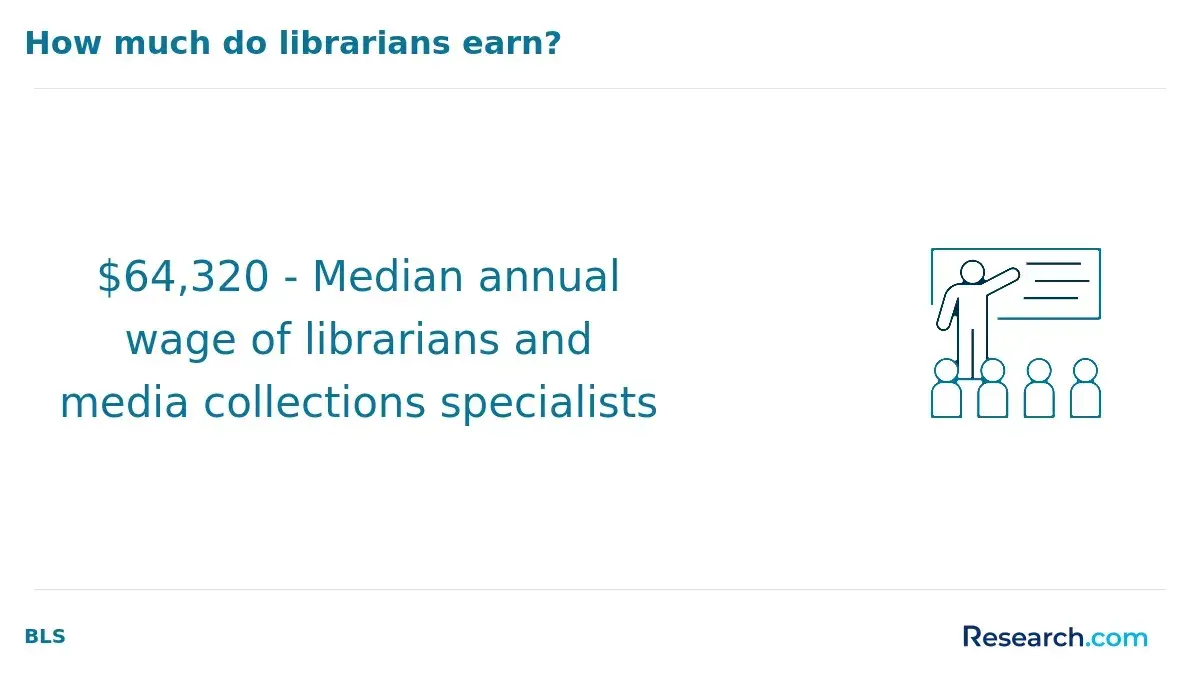
- Professionals with a library science degree can expect competitive salaries, with graduates earning a median wage of $64,320 each year.
- A library science degree fosters a culture of continuous learning, encouraging individuals to stay updated on evolving information technologies, research methodologies, and diverse knowledge domains, fostering a lifelong commitment to intellectual growth.
What can I expect from a library science degree?
- Throughout the program, you can expect to acquire a strong foundation in information organization, cataloging, and archival practices, essential for traditional library roles.
- The curriculum often extends into the realms of digital librarianship, information architecture, and data management, preparing you for the evolving landscape of information science.
- Students are expected to familiarize themselves with the latest technologies and methodologies to gain proficiency in areas such as database management, digital asset curation, and information retrieval systems.
- Internship opportunities and hands-on projects are commonly integrated, allowing students to apply theoretical knowledge in real-world scenarios.
- These programs enable students to develop research skills, critical thinking, and an understanding of diverse information sources. Additionally, students will hone their communication skills. This is especially important as Zippia also identifies customer service as one of the more common skills of librarians, with the skill appearing in 10.4% of resumes.
Ultimately, a Library Science Degree equips you not only with the traditional skills needed for library roles but also with the adaptability and innovation required to excel in emerging fields related to information management and technology.
Where can I work with a library science degree?
- Library science graduates secure employment in a range of settings beyond traditional libraries, including academic institutions, corporations, government agencies, and cultural institutions.
- Most work in educational instruction and library occupations, with 32% working in local government agencies and 49% working in elementary, secondary, and postsecondary schools. Academic institutions such as universities and research centers often hire library science professionals to manage extensive collections, support academic research, and enhance information accessibility for students and faculty.
- In corporate environments, library science graduates are recognized for their expertise in information management, contributing to the organization and optimization of knowledge repositories for efficient data retrieval. Office and administrative support occupations make up 12% of the roles secured by library science degree graduates.
- Government agencies at various levels seek the skills of library science graduates to manage public records, archives, and specialized libraries.
- Cultural institutions, including museums and archives, rely on library science professionals to curate and preserve historical and artistic collections, highlighting the adaptability and relevance of a library science degree across diverse industries.
How much can I make with a library science degree?
Librarians and medical collections specialists earn a median wage of $64,320. The range lands between $38,920 and $100,880 annually.
Moreover, those who specialize in areas like digital asset management or data analysis within the information science domain may find themselves at the higher end of the salary spectrum.
Here is the breakdown of the average salary earned by librarians or information specialists based on their industry of employment:
- Federal Executive Branch: $107,710
- Legal Services: $89,530
- Scientific Research and Development Services: $88,410
- Media Streaming Distribution Services, Social Networks, & Other Media Providers: $86,410
- Motion Picture and Video Industries: $82,210
- Best Library Science Degree Programs for 2027 List of Programs
- How long does it take to complete a Library Science degree program? Completion Time
- How does an online Library Science degree compare to an on-campus program? How does an online Library Science degree compare to an on-campus program?
- What is the average cost of a Library Science degree program? Program Cost
- What are the financial aid options for students enrolling in a Library Science degree program? Financial Aid Options
- What are the prerequisites for enrolling in a Library Science degree program? Requirements
- What courses are typically in a Library Science degree program? What courses are typically in a Library Science degree program?
- What types of specializations are available in Library Science degree programs? What types of specializations are available in Library Science degree programs?
- How to Choose the Best Library Science Degree Program How to Choose the Best Library Science Degree Program
- What career paths are available for graduates of Library Science degree programs? Career Paths
- How does the financial return of a Library Science degree compare to other disciplines? How does the financial return of a Library Science degree compare to other disciplines?
- What is the job market for graduates with a Library Science degree? Job Market
- What role does advanced research and doctoral studies play in advancing Library Science? What role does advanced research and doctoral studies play in advancing Library Science?
- How can leadership development transform Library Science practice? How can leadership development transform Library Science practice?
- How can Library Science promote early childhood education and literacy? How can Library Science promote early childhood education and literacy?
- What emerging skills are essential for Library Science professionals in the digital age? What emerging skills are essential for Library Science professionals in the digital age?
- How can a Library Science degree impact community development? How can a Library Science degree impact community development?
- How can you advance your career in Library Science? How can you advance your career in Library Science?
- What accreditation factors should I consider when choosing a Library Science program? What accreditation factors should I consider when choosing a Library Science program?
- How can Library Science support digital education for modern classrooms? How can Library Science support digital education for modern classrooms?
- How can Library Science facilitate interdisciplinary career bridges? How can Library Science facilitate interdisciplinary career bridges?
Best Library Science Degree Programs for 2027
If you are comparing library science programs, you are probably trying to answer a practical question: which degree will prepare you for the career you want without wasting time or money? That decision matters more in 2027 because library and information work now spans digital archives, data stewardship, research support, school media, records management, and user experience. The right program should match your goals, meet accreditation or licensure needs, and offer a realistic path to employment.
This guide helps you evaluate the strongest library science degree options, understand the differences between online and campus formats, estimate cost and time commitment, and avoid common mistakes such as choosing a program without checking accreditation or state licensure requirements.
Quick Answer: Which Library Science Program Should You Choose?
The best library science degree program is the one that fits your intended role, schedule, and budget. For most students pursuing professional librarian roles, an ALA-accredited MLIS or MLS is the most widely recognized credential. If you want school librarianship, make sure the program aligns with your state’s certification rules. If you want archives, digital curation, or information management, look for a program with those concentrations and practical experience opportunities.
Among the schools listed below, strong options include the University of Washington, Drexel University, St. John’s University, Sam Houston State University, University of Arizona, Indiana University, University of Nebraska Omaha, Dominican University, University of Pittsburgh, and Appalachian State University. The right choice depends less on prestige alone and more on accreditation, specialization, format, cost, and career alignment.
How We Evaluated These Library Science Programs
To build this list, we reviewed institutional data from IPEDS, Peterson’s, including its Distance Learning Licensed Data Set, and the College Scorecard. We also checked current information from the National Center for Education Statistics. Our review emphasized academic quality, affordability, enrollment accessibility, and online reliability. You can read more in our methodology.
Keep in mind that a ranking is only a starting point. A “best” program on paper may not be the best fit if it does not support your desired concentration, state licensure, or learning style.
Top Library Science Degree Programs for 2027
1. University of Washington
The University of Washington offers a Master of Library and Information Science (MLIS) with residential and online study options. The online pathway is designed for students who cannot attend on the Seattle campus, and it follows the same degree requirements as the in-person version. Students complete 63 quarter credits over three years. Coursework is delivered primarily asynchronously, which supports working adults who need flexibility. An orientation session, available in person or online, also gives new students a chance to connect with faculty, peers, and support services.
- Program Length: Three years (part-time)
- Tracks/concentrations: Information Behavior; Design Methods for Librarianship
- Cost per credit: $889
- Required credits to graduate: 63 quarter credits
- Accreditation: American Library Association (ALA)
2. Drexel University
Drexel University delivers an online Master’s in Library & Information Science (MLIS) through four 10-week quarters each year. That structure usually appeals to students who want an accelerated pace rather than a traditional semester schedule. The curriculum includes core study in information professionals, design thinking, data foundations, user services, and digital stewardship, while elective options support areas such as archives, digital technologies, information systems, library services, and user experience.
- Program Length: One to two years
- Tracks/concentrations: Archives/Records Management; Digital Technologies; Information Systems
- Cost per credit: $1,382
- Required credits to graduate: 45 credits
- Accreditation: ALA
3. St. John’s University
St. John’s University offers a fully online Master of Science in Library and Information Science (M.S.L.I.S.) that can be completed in 24 months. The program includes five specializations: Youth Services, Academic Librarianship, Archival Studies, Public Librarianship, and Records Management. St. John’s also highlights research tools, practical training, and a mentorship model that connects students with alumni. For students on the East Coast who want an online ALA-accredited degree, this program is a notable option.
- Program Length: Two years
- Tracks/concentrations: Youth Services; Academic Librarianship; Archival Studies
- Cost per credit: $1,565
- Required credits to graduate: 36 credit hours
- Accreditation: ALA
4. Sam Houston State University
Sam Houston State University offers an online Master of Library Science (MLS) focused on school librarianship. The program is built for students who want to support children’s literacy, manage media collections, and collaborate with educators in school settings. It also includes a separate 24-hour online School Librarian Certification pathway for students who already hold a master’s degree, a valid teaching certificate, and two years of teaching experience. Courses are available in fall, spring, and summer.
- Program Length: One to two years
- Tracks/concentrations: Library Internship; Literature For Children; School Librarianship
- Cost per semester: $6,344.05
- Required credits to graduate: 36 credit hours
- Accreditation: National Council for Accreditation of Teacher Education (NCATE)
5. University of Arizona
University of Arizona offers a Master of Arts in Library and Information Science (MA LIS) and is home to Arizona’s only American Library Association-accredited program. As the state’s only iSchool, it provides an interdisciplinary approach that touches ethics, values, research, and information management. Students can focus on archival studies, public or academic librarianship, digital information management, legal information, or health information. The curriculum prepares graduates for work in special collections, digitization, curation, and information organization.
- Program Length: One to two years
- Tracks/concentrations: Archival Studies; Public or Archival Librarianship; Digital Information Management & Curation
- Cost per credit: $900
- Required credits to graduate: 37 credits
- Accreditation: ALA
6. Indiana University
The Luddy School of Informatics, Computing, and Engineering at Indiana University offers a 100% online Master of Library and Information Science (MLIS) that combines library practice with data-focused training. The 39-credit program is ALA-accredited and designed for students interested in information literacy, metadata, and related areas of modern information work. It also gives students flexibility to customize their degree or combine it with another graduate program for broader career planning.
- Program Length: One to two years
- Tracks/concentrations: Academic Librarianship; Digital Curation; Facilitated Learning
- Cost per credit: $492.50
- Required credits to graduate: 39 credit hours
- Accreditation: ALA
7. University of Nebraska Omaha
University of Nebraska Omaha offers library science education within its College of Education, Health, and Human Sciences. The university is known for strong advising and modern learning environments. Its library science offerings are undergraduate-level and include areas such as special, public, academic, and school libraries. UNO does not offer a Master of Library Science degree, but it does provide library science minors and related coursework.
- Program Length: Four years
- Tracks/concentrations: Intro to Mass Communication; Technical Communication; Organizations, Application and Technology
- Cost per semester: $24,974 (on-campus, Nebraska resident)
- Required credits to graduate: 120 credit hours
- Accreditation: Higher Learning Commission (HLC)
8. Dominican University
Dominican University offers an ALA-accredited Master of Library and Information Science (MLIS) with online and hybrid formats. Students can finish in as little as one year or take up to six years, which makes the program appealing to both full-time students and working adults. Concentration and certificate options include Archives, Cybersecurity Governance, Digital Libraries, and Youth Services. Dominican also highlights its hands-on learning model and alumni network.
- Program Length: One to six years
- Tracks/concentrations: Archives and Cultural Heritage Resources and Services; Cybersecurity Governance; Data and Knowledge Management
- Cost per credit:
- Required credits to graduate: 36 credits
- Accreditation: ALA
9. University of Pittsburgh
University of Pittsburgh offers a redesigned Master of Library and Information Science (MLIS) through its School of Computing and Information. The 36-credit program is ALA-accredited and brings together library, archival, information, data sciences, and stewardship. Students can complete the degree in three consecutive full-time terms or stretch it to four years part-time. The curriculum includes a core sequence, electives, and a Design Methods Sequence that emphasizes applied learning.
- Program Length: One to two years
- Tracks/concentrations: Academic Information Resources and Services; Applied Data-Driven Methods; Archives Resources and Services
- Cost per credit: $1,104
- Required credits to graduate: 36 credits
- Accreditation: ALA
10. Appalachian State University
Appalachian State University offers an online Master of Library Science (MLS) designed for working professionals and students interested in school and rural libraries. The 36-credit program can usually be completed in two years, and it blends synchronous and asynchronous learning. North Carolina residents pay $319 per credit hour. The curriculum is approved by the American Association of School Librarians (AASL) and the Council for Accreditation of Educator Preparation (CAEP), and graduates may apply for North Carolina licensure (076 Media Coordinator) and Public Librarian Certification.
- Program Length: Two years
- Tracks/concentrations: Collection Development and Management; Information Sources and Services; Integrating Literature and Media into Instruction
- Cost per credit: $319 (residents)
- Required credits to graduate: 36 credits
- Accreditation: Council for Accreditation of Educator Preparation (CAEP)
How Long Does a Library Science Degree Take?
The timeline depends on the credential you choose. A bachelor’s degree usually takes four years. A master’s degree in Library Science, such as an MLS or MLIS, often takes one to two years for full-time students, though part-time pathways can take longer. Certificate programs are usually shorter and may last from a few months to a year. Doctoral programs in Library and Information Science often take three to five years because they include advanced research and dissertation work.
| Credential | Typical Time to Complete | Best For |
| Bachelor’s degree | Four years | Students starting college or building a broad foundation |
| Master’s degree (MLS/MLIS) | One to two years | Future professional librarians and information specialists |
| Certificate | A few months to a year | Career changers or professionals adding a specialization |
| Doctoral degree | Three to five years | Researchers, faculty, and senior academic leaders |
Online vs. On-Campus Library Science Degrees
Both formats can lead to strong outcomes, but they serve different students. Online study usually works best for professionals who need flexibility or cannot relocate. Campus study may be a better fit if you value direct networking, in-person access to facilities, and a more structured schedule.
Online Library Science Degree
- Lets you study from almost anywhere
- Works well for students balancing jobs or family responsibilities
- Often includes asynchronous coursework
- Can strengthen comfort with digital tools and remote collaboration
- May provide fewer in-person networking moments
On-Campus Library Science Degree
- Offers more face-to-face interaction with faculty and peers
- Can make internships, events, and on-site resources easier to access
- Often creates a stronger sense of cohort community
- May suit students who prefer a set schedule
- Usually offers less flexibility for working adults
| Factor | Online | On-Campus |
| Schedule flexibility | High | Lower |
| Networking | Moderate | High |
| Access to facilities | Limited | Strong |
| Best for | Working adults, distance learners | Students who want a traditional experience |
What Does a Library Science Degree Cost?
Costs vary widely based on whether the school is public or private, whether you qualify for in-state tuition, how many credits the program requires, and whether there are added technology or university fees. Based on our Research.com team’s observations, the average tuition fee for a bachelor’s degree in Library Science is $21,455, while the average cost of a graduate program is $24,479. Certificate programs may cost a few hundred dollars or several thousand, depending on length and content.
Do not compare tuition alone. A cheaper program may be more expensive overall if it requires more credits, fewer transfer options, or extra residency costs. A more expensive program may still be a better deal if it is fully accredited, offers the specialization you need, and helps you finish faster.
Financial Aid Options for Library Science Students
Students in library science programs may qualify for scholarships, employer assistance, federal aid, and institutional grants. Some professional associations also offer targeted support for students in accredited programs.
- ALA Scholarship Program for students attending ALA-accredited schools
- Asian/Pacific American Librarians Association (APALA) Scholarship for Asian or Pacific library science students
- Christopher J. Hoy/ERT Scholarship for American or Canadian students
- Association for Library Service to Children Bound to Stay Bound Books Scholarships for students interested in children’s library services
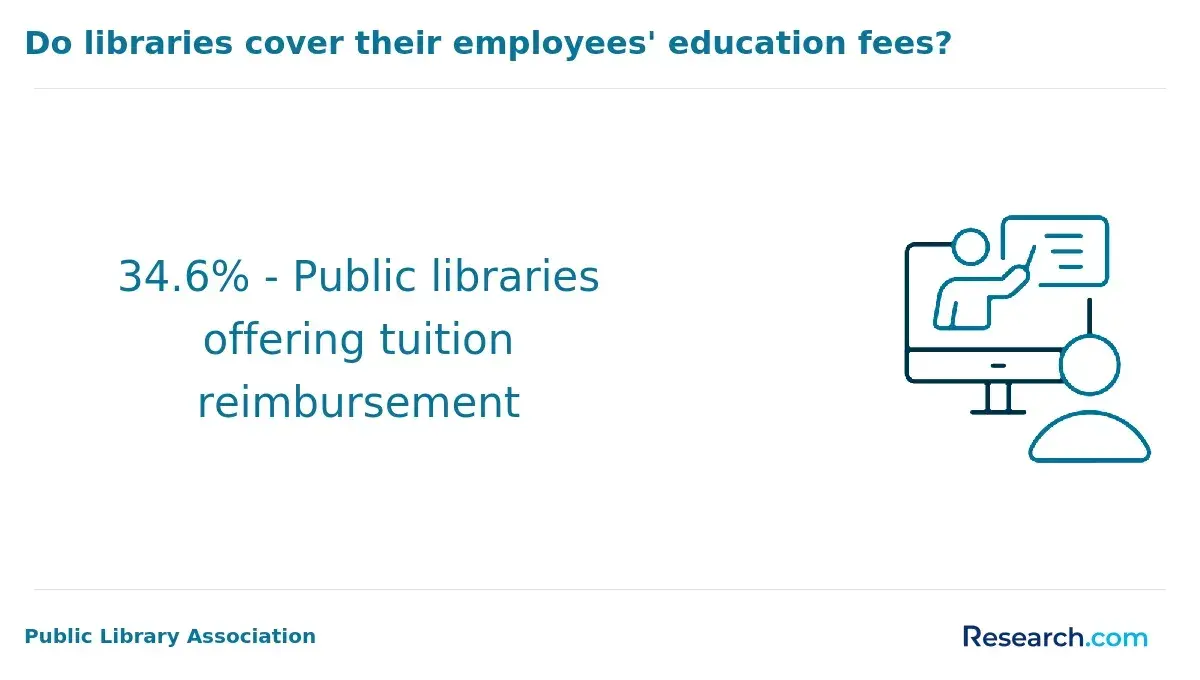
Employer tuition reimbursement can also help lower out-of-pocket costs. Nearly 35% of public libraries offer this benefit, which may matter if you already work in the field.
Admission Requirements: What You Usually Need
Admission standards vary by degree level and school, but most library science programs ask for a mix of academic records, professional materials, and sometimes test scores or interviews. Strong applicants usually show both academic readiness and a clear reason for entering the field.
- Educational background: A high school diploma is usually required for undergraduate study, while a bachelor’s degree from an accredited institution is typically required for graduate programs.
- GPA requirement: Many programs set a minimum GPA, though the threshold varies by school.
- Letters of recommendation: Most applications ask for recommendations from professors, employers, or professional contacts.
- Statement of purpose: Schools often want a short essay explaining your goals and interest in the field.
- Resume or CV: Programs frequently request a current summary of your academic and professional history.
- Test scores: Some schools may ask for GRE or MAT scores, though many programs no longer require them.
- Relevant experience: Library, archival, volunteer, or information work can strengthen your application.
- Interview: Some programs use interviews to assess communication skills and fit.
What Courses Are Common in Library Science Programs?
Course offerings vary, but most strong programs build a foundation in information organization, reference work, digital tools, ethics, management, and research methods. If you want a school that matches your career target, compare the curriculum carefully rather than relying on the degree title alone.
- Introduction to Library Science: Covers the profession’s history, values, and core responsibilities.
- Information Organization and Retrieval: Focuses on cataloging, classification, metadata, and search systems.
- Reference and Information Services: Teaches reference interviews and user support strategies.
- Collection Development and Management: Examines selection, purchasing, maintenance, and weeding.
- Information Technology in Libraries: Covers library systems, databases, and digital tools.
- Archives and Records Management: Introduces preservation and records workflows.
- Library Management and Administration: Addresses leadership, budgeting, and staffing.
- Information Ethics and Intellectual Freedom: Explores privacy, access, and professional ethics.
- Information Literacy Instruction: Prepares students to teach research and evaluation skills.
- School Library Media Services: Focuses on curriculum support and youth literacy.
- Special Libraries and Information Centers: Looks at roles in corporate, government, or nonprofit settings.
- Research Methods in Library and Information Science: Builds research and evidence-based practice skills.
- Digital Libraries: Covers electronic collections, access, and preservation.
- Information Policy and Advocacy: Examines policy and professional advocacy issues.
If you plan to transfer schools during your degree, pay attention to transfer credits. Credit transfer policies can determine whether you continue smoothly or lose time repeating coursework.
Specializations to Look For
The best specialization is the one that fits your intended job setting. A general MLIS can open many doors, but a concentration often gives you stronger preparation for a specific career path.
- Archives and Records Management: For preserving documents, records, and special collections
- Digital Libraries: For managing online collections and digital access
- Youth Services or School Librarianship: For work with children and teens
- Health Informatics: For healthcare information environments
- Information Technology and Systems: For technical and systems-focused roles
- Law Librarianship: For legal research and law library support
- Digital Curation: For long-term preservation of digital assets
- Special Libraries: For corporate, government, or nonprofit information centers
- Academic Librarianship: For colleges and universities
- Public Librarianship: For community-facing library services
How to Choose the Best Library Science Degree Program
The best program for you should balance career fit, accreditation, affordability, and format. Use the steps below to narrow your list before applying.
- Start with your target role. Decide whether you want school librarianship, archives, academic libraries, public libraries, digital curation, or another specialty.
- Verify accreditation. For many careers, ALA accreditation is a major quality signal. If you want school librarian licensure, also confirm state-specific approval and certification pathways.
- Compare concentrations. Make sure the program actually offers the coursework you need.
- Review practical learning. Internships, fieldwork, and practicum courses can make a major difference in job readiness.
- Check format and pace. Ask whether the program is asynchronous, synchronous, hybrid, accelerated, or part-time.
- Calculate total cost. Include tuition, fees, books, technology, and any travel or residency costs.
- Look at transfer and completion policies. Some schools are more flexible than others.
- Research career support. Alumni connections, mentoring, and placement support can help after graduation.
| Question to Ask | Why It Matters |
| Is the program accredited for my career goal? | Accreditation can affect employer recognition and licensure eligibility. |
| Does it offer my intended specialization? | Not all programs support every career track. |
| Can I finish it while working? | Schedule flexibility affects completion success. |
| Does it include field experience? | Hands-on work often improves job readiness. |
| What is the total cost after fees? | Tuition alone does not reflect the real price. |
What Careers Can You Pursue With a Library Science Degree?
Many graduates do become librarians, but the degree can also lead to roles in archives, records, digital collections, and knowledge management. According to the Public Library Association, 31% of librarians possess either MLS or MLIS degrees. That makes the credential common in the profession, but it is not the only route into information work.
- Archives and Records Management: Preserve and organize historical materials and institutional records
- Digital Librarianship and Information Technology: Support digital collections and information systems
- Health Informatics: Manage health information in clinical or research settings
- Law Librarianship: Assist with legal research and legal information resources
- Information Management and Knowledge Services: Organize organizational knowledge and support data access
- Corporate Information Management: Maintain business information systems and repositories
- Digital Curation: Preserve digital assets for long-term access
- Research and Information Analysis: Support literature reviews, intelligence gathering, and research projects
- Consulting and Information Services: Advise organizations on research, structure, and knowledge workflows
In short, library science graduates often move into roles that value organization, research, user support, and digital fluency. Those skills are useful far beyond the traditional library desk.
Is a Library Science Degree Worth It?
It can be, but only if the degree matches your goals. Library science is rarely a high-salary-first field, so the value usually comes from stability, service-oriented work, specialization, and the chance to work in education, government, archives, research, or cultural institutions. If your main objective is maximum earnings, compare this path with highest paying majors before committing.
The return on investment is often strongest for students who already know their target setting, can attend an accredited program without overborrowing, and are prepared to build experience through internships or early-career roles.
Job Market Outlook for Library Science Graduates
The job market is stable rather than explosive. According to the U.S. Bureau of Labor Statistics, librarians and media collections specialists are projected to see a 1.7% job outlook through 2034, with 13,500 annual openings across the decade. That suggests ongoing need, but not rapid expansion.
- Librarians may find the strongest demand in schools, colleges, and government settings.
- Curators and archivists are expected to see different growth patterns, including a 7% change for curators and a 3.8% employment change for archivists by 2034.
- Library technicians and assistants are projected to decline, with almost a -7% drop in employment change, although there are still around 13,000 annual positions expected by 2034.
For students, this means careful specialization matters. A degree alone is helpful, but a strong concentration, practical experience, and location strategy can improve job prospects.
Why Advanced Study and Research Matter in Library Science
Doctoral study is most useful for students who want to teach, lead major research projects, or shape policy and practice at a higher level. A Ph.D. or other advanced research path helps professionals study how information systems change, how digital access works, and how libraries can respond to new technologies and community needs.
If you are thinking about an advanced academic route, compare options carefully, including cheapest online doctoral programs in education, if your interests extend into education leadership or institutional research.
How Leadership Skills Strengthen Library Practice
Leadership training can be just as important as technical knowledge. Library professionals often supervise staff, manage projects, guide digital transitions, and make decisions about services and budgets. Those responsibilities require planning, communication, and change management.
If you want to move into administration or a more strategic role, exploring online PhD programs in leadership may be useful, especially if your long-term goal is to lead departments, libraries, or information services.
How Library Science Supports Early Childhood Literacy
Library science plays a direct role in children’s literacy and early learning. Professionals in this area design reading programs, curate age-appropriate materials, and create welcoming spaces that support language development and curiosity.
That work can include story times, family literacy events, digital reading clubs, and outreach to schools or community groups. For students interested in that overlap, a background in both fields can be valuable, and some may also explore what can you do with an early childhood degree.
Skills Library Science Professionals Need Now
Library work has changed. Employers increasingly value professionals who can handle digital systems, guide users through online resources, and support information access across multiple platforms.
- Digital information management: Organizing, preserving, and sharing electronic resources
- Metadata and taxonomy skills: Making collections searchable and easy to navigate
- User experience awareness: Improving how people find and use information systems
- Instruction and training: Teaching digital literacy and research skills
- Data and policy literacy: Supporting governance, privacy, and responsible information use
- Project and team leadership: Managing services, changes, and cross-functional work
These skills matter because libraries now operate as both physical institutions and digital service hubs. If you are planning a long career in the field, keep building them after graduation.
How Library Science Contributes to Community Development
Library science graduates often strengthen communities by improving access to information, technology, and educational support. In many places, libraries function as public anchors for job searching, literacy, digital access, research help, and community programming.
Professionals in the field may build outreach programs, support digital inclusion, host health or employment workshops, and connect patrons with local services. That work can be especially important in underserved communities where access to reliable information is limited.
How to Advance Your Career in Library Science
Graduation is the beginning, not the finish line. If you want to move into stronger roles, you will usually need a mix of specialization, experience, and continuous learning.
- Choose a specialization: Focus on a niche such as archives, digital libraries, school librarianship, or health information.
- Keep up with technology: Stay current on AI tools, cloud platforms, digital preservation systems, and information workflows.
- Build experience early: Internships, practicums, and fellowships help you prove readiness.
- Join professional organizations: Groups such as the American Library Association (ALA) and the Special Libraries Association (SLA) can support networking and learning.
- Consider doctoral study if needed: Advanced research degrees are most helpful for teaching, research, or senior leadership.
- Keep learning on the job: Conferences, workshops, and employer training can help you stay competitive.
If cost is a concern, you may want to compare options like the cheapest MLIS degree online before applying.
Accreditation: What You Should Check Before Enrolling
Accreditation is one of the most important filters in your search. It helps confirm that a program meets established quality standards and that employers or licensing agencies are likely to recognize the credential. For many library careers, ALA accreditation carries special weight. If you are aiming for school library work, also confirm whether the program aligns with state licensure or certification rules.
When reviewing an online option, make sure the format does not limit your eligibility for the credential you actually want. If you need a flexible option, you can also compare it with a library science degree online that still supports your professional goals.
How Library Science Supports Digital Education
Library science professionals are increasingly part of the digital learning ecosystem. They curate reliable resources, organize digital collections, and help educators and students find information quickly and accurately.
This work supports online and blended learning, especially when schools need stronger information systems and digital literacy support. For students considering education-related careers, library science can complement training from online teacher education programs.
How Library Science Creates Interdisciplinary Career Paths
One advantage of library science is its flexibility. The skills you learn—research, organization, digital curation, information ethics, and user support—translate into multiple fields. That makes the degree useful for people who want to connect education, healthcare, technology, government, or nonprofit work.
Professionals who want to bridge disciplines may also look into specialized pathways such as cheapest online MSN to EdD programs, especially if they want to move between education, leadership, and policy-oriented work.
Common Mistakes to Avoid When Choosing a Library Science Program
- Choosing a school without checking accreditation
- Assuming every online program qualifies you for licensure
- Focusing on tuition without counting total costs
- Ignoring field experience, practicum, or internship quality
- Picking a program for its reputation instead of its fit with your career goal
- Overlooking transfer-credit rules if you may switch schools
- Assuming salary outcomes are guaranteed after graduation
Questions to Ask Before You Enroll
- Will this program support the specific job I want?
- Is the accreditation accepted by employers and licensing agencies in my state?
- Does the curriculum include the specialization I need?
- How much will I pay in total after fees and materials?
- Can I complete the program while working full time?
- Does the school offer meaningful internship or practicum opportunities?
- What kinds of jobs do graduates actually get?
- How strong is the alumni network in my target field?
What Graduates Say About Library Science Study
- Martin: "Online study gave me the flexibility to keep working while building a career in information management. The group projects, instructor feedback, and practical assignments made the experience feel relevant and career-focused."
- Trevor: "What I valued most was the range of perspectives in the virtual classroom. Learning online connected me with students and professionals from different places, which made discussions more practical and broadened my view of the field."
- Michelle: "The online format worked better than I expected. It was not just about watching lectures. The courses were interactive, and the support from faculty and classmates helped me stay engaged from start to finish."
Key Insights
- A library science degree is most valuable when it matches a specific career goal, such as school librarianship, archives, academic libraries, or digital curation.
- For many professional roles, ALA accreditation is a major decision point; for school library work, state licensure or certification rules matter just as much.
- Online programs are often the best fit for working adults, while on-campus study can offer stronger networking and facility access.
- Cost should be measured by total program expense, not tuition alone, because credit requirements, fees, and format can change the real price.
- The field is stable rather than rapidly expanding, so practical experience, specialization, and location strategy can make a real difference in job outcomes.
- Library science skills now extend well beyond traditional libraries into archives, data stewardship, digital collections, knowledge management, and community services.
- If you want the strongest return, choose a program with the right accreditation, a relevant concentration, and a clear path into the setting where you want to work.
References:
- Department for Professional Employees. (2025). Library Professionals: Facts & Figures. https://www.dpeaflcio.org/factsheets/library-professionals-facts-and-figures#_ftnref19
- Public Library Association. (2024). 2024 Public Library Staff Survey: Summary Report. https://www.ala.org/sites/default/files/2025-08/PLA_Staff_Survey_2025.pdf
- U.S. Bureau of Labor Statistics. (2024). Occupational Employment and Wage Statistics. Retrieved February 2026, from https://data.bls.gov/oes/#/industry/000000
- U.S. Bureau of Labor Statistics. (2025, August 28). Occupational projections, 2024–2034, and worker characteristics. Retrieved February 2026, from https://www.bls.gov/emp/tables/occupational-projections-and-characteristics.htm
- Zippia. (2025, January 8). What is a librarian and how to become one. Retrieved February 2026, from https://www.zippia.com/librarian-jobs
Other Things You Should Know About Library Science Degree Programs
In 2027, Library Science graduates can explore digital archivist roles focused on preserving digital collections. Opportunities include working in academic, government, and corporate settings where they manage and curate digital resources while ensuring accessibility and authenticity for future users.
In 2027, Library Science programs need to meet accreditation standards set by the American Library Association (ALA). These standards ensure that programs offer comprehensive coursework, hands-on training, and meet industry requirements, which is crucial for graduates seeking professional roles in libraries or information management.
To enroll in a Library Science program in 2027, prospective students typically need a bachelor's degree, preferably in a related field; GRE scores might be required by some institutions. It's advisable to check specific program requirements for details on necessary credits and application materials.
Most school librarian positions require a state teaching license plus a school librarian endorsement, while the Master of Library Science from an ALA-accredited program is often the academic requirement. In some states, Praxis library media tests or a passing score on a state exam are also required for certification.
In 2027, the average cost to obtain a Library Science degree can vary significantly depending on factors like the institution type (public vs. private) and residency status. On average, tuition and fees may range from $20,000 to $50,000 annually for a master's program in Library Science.


