2027 SLP Graduate School Application Timeline Month by Month

Co-Founder and Chief Data Scientist

Reviewed by Rhea Paul, PhD
SLP Education & Research Expert
Many prospective students face uncertainty about when to complete key steps in the SLP graduate school application process. Missing deadlines or rushing last minute can lead to incomplete applications and lost opportunities.
This challenge is especially true for individuals transitioning from unrelated undergraduate fields, who may not be familiar with the specific timeline requirements of SLP programs. Without a clear month-by-month plan, applicants struggle to balance prerequisites, recommendation requests, and exam scheduling efficiently.
This article outlines a detailed timeline to guide applicants through each month's essential tasks, helping ensure a well-organized and successful application journey.
Key Things You Should Know
- Most SLP graduate programs recommend starting your application process by summer prior to the academic year, as 70% of programs have deadlines between October and December.
- Early preparation of prerequisite coursework, GRE scores, and clinical observation hours is critical, with 85% of accepted applicants having completed these by August.
- Submit letters of recommendation and personal statements by early fall to ensure consideration; programs report a 25% higher acceptance rate for early submissions.
What is the SLP graduate school application timeline?
The SLP graduate school application timeline month by month involves a strategic plan starting 12 to 18 months before enrollment. Early preparation includes researching accredited programs and prerequisite courses, typically in the fall or winter prior to applying. This step ensures candidates meet academic requirements and can prepare for the GRE if necessary.
Applications open from late summer to early fall. By August or September, applicants finalize program lists, gather transcripts, and request recommendation letters.
Personal statements and writing samples should be drafted and refined during this period. Deadlines usually fall between October and December, so submitting applications ahead of time helps avoid last-minute errors and allows for additional required materials.
The step by step SLP graduate application process continues with interviews from November through February, often involving on-campus visits or virtual meetings. Acceptance notifications arrive between December and March, with some programs offering rolling admissions. After admission, candidates confirm enrollment by spring deadlines, often in April.
Starting early is crucial given the strong job market demand. ASHA's Communication Sciences and Disorders Education Survey reports that 96% of recent SLP master's graduates found employment within one year of graduation. Those seeking flexible options can explore speech pathologist masters online programs to fit their schedules.
When should I take the GRE for SLP grad applications?
The best time to take the GRE for SLP graduate applications is between August and October of the year before enrollment.
This schedule allows for early score reporting and the opportunity to retake the exam by December, aligning with most graduate program deadlines from December through February. Planning your ideal GRE schedule for speech pathology grad school in this window helps ensure you have competitive results ready.
Scheduling the GRE in late summer or early fall also enables you to send scores to 8-12 targeted programs, a range linked to higher overall acceptance rates, even though the per-application acceptance rate remains around 45.3%. Applicants who test early have a better chance of finalizing strong applications.
Consider your study needs when choosing a test date. Taking the GRE in August or September provides time to receive scores within 10-15 days and retake the test if needed before November. Avoid last-minute testing late in the fall or winter, which can disrupt application timelines.
Applicants facing early deadlines, such as rolling admissions or priority decision plans, gain from completing the GRE even earlier. Multiple test attempts are recommended over relying on a single try to improve scores.
For those researching career outcomes, understanding the speech pathologist salary with a masters degree can help motivate test preparation and career planning.
What are prerequisites for SLP master's programs?
Master's programs in speech pathology in the US typically require completion of 30 to 36 semester units of specific prerequisite coursework before admission.
These required courses for SLP graduate school admission include foundational topics such as anatomy and physiology of the speech and hearing mechanism, linguistics, phonetics, statistics, psychology, and normal communication development. Some programs also expect coursework in audiology, neurological bases of communication disorders, and research methods.
Many applicants face challenges completing prerequisites, especially those from unrelated undergraduate majors. This often means taking additional post-baccalaureate or community college classes, with some schools accepting online or transfer courses while others require face-to-face instruction.
Confirming which course types are accepted by each program is essential to avoid delays. Prerequisite completion deadlines usually fall in early summer before application submission. Completing prerequisites not only satisfies admissions requirements but also prepares students for graduate-level academic demands.
According to various online community discussions, all 10 schools an applicant applied to last year required this range of prerequisite units, although some allow integration of prerequisites into the graduate curriculum.
Prospective students interested in an accelerated path may explore options like an accelerated speech-language pathology program to fulfill requirements more quickly.
Choosing between online and campus SLP graduate programs depends largely on your preferred learning style, personal obligations, and career goals. Campus programs offer direct access to faculty, facilities, and in-person clinical experiences, essential for hands-on skill development. If you thrive in structured settings and value face-to-face networking, on-campus study is ideal.
Conversely, online programs provide flexibility for those balancing work, family, or geographic limitations. It's crucial to verify that online programs maintain accreditation and offer adequate supervised clinical practica; some even coordinate local clinical placements, though students often must arrange these themselves.
Those seeking the easiest online SLP programs to get into should consider both accreditation and clinical support carefully.
Financial factors also influence this choice. Campus programs involve commuting, housing, and living costs, while online study often reduces these expenses but may require a reliable tech setup and occasional travel for lab intensives.
Application timelines matter too. The CSDCAS application opens July 15 for Fall 2026 entry, with verifications taking up to four weeks during peak times. Some campus programs have earlier prerequisites or clinical start dates, impacting readiness.
For those seeking the best speech pathology programs in California for online and on-campus study, ask these questions:
- Can I commit to daily in-person classes or do I need asynchronous options?
- Does the program offer sufficient clinical hours and local supervision?
- What remote resources and support are available?
- How well does each option align with my career specialization?
All accredited master's programs in speech pathology in the United States must hold CAA accreditation from the Council on Academic Accreditation in Audiology and Speech-Language Pathology. This accreditation guarantees that programs meet essential educational standards required for certification and clinical practice.
Universities such as the University of Wisconsin-Madison, Boston University, and the University of Texas at Austin offer well-recognized CAA-accredited speech pathology programs.
Prospective students should carefully verify a program's CAA accreditation status before applying, as graduating from a non-accredited program could prevent eligibility for ASHA certification. The ASHA website maintains an updated list of all CAA-accredited programs nationwide, which is an important resource for making informed decisions.
Program formats may vary, offering campus-based, hybrid, or specialized tracks, but CAA accreditation remains the consistent standard required. Applicants are advised to request transcripts and letters of recommendation early, particularly in August, to meet deadlines, often set before October 1, ensuring timely application processing.
Focusing on CAA-accredited programs enables students to qualify for clinical fellowships and national certification after graduation. Confirmed accreditation also facilitates access to federally recognized funding and licensure opportunities, smoothing the path to a successful career in speech pathology.
Admission to SLP programs typically requires several components to build a competitive application. A bachelor's degree from an accredited institution is essential, usually with prerequisite coursework in communication sciences, biology, and psychology.
Maintaining a GPA around 3.0 or higher is often expected. While some programs still ask for GRE scores, this requirement is becoming less common, so applicants should check each program's guidelines.
Clinical experience or observation hours at settings like speech clinics or hospitals significantly strengthen applications by demonstrating real-world exposure. Most programs request two to three letters of recommendation from faculty or professionals familiar with the applicant's abilities and potential.
Personal statements are vital, as they offer a chance to express motivation, relevant experience, and professional aspirations. Applicants often start drafting these essays months in advance, tailoring them carefully to each program's mission.
Additional materials may include a resume or CV, proof of citizenship or visa status for international applicants, and sometimes interviews or writing samples. Preparing all elements thoughtfully and addressing specific admissions criteria enhances the likelihood of acceptance into speech pathology programs.
SLP graduate programs generally require about two years of full-time study, combining coursework, clinical practicum, and a final capstone project or thesis. This duration aligns with standards from accreditation bodies and professional certification boards, ensuring students meet essential academic and clinical training requirements.
Program length varies with scheduling flexibility. Accelerated options may allow completion in 18 months through intensive study, while part-time programs extend up to three or four years, accommodating working professionals with evening or weekend classes.
Clinical experience is critical, with programs mandating a minimum of 400 clinical practicum hours completed in supervised environments like schools or healthcare settings. During the admissions process, applicants must demonstrate at least 25 guided observation hours, which are vital alongside GPA for competitive evaluation.
Observation hours are typically completed months before October, when applicants submit essays and application materials. Planning ahead is essential to fulfill these prerequisites on time.
Graduates also prepare for the Praxis exam, required for certification but usually taken after finishing the academic program.
Applicants to speech pathology graduate programs should begin by researching schools early in the year, ideally by January or February, to align choices with academic and clinical interests.
Registration with CSDCAS, the centralized application service, is essential to streamline the submission of transcripts, test scores, and recommendations to multiple programs. If required, completing the GRE by late spring or early summer ensures scores are ready for submission.
Between June and August, candidates gather application materials such as personal statements, resumes, and letters of recommendation, finalizing them by August or September.
Many programs open applications in early September, with deadlines ranging from November to January. November is critical, especially for programs with rolling admissions where early submission is advantageous.
Applicants are advised to submit at least two weeks before deadlines to avoid delays caused by CSDCAS reverification. Following submission, interview preparation takes place from December through February. Networking with faculty and attending virtual fairs can enhance visibility and readiness.
Decisions usually arrive in March or April, followed by deposits and enrollment finalization. This timeline requires proactive planning, timely preparation, and early submission to optimize chances in competitive programs.
Graduates with a master's degree in speech pathology often find employment in diverse settings such as public schools, hospitals, rehabilitation centers, private practices, and nursing homes. Each environment provides unique experiences and varying salary ranges.
For example, speech pathologists working in public schools usually earn between $60,000 and $80,000 annually, depending on district and location. Hospital and clinical roles, which commonly involve treating adults with neurological or developmental disorders, offer salaries from $65,000 to $90,000. Private practice income can be more variable and may exceed $100,000, influenced by caseload and business skills.
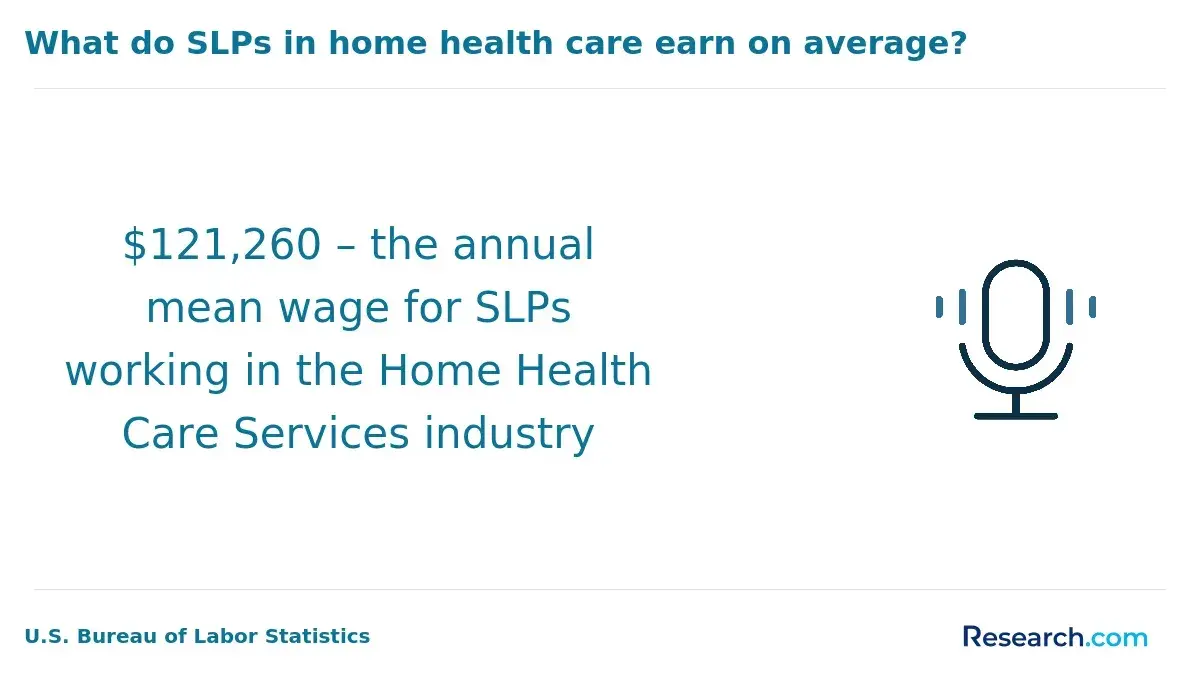
Specialized positions, like voice therapists or swallowing disorder specialists, often require advanced certification and experience, commanding higher pay. According to the Bureau of Labor Statistics, speech-language pathologists have a median annual wage near $97,870, though geographic factors and employer type significantly impact compensation.
Job stability remains strong due to growing awareness of communication disorders and an aging population. Continuing education is essential for certification maintenance and skill growth. Many graduate program deadlines occur between December and February-universities such as Iowa and Washington require early applications for Fall 2026 enrollment.
What are ASHA certification and state licensing steps?
To become a certified speech pathologist, obtaining ASHA certification and state licensure is critical.
The American Speech-Language-Hearing Association (ASHA) requires candidates to complete a master's degree in speech pathology from a CAA-accredited program and then finish a Clinical Fellowship Year (CFY) involving 1,260 supervised professional hours. Passing the Praxis Examination in speech-language pathology is also necessary to earn the Certificate of Clinical Competence (CCC-SLP).
State licensure requirements often mirror ASHA's standards, requiring proof of academic credentials, supervised clinical experience, and Praxis exam scores. Additional state-specific requirements may include jurisprudence exams or background checks, so consulting individual state licensing boards early is important due to varying application processes and timelines.
Admission offers for speech pathology graduate programs typically occur by mid-March, with classes starting in late September. This timeline emphasizes the need to plan your clinical fellowship immediately after graduation to complete licensure requirements on time.
Key steps to consider:
- Complete the clinical fellowship within 12 months post-graduation.
- Register for and pass the Praxis exam promptly after graduating.
- Submit state licensure applications soon after finishing the CFY and passing the exam.
Beginning this process early helps avoid delays in employment eligibility and supports a smooth transition from academic training to professional practice.
Other Things You Should Know About Speech Pathology
Request official transcripts and at least three letters of recommendation in September or October 2026, before most December and January deadlines. Many programs need recommenders to upload directly through the application portal, and transcript processing can take one to three weeks, so early requests prevent delays.
In 2027, aspiring SLP students should initiate the application process in January by researching programs. By February, gather application materials; in March, start securing letters of recommendation. Conduct GRE prep in April, and in May, finalize personal statements. By June, begin online applications and have test scores sent. Submit applications by fall deadlines.
Graduate programs require supervised clinical practicum hours where students work directly with clients of different ages and disorders. This hands-on training is essential to develop assessment and treatment skills. Clinical experiences often take place in various settings such as schools, hospitals, and rehabilitation centers to expose students to a broad range of speech and language conditions.
- U.S. Bureau of Labor Statistics - Speech-Language Pathologists https://www.bls.gov/ooh/healthcare/speech-language-pathologists.htm
- ASHA EdFind - Accredited Speech-Language Pathology Programs https://find.asha.org/ed/
- O*NET OnLine - Speech-Language Pathologists https://www.onetonline.org/link/summary/29-1127.00
- New England Institute of Technology - Master of Science in Speech Language Pathology https://www.neit.edu/academics/graduate-degrees/speech-language-pathology-ms
- Abilene Christian University - Master of Science in Speech-Language Pathology (Online) https://acu.edu/academics/graduate/master-of-science-in-speech-language-pathology/
- Nova Southeastern University - SLP Program - Master of Science in Speech-Language Pathology https://osteopathic.nova.edu/degrees/masters/speech-language-pathology/index.html
- Delaware Valley University - Master of Science in Speech-Language Pathology (M.S.) https://delval.edu/programs/graduate-programs/speech-language-pathology
- James Madison University - Master of Science (M.S.) in Speech-Language Pathology (Distance Education / Online) https://www.jmu.edu/chbs/csd/online_ms/index.shtml