2027 Early Intervention and Preschool SLP Master’s Programs Online

Co-Founder and Chief Data Scientist

Reviewed by Rhea Paul, PhD
SLP Education & Research Expert
Choosing an online master’s program in early intervention and preschool speech-language pathology is not just a question of convenience. It is a licensing, clinical training, and career decision. The right program should prepare you to assess and treat young children, work with families and educators, complete supervised clinical hours, and meet the requirements expected of speech-language pathologists.
This guide is for prospective graduate students who want to become SLPs and are especially interested in infants, toddlers, preschoolers, and early childhood communication. It explains what these programs include, how online clinical training works, what technologies students use, where graduates work, and what to consider before enrolling.
What are the benefits of earning an online early intervention and preschool SLP master's degree?
- Graduates qualify for roles such as early intervention specialist, preschool speech-language pathologist, or pediatric communication therapist—helping children build essential language and social skills during their most formative years.
- SLPs earn a median annual salary of $89,290, with higher pay in healthcare and specialized educational settings.
- Online programs allow students to complete coursework and clinical placements close to home, making it easier for working professionals and caregivers to advance without relocating.
What does a master’s program in early intervention and preschool SLP involve?
A master’s program in early intervention and preschool speech-language pathology prepares students for professional practice with young children who have speech, language, communication, feeding, swallowing, or developmental needs. For students pursuing the standard SLP pathway, the program should support preparation for ASHA certification, state licensure, and the Praxis exam.
Most programs are designed to be completed in about two years and combine graduate coursework with supervised clinical practice. Online delivery usually applies to lectures, assignments, discussions, and case-based learning. Clinical training still requires direct work with clients under qualified supervision, often in schools, clinics, hospitals, early intervention agencies, or community-based settings.
Typical coursework may include child language development, articulation and phonology, autism communication, pediatric swallowing, literacy, augmentative and alternative communication (AAC), assessment methods, counseling, and family-centered intervention. In an early childhood-focused program, students should expect repeated attention to developmental milestones, play-based therapy, caregiver coaching, culturally responsive assessment, and collaboration with teachers, physicians, occupational therapists, and other professionals.
Accreditation is one of the most important checks before applying. To qualify for professional licensure, your program must be accredited by the Council on Academic Accreditation (CAA). Students should verify accreditation directly, review clinical placement support, and ask whether the program’s curriculum aligns with state requirements where they plan to practice.
By graduation, students should have the academic foundation and supervised clinical experience needed to move toward independent practice. If you are comparing long-term earning paths, this guide on speech therapy salary can help you understand how setting, specialization, and experience may influence compensation.
How do online programs teach early intervention skills effectively?
Strong online SLP programs do not try to replace clinical experience with videos alone. Instead, they use online coursework to build knowledge and clinical judgment, then connect that knowledge to supervised practice with real clients. For early intervention and preschool SLP students, this is especially important because therapy depends on observation, caregiver interaction, child engagement, and flexible decision-making.
- Asynchronous lectures: Recorded lessons allow students to study topics such as phonological development, language milestones, speech sound disorders, assessment procedures, and intervention planning on a structured but flexible schedule. The advantage is reviewability: students can revisit complex material before exams, simulations, and practicum sessions.
- Live class meetings and case discussions: Many programs use synchronous sessions for faculty-led discussion, clinical problem-solving, and peer feedback. These meetings help students practice explaining clinical decisions, asking follow-up questions, and applying evidence to child-specific cases.
- Interactive labs: Virtual simulations and skills labs help students rehearse assessment, therapy planning, data collection, and parent coaching before they work in live settings. For early childhood practice, simulations may focus on play routines, child behavior, family priorities, and age-appropriate communication goals.
- Real-world practicum: Students complete supervised therapy and assessment experiences with ASHA-certified clinicians in settings such as schools, early intervention centers, hospitals, private clinics, or home-based programs. This is where students learn how to adjust therapy in real time, document progress, and communicate with families and teams.
- Telepractice training: Students learn how to deliver services through secure telehealth platforms, manage remote sessions, coach caregivers, and maintain professional boundaries online. This training is useful because telepractice is now part of many school, clinic, and healthcare service models.
The best online programs make the connection between coursework and practice explicit. Students should look for programs that provide frequent supervisor feedback, clear clinical competencies, realistic simulations, and reliable placement support rather than simply offering recorded classes with limited hands-on preparation.
What technologies support learning in these online SLP programs?
Technology in online SLP education is not only a delivery method; it is also part of professional preparation. Students must learn how to manage documentation, communicate securely, analyze assessment results, collaborate with teams, and provide therapy through digital tools when appropriate.
- Learning Management Systems (LMS): Platforms such as Canvas and Blackboard organize lectures, readings, assignments, discussion boards, calendars, and grades. Students use these systems to manage deadlines and participate in structured clinical discussions.
- Teletherapy Platforms: HIPAA-compliant software allows students to practice real-time therapy, caregiver coaching, screen-based activities, digital materials, and remote clinical etiquette. Students also learn how to address privacy, consent, distractions, and engagement challenges during virtual services.
- Digital Assessment Tools: Apps and cloud-based systems can support standardized test administration, scoring, language sampling, data tracking, and progress monitoring. Students should learn not only how to use these tools but also when clinical judgment is needed beyond a score report.
- Collaboration Software: Tools such as Zoom, Microsoft Teams, and shared digital whiteboards support group projects, case staffing, peer supervision, and faculty meetings. These platforms mirror the team-based communication SLPs use in schools, clinics, and healthcare environments.
- Digital documentation and data systems: Students often practice writing treatment notes, goals, progress summaries, and clinical reports. Accurate documentation is essential because SLPs must justify services, track outcomes, and communicate clearly with families and other professionals.
Students considering a masters in speech pathology online program should ask which platforms are used, whether technical support is available, how telepractice competencies are evaluated, and whether digital tools are integrated into clinical training rather than treated as optional add-ons.
Clinical education is the core of any CAA-accredited SLP program. Students complete at least 400 supervised practicum hours, combining observation, assessment, treatment, documentation, and direct client interaction. For early intervention students, placements should expose them to very young children, preschoolers, families, and interdisciplinary service models.
Clinical training usually becomes more demanding over time. Early experiences may involve observing therapy sessions, shadowing home visits, reviewing case notes, or assisting with classroom-based services in preschool programs. As students gain competence, they begin planning sessions, collecting data, writing goals, leading therapy activities, and communicating with caregivers and team members.
Common placement settings include early intervention agencies, public school districts, pediatric hospitals, outpatient clinics, private practices, and specialized preschool programs. Each setting teaches different skills. Early intervention agencies often emphasize family routines and caregiver coaching. Preschools and schools emphasize educational impact and team collaboration. Pediatric hospitals and clinics may involve feeding, swallowing, medical complexity, or developmental diagnoses.
Supervision is not just a sign-off requirement. Supervisors observe performance, review documentation, give feedback, and evaluate whether students are meeting professional standards. Students should expect feedback on clinical reasoning, rapport with children, communication with families, ethical practice, cultural responsiveness, and the ability to adapt treatment when a session does not go as planned.
Some programs also include telepractice clinics, where students work with children remotely under real-time faculty supervision. These experiences can be valuable, but they should complement—not replace—strong direct clinical preparation with young children and families.
Early childhood speech-language pathology covers a wide range of communication and developmental needs. Specialization helps students build deeper expertise, choose more targeted clinical placements, and prepare for roles that match their strengths and interests.
- Speech Sound Disorders: This area focuses on articulation and phonological patterns that affect how clearly a child speaks. Students learn how to assess sound errors, choose intervention targets, and help children improve intelligibility in everyday communication.
- Language Delays and Developmental Disorders: Students learn to support expressive language, receptive language, vocabulary, grammar, play, and early narrative skills. Intervention may be play-based, routine-based, structured, or a combination depending on the child’s profile and family needs.
- Autism Spectrum Communication: Training emphasizes functional communication, social interaction, joint attention, play, caregiver coaching, and individualized supports. Students also learn to avoid one-size-fits-all approaches and to respect neurodiversity while addressing meaningful communication goals.
- Pediatric Feeding and Swallowing: This specialization involves feeding, swallowing, oral-motor, and safety concerns in infants and young children. Because these cases may involve medical risk, students need strong supervision and careful preparation before practicing independently.
- Bilingual and Multicultural Communication: Students learn culturally responsive assessment and intervention practices that reduce diagnostic bias. This area is especially important when distinguishing a true communication disorder from typical bilingual language development or dialectal variation.
- AAC (Augmentative and Alternative Communication): Students learn to design and implement low-tech and high-tech communication systems for children who are nonverbal or minimally verbal. Strong AAC practice includes family training, device access, vocabulary selection, and support across home and school environments.
Specialization should be chosen strategically. Students who want school-based roles may prioritize language, literacy, autism communication, and AAC. Those drawn to medical or clinic-based work may seek more pediatric feeding and swallowing experience. Some students gain focused preparation through accelerated speech language pathology programs, but they should still confirm that the pace allows enough time for quality clinical training.
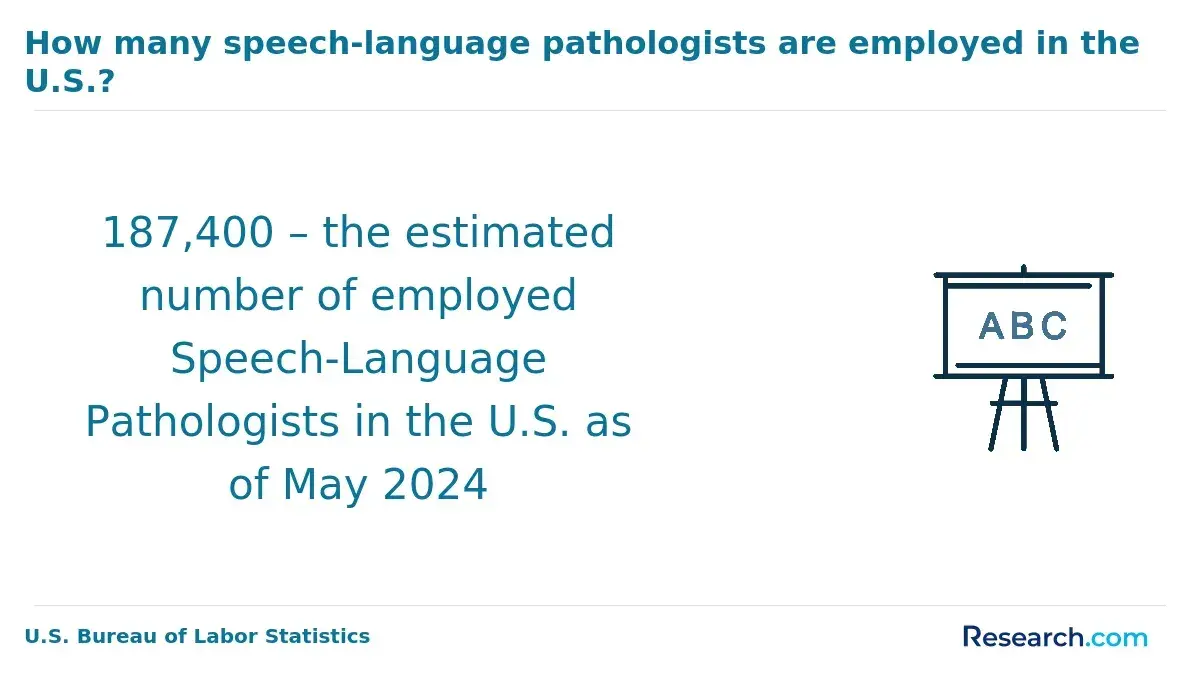
Graduates who specialize in early childhood communication can work in education, healthcare, community programs, private practice, and research. According to the Bureau of Labor Statistics, more than half of all SLPs work in educational settings, with many others employed in healthcare, private clinics, or research institutions.
- Early Intervention Programs: These home- or community-based services support infants and toddlers under age three through state-funded initiatives. SLPs often coach caregivers, embed communication strategies into daily routines, and collaborate with service coordinators and other specialists.
- Preschools and K–12 Schools: School-based SLPs support children whose communication needs affect learning, participation, social interaction, or access to the curriculum. They may contribute to evaluations, individualized education plans (IEPs), classroom consultation, small-group therapy, and family communication.
- Pediatric Hospitals and Clinics: Medical and outpatient settings may involve feeding, swallowing, developmental speech and language disorders, complex medical histories, and coordination with pediatricians, occupational therapists, nutritionists, and other providers.
- Private Practice: Independent or group practices may offer individualized therapy, parent coaching, evaluations, AAC services, early language intervention, or specialty support for autism communication, speech sound disorders, or bilingual families.
- Universities and Research Centers: SLPs in academic and research settings may supervise students, teach, contribute to studies, develop intervention models, or evaluate early childhood communication outcomes.
The right workplace depends on the type of child and family needs you want to serve, the level of team collaboration you prefer, and whether you want an education-based, medical, private, or research-oriented career path. Across settings, the central goal remains the same: helping young children build the communication foundations they need for learning, relationships, and daily life.
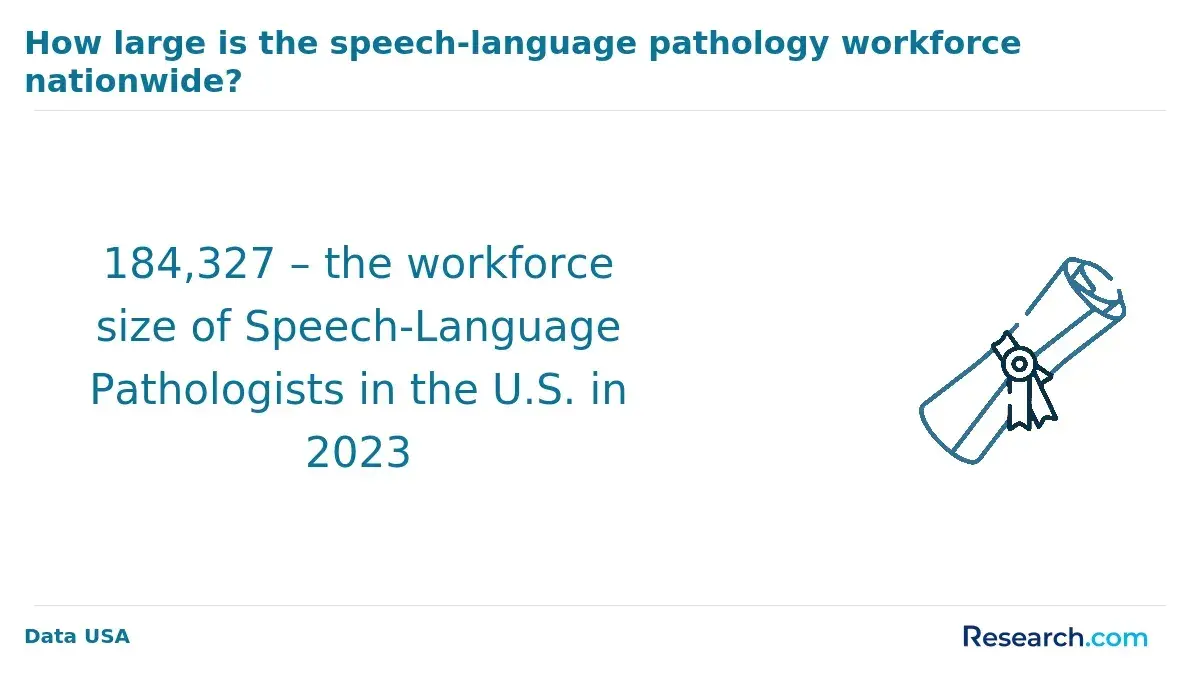
Speech-language pathology remains one of the fastest-growing allied health professions. The BLS projects 17% job growth through 2035, driven by demand for early intervention services, special education support, and speech-language services across schools and healthcare settings.
The field also offers solid earning potential, though pay varies by setting, region, role, experience, and specialization. The median annual wage for SLPs was $97,870 in 2026. School-based professionals earned around $71,000–$83,000, while healthcare SLPs averaged over $82,000. Supervisors and administrators can earn above $110,000.
Early childhood SLPs may find opportunities in schools, pediatric clinics, early intervention agencies, hospitals, and private practices. Graduates who bring strong preparation in high-need areas such as autism communication, AAC, pediatric feeding and swallowing, bilingual assessment, or preschool language intervention may be more competitive for specialized roles.
Students should interpret salary data carefully. A higher-paying setting may also involve different caseload demands, documentation expectations, schedules, or medical complexity. A school role may align better with educational teams and academic calendars, while a healthcare or private practice role may offer different clinical populations and compensation structures.
With ongoing shortages in educational and pediatric SLP positions, graduates who specialize in early intervention often secure employment soon after completing their clinical fellowship year (CFY). Earning a speech pathologist degree with this focus can also support movement into advanced roles in hospitals, private clinics, and early childhood programs.
Early childhood SLP practice changes as research, service delivery models, assessment tools, and family needs evolve. Graduation is therefore the beginning of ongoing professional learning, not the end of preparation. To maintain their ASHA certification, SLPs must complete 30 hours of continuing education (CEUs) every three years.
- ASHA-approved CEU Courses: Clinicians can study early literacy, parent coaching, autism communication, preschool language intervention, AAC, cultural responsiveness, telepractice, and other areas tied to young children’s communication needs.
- Specialty Credentials: Additional training in pediatric feeding and swallowing, bilingual therapy, AAC, or early social communication can deepen clinical expertise and improve readiness for specialized caseloads.
- Professional Conferences: National and state-level events give SLPs access to research updates, workshops, case examples, product demonstrations, and networking with clinicians who serve similar populations.
- University Extension Programs: Post-master’s certificates and advanced clinical training can be useful for SLPs interested in supervision, research, leadership, or specialized pediatric practice.
- Workplace-based learning: Mentorship, case consultation, interdisciplinary team meetings, and peer review can also strengthen day-to-day clinical decision-making, especially for complex early intervention cases.
The most useful continuing education is targeted. SLPs should choose training that matches their caseloads, fills gaps in their preparation, and improves measurable clinical decisions rather than collecting CEUs only to meet a requirement.
Most online master’s students in early intervention and preschool SLP should expect to devote 20–30 hours per week to coursework, readings, assignments, and clinical preparation. The workload depends on course load, program format, clinical placement timing, and whether the student is enrolled full time or part time.
A typical weekly commitment may include:
- 10–12 hours for lectures, discussion posts, skills practice, live sessions, and group projects.
- 6–8 hours for readings, research papers, quizzes, exams, and case preparation.
- 5–10 hours for clinical observation, practicum assignments, documentation, or supervisor meetings.
Online programs may offer flexibility for lectures and assignments, but clinical placements follow the schedules of schools, clinics, early intervention centers, hospitals, and supervisors. This is a common surprise for students who expect online study to be fully self-paced. During intensive clinical terms, students may need daytime availability, travel time, and a more structured weekly routine.
Students who work while enrolled should ask programs how clinical scheduling is handled, whether part-time tracks are available, and when practicum hours typically increase. Planning ahead is especially important in the second year, when clinical responsibilities often become more time-consuming.
The strongest strategy is to treat the program like a professional commitment. Protect study blocks, prepare before clinical sessions, keep careful documentation habits, and communicate early with faculty or supervisors if workload conflicts arise.
What advice can help future early intervention SLP master's students succeed?
Start by choosing the right program, not just the most convenient one. A good online early intervention and preschool SLP master’s program should be CAA-accredited, transparent about clinical placement expectations, and clear about how it prepares students for ASHA certification, state licensure, and the Praxis exam.
Before applying, compare programs on practical factors that will affect your success: accreditation status, clinical placement support, faculty expertise in early childhood, telepractice preparation, Praxis pass information, student support services, course sequence, and whether the schedule fits your work and family obligations. If you plan to practice in a specific state, confirm that the program can support that state’s licensure pathway.
Once enrolled, build clinical habits early. Observe children in natural routines, practice writing concise notes, learn developmental milestones, ask supervisors specific questions, and connect every assignment to a real decision you may need to make with a child or family. Early intervention requires both technical skill and humility because families bring different goals, cultures, routines, and concerns to the therapy process.
Students who succeed in this field tend to be organized, reflective, and comfortable receiving feedback. They also understand that early communication affects more than speech. It shapes participation, relationships, literacy, confidence, and family life. If you stay focused on evidence, ethics, compassion, and continuous improvement, this degree can prepare you for work that is demanding, practical, and deeply meaningful.
Other Things You Need to Know About Early Intervention and Preschool SLP Master’s Programs
Most online SLP master’s programs require a laptop, webcam, microphone, stable broadband internet, and a quiet private space for live clinic simulations. Some courses also require Zoom, a current operating system, and file storage for video submissions. Programs may specify minimum upload speeds and headset quality.
Yes, 2027 Early Intervention and Preschool SLP Master’s Programs Online generally require internships or practicum experiences. These are designed to offer hands-on practice in real-world settings, ensuring students gain practical skills necessary for speech-language pathology, especially focusing on early intervention and preschool-aged children.
Students need a reliable computer with high-speed internet, a webcam, and specific software for virtual classes and assignments. Certain courses may require additional tools like a headset for effective communication in online collaborative exercises.
- U.S. Bureau of Labor Statistics - Speech-Language Pathologists https://www.bls.gov/ooh/healthcare/speech-language-pathologists.htm
- ASHA EdFind - Accredited Speech-Language Pathology Programs https://find.asha.org/ed/
- ETS Praxis - Speech-Language Pathology (5331) https://praxis.ets.org/test/speech-language-pathology-5331.html
- Baylor University - Master of Science in Speech-Language Pathology (Online) https://csd.robbins.baylor.edu/graduate/online-csd-graduate-program
- Auburn University, Montgomery - Master of Science in Speech-Language Pathology https://www.aum.edu/degree/ms-speech-language-pathology/
- Pennsylvania Western University - Master of Science in Speech-Language Pathology https://online.pennwest.edu/programs/speech-language-pathology-grad/index.php
- California State University-San Marcos - Online MS in Speech-Language Pathology https://www.csusm.edu/slp/programs/mastersonline/index.html
- University of Scranton - Master of Science (M.S.) in Speech-Language Pathology https://www.scranton.edu/academics/pcps/health-and-human-performance/programs/speech-language-pathology/index.shtml