2027 Comparing Online SLP Programs by Student Support Services

Co-Founder and Chief Data Scientist

Reviewed by Rhea Paul, PhD
SLP Education & Research Expert
Choosing an online SLP program can be overwhelming when student support services vary widely. Prospective students often struggle with unclear guidance on advising, technical help, and clinical placement assistance, which can affect timely graduation and licensure.
Without robust support, those balancing careers and family may face setbacks or limited access to essential resources. Understanding which programs provide comprehensive support is critical for success in this demanding field.
This article examines how online SLP programs differ in student support, offering clear comparisons to help prospective students select a program that aligns with their needs and eases their educational journey.
Key Things You Should Know
- Most online SLP programs in 2026 offer dedicated mentorship and virtual clinical practicum support, with 78% reporting improved student satisfaction over traditional formats.
- Comprehensive advising and technical assistance remain critical; 85% of top programs provide 24/7 support to accommodate diverse student schedules and time zones.
- Graduation rates correlate positively with proactive student engagement services, highlighting the importance of tailored communication and academic resources throughout the program.
What accreditation standards should online speech pathology programs meet?
Online speech pathology programs must adhere to accreditation requirements for online speech pathology programs in the US, particularly those set by the Council on Academic Accreditation in Audiology and Speech-Language Pathology (CAA) under the American Speech-Language-Hearing Association (ASHA).
This accreditation ensures that curricula meet national standards for accrediting speech pathology distance education, including essential clinical practicum experiences critical for certification and licensure.
Graduates from non-CAA-accredited programs may not be eligible for the Certificate of Clinical Competence in Speech-Language Pathology (CCC-SLP), a credential necessary for employment and state licensure.
Many states require degrees from accredited institutions, highlighting the importance of verifying both program and regional institutional accreditation before enrollment, which also affects federal financial aid eligibility.
Key accreditation aspects prospective students should consider include:
- Completion of a CAA-accredited program is required for ASHA certification and licensure
- Supervised clinical experience that covers diverse speech pathology settings
- Accreditation influences access to professional development and employment
- Regional accreditation supports credit transferability
- Support services mandated by accreditation standards enhance academic and clinical success.
Because 29.77% of online students report needing no additional support services beyond those provided, accreditation standards help ensure that adequate academic and clinical guidance is available to the majority who seek it. For more information on affordable and accredited options, explore speech pathology graduate programs online.
How do online SLP programs compare to campus-based options for student support?
Online SLP programs student support comparison shows key differences from campus-based services in delivery and timing.
Online programs integrate academic advising and orientation early, based on models like Rotar's 2022 learning cycle, allowing quick tailored support to at-risk students before enrollment begins. This early intervention is harder to replicate on campus, where advising often occurs post-enrollment during limited office hours.
Online students have flexible access to support via video calls, chat, and asynchronous communication, providing help outside normal business hours. Campus-based students benefit from in-person access to advisors and peer networks, enabling immediate feedback and stronger social engagement.
However, online SLP programs must address challenges like student isolation and technology barriers by providing virtual communities, discussion boards, and synchronous group sessions for connection. Campus programs naturally foster social and professional networking through face-to-face interactions, study groups, and events.
Student services differences between online and campus SLP programs highlight the importance of mental health resources, technical support, and consistent academic coaching. Prospective students should verify if programs offer early advising and tailored academic coaching to match their learning style and life circumstances.
The range of career opportunities and earning potential in speech pathology can vary. For insight into career prospects, consider exploring the medical SLP salary data to better understand industry expectations.
What are the admission requirements for accredited online speech pathology master's programs?
Admission requirements for accredited online speech pathology master's programs commonly include a bachelor's degree from a regionally accredited institution, ideally in communication sciences and disorders or related fields.
Applicants need to submit official transcripts demonstrating a competitive GPA, often around 3.0 or higher, though some programs allow slightly lower GPAs with compensating qualifications.
Prerequisites for enrollment in online speech pathology graduate programs usually include courses like anatomy and physiology of speech and hearing, linguistics, and statistics to ensure foundational knowledge for advanced study.
Standardized tests such as the GRE are becoming optional but may still be requested by certain schools. Relevant professional or volunteer experience in speech pathology or healthcare can improve applications, especially when supported by strong letters of recommendation from academic or clinical supervisors. Personal statements describing motivation and career goals remain standard requirements.
Because online learning demands reliable technology, access to IT support is critical; a recent survey noted that 14.50% of online speech pathology students identified technical assistance as a top needed service.
Some programs may require interviews to evaluate interpersonal skills, along with background checks and proof of immunizations before clinical placements.
Prospective students interested in accelerated routes can explore options through accelerated speech pathology programs, which may offer condensed timelines while maintaining rigorous standards.
Critical student support services for online speech pathology degree programs focus on academic advising, clinical placement assistance, and mental health resources. Academic advising helps students meet certification requirements and program deadlines, reducing risks of delayed graduation.
Clinical placement services are essential for gaining hands-on experience, which is required for state licensure; programs offering personalized placement coordination ease student stress and logistical difficulties.
Essential student resources in online speech pathology programs also include fostering community connection. The Voice of the Online Student Framework (2022) revealed that 33% of online students specifically requested services supporting peer networks, faculty mentorship, and virtual study groups.
Programs featuring regular live interactions, peer feedback forums, and alumni involvement are more effective at promoting student retention than those relying only on asynchronous content.
Additional supports addressing challenges unique to online learners include technical assistance tailored to online platforms and time management coaching. Many students balance coursework with work or family obligations, so flexible tutoring hours, recorded workshops, and personalized learning plans can enhance academic success.
Telehealth mental health counseling is also vital for combating isolation and stress during remote study.
Students should carefully evaluate online programs that clearly communicate integrated academic, clinical, social, and emotional services throughout admission to graduation to improve licensure outcomes and career readiness.
For those exploring options, the easiest SLP masters programs to get into may offer accessible pathways with robust student support services.
Completing an online master's degree in speech pathology usually takes between two and three years, depending on program structure and enrollment status. Full-time students often finish within 24 to 30 months, while part-time options designed for working professionals may extend beyond three years to accommodate other commitments.
Accelerated programs can reduce this to around 18 months but require managing heavier course loads and a strong time commitment.
Variations in program length also depend on clinical practicum requirements essential for certification and licensure. These clinical hours may be spread throughout the curriculum or concentrated at the end, impacting total study time. Flexible scheduling options are important for students balancing family, work, or health needs.
Faculty accessibility significantly influences timely graduation. Programs with available instructors and proactive academic advising help prevent delays due to course repetition or registration issues. This support is vital for maintaining steady progress toward degree completion.
Students aiming to graduate faster should look for clear pathways, streamlined clinical placements, and strong faculty support.
Those needing more time will benefit from part-time pacing and extended deadlines. Early consideration of these factors helps align program length with career goals and personal circumstances.
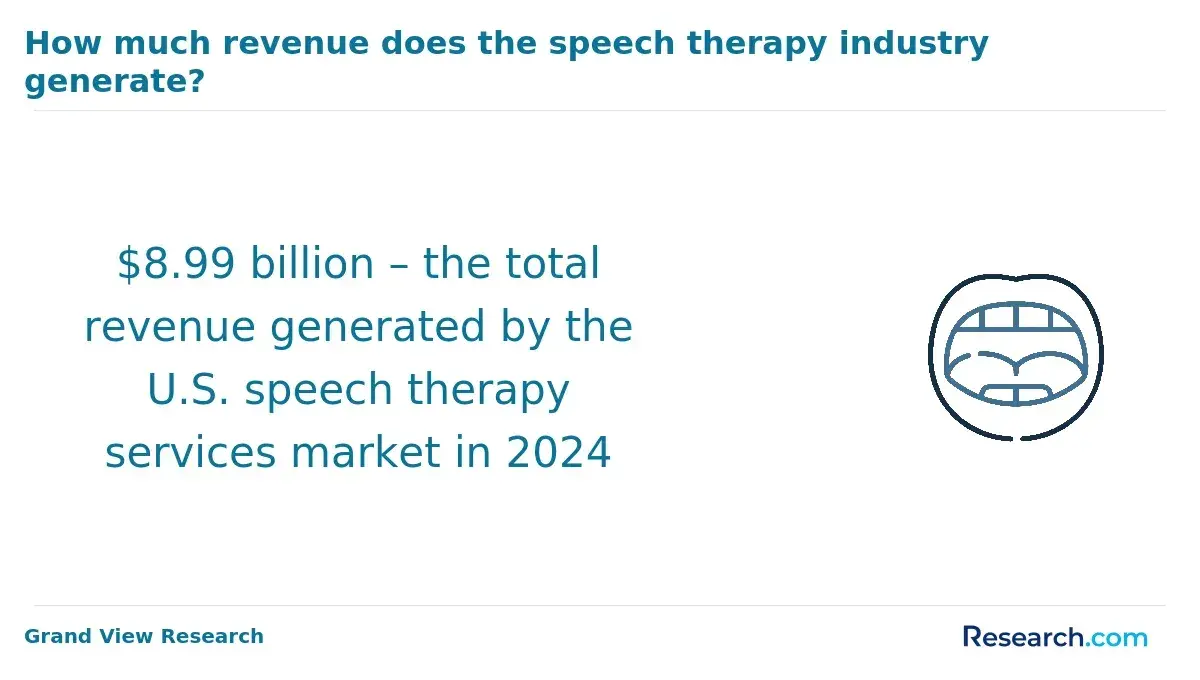
The cost of an online SLP master's program varies widely, typically ranging from $30,000 to $90,000. Tuition is the biggest factor, with public universities charging between $600 and $1,200 per credit hour, while private institutions may demand $1,000 to $2,000 per credit hour.
Most programs require 60 to 75 credits to graduate, which directly affects tuition costs. Additional fees, technology, application, clinical practicum, and sometimes books, can add $3,000 to $7,000 to the total expenses.
Financial aid can significantly offset these costs. Common options include federal Stafford and Grad PLUS loans, offering low interest and deferred repayment after graduation. Merit-based scholarships and need-based grants exist but are competitive.
Some universities provide scholarships focused on students with strong engagement and sense of belonging, factors linked to academic success according to the National Student Engagement and Sense of Belonging report.
Employer tuition assistance and loan forgiveness programs provide further financial relief. The federal Public Service Loan Forgiveness (PSLF) program forgives remaining loan debt after 10 years of qualifying payments, though program eligibility varies. Several states also offer loan repayment for graduates who commit to underserved areas.
To calculate total costs, multiply tuition per credit hour by required credits, add fees, then subtract scholarships, grants, and employer contributions. Future loan repayment plans and forgiveness eligibility should be considered when evaluating the overall financial impact of an online SLP degree.
Graduates in speech language pathology must complete several critical steps to practice professionally in the United States.
They need to earn the Certificate of Clinical Competence in Speech-Language Pathology (CCC-SLP) from the American Speech-Language-Hearing Association (ASHA), which requires a master's degree from an accredited program, 400 hours of supervised clinical practicum, and a 36-week clinical fellowship post-graduation. Passing the Praxis Examination in Speech-Language Pathology is also mandatory to demonstrate professional competencies.
State licensure is essential beyond ASHA certification and varies by state. Licensure typically involves holding the CCC-SLP, completing required clinical experience, and passing the Praxis exam. Some states require additional jurisprudence exams and continuing education to maintain licensure.
Those aiming to work in public schools must also obtain state-issued teaching certification or licensure in special education, meeting testing and professional development standards specific to their state.
Programs such as James Madison University's Distance Education SLP have high success rates, with a 93% completion rate and a 100% Praxis pass rate among testers, evidencing strong student support and readiness for licensure challenges.
It is vital for graduates to verify state licensure board requirements early and arrange clinical fellowship placements to ensure smooth transitions into professional roles.
Graduates of online speech pathology programs often find work as licensed speech-language pathologists in a variety of settings, including hospitals, outpatient rehab centers, public and private schools, and early intervention programs.
Many also work in skilled nursing facilities, home health services, or private practice. Some professionals expand their expertise by specializing in pediatric speech disorders, neurogenic communication disorders, or voice therapy.
These programs demonstrate strong effectiveness, reflected in outcomes like Penn State's online SLP program that boasts a 3-year Praxis pass rate averaging 97.78% from 2022 to 2025. Such high pass rates correlate with excellent employability for graduates, indicating many quickly secure relevant jobs.
Many graduates pursue additional certifications such as the Certificate of Clinical Competence (CCC) from the American Speech-Language-Hearing Association (ASHA) and state licensure to enhance job prospects.
Navigating varying state licensure requirements, especially when relocating, can be complex. Online programs offering comprehensive guidance in this regard can significantly boost career placement rates.
Job roles typically involve providing clinical services, conducting assessments, developing individualized treatment plans, and collaborating with educators, medical professionals, and families. Other opportunities include research positions, speech-language pathology educator roles, and healthcare administration.
Aligning training and internships with desired work environments and populations helps optimize career success.
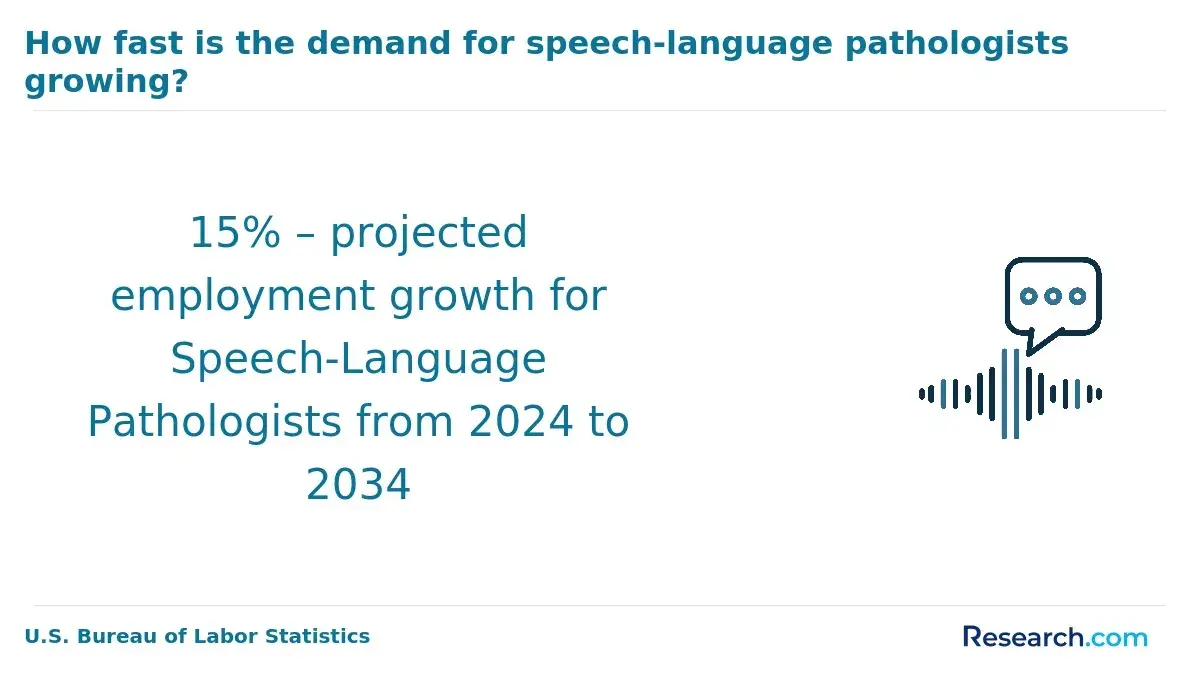
The job outlook for licensed speech pathologists is strong, with a projected 17% growth rate between 2025 and 2035, according to the U.S. Bureau of Labor Statistics. This growth outpaces many other occupations and reflects rising demand driven by aging populations, greater awareness of speech and language disorders, and expanded services in schools and healthcare settings.
Salary varies widely depending on work environment and specialization. Entry-level speech pathologists typically earn $62,900 to $134,160 annually, while experienced professionals can earn over $90,000. Those working in hospitals or outpatient care centers often receive higher wages compared to educational institutions.
Urban areas tend to offer higher pay, though with higher living costs. Specializations like pediatric speech pathology or swallowing disorders may increase earning potential.
Access to clinical placements is critical for students and graduates, as hands-on experience enhances readiness for certification and employment. Programs such as Emerson's online MS offer robust clinical placement support, enabling certification in as few as 20 months. These practical training opportunities improve job placement rates and help graduates negotiate better salaries.
Prospective speech pathologists should research how programs support certification exams and job placement. A strong clinical network and practical experience accelerate career transitions, improving job security and earning potential.
How should prospective students evaluate the quality and reputation of online SLP programs?
When evaluating online speech pathology programs, accreditation by the Council on Academic Accreditation (CAA) is essential. This certification ensures the program meets national standards required for certification, which is critical to avoid licensing issues after graduation.
Strong student support services, such as academic advising, mentoring, technical assistance, and clinical placement coordination, also play a major role in reducing attrition and enhancing student success.
Programs that combine these elements demonstrate measurable success through graduation rates above 80%, timely degree completion, and employment rates exceeding 90% within six months of graduation. Such outcomes reflect well-structured curricula and strong industry connections, which are crucial for career advancement.
Faculty qualifications, especially those holding the CCC-SLP certification, and access to diverse clinical opportunities further strengthen training quality. Alumni achievements and employer feedback provide additional insight into program effectiveness.
Financial transparency regarding tuition, assistantships, and loan repayment options supports informed decisions and better return on investment. For instance, CSUSM's online MS speech pathology program, accredited by the CAA, combines comprehensive supports with strong outcomes, illustrating this balance effectively.
Other Things You Should Know About Speech Pathology
Clinical experiences are a vital part of speech pathology programs, typically involving a minimum of 400 clock hours as mandated by professional accrediting bodies. These hours combine direct client contact, simulation, and observation across diverse age groups and speech-language disorders. Students complete these practicums under the supervision of licensed clinicians to develop practical skills integral to professional practice.
Many online speech pathology programs accommodate working students by offering flexible scheduling and mostly asynchronous coursework. However, clinical practicum hours must be completed in person, which may require students to coordinate local placements. Balancing work and study is feasible, but students should plan carefully to meet clinical requirements and maintain academic progress.
Most online SLP programs require a reliable computer, high-speed internet, webcam, microphone, and current browser software for live classes and telepractice labs. Some also require a quiet testing space and access to secure proctoring software. Programs often specify these tools before the first term.
In 2027, online SLP programs offer hands-on training by utilizing virtual simulations, telepractice opportunities, and partnerships with local clinics for in-person clinical placements. These programs ensure students receive practical experience while accommodating their online format. Additionally, technological advancements facilitate immersive learning through interactive virtual reality scenarios.
- U.S. Bureau of Labor Statistics - Speech-Language Pathologists https://www.bls.gov/ooh/healthcare/speech-language-pathologists.htm
- ASHA EdFind - Accredited Speech-Language Pathology Programs https://find.asha.org/ed/
- O*NET OnLine - Speech-Language Pathologists https://www.onetonline.org/link/summary/29-1127.00
- Emerson College - Master of Science (M.S.) in Communication Disorders (Speech@Emerson, online) https://speech.emerson.edu/
- Idaho State University - Master of Science in Speech-Language Pathology (Online/Distance Education) https://www.isu.edu/slp/programs-offered/slp-graduate-program/
- Delaware Valley University - Master of Science in Speech-Language Pathology (M.S.) https://delval.edu/programs/graduate-programs/speech-language-pathology
- New England Institute of Technology - Master of Science in Speech Language Pathology https://www.neit.edu/academics/graduate-degrees/speech-language-pathology-ms
- Nova Southeastern University - SLP Program - Master of Science in Speech-Language Pathology https://osteopathic.nova.edu/degrees/masters/speech-language-pathology/index.html