2027 SLP Career Growth From Clinical Practice to Leadership Roles

Co-Founder and Chief Data Scientist

Reviewed by Rhea Paul, PhD
SLP Education & Research Expert
Transitioning from clinical speech pathology practice to leadership roles presents challenges such as developing new skills, navigating organizational dynamics, and expanding influence beyond direct patient care. Many clinicians struggle to find clear pathways and resources to guide career advancement in this evolving field. Addressing these obstacles is crucial for professionals aiming to impact program development, policy, and interdisciplinary collaboration.
This article explores the essential steps needed to grow into leadership positions, highlighting educational opportunities, skill-building strategies, and practical advice to help speech pathology practitioners successfully pivot and lead within their profession.
Key Things You Should Know
- Employment for speech pathologists is projected to grow 17% from 2025 to 2035, driven by increased demand in healthcare, schools, and aging populations requiring specialized communication care.
- Advancement to leadership roles often requires a combination of clinical experience, continuing education, and certification such as the Certificate of Clinical Competence (CCC), enhancing eligibility for managerial positions.
- Effective leadership in speech pathology includes roles in program development, advocacy, and research, with emerging opportunities in telepractice expanding career pathways beyond traditional clinical settings.
What is SLP and career growth to leadership?
Speech-language pathology (SLP) career advancement opportunities in the United States often begin in clinical practice, where professionals work with patients of all ages in hospitals, schools, and private clinics. Progressing from clinician to leadership roles requires gaining experience, advanced certifications, and additional education such as a Doctor of Audiology or healthcare administration degree. Leadership roles include clinical supervisor, program director, and department manager, with responsibilities expanding to overseeing staff, managing budgets, and developing community programs.
The pathways from clinical practice to leadership in SLP involve cultivating key skills like effective communication, staff mentoring, data-driven decision-making, and strategic planning. Leaders also face challenges such as staffing shortages and changing regulations, making ongoing professional development and engagement with professional organizations essential for success.
Employment of speech-language pathologists is projected to grow 17% from 2025 to 2035, much faster than the average across all occupations. This strong demand opens doors for leadership positions, especially in specialized areas such as pediatric feeding disorders or neurogenic communication disorders. Prospective students can explore professional growth through advancing education, including online speech pathology programs masters, which provide flexible pathways into leadership and advanced clinical roles.
What education is required for SLP leadership roles?
Advanced education is critical for securing leadership roles in speech pathology. At minimum, candidates must earn a master's degree from a program accredited by the Council on Academic Accreditation in Audiology and Speech-Language Pathology (CAA). However, this foundational clinical preparation is usually insufficient for leadership positions, which often require advanced degrees emphasizing research, administration, or specialized clinical expertise.
Paths to leadership commonly include:
- Doctor of Philosophy (PhD) for academic leadership, research, and policy roles.
- Doctor of Speech-Language Pathology (SLP-D), focusing on clinical leadership and advanced practice.
- Certificates or master's degrees in healthcare administration, education leadership, or business to supplement clinical skills.
- Continuing education in organizational management, budgeting, and regulatory compliance.
Obtaining the Certificate of Clinical Competence in Speech-Language Pathology (CCC-SLP) from the American Speech-Language-Hearing Association remains essential for professional credibility and is often required before pursuing leadership roles.
Given the approximately 13,300 annual openings projected by the U.S. Bureau of Labor Statistics, candidates should focus on combining clinical expertise with formal leadership education. Practical skills such as team management, strategic planning, and interprofessional collaboration are also critical, frequently acquired through postgraduate tracks or employer-sponsored leadership training.
Emphasizing SLP leadership education requirements in advanced degrees for speech pathology leaders ensures candidates are prepared for both clinical and administrative challenges. For those seeking insights into the highest paid speech pathologist careers, advanced credentials remain a key factor in accessing these opportunities.
How to become a licensed SLP in the US?
Becoming a licensed speech-language pathologist requirements in the US involve a series of defined steps combining education, clinical training, and certification. The first step is earning a master's degree in speech-language pathology from a program accredited by the Council on Academic Accreditation in Audiology and Speech-Language Pathology (CAA), which typically takes two years post-bachelor's degree. Some prospective students explore accelerated SLP programs online to complete this more quickly.
Next, you must complete a clinical fellowship, which is a supervised professional experience lasting at least 36 weeks full time or an equivalent part-time schedule. This period connects formal education with hands-on practice under licensed mentorship and is essential before licensure.
The third critical step to become a certified SLP in the United States is passing the national exam administered by the American Speech-Language-Hearing Association (ASHA). This exam tests your professional knowledge and readiness to practice safely.
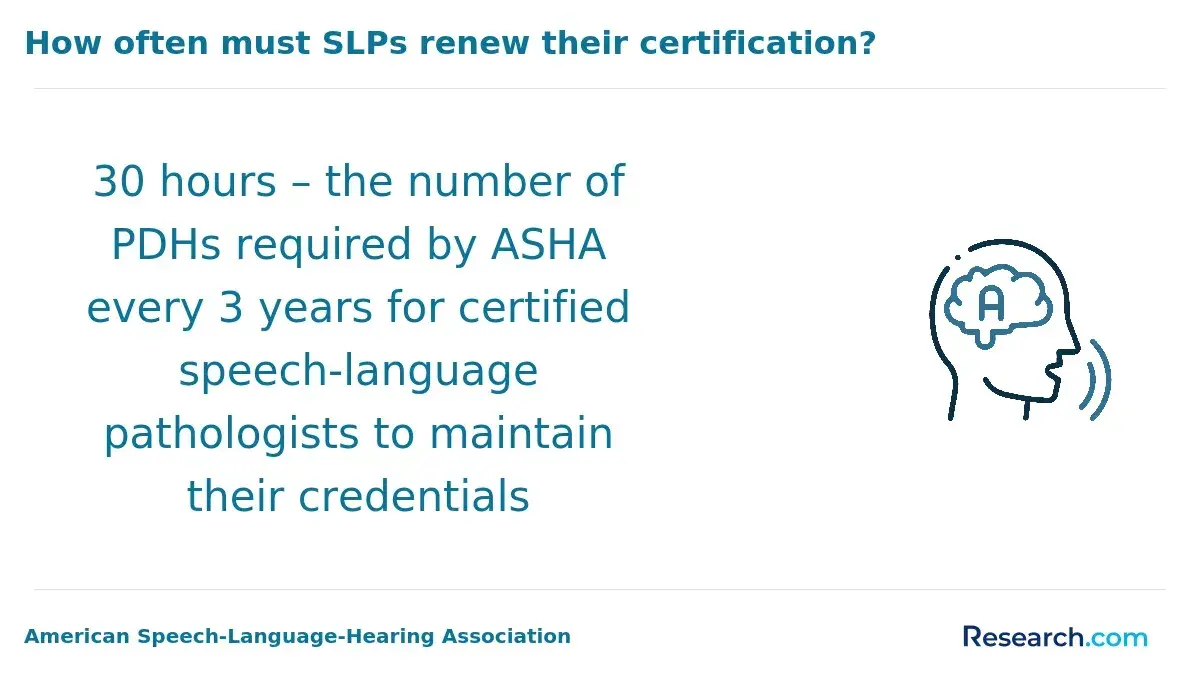
Afterward, you apply for state licensure, which varies slightly in requirements such as background checks or jurisprudence exams depending on the state. Maintaining licensure generally requires completing 20-30 continuing education hours every two years.
Compensation reflects the field's demands, with a median annual salary of $95,410 and the top 25% earning $112,510, according to the U.S. Bureau of Labor Statistics.
Top speech pathology degree programs for leadership development emphasize advanced clinical skills combined with administration, research, and policy coursework. Leading U.S. programs like the University of Iowa, University of Wisconsin-Madison, and Boston University prepare graduates to take on leadership roles across diverse healthcare and corporate settings. These schools offer practicum placements in teaching hospitals, community clinics, and corporate health environments.
Key features of the best clinical speech pathology graduate programs in the US for leadership roles include curricula focused on healthcare management, interdisciplinary collaboration, and specialization in emerging practice areas. For example, the University of North Carolina at Chapel Hill has tracks designed to train students in managing specialized clinics such as feeding and voice centers. Similarly, the University of Washington incorporates leadership training geared toward public health and educational administration, vital for speech pathologists advancing into organizational positions.
Speech pathologists are increasingly branching into roles like corporate communication training and accent modification, reflecting industry trends reported by Pioneer Healthcare Services. This shift highlights the need for leadership programs that provide practical skills in team leadership, budgeting, and program development. Candidates should seek programs with experienced faculty and accreditation by the American Speech-Language-Hearing Association (ASHA). Many also offer mentorship opportunities crucial for leadership growth. Prospective students may explore online speech language pathology programs to find flexible options aligned with career goals.
Online and campus-based speech pathology programs each offer unique advantages that cater to different student needs. Online formats provide crucial flexibility for working professionals or those with family responsibilities, allowing students to balance coursework with clinical placements without relocating. Many accredited online programs include synchronous sessions for real-time interaction with instructors. However, these may offer fewer hands-on clinical experiences compared to campus programs, which can impact developing direct patient care skills.
Campus programs immerse students in environments with immediate faculty access, peer collaboration, and extensive on-site clinical training. This setting often accelerates skill mastery through supervision and spontaneous networking. Yet, attending campus programs may require relocation or commuting, increasing costs and limiting scheduling flexibility. Such programs tend to have structured timelines less adaptable for nontraditional students.
Choosing between online and campus options depends on individual goals. For example, those pursuing leadership roles may benefit more from campus mentorship and networking, while students interested in travel speech pathology positions can gain from the autonomy online programs offer. According to Pioneer Healthcare Services, travel SLP roles are growing rapidly, offering competitive pay and varied work settings. Prospective students should verify accreditation, clinical placement quality, and faculty expertise to balance flexibility with strong clinical experience essential for licensure and employment readiness in speech pathology.
The SLP leadership curriculum in 2026 prepares clinicians for advanced administrative and supervisory roles by focusing on strategic planning, fiscal management, and human resources. It equips speech-language pathologists with essential skills to manage teams and departments effectively.
Key areas include leadership ethics, conflict resolution, and effective communication to navigate complex organizational dynamics. The curriculum also emphasizes evidence-based decision-making and data analysis, crucial for program evaluation and improving clinical outcomes. For example, leaders learn to interpret caseload data to allocate resources efficiently and justify budgets.
Topics on policy development and advocacy empower graduates to influence healthcare regulations and educational policies. Specialized training in interdisciplinary collaboration teaches leadership of diverse teams across medical, educational, and community settings. Geographic salary differences highlight the impact of work settings-for instance, SLPs in San Francisco earn $124,160 annually, while school-based SLPs earn $80,280, a $43,880 gap according to the U.S. Bureau of Labor Statistics and SHCC Cares.
Mentorship development prepares emerging leaders for coaching and professional growth, supported by practical assignments in program development, grant writing, and quality improvement. This comprehensive approach equips speech-language pathologists to transition from clinical practice to impactful leadership positions in healthcare and education.
Admission to advanced speech pathology programs typically requires a bachelor's degree in communication sciences, speech pathology, or a closely related field. Some schools accept other degrees but mandate prerequisite courses in anatomy, physiology, linguistics, and phonetics. A minimum undergraduate GPA of 3.0 is generally expected for a competitive application.
Many programs still ask for GRE scores, though this is becoming less common. Applicants usually need letters of recommendation from academic or professional references and a personal statement explaining their career goals and motivation for advanced training. Relevant clinical experience-such as internships or volunteer work in speech therapy settings-is highly valued.
Certification as a speech-language pathology assistant (SLPA) or similar credentials can enhance candidacy. International students must prove English proficiency through tests like TOEFL or IELTS. Advanced programs often conclude with a Clinical Fellowship Year (CFY), requiring readiness for supervised clinical practice.
Some universities require additional coursework in research methods or statistics to prepare students for evidence-based practice and leadership roles. According to the American Speech-Language-Hearing Association, over 181,000 certified speech-language pathologists are active in the U.S., highlighting both the profession's growth and the competitive nature of admissions.
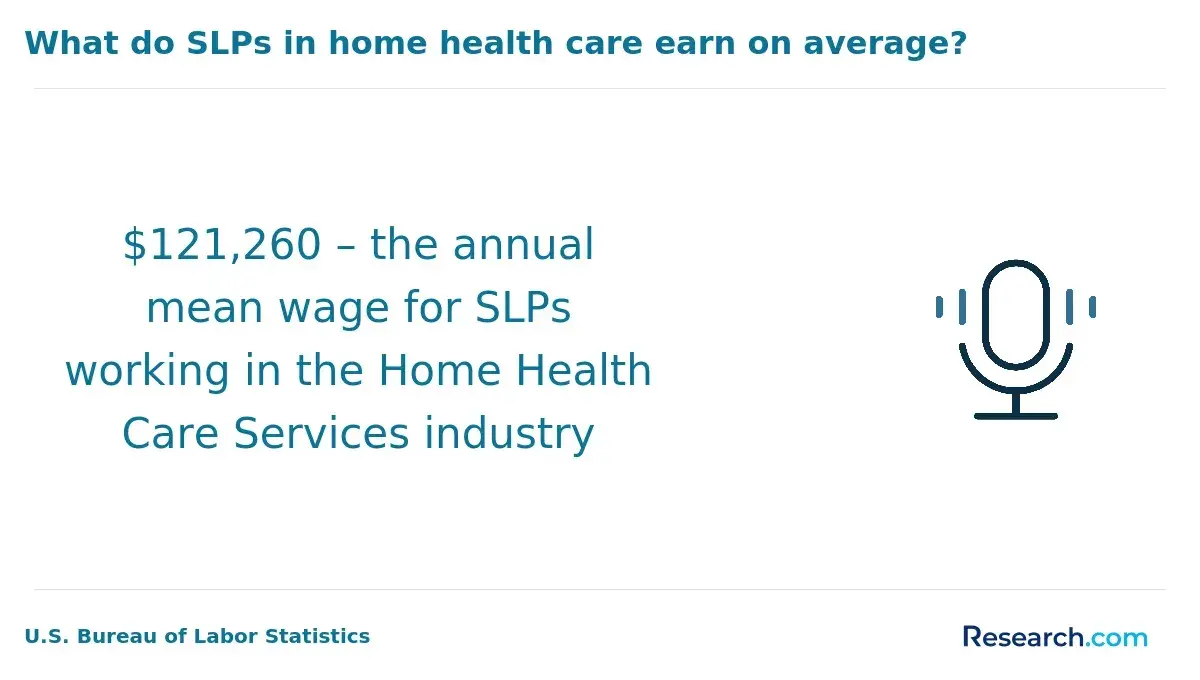
Speech-language pathologists (SLPs) who move into leadership roles command competitive salaries that reflect expanded responsibilities beyond clinical work. Entry-level SLPs generally earn between $62,900 and $134,160 annually. With experience, salaries increase to a range of $75,000 to $90,000 as expertise and clinical independence grow.
Leadership positions such as clinical directors, program managers, and department heads typically offer higher compensation, starting around $90,000 and potentially exceeding $120,000 depending on the organization's size, location, and setting. These roles demand management skills, strategic planning, and administrative duties that justify the increased pay.
The outlook for SLP leadership roles is strong, driven by expanding healthcare services and rising demand for communication disorder interventions in schools, hospitals, and rehab centers. The Bureau of Labor Statistics projects a 17% growth in speech-language pathologist jobs from 2025 to 2035, reflecting greater awareness and an aging population.
Advancing into leadership requires developing competencies like staff supervision, budgeting, and healthcare regulation compliance. Pursuing certifications in healthcare administration or management can support this career path.
Prospective candidates should seek diverse experiences and build leadership skills early to enhance both earnings and career longevity in speech pathology.
Speech pathologists who pursue leadership roles benefit from increased responsibility and higher earnings. Common positions include clinical supervisors charged with managing treatment plans and mentoring junior therapists, particularly in schools, hospitals, and rehabilitation centers. These leaders ensure quality patient care and foster professional development.
Program coordinators oversee speech pathology services across multiple locations or departments, managing budgeting, scheduling, and healthcare compliance. Strong organizational and interdisciplinary collaboration skills are essential in this role.
Directors of speech pathology departments take on strategic responsibilities such as shaping initiatives, hiring staff, and working with institutional leadership on policies. They typically manage budgets and plan for long-term service growth.
Specialized leadership roles exist within subfields like voice therapy, swallowing disorders, or augmentative communication technology. These specialists often lead research or create innovative protocols, positioning them as authorities in niche areas.
Experienced speech-language pathologists in leadership roles often earn over $100,000 annually, reflecting their advanced expertise and expanded duties. Certifications in management or clinical specialties can enhance advancement, supplemented by networking and continuing education within professional associations.
How to choose accredited SLP leadership program?
Selecting an accredited slp leadership program means confirming its recognition by the American Speech-Language-Hearing Association (ASHA) or an equally respected accrediting organization. Accreditation guarantees the curriculum meets industry standards and prepares students for leadership roles effectively.
Look for programs offering specialized courses in management, healthcare policy, or educational leadership designed specifically for speech pathology professionals. Faculty expertise is crucial; programs staffed by instructors with clinical administration or executive experience provide practical mentorship valuable for career growth.
Many students favor programs with flexible formats such as part-time, online, or hybrid options that accommodate busy clinical schedules while delivering comprehensive training. Programs with strong networks-like partnerships with healthcare organizations or internship opportunities-enhance real-world leadership experience.
When comparing programs, consider factors like cost, duration, graduation rates, and alumni success in leadership roles. Affiliations with professional bodies and mentorship initiatives also positively impact career advancement.
Speech pathology ranks tenth among U.S. News and World Report's "Best 100 Jobs," reflecting robust demand for skilled leaders in the field. Choosing an accredited leadership program aligned with clear career goals is essential to seize these growth opportunities.
Other Things You Should Know About Speech Pathology
Leadership roles often require a master’s degree in speech-language pathology, state licensure, CCC-SLP certification from ASHA, and several years of clinical experience. Many employers also prefer completion of healthcare management, quality improvement, or supervision training before appointing an SLP to a department head or director position.
Continuing education is essential for speech-language pathologists to maintain licensure and stay current with advances in the field. Options include workshops, certification programs, online courses, and conferences sponsored by professional organizations such as the American Speech-Language-Hearing Association (ASHA). These opportunities often cover emerging therapies, technologies, and leadership development.
Leadership roles in speech pathology demand strong communication, organizational, and problem-solving skills to manage teams and resources effectively. Challenges can include balancing clinical responsibilities with administrative duties and navigating healthcare regulations and policies. Successful leaders must also advocate for their department's needs while supporting staff professional growth.
- U.S. Bureau of Labor Statistics - Speech-Language Pathologists https://www.bls.gov/ooh/healthcare/speech-language-pathologists.htm
- ASHA EdFind - Accredited Speech-Language Pathology Programs https://find.asha.org/ed/
- ETS Praxis - Speech-Language Pathology (5331) https://praxis.ets.org/test/speech-language-pathology-5331.html
- University of Scranton - Master of Science (M.S.) in Speech-Language Pathology https://www.scranton.edu/academics/pcps/health-and-human-performance/programs/speech-language-pathology/index.shtml
- Auburn University, Montgomery - Master of Science in Speech-Language Pathology https://www.aum.edu/degree/ms-speech-language-pathology/
- Emerson College - Master of Science (M.S.) in Communication Disorders (Speech@Emerson, online) https://speech.emerson.edu/
- University of Wisconsin-Eau Claire - Master of Science in Speech-Language Pathology (Online) https://www.uwec.edu/speech-language-and-hearing-sciences-department/graduate-program/speech-language-pathology-online
- New York University - Online MS, Communicative Sciences and Disorders (Speech@NYU) https://steinhardt.nyu.edu/degree/online-ms-communicative-sciences-and-disorders