2027 SLP Career Options in Home Health and Community Care

Co-Founder and Chief Data Scientist

Reviewed by Rhea Paul, PhD
SLP Education & Research Expert
Many professionals with unrelated undergraduate degrees face challenges when seeking flexible career pivots into home health and community care roles. The demand for skilled slp practitioners in these settings grows, yet understanding viable pathways and credentialing options can be confusing. Navigating licensure requirements, program availability, and work environments complicates career planning for newcomers.
This article clarifies practical slp career options outside traditional clinical environments, focusing on accredited pathways and flexible opportunities. It aims to guide prospective learners through informed decisions to successfully transition into Speech Pathology roles supporting diverse community and home care populations.
Key Things You Should Know
- Home health and community care SLP roles are growing rapidly, with a projected 17% job growth by 2035, driven by aging populations and expanded outpatient services.
- SLPs in these settings often provide personalized care for diverse speech, language, and swallowing disorders, requiring strong interdisciplinary collaboration skills.
- Reimbursement trends increasingly favor telepractice and home-based SLP services, enhancing accessibility while requiring practitioners to stay current with evolving healthcare policies.
What are SLP career options in home health and community care?
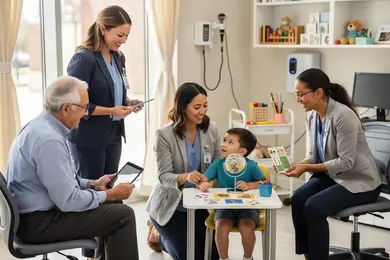
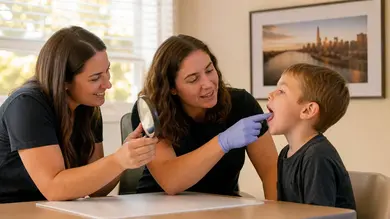
SLP job opportunities in home health care involve evaluating and treating speech, language, cognitive-communication, and swallowing disorders in patients within their homes. Many SLPs provide personalized therapy for individuals recovering from stroke, brain injury, or chronic illness, requiring flexible treatment plans adapted to varied home environments. This setting demands strong clinical skills and the ability to manage travel schedules effectively.
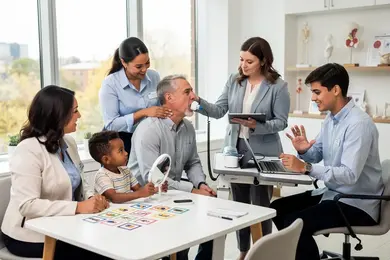
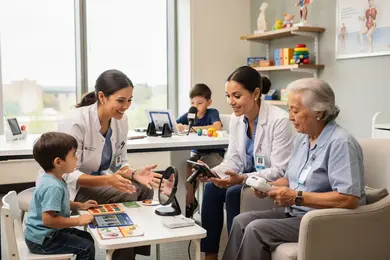
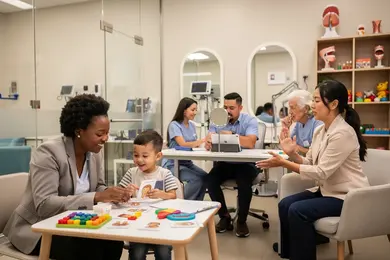
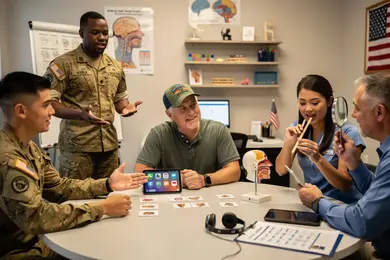
Community care slp roles and responsibilities often extend to schools, outpatient clinics, rehabilitation centers, and nonprofit organizations serving children with developmental delays or adults with neurological issues. Collaboration with multidisciplinary teams is common, providing early intervention or ongoing support for communication disorders.
Telepractice is an emerging model where SLPs deliver remote therapy to clients facing mobility challenges or living in underserved areas. This approach requires technological proficiency and compliance with regulatory standards to maintain effectiveness.
According to ASHA's 2025 SLP Health Care Survey, the median annual salary for full-time SLPs in healthcare settings is $90,000. Certification such as the Certificate of Clinical Competence (CCC) and relevant home health credentials enhance employment prospects. Key career considerations include managing complex caseloads, ensuring documentation compliance, and delivering patient-centered care with cultural competence.
Prospective students interested in advancing their education can explore speech pathology online masters programs for flexible, accredited options that prepare graduates to excel in diverse healthcare environments.
What education is required to become an SLP?
To become a speech-language pathologist (SLP) in 2026, candidates must earn a master's degree in speech-language pathology from an accredited program. This typically involves two years of graduate study after a bachelor's degree, including coursework in anatomy, linguistics, communication disorders, and clinical methods. Candidates are also required to complete around 400 supervised clinical practicum hours, providing practical experience with diverse populations in settings such as home health care.
The certification process for SLP careers in community settings includes passing the national Praxis examination, administered by the Educational Testing Service. State licensing varies but generally requires a master's degree, passing the Praxis exam, and completing a clinical fellowship of about nine months or 1,260 hours in professional environments like community care. Additionally, certification from the American Speech-Language-Hearing Association (ASHA), known as the CCC-SLP, is highly recommended and often mandatory for demonstrating professional competence.
Flexible education paths are available through some online or hybrid programs, which help students balance other commitments while advancing toward certification. The growing demand for SLPs, driven by demographic changes and greater awareness of communication disorders, is expected to grow 17% from 2025 to 2035. This growth highlights the need for comprehensive education and licensure to meet the needs of patients in home health and community-based environments.
For those curious about potential earnings, exploring the speech therapist salary can be a useful step when planning a career in this field.
How do you get licensed as an SLP in the US?
To become a licensed speech-language pathologist in the United States, candidates must earn a master's degree from an accredited program recognized by the Council on Academic Accreditation in Audiology and Speech-Language Pathology (CAA). This involves completing academic coursework and at least 400 supervised clinical practicum hours. Many prospective professionals explore fast track speech pathology programs to accelerate this process.
After graduate training, candidates must pass the Praxis® Examination in Speech-Language Pathology administered by the Educational Testing Service (ETS). This exam assesses essential knowledge and is required for licensure in most states. Next, completing a Clinical Fellowship (CF) of about 36 weeks of full-time supervised work is mandatory, bridging academic learning with real-world skills.
The licensure application then follows, with requirements varying by state but commonly including background checks, jurisprudence exams, and documentation of education, exam results, and clinical fellowship completion. Maintaining licensure requires continuing education credits as stipulated by each state. Understanding SLP licensing requirements in the United States is key to meeting these stringent criteria.
For example, speech-language pathologists working in home health care must hold state licensure and a Certificate of Clinical Competence (CCC) from ASHA to qualify for Medicare reimbursement and employment. According to BLS 2023 data, those in home health care earn a mean annual wage of $121,410, highlighting the importance of licensure for accessing top-paying opportunities in the field.
Learning how to become a licensed speech language pathologist in the US involves navigating these steps carefully to ensure full professional credentials and career success.
Bachelor's and master's programs for speech pathology careers equip students with essential clinical knowledge, communication sciences, and practical skills necessary for licensure and certification. A bachelor's degree in communication sciences and disorders (CSD) or related fields like linguistics or psychology typically serves as the foundation. These programs cover anatomy, phonetics, language development, and basic therapy methods. Graduates often enter master's programs or supervised entry-level roles.
To become a certified speech-language pathologist (SLP), completing an accredited master's program is required. These graduate degrees, typically titled Master of Science (MS) or Master of Arts (MA) in Speech-Language Pathology, include advanced coursework on neurological disorders, pediatric and adult interventions, and clinical practicums. Graduates become eligible for the national Praxis exam and state licensure. Flexible program formats, such as online or accelerated bachelor's-to-master's pathways, benefit working adults and career changers.
Top academic pathways to SLP careers in community care include majors such as:
- Communication Sciences and Disorders
- Linguistics with emphasis on language acquisition
- Psychology or Human Development with relevant electives
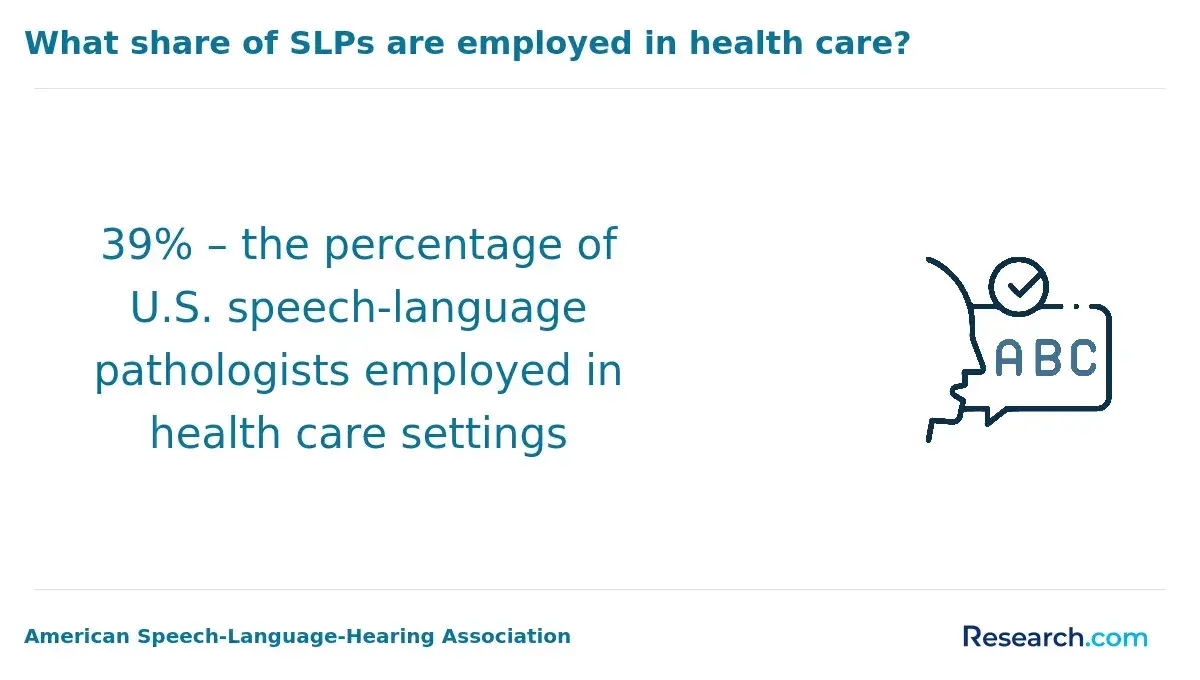
The 2021 ASHA SLP Health Care Survey showed 39% of SLPs in home health care worked part-time, underscoring the need for adaptable education routes. Prospective students should verify program accreditation, clinical hour requirements, and alignment with their state's licensure regulations. For those exploring options, easiest speech pathology programs to get into provide a helpful starting point when researching SLP bachelor's and master's degree programs for home health careers.
Accredited online slp programs tailored for careers in home health and community care blend virtual coursework with local clinical practicums. This hybrid design helps students overcome geographic and scheduling challenges, making it easier for remote learners and working professionals to meet hands-on experience requirements near their homes. Many programs also offer specialization courses focused on patient groups common in home health, such as elderly adults and those with neurogenic disorders, preparing graduates for the unique communication needs in non-clinical settings.
The demand for speech-language pathologists in home health remains strong. The ASHA SLP Health Care Survey reports that 36% of practitioners experienced more job openings than applicants in their primary health care setting, highlighting a workforce shortage and promising job prospects for graduates. To ensure quality education, prospective students should confirm that programs are accredited by the Council on Academic Accreditation in Audiology and Speech-Language Pathology (CAA) and include supervised clinical hours compliant with Certificate of Clinical Competence (CCC) standards.
Additional online continuing education and specialty workshops can enhance expertise in essential areas like best practices, interdisciplinary collaboration, and thorough documentation. Such flexible pathways address workforce needs while maintaining educational standards in community care environments.
The SLP curriculum for community care covers essential assessment and treatment strategies designed for outpatient and home health settings. A major emphasis is on dysphagia management, reflecting its prevalence in home health, especially among older adults recovering from stroke. This prepares students to identify swallowing disorders accurately and develop tailored intervention plans.
Training includes functional communication assessments in natural environments, considering factors like home safety, caregiver involvement, and cultural competence. Additional modules address cognitive-communication disorders, voice therapy, and augmentative and alternative communication to meet diverse patient needs in community settings.
Interdisciplinary collaboration is a key focus of the curriculum, equipping SLPs to work alongside nurses, occupational therapists, and social workers. Legal and ethical topics relevant to home health, such as documentation, patient privacy, and Medicare compliance, are integrated throughout. Practical simulations and clinical practicum experiences reinforce skills for autonomous decision-making and flexible care delivery.
Students learn caseload management techniques to handle varied patient volumes and complexities, with particular attention to stroke rehabilitation and dysphagia-common home health challenges per the Home Health SLP Career Guide. Coursework also emphasizes empowering caregivers through patient education to support therapy adherence in community contexts.
Applicants to graduate programs in speech pathology for home health and community care generally need a bachelor's degree with prerequisite courses in communication sciences, biology, and psychology. A minimum GPA of 3.0 is typically required, though some competitive programs may demand higher grades. Many programs request GRE scores, but requirements vary, with some schools no longer requiring the test.
Letters of recommendation should come from instructors or clinical supervisors who can attest to the applicant's communication skills and professionalism. Personal statements must clearly express career goals related to home health or community care and show awareness of challenges in these settings.
Clinical observation hours, often ranging from 25 to 50, help ensure familiarity with clinical environments, while direct patient interaction experience strengthens an application. Experience with diverse populations and working in multidisciplinary teams is highly valued.
Licensure requirements include obtaining the Certificate of Clinical Competence (CCC) from the American Speech-Language-Hearing Association after graduation and supervised clinical practice. Cultural competence is increasingly emphasized, reflecting growing healthcare demands.
Retention challenges exist in the field; a 2021 ASHA SLP Health Care Survey found 20% of SLPs considering career changes cited feeling undervalued, up from 11% in 2019. Selecting programs with strong mentorship and professional support can help address these issues.
Most speech pathology graduate programs take about two years to complete for a master's degree, which is required for clinical certification and state licensure. Accelerated options shorten this to around 18 months but demand full-time study. Those pursuing a doctoral degree, like a PhD or clinical doctorate, will spend an extra 3 to 5 years beyond their master's.
Program costs vary widely: public universities typically charge between $20,000 and $40,000 total for the master's degree, while private schools can exceed $60,000. Additional expenses include fees, textbooks, and clinical practicum costs, which can add several thousand dollars. Financial aid and scholarships are available but competitive. After graduation, postgraduate clinical fellowships are needed for full certification, usually involving several months of paid or minimally paid work experience.
Median salaries differ by work setting. According to the ASHA 2025 SLP Health Care Survey, speech pathologists in skilled nursing facilities earned a median of $105,500, notably higher than the $83,000 median for outpatient clinics. This salary range can significantly influence investment decisions in education.
Prospective students should check program accreditation by the Council on Academic Accreditation in Audiology and Speech-Language Pathology (CAA) and ensure state licensure requirements are met. Programs with strong clinical placements in home health and community care better prepare students for diverse career paths.
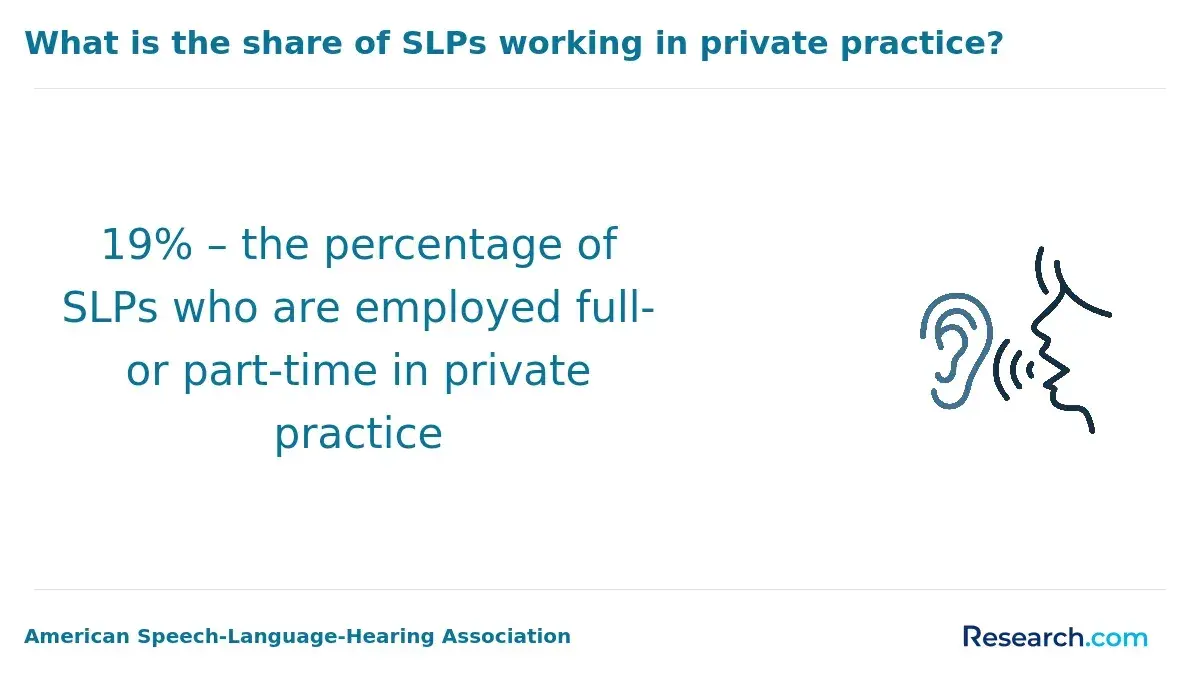
The annual salary for speech-language pathologists (SLPs) in home health settings across the U.S. generally falls between $62,900 and $90,000, influenced by factors such as geographic location, experience, and employer type. Entry-level SLPs tend to earn closer to $65,000, while those with advanced skills or certifications may reach or exceed $90,000. Agencies serving Medicare or Medicaid populations often offer higher pay to reflect the complexity of community-based care.
Salary variations are also affected by workload complexity, travel demands, and regional differences. Rural or underserved areas sometimes provide additional compensation or travel stipends. Incentives and bonuses tied to patient outcomes or productivity can further boost earnings.
Job growth for home health SLPs is notable, with projections showing a 29% increase in positions for home health and personal care aides in California by 2030, signaling expanding opportunities and potential wage growth.
Telepractice is increasingly integrated into home health services, allowing SLPs to broaden their caseloads by combining remote and in-person care, potentially enhancing income streams. Salary and job stability are also linked to payer mix, including private insurance, Medicare, and Medicaid, which influence compensation models.
What is the job outlook for SLPs in community care?
The demand for speech-language pathologists (SLPs) in community care settings is growing rapidly, driven by an aging population and increased awareness of speech disorders across all ages. Opportunities are expanding especially in home health care, rehabilitation centers, schools, and assisted living facilities. These environments prioritize personalized, accessible care, requiring SLPs to adapt to diverse settings and collaborate with multidisciplinary teams.
SLPs working in home health often support patients recovering from stroke, traumatic brain injury, or managing chronic illnesses in their own residences. This role involves travel and managing varied caseloads but provides autonomy and the chance to build meaningful patient relationships locally. Graduates and professionals benefit from clinical experience in community or home health care to boost employability.
Regional salary differences exist; for example, in Los Angeles, CA, about 16% of home health SLP jobs offer annual wages between $78,658 and $89,971, reflecting competitive pay in urban areas with higher living costs.
Projected job growth for community care speech pathology roles outpaces many other occupations, supported by healthcare policies favoring outpatient and home-based services. Skills in telepractice and interprofessional communication enhance a candidate's marketability in this evolving field.
Other Things You Should Know About Speech Pathology
Speech pathologists measure progress in home health therapy by setting individualized goals, conducting regular assessments, and collecting data on the client's performance. They use standardized tests, client feedback, and clinician observations to evaluate improvements in communication, cognitive, and swallowing functions, adjusting strategies as needed to ensure effective outcomes.
Medicare Part A home health coverage requires the patient to be homebound, under a physician or allowed practitioner’s care, and in need of skilled services. SLP visits are included when they are part of a certified home health plan of care signed and reviewed within the required Medicare timeframe.
Speech pathologists in community care often treat a range of communication disorders including aphasia, dysarthria, apraxia of speech, and language delays. They also address swallowing disorders related to neurological diseases or injuries. Their work supports individuals of all ages, from children with developmental delays to elderly patients recovering from strokes.
- U.S. Bureau of Labor Statistics - Speech-Language Pathologists https://www.bls.gov/ooh/healthcare/speech-language-pathologists.htm
- ASHA EdFind - Accredited Speech-Language Pathology Programs https://find.asha.org/ed/
- ETS Praxis - Speech-Language Pathology (5331) https://praxis.ets.org/test/speech-language-pathology-5331.html
- University of Scranton - Master of Science (M.S.) in Speech-Language Pathology https://www.scranton.edu/academics/pcps/health-and-human-performance/programs/speech-language-pathology/index.shtml
- Maryville University - Master of Science in Speech-Language Pathology https://www.maryville.edu/masters/speech-language-pathology/
- New England Institute of Technology - Master of Science in Speech Language Pathology https://www.neit.edu/academics/graduate-degrees/speech-language-pathology-ms
- California State University-San Marcos - Online MS in Speech-Language Pathology https://www.csusm.edu/slp/programs/mastersonline/index.html
- California State University-East Bay - Online Master of Science in Speech-Language Pathology https://ce.csueastbay.edu/programs/speech-language-pathology/