2027 SLP vs ABA: Which Career Path Is Better for Communication-Focused Students?

Co-Founder and Chief Data Scientist

Reviewed by Rhea Paul, PhD
SLP Education & Research Expert
Choosing between a career as a speech-language pathologist (SLP) or applied behavior analyst (ABA) presents a challenge for students focused on communication. Both fields offer pathways to support individuals with speech and communication difficulties but differ in approach, training, and outcomes.
Prospective students with unrelated undergraduate degrees often face uncertainty about which direction aligns better with their goals and lifestyle.
This article explores the key differences, educational requirements, job roles, and career prospects in SLP and ABA. It aims to equip readers with clear insights to make an informed decision on the optimal career path for communication-focused work.
Key Things You Should Know
- Speech pathology and ABA careers differ in focus: speech pathology targets communication disorders, while ABA emphasizes behavioral interventions, affecting job roles and required skills.
- According to the Bureau of Labor Statistics (2024), speech pathologists have a median salary of $85,000 with projected 17% job growth by 2035, outpacing ABA specialists at 17% growth.
- Educational paths vary: speech pathology requires a master's degree and certification, whereas ABA professionals often pursue board certification with options for bachelor's or master's level entry.
What is the difference between SLP and ABA careers?
The primary difference between careers in speech pathology (SLP) and applied behavior analysis (ABA) lies in their focus and professional roles.
Speech pathologists specialize in diagnosing and treating communication disorders related to speech, language, voice, and swallowing, working with clients of all ages who face challenges such as stuttering or developmental language delays.
ABA professionals, typically Board Certified Behavior Analysts (BCBAs), focus on modifying behavior through evidence-based interventions, often addressing autism spectrum disorder and other behavioral issues.
SLP vs ABA career paths for communication-focused students often diverge in education and certification requirements. SLPs require a master's degree in speech pathology and clinical certification, emphasizing neurological and anatomical functions related to communication.
In contrast, BCBAs hold a master's degree in behavior analysis or psychology, with certification focusing on behavioral assessment and intervention.
Salary differences highlight distinct career landscapes: speech pathologists earn a median annual wage of $95,410, while BCBAs range from $70,000 to $75,000 nationally. For those seeking specialized training, exploring online masters SLP programs can be a practical option.
When comparing the differences between speech pathology and ABA therapy careers, consider these factors:
- SLP tasks include articulation therapy, language development, and voice rehabilitation.
- ABA roles involve behavior modification plans, data analysis, and collaborating with multi-disciplinary teams.
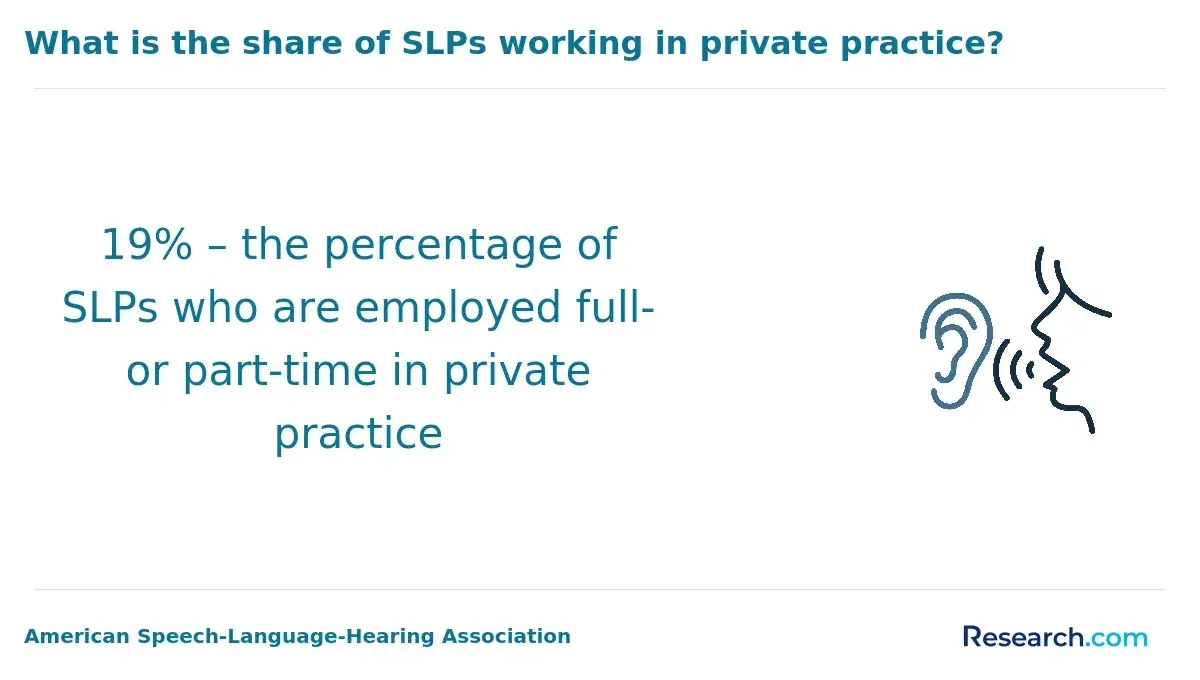
- SLP work spans medical, educational, and private practice settings; ABA focuses on autism clinics, schools, and home-based services.
- Certification paths differ significantly in curriculum and licensing requirements.
What education is required for SLP vs ABA certification?
Certification for speech pathology requires completing a master's degree accredited by the Council on Academic Accreditation in Audiology and Speech-Language Pathology (CAA). Candidates typically spend two to three years in postgraduate study earning a master's in speech-language pathology.
Following this, they must complete a Clinical Fellowship Year (CFY), a supervised professional practice period, and pass the Praxis exam to obtain state licensure.
Top programs, like the University of Texas at Dallas ranked #12 by U.S. News, have acceptance rates often below 30%, indicating ongoing admission challenges noted by ABC Behavior Training (2016). These factors highlight the education requirements for SLP and ABA certification differences.
In comparison, Board Certified Behavior Analyst (ABA) certification involves a relatively more accessible path. Candidates complete a master's degree in behavior analysis, psychology, or related fields, then undergo supervised fieldwork of 1,500 to 2,000 hours depending on the experience route.
The process ends with passing the Behavior Analyst Certification Board (BACB) exam. ABA programs have consistently reported fewer acceptance difficulties, making them less competitive according to ABC Behavior Training (2016). This contrast affects the certification process for speech pathology vs ABA.
Students planning communication-focused careers should weigh these differences carefully. Speech pathology demands specialized graduate education with rigorous clinical training and limited enrollment, while ABA offers more flexible academic options.
For those curious about career outcomes, exploring the speech and language pathologist salary can provide valuable insights on potential earnings and job prospects.
How do SLP and ABA salaries and job outlooks compare?
In the United States, an SLP earns a median annual salary around $80,000, though this varies by work setting and location. In contrast, salaries for registered behavior technicians and Board Certified Behavior Analysts (BCBAs) typically range from $50,000 to $75,000, with specialized BCBAs earning over $90,000.
The job outlook for speech pathology and ABA careers remains strong, with projected growth of 17% and 22% respectively between 2025 and 2035. These increases reflect growing demands caused by aging populations and autism spectrum disorder interventions.
The difference in certification requirements affects career timelines and investment. SLP certification requires a minimum of 400 supervised clinical hours, while the BCBA credential demands between 1,500 and 2,000 supervised fieldwork hours. This significant training gap influences how quickly a student can enter the workforce or advance professionally.
Students seeking a faster path to practice might explore speech-language pathology accelerated program options, which offer streamlined routes to certification.
Meanwhile, ABA credentials offer expanding roles but come with longer clinical commitments. Prospective students should weigh these factors alongside salary potential, client populations, and work environments when planning their careers.
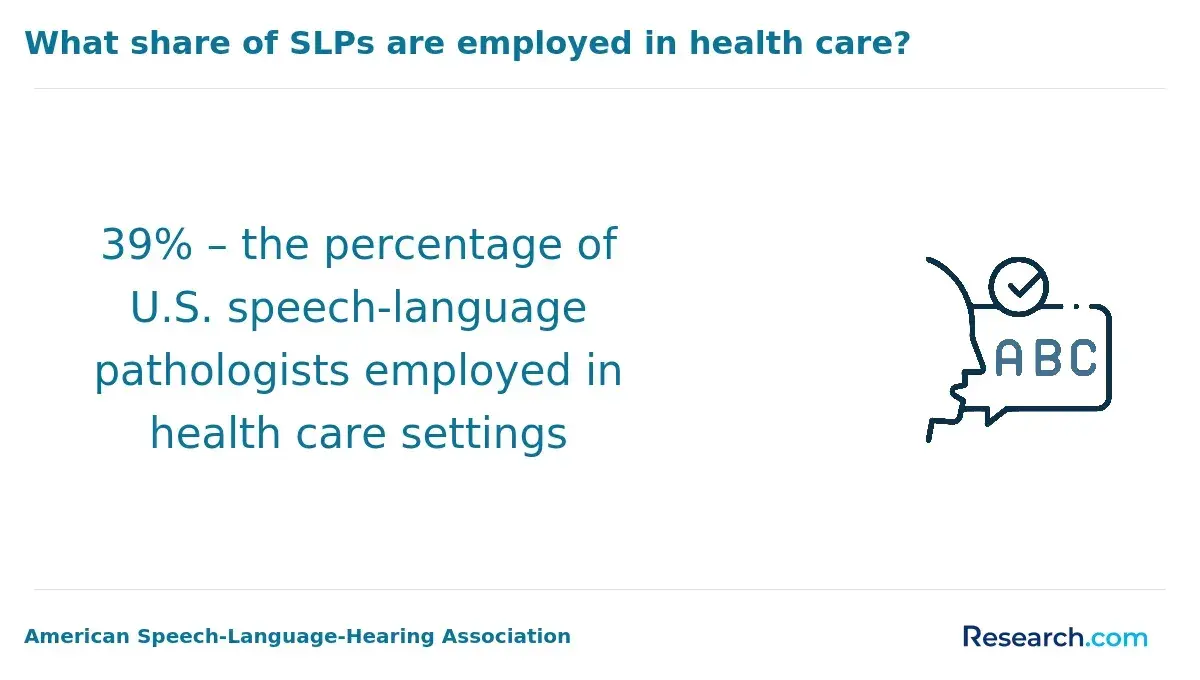
Speech-language pathologists (SLPs) diagnose, treat, and support individuals with communication and swallowing disorders across settings like schools, hospitals, rehabilitation centers, and private practices.
Their SLP job duties and clinical responsibilities include assessing speech, language, voice, fluency, and cognitive-communication skills while crafting individualized treatment plans to enhance daily communication.
Common roles and tasks in speech pathology careers involve direct therapy for children with speech delays, adults recovering from strokes with aphasia, and patients facing swallowing difficulties caused by neurological conditions.
Collaboration with educators, healthcare providers, and families helps create supportive environments that foster client progress. In educational settings, SLPs frequently conduct screenings and interventions that support academic and social integration.
Advanced specialties include augmentative and alternative communication (AAC) for nonverbal clients using technology such as speech-generating devices, voice therapy for professional speakers, and accent modification for non-native speakers. Many also engage in research or administrative roles influencing policy and service delivery.
Becoming an SLP requires completing a master's degree and passing the Praxis exam, offering a clear licensing pathway and stable employment outlook.
This contrasts with behavior analyst certifications, where BCBA exam pass rates vary widely, creating a significant challenge compared to SLP school admissions. Prospective students researching a speech language pathologist degree should weigh the diversity of job roles and certification demands carefully.
Applied behavior analysis (ABA) careers involve several key roles such as behavior technicians, board-certified behavior analysts (BCBAs), and clinical supervisors. Behavior technicians work directly with clients, typically children with autism spectrum disorder, implementing personalized intervention plans while collecting behavioral data.
BCBAs are responsible for designing these plans and carrying out functional behavior assessments to identify the causes of challenging behaviors and develop effective treatment strategies.
Clinical supervisors coordinate teams, ensuring program consistency and collaborating with families, schools, and healthcare providers to integrate ABA treatments within broader educational or therapeutic frameworks. Many ABA professionals also offer parent training to help reinforce strategies at home.
Job duties differ by workplace setting:
- Early intervention centers focus on foundational skills like communication and social interaction.
- Schools partner with educators to support academic and behavioral objectives.
- Hospitals and residential programs handle more complex behavioral cases.
The demand for ABA specialists is rising alongside the growing awareness of behavioral therapies. Speech pathology employment is forecasted to grow 17% from 2025 to 2035, reflecting significant shortages in the field as reported by BLS 2024.
Both fields provide vital opportunities to assist individuals with communication challenges, especially where behavior-based interventions are needed.
Top accredited universities offering speech pathology programs include Vanderbilt University, University of Iowa, and Boston University-all accredited by the Council on Academic Accreditation in Audiology and Speech-Language Pathology (CAA).
Choosing a program with CAA accreditation is essential for certification and licensure eligibility.
These programs blend rigorous coursework with supervised clinical experience, vital for developing practical skills. Vanderbilt highlights interdisciplinary training, while Boston University offers research opportunities alongside clinical placements.
Regional differences matter: Northeast and Midwest programs tend to provide diverse clinical sites, enhancing exposure to varied patient populations.
Students should also weigh tuition and financial aid, as some public universities provide affordable in-state rates. Flexible formats like accelerated or hybrid programs accommodate working professionals without sacrificing accreditation quality.
Career outcomes vary significantly by setting. According to ABC Behavior Training (2016), SLP assistants in home health care earn about $40 per 30-minute session, sometimes exceeding salaries of clinic-based fully licensed SLPs earning roughly $50,000 annually.
This highlights how employment sector impacts earning potential, an important factor when selecting education aligned with career goals.
Ultimately, prioritize programs with strong clinical training, accreditation, and alignment with your professional aspirations in communication-focused careers.
Top accredited applied behavior analysis (ABA) programs in the United States are available at universities recognized by the Behavior Analyst Certification Board (BACB).
Notable examples include the University of North Texas, offering a thorough curriculum with extensive fieldwork, and Utah State University, which is known for its research-focused approach and strong clinical practicum options.
Simmons University in Massachusetts provides a rigorous graduate program that integrates theory with hands-on supervision aligned with BCBA certification requirements.
These programs prepare students for the demanding caseloads typical of BCBA therapy, which averages 10-40 hours weekly per client in intensive settings.
This is significantly higher than speech pathology (SLP) sessions, usually lasting 30-60 minutes per week, as described in the SLP vs BCBA Career Guide 2026. Such differences highlight the greater time commitment and intensity involved in ABA therapy.
Students should seek universities offering BACB-approved coursework combined with supervised field experience for BCBA eligibility. Flexible online programs from Arizona State University and Florida Institute of Technology cater to working professionals.
Those interested in research may find Western Michigan University's faculty-led projects valuable for hands-on learning in diverse populations.
Choosing a top ABA program requires careful consideration of accreditation, curriculum, practicum availability, and how well the program aligns with career goals and the intensive nature of behavioral therapy.
Online graduate programs for speech pathology (SLP) are widely available and typically accredited by the Council on Academic Accreditation (CAA). These programs blend online coursework with required in-person clinical practica, as fully online completion is restricted by accreditation and state licensure rules.
ABA degrees aimed at Board Certified Behavior Analyst (BCBA) certification offer more flexibility, often allowing both coursework and supervised fieldwork to be completed remotely.
However, supervised experience must meet strict standards, including obtaining hours with a qualified supervisor, which can involve in-person interaction depending on the program and state.
Licensure requirements vary: SLP licensure is mandatory in all 50 states, while BCBA licensure is required in 38 states, according to the SLP vs BCBA Career Guide 2026. Prospective students should carefully check clinical placement support offered by their chosen programs to ensure compliance with their state's regulations.
Key points for applicants include:
- Verify that SLP programs hold CAA accreditation and understand clinical hour obligations early.
- For ABA candidates, confirm that supervision adheres to Behavior Analyst Certification Board (BACB) standards and state laws.
- Plan clinical placements to fulfill in-person requirements where necessary.
Licensing in speech-language pathology (SLP) and applied behavior analysis (ABA) varies widely by state and shapes career development for communication-focused professionals. SLP licensure requires a master's degree, completion of a supervised clinical fellowship lasting about 36 weeks, and passing the Praxis exam in speech-language pathology.
Most states also require certification from the American Speech-Language-Hearing Association (ASHA) or a state license, often with continuing education for renewal.
ABA licensure focuses on becoming a Board Certified Behavior Analyst (BCBA) and involves earning a master's degree in behavior analysis or a related field, completing 1,500 to 2,000 hours of supervised practical experience, and passing the BCBA certification exam.
Many states add requirements such as additional fees, background checks, or jurisprudence exams. For instance, California and Texas mandate ABA practitioners register with state boards beyond national certification.
Early-career professionals might benefit from provisional or assistant certifications offered by some states to bridge the gap until full licensure. Licensing complexities highlight the importance of aligning education and licensure pathways with state-specific mandates.
Career outcomes reflect licensing impact: BCBA clinical directors typically earn between $85,000 and $100,000 annually, while SLP supervisors make around $113,000, based on data from Speech Pathology Programs' net career guide.
How to choose between SLP and ABA for your career?
Choosing between a career in speech pathology (SLP) and applied behavior analysis (ABA) depends on your clinical interests and the populations you want to serve. Speech pathology addresses speech, language, and swallowing disorders broadly, whereas ABA focuses on behavior modification, primarily in autism spectrum disorders.
Job market trends show that BCBA roles have increased by 58% recently due to rising autism interventions, surpassing SLP growth according to Speech Pathology Programs net data. This signals a faster job market expansion for ABA while maintaining steady demand for SLP professionals.
Educational and certification requirements differ: Becoming an SLP typically requires a master's degree and ASHA certification, while ABA certification (BCBA) follows graduate training relevant to behavior analysis.
If you prefer therapy targeting speech mechanisms and language development, SLP might be the better fit. For those drawn to behavior analytics and interventions primarily in autism care, ABA offers a specialized path.
Consider where you want to work as well. SLPs often serve in schools, hospitals, and clinics with diverse disorders, while BCBAs frequently operate in educational or home settings focusing on behavior. Income expectations may favor ABA careers due to higher demand in some regions.
Key decision factors include:
- Your clinical interests-speech versus behavioral interventions.
- Certification and education route differences.
- Job market trends and employment environments.
- Which population you prefer to serve.
Connecting with licensed professionals and reviewing state-specific requirements can help clarify the best path for your career goals in speech pathology or ABA.
Other Things You Should Know About Speech Pathology
Yes, both fields offer a variety of specialties. SLP can specialize in areas like voice disorders, fluency, and swallowing. ABA practitioners may focus on autism, behavior modification, or educational settings. These specialties provide options based on interests and career goals in communication-focused paths.
Technology plays a growing role in speech pathology, with tools such as speech-generating devices, telepractice platforms, and mobile apps enhancing therapy delivery. Telepractice allows clinicians to reach clients remotely, improving access to care. Additionally, software can assist in assessment and tracking client progress effectively.
Speech pathologists must adhere to codes of ethics that emphasize client confidentiality, informed consent, and culturally competent care. They are responsible for providing evidence-based interventions and maintaining professional boundaries. Ethical practice ensures the respect and dignity of individuals receiving services.
Most U.S. speech-language pathologists must pass the Praxis Subject Assessment in Speech-Language Pathology before state licensure or certification. They also need a master’s degree, supervised clinical practicum, and a Clinical Fellowship after graduation, with state boards setting final practice rules.
- U.S. Bureau of Labor Statistics - Speech-Language Pathologists https://www.bls.gov/ooh/healthcare/speech-language-pathologists.htm
- ASHA EdFind - Accredited Speech-Language Pathology Programs https://find.asha.org/ed/
- O*NET OnLine - Speech-Language Pathologists https://www.onetonline.org/link/summary/29-1127.00
- Emerson College - Master of Science (M.S.) in Communication Disorders (Speech@Emerson, online) https://speech.emerson.edu/
- University of Scranton - Master of Science (M.S.) in Speech-Language Pathology https://www.scranton.edu/academics/pcps/health-and-human-performance/programs/speech-language-pathology/index.shtml
- University of Nebraska at Kearney - Speech-Language Pathology, Master of Science in Education (Online Track) https://www.unk.edu/online/degrees-programs/speech-language-pathology-online.php
- New England Institute of Technology - Master of Science in Speech Language Pathology https://www.neit.edu/academics/graduate-degrees/speech-language-pathology-ms
- University of Wisconsin-Eau Claire - Master of Science in Speech-Language Pathology (Online) https://www.uwec.edu/speech-language-and-hearing-sciences-department/graduate-program/speech-language-pathology-online