2027 Telehealth Skills Every Future Speech-Language Pathologist Should Build

Co-Founder and Chief Data Scientist

Reviewed by Rhea Paul, PhD
SLP Education & Research Expert
A speech-language pathologist faces challenges when conducting assessments and therapy remotely, especially with clients who have diverse communication needs or limited access to technology. Maintaining engagement and accuracy can be difficult without hands-on interaction.
This issue highlights the growing need for telehealth skills that ensure effective, adaptive care while complying with professional standards and technological demands. Understanding these competencies is essential for future professionals navigating increasingly digital healthcare environments.
This article explores key telehealth skills every aspiring speech-language pathologist should develop, providing practical guidance to enhance clinical effectiveness and client outcomes in virtual settings.
Key Things You Should Know
- Telehealth proficiency is essential for future speech-language pathologists, with over 70% of clinics adopting virtual services by 2025 to expand access and reduce care disparities.
- Effective remote assessment and intervention require strong digital communication skills and familiarity with telepractice platforms to maintain therapeutic quality and engagement.
- Understanding regulatory compliance, including HIPAA and state licensure changes, is critical as telehealth policies evolve rapidly in the speech-language pathology field.
What are telehealth skills for speech-language pathologists?
Telepractice techniques for speech-language pathologists require proficiency with digital platforms that ensure clear, stable audio and video communication while protecting client privacy. Troubleshooting connectivity issues quickly is important to prevent disruptions during therapy sessions.
Beyond technical skills, clinicians must adapt in-person assessment and intervention tools for remote delivery, using features like screen-sharing and caregiver support to enhance engagement and accuracy.
Strong interpersonal abilities are essential for maintaining client attention through a screen, often demanding more expressive facial cues and clear verbal instructions.
Training caregivers to assist with home practice and report progress is also a key part of remote therapy. These essential telehealth skills for speech-language pathologists support effective service outcomes and client satisfaction in virtual environments.
Compliance with telehealth-specific regulatory and ethical guidelines, including interstate licensure and confidentiality, is mandatory. Speech-language pathologists must stay current with evolving policies to deliver services within legal frameworks.
As telepractice continues post-pandemic, with about 30% of speech therapy conducted remotely according to Beaming Health, these competencies prepare clinicians for diverse client needs.
Prospective students interested in developing these skills can explore high-quality SLP masters online programs to advance their careers in this growing field.
Why is telehealth training essential for SLPs?
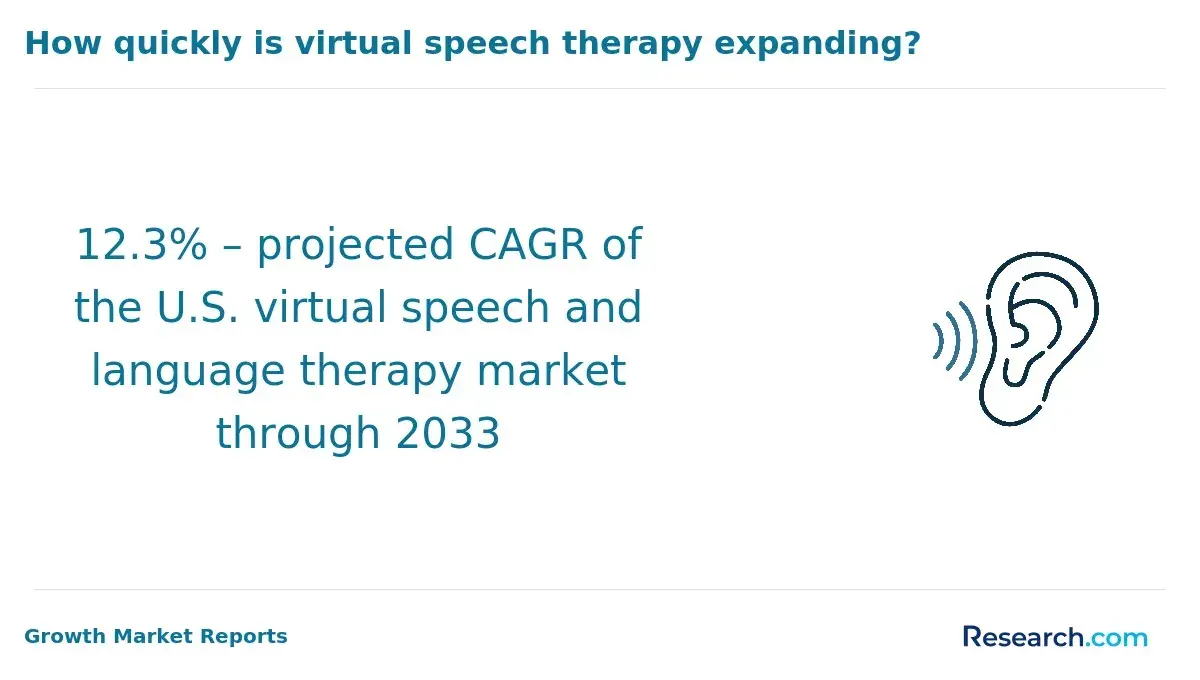
Telehealth training benefits for speech pathologists are increasingly vital as the demand for remote clinical services grows. Employment for speech-language pathologists (SLPs) is projected to rise by 17% through 2035, with about 13,300 annual job openings, driven largely by telepractice expansion.
Developing essential telehealth skills for future speech pathologists enables them to effectively engage clients through virtual platforms while navigating technical and regulatory challenges.
Competence in telehealth allows clinicians to maintain care quality, handle privacy and compliance matters, and tailor therapy techniques to online environments. Future SLPs must build skills in:
- Using secure, HIPAA-compliant teleconferencing platforms to protect client data.
- Modifying assessment and intervention methods for virtual delivery.
- Establishing consistent communication protocols with clients and caregivers remotely.
- Troubleshooting common connectivity problems independently.
For instance, assessing articulation through telehealth demands high-quality audio setup and strategies to reduce background noise, differing significantly from in-person methods.
Family involvement is also crucial in supporting skill generalization. Training programs that integrate telehealth simulations and supervised virtual clinical hours prepare students to master these complexities confidently while enhancing their professional versatility.
Incorporating telehealth competencies helps future SLPs reach diverse populations and maintain care continuity during disruptions. Those interested can learn more about what does a speech pathologist do to better understand career prospects and necessary skills.
Which telehealth skills must future SLPs master?
Future speech-language pathologists require advanced telehealth communication techniques for future speech pathologists, including mastery of digital platforms to manage video and audio quality and troubleshoot independently. Stability in connection and equipment familiarity is crucial for effective remote therapy sessions.
Clinicians must also develop effective virtual patient engagement skills for speech pathologists by adapting client interaction with tools like screen sharing, interactive apps, and recognizing nonverbal cues such as eye contact with the camera to build rapport despite the limitations of a virtual setting.
Privacy and confidentiality remain paramount, with future SLPs needing a thorough understanding of HIPAA-compliant teletherapy software and the ability to educate clients on secure session environments.
They must also handle telehealth-specific informed consent, transparently discussing risks and limitations. Efficient session planning tailored for virtual delivery supports attention spans and ensures precise documentation accessible across platforms.
Cultural competence and flexibility are vital as telehealth expands geographical diversity, requiring sensitivity to varied client backgrounds and adaptable therapy materials.
Speech-language pathologists earn a median annual salary of $97,870, and teletherapy roles often provide flexibility that enhances work-life balance and may command premium pay.
For those exploring pathways into the profession, several accelerated speech pathology programs online offer focused training that integrates these telehealth skills efficiently.
To become a licensed speech-language pathologist in the US, candidates need a master's degree in speech-language pathology from an accredited program recognized by the Council on Academic Accreditation in Audiology and Speech-Language Pathology (CAA). This graduate education typically lasts two years and combines coursework with supervised clinical experiences.
Often, a bachelor's degree in communication sciences and disorders or a related field forms the foundation before entering the master's program. Coursework covers anatomy, linguistics, neurophysiology, speech disorders, and intervention methods, while clinical practica offer real-world training under licensed supervision.
After the master's degree, candidates must complete a 36-week Clinical Fellowship Year (CFY) involving mentored professional practice. Passing the national Praxis examination by the American Speech-Language-Hearing Association (ASHA) is required for certification.
State licensure criteria generally align with these ASHA standards. Because 56% of certified SLPs work in educational settings managing large caseloads, gaining experience in school-based therapy is crucial for readiness in these roles.
Additional certifications like bilingual service provision or telepractice endorsements broaden career options. Maintaining credentials requires ongoing education, especially to keep pace with evolving telehealth techniques vital for modern speech therapy.
Prospective students can find guidance on the easiest SLP grad schools to get into, helping navigate the SLP educational requirements in the US effectively.
Online speech-language pathology (SLP) programs increasingly include telehealth training to align with evolving clinical demands. Telepractice coursework is usually integrated within clinical methods classes, where students explore remote assessment and intervention techniques.
These courses address technology platforms, ethical guidelines, and state-specific licensure requirements for telehealth. Students also learn to adapt standardized speech and language tests for virtual delivery while preserving their reliability and validity.
Many programs include supervised clinical practicum hours via telepractice, offering valuable hands-on experience. This allows learners to tackle challenges such as maintaining client engagement, managing technical issues, and customizing treatment for diverse populations remotely.
Specialized modules may cover telehealth applications for pediatric, geriatric, or culturally and linguistically diverse clients, reflecting the unique needs of each demographic.
Interprofessional collaboration through telehealth is often emphasized, teaching coordination with educators, caregivers, and healthcare professionals. With the digital speech therapy market expected to grow at about 17% annually through 2035, these skills prepare graduates for expanding opportunities.
Prospective students should confirm how programs balance theory and practical experience and inquire about access to current telehealth technologies used in clinical settings. Mastering telepractice aids compliance with licensure portability and reimbursement policies increasingly tied to remote service delivery.
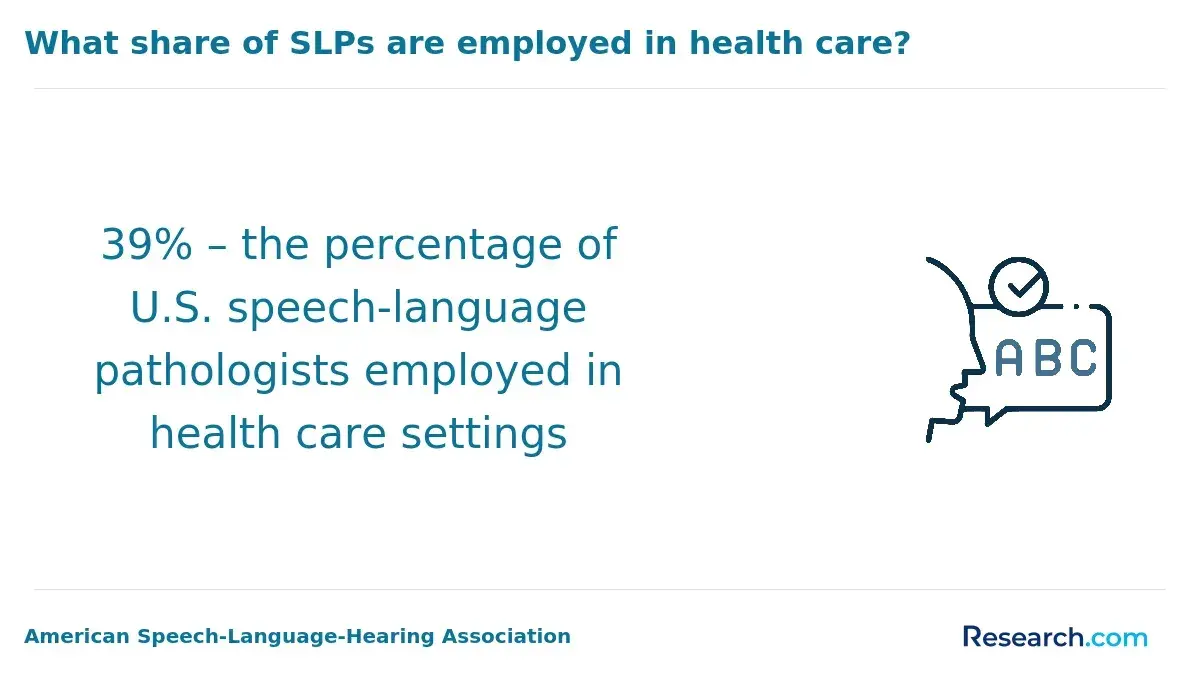
Accreditation from respected organizations such as the American Speech-Language-Hearing Association (ASHA) or accredited university programs is crucial for telehealth training in speech-language pathology.
ASHA ensures that coursework aligns with clinical and ethical standards required for the Certificate of Clinical Competence (CCC), covering remote assessment, technology use, confidentiality, and telepractice ethics.
Speech-language pathologists seeking telehealth skills should prioritize programs with ASHA or Council on Academic Accreditation (CAA) approval. Certifications lacking this recognition often do not fulfill licensure requirements or hold professional weight.
Technology competence is vital; around 75% of SLPs use tablet-based therapy apps to engage clients, especially children with attention difficulties (Beaming Health, 2025). Training should include practical use, troubleshooting, and adapting interventions for teletherapy platforms common in clinical practice.
Legal compliance is another key area. Accredited courses cover state licensure rules, informed consent, and privacy frameworks such as HIPAA, helping clinicians handle licensure portability and consent forms in telehealth.
Key questions when evaluating telehealth training include:
- Is the course recognized by ASHA or an equivalent accredited body?
- Does it provide practical experience with teletherapy technologies?
- Are legal and ethical standards thoroughly covered?
- Does completing it contribute to fulfilling CCC or state licensure requirements?
Telehealth integration within speech-language pathology degree programs is now a fundamental aspect of graduate education. Accredited programs incorporate telepractice training through various methods, including dedicated coursework, clinical practica, and interprofessional education for collaborative virtual care.
Typical curriculum components cover remote assessment technologies, ethical and legal considerations, and adapting therapy materials for online delivery. Telehealth experiences may include:
- Standalone courses on telepractice methodologies and best practices.
- Embedded telehealth modules within pediatric, adult rehabilitation, or multilingual communication disorder classes.
- Supervised clinical experiences using telepractice platforms, enabling students to treat clients remotely under faculty supervision.
- Interprofessional education that fosters collaborative care in virtual environments.
Many programs emphasize evidence-based practice by incorporating research such as Telepractice Efficacy Outcomes, which report 70-90% success rates for treating children's speech sound disorders remotely. Training also addresses client selection and progress tracking tailored to virtual settings.
Licensure trends and interstate practice compacts influence curricula, ensuring graduates meet telepractice requirements nationwide. Collaborations with clinical partners provide hands-on telehealth skills, including technology troubleshooting and communication strategies for diverse populations.
Prospective students are advised to verify if programs include these telehealth components and clinical opportunities. Such preparation is essential for delivering high-quality remote speech therapy addressing geographic and regulatory challenges.
Telehealth plays a vital role in expanding access to speech pathology services across various career settings. Clinical speech-language pathologists in medical environments deliver teletherapy to patients in rural or underserved communities, treating speech, language, and swallowing disorders remotely.
School-based SLPs support students with individualized education programs (IEPs), especially in districts with staffing shortages or during public health crises. Early intervention specialists often use telepractice to reach infants and toddlers in home or community settings, ensuring consistent care despite geographic challenges.
Bilingual and multicultural speech pathologists leverage telehealth to offer culturally responsive therapy to clients speaking less common languages without requiring relocation.
Telepractice also serves adult patients recovering from stroke, brain injury, or neurodegenerative diseases, who may face mobility limitations or transportation hurdles.
Private practitioners increasingly adopt telehealth for flexible scheduling and expanding their client base beyond local areas.
Employers prioritize teletherapy experience, as remote and hybrid speech pathology job postings have increased by 50%, enhancing work-life balance by reducing commuting and improving workload management (ProfiHitch, 2025).
Key career settings utilizing telehealth include:
- Hospitals and rehabilitation centers.
- Public and private schools.
- Early intervention agencies.
- Outpatient neurorehabilitation clinics.
- Private practices or independent contractors.
Speech pathologists should pursue specialized telehealth training and certifications to meet multi-state licensure standards and optimize virtual care. Mastery of digital platforms, privacy compliance, and remote assessment adaptation are essential skills for success in this growing field.
The salary range for telehealth speech-language pathologists (SLPs) generally falls between $62,900 and $134,160 annually, depending on factors like experience, location, and employer type.
Telepractice roles often offer pay comparable to or slightly above in-person positions, especially for those working with pediatric and adult neurological populations.
Key factors affecting telehealth SLP salaries include:
- Proficiency with digital platforms and remote assessment tools can lead to higher compensation.
- Different employers-such as schools, healthcare systems, and private practices-offer varying pay scales based on telehealth program complexity.
- The geographic flexibility of telehealth allows SLPs to tap into higher-paying markets otherwise inaccessible in-person.
- Developing strong telepractice skills enhances marketability and salary prospects.
Research from the PMC 2023 study indicates that SLPs over age 65 have a 10% lower rate of digital literacy, which may limit their telepractice opportunities and earning potential. Focused digital training can help overcome these barriers.
Investing in telehealth competencies and understanding billing practices for remote sessions are critical for future speech pathologists aiming to boost income. Specializing in growing areas, like pediatric speech therapy via telehealth, further strengthens salary potential.
What is the job demand for telehealth SLPs?
The job market for telehealth speech-language pathologists (SLPs) is expanding rapidly with diverse roles beyond traditional clinical care. Teletherapy coordinators now manage remote technology platforms and patient engagement, reflecting the field's evolution.
According to Beaming Health (2025), 45% of SLPs use biofeedback technologies to boost clinical productivity, highlighting increased integration of advanced tech in telehealth.
SLPs skilled in digital platforms and remote therapy are especially in demand in rural or underserved areas where in-person care is limited. Employers look for professionals who can troubleshoot technology, use video or app-based interventions, and apply biofeedback devices effectively, giving them a competitive edge.
Job settings include hospitals, schools, private practices, and teletherapy companies specializing in remote care. Salary growth is linked to telepractice certifications and experience with technology-enabled treatments.
Telehealth SLPs must also navigate legal and ethical issues such as patient privacy and licensure across states, impacting hiring decisions.
New graduates should seek telehealth experience through internships or supervised practice. Skills in asynchronous tools, data collection, and virtual family coaching are highly valued. Combining clinical expertise with technological proficiency aligns with demand and emerging industry trends documented by research.
Other Things You Should Know About Speech Pathology
Speech-language pathologists often encounter challenges related to technology reliability, such as unstable internet connections or limited access to appropriate devices. Additionally, maintaining client engagement and accurately assessing nonverbal cues can be more difficult through virtual platforms compared to in-person sessions. Ensuring privacy and compliance with healthcare regulations in a remote environment also requires careful attention.
SLPs modify their treatment approaches by incorporating digital tools like interactive apps and screen-sharing to enhance engagement. They often rely more heavily on parent or caregiver involvement to support activities outside the session. Clinicians also adjust their communication style to be more explicit and use clear visual cues, ensuring clients understand instructions in the absence of physical presence.
Speech-language pathologists should use a HIPAA-compliant telehealth platform, enable end-to-end encryption, verify the client’s identity at the start of each visit, and conduct sessions in a private location. The U.S. Department of Health and Human Services requires reasonable safeguards for protected health information.
In 2027, key technologies for telehealth in speech-language pathology include high-quality video conferencing platforms, secure data management systems, and digital therapy tools for remote assessments and interventions. Understanding how to use augmented reality (AR) and virtual reality (VR) for interactive sessions will also be crucial.
- U.S. Bureau of Labor Statistics - Speech-Language Pathologists https://www.bls.gov/ooh/healthcare/speech-language-pathologists.htm
- ASHA EdFind - Accredited Speech-Language Pathology Programs https://find.asha.org/ed/
- O*NET OnLine - Speech-Language Pathologists https://www.onetonline.org/link/summary/29-1127.00
- New York University - Online MS, Communicative Sciences and Disorders (Speech@NYU) https://steinhardt.nyu.edu/degree/online-ms-communicative-sciences-and-disorders
- Pennsylvania Western University - Master of Science in Speech-Language Pathology https://online.pennwest.edu/programs/speech-language-pathology-grad/index.php
- University of Wisconsin-Eau Claire - Master of Science in Speech-Language Pathology (Online) https://www.uwec.edu/speech-language-and-hearing-sciences-department/graduate-program/speech-language-pathology-online
- Delaware Valley University - Master of Science in Speech-Language Pathology (M.S.) https://delval.edu/programs/graduate-programs/speech-language-pathology
- Baylor University - Master of Science in Speech-Language Pathology (Online) https://csd.robbins.baylor.edu/graduate/online-csd-graduate-program