2027 Licensed SLP vs SLPA: Career Growth and Salary Comparison

Co-Founder and Chief Data Scientist

Reviewed by Rhea Paul, PhD
SLP Education & Research Expert
Deciding between becoming a licensed SLP or an SLPA can be challenging for those seeking career advancement in speech pathology.
Both roles offer unique opportunities, but differences in responsibilities, required credentials, and earning potential often cause confusion. Prospective professionals may struggle to understand which path aligns best with their long-term goals and lifestyle needs.
This article examines key distinctions between licensed SLPs and SLPAs, focusing on career growth trajectories and salary expectations. It aims to equip readers with clear, practical insights to make informed decisions about entering or advancing within the speech pathology field efficiently.
Key Things You Should Know
- Licensed speech-language pathologists (SLPs) in 2026 earn a median annual salary of around $83,000, significantly higher than speech-language pathology assistants (SLPAs), who earn about $50,000.
- SLPs require a master's degree and licensure, while SLPAs need an associate degree and certification, impacting career advancement and responsibilities.
- Job growth for SLPs is projected at 17% from 2025 to 2035, much faster than average, while SLPA roles grow at a moderate 8%, influencing long-term career opportunities.
What is the difference between a licensed SLP and an SLPA?
A licensed speech-language pathologist (SLP) is a certified professional authorized to independently evaluate, diagnose, and treat speech, language, cognitive-communication, and swallowing disorders. Licensing requires a master's degree in speech pathology, supervised clinical experience, and passing the national Praxis exam.
SLPs create personalized treatment plans and track patient progress across settings such as schools, hospitals, and private practice. This role offers substantial career advancement opportunities for licensed SLPs, who hold greater clinical authority and responsibility.
In contrast, a speech-language pathology assistant (SLPA) supports licensed SLPs by implementing therapy plans but cannot perform evaluations or make diagnostic decisions independently. SLPAs complete state-approved assistant programs and obtain certification or registration but do not hold graduate degrees.
Their scope of practice in the US is limited to delegated clinical tasks under direct SLP supervision. Salary differences highlight this gap: entry-level SLPs earn a median of about $74,000, while SLPAs typically earn $62,900 to $134,160 annually, depending on location.
Those exploring career paths in speech pathology should weigh these factors carefully. Candidates seeking independent clinical roles and higher salaries typically pursue licensing as an SLP. Others interested in supportive, hands-on roles with shorter training may choose the SLPA route.
For prospective students aiming to advance in this field, many consider online speech pathology master's programs to gain the needed qualifications and career opportunities.
What are the education requirements for SLP and SLPA?
The education requirements for speech language pathologists in the United States generally include earning a master's degree in speech-language pathology from an accredited program. This advanced training typically follows a bachelor's degree in communication sciences, speech pathology, or a related field and takes about two years.
Candidates must also complete a supervised clinical fellowship, often lasting nine months to one year, and pass a national exam administered by the American Speech-Language-Hearing Association (ASHA). Some states add further requirements, such as jurisprudence exams or continuing education credits.
Certification and training prerequisites for SLP and SLPA careers differ significantly. Speech-language pathology assistants (SLPAs) usually need an associate's degree or certificate from an accredited program, which requires one to two years of study.
Their education focuses on practical skills to support licensed SLPs in clinical environments. Many states require SLPAs to pass a competency exam and accumulate supervised work hours under an SLP's oversight.
These education differences influence career paths and earnings. According to ASHA data, the median speech and language pathologist salary starts at about $74,000 and can grow to $98,000 after 20 years, reflecting a 32% increase. Meanwhile, SLPAs typically earn less with fewer advancement opportunities due to their shorter training and more supportive scope of practice.
How do you become a licensed SLP versus an SLPA?
Becoming a licensed speech-language pathologist (SLP) in the US entails earning a master's degree from an accredited program, completing a supervised clinical fellowship, and passing the national Praxis exam administered by ASHA.
Candidates must then secure state licensure, which may include background checks and continuing education. The entire journey typically spans six to seven years, covering undergraduate and graduate education plus clinical experience.
In contrast, speech-language pathology assistants (SLPAs) usually complete a state-approved associate degree or certification program lasting one to two years. These programs combine classroom instruction with supervised clinical practice under a licensed SLP's guidance.
State licensing or registration requirements vary, from formal licensure or certification to only verifying supervised work periods.
Key differences exist in educational investment and clinical scope. SLPs have autonomous decision-making authority to diagnose and treat communication disorders, while SLPAs provide supportive services under direct supervision. For instance, school-based SLPs in California earn a median salary of $110,000, roughly 45% above the national average of $75,000 to $86,000.
Prospective students exploring how to become a licensed SLP in the US or steps to certification for speech-language pathologists and assistants should also review state-specific requirements carefully. Many consider pursuing accelerated speech pathology programs to reduce training time and enter the workforce sooner.
The degrees required for a licensed speech language pathologist (SLP) differ considerably from those for a speech language pathology assistant (SLPA).
Becoming an SLP requires earning a master's degree in speech pathology from an accredited program, including advanced coursework in anatomy, communication disorders, intervention techniques, and supervised clinical practicum.
Candidates must also obtain state licensure by passing a national exam and completing a clinical fellowship, often involving at least 400 combined clinical hours.
In comparison, educational requirements for SLP compared to SLPA careers show that SLPAs generally need an associate or bachelor's degree, along with specialized training or certificates that may include 100 to 150 supervised clinical hours.
Licensing and certification requirements for SLPAs vary by state. SLPA duties are supportive, performed under SLP supervision, and do not include independent assessments or diagnosis.
Compensation differences highlight the qualifications gap. According to BLS and SLP Salary Guide 2026, skilled nursing facilities pay SLPs an average of $113,630 annually, while school-based positions offer around $80,280.
Those interested in pursuing this path can explore the easiest speech pathology programs to get into to identify suitable educational options.
SLP (speech-language pathology) graduate programs leading to the Certificate of Clinical Competence (CCC) through the American Speech-Language-Hearing Association often follow a hybrid model.
Foundational coursework may be completed online, but clinical practicum hours and on-campus residencies remain essential for hands-on training. Some universities provide fully remote didactic courses paired with local clinical placements to support working professionals or those in remote areas.
SLPA (speech-language pathology assistant) training is frequently available fully online or in hybrid formats. Accredited community colleges commonly offer associate-level SLPA certificates that combine virtual classes with supervised clinical practica arranged locally.
This format enables faster workforce entry since SLPAs assist licensed SLPs without requiring extensive graduate schooling. Online SLPA programs typically feature video demonstrations, interactive modules, and remote supervision to fulfill state licensure standards.
Students deciding between online and on-campus options should consider their current jobs, learning preferences, and state licensure requirements. Accreditation and policies on supervised clinical experience are crucial, as completing these hours is necessary for certification.
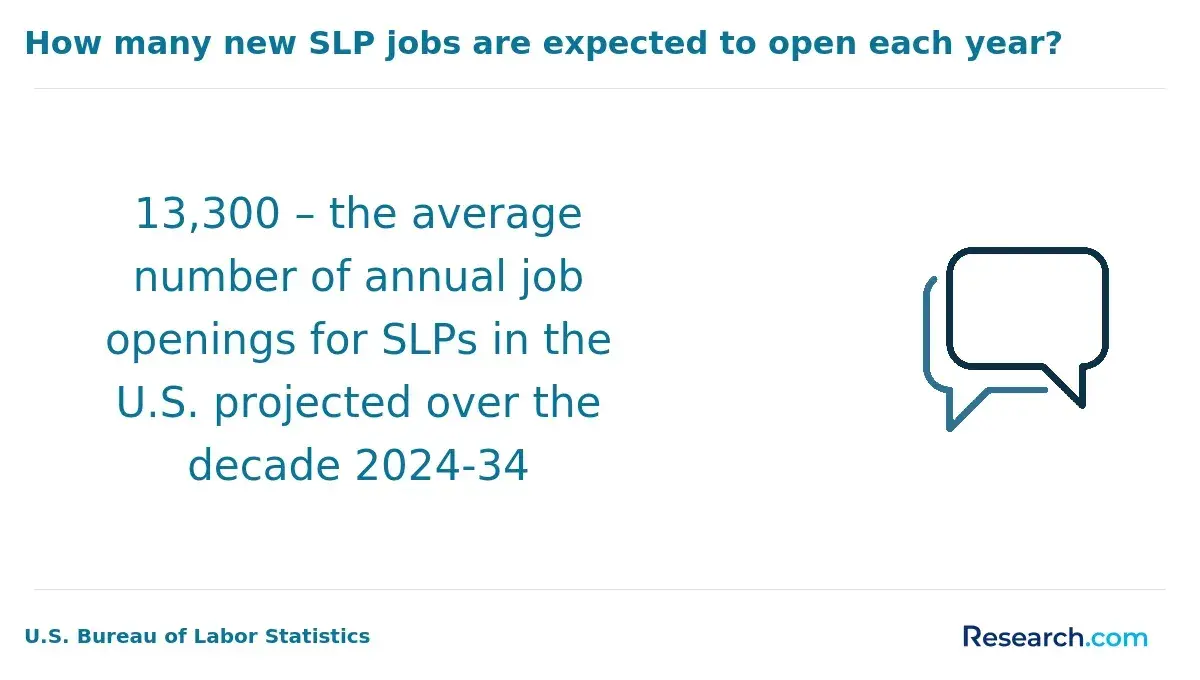
According to the Bureau of Labor Statistics Occupational Outlook Handbook, employment in speech-language pathology careers is expected to grow 17% through 2035, much faster than the 3.1% average growth rate across all occupations, indicating strong job prospects regardless of training format.
The curriculum for licensed speech-language pathologists (SLPs) covers advanced topics essential for independent clinical practice. This includes anatomy and physiology of speech and hearing, language development throughout life, neurological bases of communication disorders, and diagnostic assessment methods.
Students develop skills in evidence-based interventions addressing aphasia, dysphagia, childhood language delays, and voice disorders. Clinical practicum opportunities provide hands-on experience under supervision, bridging theory and practice.
Speech-language pathology assistant (SLPA) programs, by contrast, are shorter and focus on supporting licensed SLPs. The SLPA curriculum emphasizes basic communication sciences, confidentiality, documentation, and executing therapy plans under supervision.
Training prioritizes practical skills for assisting with assessments and treatments but does not prepare students for independent clinical decisions.
Key distinctions between the two roles include the level of theoretical knowledge and clinical responsibility. SLPs interpret assessments and create treatment plans; SLPAs follow these established plans closely to assist in therapy delivery.
The industry offers significant incentives for SLPs due to workforce demand. According to the SLP Salary Guide 2026, licensed SLPs in high-need areas may receive sign-on bonuses of $2,500 or more, relocation aid, and student loan repayment programs. These benefits reflect the advanced education and critical role of licensed SLPs in healthcare.
Admission requirements for speech-language pathology (SLP) and speech-language pathology assistant (SLPA) programs differ significantly due to varying levels of professional training and licensure. SLP candidates generally need a bachelor's degree, not necessarily in communication sciences, along with GRE scores, official transcripts, letters of recommendation, and personal statements.
Clinical experience, such as volunteering in speech pathology settings, improves competitiveness. The master's program for SLPs is accredited by the Council on Academic Accreditation in Audiology and Speech-Language Pathology (CAA) and combines academic coursework with supervised clinical practicum.
SLPA programs usually require a high school diploma or GED, with many community colleges preferring some postsecondary coursework. Applicants often complete prerequisites in anatomy, linguistics, or communication disorders.
Some states mandate background checks, immunizations, and CPR certification. Clinical training typically involves 100 to 160 supervised hours focused on assisting SLPs. Graduates earn certificates or associate degrees enabling them to work as licensed assistants.
Career growth for SLPAs varies, particularly in private practice. According to practitioner data, SLPAs in California may negotiate hourly rates up to $58, leading to potential annual earnings above $120,000.
However, compensation is session-based without employer benefits, in contrast to SLPs who receive salaried positions with full benefits in schools, hospitals, or clinics.
SLP programs usually require a master's degree in speech language pathology, typically taking about two years after completing a bachelor's degree. From undergraduate start to licensure, the total time can span around six years, including prerequisite coursework. Costs vary widely:
- Public universities often charge between $20,000 and $40,000 for the full graduate program
- Private institutions can exceed $60,000
Financial aid and scholarships may help offset these expenses, but careful planning is essential.
SLPA programs are shorter and less costly, usually lasting 1 to 2 years, and are available as associate degrees or certification programs. Tuition typically ranges from $5,000 to $15,000, making this path accessible for quicker entry into the speech pathology field with less financial burden.
Both SLPs and SLPAs must complete clinical practicum hours, with SLP students required to complete about 400 hours, while SLPA practicum hours vary by state. Part-time study can extend these timelines.
Earning potential aligns with these educational investments. According to the California Speech Pathology Organization, the top 10% of California SLPs earn over $130,000 annually, with some reports exceeding $153,930, reflecting the advanced training and licensure required.
Prospective students should evaluate time and cost commitments alongside their career goals since longer, more expensive SLP programs typically lead to greater financial rewards and broader opportunities.
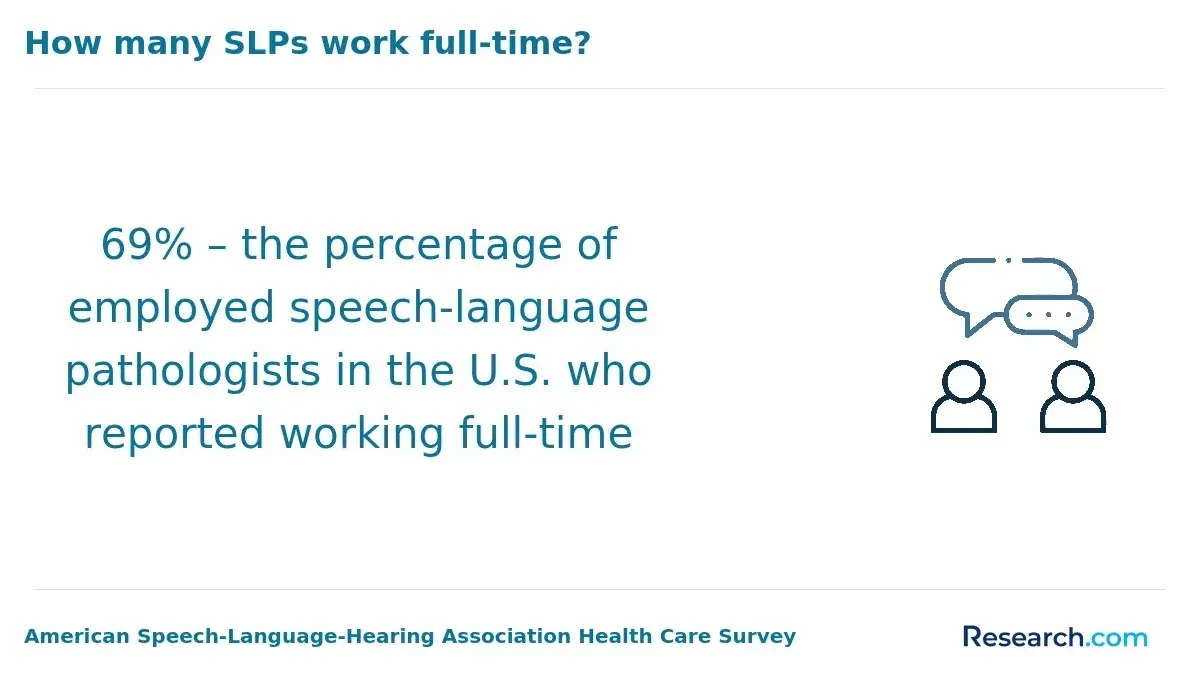
Speech-language pathologists (SLPs) command higher salaries due to their advanced education and responsibilities, with entry-level earnings around $62,900 and potential growth to $98,000 or more after 20 years, reflecting a 32% increase according to ASHA and the SLP Salary Guide 2026.
The initial investment in a master's degree, which ranges from $40,000 to $120,000, can be offset by this long-term wage growth, making it a financially sound career choice over time.
Speech-language pathology assistants (SLPAs), who typically hold associate degrees or certifications, start with salaries between $30,000 and $45,000 depending on the region and workplace. Their faster workforce entry comes with more limited salary growth and fewer advancement opportunities.
Employment prospects are strong for both roles due to aging populations and heightened awareness of communication disorders. SLP demand is growing faster than average, especially in schools, healthcare, and rehabilitation settings. SLPAs experience positive job growth as supportive team members, albeit at a slower pace.
Prospective students should consider these factors carefully, balancing the shorter training time for SLPAs against the higher earning potential and advancement of SLPs when planning their speech pathology education and career paths.
How does career growth differ for SLP versus SLPA?
Licensed speech-language pathologists (SLPs) experience greater career growth than speech-language pathology assistants (SLPAs) due to differences in education, scope of practice, and professional opportunities.
SLPs usually hold a master's degree and state licensure, qualifying them for independent clinical roles, specialized fields, and leadership positions. In contrast, SLPAs typically earn an associate degree or certificate and work under direct supervision, limiting advancement.
SLPs can specialize in areas like pediatric feeding and swallowing, voice therapy, or neurogenic communication disorders. They also have pathways into administrative roles, academic research, or clinical supervision.
Salaries reflect this expertise; for instance, SLPs in the San Jose metropolitan area earn about $127,190 annually, according to the California Speech Pathology Organization.
SLPAs mostly remain in supportive roles assisting licensed clinicians with treatment and documentation. While gaining experience can support future studies toward an SLP master's degree, their career trajectory is usually linear and capped without further credentials.
Key distinctions include:
- SLPs manage direct client caseloads with clinical decision-making authority, enabling higher responsibility and pay.
- SLPAs provide therapy assistance under supervision, limiting independent practice and leadership.
- SLPs can pursue certifications and specializations that lead to promotions and salary increases.
Career growth for SLPs involves expanding expertise, leadership options, and higher income potential, especially in metropolitan regions, while SLPAs face limited mobility without advancing their education.
Other Things You Should Know About Speech Pathology
The American Speech-Language-Hearing Association (ASHA) sets the Certificate of Clinical Competence for SLPs and the Assistant Certification for SLPAs. State licensing boards then use their own rules for legal practice, but ASHA certification is the main national credential many employers recognize.
Yes, both licensed SLPs and many state-certified SLPAs must complete continuing education units (CEUs) to maintain their credentials. The requirements vary by state but typically include coursework or training hours every few years to stay current with best practices and professional standards. Certification renewal ensures that clinicians provide safe and effective care.
SLPs often pursue specialization in areas such as pediatric speech disorders, voice therapy, swallowing disorders, or neurogenic communication disorders. Specialization usually requires additional training or certification. SLPAs typically assist in a broad range of cases but do not specialize independently; they work under the supervision of specialized SLPs.
Licensed Speech-Language Pathologists (SLPs) and Speech-Language Pathology Assistants (SLPAs) in 2027 must undergo regular continuing education to maintain their credentials. SLPs typically need to complete 30 hours of courses every three years for certification renewal, while SLPAs must fulfill specific state and national requirements outlined by ASHA.
- U.S. Bureau of Labor Statistics - Speech-Language Pathologists https://www.bls.gov/ooh/healthcare/speech-language-pathologists.htm
- ASHA EdFind - Accredited Speech-Language Pathology Programs https://find.asha.org/ed/
- O*NET OnLine - Speech-Language Pathologists https://www.onetonline.org/link/summary/29-1127.00
- Auburn University, Montgomery - Master of Science in Speech-Language Pathology https://www.aum.edu/degree/ms-speech-language-pathology/
- University of Nebraska at Kearney - Speech-Language Pathology, Master of Science in Education (Online Track) https://www.unk.edu/online/degrees-programs/speech-language-pathology-online.php
- University of North Carolina at Greensboro - Speech-Language Pathology, M.A. (Online) https://csd.uncg.edu/graduate/masters-of-arts-online/
- University of Wisconsin-Eau Claire - Master of Science in Speech-Language Pathology (Online) https://www.uwec.edu/speech-language-and-hearing-sciences-department/graduate-program/speech-language-pathology-online
- New England Institute of Technology - Master of Science in Speech Language Pathology https://www.neit.edu/academics/graduate-degrees/speech-language-pathology-ms