2027 Clinical Placement Challenges in Online SLP Programs and How to Solve Them

Co-Founder and Chief Data Scientist

Reviewed by Rhea Paul, PhD
SLP Education & Research Expert
Online SLP programs offer flexibility but often struggle to secure quality clinical placements. Students can face delays or are assigned locations far from home, increasing stress and jeopardizing timely graduation. Limited site availability and the complexity of coordinating virtual and in-person experiences complicate the process further. These challenges can hinder skill development crucial for certification and employment.
This article explores common placement obstacles in online speech pathology education and presents strategies for students, educators, and institutions to overcome these barriers effectively, ensuring a smoother path toward program completion and professional readiness.
Key Things You Should Know
- In 2026, 47% of online speech pathology students face delays securing clinical placements due to limited local site availability and increased demand nationwide.
- Remote supervision models, approved by ASHA in 2025, offer flexible, quality-assured clinical hours but require robust technology and trained supervisors.
- Programs increasingly partner with telepractice providers and community clinics to diversify placement options, improving equity and reducing geographic barriers for students.
What are clinical placement challenges in online SLP programs?
Clinical placement barriers in online speech pathology programs often arise from limited site availability, geographical challenges, and inconsistent supervision quality. As demand grows for these programs to meet the 21% employment growth projected by the U.S. Bureau of Labor Statistics via speechpathologygraduateprograms.org, securing quality placements becomes increasingly difficult. Students especially in rural or underserved areas face challenges finding nearby clinical sites, as many programs struggle to establish sufficient partnerships with clinics, hospitals, or schools to accommodate all students promptly.
Another common challenge faced by online speech pathology students is variability in supervision. Onsite supervisors in traditional programs typically have greater familiarity with academic standards, while online students may work with supervisors of varying experience levels, affecting feedback and professional growth. Time zone differences and scheduling conflicts with clinic hours also complicate completing required clinical hours.
To improve placement success, students and programs can:
- Integrate hybrid clinical experiences combining local in-person and telepractice options.
- Apply early for placements to reduce delays in supervision availability.
- Use simulated clinical experiences and telehealth tools approved by accrediting bodies to supplement hands-on practice.
- Maintain clear communication between students, supervisors, and coordinators.
Prospective students should carefully evaluate programs that offer strong placement support, which is essential for credentialing and career readiness. Those considering further education may explore options through online SLP masters to find affordable and reputable pathways that address these challenges effectively.
How do online SLP programs handle clinical placement requirements?
Online speech pathology programs meet clinical placement requirements through partnerships with healthcare facilities, schools, and community organizations nationwide, arranging supervised clinical experiences either face-to-face or via telepractice. These clinical placement solutions in online SLP programs ensure students complete necessary hours, overcoming geographic and logistical barriers. Some programs also use advanced simulation software, though direct client interaction remains essential for certification.
Due to federal staffing reductions at the Department of Education, school-based clinical placements have become less consistent, pushing programs to diversify placements to hospitals, rehabilitation centers, and private clinics to fulfill clinical placement requirements for online speech pathology students. Dedicated clinical coordinators assist students with securing placements early, managing liability insurance, background checks, and site-specific policies. Placement options vary by state, so students should clarify local versus out-of-state availability.
For students facing difficulties in finding in-person placements, flexible telepractice options supervised remotely by certified clinicians provide alternatives, expanding access to diverse clients and meeting ASHA standards. Typically, 400 clinical clock hours are required, with 325 at the graduate level, and students should confirm how their program tracks and verifies these hours.
Many aspiring speech pathologists seek career insights, with resources available on the highest paid SLP opportunities, which can inform decisions about specialization and career trajectory.
What accreditation do online SLP programs need for clinical placements?
Online speech pathology (SLP) programs must hold accreditation by the Council on Academic Accreditation in Audiology and Speech-Language Pathology (CAA) to qualify for clinical placements. This accreditation ensures the program meets the rigorous standards required by the American Speech-Language-Hearing Association (ASHA), which is crucial for students aiming for the Certificate of Clinical Competence (CCC). Without CAA accreditation, programs cannot guarantee access to ASHA-approved clinical sites, limiting opportunities to complete required supervised hours.
The accreditation requirements for online speech pathology programs include completing at least 400 clinical clock hours, covering direct client contact and observational experiences at accredited sites. Online programs often develop partnerships with hospitals, schools, and private clinics nationwide to facilitate these placements, but healthcare policy changes and fewer medical placements have increased competition for clinical sites. An SLP educator highlighted the growing challenge posed by the rapid expansion of online master's programs, which intensifies this shortage.
Prospective students should verify their program's CAA accreditation status and inquire about clinical placement support, including alternatives like telepractice and community health centers. Programs assisting with liability insurance, supervisor availability, and site agreements better position students for on-time graduation and certification.
For those interested in exploring options, reviewing accelerated speech pathology programs can provide insight into programs that meet clinical placement accreditation standards for online SLP degrees and offer strong placement assistance.
Completing clinical hours fully online for speech pathology programs is generally not feasible due to accreditation standards and the hands-on skills required. The American Speech-Language-Hearing Association (ASHA) mandates direct client interaction, which cannot be entirely replaced by virtual methods. However, many programs now use hybrid models that combine telepractice clinical hours with some in-person experiences.
The backlog in clinical hours after COVID-19 has posed significant challenges. For example, the University of Cincinnati noted many students needed extra semesters to fulfill clinical hour requirements because of limited in-person placements. Online-only clinical placements remain rare and often insufficient for full requirements.
Common approaches include
- Telepractice clinical hours supervised remotely, which still allow client interaction within regulatory limits.
- Simulated clinical experiences that offer valuable training but rarely count toward required clinical hours.
- Accelerated in-person placements to help students complete hours faster once restrictions ease.
Students seeking programs with online clinical placement requirements for speech pathology students should verify how clinical hours are managed before enrolling. Some programs partner with local clinics to facilitate in-person hours near students' locations. Graduates must meet in-person clinical hour minimums for certification and licensure, making partial online clinical hours possible but rarely fully online completion. For those looking to find the easiest speech pathology programs to get into, understanding clinical hour policies is critical to planning a successful educational path.
For those looking to find the easiest speech pathology programs to get into, understanding clinical hour policies is critical to planning a successful educational path.
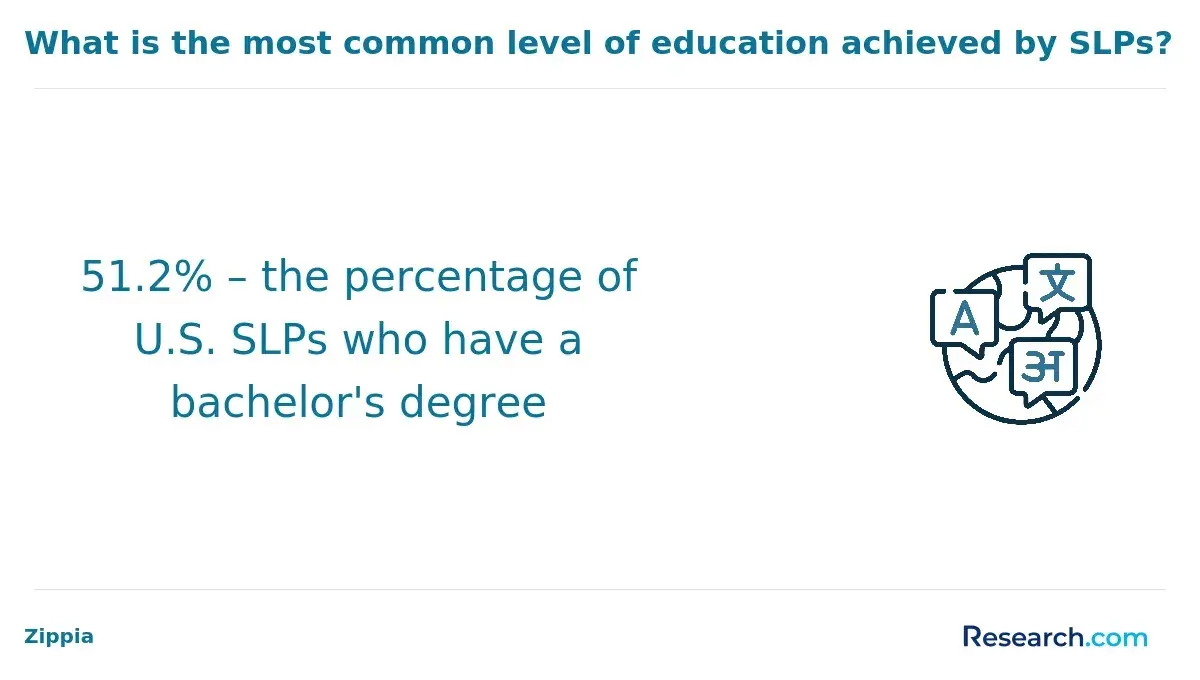
Admission to online speech pathology programs generally requires a bachelor's degree from an accredited institution with a minimum GPA of about 3.0, though some may accept slightly lower GPAs based on the overall strength of the application. Common prerequisites include coursework in anatomy, physiology, linguistics, psychology, and communication disorders.
Many programs ask for GRE scores, but this is becoming less common as accessibility-focused options grow. Applicants must also provide a background check and immunization records, given the clinical aspect of training.
Applicants typically need to document volunteer or work experience related to communication disorders to demonstrate their commitment. Letters of recommendation from professionals or faculty and personal statements describing motivation for studying speech pathology and pursuing online education are often required.
Clinical placement is vital, with admission committees evaluating plans to fulfill in-person supervised experience requirements. The American Speech-Language-Hearing Association (ASHA) enforces a 100% supervision rule for telepractice, limiting remote clinical training and emphasizing proximity to approved clinical sites. Some online programs establish partnerships with local clinics to assist students in meeting these mandates, but site availability must be confirmed early.
Interviews or orientation sessions may assess applicants' communication skills and professionalism, reflecting the importance of strong interpersonal abilities in this client-focused profession.
Online speech pathology programs with clinical placements usually take 24 to 36 months to complete. This includes foundational coursework and the required supervised clinical hours, typically between 400 and Praxis Clinic Clock Hours, following ASHA (American Speech-Language-Hearing Association) standards. The duration depends on whether the program is part-time or full-time and the flexibility offered by online learning formats.
Securing clinical placements can be challenging and may extend the program timeline. Regional shortages of speech-language pathologists increase competition for practicum sites, especially on the West Coast, where demand far exceeds supply according to Quantumedpro.com (2026). This shortage often causes delays in obtaining quality clinical experience.
Students should inquire early about placement assistance and available settings like schools, hospitals, or private clinics. Programs with multiple site partnerships or dedicated placement coordinators help reduce wait times. Some institutions allow virtual or telepractice clinical hours, which can speed completion and broaden geographic placement opportunities.
Planning for placement-related variability is essential. Choosing programs with robust clinical networks and remote options can help mitigate delays linked to regional speech-language pathology shortages detailed on Quantumedpro.com.
Clinical placements in speech pathology programs provide crucial hands-on training that bridges theoretical knowledge and practical skills. Students gain experience in settings like hospitals, schools, outpatient clinics, and rehabilitation centers. Their work involves diagnostic assessments, treatment planning, and supervised intervention, focusing on articulation, language disorders, fluency, voice, and swallowing therapy.
These placements vary in duration and complexity but require proficiency in client interaction, documentation, and ethics consistent with ASHA certification standards. Programs emphasize exposure to diverse populations and disorders, preparing students for varied clinical challenges. Some placements specialize in pediatric cases within educational settings, while others address neurogenic disorders in acute care.
The rapid growth of online speech pathology master's programs has heightened competition for placement slots. According to a Facebook post by the speech pathology community in 2026, the demand now exceeds available hospital and clinic infrastructure, causing shortages. To meet required clinical hours, programs are turning to telepractice placements and partnerships with nontraditional sites.
Students can improve their chances by engaging early with program advisors, remaining flexible about placement locations, and embracing telehealth opportunities. Additionally, many programs offer simulated clinical experiences to supplement direct client contact, ensuring well-rounded skill development despite placement constraints.
Career options after completing an online speech pathology program include clinical speech-language pathologist, school-based clinician, rehabilitation specialist, and research associate. According to the U.S. Bureau of Labor Statistics, the median annual salary for speech-language pathologists is about $97,870, with entry-level jobs near $60,000 and top positions exceeding $120,000. Salaries vary depending on work setting, location, and certifications.
Graduates typically work in schools, hospitals, private practices, or rehabilitation centers. Some specialize in pediatric speech therapy, voice disorders, or neurogenic communication disorders. Others pursue research or academic roles, leveraging skills from their studies.
Due to limited clinical placements, many programs now accept simulated clinical hours. Tools like Simucase allow students to use up to 75 simulated hours toward certification requirements by ASHA. This is vital for students facing placement shortages or site shutdowns, enabling timely graduation with adequate clinical experience (ASHA Leader, 2020-2026).
Prospective students should consider the growing role of digital simulation in training, which helps minimize delays and enhances clinical competencies across diverse settings. Planning for varied clinical exposure, including virtual cases, improves readiness for roles in health and education environments.
The job prospects for speech pathology graduates remain positive but are challenged by delays in clinical placements. Many graduates face postponed employment start dates due to extended time needed to complete required clinical hours, especially in online programs. This delay reduces the immediate financial benefits, as graduates cannot begin earning salaries promptly.
High-paying states like California, New York, and Massachusetts offer average annual wages above $112,000 for speech pathologists, according to Quantumedpro.com (2026). These placement delays hold back graduates from realizing this potential quickly. Preparing for longer job searches and credentialing processes is essential for new entrants to the field.
Students can reduce employment gaps by adopting these strategies:
- Engage early with clinical sites to secure placements before the final semesters.
- Choose programs with strong partnerships that prioritize or guarantee placements.
- Remain flexible geographically, considering states with high demand for speech pathologists.
- Keep certifications and licensure current to avoid delays after graduation.
Demand for qualified speech pathologists continues to grow alongside aging populations and expanding healthcare needs. However, increased competition from online graduates emphasizes the value of diverse clinical experiences and timely completion of placement requirements.
By planning clinical placements and licensure processes early, speech pathology graduates can shorten underemployment and accelerate entry into thriving job markets.
How to choose a reputable online SLP program?
When selecting an online speech pathology program, accreditation by the Council on Academic Accreditation in Audiology and Speech-Language Pathology (CAA) is essential. This accreditation ensures the curriculum meets high standards and supports state licensure eligibility. Be cautious of programs lacking CAA accreditation, as this may create barriers to certification.
Clinical placement support is another crucial factor. With national job growth projected at 17% through 2035, programs must maintain strong partnerships with hospitals, schools, and clinics to offer quality placements. Ask about their placement network, especially if you live in an area with limited facilities. Coordinators who assist with clinical logistics are a valuable resource.
Make sure the program fulfills the American Speech-Language-Hearing Association's (ASHA) minimum 400-hour clinical requirement. Confirm that clinical experiences include diverse populations and various settings, preparing you thoroughly for licensure and employment.
Consider tuition transparency and financial aid options, but prioritize clinical quality and program flexibility if you are a working professional. Many programs combine asynchronous coursework with scheduled clinical hours to accommodate busy schedules.
Additionally, review graduate outcomes such as certification rates and employment success. Programs with strong documented results typically provide effective training and support to students.
Selecting a reputable online speech pathology program depends on accreditation, clinical placement quality, hour requirements, and graduate success, aligning with both educational standards and workforce demands.
Other Things You Should Know About Speech Pathology
Cultural competence is vital for effective speech pathology practice because clinicians work with clients from diverse cultural and linguistic backgrounds. Understanding cultural differences helps tailor therapy approaches to meet each client's unique communication needs and improves treatment outcomes. It also ensures ethical and respectful care.
The key standards come from the Council on Academic Accreditation in Audiology and Speech-Language Pathology (CAA), which requires programs to provide supervised clinical education that meets ASHA certification standards. Placements usually must be approved by the academic program, supervised by qualified SLPs, and documented with sufficient client-contact hours and evaluations.
Yes, speech pathology services are frequently delivered in school settings to support students with speech and language delays or disorders. Speech pathologists collaborate with educators and families to develop individualized education plans (IEPs) that facilitate academic and social success. These services are essential for early intervention and ongoing support.
In 2027, a primary challenge in online SLP clinical placements is ensuring students receive hands-on experience in diverse settings. Collaboration with local clinics and schools, alongside virtual simulations, can bridge gaps, providing comprehensive exposure. Additionally, creating partnerships with telehealth services can expand placement opportunities, blending technology with practical experience.
- U.S. Bureau of Labor Statistics - Speech-Language Pathologists https://www.bls.gov/ooh/healthcare/speech-language-pathologists.htm
- ASHA EdFind - Accredited Speech-Language Pathology Programs https://find.asha.org/ed/
- ETS Praxis - Speech-Language Pathology (5331) https://praxis.ets.org/test/speech-language-pathology-5331.html
- Delaware Valley University - Master of Science in Speech-Language Pathology (M.S.) https://delval.edu/programs/graduate-programs/speech-language-pathology
- Idaho State University - Master of Science in Speech-Language Pathology (Online/Distance Education) https://www.isu.edu/slp/programs-offered/slp-graduate-program/
- University of Scranton - Master of Science (M.S.) in Speech-Language Pathology https://www.scranton.edu/academics/pcps/health-and-human-performance/programs/speech-language-pathology/index.shtml
- Pennsylvania Western University - Master of Science in Speech-Language Pathology https://online.pennwest.edu/programs/speech-language-pathology-grad/index.php
- New England Institute of Technology - Master of Science in Speech Language Pathology https://www.neit.edu/academics/graduate-degrees/speech-language-pathology-ms