2027 How to Find Shadowing Opportunities Before Applying to SLP Programs

Co-Founder and Chief Data Scientist

Reviewed by Rhea Paul, PhD
SLP Education & Research Expert
Many aspiring applicants struggle to find shadowing opportunities before applying to SLP programs, leaving them underprepared and at a disadvantage during admissions. Limited access to professionals, unclear approaches to networking, and lack of guidance on navigating healthcare or educational settings can block access to valuable experiences.
This gap often delays career progress or causes uncertainty about the field's demands. Understanding how to identify and secure meaningful shadowing roles is essential for demonstrating commitment and gaining insight into the profession.
This article explores effective strategies to locate and approach shadowing opportunities, helping candidates strengthen their applications and career readiness.
Key Things You Should Know
- Shadowing experience is essential for SLP program applications, with 85% of accredited programs requiring documented observation hours as of 2025.
- Networking through university clinics, local hospitals, and professional associations increases access to diverse shadowing opportunities tailored to speech pathology.
- Students should begin securing shadowing placements at least 6 months before application deadlines to accommodate scheduling and documentation requirements.
What are shadowing opportunities in speech-language pathology?
Shadowing in speech-language pathology (SLP) offers prospective students valuable clinical observation experiences by allowing them to watch licensed therapists assess, diagnose, and treat clients with communication disorders.
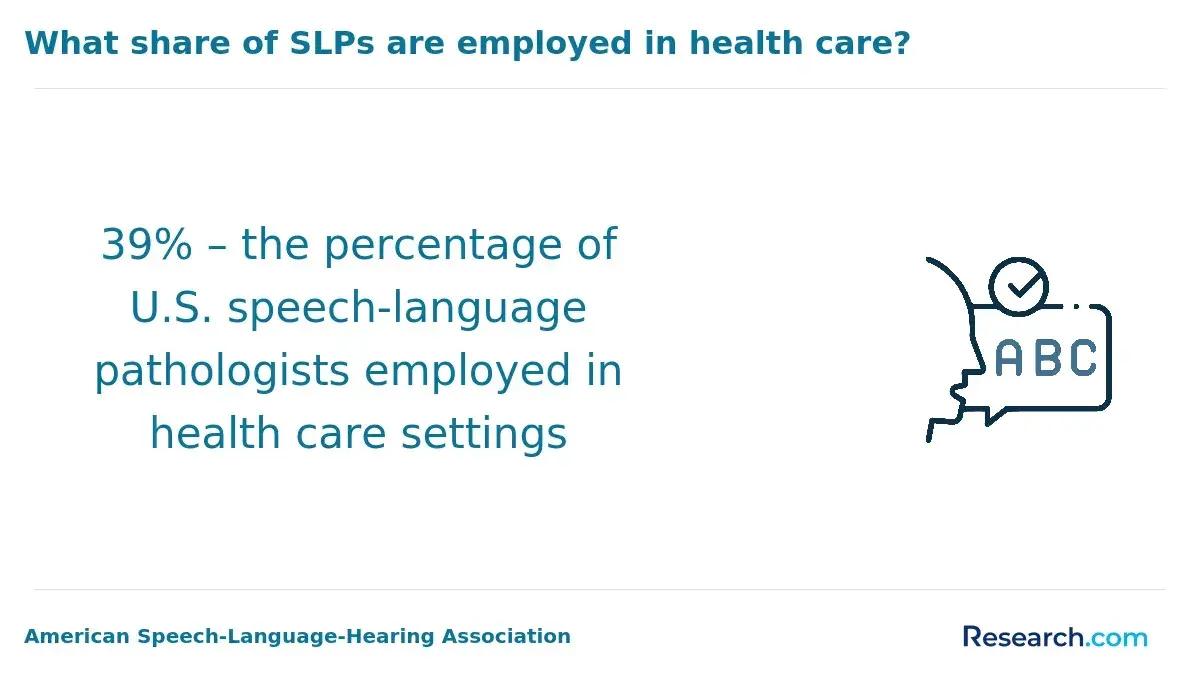
These experiences occur in diverse settings such as hospitals, schools, private clinics, and nursing homes, each providing insight into different caseloads, treatment methods, and professional teamwork.
Shadowing opportunities in speech pathology programs often include interactive elements beyond passive observation, such as attending team meetings or assisting with administrative duties under supervision.
For example, observing a pediatric SLP in a school demonstrates communication strategies with children and collaboration with educators, while shadowing in acute care exposes students to medical terminology and quick intervention practices.
Documenting at least 25 to 40 hours of shadowing is common among competitive applicants, as holistic admissions increasingly emphasize extracurricular experiences like clinical observation over grades or test scores.
Students seeking how to find speech pathology clinical observation experiences should reach out directly to clinics, professional associations, university programs, or community health centers with a clear request to observe their work, ideally securing opportunities early to better understand the profession and enhance applications.
For those exploring advanced education possibilities, affordable options like speech pathology masters online programs can complement practical experiences and support career advancement.
Why do SLP programs require shadowing experience?
SLP programs require shadowing experience to provide applicants with realistic exposure to the profession before admission. This clinical observation allows candidates to witness licensed speech-language pathologists across diverse settings such as hospitals, schools, and private practices.
Shadowing confirms a student's understanding of daily tasks, patient interactions, and therapeutic techniques, offering valuable insight for both applicants and programs.
Evidence of adaptability to different clinical environments is crucial, as candidates encounter a broad range of patient populations-from pediatric to geriatric-and treat varying disorders including speech, language, and swallowing issues.
Many programs specify a minimum number of shadowing hours, often between 20 and 50, to ensure meaningful experience. This requirement highlights the benefits of clinical observation in speech pathology by validating readiness and fostering professional growth.
Admission committees also evaluate shadowing as proof of interpersonal skills and ethical sensitivity, essential for effective therapeutic relationships.
With the national job outlook predicting a 15% growth in speech-language pathology jobs, resulting in about 28,200 new positions, programs seek candidates with realistic expectations and commitment. Additionally, shadowing reduces attrition rates and supports informed career decisions.
Prospective students interested in the profession often research factors like SLP salary to better understand career prospects and motivations.
How do I find shadowing opportunities for SLP?
Local healthcare facilities such as hospitals, rehabilitation centers, outpatient clinics, and nursing homes are excellent places to find clinical shadowing opportunities for speech pathology.
Contact their human resources or therapy departments and inquire about shadowing policies, providing a professional request outlining your educational goals.
Public school districts also employ speech pathologists who primarily work with children; reaching out to special education offices can uncover volunteer or shadowing options, showing your dedication to diverse populations.
University clinics affiliated with accredited speech pathology programs often coordinate shadowing for prospective students. Speak with program coordinators or academic advisors about these opportunities, especially given the competitive nature of admissions, with acceptance rates around 45.3% nationally, according to ASHA's 2024 Communication Sciences and Disorders Education Survey.
For those looking for accelerated educational pathways, exploring fast track speech pathology programs may also be beneficial.
Professional organizations like the American Speech-Language-Hearing Association (ASHA) and local chapters can connect you with clinicians offering shadowing and mentorship. Additionally, some speech pathologists advertise availability on networking sites or social media, so a respectful, concise outreach can open doors.
Follow all confidentiality requirements, including HIPAA compliance. Be prepared to complete non-disclosure agreements or background checks depending on the setting.
Flexibility and persistence greatly improve your chances of securing valuable shadowing experiences, which are considered the best places to secure speech pathology shadowing near me.
Connecting with local speech pathology shadowing contacts is key to securing valuable observation experiences. Begin by reaching out to speech-language pathologists working in schools, hospitals, private practices, or rehabilitation centers who often welcome students eager to learn. Providing a clear introduction and explaining your goals can open doors.
University clinics linked to accredited SLP programs also offer shadowing chances and can direct you to further opportunities. Contacting clinic coordinators or faculty involved in clinical education is especially effective to find placements under experienced SLP clinical supervisors in your area.
Professional networks like the American Speech-Language-Hearing Association (ASHA) student chapters or regional groups commonly maintain shadowing databases or mentorship programs that connect students with licensed clinicians.
Employers in underserved or rural regions, including Western states such as Wyoming, Montana, and the Dakotas, often have more accessible placements, with some SLP programs accepting 50-85% of applicants according to SpeechPathologyGraduatePrograms.org, 2026. Shadowing in these locations can give strategic advantages.
When initiating contact, be prepared to ask about schedules, required documentation, and confidentiality agreements. Demonstrating flexibility and professionalism increases your chances.
If in-person options are limited, inquire about virtual shadowing, which is becoming more common. For those exploring further education, consider ASHA accredited online SLP programs that may complement your hands-on experience.
When requesting a shadowing opportunity, craft a clear, professional email that begins with a respectful greeting using the recipient's full name and title. Clearly state your purpose: to shadow them for a specified timeframe, ideally suggesting flexible dates.
Mention your current status-for example, as a prospective speech pathology student or recent graduate-to highlight your relevant background.
Explain why you want to shadow this professional, connecting it to your career goals or academic plans. Include any relevant experience or coursework to show your dedication.
Politely ask about the process or requirements for shadowing, such as background checks or confidentiality agreements, demonstrating your willingness to comply with policies.
If they cannot accommodate you, request alternate dates or referrals. Always end with a note of gratitude and provide your full contact information for easy follow-up.
- "I am a senior undergraduate student in communication sciences seeking to observe clinical practices between June and August. Would you be willing to accommodate a shadowing session?"
- "As I prepare to apply for speech pathology graduate programs, particularly those in the CSU system with acceptance rates under 10%, I am keen to gain direct insight from experienced clinicians."
Most graduate programs in speech pathology require a minimum of 25 shadowing or observation hours before applying. This standard helps ensure applicants gain foundational experience in clinical environments.
Such exposure allows candidates to observe the everyday duties of speech-language pathologists and confirm their dedication to the profession.
While 25 hours is generally the baseline, some competitive or state-specific programs may demand 40 to 50 hours to better evaluate an applicant's readiness. Smaller or newer programs often stick closely to the 25-hour requirement.
Acceptable forms of shadowing include:
- Observing speech-language pathologists in schools, hospitals, or private clinics.
- Participating in multidisciplinary team meetings related to patient care.
- Engaging in virtual or telepractice shadowing when in-person options are limited.
Verification is key; programs usually require signed logs or letters from licensed clinicians supervising the hours. This documentation assures that the experience is professional and clinically relevant.
Applicants should begin accumulating hours early to avoid last-minute pressure, strengthening their applications and providing valuable insights for future graduate study and clinical practicum.
Online speech pathology programs typically require students to submit proper documentation to verify shadowing hours from supervised clinical experiences. This usually involves a detailed log or affidavit signed by a licensed speech-language pathologist (SLP) who oversaw the shadowing.
The documentation should include dates, time spent, nature of activities, and the supervisor's credentials. Without valid proof, most programs will not count the hours toward admission requirements.
Verification standards vary, but direct observation under a licensed SLP remains essential. Some programs accept virtual shadowing if it involves live supervision and clear validation, reflecting the rise of telepractice since 2020. Applicants should reach out early to their chosen online programs to confirm acceptable documentation formats, such as notarized affidavits or detailed daily logs.
Programs may ask about the settings where shadowing occurred, like schools, hospitals, or private clinics, as well as the variety of cases observed. Diverse experiences can strengthen applications.
Paid shadowing opportunities exist, averaging $41.32 per hour per ZipRecruiter data from May 13, 2026, though availability and program policies vary.
Key tips for verifying shadowing hours include:
- Obtain signed documentation from licensed SLP supervisors specifying shadowing hours.
- Keep detailed logs of tasks observed and time recorded.
- Confirm whether virtual shadowing is accepted by the program.
- Retain all records and correspondence for possible audits or additional proof requests.
Gaining shadowing experience is a powerful way for speech pathology applicants to demonstrate their commitment and understanding of the field. Typically, completing 20 to 40 hours provides valuable insight into daily clinical responsibilities and real-world challenges, which can enhance interview discussions.
Beyond academic preparation, shadowing cultivates professional communication, keen observation, and better patient interaction skills. This hands-on exposure also helps clarify career goals, showing applicants are well suited for the profession and reducing attrition risks in demanding speech pathology programs.
Many students struggle to access shadowing opportunities due to limited clinic availability or scheduling issues. University-sponsored programs can address this gap; for instance, Salus University offers both in-person and virtual observation options for qualifying students. Such programs ensure supervised, quality experiences that strengthen applications.
Applicants are encouraged to pursue shadowing across various settings, such as schools, hospitals, and private practices, to build a comprehensive perspective.
Networking with clinicians and faculty during these experiences often leads to stronger letters of recommendation. Keeping detailed logs and reflections is recommended to demonstrate professionalism and preparedness.
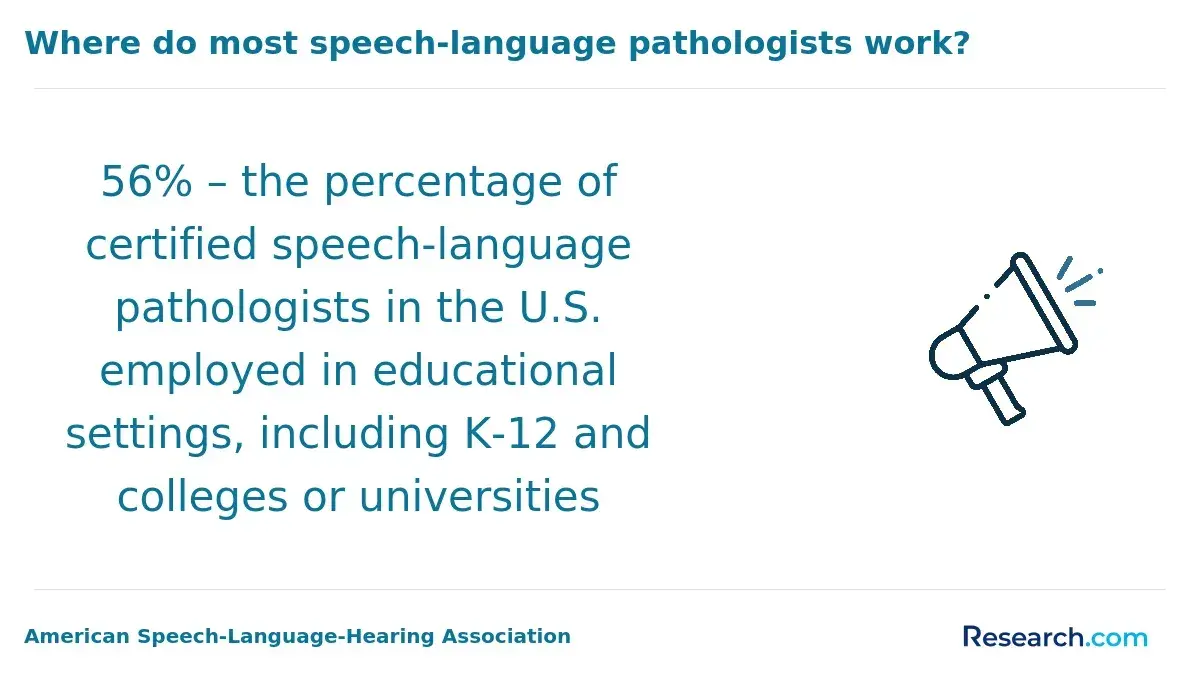
Career opportunities in speech pathology commonly begin in clinical settings such as hospitals, rehabilitation centers, outpatient clinics, and schools. Professionals diagnose and treat speech, language, and swallowing disorders for patients of all ages.
Schools especially provide a supportive environment for working with children facing communication challenges. Beyond clinical practice, roles in education may include training future clinicians or developing community outreach programs.
Specialization can shape career paths. Speech pathologists often focus on pediatric developmental disorders, adult neurogenic communication issues from stroke or brain injury, or voice and fluency challenges.
Many pursue certifications in swallowing disorders (dysphagia) or augmentative and alternative communication (AAC). Both schools and healthcare settings offer chances to deepen expertise in these areas.
Research roles typically exist within academic or allied health organizations, emphasizing evidence-based advances with a combination of clinical and analytical skills. Leadership opportunities arise in program management, policy development, and advocacy over time.
Nonprofit organizations also play a role by offering job shadowing that broadens insight into community service and patient support. For instance, Kindering provides limited shadowing for students interested in speech pathology outreach.
Exploring multiple work environments through shadowing helps clarify daily tasks, workplace culture, and patient demographics before committing to a specialty.
What is the job outlook and salary for SLPs?
Projected growth for speech-language pathologists (SLPs) is 21% from 2022 to 2032, significantly faster than the average for all occupations, according to the U.S. Bureau of Labor Statistics.
This rise is fueled by increased demand in schools, healthcare settings, and private practice as aging populations face speech and swallowing disorders, alongside heightened awareness of communication challenges in children.
Salary varies widely by work setting, location, and experience. The median wage was around $80,480, with the top 10% earning over $124,000 annually.
Higher pay is typical in outpatient care centers and specialty hospitals compared to school environments. Entry-level salaries often start near $60,000 but can grow quickly with experience and advanced certifications.
Non-CSD majors like social work undergraduates may struggle to find shadowing opportunities due to limited program access at many universities, as noted by TheGradCafe forum.
Gaining observation hours across diverse clinical and educational environments provides valuable perspective on how job location and served populations affect salary and career growth.
- Robust job growth due to demographic trends and awareness.
- Salary influenced by workplace setting and experience.
- Shadowing access is key for understanding real-world roles.
Other Things You Should Know About Speech Pathology
Some programs accept virtual observation, but many require in-person shadowing for at least part of the total. ASHA’s observation log is often used, and programs may ask for signed documentation from a licensed speech-language pathologist. Check each program’s policy before you count virtual hours.
Prior healthcare experience can be beneficial but is not always required for admission to speech pathology programs. It can provide practical exposure to clinical environments and improve understanding of patient care. Many programs value any direct interaction with healthcare professionals or patients, as it demonstrates commitment to the field.
Admission to speech pathology graduate programs is moderately competitive, with many applicants meeting or exceeding minimum GPA and test score requirements. Programs often look for a combination of strong academic performance, relevant experience, and effective communication skills. Meeting shadowing and prerequisite course requirements also plays a critical role in acceptance.
To find shadowing opportunities before applying to SLP programs in 2027, contact local speech therapy clinics, hospitals, or schools for potential openings. Networking through professional organizations, like ASHA, and using online platforms to connect with practicing SLPs can also be helpful in securing a shadowing position.
- U.S. Bureau of Labor Statistics - Speech-Language Pathologists https://www.bls.gov/ooh/healthcare/speech-language-pathologists.htm
- ASHA EdFind - Accredited Speech-Language Pathology Programs https://find.asha.org/ed/
- Audiology and Speech-Language Pathology Interstate Compact https://aslpcompact.com/compact-map/
- California State University-Northridge - Master of Science in Communicative Disorders (Online) https://tsengcollege.csun.edu/programs/CDS
- Auburn University, Montgomery - Master of Science in Speech-Language Pathology https://www.aum.edu/degree/ms-speech-language-pathology/
- University of Wisconsin-Eau Claire - Master of Science in Speech-Language Pathology (Online) https://www.uwec.edu/speech-language-and-hearing-sciences-department/graduate-program/speech-language-pathology-online
- Ithaca College - Online Master of Science in Speech-Language Pathology https://slponline.ithaca.edu/programs/masters-speech-language-pathology-online
- Delaware Valley University - Master of Science in Speech-Language Pathology (M.S.) https://delval.edu/programs/graduate-programs/speech-language-pathology