2027 Voice Disorders Training in Online Speech Pathology Master's Programs

Co-Founder and Chief Data Scientist

Reviewed by Rhea Paul, PhD
SLP Education & Research Expert
An individual pursuing a career change into speech pathology may struggle to find programs that adequately address voice disorder training in an accessible format. Traditional campus-based courses often limit flexibility and may not cover specialized areas like voice disorders in depth. This gap can leave students underprepared for clinical challenges related to vocal health and treatment techniques.
Online speech pathology master's programs increasingly incorporate comprehensive voice disorders training to meet this need. This article explores the availability and quality of voice disorders instruction in these programs, aiming to guide prospective students toward informed decisions that enhance their clinical competence.
Key Things You Should Know
- In 2026, over 60% of online Speech Pathology master's programs include specialized voice disorders coursework, reflecting growing demand for voice disorder expertise.
- Recent accreditation updates emphasize hands-on clinical experience via virtual simulations, increasing practical training opportunities remotely.
- Employment projections indicate a 15% growth for Speech Pathologists skilled in voice disorder management, driven by aging populations and telepractice expansion.
What are voice disorders training programs in online speech pathology master's?
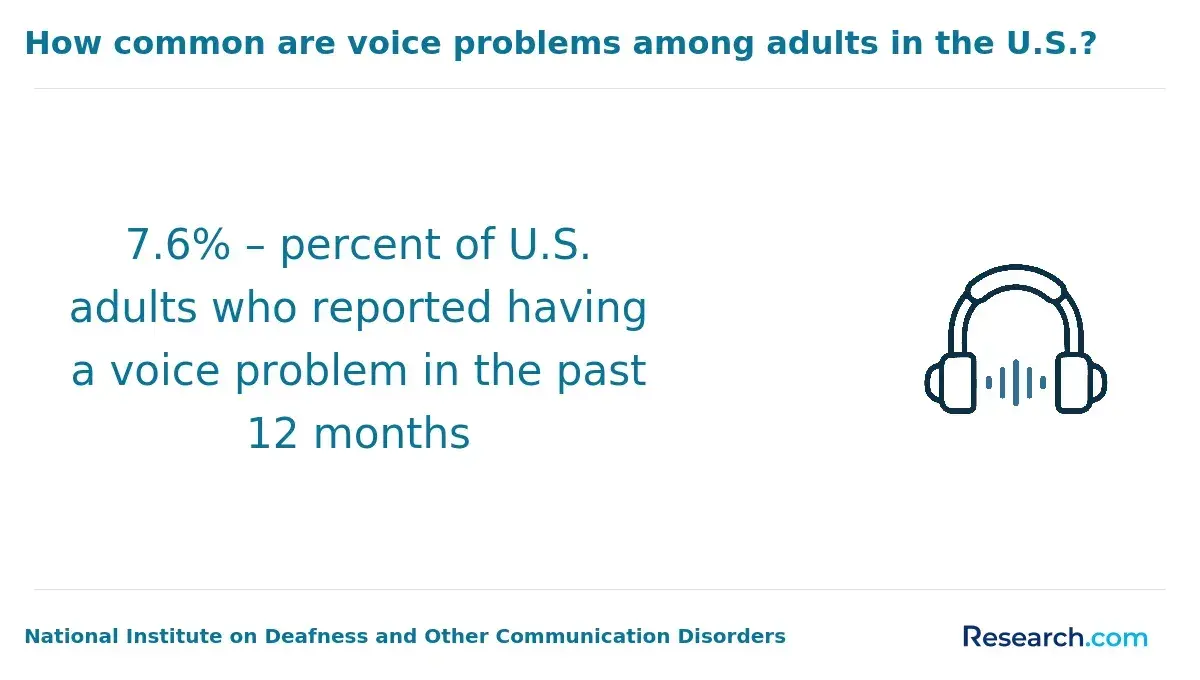
Voice disorders training in online speech pathology master's programs equips students to diagnose, treat, and manage a wide range of vocal impairments. These programs emphasize vocal anatomy, acoustic analysis, voice assessment, and evidence-based interventions tailored for diverse populations including teachers, actors, and those recovering from neurological conditions.
Given that 25% of U.S. teachers report voice problems annually-making them one of the highest-risk occupational groups-training often includes specialized modules on occupational voice care and preventive techniques for professional voice users.
Many online speech pathology master's programs with voice disorders specialization integrate practical learning through virtual simulations, telepractice training, and sometimes local clinical placements to provide hands-on experience. Coursework covers differential diagnosis to distinguish functional, organic, and neurogenic voice disorders and introduces technologies such as laryngeal imaging, voice therapy exercises, and patient counseling methods.
Additional electives may focus on pediatric voice disorders, post-laryngectomy voice restoration, or voice coaching for special populations. Prospective students should prioritize programs offering accredited clinical practicum opportunities. Completion prepares graduates for certification as speech-language pathologists and positions them to work in schools, hospitals, or private practice addressing voice disorders across the lifespan.
For more information about affordable options, explore speech pathology online programs.
Which accredited online master's programs offer voice disorders training?
Several accredited online master's programs with voice disorders specialization provide essential training in voice assessment, diagnosis, and treatment techniques, critical for clinical competence. Programs such as the University of Wisconsin's online M.S. in Speech-Language Pathology include voice disorder modules combined with practicum experiences at local clinics.
Similarly, the University of Cincinnati offers advanced voice pathology instruction and telepractice opportunities, catering to students nationwide.
These top online speech pathology master's degrees for voice disorders training comply with standards set by the Council on Academic Accreditation (CAA) of the American Speech-Language-Hearing Association, ensuring curricula and clinical hours meet certification requirements. Prospective students should confirm if voice disorder training is explicitly incorporated in courses and practicum options to guarantee comprehensive preparation.
Given the estimated $2.5 billion annual economic burden from voice disorders in the U.S., mastery in this specialty is crucial. Effective programs emphasize evidence-based voice therapy methods and provide access to faculty experts and research opportunities. Flexibility in clinical placements and teletherapy training helps address regional differences and remote learning needs.
For those considering career outcomes, exploring the speech pathologist salary with a master's degree can offer valuable insight into potential earnings linked to specialized training in voice disorders.
How does voice disorders training differ in online vs campus speech pathology master's?
Voice disorders training differences in online versus campus speech pathology master's programs mainly involve delivery formats and clinical experience opportunities. Online programs offer greater flexibility through virtual simulations and video demonstrations for voice assessment and therapy, but may provide fewer supervised, hands-on sessions in voice clinics.
Campus options have face-to-face mentorship and specialized labs featuring tools like laryngoscopy and acoustic analysis, allowing in-depth practice under expert supervision.
Clinical placements for online students depend on local facility availability, affecting exposure to diverse voice pathologies. Comparing comparative voice disorders coursework in online and on-campus speech pathology master's degrees highlights the importance of evaluating clinical placement models, especially for voice-specific cases and telepractice training, which aligns with industry trends.
Demand for speech-language pathologists (SLPs) with voice disorder expertise is growing rapidly, with job postings increasing 17% from 2035 to 2025, emphasizing the need for thorough clinical training tailored to voice disorders. Prospective students should consider key factors such as:
- Availability of supervised voice-specific clinical experiences near their location.
- Access to faculty with dedicated expertise for personalized feedback.
- Integration of telepractice methods preparing for remote voice therapy.
While online programs may lack some hands-on lab resources, they utilize innovative virtual tools and diverse clinical partnerships. Those interested in expanding their education might explore 5-year accelerated speech pathology programs for well-structured pathways to advanced skills in voice disorders training.
Voice disorders are a critical focus in speech pathology master's programs, often covered through a core curriculum that includes anatomy and physiology of the vocal mechanism, acoustic and aerodynamic principles, and neurological control of voice. Students learn diagnostic tools such as perceptual voice analysis, laryngeal imaging, and instrumental assessments including videostroboscopy.
Courses emphasize intervention strategies targeting functional, organic, and neurogenic voice disorders. Techniques studied typically feature resonant voice therapy, vocal function exercises, and specialized treatments like Lee Silverman Voice Treatment (LSVT) for Parkinson's disease. Many programs include case studies and clinical practicums, designed to develop treatment plans for diverse groups-from professional voice users to children and the elderly.
Electives in advanced voice disorders training in speech pathology graduate courses cover surgical voice rehabilitation and voice care for performers or teachers. This specialization can enhance career prospects; speech-language pathologists certified in voice disorders reported a median salary of $98,000 in 2025, about 12% higher than generalists, according to the ASHA Member Salary Report 2025.
Prospective students should confirm that their programs meet ASHA certification requirements, including necessary coursework and clinical hours in voice pathology to obtain the Certificate of Clinical Competence (CCC-SLP). Practical experience and evidence-based approaches are essential for confidently managing voice disorders after graduation.
Those exploring flexible options should consider online SLP programs that offer comprehensive voice disorders curriculum in online speech pathology master's programs, providing accessibility without compromising rigor.
Admission to online speech pathology master's programs with a focus on voice disorders generally requires a bachelor's degree in communication sciences and disorders or a closely related field. Many schools expect a minimum GPA of 3.0, and some programs set higher standards to remain competitive.
Applicants often must complete prerequisite courses such as anatomy and physiology of speech and hearing, phonetics, and an introduction to communication disorders to prepare for advanced voice disorder studies.
GRE scores are frequently required, but several institutions have waived this criterion through 2026 as admissions policies evolve. Candidates must submit two or three letters of recommendation from academic or professional mentors, providing insight into their readiness for graduate and clinical work.
A personal statement highlighting interest in voice disorders and career objectives is also common. Some programs may ask for evidence of in-person or volunteer experience in speech pathology to demonstrate commitment to the field.
Conditional admission is sometimes available for applicants without relevant undergraduate coursework, requiring additional prerequisite completion. Specific documentation and prerequisite requirements vary by program.
Clinical practicum placements mandate background checks and health clearances, especially for professionals pursuing licensure. Notably, only 42% of new ASHA-certified SLPs reported advanced voice disorder training, emphasizing the value of selecting programs with rigorous entry standards and comprehensive clinical preparation.
Online speech pathology master's programs focusing on voice disorders typically take 2 to 3 years to complete, depending on full-time or part-time enrollment and university curriculum. Full-time students usually finish within 24 to 30 months, while part-time study may extend to 36 months or longer.
Many programs blend asynchronous coursework with synchronous clinical practicums essential for certification and licensure requirements. Accelerated tracks are available at some schools, allowing qualified students to finish in under two years by increasing course load intensity.
Program flexibility is important for students balancing work or family responsibilities. Specialized voice therapy courses are often integrated into the core curriculum, so additional time is rarely needed for this focus. Clinical hours targeting voice disorders can be scheduled within the standard program length if students actively seek relevant placements.
Ensuring programs meet state licensure and American Speech-Language-Hearing Association (ASHA) certification standards is critical, as these dictate minimum clinical hours and specific coursework that can influence program duration.
Graduates of online speech pathology programs see strong career benefits. The 5-year return on investment (ROI) for tuition is 245%, reflecting high employability, especially in telehealth voice therapy roles, which have expanded career opportunities for specialists.
- Duration: 24-36 months based on study pace
- Delivery: Mix of asynchronous coursework and synchronous clinical practicums
- Certification: Must align with ASHA and state licensure requirements
- Career outlook: Strong ROI and growing telehealth opportunities
Tuition for online voice disorders speech pathology master's programs varies significantly, typically between $20,000 and over $60,000 for the entire degree. Public universities usually offer more affordable rates, especially for in-state students, with tuition ranging from $20,000 to $35,000. Private and specialized programs can exceed $50,000. Additional expenses such as technology fees, clinical practicum costs, and textbooks may add several thousand dollars to the total cost.
Many programs charge tuition per credit hour, generally from $600 to $1,200. For instance, a 36-credit program at $700 per credit totals about $25,200, while a private institution charging $1,000 per credit reaches $36,000. Some programs offering synchronous telepractice training for voice disorders charge extra fees for supervision and virtual clinic access.
Financial aid options like scholarships and employer tuition reimbursement can help reduce costs. Specialized scholarships for students focusing on voice disorders or telehealth are available, reflecting the 32% year-over-year increase in telehealth visits for voice disorders, now accounting for 28% of all SLP remote services, according to the ASHA Telepractice Survey 2025.
Applicants should verify whether tuition includes clinical placements required for certification. Accelerated or hybrid formats often have higher tuition but shorten study time. Comparing credit requirements, hidden fees, and support services helps identify the best value for online voice disorders speech pathology education.
Voice disorders training in speech pathology equips professionals for diverse clinical, educational, and research environments. Clinicians commonly focus on diagnosing and treating conditions such as dysphonia, vocal nodules, and spasmodic dysphonia. These specialists often work in hospitals, outpatient clinics, voice centers, and private practices, supporting clients ranging from professional voice users like singers and teachers to broadcasters.
In academia, speech pathologists with expertise in voice may serve as educators or clinical supervisors, helping train future clinicians by developing curriculum and managing voice disorder electives in graduate programs. This role supports the growth of evidence-based voice therapy practices.
Voice therapy research is another key area, involving collaboration with otolaryngologists, neurologists, and allied health professionals to improve techniques and explore innovative voice assessment technologies. Given that approximately 22% of clinical caseloads include voice issues, choosing a program that requires a voice disorders elective is critical. Yet, only 35% of CAA-accredited online SLP programs mandated this as of the 2025 CAA Accreditation Review Report.
Career opportunities include:
- Voice clinician specializing in diagnosis and rehabilitation
- Voice therapist for performers and professional voice usersAcademic instructor or clinical supervisor with voice expertise
- Researcher in voice pathology or interdisciplinary fields
- Consultant for organizations on vocal health and prevention
- Certification in specialized voice therapy techniques and interdisciplinary collaboration can enhance job prospects and clinical effectiveness for those pursuing voice disorders careers.
Speech pathologists specializing in voice disorders typically earn higher salaries due to their specialized skills. The median annual wage for speech-language pathologists was about $97,870, with those focused on voice disorders often making between $62,900 and $134,160 or more, depending on experience and location. Urban hospitals, private specialty centers, and metropolitan areas with a higher cost of living offer the best compensation.
Advanced technologies, such as AI-assisted voice therapy tools used by nearly half of clinicians treating voice disorders, have improved treatment outcomes by around 15%. This not only benefits patients but also enhances earning potential for speech pathologists proficient with these innovations.
Pursuing certifications like the Certificate of Clinical Competence in Speech-Language Pathology (CCC-SLP) with a voice focus can boost salaries further. Career growth can also come from roles in research, academia, or teletherapy, which often provide competitive pay and benefits beyond clinical practice.
- Median salary: approximately $82,000
- Range for voice specialists: $75,000 to over $95,000
- 47% use AI-assisted therapy tools
- 15% improvement in resonance disorder outcomes with AI
For more detailed career and research insights, visit a website dedicated to the field.
What licensing and certification are needed after voice disorders training?
To practice professionally after completing voice disorders training in an online speech pathology master's program, obtaining proper licensing and certification is critical. In the U.S., state licensure is mandatory and requires a master's degree from an accredited program, supervised clinical hours, and passing the Praxis exam in speech-language pathology administered by the Educational Testing Service (ETS). This licensure authorizes clinicians to diagnose and treat voice disorders legally.
National certification via the American Speech-Language-Hearing Association (ASHA) is highly recommended and often required by employers. The Certificate of Clinical Competence in Speech-Language Pathology (CCC-SLP) demands completing a master's degree, a supervised Clinical Fellowship Year (CFY) totaling at least 1,260 hours, and passing the Praxis exam. Holding the CCC-SLP confirms expertise in managing voice disorders and supports ongoing professional growth.
Maintaining licensure and certification involves earning continuing education units (CEUs). These are essential as voice disorder caseloads for speech pathologists are expected to grow 17% by 2035, driven by aging populations and increased vocal strain from remote work, according to U.S. Bureau of Labor Statistics projections. Prioritizing CEUs focused on voice therapy advancements helps professionals stay updated.
Specialized certifications like the LSVT® LOUD for Parkinson's-related voice therapy can enhance expertise and career prospects. Familiarity with specific state requirements, national certification upkeep, and continuing education are key steps after completing training in voice disorders.
Other Things You Should Know About Speech Pathology
Students must show competence in perceptual voice assessment, laryngeal anatomy, acoustic analysis, and case documentation before externships. Many 2027 online speech pathology master's programs also require simulation labs or on-campus intensives, plus a minimum number of supervised practice hours aligned with ASHA clinical certification standards.
Yes, reputable online speech pathology programs include supervised clinical practicum components that comply with accreditation standards. Students gain hands-on experience through partnerships with local healthcare facilities or remote telepractice settings. This clinical training is essential for developing practical skills required for certification and licensure.
Speech pathologists focusing on voice disorders can pursue various continuing education courses, workshops, and certifications to stay current with advances in the field. Professional organizations often provide specialized training on new therapeutic techniques, technology use, and research updates. Maintaining continuing education credits is typically required to keep licenses active.
- U.S. Bureau of Labor Statistics - Speech-Language Pathologists https://www.bls.gov/ooh/healthcare/speech-language-pathologists.htm
- ASHA EdFind - Accredited Speech-Language Pathology Programs https://find.asha.org/ed/
- Audiology and Speech-Language Pathology Interstate Compact https://aslpcompact.com/compact-map/
- West Virginia University - Speech-Language Pathology, M.S. - Online https://medicine.hsc.wvu.edu/communications-sciences-and-disorders/speech-language-pathology-ms/future-students/curriculum/online-slp-program/
- New England Institute of Technology - Master of Science in Speech Language Pathology https://www.neit.edu/academics/graduate-degrees/speech-language-pathology-ms
- Pennsylvania Western University - Master of Science in Speech-Language Pathology https://online.pennwest.edu/programs/speech-language-pathology-grad/index.php
- Auburn University, Montgomery - Master of Science in Speech-Language Pathology https://www.aum.edu/degree/ms-speech-language-pathology/
- New York University - Online MS, Communicative Sciences and Disorders (Speech@NYU) https://steinhardt.nyu.edu/degree/online-ms-communicative-sciences-and-disorders