2027 Day-to-Day Responsibilities of a Speech-Language Pathologist

Co-Founder and Chief Data Scientist

Reviewed by Rhea Paul, PhD
SLP Education & Research Expert
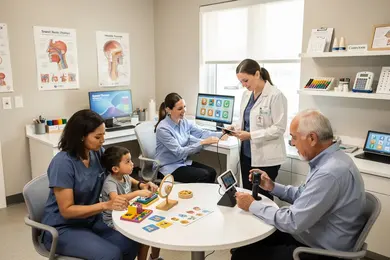
Imagine working with a diverse group of clients daily, each presenting unique challenges in communication, swallowing, or cognitive-communication disorders. Speech-language pathologists navigate complex diagnostic assessments, develop personalized therapy plans, and adjust interventions based on progress. They collaborate with families, educators, and healthcare professionals to ensure holistic support.
Managing documentation and staying current on evidence-based practices adds to their demanding routine. This article examines the core responsibilities that define the day-to-day work of a speech-language pathologist and offers insights to guide prospective professionals in understanding and preparing for a successful career transition into this field.
Key Things You Should Know
- Speech-language pathologists evaluate, diagnose, and treat communication and swallowing disorders across diverse populations, tailoring therapy to individual patient needs.
- In 2024, the U.S. Bureau of Labor Statistics projected 17% job growth for speech-language pathologists through 2035, reflecting increased demand in healthcare and educational settings.
- Daily responsibilities include documenting patient progress, collaborating with healthcare teams, and employing evidence-based interventions to improve speech, language, and cognitive-communication functions.
What does a speech-language pathologist do daily?
Speech-language pathologists engage in a variety of day-to-day speech-language pathologist responsibilities focused on evaluating and treating speech, language, communication, and swallowing disorders across all ages. They conduct standardized assessments to identify the nature and extent of communication challenges. This assessment informs individualized treatment plans targeting goals such as improving articulation, fluency, or comprehension.
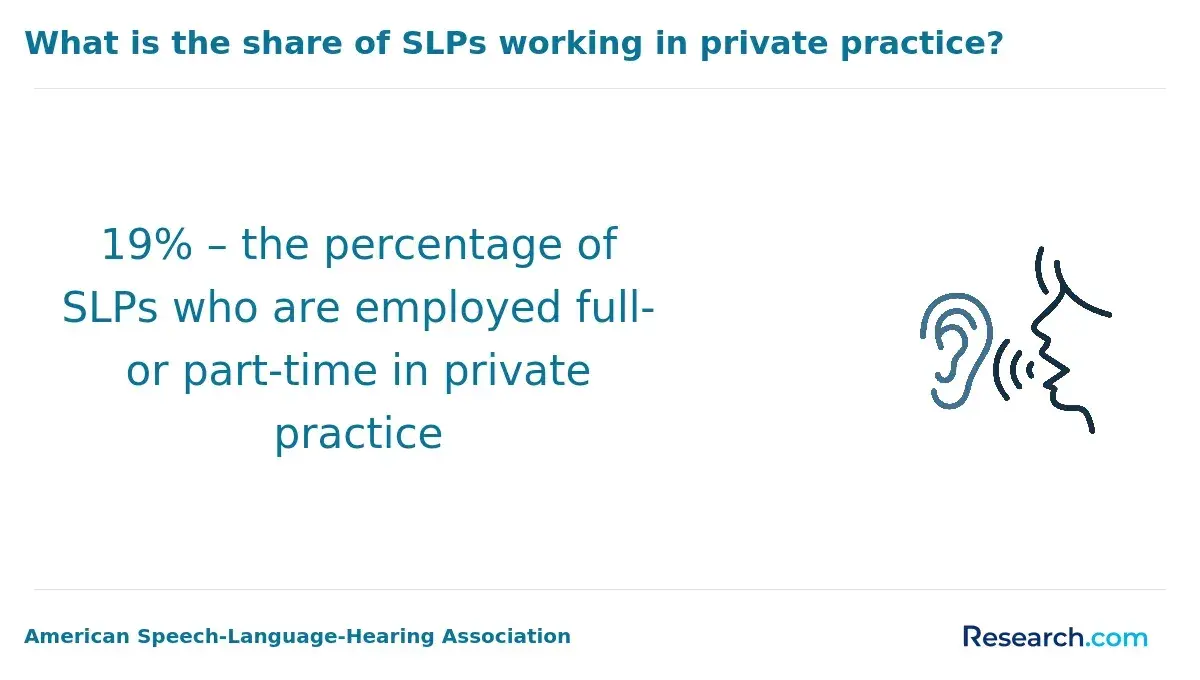
Daily tasks performed by speech-language pathologists often center around therapy sessions. Using evidence-based approaches, they work with clients like children with phonological disorders or adults recovering language skills after a stroke. The setting-whether schools, hospitals, or private clinics-affects how sessions are tailored to each patient's evolving needs.
Collaboration is key in these daily tasks performed by speech-language pathologists, as they routinely coordinate care with educators, occupational therapists, and physicians. They also maintain detailed records, document patient progress, and communicate results with families or caregivers to ensure continuity and accountability.
SLPs also support families by recommending exercises and communication strategies for practice outside of sessions. Administrative responsibilities include scheduling, billing, and regulatory compliance, underscoring the multifaceted nature of this career.
For those interested in advancing their expertise, many explore options such as a speech therapy masters online. The median annual wage for speech-language pathologists was $97,870 in May 2026, reflecting the profession's valued clinical and collaborative contributions.
What education is required to become a speech-language pathologist?
Candidates pursuing speech-language pathology education requirements in the United States must earn a master's degree from a program accredited by the Council on Academic Accreditation in Audiology and Speech-Language Pathology (CAA). This graduate degree typically takes two years of full-time study beyond a bachelor's, which often includes prerequisite coursework in anatomy, physiology, and phonetics.
Bachelor's degrees in related fields such as communication sciences, linguistics, or psychology are common starting points.
To practice clinically, state licensure is required. This process usually involves passing the Praxis Examination in Speech-Language Pathology and completing a supervised clinical fellowship of about nine months. The fellowship provides essential hands-on experience with diverse patient groups under professional supervision. Some students opt for accelerated or combined bachelor's and master's programs, finishing in five to six years to enter the workforce sooner.
Those aiming for university teaching or research roles may pursue doctoral degrees such as PhD, AuD, or SLP-D. Maintaining certification requires ongoing professional development and renewal aligning with state regulations.
The occupation is projected to grow 17% from 2025 to 2035, reflecting high demand in schools, hospitals, and private clinics (Bureau of Labor Statistics, Occupational Outlook Handbook). For those curious about the financial prospects in this field, examining the highest paying speech pathology jobs can offer valuable insights.
Speech-language pathologists benefit from rigorous education and necessary degrees and certifications for speech-language pathologists to remain competitive and effective in this expanding profession.
How do you become licensed as a speech-language pathologist?
Becoming licensed as a speech-language pathologist in the US requires meeting specific education, clinical experience, and examination criteria. State requirements for speech-language pathology licensure vary but generally include earning a master's degree from a program accredited by the Council on Academic Accreditation in Audiology and Speech-Language Pathology (CAA). Some students may accelerate this process by enrolling in an accelerated SLP master's program.
Following graduation, candidates complete a Clinical Fellowship Year (CFY) involving 1,260 hours of supervised practice. This experience is essential for developing practical skills. Next, passing the Praxis Examination in Speech-Language Pathology, a national exam administered by ETS, is required for licensure in most states.
Applicants must submit licensure applications, which often include background checks, documentation of education, clinical hours, and exam results. Some states add requirements such as jurisprudence exams or state-specific continuing education.
The American Speech-Language-Hearing Association's (ASHA) Certificate of Clinical Competence (CCC-SLP) is a valuable credential that, while voluntary, can enhance employment opportunities. Ongoing continuing education helps speech-language pathologists maintain licensure and stay current with clinical advances.
Job demand is strong, with about 28,200 openings annually from 2024 to 2034, underscoring the need for skilled professionals who can adapt treatment plans effectively.
Bachelor's degrees most suited for speech pathology careers typically include communication sciences and disorders (CSD), speech-language pathology, linguistics, and psychology. Programs titled communication sciences and disorders or speech-language pathology offer targeted coursework and essential clinical practicum experience that prepare students for graduate study.
Degrees in psychology or linguistics can also serve as strong foundations, especially when supplemented by electives or minors related to communication disorders.
Key skills include anatomy, physiology, and language sciences, along with coursework in statistics and research methods to ensure readiness for advanced study. Prospective students should carefully verify program accreditation by the Council on Academic Accreditation in Audiology and Speech-Language Pathology (CAA), as this is crucial for licensure and clinical practice.
Challenges students face include gaining adequate clinical exposure and selecting the right courses to meet graduate program requirements. The presence of speech-language pathologists in hospitals and specialty care settings, where they make up 1.95% of industry employment, highlights the need for rigorous preparation. These professionals earn mean annual wages around $105,830 due to the complex nature of their assessments.
For those exploring options, several SLP programs online offer accessible pathways to meet these prerequisites while balancing other commitments. Researching top undergraduate programs in speech pathology can guide students toward high-quality education aligned with career goals.
A master's program in speech pathology offers thorough training combining theoretical knowledge and practical skills. Core studies include anatomy and physiology of speech, language, and hearing mechanisms, enabling students to understand disorders biologically. Key topics cover phonetics, speech and language development, and acoustics for precise communication analysis.
Students gain expertise in diagnosis and assessment techniques, including standardized testing and observational methods, to identify conditions such as aphasia, dysarthria, and stuttering. Clinical methods courses emphasize evidence-based interventions for diverse populations, from pediatric articulation delays to adult neurological impairments.
Specialized coursework includes swallowing disorders (dysphagia), cognitive-communication issues, and augmentative and alternative communication (AAC) technologies. Programs incorporate counseling principles and multicultural competence to address emotional and cultural influences on therapy. Supervised clinical practicum requires extensive direct client hours in environments like schools, hospitals, and nursing care facilities.
Additional training in professional ethics, healthcare policies, and interdisciplinary collaboration prepares graduates for evolving clinical settings. Speech-language pathologists working in nursing care facilities earned a mean annual wage of $108,640, reflecting the intensive one-on-one rehabilitation typical in these roles (Bureau of Labor Statistics, Occupational Employment and Wage Statistics, May 2023).
This education prepares students to effectively manage a wide range of communication and swallowing disorders while meeting U.S. certification requirements for professional practice.
You can earn a speech pathology degree fully online, but expect specific requirements and limitations, especially for clinical certification. Accredited graduate programs increasingly offer hybrid or fully online master's degrees, combining remote coursework with in-person clinical practicum at approved sites. For example, students might complete lectures and exams online while arranging local internships or supervised clinical hours within their communities.
It's essential to choose programs accredited by the Council on Academic Accreditation in Audiology and Speech-Language Pathology (CAA), ensuring eligibility for the Certificate of Clinical Competence (CCC) from the American Speech-Language-Hearing Association (ASHA). Without this accreditation, licensure and employment opportunities may be limited.
Typical online bachelor's programs focus on foundational theory but usually do not qualify graduates for certification or licensure, which require a master's degree plus supervised clinical practice. Formats vary from synchronous live sessions to asynchronous modules; verify how clinical practicum hours align with state licensure rules.
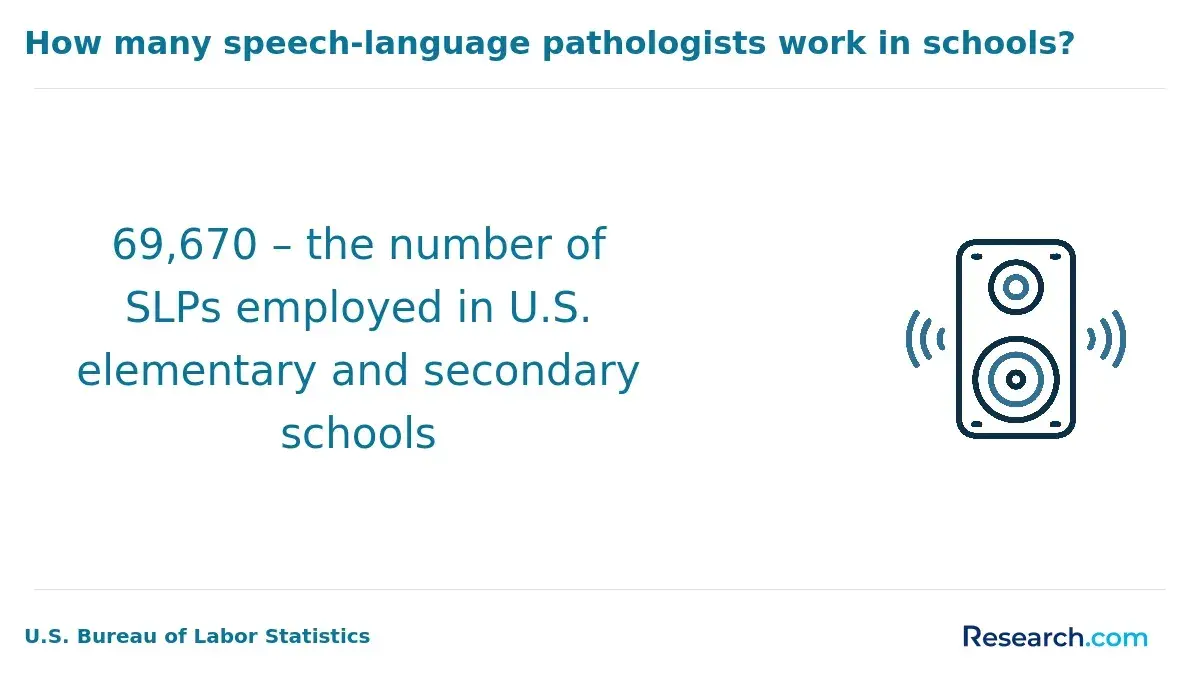
About 67,640 speech-language pathologists work in U.S. elementary and secondary schools, representing 0.79% of industry employment. These roles often involve group sessions where scalable service delivery skills are critical. Salaries in education average $83,720, which is lower than in healthcare settings, highlighting the importance of flexible training pathways to serve workforce needs across diverse environments.
Admission to speech pathology programs typically requires a bachelor's degree in fields like communication sciences, linguistics, psychology, or biology. A minimum GPA of around 3.0 on a 4.0 scale is common, though more competitive programs may demand higher academic standards. Many programs require prerequisite courses in anatomy, physiology, phonetics, and statistics.
Applicants often need to submit GRE scores, with minimum thresholds varying by school, although some programs waive this for those with advanced degrees or relevant work experience. Clinical observation hours, usually between 25 and 100, are a common prerequisite to demonstrate familiarity and commitment, ideally gained under licensed speech-language pathologists in diverse settings such as schools and hospitals.
Strong letters of recommendation from academic instructors and practicing clinicians are essential, along with personal statements that highlight motivation and communication skills. Interviews further assess interpersonal aptitude and professionalism.
The financial outlook for speech-language pathologists is promising; the 90th percentile wage was $129,930, often linked to specialized family training roles in private practices and outpatient clinics (Bureau of Labor Statistics, Occupational Employment and Wage Statistics, May 2023).
Speech pathology training in the U.S. requires a significant educational commitment, typically totaling six to seven years after high school. The pathway usually begins with a four-year bachelor's degree in fields such as communication sciences, linguistics, or psychology. This is followed by a mandatory master's degree in speech pathology, which generally takes two years but can extend to three depending on clinical practicum and part-time study arrangements.
The master's program blends advanced coursework with at least 400 hours of supervised clinical experience. After completing the degree, candidates must pass the national examination administered by the American Speech-Language-Hearing Association (ASHA) and finish a Clinical Fellowship Year (CFY), a 36-week full-time paid supervised work period. Altogether, these steps prepare professionals for independent practice.
For those pursuing doctorate studies, an additional 3 to 5 years are spent on research, advanced clinical training, and specialization. Continuing education is essential for practicing professionals seeking certifications or specialized roles.
According to Bureau of Labor Statistics data from May 2023, approximately 42,750 speech-language pathologists work in offices of other health practitioners, making up 3.75% of the industry. Their mean annual wage is $96,540, highlighting the profession's vital role in healthcare teams.
The average salary for a speech-language pathologist depends on experience, location, and work setting. According to the Bureau of Labor Statistics, Occupational Employment and Wage Statistics, professionals at the 75th wage percentile earn approximately $107,710 annually. This reflects the demands of clinical evaluations, therapy, and essential documentation in healthcare and educational settings.
Entry-level salaries commonly range from $60,000 to $75,000, varying with employer type and geography. Higher wages are often found in hospitals and specialty clinics compared to public schools or outpatient facilities. Advanced certifications and specialties, such as pediatric or neurogenic speech disorders, typically result in salaries near or above the 75th percentile.
Documentation plays a significant role in salary considerations, as many speech pathologists spend multiple hours weekly on progress reports, billing, and compliance paperwork. Employers compensate for this administrative workload with competitive pay.
Factors influencing salary include:
- Urban areas tend to offer higher wages than rural ones
- Experience generally increases earning potential
- Private practice and contractor roles may have different salary structures
Those pursuing a career in speech pathology should consider these variables to align their professional goals with realistic salary expectations and preferred work environments.
What is the job outlook for speech-language pathologists?
The demand for speech-language pathologists remains robust, with about 13,300 annual openings expected through 2034. These openings primarily arise from retirements and internal transfers, maintaining steady opportunities in diverse settings such as schools, hospitals, rehabilitation centers, and private practices.
Employment prospects are particularly strong in regions with aging populations or underserved communities. Increased incidents of strokes and neurodegenerative conditions boost the need for adult rehabilitation specialists, while school-based clinicians continue to support children with speech and language delays through early intervention programs.
Job seekers should stay current with emerging research and clinical advancements to enhance competitiveness. Specializations like pediatric feeding disorders, traumatic brain injury, and augmentative communication broaden career pathways and improve job security. Additionally, employers increasingly prefer candidates with certifications or telepractice experience, adapting to evolving service delivery models.
Key factors for success include geographic flexibility, teamwork, and commitment to lifelong learning. These help navigate challenges such as urban market saturation or variable funding in education and healthcare sectors.
According to the Bureau of Labor Statistics, Occupational Outlook Handbook, continuous recruitment and professional development are vital due to ongoing workforce turnover. Pursuing evidence-based skills and adaptability offers significant advantages for those entering the speech pathology profession.
Other Things You Should Know About Speech Pathology
Speech-language pathologists document each session in an electronic health record or school system note the same day, recording goals addressed, cues used, client response, progress data, and next steps. In healthcare settings, notes must support billing codes and comply with HIPAA or FERPA privacy rules.
In 2027, speech-language pathologists frequently use advanced speech recognition software, teletherapy platforms, and augmented reality aids to enhance therapy sessions. These tools help improve assessment accuracy and treatment efficacy, adapting to diverse patient needs across various settings.
In 2027, speech-language pathologists work in diverse settings, including schools, hospitals, rehabilitation centers, and private practices. This variety allows them to address communication and swallowing disorders in children and adults across different environments, tailoring their approach to specific patient needs and institutional resources.
- U.S. Bureau of Labor Statistics - Speech-Language Pathologists https://www.bls.gov/ooh/healthcare/speech-language-pathologists.htm
- ASHA EdFind - Accredited Speech-Language Pathology Programs https://find.asha.org/ed/
- O*NET OnLine - Speech-Language Pathologists https://www.onetonline.org/link/summary/29-1127.00
- West Virginia University - Speech-Language Pathology, M.S. - Online https://medicine.hsc.wvu.edu/communications-sciences-and-disorders/speech-language-pathology-ms/future-students/curriculum/online-slp-program/
- Pepperdine University - Master of Science in Speech-Language Pathology https://healthscience.pepperdine.edu/online-masters-in-speech-language-pathology/
- Delaware Valley University - Master of Science in Speech-Language Pathology (M.S.) https://delval.edu/programs/graduate-programs/speech-language-pathology
- Idaho State University - Master of Science in Speech-Language Pathology (Online/Distance Education) https://www.isu.edu/slp/programs-offered/slp-graduate-program/
- California State University-San Marcos - Online MS in Speech-Language Pathology https://www.csusm.edu/slp/programs/mastersonline/index.html