2027 What to Expect From Your First Clinical Placement in SLP Graduate School

Co-Founder and Chief Data Scientist

Reviewed by Rhea Paul, PhD
SLP Education & Research Expert
Starting a clinical placement in SLP graduate school often brings anxiety about applying theoretical knowledge in real settings. Many students worry about managing unfamiliar patient cases, communicating with supervisors, and meeting documentation standards. These challenges can hinder confidence and learning if not addressed early.
This article outlines common hurdles faced during initial placements and offers practical strategies to navigate clinical environments effectively. It aims to prepare students for their first hands-on experience, ensuring they approach clinical work with clarity, professionalism, and readiness for growth in their SLP careers.
Key Things You Should Know
- First clinical placements in Speech Pathology graduate programs typically require 25-40 supervised hours, offering hands-on experience in diverse communication disorders per ASHA's 2024 guidelines.
- Students must develop essential clinical skills including patient assessment, intervention planning, and interprofessional collaboration, crucial for achieving certification readiness by 2026 standards.
- Approximately 80% of programs integrate telepractice exposure during placements, reflecting the growing importance of remote service delivery in modern Speech Pathology practice.
What Is a First Clinical Placement in SLP Graduate School?
A first clinical placement experience in speech pathology graduate school offers supervised, hands-on training where students translate theory into practice. Early in the program, students build essential skills like assessment, treatment planning, and client communication while working under licensed Speech-Language Pathologists.
Clinical settings range widely from schools and hospitals to outpatient clinics and rehabilitation centers, exposing students to diverse patient groups including children and adults with various communication disorders.
Clinical training expectations for speech pathology students include managing time efficiently, conducting comprehensive evaluations, and collaborating with interdisciplinary teams.
Students also encounter administrative responsibilities such as documentation and adherence to ethical guidelines. These challenges foster critical clinical reasoning and adaptability.
According to ASHA's 2025 SLP Health Care Survey Report, growing service demands highlight the importance of early clinical placements in preparing students for increasing caseloads and complex client needs.
Key takeaways for students beginning their first placement include:
- Expect direct supervision and feedback to build confidence and competence.
- Prepare for a steep learning curve with both clinical and administrative tasks.
- Engage actively with diverse client populations to broaden clinical perspective.
- Develop organizational skills to manage workload efficiently.
Prospective students may find it beneficial to explore an online SLP program to gain flexible access to quality education alongside their clinical training.
What Are the Requirements for SLP Clinical Placements?
SLP clinical placement eligibility criteria typically include prerequisites such as foundational coursework in speech and hearing science, anatomy, and language development.
Accredited programs require a minimum of 400 clinical clock hours, divided between observation and direct client contact, in line with American Speech-Language-Hearing Association (ASHA) standards.
These requirements for speech pathology clinical experiences ensure students gain exposure to diverse settings like schools, hospitals, and private clinics, adapting to various client needs and disorders.
Clinical supervision is crucial; placements start under close guidance from ASHA-certified clinical educators, gradually increasing student independence.
Additional mandates often involve background checks, health clearances, and liability insurance to meet institutional policies and protect clients. Students must also maintain detailed clinical logs and evaluations demonstrating their competence throughout training.
Mental and emotional preparedness is essential due to rising caseloads and complexity. A recent ASHA survey found nearly 70% of speech-language pathologists experienced increased pediatric referrals, intensifying training demands. Resilience and skills in managing client diversity and ethical challenges are vital during placements.
Prospective students should consult their program's clinical handbook and engage early with supervisors to meet accreditation benchmarks effectively. For those curious about where do SLPs make the most money, understanding these clinical requirements is a foundational step toward a rewarding career.
How Do You Prepare for Your First SLP Clinical Placement?
Preparing for your first clinical placement in speech pathology graduate school involves practical steps to ensure both professional readiness and comfort.
Begin by reviewing your program's placement expectations and familiarizing yourself with common assessment tools and treatment techniques relevant to your clinical setting. Understanding client populations-whether pediatric, adult, or school-based-is crucial for effective preparation.
Since 56% of certified SLPs work in educational settings and manage caseloads of 40-60 students with communication disorders (Beaming Health, 2025), expect a fast-paced workload. Prepare by packing therapy materials, client documentation supplies, and personal protective equipment as needed.
Wearing comfortable, professional attire suitable for schools or healthcare sites is essential; consider durable shoes and layered clothing to adjust to temperature changes.
Essential tips for success in your initial speech pathology clinical placement include organizing documentation and confirming access to learning management systems ahead of time.
Complete all necessary clearances like background checks and health immunizations. Enhance your readiness by shadowing experienced clinicians or participating in simulation labs provided by your program.
Develop effective communication strategies to engage supervisors and clients. Anticipate challenges such as managing multiple cases or adjusting intervention plans quickly. Build confidence by practicing case notes and scripting therapy goals explanations for families and interdisciplinary teams.
Keep a reflective journal from day one to track your clinical experiences and learning objectives, fostering continuous growth. For prospective students interested in accelerated paths, explore 5-year accelerated speech pathology programs that may streamline your education journey.
A typical speech pathology clinical placement schedule in graduate school involves 12 to 16 hours per week of direct client contact. This time is supplemented by observation, documentation, and supervision duties.
Students often divide their week between observation, hands-on therapy, and administrative tasks, reflecting the diverse nature of clinical work. A common routine includes three to four half-day sessions in schools or healthcare settings, providing experience with varied client populations and communication disorders.
Weekly clinical hours and activities in speech pathology placements typically include therapy sessions lasting 30 to 45 minutes, especially in school environments.
Caseloads are managed to imitate real work conditions, which is important given that 48% of school districts report difficulty filling speech pathology positions, particularly in rural and underserved areas. This growing demand adds complexity to time management during placements.
Clinical supervision is essential, with students spending about 1 to 2 hours weekly in meetings with licensed supervisors to review cases and treatment plans.
Non-direct hours often involve administrative responsibilities such as writing progress reports, attending meetings, and maintaining records. Flexibility is crucial since hospital clinics may demand more intensive schedules, while outpatient or community programs offer varied hours.
Students preparing for clinical placements should expect to balance these responsibilities with classwork and professional development. Those seeking guidance on program choices may benefit from exploring options for a speech pathologist degree.
Your first clinical placement in speech pathology graduate school emphasizes developing essential practical skills for professional success. You will learn to administer and interpret standardized tests for speech, language, and cognitive-communication disorders, as well as create individualized treatment plans using evidence-based interventions tailored to diverse client needs.
Hands-on client interaction is a major focus, involving both pediatric and adult populations. Since 85% of school-based speech pathologists work with children who have language disorders, close supervisor guidance is vital. Building strong communication with supervisors ensures timely feedback on clinical decisions and ethical practice.
Additional competencies include collaborating with multidisciplinary teams such as educators, psychologists, and occupational therapists. Professional documentation, including detailed progress notes and reports, must meet legal and institutional standards.
Time management and caseload organization are essential as you balance multiple clients and administrative tasks. You will also develop culturally responsive practices to adapt interventions to clients' backgrounds and communication needs.
Challenges such as managing client resistance, adjusting interventions in real time, and maintaining professional boundaries will arise. Expert supervision prepares you to handle these effectively, setting the stage for confident, independent clinical work.
SLP students develop clinical skills through direct observation, feedback, and growing independence under supervision. Supervisors typically watch initial client sessions live or via recordings to evaluate assessment, diagnostics, and intervention techniques. This immediate feedback allows students to refine their skills while ensuring client safety and protocol adherence.
Supervision methods differ by setting. In schools, weekly or biweekly meetings focus on case progress, goal setting, and data tracking. In hospital or rehab environments, daily check-ins monitor caseloads and professional conduct more closely. Documentation logs and reflective journals are often reviewed by supervisors to promote self-assessment and growth.
Challenges commonly arise with complex speech sound disorders. Data from Beaming Health shows that 75% of school-based SLPs treat articulation and phonological disorders, a key focus in early clinical placements. Students receive guidance on customized therapy strategies to manage these effectively.
To improve supervision outcomes, students should:
- Communicate openly about challenges or uncertainties.
- Request specific feedback on clinical skills and professionalism.
- Apply supervisor recommendations to enhance treatment plans.
- Demonstrate clinical reasoning and maintain accurate documentation.
This structured approach encourages evidence-based practice and client-centered care essential to professional speech pathology.
First clinical placements in speech pathology graduate programs challenge students to move beyond observation to hands-on client interaction.
This transition demands applying skills confidently under supervision, critical for meeting the growing job market-projected to increase 17% from 2025 to 2035. Students often face difficulties balancing clinical hours with coursework and personal life, navigating strict deadlines for documentation and therapy planning.
Effective communication during placements involves working with clients across diverse ages, cultural backgrounds, and disorders. Developing cultural competence and adapting approaches are vital, though early clinical experiences may not fully prepare students for this complexity.
Emotional strain is another significant factor, as students confront client disabilities and challenging family situations, risking stress or burnout if unaddressed.
Key challenges include:
- Maintaining clinical confidence while receiving critical feedback.
- Adapting therapy plans in real-time based on client responses.
- Understanding legal and ethical standards for documentation and treatmentBuilding rapport quickly under time constraints.
Students can improve their readiness by seeking mentorship, participating in role-play exercises, and thoroughly learning clinical protocols. These strategies support a smoother transition into autonomous practice, meeting the standards necessary for a successful career in speech pathology.
Clinical placements provide vital hands-on experience that prepares aspiring speech pathologists for professional practice. During these placements, students hone clinical reasoning, patient interaction, and apply theoretical knowledge in real-world settings. Exposure to a range of client populations and communication disorders enhances adaptability for complex cases.
Documentation skills and ethical conduct are essential components of placements that directly impact career readiness. Maintaining detailed case notes and progress reports under privacy regulations mirrors professional expectations.
Data from DePaul University's SLP MS program shows a 94.6% Praxis exam pass rate, highlighting the strong link between effective clinical documentation and certification success.
Challenges such as unfamiliar clinical environments, balancing placement with academic demands, and ethical dilemmas require proactive strategies.
Time management, seeking supervisor feedback, and clarifying the scope of practice help students navigate these complexities. Reflective practice further supports continuous improvement.
To maximize placement benefits:
- Clarify learning goals early with site supervisors.
- Gain diverse experience by working with various client groups.
- Master documentation skills promptly to ease compliance pressures.
- Discuss ethical issues openly to build decision-making confidence.
These approaches contribute to a solid foundation for a successful speech pathology career and licensure. For detailed program outcomes and certification guidance, consult trusted academic resources.
Several accredited speech pathology programs excel in clinical training by combining immersive, hands-on experiences with comprehensive supervision. Notably, the University of Iowa and the University of Texas at Austin maintain extensive partnerships with diverse clinical sites such as hospitals, schools, and specialized centers.
These connections expose students to varied caseloads, including a significant focus on autism spectrum disorders, which account for approximately 35% of school-based speech-language pathology caseloads. This highlights the importance of targeted feedback during placements to develop specialized skills.
Programs that excel typically offer:
- Structured mentorship with certified clinical educators providing consistent, specific feedback on practical and professional growth.
- Opportunities to collaborate with multidisciplinary teams, improving understanding of complex communication disorders.
- Access to diverse client populations, including pediatric, adult, and culturally varied individuals, enhancing clinical versatility.
Prospective students should seek programs accredited by the Council on Academic Accreditation in Audiology and Speech-Language Pathology (CAA) that emphasize graduated responsibility during clinical placements.
For example, the University of Wisconsin-Madison allows students to progress from observation to independent caseload management with supervision. Ongoing feedback and evidence-based instruction help students confidently manage challenging cases and interpret clinical assessments.
Prioritizing programs with strong clinical networks, structured evaluation, and diverse client exposure helps develop the skills needed for workplace success in speech pathology.
What Are ASHA Certification Requirements After Placements?
Certification by ASHA requires completing a minimum of 400 supervised clinical practicum hours in speech pathology graduate programs, including at least 25 clock hours of direct client interaction.
These placements must cover diverse age groups and disorders to ensure comprehensive clinical competence. Verification is typically done through electronic or paper-based logs, which are submitted during the certification process.
Candidates must also pass the Praxis Examination in Speech-Language Pathology, assessing essential clinical and foundational knowledge. After graduation, a Clinical Fellowship Year (CFY) is mandatory, providing full-time supervised experience that bridges academic training with independent practice.
Meeting ASHA's Coursework and Clinical Certification Standards is crucial. Supervisors must be ASHA-certified clinicians who can offer formal evaluations. Keeping detailed logs and seeking supervisor feedback helps avoid delays. Promptly applying for certification aligns with timely career progression.
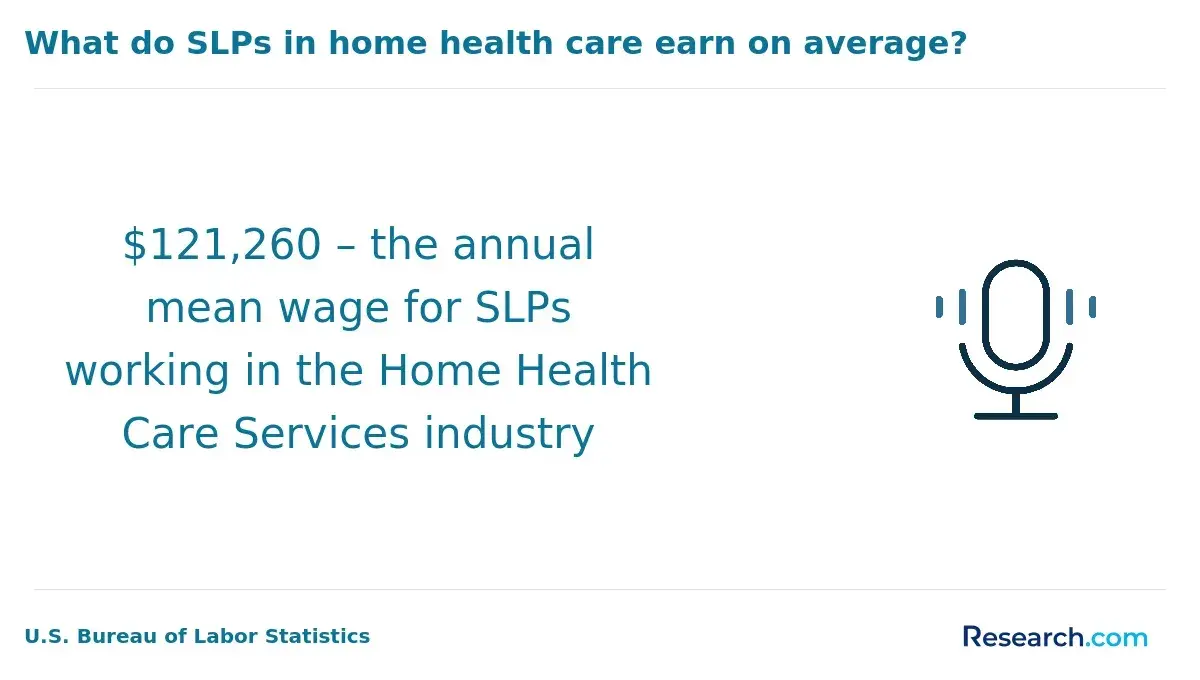
Early clinical experiences significantly impact career opportunities. According to data from BLS and US News Careers, median annual salaries for speech-language pathologists reach $95,410, with the top quartile earning over $112,000. Effective and well-documented clinical placements thus influence employability and earning potential.
Other Things You Should Know About Speech Pathology
Students usually work with a broad range of communication disorders, including articulation and phonological disorders, language delays, stuttering, and voice disorders. They may also encounter clients with neurogenic speech and language impairments, such as aphasia or dysarthria, resulting from stroke or brain injury. Exposure to diverse cases helps students build practical skills across various patient needs.
Before a first SLP clinical placement, students usually must pass a criminal background check, complete a drug screen, and submit immunization records. Programs commonly require current TB screening, MMR, varicella, hepatitis B, Tdap, and annual flu vaccination before the placement begins.
Students must accurately document assessments, treatment plans, and progress notes following professional and facility guidelines. Proper clinical documentation is essential for tracking client progress, ensuring continuity of care, and meeting legal and ethical standards. Developing strong writing skills early in clinical training is vital for future practice.
- U.S. Bureau of Labor Statistics - Speech-Language Pathologists https://www.bls.gov/ooh/healthcare/speech-language-pathologists.htm
- ASHA EdFind - Accredited Speech-Language Pathology Programs https://find.asha.org/ed/
- Audiology and Speech-Language Pathology Interstate Compact https://aslpcompact.com/compact-map/
- University of Scranton - Master of Science (M.S.) in Speech-Language Pathology https://www.scranton.edu/academics/pcps/health-and-human-performance/programs/speech-language-pathology/index.shtml
- Maryville University - Master of Science in Speech-Language Pathology https://www.maryville.edu/masters/speech-language-pathology/
- Pennsylvania Western University - Master of Science in Speech-Language Pathology https://online.pennwest.edu/programs/speech-language-pathology-grad/index.php
- Baylor University - Master of Science in Speech-Language Pathology (Online) https://csd.robbins.baylor.edu/graduate/online-csd-graduate-program
- New York University - Online MS, Communicative Sciences and Disorders (Speech@NYU) https://steinhardt.nyu.edu/degree/online-ms-communicative-sciences-and-disorders