2027 Language Development Courses in Online SLP Programs Explained

Co-Founder and Chief Data Scientist

Reviewed by Rhea Paul, PhD
SLP Education & Research Expert
Many aspiring professionals struggle to find flexible and accredited programs that effectively teach language development within online SLP curricula. Balancing work, life, and education amplifies the challenge of mastering complex language acquisition theories and practical techniques remotely.
This situation often leads to uncertainty about program quality and accreditation standards crucial for career success. Understanding how current online SLP courses integrate comprehensive language development content can guide informed decisions.
This article examines how language development is structured in modern online SLP programs and highlights key factors to help prospective students select programs that meet both academic rigor and professional requirements.
Key Things You Should Know
- Online SLP programs in 2026 increasingly focus on language development courses incorporating telepractice, reflecting a 20% rise since 2024 to meet evolving healthcare delivery models.
- Most programs now integrate evidence-based approaches and updated ASHA standards, ensuring graduates are well-prepared for diverse language disorders in pediatric and adult populations.
- Over 65% of online SLP students in 2025 reported improved practical skills via simulation technology, highlighting advancements in virtual clinical training options.
What Are Language Development Courses in Online SLP Programs?
Language development courses in online SLP programs typically cover key concepts and practical skills essential for understanding child communication growth and language acquisition patterns. Students gain comprehensive knowledge of typical and atypical language progression, addressing phonology, morphology, syntax, semantics, and pragmatics through evidence-based approaches.
Curriculum for online speech pathology language development courses usually emphasizes developmental milestones in infants and children, alongside challenges in adults caused by neurological disorders. Practical training often involves case studies, clinical observations, and using diagnostic tools to identify delays in receptive and expressive language skills.
Due to a 25% increase in pediatric service demands linked to autism diagnosis, demand for language disorder specialists continues to rise, highlighting the importance of these courses. Students engage with diverse populations and multimodal communication methods like augmentative and alternative communication (AAC) devices throughout their training.
Variations across programs can include specialized courses in bilingual language acquisition and culturally responsive assessment to better serve diverse clients. Completing these courses equips future clinicians to conduct thorough language evaluations, tailor treatment plans, and collaborate with educators and families to foster communication growth.
Those interested in further advancing their qualifications may explore options such as the online masters in speech language pathology, which integrates these essential language acquisition and developmental milestones in speech pathology into advanced study.
Why Are Language Development Courses Essential for SLP Students?
Language development courses in online speech pathology programs are vital for students to diagnose and treat communication disorders with precision.
These courses cover key areas such as phonology, syntax, semantics, and pragmatics, equipping students to distinguish between language delays, disorders, and dialectal variations. This knowledge allows for targeted interventions that address specific client needs rather than generic approaches.
Early intervention is a crucial focus, with studies showing a 78% improvement in literacy outcomes for at-risk children when SLPs apply these principles promptly. This highlights the importance of language acquisition classes for speech pathology students to foster better educational and social results.
Students also gain practical skills to work effectively with diverse populations including bilingual children and individuals with neurodevelopmental disorders. Training emphasizes culturally and linguistically sensitive assessment tools and intervention strategies.
Additionally, proficiency in language development theory helps future clinicians collaborate with educators, psychologists, and families for holistic care plans, enhancing therapy outcomes.
The career outlook for those trained in this field is favorable; understanding language development supports advanced qualifications and better job prospects. For those curious about financial benefits, exploring the speech and language therapist salary data can provide valuable insight into potential earnings.
How Do Online SLP Programs Structure Language Development Curriculum?
Online SLP programs in 2026 design language development courses with a layered, competency-based curriculum that balances theory and practice.
Foundational modules cover phonetics, morphology, syntax, and semantics, providing a base for advanced topics such as language acquisition, disorder diagnosis, and intervention strategies. This curriculum structure for language development in online SLP education ensures a comprehensive understanding of key linguistic concepts.
Interactive, case-based learning is a central feature, including simulated assessments and virtual client scenarios. Students practice applying diagnostic tools and tailoring treatment plans for populations ranging from children with developmental language delays to adults with aphasia.
Phonological awareness training remains a critical part, with programs reporting graduates achieving a 92% success rate in improving client articulation, as noted in the 2024-2025 ASHA praxis exam analysis.
Specializations or electives often focus on bilingual language development, augmentative communication, or literacy disorders. Timely faculty feedback and supervised clinical practicum hours are mandatory to enhance students' diagnostic and therapeutic skills before certification.
Balancing online coursework with field placements is supported through partnerships with local clinics or schools. Many programs use asynchronous modules combined with live seminars for flexibility without reducing instructional quality.
For those comparing options, 5 year speech pathology programs offer accelerated paths suited for motivated students seeking faster entry into the field.
Admission prerequisites for online speech pathology programs in the United States typically include a bachelor's degree in communication sciences, health sciences, or a related field.
Applicants must often maintain a minimum GPA of around 3.0 and complete prerequisite courses in anatomy, linguistics, psychology, and phonetics. Many programs also require Graduate Record Examination (GRE) scores, although some waive this based on academic or professional experience.
Essential application materials include a personal statement or letter of intent outlining career goals, alongside letters of recommendation that demonstrate readiness for graduate-level work and clinical duties.
Practical experience is highly valued. Documented volunteer or work hours in speech therapy settings, especially with diverse populations, help demonstrate familiarity with real-world challenges. Candidates with backgrounds in bilingual or multicultural environments may have an edge, reflecting the field's growing focus on cultural competence.
Technical readiness is another significant factor, as online delivery demands computer literacy, stable internet access, and competence with teletherapy tools.
Studies reveal that SLP practitioners using digital vocabulary tools in teletherapy achieve 35% faster vocabulary growth in bilingual children versus traditional methods. This highlights how programs assess technology skills as part of required qualifications for enrolling in online SLP graduate courses in the USA.
Finally, interviews or auditions often evaluate communication skills and professionalism, critical for clinical success. For those seeking flexible options, a review of the easiest SLP grad schools to get into can help identify accessible programs matching your qualifications.
Accreditation plays a critical role when selecting an online SLP program. The Council on Academic Accreditation in Audiology and Speech-Language Pathology (CAA) is the only nationally recognized accreditor for speech pathology programs.
Graduating from a CAA-accredited program is required to be eligible for the Praxis exam and certification by the American Speech-Language-Hearing Association (ASHA). Without this accreditation, graduates may face obstacles in obtaining licensure and practicing professionally across most states.
In addition to CAA accreditation, regional accreditation of the university is essential. It ensures that the institution meets comprehensive educational quality standards, affecting federal financial aid eligibility and the transferability of credits. Universities with regional accreditation often provide more widely recognized programs than those accredited solely at the program level.
Prospective students should verify that the curriculum includes competencies in syntax and grammar. The demand for grammar-focused speech pathologists in schools increased by 22% from 2024 to 2025, driven by post-pandemic learning loss and the need for specialized language development training.
State licensure requirements also vary; some states demand additional program approvals or specific clinical hours beyond ASHA prerequisites. Researching your target state's licensure rules ensures the program meets all needed criteria.
Online speech pathology programs generally take two to three years to complete for a master's degree, the minimum credential required for clinical certification and licensure in the U.S.
Accelerated tracks may shorten this to about 18 months, while part-time options can stretch to three or more years, accommodating working students. Doctoral programs, for advanced clinical roles or research, typically add an extra three to five years beyond the master's.
Completion times depend on factors such as program format, enrollment status, and clinical practicum needs. Some programs include intensive summer sessions or condensed courses to reduce duration, while others offer asynchronous classes that provide flexibility but may extend the overall timeline.
Clinical practicums are essential and usually require at least 400 hours, involving scheduled placements in healthcare or educational settings. This requirement can significantly affect total completion time, so students should clarify practicum logistics and availability.
In 2025, a survey by the American Speech-Language-Hearing Association (ASHA) revealed that 68% of speech pathologists saw pragmatics and social language skills training as a top unmet need in online programs. This gap highlights the importance of choosing programs that cover these and other emerging clinical priorities thoroughly.
Prospective students should evaluate program content as carefully as duration, ensuring comprehensive training in pragmatics and social communication to support clinical readiness and professional success.
Cost for online speech pathology programs varies widely depending on whether the institution is public or private, program length, and residency status. Public universities typically charge between $15,000 and $40,000 for a full master's program, while private institutions often exceed $50,000.
For example, a two-year master's degree may cost around $30,000 at a public school but $60,000 or more at a private college. Some programs use a per-credit hour tuition model, ranging from $600 to $1,200 per credit, which affects total cost depending on course load.
Additional expenses can include clinical practicum fees, technology costs, textbooks, and licensing exam preparation, potentially adding $2,000 to $5,000. Financial aid options, employer reimbursement, and scholarships aimed at bilingual or multilingual speech pathology students may help reduce expenses.
The Medscape SLP compensation report highlighted that bilingual speech pathologists earned an average salary of $98,500 in 2025, about 15% higher than monolingual peers, reflecting greater earning potential.
Verify program accreditation by the Council on Academic Accreditation in Audiology and Speech-Language Pathology (CAA) to ensure eligibility for certification and licensure, which are essential for career advancement.
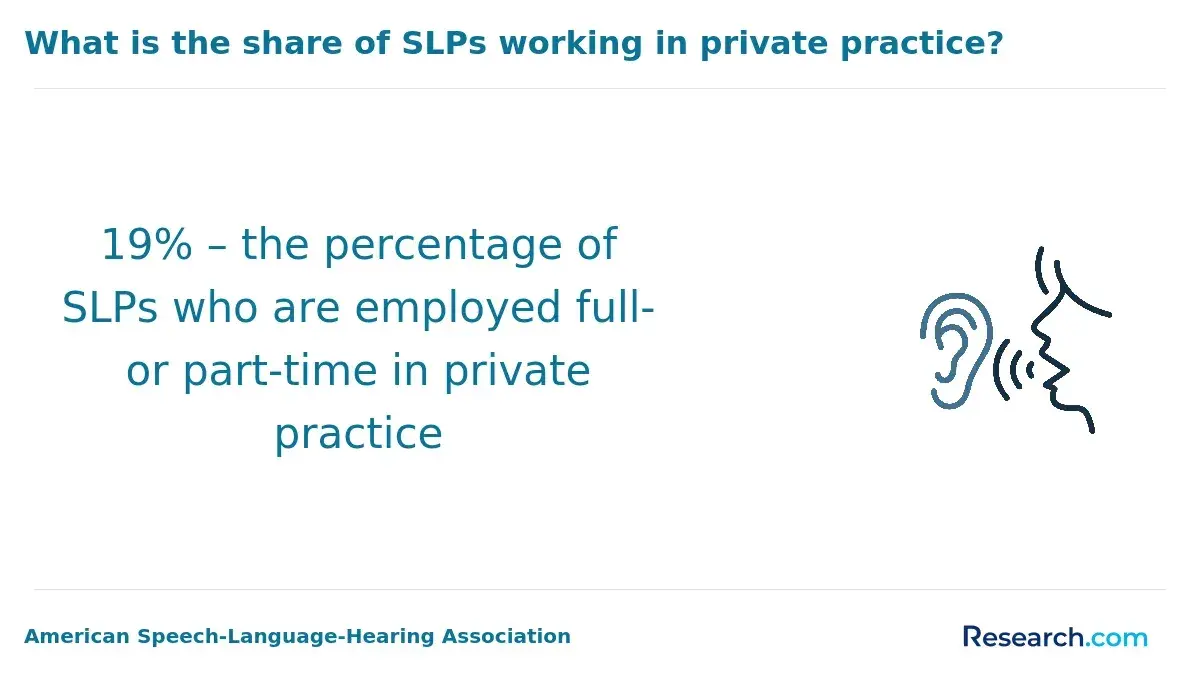
Graduates with an online speech pathology degree have diverse career opportunities across healthcare, education, and research. Many work as clinical speech-language pathologists providing diagnostic and therapeutic services in hospitals, outpatient clinics, or private practices.
Telehealth adoption by 85% of speech-language pathologists by 2025 has reduced diagnostic wait times by 40%, demonstrating the growing impact of remote services.
Other roles include school-based SLPs who support children with language challenges and collaborate with educators on individualized education plans (IEPs). Early intervention specialists focus on infants and toddlers with speech delays, while others may specialize in swallowing disorders, cognitive-communication impairments, or voice therapy.
Advanced careers involve research to develop new assessment tools, academic positions training future clinicians, and administrative roles shaping healthcare policies. Community advocacy through public health programs and non-profits is another path, especially for bilingual or multilingual speech pathologists serving diverse populations.
Certification and licensure, such as the CCC-SLP credential from ASHA, are crucial for clinical practice. Staying updated on telepractice and emerging technologies enhances flexibility and career longevity in this evolving field.
Employment for speech-language pathologists (SLPs) is projected to grow 17% from 2025 to 2035 according to the U.S. Bureau of Labor Statistics, outpacing the average for all occupations.
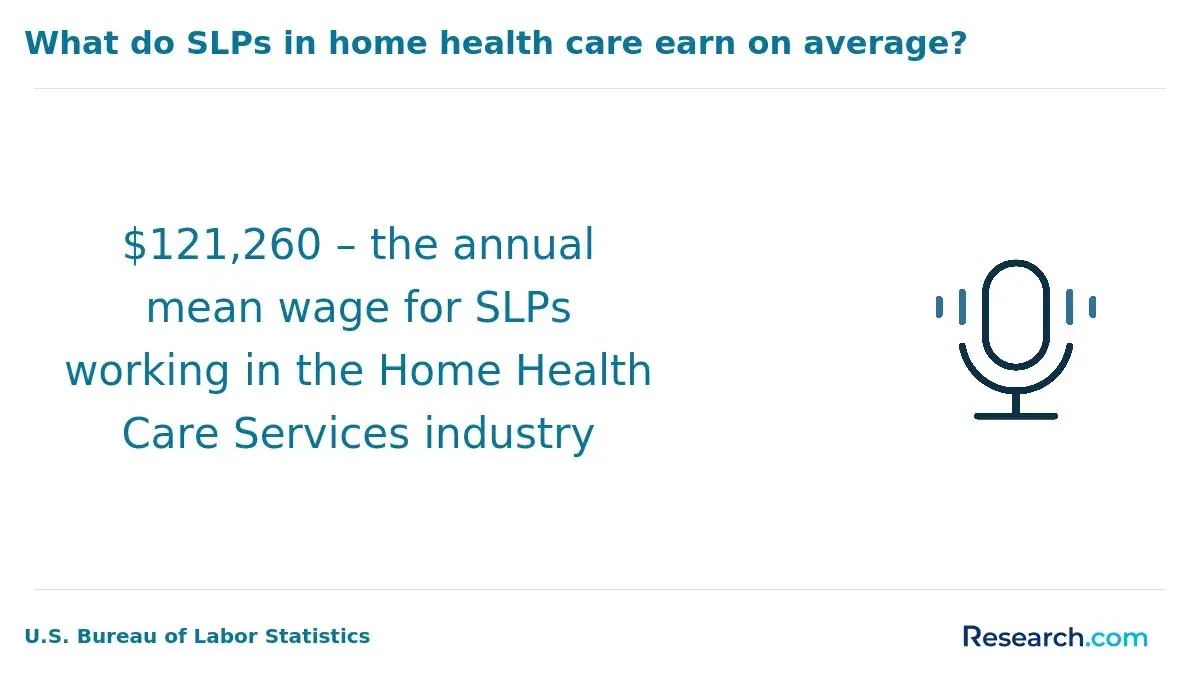
This accelerated demand results from greater awareness of speech and language disorders and the increasing needs of an aging population. Early-career salaries typically range from $70,000 to $95,000 annually but vary based on location, setting, and experience.
Completing an online SLP master's degree offers significant career and financial benefits. Payscale data from 2025 reveals that evidence-based intervention specialists can achieve a 250% return on investment within five years post-graduation, compared to average tuition costs.
This high ROI corresponds with growing opportunities across schools, healthcare facilities, and private practices.
Specialized training in language development often opens paths in early intervention programs, rehabilitation centers, and telepractice platforms. Professionals willing to work in rural or underserved areas may receive higher salaries or loan forgiveness incentives.
Key recommendations for future students include:
- Choose accredited online programs providing supervised clinical experiences.
- Obtain certifications in specialized language disorders to boost job prospects and salary.
- Explore teletherapy roles to expand career options beyond traditional environments.
Considering strong job growth and competitive salaries, investing in speech pathology education with a focus on language development remains a prudent choice.
How to Choose the Best Online SLP Program?
When selecting an online Speech Pathology program, accreditation by the Council on Academic Accreditation in Audiology and Speech-Language Pathology (CAA) is essential to ensure the curriculum meets national standards for certification and licensure.
Programs should also offer varied clinical practicum opportunities in settings like schools, hospitals, or telepractice environments, providing essential hands-on experience. Many incorporate virtual simulations, which can be particularly helpful when in-person placements are limited.
It's important to choose programs with coursework aligned to emerging trends. The American Speech-Language-Hearing Association's 2025 report projects that by 2030, AI-integrated language development tools will conduct 30% of routine assessments. Training on these technologies can better prepare students for future clinical demands.
Additional factors to evaluate include faculty expertise, focusing on instructors with strong research or clinical backgrounds, as well as support services and flexible scheduling options for working professionals. Academic advising and career support also contribute to student success.
Comparing graduation rates, certification exam pass rates, and employment outcomes across accredited programs offers valuable insight into program quality. These criteria help prospective students identify a program tailored to their professional goals and maximize career readiness in the evolving field of Speech Pathology.
Other Things You Should Know About Speech Pathology
Students usually need a laptop with a webcam, microphone, and stable internet connection, plus access to the program’s learning platform and video-conferencing software. For recorded clinical simulations or live sessions, many programs also require secure browser access and a quiet space that meets HIPAA privacy rules.
Yes, accredited online speech pathology programs incorporate clinical practicums that meet certification requirements. Students complete supervised hands-on experiences at approved local sites to develop practical skills. This blend of online coursework and in-person clinical work ensures readiness for professional practice.
Graduates typically pursue the Certificate of Clinical Competence in Speech-Language Pathology (CCC-SLP) through the American Speech-Language-Hearing Association (ASHA). Many states also require licensure, which often aligns with ASHA certification standards. Obtaining these credentials is essential for professional practice in most settings.
Programs emphasize cultural competence and train students to work effectively with clients from various linguistic, cultural, and socioeconomic backgrounds. Curriculum often includes courses on multicultural communication and evidence-based practices tailored to diverse populations. This preparation is vital for equitable and effective speech therapy services.
- U.S. Bureau of Labor Statistics - Speech-Language Pathologists https://www.bls.gov/ooh/healthcare/speech-language-pathologists.htm
- ASHA EdFind - Accredited Speech-Language Pathology Programs https://find.asha.org/ed/
- Audiology and Speech-Language Pathology Interstate Compact https://aslpcompact.com/compact-map/
- West Virginia University - Speech-Language Pathology, M.S. - Online https://medicine.hsc.wvu.edu/communications-sciences-and-disorders/speech-language-pathology-ms/future-students/curriculum/online-slp-program/
- University of Wisconsin-Eau Claire - Master of Science in Speech-Language Pathology (Online) https://www.uwec.edu/speech-language-and-hearing-sciences-department/graduate-program/speech-language-pathology-online
- Delaware Valley University - Master of Science in Speech-Language Pathology (M.S.) https://delval.edu/programs/graduate-programs/speech-language-pathology
- Emerson College - Master of Science (M.S.) in Communication Disorders (Speech@Emerson, online) https://speech.emerson.edu/
- California State University-Northridge - Master of Science in Communicative Disorders (Online) https://tsengcollege.csun.edu/programs/CDS