2027 Educational Leadership Careers: Guide to Career Paths, Options & Salary

Co-Founder and Chief Data Scientist
Educational Leadership Careers in 2026: What They Are, Who They Fit, and How to Enter the Field
If you are considering a move into school or district leadership, the key question is not just “What jobs exist?” It is “Which leadership path fits my background, what qualifications do I need, and is the investment worth it?” Educational leadership can lead to roles in K-12 administration, curriculum and instruction, higher education, student services, policy, and learning design. But the path is not the same for everyone. Requirements vary by role, state, and institution, and some positions need licensure, advanced degrees, or prior classroom experience.
This guide explains what educational leaders do, which careers are available, what kind of education and credentials employers typically expect, and how current labor trends affect long-term planning. It also covers online options, specializations, costs, common mistakes, and practical steps you can take before enrolling in a program.
Quick Answer: Is an Educational Leadership Degree Worth It?
An educational leadership degree can be worthwhile if you want to move into administration, curriculum leadership, or student services and are ready for a role with more responsibility, broader decision-making, and often a more demanding workload. It is especially useful for educators who want to lead people, manage programs, and influence school or district policy. It may be less valuable if you want to stay primarily in classroom teaching, prefer a less administrative role, or are not willing to meet licensure and experience requirements that some leadership jobs require.
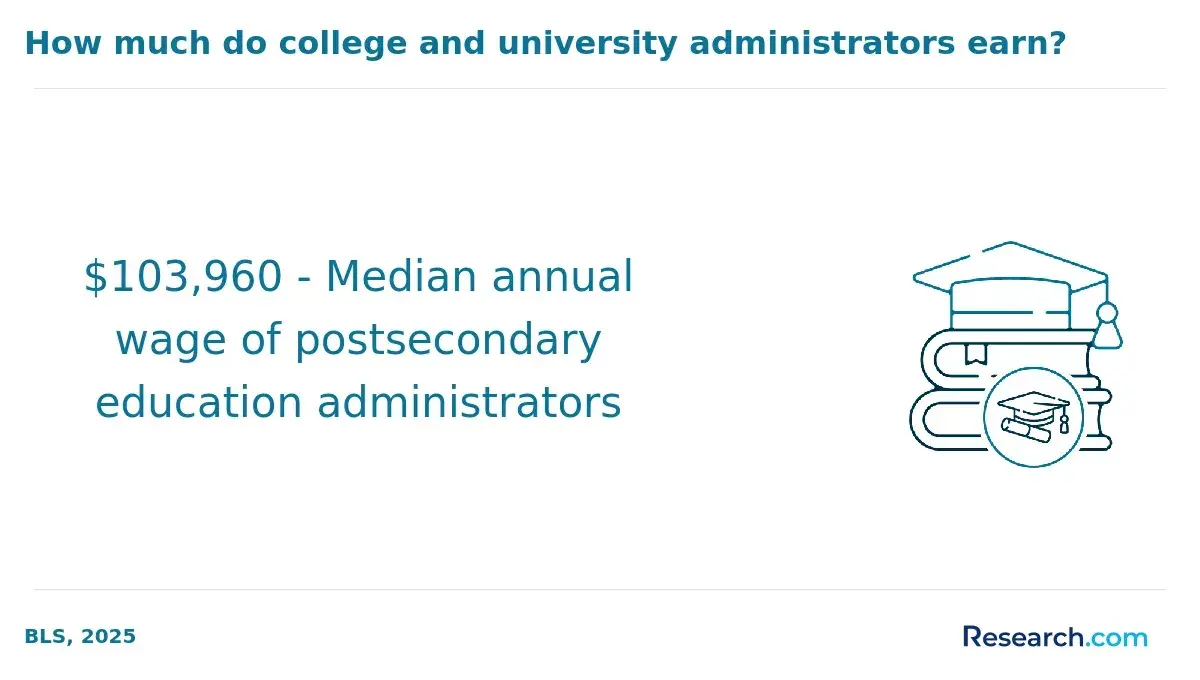
In the US, kinder, elementary, middle, and high school principals earned a median annual wage of $104,070, while postsecondary education administrators earned $103,960. At the same time, projected employment growth through 2034 is modest: elementary, middle, and high school principals are projected to decline by 1.5%, while postsecondary education administrators are projected to grow by 1.7%. That means these careers can be rewarding, but competition and qualifications matter.
What to Know Before You Decide
- Good fit: educators who want to lead people, shape policy, manage change, and improve student outcomes.
- Best preparation: a relevant degree, leadership experience, and in many K-12 cases, licensure or certification.
- Main trade-off: higher responsibility and influence, but also more pressure, compliance work, and public accountability.
- Best next step: compare programs by accreditation, licensure alignment, cost, flexibility, and internship or practicum support.
- What does an educational leader do in a school or district?
- Are online educational leadership programs a good option?
- What admission requirements do educational leadership programs usually have?
- What concentrations can you choose in an educational leadership program?
- What jobs can you get with an educational leadership degree?
- What careers outside the classroom can educational leadership graduates pursue?
- What trends are shaping educational leadership now?
- How does demand vary by region and institution type?
- What challenges do educational leaders face most often?
- What are the most rewarding parts of educational leadership?
- How strong is the long-term outlook for educational leaders?
- How do leaders handle crises and unexpected events?
- Do advanced degrees improve career prospects in educational leadership?
- Can accelerated programs help you move up faster?
- How do educational leaders support diversity, equity, and inclusion?
- How can related fields like library science or child development help?
- What certifications, workshops, or training can help leaders advance?
- What financial support can reduce the cost of this path?
- How can an online bachelor’s in education support future leaders?
- How does educational leadership affect communities?
What does an educational leader do in a school or district?
Educational leaders shape how a school, district, or institution functions day to day and where it is headed long term. Their work combines people management, instructional improvement, compliance, budgeting, communication, and planning. In practice, that means they are often responsible for both the learning environment and the systems that support it.
Common responsibilities include:
- Setting direction. Leaders define goals for student achievement, school climate, staff growth, and operational improvement.
- Improving instruction. They review teaching practices, support professional learning, and use student data to guide instructional decisions.
- Managing operations. They oversee budgets, schedules, staffing, facilities, and policies.
- Working with families and communities. They communicate with parents, boards, local organizations, and other stakeholders.
- Supporting staff development. They coach teachers, mentor new leaders, and organize training.
- Handling crises. They respond to safety issues, conflicts, attendance concerns, public concerns, and unexpected disruptions.
A strong educational leader is not simply an administrator. The role usually requires a balance of instructional knowledge, emotional intelligence, legal awareness, and strategic thinking. If you want a leadership position that still stays close to learning outcomes, this field can be a strong fit.
| Leadership Function | What It Looks Like in Practice | Why It Matters |
| Vision and planning | Setting school or district goals and measuring progress | Gives staff a clear direction |
| Instructional leadership | Observing classrooms and supporting curriculum improvement | Improves teaching quality |
| Operations and compliance | Managing budgets, policies, schedules, and reporting | Keeps the institution running smoothly |
| Community engagement | Communicating with families and local partners | Builds trust and support |
Are online educational leadership programs a good option?
Yes, online programs can be a practical choice for working educators and other professionals who need flexibility. Many online options now include live classes, asynchronous coursework, field experiences, and faculty support. The key is not whether the program is online, but whether it is accredited, licensure-aligned, and respected by employers in the region where you plan to work.
Online study works best for students who already have classroom experience, need to keep working, or want access to programs outside their immediate area. It may be less ideal if you need frequent in-person mentoring, want a highly structured campus environment, or are pursuing a program that requires substantial on-site residency.
When comparing online programs, look at these factors:
- Accreditation and reputation. Make sure the institution and program meet the standards needed for your career goals.
- Licensure alignment. If you want a principal or superintendent role, confirm that the program fits state requirements.
- Field experience. Internships, practicums, or capstone projects help connect theory to actual leadership practice.
- Faculty and peer network. A strong cohort can support collaboration, mentoring, and job connections.
- Schedule design. Some programs are built for full-time teachers, while others move at a faster pace.
For readers comparing education-related online degrees, Research.com also offers related options such as online degree in writing programs and cheapest MBA paths for those interested in different professional directions.
What admission requirements do educational leadership programs usually have?
Admission requirements depend on the degree level and the institution, but most educational leadership programs ask for a mix of academic preparation and experience. The strongest applicants usually show that they already understand educational settings and are ready to move into broader responsibility.
- Bachelor’s degree. Most programs require at least a bachelor’s degree, often in education or a related field.
- Teaching or administrative experience. Many graduate programs prefer applicants who have worked in schools or other education settings.
- Letters of recommendation. Schools often want references who can speak to your leadership potential, professionalism, and readiness for graduate study.
- Statement of purpose. Applicants may need to explain why they want leadership training and what career goals they hope to reach.
- Licensure or certification background. For some K-12 leadership programs, current teacher certification or prior licensure is important.
If you are still early in your education, starting with a broader credential may help you build a stronger foundation. For example, a relevant master's degree course can deepen your knowledge before you pursue administration. In some cases, students also compare pathways with a What is a doctorate degree option if they are aiming for senior leadership or higher education roles.
What concentrations can you choose in an educational leadership program?
Educational leadership programs often offer concentrations so students can align their studies with a specific job target. The right concentration depends on where you want to work, what age group you want to serve, and how much responsibility you want to take on after graduation.
| Concentration | Best For | Typical Focus |
| School administration | Future principals, assistant principals, and building-level leaders | Operations, staffing, culture, budgeting, and school improvement |
| Higher education leadership | Professionals aiming for college or university administration | Student affairs, enrollment, academic services, and strategic planning |
| Curriculum and instruction leadership | Educators who want to improve teaching and assessment | Instructional design, curriculum review, and professional learning |
| Special education leadership | Leaders focused on inclusive programs and student support | Compliance, services for diverse learners, and program oversight |
| Global and international education leadership | Students interested in cross-cultural or international work | Policy, global perspective, and international education strategy |
If you already know the kind of setting you want to lead, pick a concentration that matches it. If not, choose a broader track that keeps more doors open. For students thinking about advanced study more generally, a master's degree in child development may also support leadership work focused on student growth and school services.
What jobs can you get with an educational leadership degree?
An educational leadership degree can lead to several school- and district-level positions, especially if you also have teaching experience or licensure. Some roles are highly administrative, while others are more centered on curriculum, coaching, or institutional planning.
| Job Title | What the Role Usually Involves | Best Fit For |
| Elementary, middle, and high school principal | Leading a school, supervising staff, supporting instruction, and managing operations | Experienced educators who want building-level authority |
| Director of curriculum and instruction | Improving curriculum quality, instructional practices, and assessment systems | Leaders focused on teaching and learning |
| Education administrator | Managing policies, budgets, programs, and institutional operations | People who want broad organizational oversight |
| District superintendent | Overseeing multiple schools, district strategy, and large-scale decision-making | Senior leaders with strong administrative experience |
According to the U.S. Bureau of Labor Statistics, kinder, elementary, middle, and high school principals in the United States earned a median annual wage of $104,070, while postsecondary education administrators earned $103,960. These figures can help you compare pay, but they do not guarantee what you personally will earn. Experience, location, institution type, and bargaining structures can all affect compensation.
For readers who want to compare education management paths with broader graduate options, Research.com also covers cheapest online teaching degree paths and cheapest online educational leadership programs.
What careers outside the classroom can educational leadership graduates pursue?
Educational leadership skills transfer well beyond K-12 administration. If you do not want to spend your career in a principal’s office or district building, you can still use the same strengths—planning, coaching, data analysis, communication, and program management—in related fields.
- Educational consultant. Advises schools, nonprofits, or firms on improvement strategies, teacher training, or curriculum design.
- Policy analyst or advisor. Reviews education policy and helps shape reforms at the local, state, or national level.
- Corporate training and development specialist. Designs employee learning programs, onboarding, and professional development in business settings.
- Nonprofit leader or program manager. Oversees initiatives focused on access, equity, youth services, or community learning.
- Higher education administrator. Works in student services, academic affairs, admissions, registrar offices, or dean-level support roles.
- Educational technology leader. Helps institutions choose, implement, and evaluate digital learning tools and platforms.
- University teaching or research professional. Teaches leadership, education, or related subjects at the college level and contributes to research.
If you are unsure whether a leadership degree is the right move, it helps to compare it with other graduate paths. Some readers also explore adjacent fields such as psychology, organizational leadership, or specialized education credentials before choosing a final direction.
What trends are shaping educational leadership now?
Educational leadership is changing because schools are dealing with new technology, new expectations from families, workforce shifts, and ongoing pressure to improve student outcomes. Leaders who understand these trends are better prepared to make useful decisions rather than reacting late.
Digital transformation
Schools and colleges are using more learning platforms, automation tools, and digital communications systems. Leaders need to judge what improves learning, what creates risk, and what is realistic for staff and students to adopt.
More data use
Decision-making is increasingly tied to attendance, performance, enrollment, retention, and behavior data. Leaders who can interpret data well can identify problems earlier and target interventions more effectively.
Mental health and staff well-being
Pressure on students and educators has pushed well-being higher on the agenda. Leaders are expected to support healthier school climates, reduce burnout, and connect people to resources when needed.
Equity and cultural responsiveness
Schools are under pressure to serve increasingly diverse student populations more effectively. That requires leaders who can examine bias, close access gaps, and support inclusive practices.
Longer-term learning pathways
Adult learning, micro-credentials, and flexible reskilling are becoming more important. Educational leaders are being asked to support pathways that serve not only traditional students, but also working adults and lifelong learners.
As leadership expectations grow, some professionals pursue advanced study such as an online PhD in organizational leadership to expand their management and change-leadership skills.
How does demand vary by region and institution type?
Demand for educational leaders is not uniform. A role that is scarce in one area may be highly competitive in another. Local demographics, funding levels, school size, and institutional mission all affect hiring.
| Factor | What It Means for Demand | What Candidates Should Consider |
| Urban vs. rural | Urban systems may have more openings and more complexity; rural areas may have fewer openings but different community needs | Think about whether you prefer scale or close community ties |
| Public vs. private | Public schools often have larger administrative structures; private institutions may emphasize mission, enrollment, and fundraising | Match your experience to the institution’s priorities |
| High-needs vs. affluent communities | High-needs settings often need leaders skilled in equity, staffing, and resource management | Be honest about whether you are prepared for the pressures of the environment |
Projected growth through 2034 remains mixed: elementary, middle, and high school principals are projected to decline by 1.5%, while postsecondary education administrators are projected to grow by 1.7%. That means location and sector matter. Some regions will still hire actively even if the national picture is slow.
What challenges do educational leaders face most often?
Educational leadership can be meaningful, but it is not easy. Many of the hardest parts of the job involve balancing competing priorities with limited time and resources.
- Budget pressure. Leaders often have to make difficult trade-offs between staffing, programming, and facilities.
- Equity gaps. Serving diverse learners well takes planning, training, and honest evaluation of outcomes.
- Changing policy requirements. Leaders must keep up with state, district, or federal changes while still focusing on day-to-day operations.
- Recruiting and keeping staff. In many places, attracting and retaining strong educators is an ongoing challenge.
- Technology adoption. Leaders have to evaluate tools, protect data, and support staff who may have uneven digital readiness.
These challenges are one reason the role is best suited to people who are comfortable with complexity, conflict resolution, and continuous problem-solving.
What are the most rewarding parts of educational leadership?
Despite the pressure, many leaders stay in the field because the work has visible impact. The rewards are often tied to influence, growth, and the chance to improve the experience of students and staff.
- Student outcomes. You can help create conditions where more students succeed academically and personally.
- School culture. You can shape a more supportive, organized, and inclusive environment.
- Professional growth. Leadership roles often offer ongoing learning, new challenges, and opportunities to influence systems.
For many professionals, the biggest reward is not the title itself. It is seeing better teaching, stronger staff collaboration, and more students receiving the support they need.
How strong is the long-term outlook for educational leaders?
The long-term outlook depends on the role, the region, and the type of institution. The current national projections are modest rather than explosive. According to the U.S. Bureau of Labor Statistics, employment for elementary, middle, and high school principals is projected to decline by 1.5% through 2034, while postsecondary education administrators are projected to grow by 1.7% over the same period.
That does not mean the field is stagnant. It means job seekers should plan carefully. The strongest candidates usually combine experience, advanced preparation, clear leadership skills, and flexibility about location or institution type. For added context, you may also want to review the job outlook for teachers in the next 10 years, since teacher labor trends often influence leadership demand.
How do leaders handle crises and unexpected events?
Good crisis leadership depends on preparation, communication, and calm execution. Whether the issue is a safety incident, staffing disruption, weather emergency, or public health concern, educational leaders need a plan before problems arise.
Strong crisis response usually includes:
- clear emergency procedures;
- communication chains for staff and families;
- coordination with local agencies;
- regular drills or tabletop exercises;
- documentation and post-event review;
- transparent follow-up after the immediate crisis passes.
Leaders also need judgment. Not every event requires the same response, and speed should not replace accuracy. For some professionals, advanced study such as an 18-month doctorate without dissertation online may support deeper strategic preparation for complex leadership roles.
Do advanced degrees improve career prospects in educational leadership?
In many cases, yes. A master’s or doctorate can help you qualify for leadership jobs, deepen your policy knowledge, and strengthen your candidacy for promotion. That said, the degree alone is not enough. Schools and districts usually want proof of leadership experience, problem-solving ability, and an understanding of operational realities.
Advanced degrees may help in three ways:
- Access. Some roles require graduate-level study or a specific credential.
- Preparedness. Coursework in finance, supervision, law, and instructional leadership can reduce the learning curve.
- Advancement. Higher credentials can improve your competitiveness for senior roles and specialized positions.
For readers comparing graduate outcomes, Research.com also highlights jobs for masters in education, which can help you judge whether the credential matches your goals.
Can accelerated programs help you move up faster?
Accelerated programs can be useful if you already have experience and want to finish sooner. They are most effective for professionals who can handle a fast pace and already understand the field well enough to benefit from compressed study.
Before enrolling, check three things carefully:
- Whether the program is accredited.
- Whether it meets licensure or certification rules in your state.
- Whether the schedule leaves time for practicum, residency, or fieldwork requirements.
If your goal is rapid completion, compare program structure, not just advertised speed. A faster program is only useful if it still leads to the credential you actually need. Readers exploring time-efficient paths can also compare the fastest teaching degree options.
How do educational leaders support diversity, equity, and inclusion?
Educational leaders influence DEI not just through statements, but through policies, staffing, curriculum, discipline, and daily school practices. The real test is whether students and employees actually experience fairer access and better support.
Meaningful DEI work often includes:
- Culturally responsive teaching. Supporting curriculum and instruction that reflect student backgrounds and experiences.
- Equity-focused policy review. Looking for barriers in admissions, discipline, placement, and access to resources.
- Staff development. Offering training on bias, inclusion, and culturally competent leadership.
- Family and community partnership. Building trust with families and groups that schools have historically underserved.
Reporting and implementation matter more than slogans. Educational leaders should ask whether policies are measurable, whether student groups are improving, and whether the institution has the budget and staffing to support the work over time. For broader context, DEI efforts in higher education have also experienced budget cuts in the past few years, which makes local commitment and implementation especially important.
How can related fields like library science or child development help?
Some educational leaders strengthen their work by studying adjacent disciplines. Library science can support research skills, information organization, and resource planning. Child development can help leaders understand developmental stages, student behavior, and age-appropriate support systems.
If you are building a broader professional toolkit, these fields may complement leadership training rather than replace it. For example, some professionals look at the cheapest library science master's programs online or a master's degree in child development to deepen their perspective on student services and academic planning.
Educational leaders may also benefit from stronger partnerships with libraries. These can improve research access, digital literacy, and community learning support. For related career exploration, see library science degree jobs.
What certifications, workshops, or training can help leaders advance?
Targeted professional development can strengthen your profile, especially if you are preparing for a principal, superintendent, or district-support role. Workshops and certifications are not substitutes for degrees when those are required, but they can make you more effective and more marketable.
| Type of Training | What It Usually Covers | Who Benefits Most |
| Principal certification programs | Instructional leadership, operations, and personnel management | Future school leaders |
| Superintendent leadership academies | Budgeting, policy, strategy, and community engagement | Experienced administrators |
| Equity and inclusion workshops | Bias awareness, culturally responsive practice, and inclusive leadership | Leaders focused on school climate |
| Data-driven decision-making seminars | Assessment, interpretation, and improvement planning | Administrators and instructional leaders |
| Leadership coaching programs | Individual feedback, reflection, and leadership development | New and mid-career leaders |
For readers building management capability alongside education expertise, a relevant organizational leadership skills pathway may also be useful.
What financial support can reduce the cost of this path?
Educational leadership programs can be expensive, especially if you pursue a graduate degree while working. Before enrolling, compare the total cost of attendance, not just tuition. Factor in books, fees, travel for residencies or internships, and lost income if you reduce your work hours.
Common funding options include scholarships, grants, employer tuition support, and federal student loans. Some schools also offer cheaper online formats that reduce commuting and relocation costs. If affordability is a major concern, research the cheapest online educational leadership programs before making a final decision.
Practical cost-control questions to ask:
- Does the program offer assistantships or tuition discounts?
- Can I transfer credits from prior graduate work?
- Are there extra fees for licensure preparation, fieldwork, or online delivery?
- Will this degree actually qualify me for the job I want?
How can an online bachelor’s in education support future leaders?
An online bachelor’s in education can be a strong starting point for someone who eventually wants to move into leadership. It builds the classroom foundation many graduate programs expect and can help you develop the communication, planning, and instructional knowledge needed later in your career.
These programs are especially useful for working adults who need flexibility. Many include observation hours, internships, or other practice-based learning so students can connect theory to real schools. If you are comparing options, the bachelor of education online degree guide can help you judge program fit, scheduling, and career value.
The main limitation is that a bachelor’s degree alone is usually not enough for formal leadership jobs. Think of it as the beginning of the pathway, not the full credential for administration.
How does educational leadership affect communities?
Educational leadership does more than manage schools. It influences how communities prepare future workers, support families, and create access to opportunity. Strong leaders can shape school culture in ways that reach far beyond campus walls.
- Preparing future citizens. Leaders help create learning environments that build critical thinking, communication, and responsibility.
- Expanding access. They can improve support for students who have been underserved or excluded.
- Supporting local development. Schools and colleges often contribute to workforce readiness and civic participation.
- Encouraging lifelong learning. Educational leaders can help build adult education and community learning opportunities.
- Promoting well-being. A healthier school climate can benefit students, staff, and families alike.
- Influencing policy. Experienced leaders often help shape education policy and reform efforts beyond their own institutions.
Common Mistakes to Avoid When Choosing an Educational Leadership Path
- Choosing a program without checking accreditation. This can affect credibility, financial aid, and licensure eligibility.
- Assuming every online program meets your state’s requirements. Licensure rules vary widely.
- Focusing only on tuition. A cheaper program is not a better value if it does not lead to the right credential.
- Ignoring required experience. Some leadership jobs expect years of classroom or administrative work.
- Relying too heavily on salary data. Pay depends on region, experience, and institution type.
- Overlooking workload and stress. Leadership positions often come with long hours and high accountability.
Questions to Ask Before You Enroll
- Will this program qualify me for the kind of job I want?
- Is the program accredited and recognized in my state or region?
- Does it include fieldwork, internship, or practicum experience?
- How does the program support licensure or certification?
- What kinds of alumni outcomes have graduates achieved?
- What is the total cost, including fees and materials?
- Can I complete the program while working full time?
References
- Learning Policy Institute. (2025, July). An Overview of Teacher Shortages: 2025 Fact Sheet. https://learningpolicyinstitute.org/media/4764/download?inline&file=Teacher_Shortages_Overview_2025_FACTSHEET.pdf
- National Student Clearinghouse Research Center. (2026, January 15). Final Fall Enrollment Trends. https://nscresearchcenter.org/final-fall-enrollment-trends
- Steiner, E. D., Levine, P. R., Doan, S., & Woo, A. (2025). Teacher WellBeing, Pay, and Intentions to Leave in 2025. RAND. https://www.rand.org/pubs/research_reports/RRA1108-16.html
- U.S. Bureau of Labor Statistics. (2025, August 28). Occupational projections, 2024–2034, and worker characteristics. Retrieved February 2026, from https://www.bls.gov/emp/tables/occupational-projections-and-characteristics.htm
Key Insights
- Educational leadership is best for professionals who want to guide people, manage systems, and improve learning outcomes—not just hold an administrative title.
- The strongest career paths usually require more than a degree; they often also need experience, licensure, and a clear role target.
- Online programs can be a smart choice, but only if accreditation, fieldwork, and state requirements line up with your goals.
- Salary potential is solid, with principal and postsecondary administrator pay near the six-figure range in the cited BLS data, but compensation varies by location and institution.
- Long-term job growth is modest, so job seekers should focus on fit, specialization, and regional demand rather than assuming the field is rapidly expanding.
- The best return on investment usually comes from choosing a program that matches the exact role you want and prepares you for real leadership work.
Other Things You Should Know about Educational Leadership Careers
In 2027, educational leadership programs often provide internships, mentorships, and collaborative projects within schools or districts. These opportunities allow aspiring leaders to apply theoretical knowledge in real-world situations, gaining practical experience in decision-making, team management, and strategic planning.
Aspiring educational leaders in 2027 need skills in strategic planning, effective communication, and data-driven decision-making. Mastery of technology tools and fostering an inclusive school culture are also crucial. These competencies enable leaders to effectively guide educational institutions and adapt to evolving educational needs.