
2027 Cheapest Way to Get a Teaching Credential in Nebraska: Requirements & Certification

Co-Founder and Chief Data Scientist
Getting a Nebraska teaching credential can be affordable, but only if you choose the right route before you start paying tuition. The cheapest path depends on your current education level, whether you already have a bachelor’s degree, whether you can transfer community college credits, and whether an online or alternative certification program meets Nebraska Department of Education requirements. This guide explains the main low-cost pathways, required exams, renewal rules, salary expectations, job outlook, online options, out-of-state and international credential questions, and the practical steps that help future teachers avoid unnecessary costs.
Quick Answer: What is the cheapest way to get a teaching credential in Nebraska?
The lowest-cost route is usually to complete transferable general education courses at a Nebraska community college, finish a bachelor’s degree and state-approved educator preparation program at an accredited institution, use financial aid or scholarships for education majors, and prepare for required Praxis exams with low-cost study materials. If you already have a bachelor’s degree in another field, an alternative certification pathway may be cheaper and faster than completing a second full undergraduate degree.
Key Things You Should Know About the Cheapest Way to Get a Teaching Credential in Nebraska
- A bachelor’s degree from an accredited institution is the baseline requirement, so the largest cost is usually tuition rather than the license application itself.
- State-approved teacher preparation programs are essential because Nebraska licensure depends on completing approved coursework, field experience, and student teaching.
- Community college transfer credits can reduce total tuition if the credits apply cleanly toward a bachelor’s degree in education.
- Financial aid, grants, scholarships, and work-study opportunities can make a major difference, especially for students preparing for high-need teaching areas.
- Praxis exam fees, background checks, fingerprinting, transcripts, and application fees should be included in your budget from the beginning.
- Teacher shortages and district hiring needs may create incentives in some areas, but candidates should verify eligibility before assuming loan forgiveness or financial support will apply.
- How much does it cost to become a teacher in Nebraska?
- Can a foreign applicant get a Nebraska teaching license?
- Can I complete a Nebraska teaching credential online?
- Can I teach in Nebraska with an out-of-state credential?
- How does teaching in Nebraska connect to retirement planning?
- What happens if my Nebraska teaching credential expires?
- How many credit hours are typically needed for a Nebraska teaching credential?
- How much do teachers in Nebraska make?
- What is the job outlook for teachers in Nebraska?
- How can I become a preschool teacher in Nebraska?
- How can I move into school leadership in Nebraska?
- Can subject specialization improve a Nebraska teaching career?
- How can I earn special education certification in Nebraska?
- What is the career path for a teacher in Nebraska?
- What other careers can Nebraska teachers move into?
- What trends could change Nebraska teacher certification?
- What other teaching opportunities exist in Nebraska?
- How can I meet middle school math teacher requirements in Nebraska?
- How do traditional and alternative certification pathways compare?
- Which specialized certifications can help Nebraska teachers advance?
- Why specialize in early childhood education in Nebraska?
- What professional development resources help Nebraska teachers succeed?
How much does it cost to become a teacher in Nebraska?
The total cost of becoming a teacher in Nebraska depends on your starting point. A first-time college student will usually spend the most because a bachelor’s degree and teacher preparation program are required. A career changer who already has a bachelor’s degree may spend less through an alternative pathway, provided the program is approved for Nebraska certification.
| Cost category | Typical amount stated | How to reduce the cost |
| Public university tuition for Nebraska residents | Often between $8,000 and $10,000 per year | Use transfer credits, compare in-state programs, and ask whether education scholarships apply. |
| Community college tuition | About $3,000 to $5,000 per year for associate degree coursework | Complete general education courses before transferring, but confirm transferability in writing. |
| Certification exams | Commonly $100 to $300 depending on endorsements | Use free or low-cost practice resources before paying for retakes. |
| Praxis exams | About $90 to $209 depending on the test | Choose test dates carefully and prepare with official test outlines and practice questions. |
| Background check and fingerprinting | Often $50 to $100 | Budget for this early because it is not optional for licensure. |
| Living expenses | Varies by city and student situation | Online coursework, commuting, or lower-cost housing can reduce the total amount borrowed. |
- Start with the total program cost, not just tuition. Fees, books, exam attempts, transportation, and student teaching schedules can change the real price of the credential.
- Use community college strategically. Lower-cost credits only save money if they transfer toward the exact bachelor’s degree and teacher preparation requirements you need.
- Choose a Nebraska-approved route. A cheap program that does not meet state certification rules can become expensive if you later need extra coursework.
- Compare scholarships before enrolling. Education departments, school districts, and state-supported initiatives may offer aid to future teachers.
- Account for opportunity cost. Student teaching may limit paid work hours, so working adults should ask programs how field placements are scheduled.
- Compare education with other career investments carefully. If you are deciding between teaching and another field, such as commercial interior design careers, compare training costs, licensure expectations, and local job demand rather than tuition alone.
Cheapest pathway comparison
| Pathway | Best for | Cost advantage | Main caution |
| Community college to four-year education degree | Students without a bachelor’s degree | Lower-cost first-year and second-year credits | Credits must transfer into an approved teacher preparation program. |
| Traditional bachelor’s degree in education | Students who want the most direct undergraduate route | Integrated coursework, fieldwork, and student teaching | May cost more if completed entirely at a four-year institution. |
| Alternative certification | Adults who already hold a bachelor’s degree | May avoid earning a second full degree | Not every candidate or subject area may qualify. |
| Online teacher preparation | Working adults or rural students needing flexibility | May reduce commuting and relocation costs | Student teaching and field placements still require in-person classroom experience. |
Can a foreigner get a Nebraska teaching license?
Yes. Internationally educated teachers can pursue Nebraska licensure, but they must show that their academic preparation and professional qualifications meet Nebraska’s standards. The process can involve credential evaluation, English proficiency documentation, application materials, testing, and possibly additional coursework.
- Credential evaluation is usually the first step. Foreign academic records must be reviewed so Nebraska can determine whether the degree and coursework are comparable to required U.S. preparation.
- English proficiency may be required. Some applicants may need standardized proof of English ability, such as the TOEFL, depending on their background and application requirements.
- Alternative certification may be worth exploring. If you already have a degree and subject expertise, a nontraditional route may reduce the time and cost required to qualify.
- Financial support is not automatic. International applicants should ask Nebraska institutions directly about scholarships, payment plans, and eligibility restrictions.
- Specialized roles can shape the best route. Applicants interested in high-need services may want to review related options such as special education program coordinator careers while evaluating long-term goals.
The most important step for foreign applicants is to avoid guessing. Before paying tuition, ask the Nebraska Department of Education or an approved program which documents, evaluations, exams, and coursework will be required for your specific background.
Can I get my teaching credential online in Nebraska?
Yes, parts of a Nebraska teaching credential can be completed online if the program is accredited and accepted for Nebraska educator preparation. However, online does not mean fully remote. Teacher candidates still need supervised classroom experience, including fieldwork or student teaching, because Nebraska licensure requires practical preparation with students.
A good online pathway should include an accredited bachelor’s degree or post-baccalaureate program, state-approved teacher preparation coursework, access to advising for Nebraska licensure, support for Praxis preparation, and a clear plan for arranging student teaching placements.
- Check state approval before enrolling. Ask whether the program leads to Nebraska teacher certification and which endorsements it supports.
- Confirm field placement support. Online students should know who arranges local classroom placements and whether placements are available near their residence.
- Compare total cost. Online tuition can vary widely, and technology fees or out-of-state rates may reduce the savings.
- Use online resources for exam preparation. Practice tests and study guides can lower the risk of paying for repeated Praxis attempts.
- Explore program options carefully. Students comparing flexible routes can review online teacher education programs as part of a broader cost and accreditation check.
Online vs. campus teacher preparation in Nebraska
| Factor | Online option | Campus option |
| Flexibility | Often better for working adults and rural students | More structured schedule and in-person support |
| Field experience | Still required in a real classroom | Usually coordinated through local school partnerships |
| Cost | May reduce commuting or relocation costs | May offer in-state tuition, campus scholarships, and local networking |
| Best fit | Self-directed learners who can manage deadlines | Students who want frequent face-to-face interaction |
Can I teach in Nebraska with an out of state credential?
You may be able to teach in Nebraska with an out-of-state credential, but the license is not automatically interchangeable in every case. The Nebraska Department of Education reviews out-of-state credentials individually to determine whether the candidate meets Nebraska requirements.
- Prepare documentation. You may need transcripts, proof of teaching experience, a copy of your out-of-state license, and evidence of completed assessments.
- Expect a background check. Nebraska requires safety screening for teacher candidates before they work in public school classrooms.
- Watch for coursework gaps. If your preparation does not match Nebraska’s standards, you may need additional classes or tests.
- Ask about reciprocity. Nebraska has agreements with several states, but candidates should confirm how those agreements apply to their endorsement and experience level.
- Understand degree differences. If your preparation included a nontraditional or specialized program, compare it with Nebraska-recognized types of education degrees.
The cost-saving move is to request an official review before enrolling in extra courses. Many out-of-state teachers spend more than necessary because they assume they need a full new program when only specific requirements may be missing.
How many years do you have to teach in Nebraska to retire?
Teacher certification and retirement eligibility are separate issues. A Nebraska teaching credential allows you to work as an educator, while retirement eligibility depends on the retirement system, employment history, service credit, age, and plan rules that apply to your district or school employer.
For cost planning, the key point is that your credential pathway should fit your long-term career timeline. If you plan to spend many years in Nebraska schools, a lower-cost but properly approved credential route can improve your return on investment. If you are entering teaching later in your career, ask human resources how retirement benefits, service credit, and vesting rules apply to your situation.
- Career changers should compare alternative certification first. If you already have a bachelor’s degree, you may not need another full undergraduate program.
- Out-of-state teachers should verify credit and licensure rules. A recognized teaching certificate may help you enter the classroom faster, but Nebraska still evaluates applications against state standards.
- Prospective administrators should plan ahead. Teachers who later want district or college-level roles may eventually consider pathways related to higher education administration careers.
- District benefits matter. Salary, retirement, insurance, and tuition support can vary by employer, so compare job offers beyond base pay.
What happens if my Nebraska teaching credential expires?
If your Nebraska teaching credential expires, your renewal requirements depend on how long it has been inactive. Waiting too long can increase the cost because additional coursework may be required.
| Expiration situation | Renewal requirement stated | Cost implication |
| Expired for less than five years | You may renew by showing at least one year of recognized school teaching at half-time or more, or by completing six credit hours in education or your subject area. | Usually less expensive than a long-lapsed credential if you already meet the teaching or coursework requirement. |
| Expired for more than five years | You may need at least one year of relevant teaching within the last five years or fifteen semester hours in education, including instructional techniques, practicum work with substantial classroom interaction, and contemporary education issues. | Potentially more expensive because more coursework and practicum-related requirements may apply. |
The practical lesson is simple: track your renewal date and plan continuing education before the credential lapses. Completing renewal credits gradually is usually easier than rushing to meet requirements after expiration.
Common renewal mistakes
- Assuming an expired credential can always be renewed with a short form.
- Waiting until a job offer is pending before checking renewal status.
- Taking coursework without confirming it satisfies Nebraska renewal requirements.
- Forgetting to budget for transcripts, fees, background checks, or fingerprinting when required.
How many units is a Nebraska teaching credential?
Nebraska teaching credentials are usually discussed in terms of credit hours, not “units.” A bachelor’s degree commonly requires between 120 and 130 credit hours. An associate degree typically involves about 60 to 70 credit hours, and while it does not qualify someone for a teaching credential by itself, it can reduce costs when credits transfer into a four-year education program.
- Use an associate degree as a cost-saving step. Lower-cost community college coursework can cover general education requirements.
- Get a transfer plan in writing. Ask both the community college and four-year institution which credits apply to the education degree.
- Do not overlook student teaching. Credit hours alone are not enough; supervised classroom experience is a core licensure requirement.
- Prepare for assessments early. State-required exams can affect your timeline and budget if you need retakes.
The most affordable route is not always the shortest route. It is the route that satisfies Nebraska requirements without excess credits, repeated courses, or nontransferable coursework.
How much do teachers in Nebraska make?
Teacher pay in Nebraska varies by district, grade level, endorsement area, experience, and local salary schedule. The average salary for public school teachers in Nebraska is around $67,349 annually. Entry-level teachers can expect approximately $37,787, while experienced teachers may earn more than $78,405, especially in larger cities such as Omaha and Lincoln. Teachers with more than 10 years of experience can earn $59,800.
| Career stage or salary measure | Amount stated | What it means for credential ROI |
| Entry-level teacher | Approximately $37,787 | Low debt matters most early in the career when pay is usually lower. |
| Average public school teacher salary in Nebraska | Around $67,349 annually | Use this as a broad reference, not a guaranteed offer. |
| Experienced teachers in larger cities | Can exceed $78,405 | Location, years of service, and district pay schedules can materially affect earnings. |
| Teachers with more than 10 years | $59,800 | Long-term planning should include raises, benefits, and retirement rules, not salary alone. |
- Check district salary schedules. Public school pay is often tied to education level and years of experience.
- Consider endorsement demand. Shortage areas may improve hiring opportunities, though pay incentives must be verified locally.
- Limit unnecessary borrowing. Lower education debt makes early-career salaries more manageable.
- Ask about tuition support. Some districts may support additional endorsements, graduate coursework, or professional development.
What is the job outlook of teachers in Nebraska?
Nebraska’s teacher job outlook is supported by projected growth in the education sector and ongoing demand across grade levels and specialties. Projections indicate that educational services employment in Nebraska will grow by about 5.6% from 2018 to 2028, adding nearly 5,748 new teaching positions. Employment for preschool, primary, secondary, and special education teachers is expected to rise by 5.5%.
- Demand is spread across multiple levels. Preschool, elementary, secondary, and special education roles all show expected growth.
- Specialized roles matter. Projected growth rates of 5.9% and 5.8% point to opportunities beyond general classroom positions.
- Location changes the picture. The Lincoln metropolitan area is projected to see an 8.8% increase in educational employment, representing nearly 2,000 new jobs.
- Educational attainment affects demand. As more Nebraskans age 25 and older hold a bachelor’s degree or higher, schools need qualified educators prepared for changing student and community expectations.
The job market looks favorable, but no credential guarantees employment. Candidates improve their chances by choosing in-demand endorsements, completing strong student teaching placements, building references, and applying across multiple districts.

How can I become a preschool teacher in Nebraska?
To become a preschool teacher in Nebraska, you generally need preparation focused on early childhood development, age-appropriate instruction, classroom safety, and learning environments for young children. A preschool pathway should include supervised experience with early learners and coursework aligned with Nebraska expectations. Candidates can review detailed steps through this guide to becoming a preschool teacher in Nebraska.
How can I advance to leadership roles in Nebraska?
Teachers who want to become department chairs, instructional coaches, assistant principals, principals, or district leaders should build classroom experience first, then add leadership-focused training. Useful preparation often includes instructional leadership, school law, budgeting, curriculum planning, teacher evaluation, and data-informed decision-making. Educators comparing flexible graduate options can explore the cheapest online educational leadership programs while checking whether each program fits Nebraska administrative requirements.
Can I specialize in a subject area to enhance my teaching career in Nebraska?
Yes. Subject specialization can make a Nebraska teacher more competitive for certain openings and can lead to curriculum leadership, advanced courses, academic clubs, coaching, or mentoring roles. A teacher interested in social studies or history, for example, can review the pathway for how to become a history teacher in Nebraska and compare endorsement requirements before selecting coursework.
How can I get special education certification in Nebraska?
Special education certification requires targeted preparation in individualized instruction, disability categories, intervention strategies, assessment, legal responsibilities, and supervised practice with students who need specialized support. Because requirements can differ from general classroom certification, candidates should review special education certification requirements before enrolling in coursework.
What is the career path of a teacher in Nebraska?
A Nebraska teaching career often begins with initial classroom teaching, then expands through stronger instructional practice, additional endorsements, mentoring, curriculum work, and leadership responsibilities. Some teachers remain classroom specialists for their entire careers, while others move into coaching, administration, district roles, policy, or higher education.
| Career stage | Typical focus | Smart next step |
| Teacher candidate | Coursework, exams, field experience, and student teaching | Choose the least expensive approved route that meets Nebraska requirements. |
| Entry-level teacher | Classroom management, lesson planning, assessment, and family communication | Find mentors and build strong evaluations and references. |
| Experienced teacher | Improving instruction, supporting colleagues, and refining subject expertise | Add endorsements or take professional development tied to district needs. |
| Teacher leader | Mentoring, curriculum design, department leadership, or instructional coaching | Consider leadership coursework or graduate study if administration is a goal. |
| Administrator or specialist | School operations, program management, policy, or district leadership | Verify administrative credential requirements before choosing a graduate program. |
- Alternative certification can shorten the transition for career changers. Candidates with a bachelor’s degree in another field should compare this route before paying for another full degree.
- Community colleges can reduce early costs. Transferable courses can lower the price of general education requirements.
- Teaching assistant experience can help. Working in a classroom while studying can clarify whether teaching is the right long-term fit.
- Scholarships should be part of the plan. Future teachers should search for funding before and after admission, not only during the first semester.
What other professions can teachers in Nebraska transition into?
Teachers develop transferable skills in communication, training, curriculum design, assessment, conflict resolution, and leadership. Those skills can support moves into corporate training, instructional design, education technology, tutoring businesses, nonprofit program management, academic advising, and curriculum development. Educators interested in student communication and language development may also compare teaching experience with the pathway for an SLP license in Nebraska.
What future challenges and opportunities could redefine teacher certification in Nebraska?
Nebraska teacher certification may continue to be shaped by technology use, digital learning tools, changing curriculum expectations, teacher shortages, and the need for continuous professional development. Teachers who can combine strong pedagogy with practical technology integration may be better prepared for future classrooms. Subject-specific guides, such as how to become a high school history teacher in Nebraska, can help candidates connect endorsement planning with evolving instructional expectations.
What are additional opportunities for teachers in Nebraska?
Nebraska teachers can work in public schools, private schools, early childhood centers, tutoring programs, online education, specialized programs, and educational organizations. Private schools may have different hiring expectations than public schools, so candidates should review private school teacher requirements in Nebraska before assuming one credential pathway fits every setting.
Private school roles may appeal to teachers who want smaller school communities, mission-specific education, specialized curricula, or different classroom structures. However, pay, benefits, certification expectations, and advancement options can vary widely, so candidates should compare offers carefully.
How can I meet middle school math teacher requirements in Nebraska?
Middle school math teachers need both mathematics content knowledge and training in how adolescents learn. Candidates should look for coursework in math concepts, curriculum design, assessment, classroom methods, and practical teaching experience. A focused guide to middle school math teacher requirements in Nebraska can help candidates identify the endorsement steps before choosing a program.
What are the key differences between traditional and alternative certification pathways in Nebraska?
Traditional certification usually fits students who do not yet have a bachelor’s degree and want a full undergraduate education program. Alternative certification is generally designed for people who already hold a bachelor’s degree and want to move into teaching without completing another full degree. Both routes must satisfy Nebraska standards, so candidates should compare cost, timeline, field placement, endorsement availability, and approval status. A deeper overview of Nebraska teacher certification requirements can help clarify which route fits your background.
| Feature | Traditional pathway | Alternative pathway |
| Best for | Students earning their first bachelor’s degree | Career changers with a bachelor’s degree |
| Training structure | Full education major with coursework and student teaching | Targeted coursework, mentorship, and certification requirements |
| Potential cost | Higher if completed entirely at a four-year institution | May be lower if it avoids a second full degree |
| Main risk | Taking nontransferable credits or choosing an expensive program | Assuming every subject area or candidate qualifies |
What specialized certifications can further advance a teacher's career in Nebraska?
Specialized endorsements can help Nebraska teachers qualify for targeted roles and strengthen their instructional range. Depending on district needs and teacher interests, valuable areas may include STEM, bilingual education, special education, arts education, and subject-specific endorsements. Teachers interested in arts instruction can review music teacher education requirements in Nebraska before selecting a certification route.
What advantages does specializing in early childhood education offer Nebraska educators?
Early childhood specialization prepares teachers to support young learners during foundational stages of language, social, emotional, and cognitive development. It can also open roles in preschool, kindergarten, early intervention, and curriculum work for younger children. Educators considering this route can explore how to become a kindergarten teacher in Nebraska to understand how early childhood and elementary pathways may overlap.
What professional development resources support teacher success in Nebraska?
Professional development helps Nebraska teachers maintain credentials, improve instruction, and prepare for advancement. Useful options may include district workshops, online training, subject-area conferences, mentoring programs, graduate coursework, and state-supported resources. Teachers who need a flexible route into the field can review guidance on how to become a teacher in Nebraska while confirming that any online coursework supports Nebraska certification or renewal requirements.
Common mistakes that make a Nebraska teaching credential more expensive
- Choosing a program before checking Nebraska approval. Accreditation and state approval are not details to confirm later; they determine whether the program can actually lead to licensure.
- Looking only at tuition. Exams, fees, transportation, books, student teaching, and lost work hours can change the true cost.
- Taking community college classes without a transfer plan. Cheap credits are not savings if they do not apply to the required education degree.
- Assuming online means no in-person requirements. Fieldwork and student teaching still require classroom participation.
- Ignoring endorsement strategy. A general route may not prepare you for the subject, grade level, or specialty area you actually want to teach.
- Letting a credential expire. Renewal can become more demanding if too much time passes.
- Depending on salary averages. Actual pay depends on district salary schedules, location, experience, education level, and role.
Questions to ask before choosing a Nebraska teacher preparation program
- Is this program approved for Nebraska teacher certification?
- Which grade levels and endorsements does the program support?
- How many credits will I need based on my current transcripts?
- Will my community college or previous college credits transfer?
- What are the total costs, including tuition, fees, exams, books, and background checks?
- How are field placements and student teaching arranged?
- Can I complete coursework online, and what must be completed in person?
- What Praxis exams are required for my endorsement?
- What scholarships, grants, or district incentives are available?
- What percentage of graduates complete certification requirements and find teaching roles?
Here’s What Teachers Have to Say About Getting a Teaching Credential in Nebraska
- : "“I chose an alternative certification route because I needed to keep working while completing my preparation. Online coursework helped me avoid relocation and commuting costs, and the structure made it possible to move into teaching without taking on overwhelming debt.” — Haley"
- : "“The lowest-cost route worked for me because I applied for grants and scholarships early. Having mentors and classmates who understood the process helped me stay focused on becoming a strong teacher instead of only worrying about the bill.” — Phil"
- : "“Community college courses helped me lower the cost of my credential path, but the biggest benefit was getting classroom exposure before student teaching. That experience made the transition into my own classroom much less intimidating.” — Leslie"
Key Insights
- The cheapest Nebraska teaching credential pathway is the lowest-cost approved route, not simply the program with the smallest advertised tuition.
- A bachelor’s degree is required, and most candidates complete 120 to 130 credit hours before licensure; community college credits can help if they transfer correctly.
- Career changers with an existing bachelor’s degree should compare alternative certification before paying for another full undergraduate degree.
- Online programs can reduce commuting and scheduling barriers, but student teaching and fieldwork still require in-person classroom experience.
- Budget for Praxis exams, background checks, fingerprinting, transcripts, and renewal requirements from the start.
- Nebraska teacher salaries vary widely, so use district salary schedules and local job demand when evaluating return on investment.
- Letting a credential expire can create extra coursework requirements, especially if it has been inactive for more than five years.
- The best financial decision is to confirm state approval, transfer credits, endorsement fit, and total cost before enrolling.
Related Articles for Nearby States
- 2027 Cheapest Way to Get a Teaching Credential in Kansas: Requirements & Certification
- 2027 Cheapest Way to Get a Teaching Credential in South Dakota: Requirements & Certification
- 2027 Cheapest Way to Get a Teaching Credential in Iowa: Requirements & Certification
- 2027 Cheapest Way to Get a Teaching Credential in Colorado: Requirements & Certification
- 2027 Cheapest Way to Get a Teaching Credential in Wyoming: Requirements & Certification
- 2027 Cheapest Way to Get a Teaching Credential in Minnesota: Requirements & Certification
- 2027 Cheapest Way to Get a Teaching Credential in Oklahoma: Requirements & Certification
- 2027 Cheapest Way to Get a Teaching Credential in North Dakota: Requirements & Certification
- 2027 Cheapest Way to Get a Teaching Credential in Illinois: Requirements & Certification
- 2027 Cheapest Way to Get a Teaching Credential in Arkansas: Requirements & Certification
References:
- Education.ne.gov (N.D.). Certificate Renewals. https://www.education.ne.gov/tcert/renewals/
- Quora.com (N.D.). Is it possible for me to start earning my teaching credentials for the state I would like to move to in a year, instead of the state that I currently live in? https://www.quora.com/Is-it-possible-for-me-to-start-earning-my-teaching-credentials-for-t
- Salary.com (2024). Public School Teacher Salary in Nebraska. https://www.salary.com/research/salary/benchmark/public-school-teacher-salary/ne
Other Things You Should Know About Getting a Training Credential in Nebraska
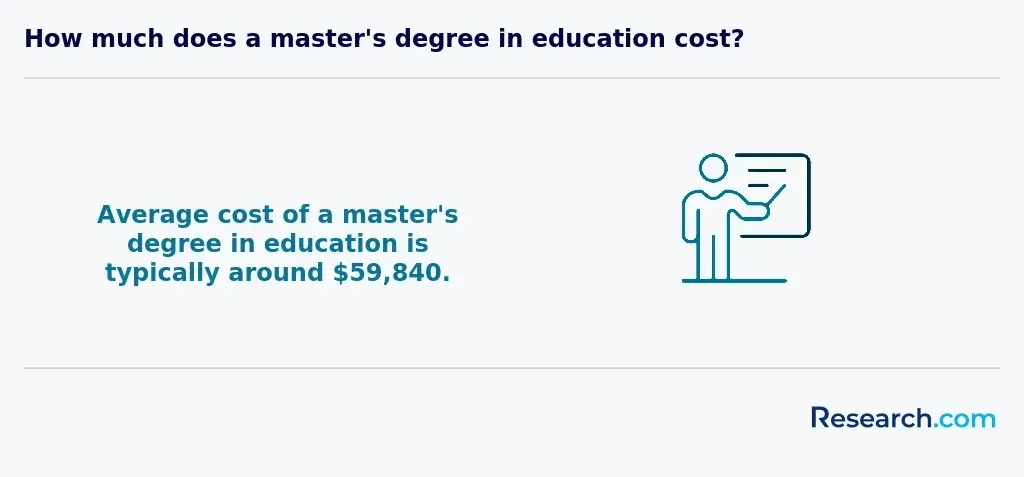
In Nebraska, obtaining a teaching certification does not require a master’s degree. Alternatives include earning a bachelor’s degree in education followed by passing the Praxis exams, and completing approved educator preparation programs, which can significantly reduce costs.
To obtain a teaching credential in Nebraska in 2027, candidates must pass the Praxis Core Academic Skills for Educators exams, which assess skills in reading, writing, and mathematics. Additionally, subject-specific Praxis tests may be required depending on the target teaching area.
The Nebraska Department of Education issues teaching certificates and processes applications through its Educator Certification office. Applicants submit transcripts, exam scores, fingerprint-based background check results, and program verification to that state agency before receiving a Nebraska teaching certificate.


