
2027 How to Become a Private School Teacher in Nebraska: Requirements & Certification

Co-Founder and Chief Data Scientist
Becoming a private school teacher in Nebraska is not always the same process as becoming a public school teacher. Private schools have more control over hiring, curriculum, school mission, and employment contracts, but Nebraska still places important requirements on approved and accredited schools. If you want to teach in a private setting, the main decision is not simply whether you like teaching. You need to understand which schools require certification, what credentials make you competitive, how much preparation may cost, what salary range to expect, and whether the culture of private education fits your goals.
This guide explains the practical steps to becoming a private school teacher in Nebraska, including education requirements, certification options, costs, timelines, job outlook, salary expectations, professional development, legal considerations, advancement paths, and common mistakes to avoid. It is written for career changers, education majors, current teachers considering private schools, and prospective educators comparing public and private teaching routes.
Quick Answer: How do you become a private school teacher in Nebraska?
To teach in an accredited private school in Nebraska, you generally need a valid teaching certificate or permit issued through the state’s education commissioner. Private schools that are not accredited may have more flexibility, but schools seeking Nebraska Department of Education approval must still meet state rules related to staffing, student records, instructional standards, and professional development. Most competitive candidates hold at least a bachelor’s degree, complete teacher preparation, pass required assessments when pursuing certification, and build classroom experience through student teaching, tutoring, substitute teaching, or related work.
Key Things You Should Know About Becoming a Private School Teacher
- Accredited private schools in Nebraska require teachers to hold a valid teaching certificate or permit from the state’s education commissioner.
- Private school accreditation is not required in every case, but schools may seek approval through the Nebraska Department of Education, which affects staffing, compliance, and records obligations.
- Private school teachers should expect responsibility for accurate student records, attendance documentation, grade reporting, and other compliance-related duties.
- Nebraska requires educators to complete at least 10 hours of training each year.
- Nebraska law limits state funding for private schools, except in restricted circumstances, which can affect budgets, staffing levels, compensation, and available resources.
- Applicants may need to complete fingerprinting and background checks during the hiring or certification process, and those steps can involve fees.
- What are the educational requirements for private school teachers in Nebraska?
- What is the licensure application and renewal process for private school teachers in Nebraska?
- Can I become a private school teacher in Nebraska with just a certificate?
- What is the average cost of Private education programs in Nebraska?
- How long does it take to become a private school teacher in Nebraska?
- How much does it cost to become a private school teacher in Nebraska?
- What is the job outlook for private school teachers in Nebraska?
- How much do private school teachers in Nebraska make?
- What other career paths can private school teachers in Nebraska transition into?
- What career paths are available for Private school teachers in Nebraska?
- Should I pursue additional early childhood certifications for my private school teaching career?
- How can aspiring teachers save money on certification in Nebraska?
- What specialized certifications can enhance a private school teacher's career?
- What subject-specific expertise can boost career prospects for private school teachers in Nebraska?
- What are the key legal and contractual considerations for private school teachers in Nebraska?
- What certification pathways are available for private school teachers in Nebraska?
- How can private school teachers advance to leadership roles in Nebraska?
- Is pursuing an advanced degree beneficial for private school teachers in Nebraska?
- What professional development networks can bolster a private school teacher’s career in Nebraska?
- What are the emerging trends in private education affecting career trajectories?
- How can private school teachers manage stress and prevent burnout in Nebraska?
What are the educational requirements for private school teachers in Nebraska?
Private school teaching requirements in Nebraska depend on the type of school, the grade level, the subject area, and whether the school is approved or accredited. Compared with public school systems, private schools may have more room to evaluate candidates based on mission fit, subject expertise, classroom experience, and faith-based or philosophical alignment. However, accredited private schools still operate under state expectations for teacher certification or permits.
Requirements in Nebraska may also differ from other states, so candidates comparing states should not assume that rules are interchangeable. For example, Virginia teaching credential requirements follow a separate state framework.
- Degree preparation: Most private school teacher candidates are expected to hold at least a bachelor’s degree in education or a related academic field. The degree should match the subject and grade level the teacher plans to teach.
- Teacher preparation: Candidates pursuing Nebraska certification usually complete an approved teacher preparation program that includes pedagogy, classroom management, assessment, child development, and supervised teaching experience.
- Certification and endorsements: Teachers seeking a Nebraska teaching certificate must complete the applicable certification steps and hold endorsements aligned with the grade level or subject area they teach.
- Administrative leadership in smaller schools: Smaller private schools may need a principal or head teacher who holds an administrative certificate, which makes leadership credentials important for educators who want to move beyond classroom roles.
- Ongoing training: Certification is not the endpoint. Nebraska educators are expected to complete at least 10 hours of professional development annually.
| Requirement | Why it matters | What applicants should verify |
| Bachelor’s degree | Most private schools prefer or require formal academic preparation. | Whether the degree matches the subject or grade level being taught. |
| Teaching certificate or permit | Accredited private schools require valid authorization from the state’s education commissioner. | Whether the school is accredited, approved, or operating under different private school rules. |
| Endorsement area | Endorsements show preparation for specific subjects and grade bands. | Whether the position requires elementary, secondary, special education, early childhood, or subject-specific endorsement. |
| Professional development | Nebraska requires at least 10 hours of annual training. | Whether the school pays for training or expects teachers to cover the cost. |
| Background screening | Schools may require fingerprinting and background checks before employment. | Who pays the fees and when screening must be completed. |
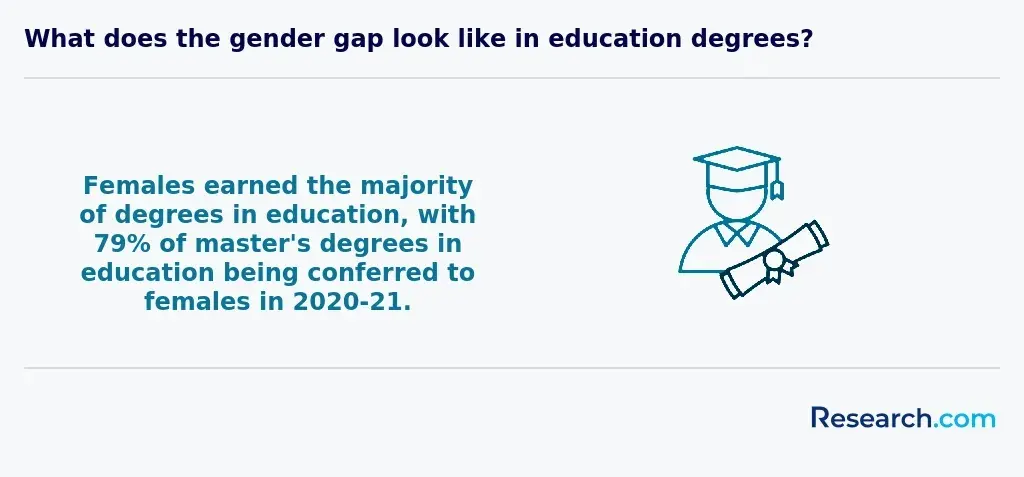
One important national context is that teaching remains a heavily female field: in the United States, around 79% of females have a degree in education. That figure does not determine hiring outcomes in Nebraska, but it does show how closely education degrees are tied to the broader teaching workforce.
What is the licensure application and renewal process for private school teachers in Nebraska?
The licensure process matters most for candidates applying to accredited private schools or for teachers who want maximum career mobility. A Nebraska teaching certificate can make it easier to move between private schools, public schools, and related education roles. It may also strengthen an applicant’s credibility, even when a private school has flexibility in hiring.
- Initial preparation: Candidates generally complete a bachelor’s degree and teacher preparation program before applying for certification.
- Testing and documentation: Applicants may need to submit transcripts, pass required assessments, provide identity documentation, and complete background screening.
- School-specific hiring review: Private schools may evaluate additional factors such as mission alignment, classroom philosophy, subject-matter depth, religious affiliation where applicable, and experience with small learning communities.
- Renewal and training: Teachers must track professional development carefully because Nebraska requires at least 10 hours of training each year.
- Leadership development: Teachers who plan to become department chairs, coordinators, or administrators may pursue additional preparation, including programs such as top online leadership degrees.
The key distinction is that private schools may not all apply the same hiring standards. One school may require a Nebraska certificate and subject endorsement. Another may place heavier weight on professional background, faith formation, prior teaching experience, or specialized expertise. Applicants should never rely on broad assumptions; they should ask each school directly what credentials are required for the position and whether certification will be expected after hiring.
Can I become a private school teacher in Nebraska with just a certificate?
In some private school settings, a teaching certificate may help a candidate qualify, but it should not be viewed as a universal substitute for a degree or subject preparation. Accredited private schools in Nebraska require teachers to hold a valid teaching certificate or permit. To earn a standard teaching certificate, candidates typically need to complete teacher preparation and satisfy testing and documentation requirements. Because those steps often involve a degree pathway, “just a certificate” can mean different things depending on the candidate’s background.
- Accredited school positions: A valid state certificate or permit is essential for teaching in accredited private schools.
- Nontraditional candidates: Some private schools may consider applicants with strong experience, industry expertise, tutoring backgrounds, ministry experience, or demonstrated teaching skill, especially for specialized or hard-to-fill roles.
- School autonomy: Private institutions can set additional hiring expectations that go beyond state minimums, such as theological training, classical education experience, Montessori familiarity, or bilingual ability.
- Certification steps: Candidates pursuing a Nebraska Standard Teaching Certificate generally need to submit an application, provide transcripts, and complete required assessments such as the Praxis Core test when applicable.
| Candidate profile | Possible route | Best next step |
| Education major | Complete teacher preparation, student teaching, testing, and certification. | Confirm the endorsement needed for the desired grade or subject. |
| Career changer with a bachelor’s degree | Explore certification options and private school openings that value subject expertise. | Ask schools whether certification is required at hire or can be completed later. |
| Experienced tutor or aide | Build documented classroom experience while pursuing formal credentials. | Look for assistant teacher, paraprofessional, substitute, or instructional support roles. |
| Subject expert without education coursework | Target schools that need specialized expertise while evaluating certification requirements. | Prepare evidence of teaching ability, lesson planning, and classroom management. |
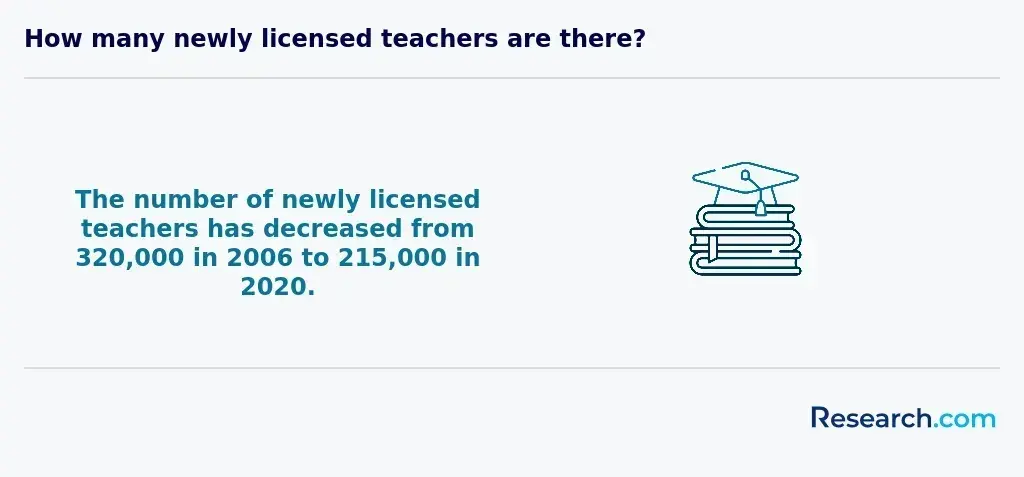
Teaching is demanding regardless of school type. Teachers often manage long hours, large workloads, classroom planning, student needs, parent communication, and administrative tasks. Nationally, there has been a decrease in the number of newly licensed teachers to 215,000 in 2020, a trend that highlights the importance of preparation, retention, and support for new educators.
What is the average cost of Private education programs in Nebraska?
If you are researching private education in Nebraska, it helps to separate two different cost questions: the tuition families pay for private school and the cost you may pay to become a teacher. Private school tuition affects school budgets, staffing, teacher pay, available classroom resources, and parent expectations.
For 2024, annual private school tuition in Nebraska averages around $9,043. Tuition varies widely, from approximately $2,300 to $18,000, depending on the school.
| School example | Reported tuition | What this may mean for teachers |
| St. Cecilia Middle School/High School | $2,300 | Lower tuition may reflect a different funding structure, mission model, or resource base. |
| Cornerstone Christian School | $4,650 | Families may still make a meaningful investment, but school budgets may be more constrained. |
| Concordia Jr/Sr High School | $8,200 | Midrange tuition can support structured programming while still requiring careful budget priorities. |
| Acton Academy Lincoln | $8,750 | Specialized educational models may shape teacher responsibilities and instructional methods. |
| Brownell Talbot College Preparatory School | $18,000 | Higher tuition may be associated with expanded programs, facilities, or college-preparatory services. |
For teachers, tuition levels matter because they can influence class size, salary flexibility, benefits, instructional materials, technology access, and expectations from families. A higher-tuition school does not automatically guarantee higher pay, and a lower-tuition school does not automatically mean weaker teaching quality. Applicants should ask direct questions about staffing support, planning time, benefits, curriculum resources, and professional development funding.
How long does it take to become a private school teacher in Nebraska?
The timeline can range from a few months to several years. The difference depends on your current education level, whether you already hold a bachelor’s degree, whether you need Nebraska certification, the subject you want to teach, and the hiring standards of the private schools you are targeting.
| Step | Estimated time | Decision point |
| Complete teacher preparation | One to four years | An associate’s route may be shorter, but many teaching roles favor a bachelor’s degree. |
| Gain classroom experience | Varies widely | Student teaching, tutoring, substitute teaching, and aide work can strengthen applications. |
| Prepare for assessments | Several months | The Praxis Core test and other assessments may require structured study time. |
| Submit applications and documents | Weeks to months | Transcripts, background checks, fingerprinting, and school interviews can extend the process. |
| Complete school onboarding | Varies by school | Private schools may require orientation in curriculum, mission, student policies, or faith-based expectations. |
A candidate who already has a bachelor’s degree and relevant classroom experience may move faster than someone beginning college from the start. However, speed should not be the only goal. Schools look for teachers who can manage classrooms, communicate with families, adapt lessons, assess student progress, and contribute to the school community.
How much does it cost to become a private school teacher in Nebraska?
The cost of becoming a private school teacher depends on how much education and certification you still need. Some candidates already have a degree and only need testing, documentation, or additional coursework. Others must complete a full undergraduate program before they are competitive.
- Degree costs: A four-year degree can cost from $20,000 to over $50,000, depending on the institution. Candidates comparing flexible routes may want to review best online education degrees.
- Certification expenses: Certification exams, preparation materials, and related fees can add another $500 to $1,500.
- Professional development: Workshops, conferences, coursework, and training may cost $200 to $1,000 annually.
- Job search costs: Application materials, travel for interviews, transcript requests, and background screening can add several hundred dollars.
- Relocation costs: Moving for a teaching position within Nebraska may cost from a few hundred to several thousand dollars.
| Cost category | Reported range | How to control the cost |
| Four-year degree | $20,000 to over $50,000 | Compare in-state options, transfer credits, online programs, and scholarships. |
| Certification exams and preparation | $500 to $1,500 | Use free study materials first and avoid paying for unnecessary test-prep packages. |
| Professional development | $200 to $1,000 annually | Ask employers whether training is reimbursed or provided in-house. |
| Job search expenses | Several hundred dollars | Prioritize local interviews, digital portfolios, and targeted applications. |
| Relocation | A few hundred to several thousand dollars | Compare housing, commute, and salary before accepting an offer. |
The best financial strategy is to avoid paying for credentials that do not match your target role. Before enrolling in a program, ask the schools you want to work for which degree, endorsement, certification, and experience they value most.
What is the job outlook for private school teachers in Nebraska?
The outlook for private school teachers is tied to overall education demand, family interest in private education, school budgets, teacher turnover, and regional growth. Educational services in Nebraska are projected to grow by about 5.6% over the next decade, which could produce nearly 5,748 new positions. In the Lincoln Metropolitan Statistical Area, educational employment is expected to grow by 8.8%, equal to nearly 2,000 new jobs.
- Enrollment patterns matter: If more families consider private education, schools may need additional teachers, aides, specialists, and administrators.
- Specialized programs can create targeted openings: Private schools with arts, STEM, religious, classical, Montessori, gifted, or college-preparatory programs may seek teachers with narrower expertise. Some educators also explore specialized graduate options, including online MFA programs low cost, when their teaching path intersects with the arts or writing.
- Turnover creates openings: Private schools may experience continued hiring needs when teachers move to public schools, change careers, relocate, or pursue administrative roles.
- Location affects opportunity: Urban and suburban areas may offer more openings, while rural areas may provide fewer positions but less competition for certain roles.
Job outlook should not be interpreted as a guarantee of employment. Private school hiring is often relationship-driven and mission-specific. Strong candidates usually combine credentials with evidence of classroom effectiveness, communication skills, reliability, and alignment with the school’s educational approach.
This chart from the National Center for Education Statistics illustrates some of the reasons why private school teachers change schools.
How much do private school teachers in Nebraska make?
Private school teacher salaries in Nebraska vary by school type, grade level, subject, experience, education, enrollment, funding model, and benefits. Private school teachers in Nebraska typically earn between $30,000 and $60,000 annually. That range is useful for planning, but candidates should compare total compensation rather than salary alone.
- Salary: Ask whether pay is based on a published salary scale, individual negotiation, degree level, years of experience, or subject demand.
- Benefits: Some private schools offer fewer benefits than public schools, so health insurance, retirement contributions, tuition discounts, and paid leave should be reviewed carefully.
- Workload: Smaller schools may expect teachers to sponsor clubs, coach, lead chapel or advisory groups, supervise lunch, communicate frequently with parents, or teach multiple preparations.
- Mission fit: Some teachers accept lower pay because they value the school’s size, philosophy, faith identity, curriculum freedom, or parent community.
| Compensation factor | Question to ask before accepting an offer |
| Base salary | Is the annual salary within the $30,000 to $60,000 range, and how is it determined? |
| Benefits | What health, retirement, leave, and tuition benefits are included? |
| Contract length | Is pay based on a 9-month, 10-month, or 12-month schedule? |
| Extra duties | Are coaching, clubs, supervision, or events required or paid separately? |
| Professional development | Does the school pay for required training, conferences, or certification renewal? |
The salary question is ultimately an ROI question. If your preparation costs are high and your expected salary is modest, compare loan payments, benefits, commute, career growth, and long-term advancement before committing.
What other career paths can private school teachers in Nebraska transition into?
Private school teachers build skills that transfer well beyond the classroom: public speaking, lesson design, assessment, conflict resolution, family communication, child development, documentation, and program coordination. Some teachers remain in education but move into counseling, intervention, admissions, tutoring, curriculum work, or school leadership. Others transition into training, nonprofit work, instructional design, youth programming, or communication-heavy roles.
Speech-language pathology is one example of a related field that may appeal to teachers who enjoy language development, individualized support, and student progress monitoring. Educators considering this direction can review how to become a speech pathologist in Nebraska to understand the training and qualification differences.
What career paths are available for Private school teachers in Nebraska?
A private school teaching role can be a long-term career or a starting point for broader education leadership. Career options often depend on the teacher’s subject area, credentials, school size, and willingness to pursue additional training.
- Classroom teacher: Many educators remain in teaching and build expertise by grade level, subject area, or instructional model.
- Curriculum developer: Experienced teachers may design lesson sequences, assessments, interdisciplinary projects, and schoolwide curriculum maps.
- Department chair or academic coordinator: Teachers with leadership skills may guide colleagues, mentor new teachers, coordinate standards, and review instructional quality.
- Administrator: With the right credentials and experience, teachers may pursue roles such as principal, assistant principal, head of school, or program director.
- Specialized instructor: Teachers may focus on gifted education, special education, intervention, arts, music, early childhood, or college preparation.
- Education-adjacent careers: Some teachers move into organizational management, libraries, museums, nonprofits, or special library careers.
According to the National Center for Education Statistics chart referenced in this article, around 32% of private school teachers have at least 10 years of teaching experience. That experience can be valuable for leadership, mentoring, curriculum design, and career mobility.
Should I pursue additional early childhood certifications for my private school teaching career?
Early childhood credentials can be useful if you want to teach preschool, kindergarten, lower elementary grades, or programs that emphasize developmental learning. They may also help private school teachers work more effectively with young learners, families, and mixed-age classrooms. Before investing in another credential, confirm that it matches your target role and the age group you want to teach. For a closer look at this pathway, review preschool teacher requirements in Nebraska.
How can aspiring teachers save money on certification in Nebraska?
Certification costs can add up quickly, especially for candidates who also need a degree, testing, background checks, and professional development. The goal is to choose the lowest-cost route that still meets Nebraska requirements and private school hiring expectations.
- Confirm the required credential first: Ask target schools whether they require a Nebraska teaching certificate, a specific endorsement, or a permit.
- Compare program formats: Online, hybrid, community college transfer, and in-state options may reduce costs.
- Use transfer credits: Candidates with previous college coursework should ask how many credits can apply toward a degree or teacher preparation program.
- Avoid unnecessary add-ons: Do not pay for extra endorsements unless they improve your chances in the roles you actually want.
- Ask about employer support: Some schools may contribute to training, renewal, or professional development costs.
- Research low-cost credential options: Candidates focused on affordability can compare the cheapest teaching credential program in Nebraska.
| Common mistake | Better approach |
| Choosing a program based only on tuition | Check accreditation, certification eligibility, transfer credit policy, and completion requirements. |
| Assuming all private schools have the same rules | Contact each school and ask about certification, endorsement, degree, and mission requirements. |
| Ignoring background check costs | Budget for fingerprinting, screening, and document fees before applying. |
| Paying for credentials that do not match your role | Match your certification plan to a specific grade level, subject, or school type. |
| Underestimating annual training | Plan for at least 10 hours of professional development each year. |
Here’s What Graduates Have to Say About Becoming a Private School Teacher in Nebraska
“Teaching in a Nebraska private school gave me the chance to know my students well. Smaller classes made it easier to adjust lessons, notice when a student needed help, and build a classroom culture where students felt seen. Watching that individual attention turn into confidence has been one of the most meaningful parts of the job.” — Angelica C.
“My private school role changed how I think about teaching. I was encouraged to use creative methods, build lessons around deeper questions, and support students as whole people. That freedom pushed me to become a stronger educator and to design learning experiences that develop curiosity and critical thinking.” — Jeremy I.
“Private education exposed me to different teaching philosophies and a very collaborative faculty culture. I appreciated being part of a school that emphasized character, service, and shared responsibility. The work can be demanding, but I have felt that my efforts directly shape students’ lives.” — Michael S.
What specialized certifications can enhance a private school teacher's career?
Specialized certifications can make a private school teacher more competitive when they align with real student needs. A credential is most valuable when it helps a teacher serve a population or program the school already prioritizes.
- Special education: Useful for schools expanding inclusive education, intervention services, or individualized support. Learn more about how to become a special education teacher in Nebraska.
- Early childhood education: Helpful for preschool, kindergarten, and lower elementary programs.
- English language learning: Useful in schools serving multilingual students and families.
- STEM or advanced subject areas: Valuable for secondary schools and college-preparatory programs.
- Arts, music, and enrichment: Important for private schools that differentiate through specialized programming.
Before pursuing a specialized credential, ask whether it will raise your salary, expand your teaching assignment, improve your promotion potential, or simply add cost without a clear career benefit.
What subject-specific expertise can boost career prospects for private school teachers in Nebraska?
Subject expertise can be a major advantage in private schools, especially in secondary grades and specialized programs. Schools may seek teachers who can teach advanced math, laboratory science, literature, foreign language, theology, music, art, technology, or humanities courses. Strong subject expertise can also help teachers lead clubs, competitions, performances, college-preparatory tracks, and enrichment programs.
Music is one example of a specialized field where training, performance ability, classroom management, and curriculum design all matter. Educators considering this path can review music teaching qualifications in Nebraska.
What are the key legal and contractual considerations for private school teachers in Nebraska?
Private school teachers should review employment terms carefully before accepting a position. Unlike many public school roles, private school employment may involve different contract structures, benefits, renewal terms, grievance procedures, and expectations outside regular classroom teaching.
- Salary and pay schedule: Confirm annual pay, pay periods, summer pay, stipends, and deductions.
- Benefits: Review health insurance, retirement, tuition discounts, leave policies, and professional development support.
- Contract renewal: Ask when contracts are renewed and what conditions may lead to nonrenewal.
- Termination language: Understand notice requirements, conduct expectations, and dismissal procedures.
- Extra duties: Clarify whether coaching, clubs, supervision, fundraising, religious activities, or evening events are required.
- Lesson materials and intellectual property: Ask who owns lesson plans, curriculum materials, recordings, and digital resources you create.
Subject-specific teachers should also clarify endorsement expectations and course assignments. For example, a candidate interested in social studies can compare requirements using this how to become a history teacher in Nebraska guide. If contract language is unclear, seek professional advice before signing.
What certification pathways are available for private school teachers in Nebraska?
Certification pathways vary depending on the candidate’s education level, teaching background, and target role. The right pathway should satisfy Nebraska expectations while supporting the type of private school position you want.
- Traditional teacher preparation: Best for students beginning college or completing an education degree.
- Post-baccalaureate certification: Often useful for career changers who already hold a bachelor’s degree.
- Endorsement expansion: Helpful for certified teachers who want to add another subject, grade level, or specialty.
- Permit-based routes: May apply in specific circumstances when a school needs authorization for a teacher who does not fit the standard route.
Because certification rules can be technical, applicants should compare the types of teacher certification in Nebraska before committing to coursework or testing.
How can private school teachers advance to leadership roles in Nebraska?
Private school leadership often grows from classroom credibility. Teachers who consistently produce strong student outcomes, communicate well with families, support colleagues, and understand the school’s mission are often considered for expanded responsibilities.
- Lead teacher: Mentors new teachers, models instruction, and supports grade-level planning.
- Department chair: Coordinates curriculum, assessments, and subject-area collaboration.
- Academic coordinator: Oversees instructional programs, student support, or accreditation-related work.
- Assistant principal or principal: Manages faculty, operations, discipline, curriculum, and school improvement.
- Head of school: Leads strategy, budgeting, enrollment, community relations, and mission execution.
Teachers who want to move into administration may benefit from graduate study in instructional leadership, supervision, or educational management. Cost-conscious educators can compare the cheapest online educational leadership programs while continuing to work.
Is pursuing an advanced degree beneficial for private school teachers in Nebraska?
An advanced degree can help, but it is not automatically worth the cost for every private school teacher. The value depends on your career goal, salary increase potential, leadership ambitions, and whether your school rewards graduate credentials.
| Advanced degree goal | When it may be worth it | When to be cautious |
| Improve classroom practice | You want stronger instructional, assessment, or student support skills. | Your school does not offer pay increases and the program is expensive. |
| Move into administration | You are targeting department chair, principal, or head-of-school roles. | You have no leadership opportunities or administrative certificate plan. |
| Specialize academically | You teach advanced or subject-specific courses. | The degree does not align with your teaching assignment. |
| Earn a doctorate | You want high-level leadership, research, policy, or institutional roles. | You need a quick salary return and the cost is high. |
Teachers seeking a faster doctoral route can review options such as the fastest EdD program, but they should compare program cost, accreditation, workload, and career payoff before enrolling.
What professional development networks can bolster a private school teacher’s career in Nebraska?
Professional development is not only a compliance requirement. It is also one of the best ways to avoid isolation, improve instruction, and prepare for leadership. Nebraska private school teachers should look for training that directly improves classroom practice or supports a specific career goal.
- School-based mentoring: New teachers benefit from coaching by experienced faculty who understand the school’s curriculum and culture.
- Local and regional educator associations: These networks can provide workshops, peer support, and updates on teaching practices.
- Subject-area communities: Math, science, literacy, arts, and language teachers can benefit from discipline-specific training.
- Online professional communities: Virtual groups can help teachers share lesson ideas, assessment strategies, and classroom management approaches.
- Certification-focused resources: Teachers who want a broader roadmap can review how to become a teacher in Nebraska.
What are the emerging trends in private education affecting career trajectories?
Private school teachers in Nebraska are working in an education environment shaped by technology, parent expectations, student support needs, and changing ideas about instructional quality. These trends do not replace core teaching skills, but they do change what schools may look for in applicants.
- Digital learning tools: Teachers are expected to use learning platforms, digital assessments, and classroom technology responsibly.
- Personalized learning: Private schools may emphasize smaller classes, differentiated instruction, and individualized support.
- Social-emotional learning: Teachers may be asked to support student well-being, classroom belonging, and character development.
- Inclusive instruction: Schools increasingly value teachers who can adapt lessons for students with different learning needs.
- Credential-conscious hiring: Even when private schools have flexibility, candidates with strong credentials and practical classroom experience may stand out.
Teachers interested in foundational classroom roles can also compare expectations in elementary education through this guide on how to become an elementary school teacher in Nebraska.
How can private school teachers manage stress and prevent burnout in Nebraska?
Private school teaching can be rewarding, but it can also involve heavy workloads, close parent communication, multiple preparations, extracurricular duties, and limited resources. Burnout prevention should be planned early, not treated as a last resort.
- Clarify workload before accepting the job: Ask about class size, planning periods, required events, supervision duties, and extracurricular expectations.
- Set communication boundaries: Establish reasonable response times for email and parent messages.
- Use planning systems: Reusable lesson templates, unit calendars, and assessment banks reduce weekly workload.
- Seek mentoring: A trusted colleague can help with classroom management, parent communication, and school culture.
- Protect recovery time: Teachers need non-work time to sustain energy and judgment.
- Use flexible learning for professional growth: Online options can support development without requiring travel; educators can explore how to become a teacher online in Nebraska.
Questions to ask before accepting a private school teaching job in Nebraska
- Is the school accredited, approved, or operating under another private school structure?
- Does the position require a Nebraska teaching certificate, permit, or specific endorsement?
- What is the salary range, and are raises tied to experience, degrees, or performance?
- What benefits are included, and how do they compare with public school benefits?
- How many classes, preps, students, and extracurricular duties are expected?
- Does the school pay for required professional development and certification renewal?
- What curriculum freedom does the teacher have?
- How are student discipline, parent concerns, and academic accommodations handled?
- What is the contract renewal process?
- What advancement opportunities exist for teachers who want leadership roles?
Key Insights
- Private school teaching in Nebraska is flexible in some ways, but accredited private schools still require a valid teaching certificate or permit from the state’s education commissioner.
- Most competitive candidates hold a bachelor’s degree, subject-aligned preparation, classroom experience, and any endorsements required for their grade level or subject.
- Private school tuition in Nebraska averages around $9,043 for 2024, with examples ranging from $2,300 to $18,000; those differences can affect school resources, family expectations, and staffing conditions.
- The cost to become a private school teacher can include a four-year degree from $20,000 to over $50,000, certification expenses of $500 to $1,500, and annual professional development of $200 to $1,000.
- Private school teachers in Nebraska typically earn between $30,000 and $60,000 annually, so applicants should compare total compensation, benefits, workload, and advancement potential.
- Educational services in Nebraska are projected to grow by about 5.6% over the next decade, with nearly 5,748 new positions, while the Lincoln Metropolitan Statistical Area is expected to grow by 8.8%, adding nearly 2,000 jobs.
- For elementary schools, 90% of teachers must hold certification in their areas, while secondary schools require 70% of classes to be taught by endorsed educators.
- Nebraska educators must complete at least 10 hours of professional development each year, making ongoing training a required part of the career.
- The best route depends on your target school: verify accreditation status, certification requirements, endorsement needs, salary structure, benefits, and contract terms before investing in a program or accepting an offer.
Related Articles for Nearby States
- 2027 How to Become a Private School Teacher in Kansas: Requirements & Certification
- 2027 How to Become a Private School Teacher in South Dakota: Requirements & Certification
- 2027 How to Become a Private School Teacher in Iowa: Requirements & Certification
- 2027 How to Become a Private School Teacher in Colorado: Requirements & Certification
- 2027 How to Become a Private School Teacher in Missouri: Requirements & Certification
- 2027 How to Become a Private School Teacher in Wyoming: Requirements & Certification
- 2027 How to Become a Private School Teacher in Minnesota: Requirements & Certification
- 2027 How to Become a Private School Teacher in Oklahoma: Requirements & Certification
- 2027 How to Become a Private School Teacher in North Dakota: Requirements & Certification
- 2027 How to Become a Private School Teacher in Illinois: Requirements & Certification
References:
- Bureau of Labor and Statistics. (2022). Occupational Outlook Handbook: Kindergarten and Elementary School Teachers. Retrieved from: https://www.bls.gov/ooh/education-training-and-library/kindergarten-and-elementary-school-teachers.htm
- DataUSA. (2022). Nebraska. Retrieved from: https://datausa.io/profile/geo/nebraska
- National Center for Education Statistics. (2020). New Data on Public and Private School Teacher Characteristics, Experiences, and Training. Retrieved from: https://nces.ed.gov/blogs/nces/post/new-data-on-public-and-private-school-teacher-characteristics-experiences-and-training
Other Things You Should Know About How to Become a Private School Teacher in Nebraska
In 2027, the average salary for private school teachers in Nebraska tends to be lower than that of public school teachers, typically ranging from $30,000 to $50,000 annually. Compensation varies based on the school's resources, location, and teacher's experience.
While private school educators often enjoy smaller class sizes and a strong sense of community, they also face unique challenges. Yet, the rewards can be profound. Teachers often experience greater autonomy in their curriculum and the opportunity to foster close relationships with students.
- Funding Constraints: Unlike public schools, private institutions rely heavily on tuition and donations, which can lead to limited resources.
- Job Security: Many private schools operate on annual contracts, creating uncertainty for teachers.
In 2027, becoming a private school teacher in Nebraska generally requires a bachelor's degree. Teacher certification is not mandatory, but some schools may prefer or require it. Prior teaching experience or expertise in specific subject areas might also be beneficial.
To become a private school teacher in Nebraska in 2027, you typically need at least a bachelor's degree and expertise in the subject area you wish to teach. Certification isn't always required but having one may enhance job prospects. Check individual school requirements as they can vary.


