
2027 Most Affordable Online Master's Degrees in Educational Leadership

Co-Founder and Chief Data Scientist
Are you passionate about educational leadership but concerned about the cost of a master's degree? This article explores the most affordable online Master's Degrees in Educational Leadership for 2024. Our experts aim to help educators by showcasing accessible options for advanced education. If you are a teacher aiming for advancement, this guide offers a pathway to leadership in education that will not strain your finances.
What are the benefits of getting an affordable online master’s degree in educational leadership?
- The online Master’s Degree in Educational Leadership can prepare individuals for diverse leadership roles within the education sector. These roles include school administrators, principals, education entrepreneurs, department supervisors, professors, and community education coordinators.
- Graduates of educational leadership in the U.S.A. can expect an average salary of $60,625 per year or $29.15 per hour.
- By pursuing an online Master’s Degree in Educational Leadership, individuals can enjoy flexibility and convenience. They can balance their studies with other commitments as they prepare for leadership roles in education.
What can I expect from an affordable online master’s degree in educational leadership?
An online Master’s Degree in Educational Leadership provides individuals with the essential skills and knowledge required to excel in leadership positions within the education sector. This program focuses on vital areas, such as:
- Educational governance
- Finance
- Law
- Leadership
- Strategic planning
Students enrolled in educational leadership programs can expect to gain knowledge in the following:
- Managing educational budgets
- Ensuring security measures
- Engaging with stakeholders
- Supervising teachers
- Implementing curriculum standards to enhance academic outcomes
Where can I work with an affordable online master’s degree in educational leadership?
Graduates holding an online Master's Degree in Educational Leadership enjoy numerous career prospects spanning various sectors within the education field. Common workplaces for these professionals include K-12 schools, where they can assume roles such as school administrators, principals, or department supervisors. These professionals oversee daily operations and set strategic directions for educational institutions. Moreover, graduates can pursue opportunities in higher education institutions, serving as academic deans, department heads, or professors. They can influence the academic landscape and contribute to educational policy and curriculum development.
Additionally, educational leadership professionals are in demand in non-profit organizations and focus on the following:
- Education
- Government agencies
- Educational consulting firms
- Corporate training departments
Their expertise in leadership, management, and educational policy is applied to improve learning environments and drive organizational success. Moreover, these professionals can also explore opportunities in educational technology companies, educational publishing firms, and professional development organizations. Working in these industries often involves the following tasks:
- Designing and implementing innovative educational programs
- Developing educational resources
- Providing leadership in integrating educational technology
The versatility of the online Master’s Degree in Educational Leadership allows graduates to work in a wide array of settings, from traditional educational institutions to emerging educational technology startups. Their leadership skills and expertise in educational best practices are highly valued and can significantly impact the quality of education delivery and student outcomes.
How much can I make with an affordable online master’s degree in educational leadership?
Graduates with an online Master's Degree in Educational Leadership can expect competitive salaries across various roles in the field of education.
- School principals - $117,979
- Superintendents - $119,745
- Instructional coordinators - $75,131
Furthermore, individuals with an online Master's Degree in Educational Leadership can explore earning potential beyond traditional educational institutions. For instance, corporate trainers with this degree can earn an average salary of $74,367 by designing and implementing training programs.
- List of the Most Affordable Online Master’s Degrees in Educational Leadership for 2027 Best Programs
- How long does it take to complete an online master’s degree in educational leadership? Completion Time
- How does an online master’s degree in educational leadership compare to an on-campus program? How does an online master’s degree in educational leadership compare to an on-campus program?
- What is the average cost of an online master’s degree in educational leadership program? Average Cost
- What are the financial aid options for students enrolling in an online master’s degree in educational leadership program? Financial Aid
- What are the prerequisites for enrolling in an online master’s degree in educational leadership program? Requirements
- What courses are typically in an online master’s degree in educational leadership program? What courses are typically in an online master’s degree in educational leadership program?
- What types of specializations are available in an online master’s degree in educational leadership programs? What types of specializations are available in an online master’s degree in educational leadership programs?
- How to choose the best online master’s degree in educational leadership program How to choose the best online master’s degree in educational leadership program
- What career paths are available for graduates of online master’s degrees in educational leadership programs? Career Paths
- How do affordable online master’s in educational leadership programs meet accreditation and quality standards? How do affordable online master’s in educational leadership programs meet accreditation and quality standards?
- What challenges might students face in affordable online master’s in educational leadership programs? What challenges might students face in affordable online master’s in educational leadership programs?
- What emerging trends are shaping the future of online educational leadership? What emerging trends are shaping the future of online educational leadership?
- How do online master’s in educational leadership programs foster diversity, equity, and inclusion? How do online master’s in educational leadership programs foster diversity, equity, and inclusion?
- What student support services are available for success in affordable online master’s in educational leadership programs? What student support services are available for success in affordable online master’s in educational leadership programs?
- How are online master’s in educational leadership programs addressing educational gaps post-pandemic? How are online master’s in educational leadership programs addressing educational gaps post-pandemic?
- What is the job market for graduates with an online master’s degree in educational leadership? Job Market
- How do online master's degrees in educational leadership incorporate real-world leadership experience? How do online master's degrees in educational leadership incorporate real-world leadership experience?
- What are the career advancement opportunities after a master’s in educational leadership? What are the career advancement opportunities after a master’s in educational leadership?
- How can an educational leadership degree enhance organizational leadership? How can an educational leadership degree enhance organizational leadership?
- Is the investment in an affordable online master’s degree in educational leadership delivering measurable long-term success? Is the investment in an affordable online master’s degree in educational leadership delivering measurable long-term success?
- How can interdisciplinary studies boost your leadership capabilities in education? How can interdisciplinary studies boost your leadership capabilities in education?
- How can creative writing skills boost leadership communication in education? How can creative writing skills boost leadership communication in education?
Most Affordable Online Master’s Degrees in Educational Leadership for 2027
Choosing an online master’s degree in educational leadership is usually a career decision, not just an academic one. Teachers, instructional coaches, department chairs, and aspiring administrators often look for these programs because they want to move into principal, curriculum, school administration, teacher-leader, or district-level roles without leaving their current jobs.
Cost matters because many educators are balancing graduate tuition with family responsibilities, certification requirements, and limited time away from work. The most affordable program is not always the best choice, however. A strong program should fit your state licensure goals, offer relevant leadership training, provide practical field experience, and hold the right accreditation or state approval for your intended role.
This guide explains how affordable online master’s in educational leadership programs compare, what they typically cost, how long they take, what admissions requirements to expect, and how to evaluate whether a program supports your career goals. It also includes a ranked list of affordable options, decision tables, financial aid guidance, common mistakes to avoid, and key questions to ask before enrolling.
Quick answer: What is the most affordable online master’s in educational leadership?
Among the programs listed in this guide, published tuition details range from $285 per credit to $370 per credit for several schools, while some programs publish total tuition figures such as $11,000, $12,700, and $12,705. The lowest listed per-credit rate is $285 at Buena Vista University. The best choice depends on more than tuition: students should also check accreditation, principal certification alignment, internship expectations, transfer policies, fees, and whether the program is approved for licensure in their state.
How Research.com ranked these programs
Graduate education is a major investment, so students need clear and comparable information before choosing a school. Research.com reviewed affordable online master’s-level educational leadership and closely related educator-leadership programs using publicly available institutional and federal data. Our evaluation considered affordability along with academic and program-quality indicators such as graduation rate, student-faculty ratio, and program focus.
The ranking draws from current and broad higher education data sources, including:
- The Integrated Postsecondary Education Data System database
- Peterson’s database, including its Distance Learning Licensed Data Set
- College Scorecard database
- National Center for Education Statistics
For a fuller explanation of how Research.com evaluates schools and programs, review our methodology.
How to use this ranking
Use the list below as a starting point, not as your final decision. Before applying, verify the current tuition, fees, admission requirements, clinical or internship expectations, and state licensure eligibility directly with the university. Educational leadership requirements vary by state, especially for principal and school administrator certification.
| Rank | School | Program | Listed Cost | Credits | Best Fit |
| 1 | Athens State University | Online MEd in Career and Technical Education | $340 per credit | 30 | Educators focused on career and technical education leadership |
| 2 | Buena Vista University | Online Master of Education - Teacher Leadership, Curriculum, and Instruction | $285 per credit | 30 | Working teachers seeking classroom leadership roles |
| 3 | Campbellsville University | Online Master of Arts in Education Teacher Leader | $319 per credit | 36 | Teachers interested in mentoring, endorsements, or specialty areas |
| 4 | Evangel University | Online Master of Education in Curriculum & Instruction Leadership | $320 per credit | 30 | Teachers who want curriculum, literacy, TESOL, or leadership preparation |
| 5 | Fitchburg State University | Online MEd Educational Leadership and Management | $12,705 total tuition | 33 | Educators seeking a non-licensure leadership and management program |
| 6 | Fort Hays State University | MS in Educational Administration - Building Principal | $319.45 per credit | 36 | Aspiring building principals |
| 7 | Northeastern State University | Master of Education in School Administration | $12,700 tuition | 36 | Students pursuing academic requirements for principal certification |
| 8 | Southwest Baptist University | Master of Science in Education - Teacher Leadership | $325 per credit | 36 | Teachers seeking leadership roles that do not require administrative certification |
| 9 | The University of Texas at Arlington | Online MEd in Educational Leadership and Policy Studies | $11,000 tuition | 30 | Educators focused on school leadership, policy, and organizational effectiveness |
| 10 | Union College - KY | Online Master of Arts in Educational Leadership | $370 per credit | N/A | Students who meet Kentucky-focused educational leadership admissions expectations |
1. Athens State University
Athens State University offers an online MEd in Career and Technical Education for educators who want to strengthen their technical teaching, training, and leadership skills. The program emphasizes applied instructional strategies for adult learners preparing for technical careers.
- Program length: Varies based on how many courses students take each semester
- Tracks or concentrations: Curriculum and instruction, instructional technology, leadership
- Cost per credit: $340
- Credits required: 30
- Accreditation: Council for the Accreditation of Education Preparation (CAEP)
2. Buena Vista University
Buena Vista University provides an online Master of Education - Teacher Leadership, Curriculum, and Instruction designed for educators who want to lead from the classroom rather than immediately move into administration. The program includes four emphasis options for different professional goals.
- Program length: 1 year
- Tracks or concentrations: Effective teaching and instructional leadership, talented and gifted education, teaching English as a second language, teacher technology integrationist
- Cost per credit: $285
- Credits required: 30
- Accreditation: Higher Learning Commission (HLC)
3. Campbellsville University
Campbellsville University offers an online Master of Arts in Education Teacher Leader program for educators who want to guide colleagues, support faculty development, and build expertise in a specialty area. Students can choose from multiple professional options, including an information technology focus.
- Program length: 2 years
- Tracks or concentrations: Curriculum emphasis, gifted education endorsement, English as a second language (ESL) endorsement, interdisciplinary early childhood education, information technology
- Cost per credit: $319
- Credits required: 36
- Accreditation: CAEP
4. Evangel University
Evangel University offers an online Master of Education in Curriculum & Instruction Leadership for educators preparing to influence instruction, curriculum planning, and school-level improvement. The program is built for teachers who want leadership preparation connected to classroom and community impact.
- Program length: Varies based on course load each semester
- Tracks or concentrations: Curriculum, leadership, literacy, Teaching English to Speakers of Other Languages (TESOL)
- Cost per credit: $320
- Credits required: 30
- Accreditation: HLC
5. Fitchburg State University
Fitchburg State University offers an online MEd Educational Leadership and Management program. This is a non-licensure option for educators who want to develop administrative and leadership skills without pursuing a licensure pathway through the degree.
- Program length: As few as 12 months
- Tracks or concentrations: Educational leadership, management
- Cost: $12,705 total tuition
- Credits required: 33
- Accreditation: New England Commission of Higher Education (NECHE)
6. Fort Hays State University
Fort Hays State University offers a Master of Science in Educational Administration - Building Principal. The program is intended for educators preparing to lead schools, address student needs, and study current issues affecting educational administration.
- Program length: 1 year
- Tracks or concentrations: Educational administration - building principal
- Cost per credit: $319.45
- Credits required: 36
- Accreditation: CAEP
7. Northeastern State University
Northeastern State University offers a Master of Education in School Administration. The program is designed to satisfy academic requirements connected with an elementary or secondary standard principal’s certificate.
- Program length: Varies based on number of classes taken each semester
- Tracks or concentrations: School administration
- Cost: $12,700 tuition
- Credits required: 36
- Accreditation: CAEP
8. Southwest Baptist University
Southwest Baptist University offers a Master of Science in Education - Teacher Leadership. The program is intended for educators who want leadership responsibilities in schools but are not seeking roles that require administrative certification.
- Program length: Varies depending on semester course load
- Tracks or concentrations: Teacher leadership
- Cost per credit: $325
- Credits required: 36
- Accreditation: HLC
9. The University of Texas at Arlington
The University of Texas at Arlington offers an online Master of Education in Educational Leadership and Policy Studies. The curriculum is designed to help educators expand their leadership, policy, and organizational effectiveness skills within school settings.
- Program length: 1 year
- Tracks or concentrations: Educational leadership and policy studies
- Cost: $11,000 tuition
- Credits required: 30
- Accreditation: Association for Advancing Quality in Educator Preparation (AAQEP)
10. Union College - KY
Union College - KY offers an online Master of Arts in Educational Leadership. Applicants are expected to provide official undergraduate and graduate transcripts, a copy of a teaching certificate, and meet a minimum 3.0 GPA requirement.
- Program length: Varies based on course load each semester
- Tracks or concentrations: Educational leadership
- Cost per credit: $370
- Credits required: N/A
- Accreditation: Kentucky’s Education Professional Standards Board (EPSB)
How long does an affordable online master’s in educational leadership take?
Most full-time students complete a master’s-level education program in about one to two years. Part-time students may need three to four years, depending on the number of credits required, course availability, and whether the program includes an internship, practicum, capstone, or licensure assessment. Accelerated formats may be finished in 12 to 18 months, but they can be demanding for full-time teachers.
The timeline is similar to other graduate and educator-preparation options, including an online elementary education degree, because schools must balance coursework, field learning, and state or professional requirements.
| Enrollment Pattern | Typical Completion Time | When It Makes Sense | Trade-Off |
| Accelerated | 12 to 18 months | You can manage intensive coursework while working | Less scheduling flexibility and heavier weekly workload |
| Full-time | One to two years | You want a faster path to promotion or licensure eligibility | May be difficult during the school year |
| Part-time | Three to four years | You need to balance teaching, family, and graduate study | Longer time before career benefits may appear |

Online vs. on-campus master’s in educational leadership: Which format is better?
An online master’s in educational leadership usually delivers coursework through a learning management system, recorded lectures, discussion boards, digital assignments, email, and video conferencing. On-campus programs rely more heavily on in-person class meetings, live peer discussion, and direct faculty interaction. This difference is also common across broader affordable online teaching degree options.
Both formats can offer rigorous coursework, licensure tracks, comprehensive exams, thesis options, capstone projects, internships, and field experiences. The better format depends on your schedule, location, learning style, and need for local networking.
| Factor | Online Program | On-Campus Program |
| Schedule | Often more flexible, especially when courses are asynchronous | Requires travel and attendance at set class times |
| Networking | May include virtual cohorts, online discussions, and local field placements | Offers more face-to-face contact with faculty and classmates |
| Field Experience | Often completed in the student’s local school or district | May be arranged through nearby partner schools |
| Best For | Working educators who cannot relocate or commute regularly | Students who prefer in-person discussion and campus resources |
| Possible Limitation | Requires self-direction and reliable technology | Less flexible for full-time educators |
Before choosing an online program, ask whether any campus visits, live class sessions, proctored exams, or in-person internship meetings are required. A program advertised as online may still include synchronous or location-based components.
What does an affordable online master’s in educational leadership cost?
Published tuition for online master’s in educational leadership programs can vary widely. In this guide, listed per-credit rates include approximately $285 to $370 among several ranked programs, while other schools publish total tuition figures such as $11,000, $12,700, and $12,705. More broadly, online master’s degree programs in educational leadership may range from approximately $285 to $1,150 per credit.
As with an affordable online master’s in communications, public colleges may offer lower tuition for in-state students, while private institutions may charge higher rates. The final cost also depends on fees, textbooks, technology requirements, internship expenses, licensure exams, and whether tuition is charged differently for online or out-of-state students.
The table below shows cost categories often associated with online and in-person study:
| Online Instruction | In-Person Instruction |
| Rental – $1,504/mo | Housing – $1,513/mo |
| Food/Groceries – $345/mo | Campus Meal Plan – $562/mo |
| Internet – $50/mo | Campus Computer Lab – Free |
| Electricity and Heat – $175/mo | Parking Permit – $269/sem |
| Online Learning Fee – $25-$100/sem | Health Services Plan – $2,000/yr |
| Books – $1,295/yr | Transportation Costs – $1,425/yr |
| Books and supplies – $1,295/yr | |
| Room Furniture – $970 | |
| Used car – $7,000-$11,000 |
How to calculate your real program cost
- Multiply tuition by required credits. If a school lists a per-credit rate, calculate the full tuition before fees.
- Ask for a fee sheet. Online learning fees, graduation fees, background checks, exam fees, and internship fees can change the total.
- Check tuition rules for online students. Some public universities charge one online rate; others vary by residency.
- Include licensure-related expenses. Principal certification pathways may require assessments, background checks, or state application fees.
- Compare total cost, not only per-credit cost. A lower per-credit price can still cost more if the program requires more credits.
What financial aid is available for online educational leadership master’s students?
Students in eligible online master’s programs may be able to use several forms of financial support, including scholarships, federal student loans, employer tuition assistance, and income from continued employment while enrolled. Educators should also ask their district whether tuition reimbursement or salary-lane advancement applies to the degree.
A common first step is completing the Free Application for Federal Student Aid, available through FAFSA. Federal aid eligibility generally requires students to meet basic conditions, including:
- Showing financial need as determined through FAFSA, when required for the aid type
- Being a U.S. citizen or eligible noncitizen
- Having a valid Social Security number, with exceptions for students from the Republic of the Marshall Islands, Federated States of Micronesia, or the Republic of Palau
- Being admitted or enrolled as a regular student in an eligible degree or certificate program
- Maintaining satisfactory academic progress
- Giving consent and authorization for federal tax information to be transferred into the FAFSA form for the relevant academic year
- Signing the FAFSA certification statement about federal loan obligations and use of aid for educational expenses
- Demonstrating eligibility to pursue college or career school education
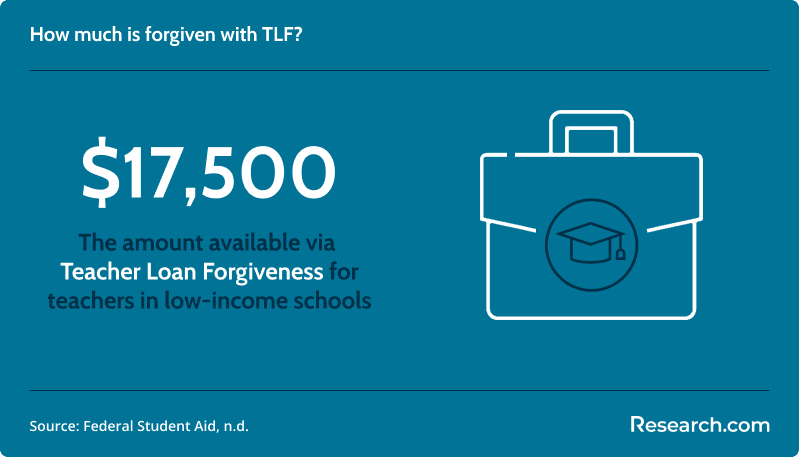
Some educators may also qualify for loan relief programs. Teacher Loan Forgiveness may provide up to $17,500 in forgiveness for eligible teachers working in low-income schools. Public Service Loan Forgiveness may support qualifying public service workers, including educators, after 120 qualifying monthly payments.
What are the admission requirements for an affordable online master’s in educational leadership?
Admission requirements vary by school and by whether the program is a teacher-leader, curriculum leadership, school administration, or principal certification pathway. Many applicants begin with a teaching background, and some programs expect candidates to already hold or be eligible for educator licensure.
Common requirements include:
- A bachelor’s degree in education or a closely related field
- A current and valid teaching license
- Three years of teaching experience
- A minimum GPA, often around 2.5-3.0
- A completed application and application fee
- Two recommendation letters
- A resume and official transcripts
- A personal statement or statement of purpose
- Teaching licensure and two to three years of experience for some administrative licensure or certification tracks
- GRE scores, if required by the institution
What courses are common in online master’s in educational leadership programs?
Educational leadership programs combine leadership theory, school operations, instructional improvement, legal and ethical issues, and data-informed decision-making. Programs leading to administrator certification may also include fieldwork or supervised leadership practice.
- Educational Governance and Policy
- School Law and Ethics
- Leadership Theory and Practice
- Curriculum Development and Assessment
- School Finance and Budgeting
- Instructional Leadership
- Data-Driven Decision Making
- School Improvement and Change Management
- Community Relations and Stakeholder Engagement
- Educational Technology Integration
What educational leadership specializations are available?
Specializations help students align the degree with the type of leadership role they want. Some programs focus on principal preparation, while others are better for teacher leaders, curriculum specialists, or education managers outside traditional school administration.
| Specialization | What It Emphasizes | Best For |
| Administration | School leadership, operations, policy, and administrator preparation | Aspiring principals or school administrators |
| Management and Leadership | Organizational leadership, personnel, budgeting, and planning | Educators pursuing leadership roles in schools or education organizations |
| Teaching and Learning | Instructional improvement, curriculum, assessment, and teacher support | Instructional coaches, curriculum leaders, and teacher leaders |
| General Focus | Broad leadership development across educational settings | Students who want flexibility or are not pursuing a specific licensure track |
How to choose the best affordable online master’s in educational leadership
The right program should match your career goal, state requirements, schedule, and budget. A low tuition rate is helpful, but it should not outweigh accreditation, field experience quality, or licensure compatibility.
- Verify accreditation and state approval. Look for recognized institutional accreditation and, when relevant, educator-preparation approval. Accreditation helps protect degree quality and recognition.
- Match the degree to your target role. Principal preparation, teacher leadership, curriculum leadership, and non-licensure management programs are not interchangeable.
- Ask whether the program leads to licensure. A non-licensure educational leadership degree may support promotion but may not qualify you for principal certification.
- Review internship requirements. Find out how field placements are arranged, who supervises them, and whether your current school can serve as a site.
- Compare total cost. Include tuition, fees, books, testing, background checks, travel, and lost income if you reduce work hours.
- Check course format. Asynchronous courses work well for busy teachers, while synchronous courses may offer more real-time interaction.
- Evaluate faculty and student support. Ask about advising, licensure guidance, online tutoring, technical support, and career services.
- Confirm transfer and credit policies. If you have prior graduate credits, ask whether they can reduce your time and cost.
Questions to ask before enrolling
| Question | Why It Matters |
| Does this program meet principal or administrator licensure requirements in my state? | Licensure rules vary, and an out-of-state online program may not automatically qualify you. |
| Is the program licensure, non-licensure, or teacher-leadership focused? | Each pathway supports different career outcomes. |
| What is the total cost after fees? | Published tuition may exclude required charges. |
| Are internships or practicums required? | Fieldwork can affect your schedule and your ability to complete the program locally. |
| How often are required courses offered? | Limited course availability can delay graduation. |
| Will the degree qualify for district salary advancement? | Some employers have specific rules about approved programs or credits. |
What careers can you pursue with an online master’s in educational leadership?
Graduates may pursue school-based, district-level, nonprofit, postsecondary, training, and education management roles. Some positions require state certification or additional credentials, especially principal and administrative roles.
- Program Administrator
- School Leader
- Department Head
- Education Administrator
- Senior Manager of Education and Training
- Career Counselor
- Program Manager
- Associate Program Director
- Department Chair
- Instructional Coordinator
- Central Office Administrator
| Career Direction | Typical Credential Need | Good Degree Fit |
| Principal or school administrator | Often requires state administrative licensure or certification | Educational administration or building principal track |
| Teacher leader or department chair | May not require administrator licensure | Teacher leadership or curriculum and instruction track |
| Instructional coordinator | Requirements vary by employer and state | Curriculum, assessment, and instructional leadership focus |
| Training or education program manager | Often employer-specific | Educational leadership, management, or organizational leadership focus |
How do these programs meet accreditation and quality standards?
Accreditation is one of the first quality checks students should make. Institutional accreditation shows that the college or university has been reviewed for academic quality, governance, faculty standards, and student support. Programmatic accreditation or educator-preparation approval can also matter for students pursuing school leadership credentials.
Students considering advanced study after a master’s may also explore options such as a doctorate in organizational leadership, but the same quality checks apply: verify accreditation, ask about outcomes, and make sure the curriculum fits the role you want.
What challenges do online educational leadership students face?
Online programs can be flexible, but they still require planning. Working educators often complete assignments after school hours, during weekends, or around district responsibilities. Students may also need to coordinate internships, manage group projects remotely, and maintain steady communication with faculty and supervisors.
- Limited spontaneous networking: Online students may need to be intentional about building relationships with classmates, faculty, and administrators.
- Technology dependence: Reliable internet, updated software, and comfort with learning platforms are essential.
- Time management pressure: Teaching while completing graduate coursework can be difficult during testing periods, school events, or leadership practicum hours.
- Uneven support across programs: Some schools offer strong online advising and licensure guidance, while others provide less structure.
- Program comparison difficulty: Students often compare related options, such as the cheapest online master’s in special education, but should avoid assuming similar cost means similar career outcomes.
What trends are shaping online educational leadership programs?
Educational leadership programs are adapting to changes in schools, technology, and employer expectations. Online delivery has become more common for working educators, and many programs now use asynchronous modules, video-based collaboration, digital portfolios, and data-focused assignments.
Artificial intelligence and learning analytics are also influencing how school leaders think about instruction, assessment, operations, and academic intervention. Programs may discuss AI-related policy, ethical technology use, student privacy, and data-informed decision-making. Some leadership pathways also use virtual simulations or scenario-based activities to help students practice decisions before entering administrative roles.
Educators who want advanced leadership credentials after a master’s may compare doctoral pathways, including fast-track EdD options. Students should evaluate these carefully because shorter does not always mean easier, less expensive, or better aligned with career goals.
How do programs address diversity, equity, and inclusion?
Educational leaders are expected to serve diverse students, staff, families, and communities. Many master’s programs address diversity, equity, and inclusion through coursework in culturally responsive leadership, school law, community engagement, policy analysis, ethics, and equitable resource allocation.
Strong programs do more than include DEI language in course descriptions. They ask students to analyze discipline data, achievement gaps, family engagement practices, staffing decisions, and school climate. Leaders may also learn how to identify structural barriers and design improvement plans that support historically underserved students.
Students comparing education-related graduate pathways may also research adjacent fields, including master’s in library science cost, if they are interested in school library leadership, information access, or community learning environments.
What student support services matter most in an online program?
Support services can strongly affect whether online students finish on time. Because many students are full-time educators, responsive advising and clear program planning are especially important.
- Academic advising: Helps students sequence courses and avoid delays.
- Licensure support: Clarifies state requirements, exams, internships, and certification paperwork.
- Technical assistance: Reduces disruptions in online coursework.
- Library and research help: Supports graduate-level writing, data analysis, and capstone projects.
- Career services: Helps students prepare for leadership interviews, promotion opportunities, and resume updates.
- Peer and faculty networking: Creates mentorship opportunities for students who are studying remotely.
Some educators also pair graduate study with supplementary credentials. For example, an accelerated teaching certificate program may be relevant for career changers or educators pursuing additional certification areas.
How are educational leadership programs responding to post-pandemic school needs?
The 2019-2020 global disease outbreak placed long-term pressure on schools, including learning gaps, staff burnout, student mental health concerns, and uneven access to technology. Educational leadership programs increasingly prepare future administrators and teacher leaders to respond to these issues through crisis planning, remote learning models, academic recovery strategies, and data-informed intervention.
Coursework and practical experiences may include case studies on student recovery, technology integration, stakeholder communication, and school improvement planning. Related online master’s in teaching programs may also emphasize instructional recovery and personalized learning, but educational leadership programs focus more directly on leading teams, allocating resources, and implementing system-level change.
What is the job market for educational leadership graduates?
The job market depends heavily on the role, state, district hiring patterns, licensure status, and years of experience. Educational leadership graduates may find opportunities in K-12 schools, districts, postsecondary institutions, nonprofit organizations, and private-sector education or training roles.
For instructional coordinators, employment is expected to grow by 2% during the same period. For elementary, middle, and high school principals, employment is projected to show little or no change from 2022 to 2032.
In 2022, elementary, middle, and high school principals held about 300,400 jobs. Their largest employers were:
- Elementary and secondary schools; local - 75%
- Elementary and secondary schools; private - 20%
Postsecondary education administrators are projected to see 4% growth from 2022 to 2032. The chart below shows the percentage change in employment over that period.
How do online programs provide real-world leadership experience?
Educational leadership cannot be learned only through readings and discussion boards. Strong online programs build practical leadership experience into the curriculum so students can apply theory to real school and organizational problems.
Internships and practicums
Many programs require supervised fieldwork in a school, district, or education organization. Students may observe administrators, participate in leadership meetings, analyze school data, support improvement efforts, or complete projects tied to operations, instruction, or policy.
Capstone projects
Capstone assignments typically require students to solve a practical education problem. Examples include evaluating school performance data, proposing a strategic improvement plan, developing a curriculum initiative, or designing a leadership framework for a specific setting.
Mentorship
Some programs pair students with experienced administrators or education leaders. Mentors can help students understand the realities of leadership work, prepare for interviews, and build professional networks.
Leadership simulations
Scenario-based simulations allow students to practice responding to difficult situations, such as staff conflict, budget constraints, student safety concerns, family communication issues, or sudden operational disruptions.
What advancement options are available after a master’s in educational leadership?
A master’s in educational leadership can support immediate career movement, but some graduates pursue additional credentials to qualify for higher-level roles or specialized positions.
- Doctorate in Education: An Ed.D. or Ph.D. may support careers in district leadership, policy, research, higher education, or advanced administrative roles. Students focused on cost can compare the cheapest online EdD programs.
- State-specific administrative licensure: Principal or district administrator positions often require state approval, field experience, and assessments beyond the master’s degree.
- Specialized certifications: Credentials in instructional coaching, educational technology, special education administration, or curriculum leadership may improve mobility in specific roles.
- Corporate training and development: Some graduates apply leadership, curriculum, assessment, and adult-learning skills in workplace training environments.
Can an educational leadership degree support broader organizational leadership roles?
Although the degree is rooted in education, many skills transfer to nonprofit, government, higher education, corporate training, and workforce development settings. Graduates may use their background in planning, communication, team leadership, assessment, and change management outside traditional K-12 administration.
Transferable leadership skills
- Strategic planning: Students learn to set goals, align resources, and measure progress.
- Team development: Coursework often emphasizes collaboration, coaching, personnel support, and professional learning.
- Conflict management: Educational leaders regularly practice communication and problem-solving across stakeholder groups.
- Change management: School improvement planning helps leaders manage transitions in complex organizations.
- Performance evaluation: Data analysis and assessment skills can support organizational planning in many settings.
Is an affordable online master’s in educational leadership worth it?
An online master’s in educational leadership may be worth it if it helps you qualify for a specific role, meet licensure requirements, advance on a district salary schedule, or move into leadership work you could not access with your current credentials. It may not be worth it if the program does not meet your state’s requirements, lacks the field experience you need, or adds debt without a clear career plan.
Students considering alternative paths can also compare leadership-adjacent fields. For example, a career in library science may fit educators interested in information access, school library services, or community learning. Others may strengthen broader management preparation through an affordable online BS in organizational leadership, although students who already hold a bachelor’s degree should compare whether a graduate credential would be more useful.
| This Degree May Be Worth It If... | Consider Another Option If... |
| You want to pursue principal, teacher-leader, instructional coordinator, or school administration roles | You are not interested in leadership, supervision, policy, curriculum, or school improvement work |
| Your state recognizes the program for the credential you need | The program does not align with licensure requirements where you plan to work |
| Your employer offers tuition support or salary advancement for approved graduate credits | The degree would increase debt without improving your career options |
| You can complete internships or leadership projects while working | Your schedule cannot accommodate fieldwork, group projects, or intensive coursework |
How can interdisciplinary study strengthen educational leadership?
Educational leaders benefit from skills beyond administration. Communication, writing, data interpretation, psychology, technology, and organizational behavior can all improve leadership effectiveness. Interdisciplinary learning helps leaders explain complex decisions, build trust, and design creative solutions for schools and communities.
For example, educators who study communication-heavy fields such as online creative writing degree programs may develop stronger storytelling, messaging, and audience-awareness skills. These abilities can be useful when presenting strategic plans, communicating policy changes, or building support for school improvement.
How can creative writing skills improve leadership communication in education?
Creative writing can help educational leaders communicate with clarity, empathy, and purpose. Leaders often need to explain data, policy, conflict, and change to audiences with different levels of expertise. Narrative techniques can make those messages easier to understand and more persuasive.
Strong writing also supports grant proposals, family communication, staff development materials, board presentations, and public-facing school messages. Educators who want focused writing development can review options such as the fastest creative writing degree, while keeping in mind that speed should be weighed against quality, workload, and long-term usefulness.
Common mistakes to avoid when choosing an online educational leadership master’s
| Mistake | Why It Can Hurt You | Better Approach |
| Choosing only by lowest tuition | A cheap program may not meet licensure or career needs | Compare cost, accreditation, fieldwork, and state approval together |
| Assuming all educational leadership degrees lead to principal certification | Some programs are non-licensure or teacher-leadership only | Ask the school and your state licensing agency before applying |
| Ignoring fees and added costs | Books, technology, exams, and internship expenses can increase the final price | Request a full cost estimate in writing |
| Overlooking internship logistics | Fieldwork can be difficult if your school or district cannot support it | Confirm placement rules before enrollment |
| Relying only on rankings | A ranked program may not be the best fit for your state or career path | Use rankings as a shortlist, then verify fit |
| Assuming salary outcomes are guaranteed | Pay depends on role, district, state, experience, and credentials | Check local salary schedules and job postings |
Graduate perspectives on online educational leadership study
- Stephen: "The online format made graduate study possible while I continued teaching and managing family responsibilities. I could apply leadership concepts in my school immediately, which made the coursework feel practical rather than abstract."
- Marian: "Studying with educators from different districts helped me see leadership challenges from new angles. The virtual discussions and applied projects strengthened my confidence and gave me a broader professional network."
- Eleanor: "The program helped me connect theory with daily school decisions. Faculty feedback and peer collaboration pushed me to think more strategically about communication, instruction, and school improvement."
References
- Bureau of Labor Statistics, U.S. Department of Labor, Occupational Outlook Handbook, Elementary, Middle, and High School Principals. U.S. BLS
- Bureau of Labor Statistics, U.S. Department of Labor, Occupational Outlook Handbook, Instructional Coordinators. U.S. BLS
- Bureau of Labor Statistics, U.S. Department of Labor, Occupational Outlook Handbook, Postsecondary Education Administrators. U.S. BLS
- GMAC. (2023). Corporate Recruiters Survey 2023 Summary Report. GMAC
- Hanson, M. (2023, August 23). Cost of Online Education vs. Traditional Education. Education Data
- Salary.com. (2024). Corporate Trainer Salary. Salary.com
- Salary.com. (2024). Instructional Coordinator Salary. Salary.com
- Salary.com. (2024). School Principal Salary in the United States. Salary.com
- Salary.com. (2024). Superintendent Salary in the United States. Salary.com
- Zippia. (2023, September 14). Average Educational Leadership Major Salary. Zippia
Key Insights
- The most affordable listed per-credit option in this guide is Buena Vista University at $285 per credit, but the best program depends on licensure fit, accreditation, fieldwork, and career goals.
- Online master’s in educational leadership programs commonly take one to two years full time, three to four years part time, or 12 to 18 months in accelerated formats.
- Not every educational leadership degree leads to principal certification. Students seeking administrative roles must verify state-specific licensure requirements before enrolling.
- Total cost should include tuition, fees, books, technology, internship expenses, and licensure-related charges, not just the published per-credit rate.
- Online programs can be a strong fit for working educators, but they require self-discipline, reliable technology, and careful planning around fieldwork or practicum hours.
- Career outcomes vary by role and location. The degree can support paths in school leadership, curriculum, instructional coordination, program administration, and training, but salaries and promotions are never guaranteed.
- The safest decision process is to shortlist affordable accredited programs, confirm state approval, compare total cost, ask about internships, and choose the option that directly supports the role you plan to pursue.
Other Things You Should Know About Affordable Degrees in Educational Leadership
In 2027, online master's degrees in educational leadership with the lowest tuition costs range from $5,000 to $12,000 annually. Many programs offer financial aid options, including scholarships, grants, and work-study programs, making education accessible for those seeking budget-friendly choices.
Admission requirements for 2027's most affordable online master's programs in educational leadership typically include a bachelor's degree, professional experience in education, and standardized test scores like the GRE. Some programs may waive test requirements based on extensive work experience or prior academic performance.
Yes. Many programs require a school-based internship or practicum, often 150 to 300 clock hours, completed in an approved K–12 setting. Some states also require a licensed mentor and a principal or administrator candidate evaluation aligned with state licensure standards.


