2027 Are There Any One-Year Online Marriage and Family Therapy Degree Programs Worth Considering?

Co-Founder and Chief Data Scientist
If you are looking for a one-year online Marriage and Family Therapy degree, the most important question is not simply whether a fast program exists. It is whether the program can prepare you for licensure, supervised clinical work, and ethical practice with couples and families. MFT training is not just classroom study; it also requires supervised client contact, practicum or internship placement, and state-specific licensure alignment.
For most students in the United States, a true one-year online MFT degree is not a realistic licensure pathway. Most legitimate master's programs in marriage and family therapy require more time because they must cover counseling theory, family systems, assessment, ethics, multicultural practice, and clinical supervision. Some schools offer accelerated or flexible formats, but speed should never come at the expense of accreditation, clinical quality, or eligibility for the state license you plan to pursue.
This guide explains what to expect from accelerated online MFT options, why one-year completion is uncommon, how to evaluate programs, what costs and financial aid may look like, and which questions to ask before enrolling.
Key Points About One-Year Online Marriage and Family Therapy Degree Programs
- One-year online MFT degrees are rare due to extensive clinical hour requirements compared to traditional 2-3 year programs emphasizing practical experience.
- Students should expect accelerated coursework with intensive synchronous sessions and limited part-time flexibility, differing from conventional program pacing.
- These programs often target licensed professionals seeking specialization, reflecting a niche market with enrollment under 10% of total MFT applicants nationally.
Is It Feasible to Finish a Marriage and Family Therapy Degree in One Year?
For most students, finishing an online Marriage and Family Therapy degree in one year is not feasible if the goal is licensure preparation. MFT master's programs commonly require 60 to 72 credits, plus practicum or internship experiences that involve supervised clinical training. Those requirements are difficult to compress into a single calendar year without weakening the training that future therapists need.
The biggest barrier is clinical experience. Programs often require at least 100 supervised hours, and those hours depend on client availability, approved placement sites, qualified supervisors, and state rules. Unlike lectures or readings, clinical practice cannot be rushed simply by taking more courses at once.
Some institutions, such as Kairos University, offer accelerated tracks, but these still usually require two to two and a half years to complete. Prior graduate coursework, transfer credits, year-round enrollment, and flexible online delivery may shorten the timeline, but they rarely reduce it to one year for a student who still needs full MFT licensure preparation.
A faster pathway may be possible for students who already hold relevant graduate credits or who are pursuing a related credential rather than an initial MFT license. Even then, students should confirm in writing that the program meets the educational requirements for the state where they plan to practice.
The practical takeaway is simple: if a program promises a one-year online MFT degree, examine the details carefully. Ask whether it is accredited, whether it includes supervised clinical training, whether it is designed for licensure, and whether graduates are eligible to continue toward state licensure after completion.
Are There Available One-year Online Marriage and Family Therapy Degree Programs?
At this time, there are no one-year online Marriage and Family Therapy degree programs available in the US that should be treated as a standard licensure-ready MFT pathway. Students may find accelerated, hybrid, or competency-based options, but these programs generally take longer than one year because MFT training includes extensive coursework and supervised practice.
That does not mean students have no faster options. Some schools use online coursework, cohort scheduling, year-round terms, or flexible clinical placement models to shorten the time compared with traditional formats. However, prospective students should distinguish between an accelerated program and a true one-year licensure pathway. They are not the same.
Students who are mainly trying to reduce time to completion may also want to compare MFT programs with broader fast online degree completion programs for working adults, especially if they are still deciding between counseling, psychology, social work, human services, or another mental health-related route.
- Pacific Oaks College: Offers a Master's Degree in Marriage and Family Therapy in an online format that includes supervised practice hours. The program emphasizes cultural competence and offers specializations such as Trauma Studies and LGBTQ Studies. Though not one year, it can typically be completed in about two years.
- Cal State East Bay: Provides a Master's in Counseling with a Marriage & Family Therapy Concentration. This is a full-time, two-year program with a cohort-based structure, which may support quicker completion despite not being fully online.
- Loma Linda University: Offers an MS in Marital and Family Therapy with options for both online and on-campus study. The program generally takes two and a half years and is recognized for its faith-based curriculum and clinical training.
When comparing these or similar programs, focus less on the advertised speed and more on licensure fit. A slightly longer program that meets state requirements is usually a better investment than a shorter program that leaves you needing extra coursework, additional supervised hours, or another degree.
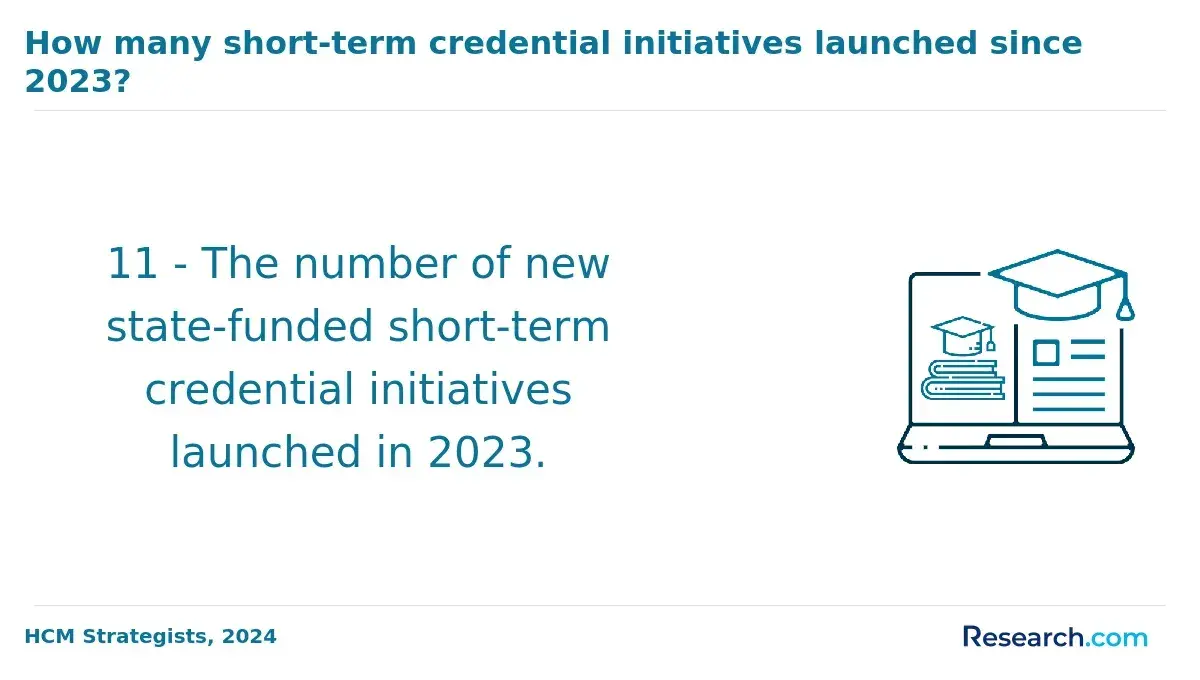
Why Consider Taking Up One-year Online Marriage and Family Therapy Programs?
Students usually search for one-year online Marriage and Family Therapy programs because they want a faster, more flexible route into a counseling-related career. That goal is understandable, especially for working adults, career changers, caregivers, and students who want to reduce time away from paid work. Still, the strongest reason to consider an accelerated MFT option is not speed alone. It is whether the format helps you complete rigorous training efficiently while staying eligible for licensure.
Accelerated or flexible online MFT programs can be useful when they combine structured coursework, regular faculty interaction, local clinical placement support, and clear state licensure guidance. They are less useful when they simply compress assignments without giving students enough time to develop clinical judgment.
- Flexibility for working adults: Online Marriage and Family Therapy degree flexibility may allow students to complete lectures, readings, and discussion assignments around employment or family responsibilities. Asynchronous coursework can be helpful, but live supervision, practicum meetings, and clinical hours may still require fixed scheduling.
- Earlier exposure to clinical concepts: Fast track Marriage and Family Therapy programs often introduce family systems theory, couple dynamics, ethics, and intervention models early. This can help motivated students connect theory with practice sooner.
- Focused preparation for couple and family work: MFT programs emphasize relational patterns, family systems, conflict, communication, trauma, child and adolescent development, and cultural context. Students who specifically want to work with couples and families may prefer this focus over a broader counseling degree.
- Potentially shorter time out of the workforce: A more compact schedule may reduce the total time spent in school, especially for students who can study full time and complete clinical requirements without delay.
- Structured path for career changers: Adults moving from education, ministry, healthcare, social services, or community work may appreciate programs that connect prior professional experience with clinical training.
The trade-off is intensity. A faster program can leave little room for personal obligations, part-time enrollment, or delayed practicum placement. Students considering related accelerated graduate routes may also review options such as an easiest doctorate degree, but doctoral speed should be evaluated with the same caution: accreditation, outcomes, and professional fit matter more than quick completion.
The main drawback of a one-year online Marriage and Family Therapy program is that the timeline may be too short for proper clinical preparation. MFT students must learn how to assess relational problems, manage risk, practice ethically, understand culture and trauma, and work under supervision with real clients. Those skills require repetition, feedback, and time.
Before choosing a highly accelerated format, consider the risks below.
- Very heavy workload: A compressed program can require intensive weekly reading, writing, case analysis, group discussion, and skills practice. Topics such as family systems theory, diagnosis, crisis response, and clinical ethics are complex and difficult to master quickly.
- Greater risk of burnout: Students often underestimate the emotional demands of clinical training. Learning to work with conflict, trauma, family distress, and ethical dilemmas while managing graduate assignments can be stressful.
- Limited time for skills development: Effective therapy depends on more than academic knowledge. Students need practice with interviewing, assessment, treatment planning, documentation, cultural humility, and supervision feedback.
- Fewer networking and mentoring opportunities: Rapid online formats may reduce informal interaction with faculty, supervisors, classmates, and local mental health professionals. These relationships can matter when seeking internships, supervision, and jobs.
- Internship and licensure complications: Students studying online across state lines may need to secure approved placements and supervisors in their own communities. State licensure rules vary, and a program that works well in one state may not fully satisfy requirements in another.
- Scheduling conflicts: Even if coursework is online, practicum hours are not always flexible. Students may need daytime, evening, or weekend availability depending on client schedules and placement site expectations.
- Limited availability of legitimate programs: True one-year online MFT programs are rare. Programs that appear unusually fast should be reviewed carefully for accreditation, clinical requirements, and graduate licensure outcomes.
A responsible program should be transparent about workload, clinical placement expectations, accreditation, faculty qualifications, and state-by-state licensure limitations. If admissions staff cannot clearly explain these issues, treat that as a warning sign.
Eligibility requirements for accelerated online Marriage and Family Therapy programs are similar to those for traditional graduate MFT programs. Schools want evidence that applicants can handle graduate-level coursework and have the maturity, communication skills, and ethical awareness needed for clinical training.
Because one-year MFT degree programs are relatively rare, applicants should read admissions requirements closely instead of assuming that an accelerated format has easier entry standards. Programs may be selective because students must move quickly into advanced coursework and supervised practice.
Applicants researching eligibility requirements for online marriage and family therapy programs in New York, or in any other state, should also pay attention to licensure alignment. Admission to a program does not automatically mean the degree will meet every state requirement for licensure. Students should confirm requirements with both the school and the appropriate state licensing board.
Some students planning long-term academic advancement may also compare MFT study with a doctoral program without dissertation, but a doctorate is not a substitute for verifying MFT licensure requirements at the master's level.
- Bachelor's degree: A bachelor's degree from an accredited institution is the minimum educational prerequisite, typically with a GPA of 2.75 or higher on a 4.0 scale.
- Official transcripts: Applicants must submit transcripts from all postsecondary education to verify academic qualifications and identify any prerequisite gaps.
- Professional resume: A resume should show relevant work, volunteer service, internship experience, or community involvement, especially in counseling, education, healthcare, human services, ministry, advocacy, or social services.
- Letter of intent: The statement should explain why the applicant wants to become an MFT, what populations they hope to serve, and how they understand the responsibilities of clinical work.
- Letters of recommendation: Three letters are commonly used to evaluate academic ability, professionalism, character, communication skills, and readiness for graduate study.
- Criminal background check: A background check may be required because clinical placements and future licensure can involve vulnerable clients, including children and families in crisis.
- Prerequisite coursework: Some programs require or prefer prior coursework in psychology, human development, statistics, family studies, or related social science areas.
- Interview or placement assessment: Select programs may use interviews, writing samples, or assessments to evaluate interpersonal fit, self-awareness, and suitability for clinical training.
Strong applicants do more than meet the minimum GPA. They can explain why MFT is the right professional path, show readiness for intensive study, and demonstrate an understanding that online clinical training still requires professionalism, supervision, and direct client work.
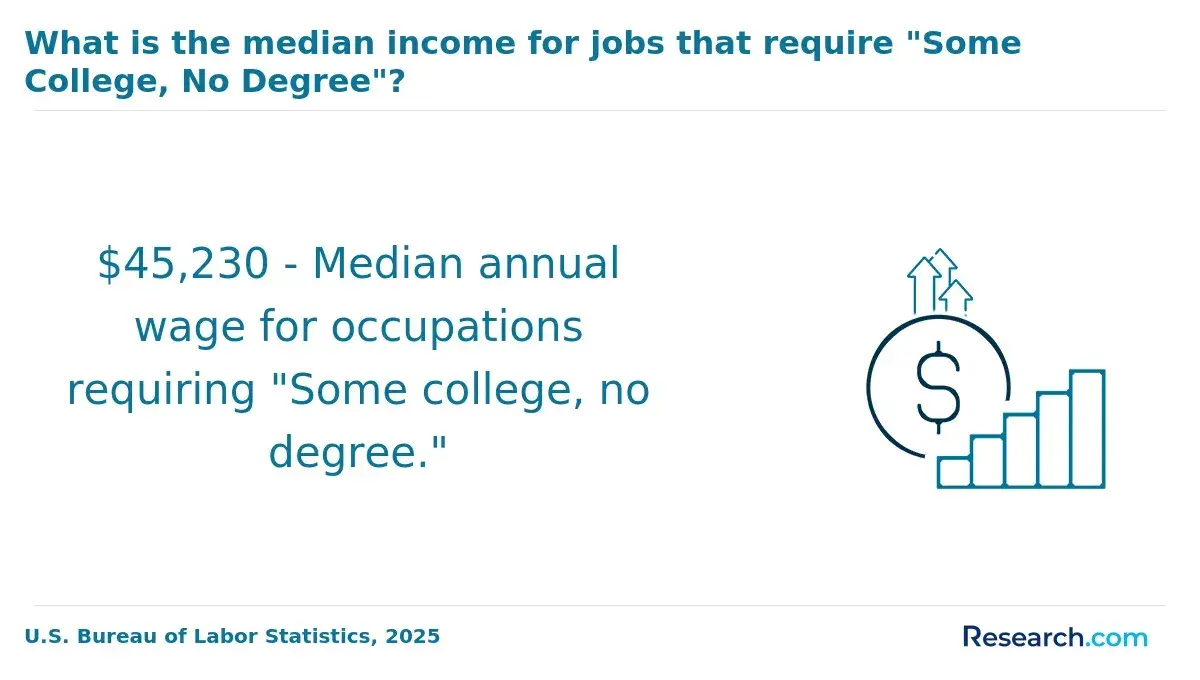
When evaluating one-year online Marriage and Family Therapy programs, start with a cautious assumption: most legitimate MFT programs require around 60 credit hours and typically span at least two years. That timeline reflects state licensure requirements, clinical training, and the depth of preparation expected for professional therapy practice.
A program should not be chosen because it is the shortest option. It should be chosen because it gives you the best chance of meeting licensure requirements, developing clinical competence, and graduating without avoidable academic or financial surprises.
- Program length and credit requirements: Review the total credits, term structure, course load, and expected weekly time commitment. Accredited Marriage Therapy Courses usually require extensive coursework beyond one year to prepare students for licensure.
- Accreditation: The most critical element is whether the program holds accreditation from COAMFTE or CACREP. Proper accreditation confirms that the curriculum meets recognized professional standards and may support future licensure and employment.
- State licensure alignment: Requirements vary by state, so verify that the program aligns with the state where you intend to practice. Ask whether graduates from your state have successfully moved forward in the licensure process.
- Clinical training structure: Quality programs provide clear practicum and internship expectations, supervised clinical hours, approved site requirements, and guidance for finding placements. Do not assume the school will find a placement for you unless that is clearly stated.
- Faculty and supervision quality: Look for faculty with relevant clinical experience, MFT credentials, research or practice expertise, and availability for student support. Supervision should be structured, regular, and connected to real clinical competencies.
- Course delivery format: Online flexibility matters, but therapy training also benefits from live discussion, role-play, case consultation, and feedback. A strong program balances asynchronous convenience with meaningful interaction.
- Financial transparency: Tuition costs for online MFT programs range widely-approximately $450 to $1,383 per credit hour. Review total program cost, fees, residency expenses, technology costs, books, clinical placement costs, and any additional credits needed for state licensure. Students comparing lower-cost schools can also review resources on online college affordable programs.
- Student support: Ask about advising, licensure guidance, technical support, writing support, career services, and help with internship planning. Accelerated students need fast, reliable answers when problems arise.
- Graduate outcomes: Request information about completion rates, licensure exam preparation, employment support, and alumni practice settings when available. Avoid relying only on marketing claims.
Warning signs include vague licensure language, pressure to enroll quickly, unclear accreditation status, no detailed clinical placement plan, unusually low clinical requirements, or promises that sound too fast for a regulated mental health profession.
The tuition for a one-year online Marriage and Family Therapy degree usually ranges from around $15,000 to $50,000 in total. Because true one-year licensure-ready MFT programs are uncommon, students should use this range carefully and compare it against the total cost of accelerated and standard online MFT programs.
Cost depends on several factors: whether the school is public or private, how many credits the program requires, whether the program is accredited, whether clinical or residency fees apply, and whether the student must complete extra coursework for state licensure. Public universities like the University of West Alabama charge roughly $429 per credit, whereas private schools such as National University may exceed $900 per credit.
Students should look beyond advertised tuition. Additional expenses might include technology fees, clinical placement costs, background checks, liability insurance, books, assessment materials, travel for residencies, and supervision-related expenses. If the program requires in-person components, include transportation and lodging in the budget.
Compared to traditional four-year undergraduate degrees in Marriage and Family Therapy, these one-year graduate programs typically have a higher cost per credit. However, the compressed timeline can lower overall living costs and enable quicker entry into the workforce, balancing out the higher per-credit price.
Before enrolling, ask the school for a full cost-of-attendance estimate and a term-by-term tuition schedule. Also ask what happens financially if clinical placement is delayed, because delayed practicum completion can extend enrollment and increase cost.
Students should expect a one-year online Marriage and Family Therapy program to be extremely intensive, and they should also recognize that such programs are extremely rare and generally not accredited for licensure in the United States. Most accredited online MFT programs take two to three years because they include both graduate coursework and extensive hands-on clinical training.
In an accelerated marriage and family therapy degree format, coursework is likely to move quickly through core subjects such as systemic theory, family development, couple dynamics, ethics, assessment, intervention planning, trauma-informed care, cultural competence, and professional identity. Assignments may include case conceptualizations, recorded role-plays, discussion boards, research papers, treatment plans, and exams.
The clinical portion is the most demanding part to schedule. Online MFT program requirements typically include supervised practicum experiences with direct client contact and regular supervision. These requirements are difficult to complete within a single year because students must secure appropriate sites, meet client-hour expectations, work under approved supervisors, and document progress according to program and state standards.
Students should also expect close attention to licensure preparation. A serious program should help students understand state rules, supervised post-degree experience, exam expectations, ethical obligations, and documentation requirements. However, students are still responsible for confirming requirements with their own state licensing board.
The online format may offer flexibility for lectures and assignments, but it does not eliminate the need for professional availability. Clinical placements may require weekday hours, evening sessions, supervision meetings, and timely documentation. Students who work full time should ask whether the program is realistically compatible with their schedule before enrolling.
Graduates of strong MFT programs can build competencies relevant to mental health agencies, healthcare settings, community organizations, schools, and private practice pathways. Students exploring other career-focused online routes can also compare reputable vocational colleges online, but MFT students should be especially careful because therapy practice is regulated and licensure-driven.
Yes. Students pursuing online Marriage and Family Therapy programs may have access to financial aid, although aid availability depends on the school, enrollment status, program eligibility, citizenship or residency status, and the student's financial profile. Because fully accelerated one-year programs are uncommon, students should ask how aid is packaged for the actual term structure of the program they choose.
Common financial aid options include:
- Federal and state aid: U.S. citizens and permanent residents can submit the FAFSA to be considered for grants, work-study, and federal student loans, which generally have lower interest rates and flexible repayment terms.
- Scholarships and fellowships: Programs like the AAMFT Minority Fellowship award between $6,600 and $36,000 annually to master's students of color committed to serving minority communities. Additionally, the Courtland C. Lee Multicultural Excellence Scholarship offers $2,500 for graduate students excelling in multicultural practice.
- Military and employer benefits: Veterans may be able to use GI Bill benefits at many institutions, while some employers offer tuition reimbursement or tuition assistance for employees pursuing graduate study.
- Institutional aid: Schools may offer tuition locks, alumni discounts, scholarships, assistantships, payment plans, or other forms of institutional support.
Accelerated formats can affect aid timing. A shorter academic calendar may change when funds are disbursed, how many credits a student must take to remain eligible, and whether summer or year-round enrollment is covered. Students should speak with the financial aid office before enrolling and request a written estimate of tuition, fees, aid, and expected out-of-pocket costs.
Borrowing should be evaluated against realistic career plans, not just the desire to finish quickly. Ask about total debt at graduation, loan repayment options, and whether the degree meets the requirements needed to pursue licensure in your state.
What Marriage and Family Therapy Graduates Say About Their Online Degree
- Nathanael: "Enrolling in the one-year online Marriage and Family Therapy program was a game changer for my career. The accelerated format allowed me to complete my degree quickly without sacrificing quality, and the practical skills I gained have already opened new job opportunities. Considering the average cost of attendance, it was a worthwhile investment."
- Russell: "The competency-based approach made all the difference for me. I appreciated how the program focused on mastering key concepts at my own pace, which helped me balance work and study effectively. Looking back, the time I saved completing the degree within a year was invaluable both professionally and personally."
- Jose: "Pursuing the online Marriage and Family Therapy degree offered a flexible and intensive learning experience that fit my busy lifestyle. The program's strong emphasis on real-world application prepared me well for my counseling practice, and I was impressed by how much I learned in such a short time frame. The cost was reasonable compared to traditional programs, making it accessible for continuing education."
Other Things You Should Know About Pursuing One-Year Marriage and Family Therapy Degrees
In 2027, one-year online Marriage and Family Therapy programs typically require a reliable computer with a high-speed internet connection, software such as Zoom or other video conferencing tools, and access to course-specific platforms like Blackboard or Canvas for assignments and lectures.
In 2027, ensure the program is accredited by COAMFTE or CACREP. Verify state-specific licensure regulations, focusing on required clinical hours and coursework. Consult the state's licensing board or similar authoritative body for detailed information.
In 2027, one-year online Marriage and Family Therapy programs typically require a practicum component, which involves 300–500 hours of supervised clinical practice. This experience must be completed in a qualified facility and is crucial for meeting licensure requirements.
- Inside MFT Programs Online with Financial Aid Options https://www.edumed.org/online-schools/marriage-and-family-therapy-mft-programs/financial-aid/
- Why Choose a Master of Science in Marriage & Family Therapy https://www.family-institute.org/graduate-education/master-science-marriage-family-therapy/why-choose
- Is an MFT Degree Worth It? https://onlinecounselingprograms.com/online-counseling-degrees/online-mft-masters-programs/mft-degree-worth-it/
- Most Popular Online Marriage and Family Therapy Programs 2025 https://www.onlineu.com/most-popular/marriage-and-family-therapy
- Full-Time? Part-Time? Online? Or...? — MFT California https://www.mftcalifornia.com/blog/full-time-part-time-online-or
- 20+ Most Affordable Online MFT Programs [updated for 2025] https://onlinemftprograms.com/affordable/
- Online Master of Marriage and Family Therapy (MMFT) | ACU https://acu.edu/academics/online/graduate/master-of-marriage-and-family-therapy/
- 6 Pros and Cons of Enrolling in an Online Graduate Certificate Program in Psychology https://www.counselingpsychology.org/pros-cons-psychology-graduate/
- Online Marriage & Family Therapist Degree | MFT Degree | TUW https://www.tuw.edu/academics/behavioral/marriage-family-therapy/
- Best Online Master's In Marriage & Family Counseling 2025 https://www.psychology.org/rankings/best-masters-programs-in-family-counseling/