
2027 How to Become a Licensed Counselor (LPC) in Missouri

Co-Founder and Chief Data Scientist
Becoming a licensed professional counselor in Missouri is a multi-step decision: you need the right graduate degree, supervised clinical experience, state-approved exams, and a plan for license renewal after you begin practicing. The process matters because Missouri needs qualified counselors across mental health, substance abuse, rehabilitation, school, healthcare, and community settings. According to 2025 data, substance abuse, behavioral disorder, and mental health counselors, rehabilitation counselors, and educational, guidance, and career counselors and advisors are expected to see an average increase of 19.3% across these counseling specializations.
This guide explains how to become an LPC in Missouri, how to compare counseling programs, what online students should verify, how much programs may cost, and what career paths can follow licensure. It is designed for students planning a counseling master’s degree, career changers moving into mental health, and counselors licensed elsewhere who are considering Missouri licensure.
Quick Answer: How do you become an LPC in Missouri?
To become a licensed professional counselor in Missouri, you generally need a qualifying master’s degree in counseling or a closely related mental health field, required coursework, two hours of suicide prevention training, a passing score on the National Counselor Examination, a passing score on the Missouri jurisprudence exam, and 3,000 hours of supervised experience over 24 months. Applicants then submit documentation, transcripts, supervision verification, training proof, and the $100 application fee to the Missouri Committee for Professional Counselors.
Key Findings About Becoming an LPC in Missouri
- Missouri counseling licensure usually requires a master’s degree in counseling or a related field, though exact requirements can vary by specialization.
- Future LPCs in Missouri must complete 3,000 hours of supervised experience over 24 months before full licensure.
- Licensed professional counselors (LPCs) in Missouri earn an average annual salary of $66,476, which is higher than the average annual salary of all occupations in Missouri, $57,580.
- The average cost of LPC programs in Missouri ranges from approximately $28,216.20 for in-state students to $39,216.67 for out-of-state students, with an average cost per credit ranging from $470 to $650.
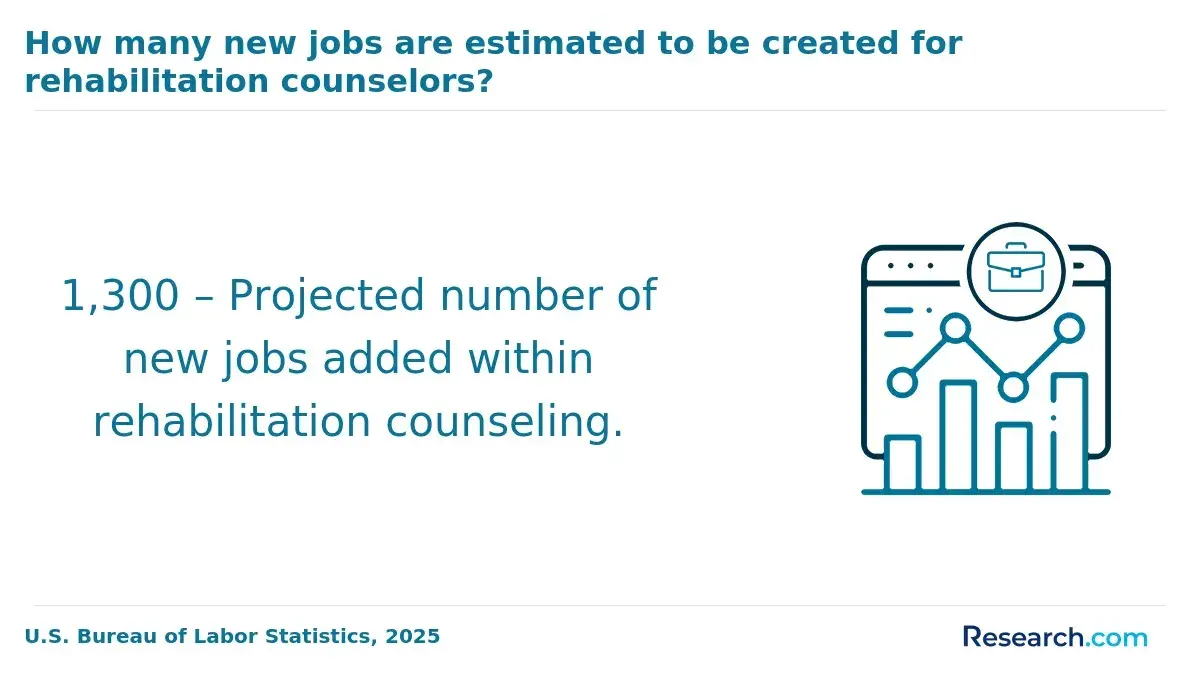
- According to 2025 data, employment projections through 2032 show growth of 19.5% for substance abuse, behavioral disorder, and mental health counselors, 4.4% for rehabilitation counselors, and 5.5% for educational, guidance, and career counselors and advisors.
- 2027 Top LPC Programs in Missouri
- Missouri LPC Education Requirements
- Licensure Application, Reciprocity, and Renewal
- How Long the Missouri LPC Path Takes
- Online Counseling Programs and Missouri Licensure
- Online vs. Campus Counseling Programs in Missouri
- Average Cost of LPC Programs in Missouri
- How to Choose the Right Missouri LPC Program
- Collaboration Opportunities for Missouri LPCs
- Questions to Ask Before Becoming a Missouri Counselor
- Career Options for LPCs in Missouri
- Specialized Degrees That Can Support LPC Careers
- Moving from LPC Credentials Toward Psychology
- Accelerated Pathways to Counseling Licensure
- Networking and Mentorship for LPC Career Growth
- Telehealth Considerations for Missouri LPCs
- Missouri Job Market for Licensed Counselors
- Exam Preparation Resources for Missouri LPC Candidates
- Transitioning from LPC Work to School Counseling
- Finding Quality Supervised Clinical Experience
- Career Benefits of an LPC in Missouri
- Substance Abuse Counseling as an LPC Specialization
- Scholarships and Financial Aid for Missouri Counseling Students
- Using Behavior Analysis Skills in Counseling Practice
- Continuing Education and License Renewal Requirements
2027 Top LPC Programs in Missouri
The best LPC program for you is not automatically the most recognizable school. It should meet Missouri licensure requirements, offer appropriate practicum and internship support, fit your budget, and prepare you for the setting where you want to work. Students should also confirm whether a program’s counseling track is designed for professional counseling licensure, school counseling, rehabilitation counseling, or another credential.
How do we rank schools?
Research.com uses education and outcomes data from established sources, including the IPEDS database from the National Center for Education Statistics, Peterson’s database and its Distance Learning Licensed Data Set, and the College Scorecard database. For a fuller explanation of how Research.com evaluates programs, review our methodology.
1. University of Missouri
The University of Missouri offers counseling-related graduate study at the master’s and doctoral levels in areas such as counseling, education, and school psychology. The curriculum combines applied practice with research training and includes preparation for working with diverse and cross-cultural communities. Students are also encouraged to build leadership skills that can support long-term advancement in counseling and education settings.
- Acceptance Rate: 77%
- Average Cost: $32,387 per year for in-state students, $43,552 per year for out-of-state residents
- Accreditation: American Psychological Association (APA)
2. Missouri State University
Missouri State University provides graduate counseling training with practicum and internship experiences built into the program. Coursework covers counseling assessment, school counseling, professional practice, and additional topics such as play therapy and telehealth. Students can also use clinics and workshops to develop practical counseling skills before entering professional practice.
- Acceptance Rate: 94%
- Average Cost: $19,912 per year for in-state students, $36,172 for out-of-state residents
- Accreditation: Council for Accreditation of Counseling and Related Educational Programs (CACREP)
3. Webster University
Webster University may appeal to Missouri LPC candidates who want multiple delivery formats, since its graduate counseling program can be completed online or in person. The program develops counseling skills for serving individuals, groups, and organizations and includes preparation in practice areas such as trauma counseling and family counseling.
- Acceptance Rate: 59%
- Average Cost: $730 per credit hour
- Accreditation: Council for Accreditation of Counseling and Related Educational Programs (CACREP)
4. Lincoln University
Lincoln University offers counseling concentrations in school counseling, community and agency counseling, and addiction counseling. Its curriculum is structured with attention to Missouri expectations for LPCs, school counselors, and those exploring addiction counseling. The program also includes education-focused content that can help graduates design learning experiences, support community awareness, and work in school environments.
- Acceptance Rate: 80%
- Average Cost: $340.20 per credit hour for in-state students, $632.10 per credit hour for out-of-state residents
- Accreditation: Missouri Department of Elementary and Secondary Education (DESE)
5. Southeast Missouri State University
Southeast Missouri State University offers an on-campus master’s program in mental health counseling with coursework connected to clinical, school, and substance abuse counseling. The curriculum and internship structure are intended to support Missouri licensure preparation. Students may also use conference participation and professional events to begin building a counseling network.
- Acceptance Rate: 79%
- Average Cost: $409.50 per credit hour
- Accreditation: Council for Accreditation of Counseling and Related Educational Programs (CACREP)
| Program | Best fit for | Important detail to verify |
| University of Missouri | Students interested in counseling, education, school psychology, and research-informed practice | Confirm which track aligns with LPC licensure versus school or psychology credentials |
| Missouri State University | Students who want structured practicum, internship, and CACREP-accredited preparation | Ask how placements are assigned and whether telehealth training is included |
| Webster University | Students comparing online and in-person graduate counseling options | Confirm that the chosen format and track meet Missouri LPC coursework requirements |
| Lincoln University | Students considering school, community and agency, or addiction counseling concentrations | Clarify whether your concentration supports the license or credential you plan to pursue |
| Southeast Missouri State University | Students seeking an on-campus mental health counseling program with clinical exposure | Ask how internship sites support direct client contact and supervision requirements |
Graduate Perspectives on Becoming an LPC in Missouri
-
: "
My counseling program gave me practical therapy tools, but it also taught me how to build trust with people from different backgrounds. The role-play sessions and case simulations made the transition into school counseling much easier. In my small-town school, I can see how consistent counseling support changes students’ confidence, relationships, and sense of safety. — June
"
-
: "
Graduate training helped me understand how family patterns shape communication and conflict. My internship was where those lessons became real clinical skills. As a family therapist, I now see families repair relationships, work through difficult seasons, and become stronger over time. — Leon
"
-
: "
The path to LPC licensure pushed me to study human behavior while also examining my own assumptions. The emphasis on ethics and cultural competence shaped the way I practice. In trauma counseling, I work to create a safe, inclusive space where clients can process painful experiences and rebuild well-being. — Daniel
"
What are the educational requirements for licensed counselors in Missouri?
Missouri LPC licensure depends on three major pillars: graduate education, required examinations, and supervised professional experience. The exact fit of your degree matters, so students should compare program curricula against Missouri Committee for Professional Counselors requirements before enrolling.
The requirements below are based on information published by the Missouri Committee for Professional Counselors.
Graduate degree requirement
Missouri LPC applicants must hold a master’s degree in counseling or a related mental health field, such as counseling and guidance, clinical psychology, or school psychology. Students exploring different types of psychology programs should be careful: a psychology-related degree may help only if it includes the counseling coursework required for LPC eligibility.
The degree must include at least 48 semester hours, or the equivalent in quarter hours, and must cover counseling principles, counseling theories, techniques, and counseling interventions. If a graduate degree does not meet the 48-semester-hour threshold, the applicant may need to submit a plan for completing the missing coursework.
Required coursework areas
Missouri expects LPC applicants to complete coursework in the following areas:
- Research Methods
- Professional Orientation
- Career Development
- Helping Relationship
- Counseling Theory
- Human Growth and Development
- Social and Cultural Foundations
- Individual Appraisal
- Group Dynamics
- Diagnosis
- Practicum
Applicants also need two hours of suicide prevention training. Students considering campus-based or online schools for psychology should confirm that the program is recognized by the Committee and that its coursework maps clearly to LPC requirements.
Commonly relevant accreditation for LPC preparation includes the Council for Accreditation of Counseling and Related Educational Programs (CACREP), the Council on Rehabilitation Education (CORE), or the American Psychological Association (APA).
Required exams
Missouri LPC candidates must pass the National Counselor Examination (NCE). The NCE is a 200-question multiple-choice exam that evaluates counseling knowledge across the major content areas expected of entry-level professional counselors.
Candidates must also pass the Missouri jurisprudence exam. This exam focuses on the state statutes, rules, ethical responsibilities, and legal boundaries that govern counseling practice in Missouri.
Supervised experience requirement
Clinical preparation is essential because LPCs provide direct counseling services to clients. Missouri’s supervised experience requirements include:
- 3,000 hours of supervised experience over 24 months, with no more than five years allowed for completion.
- At least 1,200 hours of direct client contact through individual or group therapy.
- Counselors-in-training (CIT) and provisional licensed professional counselors (PLPC) must spend at least 15 hours per week in counseling or counseling-related duties.
- Supervision must include one hour of face-to-face supervision every week, with at least two weeks of individual supervision.
| Requirement | Missouri LPC expectation | Why it matters |
| Graduate education | Master’s degree in counseling or a related mental health field with at least 48 semester hours | Determines whether you can apply for licensure without additional coursework |
| Coursework | Required areas include diagnosis, group dynamics, counseling theory, practicum, and other counseling foundations | Ensures your education covers the full scope of professional counseling practice |
| Training | Two hours of suicide prevention training | Supports compliance and prepares counselors for crisis-related responsibilities |
| Exams | National Counselor Examination and Missouri jurisprudence exam | Tests both counseling competence and state-specific legal knowledge |
| Experience | 3,000 supervised hours over 24 months, including at least 1,200 direct client contact hours | Builds clinical readiness before independent practice |
What is the licensure application and renewal process for LPCs in Missouri?
After finishing education, exams, training, and supervision, applicants must document each requirement for the Missouri Committee for Professional Counselors. The process is manageable if you collect records early instead of waiting until the end of supervision.
New Missouri LPC applicants
Applicants who have completed the required education, supervised experience, and exams can submit a full licensure application. Missouri generally expects the following materials:
- A completed Committee checklist submitted with the application.
- A completed online application or a paper application filled out in black ink.
- Supporting documentation for all required items.
- Official transcripts showing completion of the education requirement, sent directly by the school or submitted in a sealed envelope.
- Post-degree supervision verification completed by the supervisor.
- Proof of two hours of suicide prevention training.
- Payment of the $100 application fee.
Applicants must continue practicing only under supervision until the license is issued. The Committee’s review can take up to 60 days, and applicants are notified of results within 14 business days. After 30 days from receipt of materials, applicants may check status online using the PIN number provided by the Committee.
Licensure by reciprocity
Counselors already licensed in another state may qualify for Missouri licensure by reciprocity. Applicants generally need full licensure, at least one year or more in active status, and a license without current disciplinary action or pending complaints.
Reciprocity applicants should prepare the following:
- A printed, signed, and completed reciprocity application form.
- Documentation or certification showing completion of two hours of suicide prevention training; self-study may be accepted if documentation is provided.
- A passing score on the Missouri jurisprudence exam.
- Payment of the $100 application fee.
- The completed Committee checklist of required materials.
License renewal
Anyone building a career as a mental health counselor in Missouri must plan for ongoing license renewal. Missouri LPC licenses are renewed every other year, and licensed counselors must complete 40 hours of continuing education.
The Committee accepts either two formal hours of suicide assessment and management training, 18 formal hours, and 20 hours of self-study, or two formal hours of suicide assessment and management training and 38 formal hours.
Continuing education must relate to professional counseling. Acceptable options include:
- Postgraduate coursework. Graduate-level courses from a regionally accredited institution may count, as long as they were not part of the graduate coursework used for initial licensure. One semester hour of graduate credit equals 15 continuing education hours.
- Professional meetings. Relevant professional meetings can count toward continuing education. A full day of attendance provides three hours of credit.
- Workshops, seminars, and online courses. Formal workshops, seminars, and online CE courses may qualify. Counselors should keep completion certificates for documentation.
- Written professional work. Missouri LPCs may earn formal CE credit for counseling-related publications, including:
- 3 CE hours: Publication in a non-refereed journal
- 6 CE hours: Publication in a refereed journal
- 8 CE hours: Each chapter in a book
- 10 CE hours: Editing a book
- 15 CE hours: Publication of a book
At renewal, LPCs pay the renewal license fee and provide evidence that they completed the required continuing education according to Committee rules.
How long does it take to become an LPC in Missouri?
The Missouri LPC path typically includes a bachelor’s degree, a counseling master’s degree, post-degree supervised experience, exams, and application review. A bachelor’s degree generally takes four years, and a master’s degree often takes around two to three years of full-time study.
After graduate school, Missouri candidates complete 3,000 hours of supervised experience over 24 months. They must also pass the National Counselor Examination and Missouri jurisprudence exam before full licensure can be granted.
Overall, the post-bachelor’s LPC process in Missouri may take approximately three to five years, depending on graduate enrollment pace, internship timing, exam scheduling, supervision availability, and application processing.
| Stage | Typical requirement | Planning tip |
| Bachelor’s degree | Generally takes four years | Use electives or volunteer work to explore counseling, psychology, social services, or education |
| Master’s degree | Usually around two to three years of full-time study | Choose a program that clearly maps to Missouri LPC requirements |
| Supervised experience | 3,000 hours over 24 months | Secure a qualified supervisor early and track direct client contact hours carefully |
| Exams and application | NCE, jurisprudence exam, documentation, and Committee review | Keep transcripts, training certificates, and supervision forms organized from the beginning |
For many candidates, the time investment is weighed against the professional role, the demand for counseling services, and salary potential. Licensed professional counselors in Missouri earn an average annual salary of $66,476, compared with $57,580 for all occupations in Missouri.
Are online counseling programs accepted for LPC licensure in Missouri?
Yes. Missouri can accept online counseling programs for aspiring LPCs if they meet the same educational, accreditation, coursework, practicum, and clinical training expectations required of campus programs.
Students should not assume every online counseling degree qualifies for licensure. Even if a program appears on a list of the most affordable online counseling degrees, you still need to confirm that the program’s curriculum, fieldwork, and supervision structure meet Missouri Committee requirements.
Online programs can be a strong option for working adults, rural students, and career changers who cannot relocate. The key issue is not whether the program is online; it is whether the program is accredited, licensure-aligned, and able to support approved practicum and internship experiences.
How does an online counseling program compare to an on-campus program in Missouri?
Online and on-campus counseling programs can both prepare students for Missouri LPC licensure when they meet the state’s academic and clinical expectations. The better format depends on your schedule, learning style, access to clinical sites, and need for face-to-face support.
| Factor | Online counseling program | On-campus counseling program |
| Flexibility | Often easier for students balancing work, family, or distance from campus | Usually follows scheduled class times and campus-based activities |
| Clinical placement | Students may need to coordinate approved local practicum and internship sites | Programs may have established relationships with nearby sites |
| Peer and faculty interaction | May rely on virtual meetings, discussion boards, and synchronous or asynchronous sessions | Allows regular in-person interaction and campus-based networking |
| Technology expectations | Requires reliable internet access and comfort with online learning tools | Requires commuting and availability for in-person sessions |
| Best for | Self-directed students who need scheduling flexibility | Students who prefer in-person learning, campus resources, and structured routines |
Before enrolling online, ask whether the program helps students secure Missouri-approved field placements, how supervision is documented, whether any campus residencies are required, and how the program prepares students for the NCE and jurisprudence exam.
What is the average cost of LPC programs in Missouri?
For Missouri LPC programs, in-state students pay an average of approximately $470 per credit, while out-of-state students pay around $650 per credit.
Based on total credits required for completion, average total tuition is approximately $28,220 for in-state students and $39,220 for out-of-state students. The average cost of LPC programs in Missouri also ranges from approximately $28,216.20 for in-state students to $39,216.67 for out-of-state students.
Tuition is only one part of the full cost. Students should also plan for books, technology fees, background checks, liability insurance, exam fees, commuting or relocation, unpaid internship hours, and the $100 licensure application fee.
| Cost item | Why it matters | Question to ask |
| Tuition per credit | Determines the main academic cost of the degree | Is the quoted rate different for in-state, out-of-state, online, or campus students? |
| Total credits | Affects total tuition even when per-credit rates look affordable | How many credits are required for the licensure-aligned track? |
| Clinical placement costs | Internships can create travel, scheduling, insurance, and documentation expenses | Does the program charge separate practicum or internship fees? |
| Exam and application costs | Licensure requires testing and state application steps | What fees should I budget for before graduation? |
| Time away from work | Fieldwork can reduce earning capacity during the program | Can practicum or internship hours fit around my employment? |
How to choose the best LPC program in Missouri?
The right Missouri LPC program should make licensure easier to navigate, not harder. Before applying, compare programs using licensure alignment, accreditation, supervised training support, cost, delivery format, specialization options, and graduate support.
- Start with licensure alignment. Ask whether the program is specifically designed to meet Missouri LPC requirements, including coursework, practicum, internship, and preparation for the NCE.
- Check accreditation carefully. Accreditation affects quality assurance and may influence licensure review. Look for counseling-relevant accreditation such as CACREP where appropriate.
- Compare specializations. Choose a program that supports your intended setting, such as mental health counseling, school counseling, rehabilitation, trauma, addiction, or family-focused practice.
- Evaluate clinical placement support. A strong program should explain how practicum and internship sites are approved, how supervisors are vetted, and how direct client contact hours are tracked.
- Review flexibility honestly. Online, hybrid, part-time, and evening options can help working students, but only if clinical requirements are realistic for your schedule.
- Look at faculty expertise. Faculty with current clinical, research, and supervision experience can help students connect theory to practice.
- Calculate total cost. Do not compare tuition alone. Include fees, commute, books, technology, unpaid fieldwork, exam costs, and financial aid availability.
Common mistakes when choosing an LPC program
| Mistake | Why it can cause problems | Better approach |
| Choosing based only on tuition | A low tuition rate may not include fees, fieldwork costs, or enough licensure support | Compare total cost and licensure preparation together |
| Assuming any counseling-related degree qualifies | Some programs do not include all Missouri-required coursework | Request a course-by-course licensure map from the program |
| Ignoring accreditation | Accreditation can affect program quality and licensure review | Verify institutional and programmatic accreditation before applying |
| Overlooking practicum logistics | Clinical hours can delay graduation if placements are difficult to secure | Ask how placements are found, approved, and supervised |
| Relying only on rankings | A highly ranked program may not fit your schedule, specialization, or budget | Use rankings as one factor, then check fit and licensure alignment |
What collaborative opportunities exist for LPCs and other mental health professionals in Missouri?
Missouri LPCs often work with psychiatrists, psychologists, clinical social workers, marriage and family therapists, primary care providers, school staff, case managers, and nonprofit organizations. Collaboration is especially important when clients need medication management, family-system support, crisis services, school accommodations, or community resources beyond individual counseling.
In integrated care settings, LPCs may coordinate with medical providers to support clients whose mental health concerns intersect with chronic illness, substance use, trauma, or disability. Counselors who want deeper training in relational and family systems can also explore how to become a marriage and family therapist in Missouri.
Community partnerships can also expand an LPC’s impact. Counselors may contribute to mental health education, substance abuse prevention, trauma-informed school initiatives, reentry support, and local advocacy programs. These collaborations help clients access services sooner and reduce gaps between mental health, education, healthcare, and social support systems.
What should you consider before pursuing a licensed counseling career in Missouri?
Before committing to an LPC path, clarify why you want to become a counselor, what populations you hope to serve, and whether you are prepared for graduate school, supervised practice, exams, and continuing education. Counseling can be meaningful work, but it also requires emotional stamina, ethical judgment, documentation skills, and comfort with ongoing supervision and professional accountability.
Students comparing counseling careers can use how to become a licensed mental health counselor in Missouri for additional career-specific guidance.
| Question | Why it matters |
| Do I want clinical counseling, school counseling, addiction counseling, or another specialization? | Your answer affects the degree track, field placements, and credentials you should pursue |
| Can I commit to supervised hours after graduation? | Missouri requires 3,000 supervised hours over 24 months |
| Am I comfortable with documentation, ethics, and legal responsibilities? | LPC work involves confidential records, mandated responsibilities, and state rules |
| Does the salary fit my financial goals and student debt plans? | Average pay can be competitive, but outcomes vary by setting, experience, and location |
| Do I want private practice eventually? | Private practice may require business planning, referral networks, insurance knowledge, and risk management |
What career opportunities are available for LPCs in Missouri?
A counseling degree can lead to several professional settings, depending on licensure, specialization, experience, and employer requirements. Missouri LPCs may work in therapy, behavioral health, education, rehabilitation, corrections, healthcare, and community-based services.
- Private practice. LPCs may provide therapy to individuals, couples, families, or groups, often with greater control over niche, schedule, and business model.
- Community mental health centers. Counselors serve clients with limited access to care and often coordinate with multidisciplinary teams.
- Hospitals and healthcare facilities. LPCs may support patients experiencing trauma, chronic illness, behavioral health needs, crisis concerns, or adjustment difficulties.
- Schools and educational institutions. Counselors can support students’ academic, emotional, social, and career development when they meet the appropriate school counseling requirements.
- Rehabilitation facilities. LPCs may help people with disabilities work toward personal, social, and vocational goals.
- Government agencies. Counselors may work in social services, correctional facilities, courts, or programs serving people facing legal, behavioral, or family challenges.
These pathways can also be useful for students asking, “What jobs can you get with a psychology degree?” because counseling is one of several graduate-level directions psychology students may consider.
Can additional specialized degrees further enhance LPC careers in Missouri?
Specialized graduate study can help LPCs focus their practice, but it should be chosen for a clear professional reason. For example, an online Christian counseling degree may be useful for counselors who want formal preparation in faith-informed counseling contexts, provided they practice ethically and respect client autonomy. Other specialized study may support trauma work, art therapy, addiction treatment, school counseling, or leadership roles.
Can LPC credentials lead to a career in psychology?
LPC licensure and psychology licensure are not the same credential. LPCs provide professional counseling services, while psychologist roles typically require additional education, supervised experience, and licensure steps. Counselors who want to move toward psychology should compare scope of practice, doctoral education expectations, supervision rules, and credentialing requirements. For a closer look at that pathway, review how to become a psychologist in Missouri.
Can an accelerated pathway expedite LPC licensure in Missouri?
Some students can shorten the overall timeline by choosing programs with efficient course sequencing, full-time enrollment, year-round coursework, and well-organized clinical placement support. However, accelerated does not mean skipping Missouri requirements. Any faster pathway must still include the required graduate education, examinations, suicide prevention training, and supervised experience. Students comparing timelines can explore the fastest way to become a counselor.
How can networking and mentorship accelerate my LPC career in Missouri?
Mentorship can help Missouri counseling students avoid preventable delays, find stronger supervision sites, prepare for exams, and understand ethical practice in real settings. Networking through professional associations, local conferences, faculty relationships, and clinical placements can also lead to internship sites, job leads, consultation groups, and specialty training.
Students considering future graduate options or professional development may also compare good colleges for psychology in Missouri to understand related academic pathways.
How can LPCs effectively integrate telehealth into their practice in Missouri?
Telehealth can help Missouri LPCs reach clients who face transportation, scheduling, mobility, or rural access barriers. Effective telehealth practice requires secure technology, careful documentation, informed consent, crisis planning, privacy safeguards, and compliance with Missouri rules and professional ethics.
Counselors should also consider whether telehealth is appropriate for each client’s needs. Some situations may require in-person care, closer coordination with local providers, or emergency planning. Professionals interested in related helping professions can compare digital client service practices by reviewing how to become a social worker in Missouri.
What is the job market for licensed counselors in Missouri?
The Missouri counseling job market shows demand across multiple specialties. During research, substance abuse, behavioral disorder, and mental health counselors were projected to have the strongest growth, with a reported rate of 19.3%.
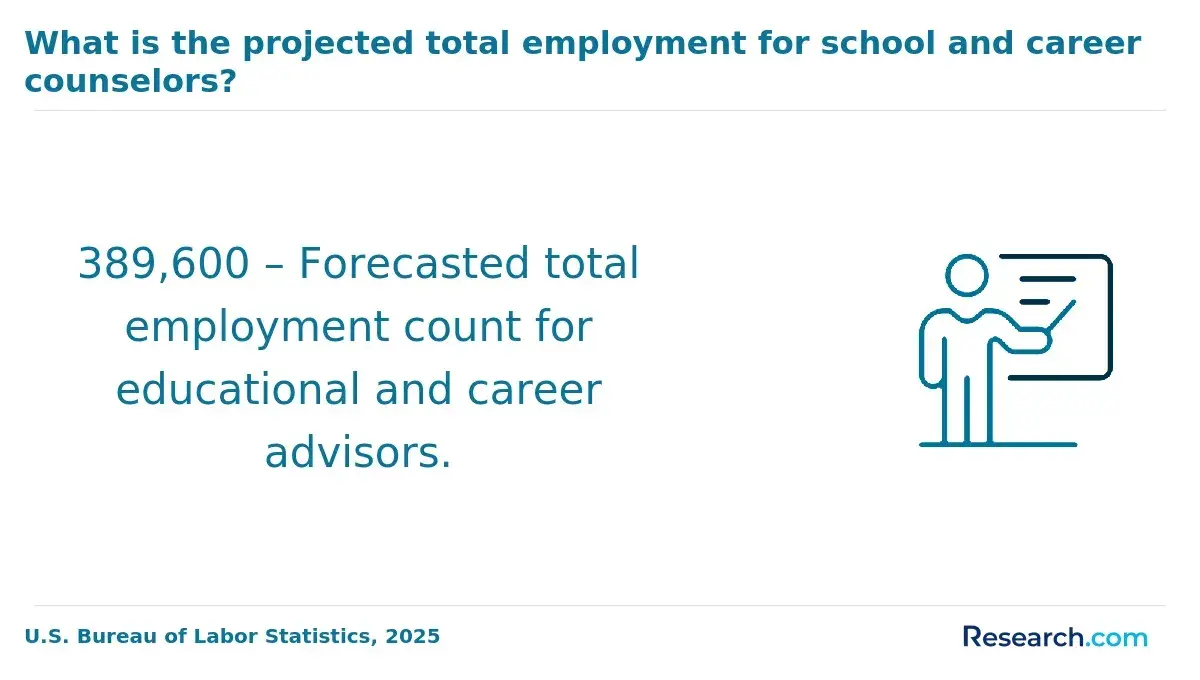
According to 2025 data, projections through 2032 also show 19.5% growth for substance abuse, behavioral disorder, and mental health counselors, 4.4% for rehabilitation counselors, and 5.5% for educational, guidance, and career counselors and advisors.
| Counseling occupation area | Projected growth cited | What it may mean for students |
| Substance abuse, behavioral disorder, and mental health counselors | 19.5% through 2032; also cited as 19.3% in research findings | Strong demand may support opportunities in behavioral health, addiction treatment, and community mental health |
| Rehabilitation counselors | 4.4% through 2032 | Opportunities may exist in disability services, rehabilitation centers, and vocational support |
| Educational, guidance, and career counselors and advisors | 5.5% through 2032 | Students interested in schools should verify education and certification requirements beyond LPC preparation |
Job growth does not guarantee employment or salary. Outcomes depend on specialization, licensure status, location, employer type, supervision history, clinical skills, and demand in specific communities.
What are the best resources for LPC exam preparation in Missouri?
Missouri LPC candidates should prepare for both the National Counselor Examination and the Missouri jurisprudence exam. Useful preparation can include structured study guides, practice tests, exam-content outlines, peer study groups, faculty review sessions, and workshops focused on ethics and state law.
Students who want to plan efficiently can also review the fastest way to become a counselor in Missouri, but exam readiness should not be rushed. A realistic study schedule should account for graduate coursework, practicum demands, work responsibilities, and application deadlines.
Can LPCs transition effectively to school counseling roles in Missouri?
LPCs may have clinical skills that transfer well to school environments, including assessment, crisis support, communication, and student advocacy. However, school counseling roles can involve different rules, school-based responsibilities, education systems, and credential expectations. Anyone considering that move should verify the specific school counseling requirements before assuming LPC licensure alone is sufficient.
For a dedicated explanation of that route, review becoming a school counselor in Missouri.
How can I secure quality supervised clinical experience in Missouri?
Strong supervision can shape your clinical confidence, ethical habits, documentation skills, and employment prospects. Start by identifying settings that provide varied client contact, appropriate supervision, and clear documentation procedures. Your supervisor’s credentials, availability, and familiarity with Missouri rules matter.
Use the Missouri LPC license requirements as a checklist when evaluating placements. Ask how direct client contact is recorded, how weekly face-to-face supervision is scheduled, what populations you will serve, and whether the site can support the full range of counseling-related responsibilities required for licensure.
Career Benefits of Pursuing an LPC in Missouri
An LPC license can create access to a broad range of counseling roles in Missouri. The credential can support work in private practice, community mental health, healthcare, schools, rehabilitation, government agencies, and nonprofit settings, depending on additional requirements and specialization.
The benefits are not only financial. Many counselors value the ability to support clients through trauma, addiction, grief, family conflict, disability, academic challenges, and major life transitions. Others appreciate the option to specialize, supervise in the future, build a private practice, or collaborate across healthcare and education systems.
LPCs who want to deepen a niche may pursue additional training such as a masters in art therapy, addiction counseling preparation, school counseling credentials, or trauma-informed continuing education. The best specialization is one that matches client needs, ethical scope of practice, and your long-term career plan.
Is specializing in substance abuse counseling a viable option for LPCs in Missouri?
Substance abuse counseling can be a practical specialization for Missouri LPCs, especially given the projected demand for substance abuse, behavioral disorder, and mental health counselors. This area requires strong clinical boundaries, relapse-prevention knowledge, crisis awareness, family-system understanding, and comfort working in integrated care environments.
LPCs interested in addiction treatment should compare training, supervision, certification, and employer expectations. For a focused pathway, see how to become a substance abuse counselor in Missouri.
What scholarships and financial aid options are available for aspiring LPCs in Missouri?
Counseling graduate programs can be expensive, so prospective LPCs should explore funding before enrolling. Financial aid can come from federal programs, state grants, university scholarships, professional associations, employers, and mental health-focused organizations.
- Missouri Mental Health Foundation Scholarships: These scholarships support students preparing for mental health careers, including counseling.
- Missouri Department of Higher Education and Workforce Development (MDHEWD) Grants: State-based aid options include the Access Missouri Financial Assistance Program and the Bright Flight Scholarship for eligible students pursuing higher education in Missouri.
- Federal Financial Aid (FAFSA): Filing the Free Application for Federal Student Aid can help students access federal loans, grants, and work-study funds.
- Professional Association Scholarships: Organizations such as the American Counseling Association (ACA) and the Missouri Mental Health Counselors Association (MMHCA) may offer scholarships for counseling students who demonstrate academic strength and commitment to the field.
- University-Based Scholarships: Missouri institutions with counseling programs may offer merit-based, need-based, or department-specific awards. Examples include institutions such as the University of Missouri and Webster University.
Ways to reduce LPC program costs
- Compare total program cost, not only per-credit tuition.
- Ask whether assistantships, graduate employment, or tuition discounts are available.
- Check whether transfer credits or prior graduate coursework can apply.
- Choose a program with reliable clinical placement support to avoid delays that increase cost.
- File the FAFSA early and ask each school about counseling-specific scholarships.
Can LPCs benefit from integrating behavior analysis into their practice in Missouri?
Behavior analysis strategies can strengthen counseling practice when used within a counselor’s training, competence, and ethical scope. Skills such as behavior tracking, structured intervention planning, reinforcement strategies, and outcome measurement may be useful in work with children, families, disability services, addiction treatment, and behavioral health programs.
LPCs who want a more formal behavior-analysis credential should review the training and certification pathway for how to become a behavior analyst in Missouri.
What are the continuing education and renewal requirements for Missouri LPCs?
Missouri LPCs must renew their licenses every two years and complete continuing education to remain in good standing. Continuing education is not just an administrative requirement; it helps counselors stay current on ethics, clinical methods, crisis response, cultural competence, documentation, and emerging practice issues such as telehealth.
- Renewal period: Missouri LPC licenses are renewed every two years.
- Continuing education requirement: Missouri requires 40 hours of continuing education for renewal.
- Suicide assessment and management training: Renewal options include two formal hours of suicide assessment and management training as part of the required continuing education structure.
- Approved learning formats: CE can come from qualifying seminars, workshops, online courses, postgraduate coursework, professional meetings, and written professional contributions.
- Specialized graduate study: Counselors interested in faith-informed practice may consider options such as a masters in Christian counseling, while still ensuring CE activities meet Missouri requirements.
Related Articles for Nearby States
- 2027 How to Become a Licensed Counselor (LPC) in Kansas
- 2027 How to Become a Licensed Counselor (LPC) in Iowa
- 2027 How to Become a Licensed Counselor (LPC) in Nebraska
- 2027 How to Become a Licensed Counselor (LPC) in Arkansas
- 2027 How to Become a Licensed Counselor (LPC) in Oklahoma
- 2027 How to Become a Licensed Counselor (LPC) in Illinois
- 2027 How to Become a Licensed Counselor (LPC) in Kentucky
- 2027 How to Become a Licensed Counselor (LPC) in Tennessee
- 2027 How to Become a Licensed Counselor (LPC) in Indiana
- 2027 How to Become a Licensed Counselor (LPC) in South Dakota
References:
- American Counseling Association. (2025). Licensure requirements by state: Missouri. https://www.counseling.org/knowledge-center/licensure-requirements
- Association of State and Provincial Psychology Boards. (2026). Licensure mobility and requirements overview. https://www.asppb.net
- Council for Accreditation of Counseling and Related Educational Programs. (2026). CACREP accredited programs directory. https://www.cacrep.org/directory
- Glassdoor. (2025). Licensed professional counselor salaries. https://www.glassdoor.com/Salaries/licensed-professional-counselor-salary-SRCH_KO0,33.htm
- Indeed. (2026). Licensed professional counselor salary in Missouri. https://www.indeed.com/career/licensed-professional-counselor/salaries/MO
- Missouri Division of Professional Registration. (2026). Professional counselor licensure requirements. https://pr.mo.gov/professionalcounselors.asp
- Missouri Committee for Professional Counselors. (2025). Licensure application process and requirements. https://pr.mo.gov/professionalcounselors-licensure.asp
- O*NET Online. (2026). Mental health counselors summary report. https://www.onetonline.org/link/summary/21-1014.00
- Substance Abuse and Mental Health Services Administration. (2026). Behavioral health workforce report. https://www.samhsa.gov
- U.S. Bureau of Labor Statistics. (2025). Occupational Outlook Handbook: Mental Health Counselors and Marriage and Family Therapists. https://www.bls.gov/ooh/community-and-social-service/mental-health-counselors-and-marriage-and-family-therapists.htm
Key Insights
- Missouri LPC licensure is a structured process: qualifying master’s education, required coursework, suicide prevention training, NCE, jurisprudence exam, and 3,000 supervised hours over 24 months.
- Online counseling programs can work for Missouri licensure, but only if the program meets the same accreditation, coursework, practicum, and supervision expectations as an on-campus option.
- Program choice should be based on licensure alignment first, then specialization, clinical placement support, cost, flexibility, and faculty expertise.
- The average annual salary cited for Missouri LPCs is $66,476, but actual earnings depend on setting, specialization, experience, location, and employment model.
- Cost planning should include more than tuition. Students should budget for fees, fieldwork expenses, exams, application costs, and potential reduced work hours during clinical training.
- Strong supervision is one of the most important parts of the LPC pathway because it affects clinical skill, documentation habits, exam readiness, and future job opportunities.
- Missouri LPCs must renew every two years and complete 40 hours of continuing education, including suicide assessment and management training within the accepted renewal structure.
Other Things You Should Know About How to Become a Counselor (LPC) in Missouri
To become a Licensed Professional Counselor in Missouri in 2027, candidates must pass the National Counselor Examination (NCE) or the National Clinical Mental Health Counseling Examination (NCMHCE). This is in addition to fulfilling educational and supervised experience requirements set by the Missouri Committee for Professional Counselors.
To obtain LPC licensure in Missouri in 2027, candidates must have a master's or doctoral degree in counseling or a related field from a program accredited by a recognized body like CACREP. Additionally, they must complete at least 48 semester hours of graduate-level coursework.


