2027 How to Become a Licensed Counselor (LPC) in Alaska

Co-Founder and Chief Data Scientist
Becoming a Licensed Professional Counselor (LPC) in Alaska is a high-stakes career decision because the state’s mental health needs are significant, its communities are geographically dispersed, and licensure rules are specific. NAMI reported that 45.2% of Alaskan adults showed symptoms of depression or anxiety in 2025, and 28.1% did not receive needed treatment. At the same time, Alaska ranked third nationally for access to mental health care in America’s Health Rankings, which suggests that access is comparatively strong but demand remains substantial.
This guide explains how to become a licensed professional counselor in Alaska, from choosing the right undergraduate and graduate education to completing supervised experience, passing the required exam, applying for licensure, and renewing your credential. It also helps you compare counseling, psychology, marriage and family therapy, school counseling, behavior analysis, social work, and addiction recovery paths so you can choose the route that best fits your goals.
If you are comparing campus-based programs with a psychology degree online accredited option, this article will also show you what to verify before enrolling, including accreditation, credit requirements, supervised practice preparation, cost, and whether the program aligns with Alaska licensing expectations.
How to Become a Licensed Professional Counselor in Alaska Table of Contents
- Alaska counseling job market and mental health demand
- Education and supervised experience requirements for Alaska LPC licensure
- Alaska LPC exam, application, renewal, and continuing education process
- Top psychology and counseling-related programs in Alaska for 2027
- Is becoming an LPC in Alaska worth it?
- Legal and ethical rules counselors in Alaska must understand
- Skills that help Alaska counselors succeed
- Marriage and family therapy in Alaska’s counseling workforce
- Challenges and opportunities in Alaska mental health counseling
- How counselors and social workers can coordinate care
- How to become a behavior analyst in Alaska
- How telehealth can improve counseling access in Alaska
- How school counseling supports Alaska students
- Recent Alaska LPC license requirement considerations
- How to begin the Alaska LPC pathway
- Counselor licensure vs. psychologist licensure in Alaska
- Adding addiction recovery services to counseling practice
- Financial support options for future counselors in Alaska
- Marriage and family therapy compared with other counseling careers
Quick Answer: How do you become a licensed professional counselor in Alaska?
To become a Licensed Professional Counselor in Alaska, you generally need to complete a graduate degree in counseling or a closely related field with at least 60 graduate semester hours, finish at least 3,000 hours of supervised professional counseling experience over at least two years, pass an accepted National Board for Certified Counselors exam such as the NCE or NCMHCE, submit the Alaska Board application with required documentation, and renew the license every two years with required continuing education.
| Step | What Alaska LPC candidates should complete | Why it matters |
| 1 | Earn a bachelor’s degree, preferably in psychology, counseling, human services, or a related field | Builds the academic foundation needed for graduate admission |
| 2 | Complete a qualifying graduate program with at least 60 graduate semester hours | Meets the core educational requirement for professional counselor licensure |
| 3 | Accumulate at least 3,000 supervised counseling hours, including required direct counseling and supervision hours | Shows that you can practice safely with clients under professional oversight |
| 4 | Pass the NCE, NCMHCE, or another accepted equivalent examination | Demonstrates professional counseling knowledge and clinical decision-making ability |
| 5 | Submit the Alaska LPC application, fee, transcripts, recommendations, exam verification, supervised experience verification, and criminal justice report | Allows the Alaska Board of Professional Counselors to review eligibility |
| 6 | Renew every two years and complete continuing education | Keeps the license active and supports ethical, current practice |
Alaska counseling job market and mental health demand
Alaska’s need for licensed counselors is shaped by several factors: high rates of anxiety and depression symptoms, rural and remote communities, workforce distribution challenges, youth mental health concerns, and the need for culturally responsive services. KFF reported that 31.4% of Alaskan adults had symptoms of depression and/or anxiety in 2025, slightly below the national average of 31.9% but still large enough to signal ongoing service demand.
The United States Bureau of Labor Statistics reported that Alaska employed 1,270 mental health counselors, 450 guidance counselors, 110 clinical and counseling psychologists, 100 rehabilitation counselors, 70 counselors in other categories, and 60 school psychologists. Job availability also appears across public agencies, community clinics, schools, tribal health organizations, hospitals, telehealth providers, and private practices. Indeed.com listed 507 counseling-related job openings in Alaska. Alaska’s unemployment rate was 3.9%, compared with the national rate of 3.8%.
Licensure matters because many counseling jobs require independent practice authority, Medicaid or insurance billing eligibility, clinical documentation responsibilities, crisis response duties, or supervisory pathways. Without an LPC or another recognized clinical credential, graduates may be limited to support roles, case management positions, behavioral health technician roles, or supervised practice positions.
| Occupation in Alaska | Employment reported | Mean annual pay in Alaska | Relevant national mean annual pay when stated |
| Mental health counselors | 1,270 | $68,770 | $56,230 |
| Guidance counselors | 450 | $67,430 | $64,200 |
| Clinical and counseling psychologists | 110 | $99,880 | Not stated |
| Rehabilitation counselors | 100 | $64,790 | $46,020 |
| Counselors, all other types | 70 | $43,180 | Not stated |
| School psychologists | 60 | $86,510 | Not stated |
The Association of State and Provincial Psychology Boards reported an EPPP pass rate for one Alaska institution, the University of Alaska Anchorage, and that rate was 100%. While the EPPP applies to psychology licensure rather than LPC licensure, the result still gives prospective students one useful data point when evaluating psychology training quality in the state.
Education and supervised experience requirements for Alaska LPC licensure
The Alaska LPC pathway starts with education. Candidates typically begin with an undergraduate degree, then complete a graduate program in counseling or a related behavioral health field. Students should compare different psychology and counseling degree options carefully because not every psychology degree is designed for counselor licensure. If cost is a concern, compare tuition, fees, practicum placement support, and delivery format rather than choosing only the lowest advertised price. Some students may also research the most affordable online psychology degree programs, but online students should confirm that the program’s curriculum and supervised training expectations align with Alaska requirements.
Step 1: Earn an undergraduate degree
Alaska’s counselor licensure rules focus on graduate-level preparation, but a bachelor’s degree is usually necessary for admission into a qualifying master’s program. A major in psychology, counseling psychology, social work, human services, behavioral science, or a related field can help students prepare for graduate coursework in human development, psychopathology, ethics, research, assessment, and counseling theory.
Certificate and associate programs can introduce mental health concepts and may support entry-level human services work, but they are not enough for LPC licensure. A bachelor’s degree is the more practical undergraduate route for students who intend to become licensed counselors because it keeps the graduate school pathway open. Zippia reported that 49% of licensed professional counselors in the United States hold a master’s degree, 41% hold a bachelor’s degree, 5% hold an associate degree, 4% hold doctoral degrees, and 1% hold other degrees.
Step 2: Complete a qualifying graduate degree
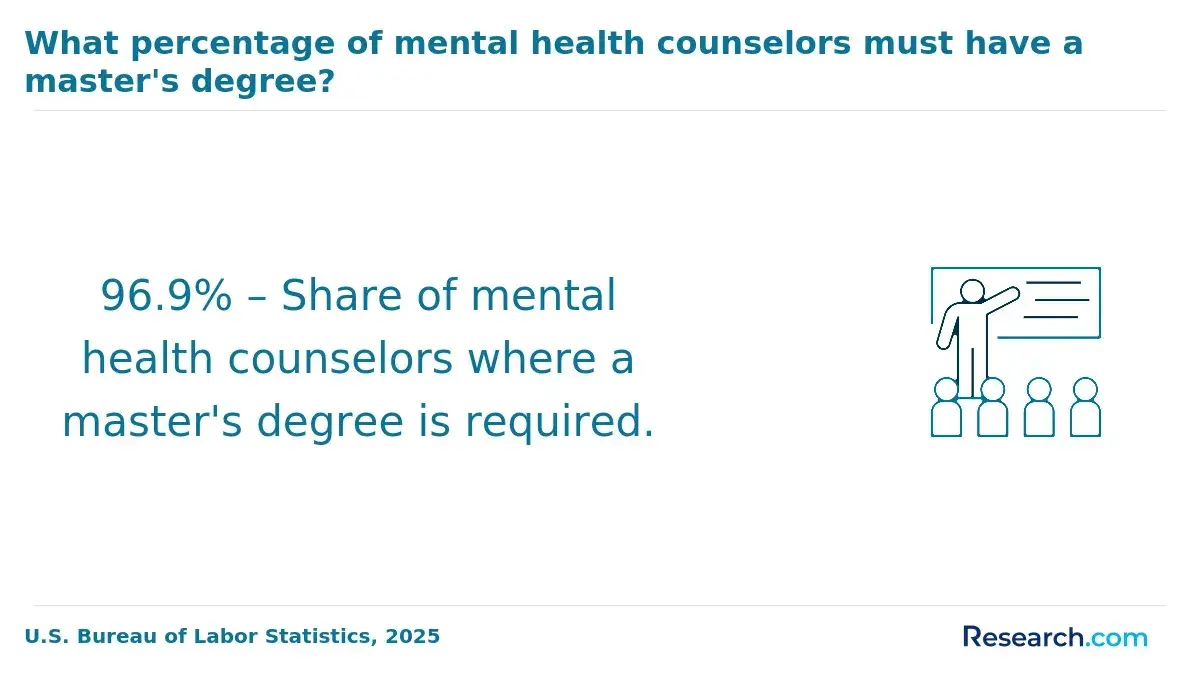
Students often ask, what can you do with a master's degree in psychology if the goal is counseling licensure in Alaska? For LPC candidates, the key issue is whether the graduate program satisfies Alaska’s professional counselor requirements. Alaska requires at least 60 graduate semester hours in counseling or a related field such as psychology, social work, family and marital therapy, or applied behavioral science.
A doctoral degree can also meet or exceed the academic level needed for some behavioral health careers, but a doctorate is not automatically the most efficient route for LPC licensure. Students should choose the degree level based on the role they want. A master’s-level counseling program is often the direct path for LPC practice, while doctoral psychology training is usually aimed at psychologist licensure, research, assessment-heavy practice, teaching, or advanced clinical leadership.
Accreditation should be a non-negotiable checkpoint. Alaska gives priority to graduates from accredited programs, and students should verify both institutional accreditation and program-level relevance. Commonly relevant accreditors include:
- Council for Accreditation of Counseling and Related Educational Programs
- Commission on Accreditation for Marriage and Family Therapy Education
- Northwest Commission on Colleges and Universities
Candidates who complete an unaccredited program may still need to show that their coursework covers at least eight required subject areas. That review can make the process more complicated, so students should ask admissions advisors and licensing boards direct questions before enrolling.
| Degree option | Best fit | Licensure caution |
| Bachelor’s in psychology or related field | Students preparing for graduate school or entry-level human services roles | Not sufficient by itself for LPC licensure |
| Master’s in counseling | Students seeking the most direct LPC pathway | Must meet Alaska’s graduate semester hour and coursework expectations |
| Master’s in psychology, social work, family and marital therapy, or applied behavioral science | Students considering related clinical or behavioral health roles | Coursework must align with Alaska professional counselor requirements if pursuing LPC licensure |
| Doctoral psychology degree | Students targeting psychologist licensure, research, assessment, or advanced clinical roles | Psychologist licensure is separate from LPC licensure |
Step 3: Complete supervised counseling experience
After graduate education, Alaska LPC candidates must complete at least 3,000 hours of supervised experience in professional counseling. At least 1,000 of those hours must involve direct counseling with individuals, couples, or groups, and at least 100 hours must be in-person supervision from an Alaska Board-approved supervisor. The supervised experience must last at least two years. Remote supervision may be permitted in specific circumstances if the Board approves it.
This stage is more than a licensing formality. It is where future counselors learn how to conduct intakes, create treatment plans, document clinical work, assess risk, respond to crises, coordinate referrals, work within ethical boundaries, and adapt counseling approaches to real client needs. Students should look for supervised sites that provide structured feedback rather than treating supervisees as inexpensive labor.
Alaska LPC exam, application, renewal, and continuing education process
Once education and supervised experience are complete, candidates move into examination and formal licensure review. This phase requires careful documentation. Missing transcripts, incomplete supervisor verification, unclear exam records, or an outdated criminal justice report can delay approval.
Pass the NCE or NCMHCE
Alaska LPC applicants must pass an accepted standardized counseling examination. The National Board for Certified Counselors administers two widely used exams: the National Counselor Examination for Licensure and Certification and the National Clinical Mental Health Counseling Examination. Candidates should choose the exam that best aligns with their training, certification goals, and the Board’s accepted options.
The NCE is a 200-item multiple-choice exam that emphasizes counseling knowledge, theory, professional practice, helping relationships, assessment, and applied counseling concepts. Passing the NCE can support the National Certified Counselor credential.
The NCMHCE uses 10 clinical simulations to assess how candidates evaluate, diagnose, plan, manage, and treat clinical mental health scenarios. Some candidates view it as more clinically demanding than the NCE because it requires applied decision-making rather than only recalling concepts. Passing the NCMHCE can support Certified Clinical Mental Health Counselor certification.
The NBCC may also accept another standardized professional counselor examination that is considered equivalent to the NCE or NCMHCE. Candidates should confirm the current accepted exam list before registering. After passing, applicants also need a criminal justice report from the Department of Public Safety, Alaska State Troopers.
Submit the Alaska LPC license application
Applicants can begin the licensing review by completing the professional counselor application available through the Alaska Board application form. The application fee is $450. Applicants must be at least 18 years old and should prepare official transcripts, two recommendation letters from licensed counselors, proof of supervised experience, verification of an accepted NBCC exam result, and an approved criminal justice report with no hits.
When the Board approves the application, it issues a professional counselor license valid for two years. The license expires on the final day of the licensee’s birth month. Alaska does not have an LPC reciprocity agreement with other states, but out-of-state licensed counselors may apply for Alaska licensure through the process available to licensed professionals.
Maintain the license with continuing education
Alaska LPCs must complete 40 continuing education units during the two years before renewal. At least 20 hours must come from seminars, workshops, or synchronous courses, and three credit hours must be in professional ethics. For the 2025-2027 renewal cycle, licensees must also complete at least three units in suicidality and three units in cultural competency.
Continuing education is not just a box to check. In Alaska, it can help counselors improve telehealth practice, suicide risk assessment, trauma-informed care, documentation, cultural humility, supervision skills, and integrated treatment for co-occurring substance use and mental health needs.
Renew the Alaska LPC license
The Alaska Board of Professional Counselors sends renewal notice 30 days before license expiration to the most recent address on file. Counselors are responsible for renewing even if they do not receive the notice. Renewal requires a completed renewal application, documentation of continuing education, and a $250 renewal fee.
| Licensure item | Requirement or amount | Practical note |
| Graduate education | At least 60 graduate semester hours | Confirm coursework before enrolling, especially in non-counseling programs |
| Supervised experience | At least 3,000 hours | Must include required direct counseling and supervision components |
| Direct counseling | At least 1,000 hours | Should involve real counseling services with clients or communities |
| Supervision | At least 100 in-person hours with an approved supervisor | Remote supervision may require Board approval |
| Minimum supervised experience duration | At least two years | Plan your timeline before graduation |
| Initial application fee | $450 | Budget for exam, transcript, and background documentation costs as well |
| License cycle | Two years | Expires on the last day of the licensee’s birth month |
| Continuing education | 40 continuing education units | Must include specified ethics and cycle-specific topics |
| Renewal fee | $250 | Submit renewal before expiration to avoid practice interruptions |
Top psychology and counseling-related programs in Alaska for 2027
Choosing a program is one of the most important decisions in the Alaska counseling pathway. A strong program should match your target credential, provide appropriate clinical preparation, disclose costs clearly, support supervised placement planning, and hold relevant accreditation. Below are notable Alaska psychology and counseling-related programs with the available details preserved for comparison.
1. University of Alaska Anchorage Ph.D. in Clinical-Community Psychology
The University of Alaska Anchorage Ph.D. in Clinical-Community Psychology prepares students for advanced work in clinical practice, research, prevention, community intervention, assessment, and social action. The program has an EPPP pass rate of 100% and a licensure rate of 76%. Because this is a doctoral program, it is best suited to students who want a psychology-centered career rather than the shortest path to LPC licensure.
- Program Length: 8 to 10 years
- Tracks/concentrations: None
- Cost per Credit: $513 (in-state); $1079 (out-of-state)
- Required Credits to Graduate: 115
- Accreditation: American Psychological Association, Northwest Commission of Colleges and Universities
2. University of Alaska Anchorage Master of Science in Clinical Psychology
The University of Alaska Anchorage Master of Science in Clinical Psychology offers a Clinical track and a Behavioral Analysis track. The Clinical track is relevant for students pursuing professional counseling roles, while the Behavioral Analysis track supports preparation for the Board Certified Behavior Analyst exam. Students may also access training connected to family and early childhood services, and the school offers scholarships and assistantships. UAA also provides BS, BA, psychology minor, and Ph.D. options.
- Program Length: 2 years
- Tracks/concentrations: Clinical; Behavioral Analysis
- Cost per Credit: $513 (in-state); $1,079 (out-of-state)
- Required Credits to Graduate: 48 to 51
- Accreditation: American Psychological Association, Northwest Commission of Colleges and Universities
3. Alaska Pacific University Master of Science in Counseling Psychology
The Alaska Pacific University Master of Science in Counseling Psychology emphasizes counseling methods, strengths-based practice, and clinical skill development across life stages and settings. Its mix of online coursework and on-campus intensives can appeal to students who need flexibility but still want in-person clinical training. APU also offers a BA in Counseling Psychology and a PsyD in Counseling Psychology.
- Program Length: 2.5 to 3 years
- Tracks/concentrations: None
- Cost per Credit: $650
- Required Credits to Graduate: 60
- Accreditation: Northwest Commission of Colleges and Universities
4. University of Alaska Fairbanks Bachelor’s Degree in Psychology
The University of Alaska Fairbanks Bachelor’s Degree in Psychology is an undergraduate option for students preparing for graduate study or entry-level behavioral health work. The program offers in-person, online, and hybrid courses and emphasizes cultural diversity in health contexts, critical thinking, creativity, collaboration, practicum exposure, advising, and psychology student engagement.
- Program Length: 4 years
- Tracks/concentrations: N0ne
- Cost per Credit: $289
- Required Credits to Graduate: 120
- Accreditation: Northwest Commission on Colleges and Universities
5. University of Alaska Southeast Bachelor of Arts in Social Science with Psychology Track
The University of Alaska Southeast Bachelor of Arts in Social Science includes a Psychology concentration covering quantitative methods and areas such as clinical, cognitive, social, and personality psychology. Students are encouraged to add two secondary concentrations, which may help broaden preparation for graduate school or human services roles. Other concentration areas include Anthropology, History, Political Science, and Sociology.
- Program Length: 4 years
- Tracks/concentrations: None
- Cost per Credit: $284 (in-state lower division courses); $282 (in-state upper division); $800 (out-of-state lower division); $848 (out-of-state upper division)
- Required Credits to Graduate: 120
- Accreditation: Northwest Commission on Colleges and Universities
How to choose the right Alaska counseling or psychology program
A program can be reputable and still be the wrong fit for your license goal. Before enrolling, compare programs based on licensing alignment, not only reputation, convenience, or tuition. This is especially important for students choosing between counseling, clinical psychology, social work, marriage and family therapy, behavior analysis, and school counseling pathways.
| Question to ask before enrolling | Why it matters |
| Does the degree meet Alaska’s 60 graduate semester hour expectation for LPC candidates? | A shorter graduate program may require extra coursework before licensure eligibility |
| Is the institution regionally accredited, and is the program professionally accredited when applicable? | Accreditation can affect licensure review, transferability, and employer confidence |
| Does the curriculum cover Alaska-required counseling subject areas? | Course gaps can delay or complicate the application process |
| Does the program help arrange practicum, internship, or supervised experience connections in Alaska? | Placement support is critical in rural or limited-provider areas |
| Can online students complete required in-person components? | Some programs include campus intensives, local placements, or synchronous requirements |
| What is the total cost, including fees, travel, technology, books, and lost work time? | Tuition alone does not show the full financial commitment |
| Do graduates pursue LPC, psychologist, LMFT, school counseling, BCBA, or social work credentials? | Graduate outcomes reveal whether the program aligns with your intended license |
Is becoming an LPC in Alaska worth it?
For students who want to provide mental health counseling, becoming an LPC in Alaska can be worth it because licensure opens access to more clinical roles, independent practice opportunities, higher-responsibility positions, and broader employment settings. The state’s need is also visible in youth mental health: Mental Health America reported a 55.6% incidence rate of untreated youth depression. For students asking what you can do with a psychology degree, counseling licensure is one of the clearest paths to direct client care.
The decision is not automatic, however. LPC preparation requires graduate tuition, at least two years of supervised experience, exam preparation, administrative documentation, continuing education, and emotional resilience. It is a strong fit for people who want sustained clinical relationships with clients, can work within ethical and legal rules, and are prepared for complex cases involving trauma, suicide risk, grief, family stress, substance use, and limited access to services.
| Becoming an Alaska LPC may be a good fit if... | Consider another path if... |
| You want to provide counseling as a core clinical service | You primarily want psychological testing or doctoral-level assessment work |
| You are willing to complete graduate study and supervised practice | You need a faster route into the workforce and do not want graduate school |
| You can handle documentation, ethics, crisis assessment, and mandated reporting responsibilities | You prefer administrative, policy, or community support roles without clinical licensure |
| You want to work in community mental health, schools, telehealth, private practice, tribal health, or integrated care | You are more interested in family systems licensure, social work licensure, behavior analysis, or school counseling specifically |
Legal and ethical rules counselors in Alaska must understand
Alaska counselors must practice within legal and ethical standards covering confidentiality, informed consent, recordkeeping, professional boundaries, mandatory reporting, scope of practice, crisis response, supervision, and telehealth. These rules matter because counselors often work with vulnerable clients, including minors, families in crisis, clients experiencing suicidality, and people in remote communities where privacy and dual relationships can be especially difficult to manage.
Ethical practice also requires cultural humility. Counselors serving Alaska Native communities and other culturally distinct populations should avoid assuming that standard counseling models automatically fit every client. Consultation, community awareness, appropriate referrals, and continuing education help reduce harm. For a broader comparison of professional roles, see Research.com’s guide to different types of counselors.
Skills that help Alaska counselors succeed
Licensure proves that a counselor has met minimum legal standards, but long-term effectiveness depends on professional judgment, communication, self-awareness, and adaptability. Alaska’s setting adds extra demands because counselors may serve small communities, rural clients, Indigenous populations, military families, students, families affected by substance use, and clients facing limited local resources.
- Clinical empathy: Counselors need to understand client experiences without becoming overwhelmed or losing objectivity.
- Active listening: Strong counseling depends on noticing both spoken concerns and nonverbal cues, including avoidance, distress, hesitation, and risk signals.
- Cultural competency: Effective care in Alaska requires respect for Indigenous communities, local values, family systems, language considerations, and historical context.
- Clear communication: Counselors must explain diagnoses, treatment goals, confidentiality limits, safety plans, and referrals in plain language.
- Risk assessment: Alaska counselors should be prepared to identify suicide risk, abuse, neglect, domestic violence, substance use concerns, and crisis escalation.
- Documentation discipline: Accurate records protect clients, support continuity of care, and reduce legal risk.
- Emotional resilience: Mental health work can involve grief, trauma, burnout, isolation, and high caseloads; sustainable practice requires supervision and self-care.
- Telehealth competence: Counselors serving remote clients need skill with secure platforms, privacy planning, emergency protocols, and virtual rapport-building.
- Ethical decision-making: Counselors must recognize conflicts of interest, dual relationships, scope limits, confidentiality exceptions, and referral needs.
Marriage and family therapy in Alaska’s counseling workforce
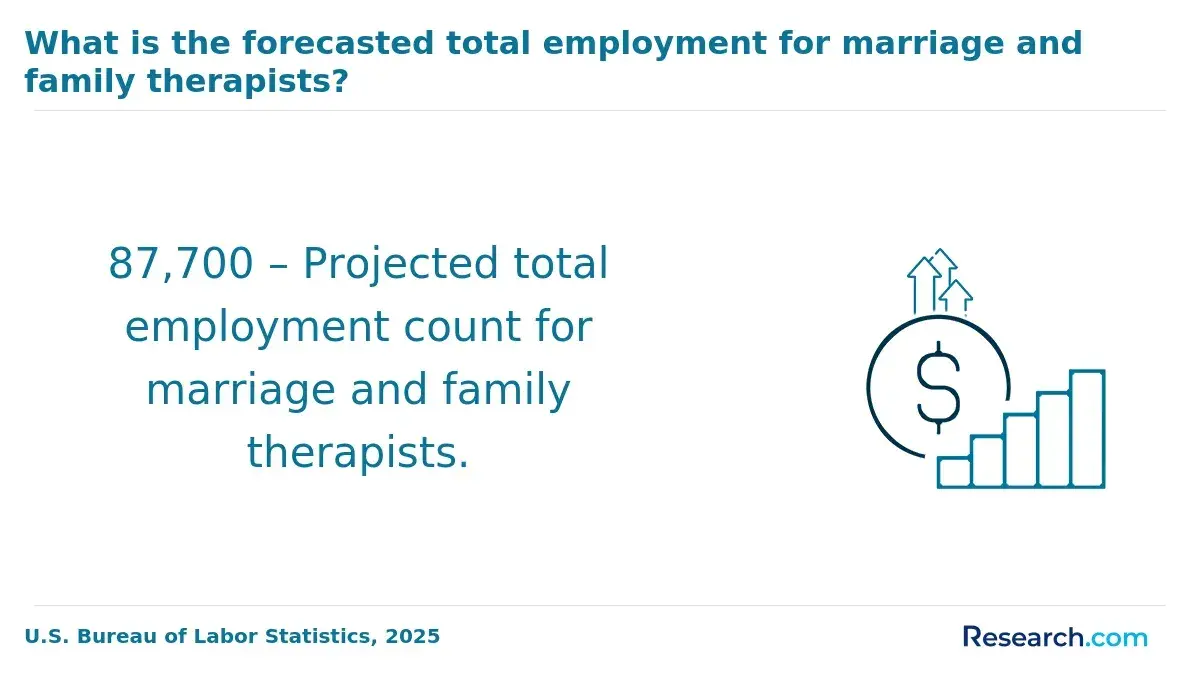
Marriage and family therapists focus on relationships, family systems, couple dynamics, communication patterns, and the ways individual distress connects to relational environments. In Alaska, this work can be especially valuable for families navigating isolation, intergenerational trauma, substance use, economic stress, child behavioral concerns, and limited access to specialty care.
MFTs differ from LPCs in professional focus. LPCs may treat a wide range of individual, group, and clinical mental health concerns, while MFTs are trained to view symptoms through relational and systemic frameworks. Both can contribute to Alaska’s mental health workforce, but students should choose their graduate program and supervised experience based on the license they actually want.
Students interested in this pathway should review the specific steps for becoming a marriage and family therapist in Alaska, including graduate education, supervised clinical practice, and state licensure requirements.
Challenges and opportunities in Alaska mental health counseling
Alaska offers meaningful opportunities for counselors, but it also presents practice realities that students should understand before committing to the field. Geographic distance, workforce shortages, cultural diversity, telehealth dependence, and economic barriers can shape daily work as much as counseling theory does.
Major challenges
- Remote geography: Many Alaskans live far from in-person behavioral health providers, which can delay care and complicate crisis response.
- Cultural complexity: Counselors may work across communities with different traditions, histories, languages, and expectations around healing and privacy.
- Workforce pressure: Even with relatively strong access rankings, demand can exceed available provider capacity in certain regions or specialties.
- Economic barriers: Cost, insurance limits, transportation, childcare, and unstable housing can prevent clients from receiving consistent care.
- Burnout risk: Counselors serving high-need communities may face heavy caseloads, secondary trauma, and limited referral options.
Important opportunities
- Telehealth growth: Secure virtual counseling can reduce travel barriers and help providers reach clients in remote areas.
- Community-based collaboration: Counselors can work with tribal health systems, schools, social workers, medical providers, and community leaders.
- Specialized practice areas: Alaska needs clinicians trained in trauma, grief, suicide prevention, cultural competency, youth mental health, and substance use recovery.
- Grief counseling expertise: Counselors who want to focus on loss, trauma, and bereavement can explore how to become a grief counselor as a specialization path.
How counselors and social workers can coordinate care in Alaska
Counselors and social workers often serve the same clients but address different parts of the care picture. Counselors may focus on assessment, treatment planning, therapy, coping skills, and mental health symptoms. Social workers may help with housing, benefits, family systems, community resources, child welfare, discharge planning, and broader social needs. In Alaska, this collaboration is especially useful when clients face both clinical symptoms and practical barriers to care.
Understanding how to become a social worker in Alaska can help counselors recognize when to refer, when to collaborate, and how to define roles in integrated care teams.
How to become a behavior analyst in Alaska
Behavior analysis is not the same as professional counseling. Behavior analysts focus on measurable behavior, intervention design, data collection, behavior change strategies, and applied behavior analysis principles. This pathway commonly requires a specialized graduate education route and supervised experience in behavior intervention settings.
Students who are interested in autism services, behavioral intervention, skill acquisition, functional behavior assessment, or data-driven treatment planning should review the specific requirements for becoming a behavior analyst in Alaska rather than assuming an LPC program will meet BCBA preparation needs.
How telehealth can improve counseling access in Alaska
Telehealth is one of the most practical tools for expanding counseling access in Alaska because distance, weather, transportation, and provider shortages can make in-person care difficult. Effective telehealth practice requires more than a video platform. Counselors must use secure systems, verify client location, plan for emergencies, protect privacy, document appropriately, and understand state-specific rules.
Students who want to enter practice quickly while still meeting all requirements should review the fastest way to become a counselor in Alaska, but they should avoid shortcuts that skip accreditation checks, supervised experience planning, or exam preparation.
How school counseling supports Alaska students
School counselors help students connect academic progress with mental health, social development, career planning, and crisis support. In Alaska, school counselors may be especially important in identifying early warning signs, coordinating with families, supporting attendance and engagement, and connecting students with community services when local mental health access is limited.
Professionals who want to work primarily in K-12 education should compare LPC requirements with the pathway for becoming a school counselor in Alaska, because school counseling credentials and professional counseling licenses can have different education, practicum, and employment requirements.
Recent Alaska LPC license requirement considerations
Licensure rules can change, especially around continuing education, supervision documentation, telehealth, cultural competency, suicidality training, and application forms. Current and future counselors should check official Board materials before making decisions about coursework, supervision, exam registration, or renewal timing.
For a focused review of licensure details, see Research.com’s guide to Alaska LPC license requirements. Candidates should also keep copies of syllabi, transcripts, supervision logs, exam confirmations, continuing education certificates, and Board correspondence.
How to begin the Alaska LPC pathway
The best first step is to identify your target role. If you want to provide mental health counseling, start by comparing graduate counseling programs that meet Alaska’s education rules. If you are still in high school or early college, choose undergraduate coursework that strengthens writing, psychology foundations, statistics, human development, ethics, and research literacy.
- Confirm the credential you want: LPC, psychologist, LMFT, school counselor, BCBA, social worker, or addiction recovery specialist.
- Choose an appropriate degree: Do not assume every psychology or counseling-related program leads to the same license.
- Verify accreditation: Check both institutional and program relevance before applying.
- Ask about practicum and supervision: A program with weak placement support can make licensure harder.
- Plan the budget: Include tuition, fees, books, technology, travel, exam costs, and application fees.
- Track every requirement: Maintain organized records from the first semester through license renewal.
For a dedicated overview, review Research.com’s resource on how to become a licensed mental health counselor in Alaska.
Counselor licensure vs. psychologist licensure in Alaska
Counselor licensure and psychologist licensure are different professional tracks. LPC licensure is generally built around master’s-level counseling education, supervised professional counseling experience, and an accepted counseling exam. Psychologist licensure typically emphasizes doctoral-level psychology education, advanced supervised clinical training, assessment, research, and psychology-specific examinations.
If your goal is psychotherapy and counseling, the LPC route may be more direct. If your goal includes psychological testing, doctoral clinical psychology practice, university teaching, advanced research, or psychologist-level roles, review the requirements for becoming a psychologist in Alaska before choosing a program.
Adding addiction recovery services to counseling practice in Alaska
Substance use and mental health concerns often overlap, so Alaska counselors can strengthen their practice by learning addiction recovery approaches. Useful training areas include motivational interviewing, cognitive-behavioral therapy for substance use, relapse prevention, harm reduction-informed care, family involvement, trauma-informed treatment, and referral coordination with medical and community providers.
Counselors should practice within their competence and pursue additional training or credentials when needed. Students considering this specialty can explore careers in addiction recovery to understand related roles and service settings.
Financial support options for future counselors in Alaska
Graduate counseling education can be expensive, so students should compare total cost and funding options early. Potential support may include scholarships, assistantships, employer tuition assistance, rural or underserved service incentives, loan repayment programs, grants, and continuing education subsidies. Availability can vary by year, employer, service area, and eligibility rules.
When comparing psychology schools in Alaska, ask each institution about graduate assistantships, practicum travel costs, online fees, transfer credit policies, scholarship deadlines, and whether financial aid applies to part-time enrollment.
Marriage and family therapy compared with other counseling careers in Alaska
Students deciding among counseling careers should understand how marriage and family therapy differs from LPC practice, psychology, social work, and school counseling. The question is not which field is “best,” but which one fits the population, setting, and type of intervention you want to provide.
Marriage and family therapy focuses on couples, families, relational conflict, family systems, and long-term patterns that affect emotional health. LPC practice may include individual therapy, group counseling, diagnosis, treatment planning, crisis support, and broader mental health counseling. Clinical psychology often requires doctoral training and may involve assessment, research, and advanced clinical practice. Social work may combine therapy with systems navigation, advocacy, and social services. School counseling centers on student development, academic planning, and school-based support.
For a general career overview, see Research.com’s guide on how to become a marriage and family therapist.
| Career path | Main focus | Typical best fit |
| Licensed Professional Counselor | Mental health counseling, assessment, treatment planning, individual or group therapy | Students who want a direct clinical counseling role |
| Marriage and Family Therapist | Couples, families, relationship systems, communication, relational patterns | Students drawn to family systems and relational therapy |
| Psychologist | Advanced clinical practice, assessment, research, doctoral-level psychology work | Students willing to complete doctoral preparation |
| School Counselor | Academic, social, emotional, and career support in educational settings | Students who want to work primarily with K-12 learners |
| Social Worker | Clinical or community support, systems navigation, advocacy, case coordination | Students interested in both counseling and social service systems |
| Behavior Analyst | Behavior assessment, intervention plans, data-based behavior change | Students interested in applied behavior analysis and measurable interventions |
| Addiction recovery professional | Substance use treatment, recovery planning, relapse prevention, co-occurring concerns | Students focused on substance use and recovery support |
Common mistakes to avoid when pursuing Alaska LPC licensure
- Choosing a program before checking licensure alignment: A degree title that sounds relevant may not meet Alaska’s coursework or credit expectations.
- Looking only at tuition: Travel, technology, books, fees, unpaid internship time, exam costs, and application costs can change the true price.
- Assuming online automatically means flexible: Some online programs require synchronous meetings, campus intensives, local placements, or state-specific approvals.
- Waiting too long to plan supervision: Supervised experience must meet specific hour, duration, and supervisor requirements.
- Keeping poor records: Lost syllabi, unsigned supervision logs, missing CE certificates, or incomplete transcripts can delay licensure or renewal.
- Confusing counseling with psychology licensure: LPC and psychologist pathways have different education levels, exams, scopes, and career outcomes.
- Assuming salary is guaranteed: Pay depends on employer, region, experience, credential, specialty, caseload, and setting.
- Ignoring ethical risks in small communities: Dual relationships, confidentiality concerns, and boundary issues can be more complex in rural practice.
Key Insights
- Alaska needs qualified mental health providers: NAMI reported that 45.2% of Alaskan adults showed symptoms of depression or anxiety in 2025, and 28.1% did not receive needed treatment.
- The LPC pathway is structured but manageable: Candidates need qualifying graduate education, at least 3,000 supervised hours, an accepted NBCC exam, a complete Board application, and ongoing continuing education.
- Program choice affects licensure speed: Verify accreditation, graduate semester hours, coursework coverage, practicum support, and supervised experience preparation before enrolling.
- Alaska salaries can be competitive: Mental health counselors in Alaska earned a mean annual wage of $68,770, compared with $56,230 nationally, while clinical and counseling psychologists earned $99,880.
- Licensure expands career options: LPC status can open doors in community mental health, telehealth, integrated care, schools, hospitals, tribal health, and private practice settings.
- Ethics and cultural competency are essential: Alaska counselors must be prepared for confidentiality issues, mandated reporting, suicide risk, telehealth practice, and culturally responsive care.
- Related careers require different pathways: LPC, LMFT, psychologist, school counselor, social worker, behavior analyst, and addiction recovery roles overlap but are not interchangeable.
- Renewal is part of professional practice: Alaska LPCs must complete 40 continuing education units every two years, including required ethics, suicidality, and cultural competency components for the stated renewal cycle.
Related Articles for Nearby States
- 2027 How to Become a Licensed Counselor (LPC) in Washington
- 2027 How to Become a Licensed Counselor (LPC) in Oregon
- 2027 How to Become a Licensed Counselor (LPC) in California
- 2027 How to Become a Licensed Counselor (LPC) in Hawaii
- 2027 How to Become a Licensed Counselor (LPC) in Idaho
- 2027 How to Become a Licensed Counselor (LPC) in Montana
- 2027 How to Become a Licensed Counselor (LPC) in Nevada
- 2027 How to Become a Licensed Counselor (LPC) in Utah
- 2027 How to Become a Licensed Counselor (LPC) in Arizona
- 2027 How to Become a Licensed Counselor (LPC) in Wyoming
References:
- Alaska Board of Professional Counselors. (2025). Statutes and Regulations: Professional Counselors. Department of Commerce, Community, and Economic Development. https://www.commerce.alaska.gov/web/portals/5/pub/pcon4033.pdf
- America’s Health Rankings. (2025). 2025 Annual report: Alaska state summary. United Health Foundation. https://www.americashealthrankings.org/explore/annual/measure/mha/state/AK
- Association of State and Provincial Psychology Boards. (2025). Psychology Licensing Exam Scores by Institution. https://www.asppb.net/page/EPPPScoreReports
- Department of Commerce, Community, and Economic Development. (2025). Board of Professional Counselors: Statutes and Regulations. State of Alaska. https://www.commerce.alaska.gov/web/cbpl/ProfessionalLicensing/ProfessionalCounselors.aspx
- National Alliance on Mental Illness. (2025). Mental health in Alaska. https://www.nami.org/NAMI/media/NAMI-Media/StateFactSheets/AlaskaStateFactSheet.pdf
- KFF. (2025). Trends in mental health and well-being: State-level data on adults reporting symptoms of anxiety and/or depressive disorder. https://www.kff.org/statedata/mental-health-and-substance-use-state-fact-sheets/alaska/
- Mental Health America. (2025). The State of Mental Health in America 2025. https://mhanational.org/issues/state-mental-health-america
- Zippia. (2025). Licensed professional counselor demographics and statistics in the US. https://www.zippia.com/licensed-professional-counselor-jobs/demographics/
Other Things You Should Know About Becoming a Licensed Counselor (LPC) in Alaska
To become a licensed counselor in Alaska in 2027, you must pass the National Counselor Examination (NCE) and the Alaska Jurisprudence Exam. These exams test your counseling knowledge and understanding of state-specific laws and regulations.
Licensed Professional Counselors in Alaska must complete 40 hours of continuing education every two years, including 6 hours in ethics. The courses must be approved by a relevant organization such as the Alaska Board of Professional Counselors or other recognized entities.
Counselor licenses in Alaska need to be renewed every two years. The renewal process includes submitting a renewal application, verification of continuing education units, and a renewal fee.
The Alaska Board of Professional Counselors, which operates under the Division of Corporations, Business and Professional Licensing, issues LPC licenses. Applicants submit a licensure application, official transcripts, supervision verification, exam results, and the required fee, then wait for board review and approval.
Alaska does not have reciprocity agreements with other states. Out-of-state counselors must apply for licensure in Alaska by meeting the state’s educational and supervised experience requirements and passing an NBCC exam.
To become a Licensed Professional Counselor (LPC) in Alaska in 2027, you need a master's or doctoral degree in counseling or a related field from a regionally accredited institution. The program must include at least 60 semester hours and cover specific areas like ethics, human development, and counseling techniques.
In 2027, to become a Licensed Professional Counselor (LPC) in Alaska, you need to complete 3,000 hours of supervised clinical experience. This experience should be accumulated over a minimum of two years, and at least 100 hours must involve direct supervision by a qualified professional.