2027 Shortest Online Political Science Bachelor's Degree Programs That Pay Well: Cost, Time to Completion, and Salary Outlook

Co-Founder and Chief Data Scientist
Choosing the shortest online political science bachelor’s degree is not just about finding the fastest program. It is about confirming that the degree is accredited, that your prior credits will count, that the schedule is realistic, and that the program supports the career path you want after graduation.
Accelerated online political science programs are often built for working adults, transfer students, military learners, and career changers who cannot pause work for a traditional four-year campus degree. Research shows that 35% of online political science students complete their degrees within two years, significantly faster than the national average. That speed can matter: finishing sooner may reduce time in school, limit extra term-based fees, and help graduates move earlier into policy, public service, law-adjacent, advocacy, campaign, nonprofit, or government roles.
This guide explains what makes an online political science bachelor’s program fast, how credits and transfer policies affect completion time, which formats can shorten the path, what admissions and financial aid rules to check, and how to evaluate accredited options without sacrificing quality for speed.
Key Benefits of the Shortest Online Political Science Bachelor's Degree Programs That Pay Well
- Shortest online political science degrees offer affordable tuition and flexible schedules, ideal for working professionals balancing career and study commitments without sacrificing income.
- Accelerated programs emphasize competency-based education and transfer credits to fast-track skill acquisition, allowing students to graduate in as little as two years.
- Students gain access to diverse, global networks through online platforms, expanding professional opportunities and enhancing career prospects in international policy and governance.
What Defines the Shortest Online Political Science Bachelor's Degree Programs Available Today?
The shortest online political science bachelor’s degree programs are defined by how quickly a student can complete the remaining degree requirements without leaving an accredited pathway. In practice, the fastest options usually combine accelerated terms, year-round enrollment, generous transfer credit policies, and sometimes competency-based coursework. These structures can shorten a bachelor’s timeline from the traditional four-year model to about two to three years, depending on how many credits the student already has.
Program length varies widely. Online political science degrees can take anywhere from 24 months at the shortest to 72 months at the longest. The fastest route is rarely the easiest route: it often requires back-to-back courses, careful planning, and a higher weekly workload. For working adults, the best “short” program is the one that is fast enough to meet career goals but structured enough to avoid failed courses, dropped terms, or unnecessary debt.
Time to completion should be evaluated alongside total cost. A shorter program may reduce tuition exposure, technology fees, and living expenses tied to a longer study period. It may also allow graduates to enter or advance in the workforce sooner, which can improve salary potential over time. However, speed only helps if the program is properly accredited, transferable, and respected by employers or graduate schools.
Some programs also use competency-based online political science degree models or fast track options. These may award credit for prior college coursework, military training, professional learning, or demonstrated mastery. Students comparing accelerated fields may also want to review an artificial intelligence degree online, since some technology programs use similar accelerated and transfer-friendly structures.
Key features of the fastest programs
- Accelerated term structures: Six- to eight-week sessions allow students to complete more courses in a calendar year than traditional 15-week semesters.
- Heavier course loads: Taking more credits per term can shorten the timeline, but it increases weekly reading, writing, and exam demands.
- Year-round enrollment: Programs that run continuously through summer or winter breaks reduce downtime between courses.
- Transfer credits and prior learning: Accepted prior coursework, military training, exams, and professional learning can reduce the number of required courses.
- Clear academic sequencing: Fast programs need predictable course availability so students are not delayed by prerequisites or limited course rotations.
- Accreditation: Regional accreditation is especially important for transferability, graduate admission, and employer recognition.
How Many Credits Are Required to Finish the Shortest Online Political Science Bachelor's Degree Programs?
Most U.S. bachelor’s degrees, including online political science programs, require approximately 120 credits. That credit total is the main reason the standard full-time timeline is four years. A program may be marketed as accelerated, but students still need to know how many credits must be completed, how many can transfer in, and whether any major-specific courses must be taken at the institution.
The fastest completion paths are often designed for transfer students rather than first-time freshmen. Some schools offer 90-credit completion degrees for students who already have substantial prior coursework. In these cases, the student may need to complete only the remaining upper-division or major requirements through the degree-granting university.
Competency-based tracks work differently. Instead of relying only on fixed seat time or traditional credit pacing, students progress by proving mastery. This can reduce the practical time needed to finish, especially for learners with relevant work, military, civic, legal, nonprofit, campaign, or public administration experience. Still, students should confirm how the school records competency units or credits on transcripts, particularly if graduate school is a future goal.
Some political science bachelor’s degrees may require more than 120 credits when additional program requirements, licensure-related elements, or institutional rules apply. Any credit load above 120 credits can lengthen the minimum time to graduate.
How to estimate your completion timeline
To estimate your likely graduation date, subtract accepted transfer credits from the total credits required, then divide the remaining credits by the number of credits you can realistically complete each term. This simple calculation is often more reliable than a school’s advertised “fastest possible” timeline.
- Standard credit requirement: Most programs require 120 credits, which supports a traditional four-year full-time path.
- Transfer-friendly options: Some schools offer 90-credit degrees for transfer students, reducing the number of credits completed after admission.
- Competency-based tracks: These may allow students to move faster by demonstrating mastery rather than waiting for fixed course schedules.
- Extended credit loads: Programs with additional requirements may exceed 120 credits, which can increase time to completion.
- Personal timeline calculation: Dividing remaining credits by planned term credits gives a clearer estimate than relying on marketing claims.
Because many students pursue political science with career outcomes in mind, it is also useful to compare degree timelines with potential earnings in related fields. Readers evaluating long-term income may want to review information on highest paying jobs while considering whether accelerated completion improves their return on investment.
What Is the Minimum Time It Takes to Complete an Online Political Science Bachelor's Degree?
The minimum time to complete an online political science bachelor’s degree depends heavily on starting point. A student entering with no college credit faces a very different timeline from a transfer student who already has general education requirements completed. In highly accelerated programs, the shortest possible timeline for a traditional freshman is 12 to 18 months, but that pace requires unusually intense enrollment conditions.
To finish that quickly, students typically need 5- to 8-week courses, full-time or heavier-than-full-time enrollment, continuous terms, and no significant breaks. Full-time enrollment usually means 15 or more credits each term. Students also need courses to be available in the right sequence; even one unavailable required course can delay graduation.
For most working adults, 18 to 24 months is a more realistic accelerated timeline. That pace still requires discipline, but it gives students more room to manage work schedules, family responsibilities, writing-heavy political science assignments, and research projects. Transfer credits and prior learning assessments can shorten the timeline further, but each school decides what it will accept.
What has to be true for the fastest timeline
- Accelerated terms: Courses must run in 5- to 8-week sessions rather than traditional 15-week semesters.
- Full-time load: Students usually need 15+ credits per term to stay on the fastest path.
- No breaks: Back-to-back enrollment prevents idle time between sessions.
- Transfer credits: Prior coursework, exams, or approved training can reduce the number of courses still required.
- Strong time management: Political science courses often require extensive reading, discussion posts, papers, and policy analysis assignments.
A professional who pursued the shortest online political science bachelor’s degree described the experience as demanding but useful. He said the accelerated schedule forced him to build a strict weekly routine and adapt quickly from one course to the next. “It wasn’t easy moving from one session to the next without breaks, but that relentless rhythm kept me focused.” For him, the compressed format made sense because it helped him finish faster than expected and move into his next career step sooner than peers in traditional programs.
Which Program Formats Make Online Political Science Bachelor's Degrees Faster to Complete?
The format of an online political science bachelor’s program can affect completion time as much as the curriculum itself. The fastest programs usually remove waiting periods, shorten academic terms, or let students advance when they demonstrate mastery. The right format depends on how independently the student can work, how many credits they bring in, and how predictable their weekly schedule is.
Accelerated term-based programs
Accelerated term-based programs replace traditional 16-week semesters with shorter 5- to 8-week courses. This allows students to complete more courses each year, especially when the school offers multiple start dates and year-round sessions. This model is best for students who want structure, instructor deadlines, and a faster pace without moving entirely into self-paced learning.
Competency-based education
Competency-based education, or CBE, allows students to progress by proving they have mastered defined skills and concepts. Instead of waiting for a semester to end, motivated learners may move through material more quickly. This format can be especially useful for experienced professionals seeking a competency-based political science bachelor’s degree online, but it requires self-direction and consistent study habits.
Year-round enrollment models
Year-round enrollment reduces downtime by offering courses through the summer and other traditional breaks. This format may feel less intense than a fully self-paced CBE model but still helps students finish sooner than programs that only operate on fall and spring schedules.
How to choose the right fast format
- Choose accelerated terms if you want speed with weekly deadlines and instructor-led structure.
- Choose CBE if you are highly self-motivated and already understand some political science, public policy, law, government, or research concepts.
- Choose year-round enrollment if you need flexibility but want to avoid long academic breaks.
Students who are still building college credit before entering a bachelor’s program may also want to review related transfer pathways, including best associates degrees to get.
How Do Transfer Credits Shorten the Time to Complete an Online Political Science Bachelor's Degree?
Transfer credits shorten an online political science bachelor’s degree because every accepted credit reduces the number of courses the student still has to complete. For adult learners, transfer policy is often the single most important factor in finding the shortest legitimate program.
Some programs accept up to 90 transfer credits. A student who enters with about 60 credits may be able to complete the remaining degree requirements within a single year of full-time study, depending on course availability, major requirements, and residency rules. However, not every transferred course will automatically count toward the major. Some credits may apply only as electives, while others may fulfill general education or lower-division requirements.
Transfer credits can come from previous college coursework, Advanced Placement (AP), International Baccalaureate (IB), CLEP, DSST, military training, and employer training recognized by the American Council on Education (ACE). The safest approach is to request an official transfer credit evaluation before committing to a program. A verbal estimate from admissions is helpful, but the formal evaluation is what determines your actual remaining credits.
Transfer steps that prevent delays
- Collect every transcript: Include community colleges, four-year schools, dual enrollment, military records, and exam score reports.
- Ask about maximum transfer limits: Some schools cap accepted credits, while others set separate caps for major courses, electives, or lower-division work.
- Check residency requirements: Many institutions require a minimum number of credits to be completed through the school granting the degree.
- Confirm major applicability: A course may transfer but still not satisfy a political science requirement.
- Get the evaluation early: The official credit review should guide your enrollment plan before you begin taking courses.
Nearly 40% of bachelor’s degree earners transfer credits from previous institutions, showing how common this pathway is for shortening degree completion.
One graduate said she underestimated the value of organizing prior credits before enrollment. “The process required patience as I submitted transcripts and awaited formal evaluations,” she explained. “Once accepted, the credits cleared a significant hurdle, letting me focus entirely on the core classes I needed.” Her experience highlights a practical lesson: transfer credit is not automatic, but when handled early, it can turn a long degree plan into a focused completion pathway.
Which Accredited Schools Offer the Shortest Online Political Science Bachelor's Degree Programs?
Several regionally accredited universities offer online political science bachelor’s pathways designed to reduce time to completion through accelerated terms, transfer credit, year-round scheduling, or prior learning options. Accreditation should be the first filter. A fast degree has limited value if credits do not transfer, employers question the credential, or graduate programs do not recognize the institution.
The schools below are commonly considered by students looking for flexible or accelerated online bachelor’s options in political science or closely related pathways. Policies can change, so students should confirm credit limits, term lengths, tuition rules, course sequencing, and current program availability directly with each institution.
- Liberty University: Students typically finish within 2.5 to 3 years full-time by completing 120 semester credits. The eight-week accelerated terms run year-round, and the school accepts up to 75% of transfer credits from qualified institutions. Credit for military service and prior learning assessments can also help reduce time.
- Arizona State University (ASU) Online: Students can complete their degree in 2 to 3 years depending on transfer credits. The program requires 120 semester credits with multiple start dates and asynchronous 7.5-week sessions. ASU accepts credits from regionally accredited schools, including AP and IB exam credits.
- University of North Carolina at Pembroke: This program typically takes about 3 years to finish, requiring 120 semester credits. It operates on a 16-week semester system with several start dates annually. UNC Pembroke allows up to 90 transfer credits and accepts CLEP and DANTES exam credits for acceleration.
- Western Governors University (WGU): Known for its competency-based model, students progress by demonstrating mastery, often completing the degree in 2 to 3 years. It uses six-month terms and requires around 120 competency units. WGU recognizes prior college credits and assesses previous knowledge to expedite degree completion.
- Southern New Hampshire University (SNHU): With about 2.5 to 3 years to graduation, the program requires 120 semester credits. SNHU offers accelerated eight-week terms throughout the year and has a highly transfer-friendly policy, accepting up to 90 credits including military and experiential learning credits.
What to verify before applying
- Regional accreditation: Confirm the institution is regionally accredited and recognized by the U.S. Department of Education.
- Transfer credit estimate: Request an official review of transcripts, exam scores, and prior learning documents.
- Course availability: Ask whether required political science courses are offered every term or only on rotation.
- Residency requirement: Find out how many credits must be completed through the institution.
- Graduate school compatibility: If law school or a master’s program is a goal, ask whether transcripts and grading formats meet typical admissions expectations.
Each listed institution holds regional accreditation recognized by the U.S. Department of Education, which supports wider acceptance by employers and graduate programs. Schools with only national accreditation may face more transferability and recognition limitations, so students seeking maximum flexibility should review accreditation carefully before enrolling.
What Are the Admission Requirements for the Fastest Online Political Science Bachelor's Degree Programs?
Admission requirements for the fastest online political science bachelor’s degree programs usually start with a high school diploma or GED. Some schools set minimum GPA requirements, while others use open or rolling admissions that allow students to start more quickly. Rolling start dates can be especially helpful in accelerated programs because waiting for one annual intake can add months to a completion timeline.
The quickest options are often degree-completion programs. These tracks may require applicants to already have approximately 60 transferable college credits. In that model, the school assumes the student has completed much of the general education curriculum and is ready to focus on upper-division political science, public policy, government, research, or elective coursework.
Students who do not yet have enough transfer credits may still have a fast pathway. Completing lower-cost general education courses at a community college, taking approved credit-by-exam options, or submitting prior learning documentation can reduce the number of credits needed after transfer. Before doing this, students should confirm that the target university will accept those credits.
Common admissions requirements
- High school diploma or GED: This is the basic entry requirement for most bachelor’s programs.
- Minimum GPA: Some programs require a minimum GPA, especially for transfer admission or degree-completion tracks.
- Official transcripts: Schools usually require transcripts from every previously attended college.
- Transfer credit review: Fast completion depends on how many credits the school accepts and how they apply to the degree plan.
- Application form and fee: Most programs require a standard online application and may charge an application fee.
- Placement or readiness review: Some institutions assess writing, math, or college readiness before registration.
What usually is not required
Many accelerated online political science programs do not require political science-specific prerequisites. That makes them accessible to career changers, working professionals, and students transferring from community colleges or unrelated majors. However, students should still expect reading-intensive courses and significant writing assignments, especially in American government, comparative politics, international relations, public policy, political theory, and research methods.
How Does Competency-Based Education Accelerate Completion of an Online Political Science Bachelor's Degree?
Competency-based education accelerates an online political science bachelor’s degree by measuring mastery instead of time spent in a classroom. Students advance after demonstrating that they understand the required concepts, skills, and applications. Assessments may include projects, exams, papers, presentations, case analyses, or real-world applied work.
This model can be faster for students who already have relevant knowledge from public service, military experience, campaign work, nonprofit roles, law-adjacent jobs, civic engagement, research, or policy-related employment. Instead of sitting through a full term on familiar material, they can move forward once they meet the competency standard.
Programs like Western Governors University (WGU) use a flat-rate tuition per term, allowing students to complete as many courses as they can within that term without paying per course. This structure can lower costs for disciplined students who move quickly. However, CBE is not automatically faster for everyone. Students who need frequent instructor reminders, live class meetings, or fixed weekly pacing may progress more slowly than they would in a structured accelerated program.
When CBE is a strong fit
- You are self-directed: You can set a schedule, meet deadlines, and study without constant reminders.
- You have prior knowledge: Familiarity with government, public policy, research, writing, or civic institutions can help you move faster.
- You want cost control: Flat-rate tuition can be efficient when students complete multiple courses in one term.
- You can handle ambiguity: CBE often requires students to manage progress independently and seek help proactively.
When CBE may not be the fastest choice
- You are new to political science: Beginners may need more guided instruction and structured pacing.
- You struggle with self-pacing: Without weekly class meetings, procrastination can slow progress.
- You plan to apply to graduate school: Ask how competencies appear on transcripts and whether grades are issued.
- Western Governors University (WGU): Known for its competency-based approach with a flat tuition rate per term, WGU’s political science-related bachelor’s degree allows quick progression for disciplined students, typically completing in 18 to 24 months.
- Capella University’s FlexPath: Offers a fully online CBE political science program on a subscription tuition basis, enabling students to advance swiftly by demonstrating mastery of competencies without waiting for traditional term schedules.
- Southern New Hampshire University’s College Core: Provides competency-based components embedded within their online political science curriculum, offering flexibility, though some courses may follow traditional pacing.
- Self-discipline requirement: Success in CBE depends on consistent self-pacing and time management; students without these skills may move more slowly.
- Not always faster for beginners: Students new to political science may benefit from traditional accelerated formats with clearer schedules and more guided instruction.
Students comparing fast bachelor’s options should also weigh career goals after graduation. Combining competency-based education with transfer credits and prior learning evaluations can create a faster, more cost-conscious path, especially when the credential aligns with policy, management, public service, or leadership goals. For broader career planning, review related options such as masters organizational leadership online.
Can CLEP, DSST, or Prior Learning Assessments Shorten an Online Political Science Bachelor's Degree Timeline?
Yes. CLEP, DSST, and prior learning assessments can shorten an online political science bachelor’s degree timeline when the school accepts them and applies the credits to degree requirements. These options are most useful for general education, electives, introductory social science courses, and some subject-area requirements.
Credit-by-exam opportunities
CLEP and DSST exams let students earn college credit by passing standardized exams instead of taking certain courses. Successfully passing these exams can eliminate up to 30 credits, potentially cutting up to a full year from the typical four-year timeline. The actual benefit depends on the school’s exam policy, passing score requirements, maximum external credit limits, and how the credits apply to the political science degree plan.
Prior learning assessment benefits
Prior Learning Assessment, or PLA, allows students to document college-level learning gained outside traditional classrooms. This may include work experience, military training, professional certifications, civic leadership, government service, policy work, or employer training. Some learning is evaluated through ACE recommendations, which many affordable online political science programs recognize.
A PLA portfolio usually requires evidence. Students may need to submit descriptions of experience, training records, certifications, work samples, supervisor verification, and written reflections that connect experience to course outcomes. Because portfolio reviews take time, students should begin the process early.
Flexible program policies
Institutions such as Thomas Edison State University and Excelsior College are known for flexible PLA policies. They may accept CLEP, DSST, ACE-reviewed military learning, and professional credentials. Students seeking the fastest route should compare not only whether a school accepts these credits, but also how many credits it accepts and whether those credits satisfy required categories.
How to use exams and PLA strategically
- Check the target school first: Do not pay for exams or portfolio reviews until the school confirms eligibility.
- Prioritize required categories: Credits that satisfy general education or major requirements are more valuable than excess electives.
- Use preparation resources: Free preparation materials, including those from the Modern States Education Alliance, can help students prepare for CLEP exams.
- Submit portfolios early: Early PLA review allows accepted credits to be included in the first academic plan.
- Watch credit caps: Schools may limit the total number of credits earned through exams, PLA, or external sources.
Students comparing accelerated online degrees across other disciplines may also review a graphic design online degree to see how flexible program structures differ by field.
How Does a Shortened Online Political Science Bachelor's Degree Cost Compare to a Standard Four-Year Program?
A shortened online political science bachelor’s degree can cost less than a standard four-year program, but the savings depend on tuition structure, transfer credits, fees, and enrollment pace. The biggest savings usually come from reducing the number of terms enrolled, using accepted transfer credits, and avoiding unnecessary repeated coursework.
Many bachelor’s programs charge tuition by credit hour. In those cases, accelerating the calendar does not always reduce the tuition for credits you still must complete, but it can reduce term-based fees and help you finish before additional living or opportunity costs accumulate. If transfer credits or prior learning reduce the number of required credits, the savings can be more direct.
Competency-based education programs can produce larger savings for students who move quickly because they often charge a flat rate per term. A student who completes many courses in one term may pay less than they would in a per-credit model. However, students who move slowly in a flat-rate program may lose that advantage.
Where shortened programs may save money
- Reduced term fees: Fewer enrolled terms can mean fewer technology, activity, and administrative fees.
- Transfer credit savings: Accepted credits can reduce the number of courses you must pay to complete.
- Prior learning credits: PLA, CLEP, DSST, military credit, or employer training may lower remaining credit requirements.
- Flat-rate efficiency: CBE programs can be cost-effective when students complete courses quickly within each term.
- Opportunity cost benefit: Graduating earlier may allow students to pursue full-time earnings or advancement sooner.
Costs that can still add up
- Application and graduation fees: These may apply regardless of program length.
- Technology fees: Online programs may charge fees each term.
- Books and materials: Accelerated courses may require multiple textbooks or resources at once.
- Failed or withdrawn courses: Moving too quickly can become expensive if students need to retake classes.
- Lost aid eligibility: Enrollment intensity and pacing can affect aid disbursement and satisfactory academic progress.
The most cost-effective program is not always the one with the lowest tuition per credit. Students should compare total remaining cost after transfer credits, required fees, aid eligibility, and the realistic number of terms needed to graduate.
What Financial Aid Is Available for Students Enrolled in the Shortest Online Political Science Bachelor's Degree Programs?
Students in accredited short-format online political science bachelor’s programs may qualify for federal, institutional, employer-based, and private financial aid. The first step is completing the Free Application for Federal Student Aid, or FAFSA. Federal aid options can include Pell Grants, Direct Loans, and Federal Work-Study, depending on eligibility and program participation.
Pell Grants offer up to $7,395 for the 2024-25 academic year. Students may also qualify for subsidized or unsubsidized Direct Loans. To keep federal aid, students generally must maintain satisfactory academic progress, often called SAP, and remain at least half-time enrolled. These rules matter in accelerated and competency-based education programs because unusual pacing can affect how aid is packaged and disbursed.
Students should be careful not to assume faster always means simpler financial aid. Accelerated schedules can change when aid is released, how enrollment intensity is calculated, and whether students remain eligible throughout the year. Finishing very quickly can also create planning issues if federal aid limits are exhausted before all degree requirements are completed.
Common aid sources
- Federal grants: Pell Grants may help eligible students reduce out-of-pocket cost and do not need to be repaid.
- Federal loans: Subsidized and unsubsidized Direct Loans can help cover tuition and related expenses but must be repaid.
- Federal Work-Study: Eligible students may access part-time work opportunities through participating institutions.
- Institutional scholarships: Schools may offer scholarships for online, transfer, adult, military, or political science students.
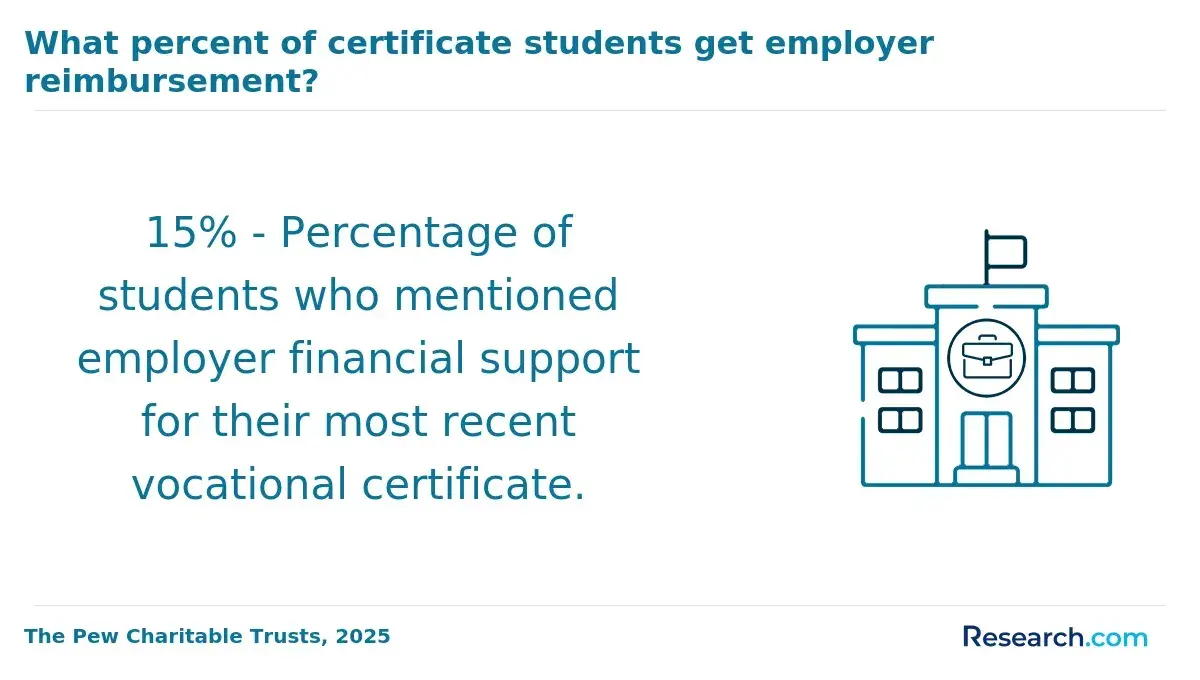
- Employer tuition assistance: Some employers reimburse tuition for degrees related to public policy, administration, compliance, leadership, or government affairs.
- Professional grants: Civic, public service, nonprofit, and policy organizations may offer education funding.
Financial aid questions to ask before enrolling
- Is the program eligible for federal aid? Confirm that both the institution and the online program qualify.
- How does accelerated pacing affect disbursement? Aid may be released differently across short terms or competency-based periods.
- What counts as half-time enrollment? This can vary by credit structure and term format.
- How is SAP measured? Ask how grades, withdrawals, attempted credits, and CBE progress affect eligibility.
- Can scholarships be used year-round? Some awards apply only to traditional fall and spring terms.
Students should file the FAFSA every year and speak with the financial aid office before finalizing an accelerated plan. A fast schedule is most effective when the funding plan is aligned with the academic calendar.
What Graduates Say About Their Online Political Science Bachelor's Degree Program
- Wesley: "Choosing an online political science bachelor’s degree was a game-changer for me because it allowed flexibility with my full-time job. The cost was surprisingly affordable, especially compared to traditional programs, which made it easier to manage financially. Since graduating, I’ve noticed a definite boost in my career opportunities, with several promotions opening up thanks to the knowledge and credentials I gained."
- Anderson: "Reflecting on my decision to pursue an online political science degree, the concise program duration was a major plus. I appreciated that the lower tuition costs meant I could invest less upfront while still receiving a comprehensive education. Professionally, it’s helped me develop critical thinking and analytical skills that have been invaluable in policy research roles."
- Drew: "With my hectic schedule, the ability to study political science online was essential, enabling me to work at my own pace without sacrificing quality. The program’s cost-effectiveness was a deciding factor, as it minimized my student debt. After completing the degree, I’ve successfully transitioned into a rewarding career in government affairs, benefiting immensely from the coursework and networking."
Other Things You Should Know About Political Science Degrees
Most programs require a completed application, official high school or transfer transcripts, and a minimum GPA, often 2.0 or 2.5. Some schools also ask for a personal statement or proof of English proficiency, and transfer applicants may need course descriptions for credit evaluation.
Universities like the University of Central Florida and Arizona State University offer accelerated online bachelor's in political science. These programs can be completed in less than three years, providing faster entry into the workforce while maintaining affordability.
The shortest online political science bachelor's programs in 2027 typically require around 120 credit hours to complete. However, accelerated options may be available, reducing the time needed by allowing for faster completion through a more intensive course load or transferred credits.
References
- Online Bachelor's Degree: Political Science https://www.umgc.edu/online-degrees/bachelors/political-science
- Types of Financial Aid for Online Colleges https://www.umassglobal.edu/blog-news/types-financial-aid-online-colleges
- Bachelor of Political Science, Administrative Science, Sociology https://www.fernuni-hagen.de/english/study/academic-programs/bachelor-political-science-administrative-science-sociology.shtml
- Prior Learning Assessment | Webster University https://www.webster.edu/admissions/undergraduate/prior-learning.php
- Online Political Science Degrees https://www.affordablecollegesonline.org/degrees/political-science-programs/
- B.A. in Political Science | Online Programs | Northern Illinois University https://www.niu.edu/online/undergraduate-programs/ba-political-science.shtml
- Online Political Science Degree | Programs & Career Options https://www.learnhowtobecome.org/best-online-bachelors-in-political-science-degree-programs/
- We're Here for You https://www.setonhill.edu/apply-afford/financial-aid-affordability/online-bachelors-degree-certificate-program-aid/index.html
- Political Science, B.A. https://academics.charlotte.edu/program/political-science-b-a-online/
- Cost of Online Education vs. Traditional Education [2025]: Comparison https://educationdata.org/cost-of-online-education-vs-traditional-education