2027 Return on Investment of an Online Political Science Bachelor's Degree: Salary vs Cost

Co-Founder and Chief Data Scientist
Considering an online political science bachelor's degree raises a crucial question: Does the investment in tuition and time translate into a meaningful salary increase? Many prospective students face uncertainty about the financial returns of shifting careers or advancing education amid rising education costs.
According to the U. S. Bureau of Labor Statistics, the median annual wage for political scientists was $125,350 in 2022, reflecting strong earning potential in the field. This article examines the balance between program costs and salary outcomes to guide prospective students toward informed decisions about their educational investments and career trajectories.
Key Things to Know About the Return on Investment of an Online Political Science Bachelor's Degree
- Real tuition for online political science bachelor's programs ranges widely-from $10,000 to $40,000 total-impacting overall affordability and eventual net return on investment.
- Graduates often see median salaries around $60,000 annually, with variations by region and industry, typically recouping educational costs within 5 to 8 years post-graduation.
- Non-financial benefits include stronger career advancement potential, improved job security, and enhanced professional development opportunities that extend beyond immediate salary gains.
What Is the True Cost of Earning an Online Political Science Bachelor's Degree From Enrollment to Graduation?
Costs associated with earning an online political science bachelor's degree go beyond just tuition, blending direct and indirect expenses that impact the total financial commitment. Evaluating tuition and fees for online political science degree programs reveals a wide range dependent on the institution and available financial aid.
- Tuition Fees: Published tuition rates vary from $15,000 to $40,000 for the entire degree. Data from IPEDS and university net price calculators show many students pay 20-40% less after grants and scholarships, which substantially reduces the sticker price for students.
- Technology Fees: Annual technology or online learning fees typically range from $200 to $1,000. These charges cover vital support services like digital platforms and software needed for successful online coursework.
- Textbooks and Materials: Political science programs require continual updates to textbooks, research studies, and other materials. Students should budget about $1,000 to $1,500 for these essential resources over the duration of the degree.
- Proctoring and Exam Fees: Many institutions impose fees between $50 and $150 per remote proctored exam to maintain academic integrity, depending on how many assessments are required.
- Additional Costs: Indirect expenses-such as a reliable computer, high-speed internet, and a distraction-free study area-can contribute to upfront or ongoing costs during the program, despite reduced commuting and housing expenses.
Using data from nationally reported sources and university calculators, the total cost range for completing an online political science bachelor's degree is approximately $12,000 to $30,000 after factoring in typical financial aid.
This estimate provides a realistic baseline for calculating the return on investment compared to verified salary outcomes. For those debating degree choices, exploring the easiest masters degree to get may also provide helpful context in balancing career goals with educational expenses.
How Does the Starting Salary for Political Science Bachelor's Degree Graduates Compare to the Total Cost of the Degree?
The starting salary for graduates with a political science bachelor's degree commonly ranges from $45,000 to $60,000 per year, depending on the sector and geographic location. Typical entry-level roles include paralegals, social scientists, and government positions, as verified by the U.S. Bureau of Labor Statistics (BLS).
When comparing the total tuition cost for an online political science degree-averaging between $20,000 in low-tuition, high-aid programs to as high as $60,000 in less affordable programs-there is a wide variation in financial commitment required.
Considering this cost versus salary for political science bachelor's degree graduates, those paying the least in tuition may need just 4 to 6 months of their starting salary to repay their educational expenses. Conversely, individuals facing tuition on the higher end could spend more than a year-up to 16 months-repaying their degree before seeing a net financial gain. This payback period highlights the importance of selecting programs with the best balance of cost and potential earnings.
It's also important to remember that the average starting salary for online political science graduates is just one part of the financial picture. Salaries typically increase over time as graduates gain experience or advance into higher roles, such as public administration, law, or policy analysis. Mid-career salaries can exceed $80,000, improving the overall return on investment significantly. Non-financial benefits like career advancement opportunities and job security further enhance this value.
- Starting Salary Range: Entry-level roles for political science graduates typically offer between $45,000 and $60,000, depending on sector and location.
- Cost Variability: Online degree costs range widely-from about $20,000 with generous aid to $60,000 without-shaping payback timelines significantly.
- Payback Period: Best-case graduates repay tuition in under 6 months of starting salary; worst-case can take over a year.
- Long-Term Growth: Salaries can rise to $80,000 or more in mid-career, enhancing long-term financial returns.
- Beyond Salary: Non-financial benefits such as career advancement and job security also factor into the degree's value.
For students seeking further education pathways, programs like online masters psychology offer additional options to build on a political science bachelor's degree while considering affordability and career growth potential.
What Is the Average Return on Investment (ROI) for an Online Political Science Bachelor's Degree Over a 10-Year Career?
Return on investment (ROI) in higher education measures the financial benefit a graduate gains over time compared to the total cost of earning their degree. For an online political science bachelor's degree, ROI is calculated by subtracting tuition and related expenses from the extra earnings a graduate achieves over 10 years, compared to someone with only a high school diploma or an associate degree in a related field. According to the Georgetown University Center on Education and the Workforce, the typical 10-year ROI for all bachelor's degrees is about $300,000.
Using median wage data for political science careers from the Bureau of Labor Statistics, graduates typically start at a yearly salary near $65,000, with annual raises averaging 3%. Factoring in these increases, total earnings over a decade can reach approximately $741,000. Assuming the online degree costs around $40,000, the net gain in earnings compared to a high school graduate earning a steady $40,000 annually results in an estimated ROI near $240,000-close to the national average for bachelor's degrees.
- Financial Benchmark: The 10-year ROI for political science graduates is roughly $240,000, highlighting substantial financial rewards beyond those with lower-level credentials.
- Cost Consideration: The average expense of an online political science program is about $40,000, an investment that should be balanced against projected career earnings.
- Salary Growth: Annual raises of 3% compound over time, significantly elevating lifetime income for degree holders.
- Comparison to National Average: Political science graduates' ROI aligns well with the broader average for all bachelor's degree holders, confirming strong economic value.
Focusing on both cost and long-term benefits was key for a professional who chose to pursue an online political science bachelor's degree. He reflected on the decision process, saying, "I spent hours analyzing tuition costs, potential salaries, and how my career could grow with this degree."
Although balancing work and studies was often challenging, he found the flexible schedule of the online program essential. "It wasn't easy managing assignments and deadlines while working full-time, but knowing the ROI justified the effort kept me motivated." He appreciated gaining access to higher-level roles and increased job stability after graduation, affirming that the upfront investment aligned with his career goals and financial expectations.
How Do Online Political Science Program Tuition Rates Compare Across Public, Private, and For-Profit Institutions?
When examining online political science degree tuition comparison, cost structures vary significantly by institution type, affecting overall return on investment (ROI).
- Public Institutions: These schools generally offer the most affordable tuition, especially for in-state students. Many provide flat-rate online tuition regardless of residency, helping non-resident learners avoid additional fees. Annual tuition typically ranges from $7,000 to $15,000, depending on the school and state.
- Private Nonprofit Colleges: Tuition here is higher, usually between $20,000 and $35,000 annually. These institutions often provide enhanced academic support, smaller classes, and stronger alumni networks, which can improve graduation rates and long-term career outcomes.
- For-Profit Colleges: For-profit schools sometimes advertise tuition below $10,000 per year, attracting students on a budget. However, IPEDS data shows these programs often have lower completion rates and higher student loan default risks, which may lead to diminished job prospects and weaker ROI.
Choosing the lowest tuition does not guarantee the best financial return. Graduates from some for-profit programs may face employer skepticism and tougher job placement, impacting lifetime earnings. Private nonprofit degrees, despite their higher cost, often deliver stronger career support that can raise salary potential over time.
Public universities commonly balance affordability and quality but vary widely by region. Prospective students should assess tuition alongside graduation rates, employment statistics, and program reputation to gauge true value. Those exploring options may also find helpful insights in the best 2 year construction management degree online guidance, which illustrates similar considerations about affordability and outcomes.
What Long-Term Salary Growth Can Political Science Bachelor's Degree Holders Expect Over a 20- to 30-Year Career?
Earning an online political science bachelor's degree can steadily enhance career growth and lifetime earnings. Early-career roles provide foundational experience, while mid- and late-career positions offer leadership, research, and policy opportunities. Over a full career, degree holders may earn $500,000–$750,000 more than non-degree peers, reflecting the long-term benefits of skills, experience, and professional advancement.
Early Career Growth: In the initial five years post-graduation, salary increments for political science bachelor's degree holders tend to be steady but moderate, grounding professionals in essential skills and entry-level roles commonly aligned with social science median wages.
Mid-Career Acceleration: From roughly five to ten years, wage growth usually quickens as individuals acquire specialized knowledge-such as in policy analysis or regulatory affairs-and begin assuming managerial or supervisory responsibilities.
Established Professional Phase: Between ten and fifteen years, earnings often rise significantly, reflecting advancement into senior leadership, research direction, or high-level consulting positions.
Long-Term Stability and Incremental Growth: After fifteen years, salary increases tend to slow but continue steadily through incremental raises and bonuses, varying by sector like academia, government, or lobbying.
Mid-Career Salary Benchmarks: Surveys from sources like the American Community Survey and PayScale report that mid-career annual salaries for political science graduates typically range between $60,000 and $85,000, depending on job role and geographic location.
Cumulative Lifetime Earnings Premium: Over a 20- to 30-year trajectory, degree holders can expect to earn approximately $500,000 to $750,000 more than similarly situated non-degree peers, due to higher entry salaries plus increased opportunities for promotion and pay raises.
A professional who pursued an online political science bachelor's degree described the journey as demanding yet rewarding. "Balancing coursework with a full-time job was challenging," she recalled, "but the flexibility allowed me to apply what I learned immediately at work."
After completing the program, she noticed a gradual but clear boost in responsibilities and earnings, emphasizing that patience and continuous skill development were key. "The degree opened doors I hadn't imagined, especially when I transitioned into a policy advisory role. It wasn't overnight, but over time, the investment truly paid off."
How Does the ROI of an Online Political Science Bachelor's Degree Compare to an Associate Degree or a Professional Certificate?
Choosing between an online political science bachelor's degree, associate degree, or a professional certificate involves weighing both upfront costs and long-term benefits. Median annual earnings for bachelor's graduates sit near $74,000, substantially higher than the roughly $45,000 earned by those with associate degrees or certificates in related fields, based on data from the Bureau of Labor Statistics and the National Center for Education Statistics.
- Cost: Certificates are the most affordable option, often priced below $5,000, targeting specific skills without providing broad academic credentials. Associate degrees generally cost between $10,000 and $15,000, while bachelor's programs range from $30,000 to $50,000 online.
- Time Commitment: Certificates can be completed in a matter of months, associate degrees typically require two years, and bachelor's degrees usually demand about four years. Faster credential completion can allow earlier workforce entry or reskilling.
- Earnings Potential: Political science bachelor's degree holders tend to earn around 60% more over their careers than those with associate degrees. Although certificates might increase income in niche sectors, they seldom match the earning capacity tied to a four-year degree.
- Career Progression: Advanced roles in government, policy analysis, and international relations often require a bachelor's degree. Associate degrees and certificates commonly prepare graduates for entry-level positions with limited upward mobility.
- Job Stability and Growth: Graduates with bachelor's degrees experience lower unemployment rates and greater access to professional networks, ongoing education, and development opportunities.
For learners balancing tight budgets or needing rapid career changes, certificates or associate degrees may offer practical short-term advantages. However, for those aiming for stronger financial returns and broader career pathways, the bachelor's degree represents the more advantageous long-term investment. Aligning educational choices with personal timelines and financial realities is critical to maximizing both immediate and future rewards.
Which Online Political Science Specializations or Concentrations Yield the Highest Earning Potential After Graduation?
Specializing within an online political science bachelor's degree can significantly influence your post-graduation income, often providing a salary premium compared to generalist degrees. Linking each concentration to Bureau of Labor Statistics (BLS) occupational data offers a clearer picture of expected financial outcomes and career paths.
- International Relations: Graduates pursue diplomacy, intelligence analysis, and global nonprofits. BLS data shows political analysts and foreign service officers earn median salaries from $75,000 to $90,000, higher than many generalists but note that top roles often require advanced degrees.
- Public Policy and Administration: Focused on government agencies and policy research, with median wages ranging from $65,000 to $85,000. Certification or state licensure may be required, increasing initial costs but enhancing job security and earning potential.
- Political Data Analytics: Growing demand in data science for government and political sectors leads to starting salaries near $70,000. This track offers a salary premium due to technical skills, making it attractive for career changers with analytical experience.
- Legal Studies and Pre-Law: Typically requires law school for attorneys, but roles in legal consulting and compliance start around $60,000. Additional licensing and continuing education add to total investment but yield strong long-term returns.
- Environmental Policy: Careers in sustainability and regulatory agencies offer median wages between $60,000 and $80,000. Optional certifications like LEED boost both employability and salary.
Candidates should assess how each specialization aligns with their background and professional goals, weighing any extra certification or licensure costs. An informed choice can optimize both earning potential and time-to-ROI while supporting career advancement and job security.
How Do Employer Tuition Reimbursement and Financial Aid Reduce the Net Cost of an Online Political Science Bachelor's Degree?
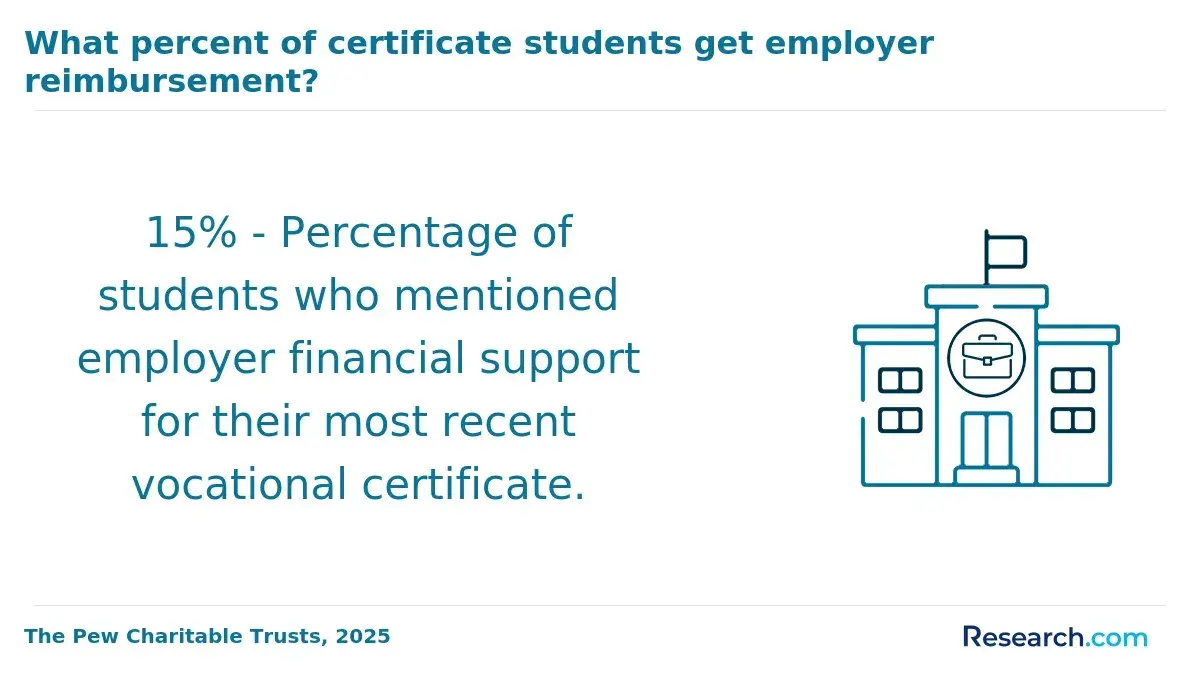
Employer tuition reimbursement programs can substantially lower the out-of-pocket expenses for an online political science bachelor's degree. Under IRS Section 127, employees may receive up to $5,250 annually in tax-free tuition assistance, a benefit that many companies include as part of their employee development plans. According to the Society for Human Resource Management (SHRM), about 56% of U.S. employers offer some form of tuition assistance, making it a widely accessible resource for working students.
When combined with federal and institutional financial aid options to lower online political science degree costs, such as grants, scholarships, and subsidized loans, the reduction in net tuition becomes even more significant.
These aid sources often do not require repayment or provide favorable loan terms like lower interest rates and deferred payments, helping students manage expenses while pursuing their degree. Data from the National Center for Education Statistics confirms that many students reduce their net tuition to a fraction of the sticker price by leveraging these opportunities.
Consider a student with a total degree cost of $40,000. By maximizing employer tuition reimbursement-$5,250 annually over four years-the student recovers $21,000. Adding $10,000 from federal grants and scholarships might lower remaining tuition debt to approximately $9,000, which can be financed with low-interest federal loans. This approach notably enhances return on investment by decreasing upfront costs and future debt burdens, making the degree more affordable for career changers, working professionals, and first-generation college students.
Students looking to explore pathways beyond political science may also find value in related fields, such as urban planning masters programs online, that offer similar financial aid opportunities and professional growth prospects.
- Employer Tuition Reimbursement: Many employers provide up to $5,250 annually in tax-free tuition assistance under IRS Section 127, significantly reducing the effective cost of an online political science degree.
- Prevalence of Benefits: Over half of U.S. employers offer tuition assistance, allowing working students to leverage these programs to make education more affordable.
- Federal and Institutional Aid: Grants, scholarships, and subsidized loans cut net tuition by covering non-repayable costs or offering favorable loan terms to ease financial burdens.
- Combined Impact: Using both employer benefits and financial aid can slash the net cost of a political science bachelor's degree by more than half compared to the sticker price.
- Practical Example: A $40,000 degree could cost as little as $9,000 after applying employer reimbursement and federal grants, improving affordability and long-term financial outcomes.
What Hidden Costs Should Students Factor Into the Total Investment of an Online Political Science Bachelor's Degree?
When calculating the return on investment (ROI) for an online Political Science bachelor's degree, it is critical to factor in the hidden expenses of an online Political Science degree that go beyond tuition. These additional costs can significantly increase the total financial commitment, often overlooked by students budgeting for their education.
For instance, technology fees-charged by many institutions to maintain online learning platforms-typically range from $100 to $300 per semester and recur throughout the program. Similarly, proctoring services designed to uphold exam integrity cost between $30 and $50 per test, accumulating across multiple courses.
Course-specific software licenses are another common but often missed expense, with fees between $50 and $150 per class, especially for specialized research or analytical tools in political science. Graduation fees typically range from $100 to $200, while professional organization memberships that support networking and career growth add $50 to $100 annually.
According to institutional disclosures and College Board data accessed via IPEDS, these hidden expenses can total an extra $1,000 to $1,500 over the course of the program, not counting personal costs like internet upgrades or computer purchases. Such additional costs beyond tuition for political science students extend the break-even timeline for ROI, meaning graduates may take longer to recoup their investment through increased earnings.
Prospective students should always request a comprehensive cost-of-attendance breakdown-not just tuition rates-before enrollment to get a realistic understanding of the total financial commitment. For those evaluating degree options, comparing the total cost against verified salary outcomes and career benefits is essential. For comparison with other fields, see the best online electrical engineering programs USA.
- Technology Fees: Mandatory charges supporting online platforms typically cost $100-$300 per semester, often overlooked but recurring throughout the program.
- Proctoring Services: Online exam supervision costs $30-$50 per test, which can accumulate substantially over multiple courses.
- Specialized Software: Some political science classes require paid software licenses costing $50-$150 per course, adding to the total investment.
- Graduation and Membership Fees: Students should budget $100-$200 for graduation expenses and $50-$100 annually for professional organizations beneficial to career growth.
- Impact on ROI Timeline: These hidden costs can delay financial break-even, making it essential to consider the full cost-of-attendance before enrolling.
How Does the Accreditation Status of an Online Political Science Program Affect Graduate Salary and Employability?
Regional accreditation evaluates entire institutions and is widely respected by employers and graduate programs for its rigorous standards. Programmatic accreditation, by contrast, focuses on specific academic disciplines but may not provide the same broad recognition.
According to the National Association of Colleges and Employers (NACE), over 80% of hiring managers prioritize degrees from regionally accredited schools, viewing them as indicators of higher academic quality and better preparation. Degrees from non-accredited or nationally accredited-only schools often raise doubts about candidate qualifications, reducing graduates' salary negotiation leverage and job prospects.
Attending a program without proper accreditation can also restrict access to professional licensure exams, graduate school enrollment, and employment in certain government and healthcare roles.
These limitations can hinder career progression and lifetime earnings. Prospective students should consult reliable sources such as the U.S. Department of Education's accreditation database and the Council for Higher Education Accreditation (CHEA) to confirm accreditation status before committing.
- Regional Vs. Programmatic Accreditation: Regional accreditation certifies the quality of the entire institution and carries greater employer recognition, while programmatic accreditation targets specific fields with more limited acceptance.
- Employer Preferences And Impact On Salary: Surveys indicate employers give preference to regionally accredited degrees, influencing starting pay and promotion chances for political science graduates.
- Licensing And Further Education: Non-accredited program graduates may be blocked from essential licensing exams and graduate studies that enable advanced career opportunities.
- Verification Of Accreditation: Confirming a program's accreditation via official government or CHEA databases protects students from investing in degrees with limited value.
- Career And Financial Risks: Choosing unaccredited programs can reduce job security, earning potential, and access to professional development, lowering overall return on educational investment.
What Entry-Level Job Titles and Salary Ranges Are Available to Graduates of Online Political Science Bachelor's Programs?
Graduates with online political science bachelor's degrees find diverse entry points across government, nonprofit, finance, education, and private sectors, each offering unique salary prospects. These roles reflect the degree's broad applicability and varying paths for financial growth.
- Legislative Assistant: Starting salaries range from $42,000 to $55,000, with government and lobbying firms paying the most. Hands-on internships in political offices can boost earnings.
- Policy Analyst: Median entry pay spans $50,000 to $62,000, especially competitive in healthcare and technology sectors emphasizing data-centric policy work.
- Public Relations Specialist: Starting wages typically fall between $40,000 and $58,000, with technology and finance rewarding advanced communication skills and certifications.
- Research Assistant: Salaries in academia and nonprofits hover from $36,000 to $48,000; expertise in quantitative analysis or specialized software certifications can push pay higher.
- Intelligence Analyst: Entry-level compensation is around $50,000 to $65,000, predominantly from government agencies and defense contractors.
- Urban Planner Assistant: Salary ranges from $43,000 to $55,000, with location and employer type strongly influencing pay.
- Human Resources Coordinator: Median pay lies between $38,000 and $50,000, with healthcare and finance sectors offering premiums for labor relations credentials.
- Campaign Coordinator: Newcomers earn $35,000 to $48,000, frequently in political or nonprofit organizations; leadership and project management skills encourage quicker salary growth.
Internships, focused certifications-like data analysis or communications-and specific concentrations such as international relations or public administration can significantly improve starting salaries. These factors accelerate return on investment by positioning graduates for higher-paying roles sooner, helping them balance educational expenses against career ambitions.
What Graduates Say About the Return on Investment of Their Online Political Science Bachelor's Degree
- Westin: "I chose the online political science bachelor's degree after thoroughly comparing its cost to the potential ROI-and the balance was clear. The affordable tuition combined with flexible scheduling allowed me to continue working while studying, which minimized financial strain. Beyond the monetary benefits, the program gave me more than just a degree-it opened doors to leadership roles I hadn't anticipated."
- Peter: "Reflecting on my journey, the return on investment for this online political science bachelor's degree felt equally about stability and growth. The knowledge I gained has made me a valuable asset at work, increasing my job security during uncertain times. Also, enrolling online meant I could access quality education without sacrificing my personal commitments, which was invaluable."
- Andrew: "From a professional standpoint, investing in an online political science degree drastically improved my career trajectory. The program's comprehensive curriculum sharpened my analytical skills, which translated into promotions and higher salary offers. It's clear to me now that the non-financial benefits-like networking opportunities and critical thinking-were just as significant as the financial returns."
Other Things You Should Know About Political Science Degrees
On average, graduates of online political science bachelor's programs can expect to recoup tuition costs within 5 to 7 years, depending on the cost of the program and their post-graduation salary. Higher starting salaries in government or consulting roles can shorten this period, while lower-paying sectors may extend it. Financial aid and scholarships also impact how quickly students can break even.
Salary outcomes vary significantly by geographic location and industry sector for political science graduates. Employers in major metropolitan areas or regions with a high concentration of government agencies often offer higher salaries. Industries like public administration, international relations, and political consulting typically pay more than nonprofit or education sectors, influencing overall return on investment.
Employer surveys indicate that a political science bachelor's degree is valued for its analytical, communication, and research skills, which are applicable in many fields. Labor market data from sources like the Bureau of Labor Statistics show steady demand for roles in public policy, government, and advocacy. However, employers often prefer candidates with internship experience or additional certifications to complement the degree.
References
- Return on Education for Bachelor’s Degrees | SoFi https://www.sofi.com/learn/content/roi-by-bachelor-degree/
- ROI in Higher Education - FREOPP https://freopp.org/roi-in-higher-education/
- Online Political Science Degrees: Find Your School https://www.publicservicedegrees.org/online-degrees/political-science-degrees/
- Top 7 Highest Paying Political Science Degree Jobs https://www.greatvaluecolleges.net/highest-paying-political-science-degree-jobs/
- Careers in Political Science https://chss.wwu.edu/political-science/careers-political-science
- Online Political Science Degree | Programs & Career Options https://www.learnhowtobecome.org/best-online-bachelors-in-political-science-degree-programs/
- Political Science Degree Jobs: 12+ Career Paths (2026) | Extern https://www.extern.com/post/political-science-degree-jobs-career-guide
- Employer Tuition Assestance Boosts Student Success, Provides Revenue to Community Colleges http://perspectives.acct.org/stories/employer-tuition-assistance
- Affording the Future: A Critical Analysis of Tuition Costs and Student Financial Burdens in Higher Education https://www.scientiamoralitas.com/index.php/sm/article/view/319
- Online Associate Degree vs Bachelor’s – Which is Right for Me? https://imbc.edu/2018/07/03/online-associate-degree-vs-bachelors-which-is-right-for-me/