2027 Fastest Online Art History Bachelor's Degree Programs You Can Finish in 3 Years or Less

Co-Founder and Chief Data Scientist
Many working adults and career changers face the challenge of earning an online art history bachelor's degree quickly without lowering academic standards. Accelerated programs promise faster completion, but balancing quality, accreditation, and affordability remains difficult.
Notably, 42% of students seeking online humanities degrees aim to graduate in three years or less to minimize lost income. This urgency drives demand for programs tailored to prior credits and accelerated learning models. This article explores how to identify top online art history bachelor's degree programs that can be finished in under three years, covering admissions, credit transfers, cost-saving strategies, and employer acceptance to help readers make informed decisions.
Key Benefits of the Fastest Online Art History Bachelor's Degree Programs
- Accelerated online art history programs offer flexible scheduling, allowing working professionals to balance careers and studies without compromising quality or accreditation standards.
- Students acquire critical art historical analysis skills rapidly, leveraging competency-based education to complete degrees in under three years efficiently.
- Access to global virtual networks connects students with experts and peers worldwide, enhancing professional opportunities and expanding cultural perspectives.
What Are the Fastest Online Art History Bachelor's Degree Programs You Can Complete in 3 Years or Less?
The fastest online art history bachelor's degree programs enable completion in 36 months or less by using compressed course terms, year-round enrollment, and competency-based education models. Compressed terms typically consist of shorter semesters lasting 5 to 8 weeks instead of the traditional 15-week format, allowing students to take more courses annually. Year-round enrollment offers multiple start dates throughout the year, eliminating delays tied to standard semester calendars.
Competency-based programs prioritize mastery of material rather than seat time, enabling accelerated progress based on prior knowledge and skills. Several accredited programs stand out for accelerated completion:
- Southern New Hampshire University: Offers a flexible online BA in art history with six 8-week terms per year, requiring 120 credits and costing about $38,000 total; students can finish in roughly 2.5 to 3 years.
- University of Florida: Provides an online BA in art history with 16-week courses available multiple times annually; requires 120 credits and can be completed within 3 years, with tuition around $20,000 for in-state students.
- Western Governors University: Features a competency-based BA in art history and humanities where students complete 120 competency units at their own pace; tuition is approximately $4,530 per 6-month term, often enabling completion in under 3 years.
- Arizona State University: Offers a 120-credit online BA in art history with multiple yearly start dates and 7.5-week courses; can be compressed to 3 years or less with total tuition around $60,000 for out-of-state students.
Speed-to-completion varies depending on factors such as maximum credit load per term, availability of transfer credits, and students' ability to take accelerated or year-round courses. Effective use of transfer credits and selecting competency-based models can substantially reduce timelines while maintaining accreditation and academic rigor.
Those exploring accelerated tracks should also compare financial aid opportunities and cost savings versus traditional programs to identify the best fit for their goals and budget, similar to how many students find the cheapest online MBA programs by balancing speed and affordability.
How Does an Accelerated Online Art History Bachelor's Degree Save You Money Compared to a Traditional 4-Year Program?
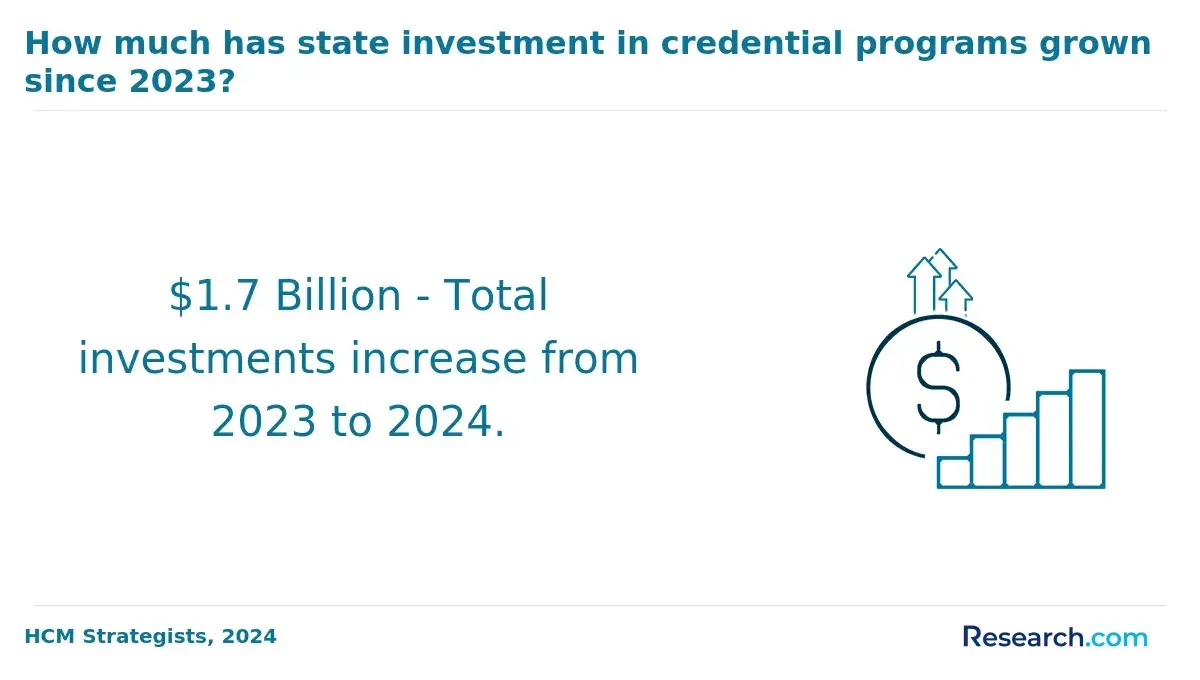
Choosing an accelerated online art history bachelor's degree offers notable direct cost savings compared to a traditional four-year program. According to the National Center for Education Statistics (NCES), the average annual tuition and fees at public institutions are around $9,300. Completing your degree in three years instead of four can reduce total tuition expenses by roughly 25%, saving about $9,300 in direct education costs alone.
Fewer semesters also mean lower cumulative course fees, technology charges, and incidental expenses such as textbooks and materials, which tend to add up in longer programs. These savings contribute to the financial benefits of fast-track art history bachelor's programs.
Beyond tuition savings, the indirect financial benefit of entering the workforce a full year earlier is significant. Data from the U.S. Bureau of Labor Statistics indicates that bachelor's degree holders earn a median weekly wage of about $1,200, which translates to approximately $62,400 annually.
Graduates of accelerated programs can thus start earning this income sooner, recouping earnings that traditional program students forgo during their additional year of study.
- Lower Tuition Costs: Completing your degree in three years cuts total tuition and reduces semester fees, making education more affordable without compromising on quality.
- Reduced Additional Fees: Fewer semesters mean fewer technology fees, course materials, and campus service charges that often accumulate in traditional four-year programs.
- Earlier Workforce Entry: Graduating a year sooner allows students to start earning a full salary earlier, closing the income gap with peers in standard-length programs.
- Opportunity Cost Savings: The value of foregone earnings during the extra year of study can exceed the direct tuition savings, amplifying the financial advantage of accelerated online art history degree cost savings.
- Financial Flexibility: Lower overall education costs may reduce student loan burdens and interest accrual, supporting better long-term financial health for graduates pursuing their career goals.
Those interested in exploring affordable, accredited options for abbreviated study paths can consider CACREP-accredited programs online that offer flexible scheduling and competitive tuition structures.
2026 Update: Avoiding Scheduling Bottlenecks in Fast Online Art History Degrees
This 2026 update highlights the scheduling details that can determine whether an online art history bachelor’s degree is actually finishable in three years or less, beyond advertised program length.
- Confirm how often required art history survey, methods, and upper-division courses are offered online.
- Ask whether key courses run in accelerated sessions, full semesters, or only during certain terms.
- Check if capstone, thesis, portfolio, or senior seminar requirements have fixed start dates.
- Review whether any museum, archive, internship, or experiential requirement can be completed locally or remotely.
- Make sure prerequisite chains will not delay access to advanced courses.
- Ask whether asynchronous courses allow flexible study around work and family obligations.
- Verify that academic advising includes a term-by-term graduation plan before enrollment.
Checking these timing factors early helps students choose a program whose structure matches their graduation goal, not just its advertised accelerated format.
Students targeting an affordable, accredited online art history bachelor's degree that can be completed within three years have multiple regionally accredited options. Regional accreditation is crucial, as it guarantees academic quality and is widely recognized by employers and other institutions for credit transfers, unlike programmatic accreditation, which focuses on specific disciplines.
- Fort Hays State University: Regionally accredited by the Higher Learning Commission (HLC), this university charges about $226 per credit hour. With a 120-credit curriculum, the total cost is near $27,120. Accelerated tracks, multiple start dates, and transfer-friendly policies help students finish in 2.5 to 3 years.
- University of Central Florida: Also HLC-accredited, UCF's in-state tuition is roughly $212 per credit hour. The estimated total for 120 credits is around $25,440. Fast-paced programs, summer terms, and credit for prior learning enable degree completion within three years.
- Columbia Southern University: Accredited by the Southern Association of Colleges and Schools Commission on Colleges (SACSCOC), CSU offers a flat-rate tuition of $225 per credit hour. Its competency-based education allows motivated students to complete the degree in as little as two years, potentially cutting costs significantly.
- Western Governors University: Known for competency-based learning and accredited by the Northwest Commission on Colleges and Universities (NWCCU), WGU charges $3,935 per six-month term rather than per credit. Many complete the degree in 18 to 24 months by leveraging prior knowledge and self-paced study, realizing savings through faster completion.
- American Public University System: Accredited by the Higher Learning Commission, APU charges about $285 per credit hour, totaling approximately $34,200 for 120 credits. The ability to take up to 9 credits per term and generous transfer policies support an accelerated pace near three years.
A professional who pursued an online art history master's degree to pivot careers shared his experience enrolling in accelerated bachelor's programs to expedite his educational journey. He found balancing work and study challenging but valued the flexibility of multiple start dates and competency-based formats.
"Having transferable credits allowed me to skip foundational classes, which saved a lot of time," he explained. He also noted the emotional boost from seeing tangible progress quickly, which kept his motivation high. His advice was to carefully verify each school's accreditation and transfer policies upfront to avoid surprises, emphasizing that speed without recognized accreditation limits future opportunities.
Ultimately, his strategy combined selecting programs that matched his learning style with leveraging prior knowledge, which he believes is essential for anyone aiming to earn an accredited art history degree within three years.
Admissions for fast-track online art history bachelor's programs vary by institution. Traditional universities often require official transcripts showing a minimum GPA around 2.5 to 3.0 and proof of prerequisite courses in humanities or history.
Standardized tests like the SAT or ACT are less common but might still be considered for some applicants. Conversely, competency-based or open-enrollment programs tend to have fewer entry barriers, typically accepting students with a high school diploma or equivalent and placing more value on prior college credits or relevant work experience.
Some accelerated tracks may also request a portfolio or writing samples to assess art historical skills.
To improve acceptance odds in competitive accelerated programs, candidates should gather strong recommendation letters that reflect academic readiness and passion, complete required prerequisite coursework beforehand, and submit a compelling personal statement explaining their motivation to finish the degree on an expedited timeline.
It's also wise to check for any discipline-specific requirements, such as background checks or experience, particularly if internships with museums or cultural institutions are part of the curriculum.
Understanding transfer credit policies for accelerated art history degrees is crucial for maximizing previous credits and shortening time to completion. Prospective students balancing cost and quality may find valuable insights by researching the best online construction management degree programs as a comparison for affordable, accelerated options in other fields.
Most bachelor's degrees in the U.S. require around 120 credit hours, which can be completed in three years by taking approximately 40 credits annually. This typically means enrolling in 13 to 14 credits each fall and spring semester, plus about 12 credits during the summer term.
Such a schedule demands strong time management but helps students finish on an accelerated timeline.
Students can reduce the number of credits needed by leveraging transfer credits, prior learning assessments (PLA), CLEP exams, or military experience. These options apply previously earned credits or validated knowledge toward degree requirements, often cutting down completion time significantly.
For example, a transfer of 30 credits might allow a student to focus on just 90 remaining hours.
Competency-based education programs provide an alternative to fixed credit hours, enabling learners to advance by demonstrating mastery of content. This model can accelerate graduation by allowing students to move through material as soon as they prove understanding, rather than following a traditional semester schedule.
A practical three-year plan might include 14 credits each in fall and spring, plus 12 credits in summer, reaching the 120-credit benchmark. Nearly 40% of online bachelor's students utilize credit transfer strategies, emphasizing their growing role in fast-tracking degrees.
- Credit Hour Distribution: Completing 120 credits over three years involves a heavy but manageable course load spread across fall, spring, and summer terms to meet degree requirements promptly.
- Transfer and Prior Learning Credits: Previously earned college credits, military service, or exams like CLEP can reduce the total credits needed, speeding up the overall timeline.
- Competency-Based Education: These programs prioritize mastery over seat time, allowing self-paced advancement that can shorten the time needed to graduate.
- Sample Course Load: Taking around 14 credits in fall and spring semesters and 12 in summer helps students fulfill their credit needs within three years.
- Recent Trends: Almost 40% of online bachelor's students use credit transfer options, highlighting this approach's impact on degree acceleration.
A professional who completed an online art history bachelor's degree shared that balancing accelerated coursework with work and family was challenging but rewarding. She found that careful planning and using CLEP exams for introductory subjects helped her avoid burnout and stay on track.
"The flexibility of online learning combined with credit transfer options gave me the confidence to push through intense semesters without sacrificing quality," she noted. This approach enabled her to graduate in just under three years, launching her career sooner than expected.
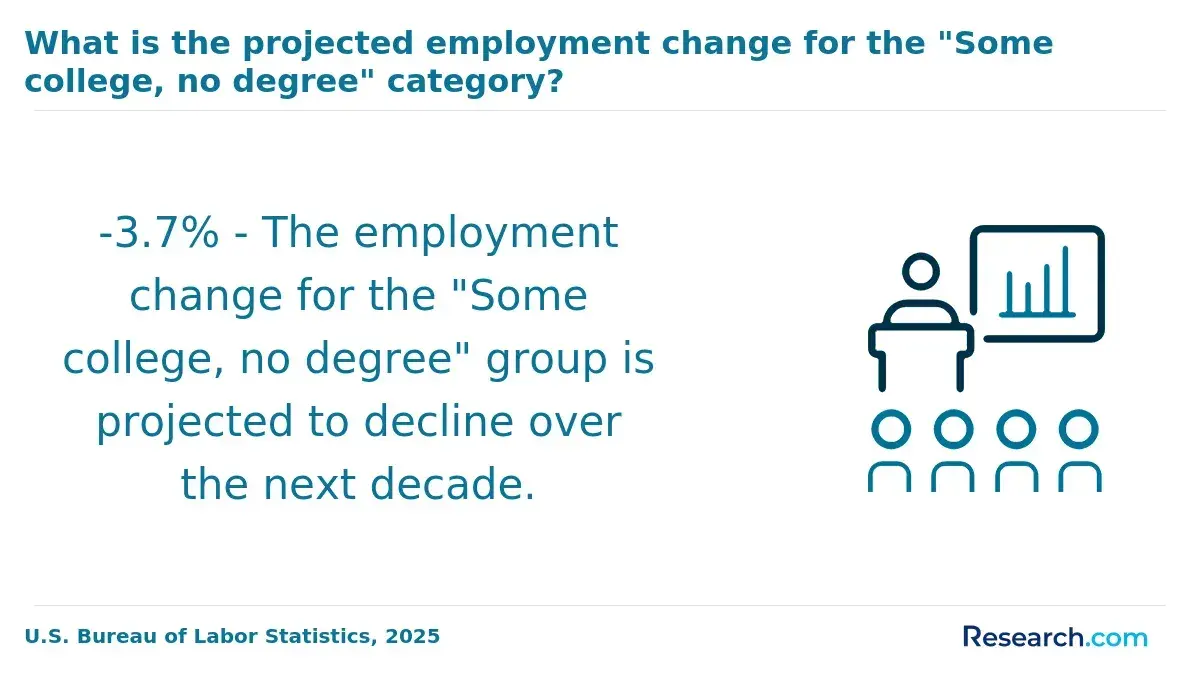
When transferring credits for an online art history bachelor's degree, institutions carefully assess official transcripts to determine how previous coursework aligns with their programs. These evaluations focus on accreditation, course content, and grades.
Providing detailed syllabi or course descriptions can strengthen the review process and increase the likelihood that credits will be accepted.
Transfer credits fall into several categories, each treated differently. Credits from regionally accredited colleges typically transfer more easily, especially if they relate to art history or general education. CLEP exam credits demonstrate mastery through standardized testing, while AP credits earned in high school may also apply but are subject to varying school policies.
Prior Learning Assessments (PLAs) recognize knowledge gained outside the classroom, such as military training or professional experience, usually requiring portfolios or exams for validation.
Some universities have particularly lenient transfer credit policies, accepting up to 90 credits. This can enable students to complete their degrees in as little as three years or less if they have substantial prior coursework.
Still, students often face credit loss during transfer-research shows an average loss of 13 semester credit hours-due mainly to differences in course content or standards. Verifying exactly which credits will count before enrolling is essential to avoid unexpected setbacks.
- Evaluation of Prior Coursework: Institutions thoroughly review transcripts to ensure credits meet academic standards, focusing on course relevance, accreditation, and grades earned.
- Types of Transfer Credits: Traditional college credits, CLEP exams, AP courses, and PLAs each have distinct acceptance rules and documentation requirements.
- Generous Transfer Policies: Some schools accept as many as 90 transfer credits, substantially shortening time to degree completion for well-prepared students.
- Credit Loss Risks: Students typically lose about 13 credit hours when transferring, making it important to confirm credit applicability beforehand.
- Strategic Credit Planning: Early discussions with admissions advisors help clarify transfer policies and improve success in accelerating degrees.
According to recent data, around 62% of undergraduates transfer at least once, underscoring the importance of understanding credit transfer for timely graduation in accelerated online programs.
Completing the Free Application for Federal Student Aid (FAFSA) is the essential first step for students seeking financial support for an accelerated online art history bachelor's degree. This application determines eligibility for key federal aid options like Pell Grants, subsidized loans, and federal work-study programs, which accredited online programs usually support.
Enrollment intensity plays a critical role, as full-time students generally qualify for the highest aid amounts; accelerated programs require careful scheduling to maintain full-time status because credits are compressed into shorter terms.
- Federal Financial Aid Eligibility: Accelerated online art history students must manage course loads carefully to maintain full-time enrollment and maximize Pell Grants and subsidized loan eligibility, while part-time students may receive proportionally less federal aid.
- Institutional Scholarships and Merit Awards: Universities often offer scholarships based on academic achievement, portfolio submissions, or demonstrated commitment to art history, which can significantly reduce tuition costs for high-performing students.
- Discipline-Specific Grants: Specialized grants from arts foundations and cultural organizations target art history majors, providing additional financial options tailored to the accelerated degree track.
- Employer Tuition Reimbursement: Working students should confirm whether their employer covers accelerated or online degrees under tuition reimbursement programs, adding a valuable source of funding beyond federal aid.
- Financial Aid Trends: Over 60% of online bachelor's degree students rely on some form of federal financial aid, emphasizing its importance in making accelerated degrees affordable and accessible.
Competency-based education (CBE) allows students to advance by demonstrating mastery of skills and knowledge rather than completing fixed credit hours in scheduled classes. This approach differs from traditional programs by enabling learners to progress at their own pace, focusing on areas that need more attention.
Some students pursuing an online art history bachelor's degree have completed their studies in as few as 12 to 18 months by combining prior knowledge with this flexible, self-paced format. Several accredited online universities now offer CBE tracks in art history and related humanities fields, ensuring programs meet rigorous standards set by regional accreditors like the Higher Learning Commission.
Students benefit from CBE's potential to accelerate their degree completion, especially appealing to working adults and career changers. Importantly, these programs are eligible for federal financial aid, making fast-tracked degrees more affordable. However, CBE demands strong self-discipline and time-management skills since learners control their study progress without traditional deadlines.
Additionally, while acceptance of competency-based learning credentials is growing, some employers may still prefer conventional degrees, which should be considered when assessing career goals.
Hospitality degree online programs often illustrate similar benefits seen in CBE art history tracks, demonstrating that accelerated and flexible education models are gaining traction across fields.
Key Features of Competency-Based Education for Art History Students:
- Mastery Over Seat Time: Advancement is based on demonstrating understanding through assessments rather than logging classroom hours, allowing faster progress when students are familiar with material.
- Flexible Scheduling: Without fixed class times, learners can study whenever convenient, catering to busy schedules and helping students finish their degree sooner.
- Accreditation and Financial Aid Access: Fully accredited programs qualify for federal aid, ensuring quality education without sacrificing affordability.
- Self-Paced but Demanding: The lack of structured deadlines requires high motivation and discipline to maintain steady progress.
- Employer Recognition Considerations: Some employers value traditional degrees more, so students should weigh this when selecting CBE paths.
An accelerated online art history bachelor's degree compresses the traditional four-year curriculum into a shorter timeline by offering year-round courses or heavier credit loads per term. This format suits traditional students with no prior college credits who want to fast-track their education without sacrificing breadth.
In contrast, online art history degree-completion programs for career changers and adult learners focus on those who have accumulated 30 to 60 transferable credits, often including an associate's degree. These programs allow completion in one to two years with flexible schedules to balance work and study.
To determine which pathway best fits your situation, consider this checklist:
- Credit History: Students with significant transferable credits should lean toward degree-completion programs to avoid repeating coursework.
- Timeline Constraints: Traditional students seeking rapid completion with no prior credits benefit from accelerated programs that condense the full curriculum.
- Financial Considerations: Degree-completion formats often lower overall tuition costs by minimizing redundant classes.
- Career Goals: Those transitioning careers or balancing other responsibilities may prefer the flexibility of degree-completion options.
- Academic Readiness: Accelerated degrees demand strong time-management skills due to their faster pacing and heavier workload.
Currently, over 40% of adult learners pursue degree-completion programs, highlighting a trend toward flexible and efficient education pathways. For those comparing options in quantitative fields, resources like online math degree programs can provide further insight into accelerated and degree-completion formats.
Accelerated online art history bachelor's programs condense traditional curricula into intensive 5-10 week terms, demanding 15-20 hours or more per week for lectures, readings, and assignments. The coursework integrates fundamental general education classes alongside specialized art history studies covering diverse periods, styles, and global perspectives.
Many programs include capstone projects or internships, requiring students to apply analytical skills practically, which is critical when aiming to graduate within three years. Accredited programs following National Association of Schools of Art and Design (NASAD) standards ensure the same academic rigor and recognition as on-campus degrees.
Recent enrollment data shows a 25% rise in accelerated degree participation over five years, reflecting increased interest from working adults and new learners.
- General Education Foundations: Courses in writing, humanities, and social sciences provide essential skills and broad knowledge supporting specialized art history studies.
- Art History Core Courses: In-depth examination of artistic movements, cultural contexts, and key figures from ancient to contemporary times, incorporating Western and non-Western traditions.
- Compressed Term Structure: Shortened session lengths require concentrated weekly effort, enabling quicker credit accumulation without compromising educational quality.
- Capstone and Practical Experience: Final research projects or internships offer hands-on opportunities to synthesize learning and enhance career readiness.
- Accreditation Assurance: Compliance with NASAD and similar accreditor standards validates the program's credibility and value to employers and graduate schools.
Recent research highlights a growing acceptance among employers of online and accelerated bachelor's degrees, especially when these come from regionally accredited institutions. Employers prioritize accreditation status far above whether the degree was earned online or completed rapidly.
To ensure an institution's credibility, students should consult the Council for Higher Education Accreditation (CHEA) database, a reliable resource for verifying recognized accreditation. Enhancing an accelerated art history degree's value is possible by gaining internships, obtaining professional certifications, building a portfolio, or acquiring relevant work experience during study.
These elements showcase practical skills and dedication beyond the diploma. However, some industries continue to favor traditional on-campus degrees, particularly when networking and hands-on learning are critical. Prospective students targeting these fields should carefully research their industry's expectations before choosing an accelerated online path.
- Employer Focus on Accreditation: Accreditation is the decisive factor employers consider, outweighing study format or degree completion speed.
- Verification Resources: The CHEA database is essential for confirming if a school's accreditation is valid and trusted.
- Boosting Degree Credibility: Internships, certifications, and work experience gained alongside studies strengthen graduates' appeal.
- Industry Variations: Some sectors prefer on-campus education due to demands for in-person networking and skills training.
- Increasing Employer Acceptance: Surveys demonstrate a trend toward recognizing and respecting online credentials from quality institutions.
What Graduates Say About Their Fast Online Art History Bachelor's Degree Program
- Brianna: "Choosing an online art history bachelor's program was a game-changer for me because of the flexibility it offered alongside my full-time job. The affordable tuition helped me avoid overwhelming debt, which was a huge relief while pursuing my passion. Since graduating, I've successfully transitioned into a museum curator role, proving that the program's practical approach made a real difference in my career."
- Sierra: "I decided to enroll in an accelerated online art history degree to gain a deeper understanding of cultural art movements without interrupting my work schedule. The cost-effectiveness was a significant factor, especially as I balanced family responsibilities. Reflecting now, the knowledge and credentials I earned have opened doors to consulting opportunities within the art auction industry."
- Oliver: "As someone seeking career advancement in the academic field, the online art history bachelor's program was perfect for the intense, focused curriculum it provided. The relatively low cost compared to traditional programs allowed me to invest in specialized resources and research. Professionally, the degree has enhanced my credibility and led to invitations to speak at international conferences, which I find immensely rewarding."
Other Things You Should Know About Art History Degrees
To complete your degree swiftly while maintaining quality, prioritize programs that offer accelerated courses and year-round enrollment. Utilize academic advisors to tailor your study plan, maximize transferable credits, and engage in interactive online forums to bolster understanding.
To enroll in these programs, students typically need a high school diploma or equivalent. Some universities require a minimum GPA or specific art history courses. Check individual program prerequisites for additional requirements like standardized test scores or prior coursework.
Look for programs accredited by recognized bodies, ensuring quality and transferability of credits. Compare tuition rates, availability of financial aid, and policies on credit transfer, especially if you have prior coursework. Evaluate program length options, course delivery formats, and faculty expertise to match your career goals and scheduling needs, prioritizing flexibility without compromising academic rigor.
- Getting a degree in Art History: All you need to know https://www.study.eu/article/getting-a-degree-in-art-history-all-you-need-to-know
- What is Competency-Based Education (CBE)? | University of Phoenix https://www.phoenix.edu/blog/what-is-competency-based-education-and-how-does-it-work.html
- Can You Transfer Credits From a Completed Degree? https://www.edvisorly.com/student-guides/can-you-transfer-credits-from-a-completed-degree
- Guide to Competency Based Education in a University Setting https://online.uwa.edu/news/competency-based-education/
- Financial Aid | Online Art & Graphic Design | Sessions College https://www.sessions.edu/financial-aid/
- Competency-Based Education (CBE) https://lakeshore.edu/future-students/flexible-learning-options/competency-based-education
- Online Degree vs. Traditional: Choosing the Right Path https://beal.edu/online-degree-vs-traditional/
- Accelerated Degree Pros and Cons| University of Bridgeport https://www.bridgeport.edu/news/accelerated-degree-pros-and-cons/